Doha transforms traditional Islamic architecture into futuristic cityscape expressions along the Persian Gulf, where Qatar’s tremendous petroleum wealth has created an ambitious metropolis rising from the desert over just a few decades. The capital city balances ultra-contemporary elements like the staggered-tower skyscrapers of West Bay and the Jean Nouvel-designed National Museum resembling a desert rose crystal formation with preserved cultural heritage evident in the recently restored Souq Waqif marketplace, where traditional commerce continues through spice markets, falconry shops, and artisan workshops. Beyond architectural ambition, Doha presents exceptional cultural institutions through the Museum of Islamic Art designed by I.M. Pei housing one of the world’s finest collections spanning three continents, Katara Cultural Village combining performance venues with restaurants and galleries, and Education City housing branches of prestigious Western universities alongside Qatar National Library. The city’s distinctive character emerges through the Corniche, a seven-kilometer waterfront promenade curving around Doha Bay, offering views of traditional wooden dhow boats against the hypermodern skyline, while inland areas include the Pearl-Qatar artificial island with Mediterranean-inspired districts, and Aspire Zone showcasing Qatar’s sports investments. This rapidly evolving city presents remarkable contrasts between conservative Islamic traditions (modest dress expected, limited alcohol availability) and international influences, offering experiences from heritage sites like Al Zubarah archaeological area to desert adventures in the inland sea region, luxury shopping in designer boutiques, and exceptional dining ranging from Middle Eastern specialties to international celebrity chef establishments—all reflecting Qatar’s ambitions to become a global cultural destination.
The destination guide
Doha
Travel guides for Doha
More guides featuring Doha (1)
At a glance
- Arabic
- English
- Desert peninsula
- Persian Gulf coast
- Modern skyline
- Sand dunes
How Doha scores
Character
Editorial scores on a 10-point scale, weighed against destinations of the same kind.
Travel safety snapshot
SafePlace indicators use their source 100-point scale; higher is more favourable. Planning context, not a live travel advisory — check official government guidance before you go.
When to go
Best months to visit: January, February, March, April, October, November and December.
- January: 14.5 to 22.5 degrees Celsius, 17.9 millimetres of rain, best-time score 5 out of 5.
- February: 15.1 to 23.3 degrees Celsius, 13 millimetres of rain, best-time score 5 out of 5.
- March: 18.1 to 27.2 degrees Celsius, 10.8 millimetres of rain, best-time score 5 out of 5.
- April: 22.3 to 32.3 degrees Celsius, 8.3 millimetres of rain, best-time score 5 out of 5.
- May: 26.8 to 37.7 degrees Celsius, 3.4 millimetres of rain, best-time score 3 out of 5.
- June: 29.5 to 41.5 degrees Celsius, 0 millimetres of rain, best-time score 2 out of 5.
- July: 31.2 to 41.6 degrees Celsius, 2.2 millimetres of rain, best-time score 2 out of 5.
- August: 31.2 to 41.2 degrees Celsius, 0.1 millimetres of rain, best-time score 2 out of 5.
- September: 29 to 39.1 degrees Celsius, 0 millimetres of rain, best-time score 3 out of 5.
- October: 25.6 to 35.3 degrees Celsius, 2.3 millimetres of rain, best-time score 4 out of 5.
- November: 21.6 to 29.8 degrees Celsius, 8.5 millimetres of rain, best-time score 5 out of 5.
- December: 17 to 24.9 degrees Celsius, 13.5 millimetres of rain, best-time score 5 out of 5.
Month-by-month conditions and packing advice
- January
- Mild to warm, mostly dry January in Doha: cooler weather supports Souq Waqif, museums, beaches, Corniche walks, desert trips, and rooftop dining. Crowds: January in Doha is comfortable for sightseeing, neighborhoods, food stops, day trips, and outdoor time with limited weather friction. Pack: Pack layered clothing and comfortable walking shoes.
- February
- Mild to warm, mostly dry February in Doha: cooler weather supports Souq Waqif, museums, beaches, Corniche walks, desert trips, and rooftop dining. Crowds: February in Doha is comfortable for sightseeing, neighborhoods, food stops, day trips, and outdoor time with limited weather friction. Pack: Pack layered clothing and comfortable walking shoes.
- March
- Warm to hot, mostly dry March in Doha: cooler weather supports Souq Waqif, museums, beaches, Corniche walks, desert trips, and rooftop dining. Crowds: March in Doha is comfortable for sightseeing, neighborhoods, food stops, day trips, and outdoor time with limited weather friction. Pack: Pack light clothing, sun protection, and comfortable walking shoes.
- April
- Warm to hot, mostly dry April in Doha: cooler weather supports Souq Waqif, museums, beaches, Corniche walks, desert trips, and rooftop dining. Crowds: April in Doha is workable with normal seasonal planning; build in layers, weather checks, and a mix of indoor and outdoor activities. Pack: Pack light clothing, sun protection, and comfortable walking shoes.
- May
- Very hot, mostly dry May in Doha: lower demand may help, but daytime heat still requires indoor breaks. Crowds: May in Doha can be very hot, so travelers should favor early starts, shaded breaks, indoor attractions, and flexible afternoon pacing. Pack: Pack breathable clothing, strong sun protection, and a refillable water bottle.
- June
- Very hot, mostly dry June in Doha: extreme summer heat makes most outdoor sightseeing impractical. Crowds: June in Doha can be very hot, so travelers should favor early starts, shaded breaks, indoor attractions, and flexible afternoon pacing. Pack: Pack breathable clothing, strong sun protection, and a refillable water bottle.
- July
- Very hot, mostly dry July in Doha: extreme summer heat makes most outdoor sightseeing impractical. Crowds: July in Doha can be very hot, so travelers should favor early starts, shaded breaks, indoor attractions, and flexible afternoon pacing. Pack: Pack breathable clothing, strong sun protection, and a refillable water bottle.
- August
- Very hot, mostly dry August in Doha: extreme summer heat makes most outdoor sightseeing impractical. Crowds: August in Doha can be very hot, so travelers should favor early starts, shaded breaks, indoor attractions, and flexible afternoon pacing. Pack: Pack breathable clothing, strong sun protection, and a refillable water bottle.
- September
- Very hot, mostly dry September in Doha: lower demand may help, but daytime heat still requires indoor breaks. Crowds: September in Doha can be very hot, so travelers should favor early starts, shaded breaks, indoor attractions, and flexible afternoon pacing. Pack: Pack breathable clothing, strong sun protection, and a refillable water bottle.
- October
- Very hot, mostly dry October in Doha: heat is easing and outdoor plans become more comfortable with careful timing. Crowds: October in Doha can be very hot, so travelers should favor early starts, shaded breaks, indoor attractions, and flexible afternoon pacing. Pack: Pack breathable clothing, strong sun protection, and a refillable water bottle.
- November
- Warm to hot, mostly dry November in Doha: cooler weather supports Souq Waqif, museums, beaches, Corniche walks, desert trips, and rooftop dining. Crowds: November in Doha is workable with normal seasonal planning; build in layers, weather checks, and a mix of indoor and outdoor activities. Pack: Pack light clothing, sun protection, and comfortable walking shoes.
- December
- Mild to warm, mostly dry December in Doha: cooler weather supports Souq Waqif, museums, beaches, Corniche walks, desert trips, and rooftop dining. Crowds: December in Doha is comfortable for sightseeing, neighborhoods, food stops, day trips, and outdoor time with limited weather friction. Pack: Pack light clothing, sun protection, and comfortable walking shoes.
- November
- December
- January
- February
- March
- June
- July
- August
- April
- May
- September
- October
Know before you go
Neighbourhoods
Doha features a range of neighborhoods, each with its own charm:
- West Bay: A modern district known for its skyscrapers and luxury hotels
- Souq Waqif: A traditional market filled with shops, restaurants, and cultural experiences
- Katara: A cultural village that hosts events, art galleries, and theaters
- Doha Corniche: A waterfront promenade offering stunning views of the skyline
- Education City: A hub for education and research with beautiful campuses
Each neighborhood offers unique experiences, from shopping and dining to cultural exploration.
Best time to visit
The best time to visit Doha is during the cooler months from November to April when temperatures are more comfortable for outdoor activities. The weather is ideal for exploring the city’s attractions and enjoying outdoor events. Be mindful of the extreme heat in the summer months, which can make sightseeing challenging.
Crowds
Doha peaks during November–March when the weather is cooler and events (World Cup legacy events, sporting tournaments) draw visitors; quietest in summer (June–August) when extreme heat reduces arrivals; overall busy in peak season but less crowded than major global hubs.
Getting there and around
Getting there
Hamad International Airport (DOH) stands as Qatar’s gleaming gateway to the world, consistently rated as the world’s best airport by Skytrax. This architectural marvel, which opened in 2014, spans 22 square kilometers and welcomes over 65 million passengers annually through its state-of-the-art terminals. Located just 15 minutes east of central Doha, the airport offers remarkably efficient connections to the city. The Doha Metro Red Line provides the fastest route, whisking travelers from the terminal to Msheireb station in the heart of downtown for just 3 QAR, with trains running every few minutes. Public bus routes 747 and 777 offer budget-friendly alternatives at 3-5 QAR, connecting to key destinations like Souq Waqif and Katara Cultural Village. Taxis await at the dedicated pavilion, while Uber pickups are conveniently located at Level 5 near baggage claim. For those arriving by land, Qatar shares its only border with Saudi Arabia, accessible via the Abu Samra crossing. Regional connections include flights from all major Middle Eastern hubs, with Qatar Airways providing extensive global connectivity to over 170 destinations. The airport’s premium lounges, luxury shopping, and world-class facilities make even lengthy layovers enjoyable, while limousine services and private transfers cater to those seeking ultimate comfort.
Getting around
Getting around Doha is efficient thanks to its well-developed public transit system, anchored by the sleek, driverless Doha Metro, which connects key districts like West Bay, Education City, and Hamad International Airport. The Karwa bus network complements the metro with extensive coverage, though it’s most useful if you’re comfortable navigating local routes, while the city remains largely car-oriented with limited walkability outside central areas like Msheireb. For door-to-door convenience, taxis are widely available, but rideshare services like Uber and Careem tend to be more reliable and slightly cheaper, especially during peak hours. For budget-friendly travel, grab a rechargeable Qatar Rail travel card (Standard or Gold) at metro stations—Standard is sufficient for most travelers and provides easy tap-in access across the metro and metrolink feeder buses.
Top experiences in Doha
Museum of Islamic Art
A stunning I.M. Pei-designed museum on a purpose-built island, housing one of the world’s finest collections of Islamic art spanning 1,400 years. The building’s geometric forms and waterfront setting make it an architectural landmark.
Souq Waqif
A restored traditional marketplace brimming with spice stalls, textile shops, handicrafts, and open-air restaurants. The adjacent Falcon Souq and Gold Souq add unique cultural dimensions. Best experienced in the cooler evening hours.
National Museum of Qatar
Designed by Jean Nouvel in the shape of a desert rose, this immersive museum chronicles Qatar’s journey from ancient geological past through pearl-diving heritage to modern nation. Interactive galleries and film installations bring the story to life.
The Pearl-Qatar
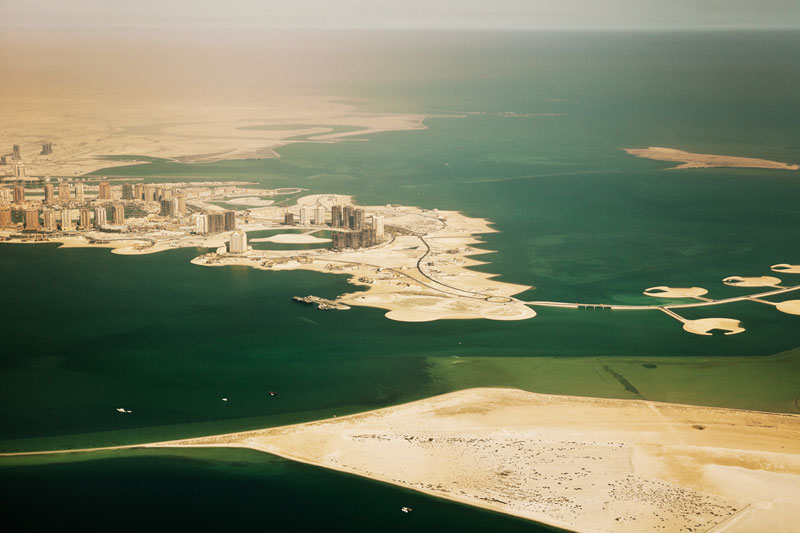
An artificial island featuring luxury shopping, marina-side dining, and the Instagram-worthy Qanat Quartier with Venetian-inspired pastel buildings and canals. The island also offers beaches, water sports, and upscale residential areas.
Katara Cultural Village
A sprawling waterfront cultural complex featuring an open-air amphitheater, art galleries, mosques with striking tilework, and diverse international restaurants. Regular exhibitions, film screenings, and musical performances make it a genuine cultural hub.
Editor-curated picks carried over from our original guide. Where a full place guide exists, the card links to it.
Worth booking ahead in Doha
Hand-picked from the operators our guides already send readers to. Prices and availability are live on the partner site.
BrowseViator
Tours and tickets in Doha on Viator (opens Viator in a new tab)
Viator's full list of bookable tours and tickets in Doha.
BrowseGetYourGuide
Experiences in Doha on GetYourGuide (opens GetYourGuide in a new tab)
Everything GetYourGuide sells in Doha, with the cancellation terms on each listing.
Where to stayBooking.com
Stays in Doha (opens Booking.com in a new tab)
Live rates and availability for Doha on Booking.com; filter by neighbourhood once you know where your days start.
We earn a commission if you book through these links, at no extra cost to you. It is how we keep the guides free and independent.
Where to stay
The Ritz-Carlton Doha
West Bay Lagoon, Doha, Qatar
Beachfront luxury resort on its own private island in West Bay Lagoon, featuring an exclusive spa, multiple dining venues, and direct access to a private beach and marina. A top choice for travelers seeking five-star comfort with resort-style amenities.
Souq Waqif Boutique Hotels
Souq Waqif, Al Souq Street, Doha, Qatar
A collection of heritage-style boutique properties set within the restored alleyways of Souq Waqif. Each hotel offers uniquely themed rooms with traditional Qatari design, placing guests steps from the souq’s restaurants, shops, and cultural experiences.
Premier Inn Doha Education City
Education City, Al Rayyan, Doha, Qatar
A well-appointed budget-friendly hotel near Qatar Foundation and Education City, offering clean modern rooms, complimentary breakfast, and easy metro access. Ideal for travelers looking for value without sacrificing comfort.
Editor-curated stays carried over from our original guide. Where we have reviewed the hotel, the card links to the review.
Tips from the field
Practical tips
- Currency: Qatari Riyal (QAR). Cards widely accepted.
- Getting There: Hamad International Airport (DOH, world's best airport). Doha Metro Red Line to center.
- Transportation: Doha Metro (3 lines, QAR 2-6). Uber/Karwa taxis. Walking limited due to heat and distances.
- Dining: Arabic coffee and dates, machboos (spiced rice), hummus and falafel. Souq Waqif for dining (QAR 30-80). Hotel fine dining (QAR 200-500+).
- Free Attractions: Museum of Islamic Art (free), Souq Waqif, The Pearl-Qatar, Katara Cultural Village, Corniche waterfront walk.
- Tipping: 10% at restaurants
- Electricity: 240V/50Hz, Type G plugs
Photography tips
- Golden hour along the Doha Corniche creates stunning reflections of the modern skyline across the bay. The Museum of Islamic Art delivers exceptional geometric compositions from its angular architecture and the surrounding waterfront. Souq Waqif is most photogenic in the evening when lanterns glow and the crowds create atmospheric scenes. The Pearl-Qatar's Qanat Quartier provides pastel Mediterranean-style facades against bright desert skies. For skyline panoramas, cross to the MIA Park for an unobstructed view of West Bay's towers. Desert landscapes outside the city offer otherworldly dune formations, especially at Khor Al Adaid (Inland Sea).
Timing
- Plan museum visits for mornings when crowds are thinnest — the Museum of Islamic Art opens at 9 AM most days (closed Wednesdays). Souq Waqif comes alive after 4 PM and peaks around 7-9 PM when temperatures drop. Friday is the weekly day off, so many businesses close during Friday prayers (11:30 AM – 1:30 PM). Desert safari trips depart in the afternoon for sunset experiences. The Doha Metro runs from 6 AM to 11 PM (Saturday-Wednesday) and until midnight Thursday-Friday. Shopping malls typically open at 10 AM and stay open until 10 PM or later.
Keeping it authentic
- Doha is a city of contrasts where ultra-modern skyscrapers stand alongside restored heritage sites. Souq Waqif, though renovated, preserves the atmosphere of a traditional market with working craftsmen, spice merchants, and the falcon souq. The Msheireb Downtown development is one of the world's largest heritage-quarter restoration projects. Katara Cultural Village serves as a genuine arts hub rather than a tourist-only attraction, hosting exhibitions and performances that draw local audiences. For a deeper understanding of Qatari heritage, visit the National Museum of Qatar and attend a traditional Arabic coffee ceremony.
Culture, customs and safety
Cultural heritage
Doha represents the rapid cultural transformation of traditional Bedouin society into contemporary Gulf cosmopolitan culture, where Islamic heritage, pearl diving traditions, and international modernization created a unique 21st-century Arab cultural synthesis. The city preserves traditional Qatari customs while embracing global cultural exchange through world-class museums, educational institutions, and architectural innovation that showcase both Islamic cultural values and contemporary artistic achievement. Doha cultural heritage encompasses traditional Gulf maritime culture, Islamic architectural innovation, contemporary Arab cultural leadership, and the ongoing balance between cultural authenticity and global cultural engagement.
Local customs & etiquette
Qatari society beautifully balances deep-rooted Islamic traditions with cosmopolitan modernity, creating a unique cultural environment where 85% of residents are expatriates from over 100 countries. This demographic reality has shaped Doha into a remarkably tolerant city, though visitors must still navigate important cultural sensitivities. Dress codes, while relaxed compared to neighboring countries, require both men and women to cover shoulders and knees in public spaces, with stricter enforcement during Ramadan and in government buildings or mosques. Women need not wear abayas but should dress modestly, while men should avoid shorts above the knee and sleeveless shirts in most settings. Greetings follow traditional hierarchies—elders and high-status individuals first—though Qatari women typically won’t shake hands with men as a gesture of respect. Public displays of affection remain strictly taboo, regardless of marital status, and photography of people without permission violates stringent privacy laws. During Ramadan, eating, drinking, or smoking in public during daylight hours shows profound disrespect. Business culture moves at a more relaxed pace than Western standards, with relationship-building taking precedence over immediate transactions. The absence of a traditional tipping culture reflects Qatari generosity, though the large expat community has normalized gratuities in hospitality settings. Arabic remains the official language, but English fluency is nearly universal in public spaces. Most importantly, alcohol consumption is restricted to licensed venues only, with public intoxication carrying severe penalties.
Safety notes
Doha is extremely safe — one of the safest cities in the world.
General Safety:
• Crime is virtually nonexistent
• Safe at all hours
Cultural Notes:
• Conservative dress is appreciated (cover shoulders and knees)
• Alcohol only in licensed hotels and restaurants
• Ramadan: avoid eating, drinking, or smoking in public during daylight
• Photography: don’t photograph people without permission
Emergency: 999