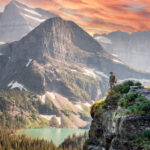
Glacier National Park, located in Montana, is a stunning wilderness area known for its breathtaking landscapes, diverse wildlife, and over 700 miles of hiking trails. With its rugged mountains, pristine lakes, and ancient glaciers, this national park is a paradise for outdoor enthusiasts and nature lovers alike.
The destination guide
Glacier National Park

National / State Park in United States, North AmericaUpdated
- Overall6/10
- Best forCouples, Adventure seekers, Budget travelers
- PeakJan–Apr
- CurrencyUSD
Glacier National Park had 150 glaciers when it was named. Fewer than 25 remain — making the Going-to-the-Sun Road one of the most urgent drives in America.
Travel guides for Glacier National Park
More guides featuring Glacier National Park (6)
At a glance
Currency$ USDCode: USD
Time zoneMountain Daylight Time
Languages
- English
Setting
- Rocky Mountain park
- Glacier-carved valleys
- Alpine lakes
- Going-to-the-Sun Road
Known for
- National Park
- Mountains
- Wildlife
- Glaciers
- Hiking
- Scenic Drives
- Photography
- Wilderness
Population3M3,000,000 residents
VisaDocuments: For domestic U.S. air travel, travelers age 18 and older must present a REAL ID-compliant driver's license or another TSA-accepted ID such as a valid passport
How Glacier National Park scores
6/10OverallFair
Weather7/10
Value for money8/10
Safety9/10
Food & cuisine5/10
Culture & arts4/10
Cultural experience6/10
History7/10
Nature & outdoors10/10
Adventure7/10
Nightlife2/10
Shopping2/10
Family friendly5/10
Romance8/10
Character
Photography score5/10
Authenticity score10/10
Off-the-beaten-path score7/10
Editorial scores on a 10-point scale, weighed against destinations of the same kind.
Travel safety snapshot
Overall82/100High rating
Women travellers80/100
LGBTQ+ travellers70/100
Theft78/100
Medical care70/100
Physical harm72/100
Political freedom80/100
SafePlace indicators use their source 100-point scale; higher is more favourable. Planning context, not a live travel advisory — check official government guidance before you go.
When to go
Best months to visit: June, July, August, September and October.
- January: 3.9 to 12.6 degrees Celsius, 50.3 millimetres of rain, best-time score 2 out of 5.
- February: 4.3 to 11.8 degrees Celsius, 38.6 millimetres of rain, best-time score 2 out of 5.
- March: 3.6 to 11.4 degrees Celsius, 18.1 millimetres of rain, best-time score 2 out of 5.
- April: 0.6 to 7.6 degrees Celsius, 11 millimetres of rain, best-time score 2 out of 5.
- May: 0.1 to 5.1 degrees Celsius, 102.4 millimetres of rain, best-time score 3 out of 5.
- June: -2.4 to 2.1 degrees Celsius, 20.3 millimetres of rain, best-time score 4 out of 5.
- July: -3.5 to 0.6 degrees Celsius, 78.6 millimetres of rain, best-time score 5 out of 5.
- August: -4.2 to 1.3 degrees Celsius, 42.5 millimetres of rain, best-time score 5 out of 5.
- September: -2.3 to 3.9 degrees Celsius, 54.8 millimetres of rain, best-time score 5 out of 5.
- October: -2.1 to 5.1 degrees Celsius, 84.3 millimetres of rain, best-time score 4 out of 5.
- November: 1.8 to 8.3 degrees Celsius, 83.3 millimetres of rain, best-time score 2 out of 5.
- December: 2.8 to 11.3 degrees Celsius, 64.9 millimetres of rain, best-time score 2 out of 5.
Month-by-month conditions and packing advice
- January
- Cool weather, some rain January in Glacier National Park: winter and early spring closures make this unsuitable for most first-time park trips. Crowds: January is firmly within Glacier National Park’s off-season, with most park roads closed due to snow and access limited to lower-elevation areas. Visitor numbers are extremely low, offering solitude and uninterrupted views, but amenities and lodging within the park are minimal or closed entirely. Activities are primarily winter-focused—cross-country skiing, snowshoeing, and photography are popular for those prepared for cold conditions. Daylight hours are shorter, and temperatures can drop sharply in the mornings and evenings. This is not the time for full park exploration, but for those seeking quiet landscapes and snowy vistas without summer crowds, January offers unmatched tranquility. Plan accommodations in nearby towns, and expect reduced services and early closures. Pack: Insulated waterproof jacket suitable for snow; Thermal base layers for cold mornings; Waterproof hiking boots with traction; Wool hat and insulated gloves; Snowshoes or microspikes for icy trails; High-energy snacks and insulated water bottle
- February
- Cool weather, some rain February in Glacier National Park: winter and early spring closures make this unsuitable for most first-time park trips. Crowds: February is firmly in the park’s off-season, with limited accessibility due to snow-covered roads and closed facilities. Visitor numbers are minimal, offering a serene and uncrowded experience, but many services—including lodges, restaurants, and guided tours—are unavailable. Ideal for experienced winter travelers seeking snowshoeing, cross-country skiing, or backcountry exploration, though preparation for winter hazards is essential. Prices for nearby accommodations are generally lower, and advance booking is less critical. However, daylight hours are short, and unpredictable weather can alter plans quickly. Those seeking iconic summer hikes or open-road sightseeing will find February unsuitable, but winter adventurers will appreciate the solitude and stark beauty. Pack: Insulated waterproof jacket with hood; Thermal base layers for cold weather; Waterproof snow boots with traction; Wool hat and insulated gloves; Snowshoes or microspikes for trail access; High-energy snacks and insulated water bottle
- March
- Cool weather, mostly dry March in Glacier National Park: winter and early spring closures make this unsuitable for most first-time park trips. Crowds: March marks the tail end of Glacier National Park’s winter season, offering a peaceful alternative to summer’s crowds. Many higher-elevation roads, including Going-to-the-Sun Road, remain closed due to snow, so access is limited to lower trails and areas near the park’s entrances. Visitor numbers are low, creating ideal conditions for solitude, but amenities and services may be reduced or closed. Lodging prices outside the park tend to be lower compared to peak summer months. Activities such as snowshoeing, cross-country skiing, and winter wildlife watching are at their best, while hiking opportunities expand slowly as snow recedes. Travelers should plan for flexible itineraries and be prepared for rapidly changing mountain weather. Pack: Insulated waterproof jacket for cold conditions; Thermal base layers for warmth; Waterproof hiking boots with good traction; Wool or fleece hat and gloves; Sunglasses with UV protection for snow glare; Collapsible trekking poles for stability on snow
- April
- Cold weather, mostly dry April in Glacier National Park: winter and early spring closures make this unsuitable for most first-time park trips. Crowds: April is shoulder season in Glacier National Park—crowds are minimal, and accommodations are more affordable compared to summer. However, many higher-altitude trails and the iconic Going-to-the-Sun Road remain closed due to snow. Visitors can enjoy wildlife viewing, early-season hiking in lower elevations, and serene photography opportunities without summer’s congestion. Be prepared for limited services within the park and unpredictable weather swings. This is an ideal time for those seeking solitude, scenic drives along accessible routes, and the quiet beauty of a national park in transition from winter to spring. Booking flexibility is recommended, as access conditions can shift quickly with late-season snowstorms. Pack: Insulated waterproof jacket for cold conditions; Thermal base layers for warmth during outdoor activities; Waterproof hiking boots with good traction; Warm hat and insulated gloves; Layered clothing to adapt to temperature changes; Camera with polarizing filter for crisp landscape shots
- May
- Cold weather, some rain May in Glacier National Park: some scenery is accessible, yet snow and seasonal closures still limit the park experience. Crowds: May marks the early shoulder season in Glacier National Park, with far fewer visitors than the peak summer months. While valley trails and scenic drives may begin to open, many higher elevation roads, including parts of Going-to-the-Sun Road, remain closed due to snow. Accommodation availability is generally good, and prices are lower compared to July and August. The cool temperatures and wet conditions favor travelers prepared for variable weather who enjoy solitude, photography, and wildlife spotting over high-mileage hikes. For those aiming to experience the park’s quieter side and avoid the summer crush, May offers an intimate perspective, but flexibility in planning is essential given potential weather-related closures. Pack: Insulated waterproof jacket for cold and wet conditions; Waterproof hiking boots with good traction; Thermal base layers for layering warmth; Water-resistant gloves and warm hat; Lightweight binoculars for wildlife viewing; Daypack with waterproof cover for gear protection
- June
- Cold weather, mostly dry June in Glacier National Park: early or late season can reduce crowds, but road, lodge, and weather uncertainty need planning. Crowds: Early summer here is more winter than spring. Many higher-elevation trails and scenic drives, such as parts of Going-to-the-Sun Road, may remain closed due to snow. Wildlife viewing is excellent as bears, moose, and mountain goats descend to lower elevations for fresh vegetation. Crowds are lighter than in July and August, but lodging near open park areas can still book quickly. This shoulder period offers fewer open facilities but extraordinary solitude for prepared travelers. Expect limited access to backcountry routes without snow gear. Early reservations for in-park accommodations are recommended, as open areas still attract dedicated hikers and photographers. Pack: Insulated waterproof jacket; Thermal base layers; Waterproof hiking boots with good grip; Wool hat and gloves; Trekking poles for snow-covered trails; High-energy snacks for remote areas
- July
- Cold weather, some rain July in Glacier National Park: Going-to-the-Sun Road access, hiking, lakes, wildlife, and long daylight are most dependable. Crowds: Even in mid-summer, Glacier National Park in July is more reminiscent of early spring elsewhere. Trails at lower elevations are generally accessible, but higher routes, including portions of the Highline Trail, may still have snowpack, requiring caution or specialist equipment. The park sees its highest visitation during this month, driven by long daylight hours and partially open scenic routes like Going-to-the-Sun Road. While the cool conditions deter heat fatigue, visitors must plan for unpredictable weather shifts—cold rain, wind, and even sleet are possible in a single day. Lodging and campsite reservations are highly competitive, so advance booking is essential. Those prepared for chilly, damp conditions will find dramatic landscapes at their most photogenic, with a mix of accessible wildlife watching, ranger-led programs, and early-summer alpine flora. Pack: Insulated waterproof jacket; Layered thermal base and mid-layers; Waterproof hiking boots with good traction; Warm hat and gloves for early mornings; Lightweight rain shell for sudden showers; Binoculars for wildlife viewing
- August
- Cold weather, some rain August in Glacier National Park: Going-to-the-Sun Road access, hiking, lakes, wildlife, and long daylight are most dependable. Crowds: Travel in August here means embracing a cold-weather adventure in what is technically the park’s high season for access, yet with temperatures closer to winter norms due to elevation. Many hiking trails and backcountry routes are open, but snow patches persist, and higher passes may be slippery. Visitor numbers are moderate to high in popular areas, but the chill keeps crowd density lower than in warmer destinations. Accommodation inside and near the park can still be booked solid, so reservations remain essential. The cool climate is excellent for long treks without overheating, but water activities are limited to brief, well-prepared excursions. Layering and weather flexibility are key to enjoying this month fully. Pack: Insulated waterproof jacket; Thermal base layers; Waterproof hiking boots with good grip; Wool hat and gloves; Quick-dry hiking pants; Daypack with rain cover and extra layers
- September
- Cold weather, some rain September in Glacier National Park: Going-to-the-Sun Road access, hiking, lakes, wildlife, and long daylight are most dependable. Crowds: September marks the shoulder season in Glacier National Park, offering fewer crowds than summer but retaining access to many lower-elevation trails and scenic drives—though high passes may close early due to snow. Daytime temperatures are chilly, requiring layered clothing, and mornings can be icy. Lodging availability improves compared to peak season, and prices may drop slightly, but some park services and concessions begin winding down. The crisp weather is ideal for photography, wildlife viewing, and quieter exploration, though hikers should be prepared for variable conditions, including sudden cold fronts. For visitors comfortable with brisk weather, it’s an exceptional time for solitude and dramatic landscapes. Pack: Insulated waterproof jacket for cold, wet conditions; Thermal base layers for warmth; Sturdy waterproof hiking boots with good traction; Wool hat and gloves for early mornings; Weatherproof camera bag for photography gear; Reusable water bottle with insulated cover to prevent freezing
- October
- Cold weather, some rain October in Glacier National Park: early or late season can reduce crowds, but road, lodge, and weather uncertainty need planning. Crowds: October marks the shoulder-to-off-season transition in Glacier National Park. Many visitor services wind down, and some higher-elevation roads, like Going-to-the-Sun Road, may partially close due to snow. Crowds are minimal, offering an intimate wilderness experience, but weather can be unpredictable—cold rain, early snow, and icy conditions are common. Lodging options inside the park are limited, and nearby towns shift into a quieter rhythm with reduced hours for restaurants and shops. Photography, wildlife viewing, and lower-elevation hikes are excellent, though layered clothing and flexible plans are essential. This is an ideal time for travelers seeking solitude and raw seasonal beauty, but not for those expecting full amenities or easy high-alpine access. Pack: Insulated waterproof jacket for cold, wet conditions; Thermal base layers for sub-freezing mornings; Waterproof hiking boots with good traction; Wool hat and insulated gloves; Binoculars for wildlife spotting; Reusable thermos for hot drinks on the trail
- November
- Cool weather, some rain November in Glacier National Park: winter and early spring closures make this unsuitable for most first-time park trips. Crowds: November is considered off-season in Glacier National Park, with reduced visitor numbers and limited facility operations. Many lodges, campgrounds, and concessions are closed, and road access is restricted due to early snow. These conditions bring exceptional solitude for photographers, hikers, and nature enthusiasts willing to adapt their plans. The weather can shift quickly from light rain to snow, making layered clothing and flexibility essential. Trails at lower elevations remain accessible but may be muddy or icy. Lodging options are scarce within the park, so visitors often base themselves in nearby towns like Whitefish or Kalispell. Travel costs, from accommodations to flights, are generally lower than peak summer months, making this a budget-friendly yet rugged time to experience Glacier’s raw beauty. Pack: Insulated waterproof jacket; Thermal base layers for warmth; Waterproof hiking boots with good traction; Wool hat and gloves; Trekking poles for icy trails; Water-resistant daypack with rain cover
- December
- Cool weather, some rain December in Glacier National Park: winter and early spring closures make this unsuitable for most first-time park trips. Crowds: December is firmly in Glacier’s off-season, offering near-total solitude but limited accessibility. Winter sets in across much of the park, closing most alpine routes and restricting activities to lower-elevation trails, cross-country skiing, and snowshoeing. Services, including visitor centers and in-park accommodations, are minimal or closed, and many facilities in nearby towns operate on reduced hours. Crowds are negligible, and lodging outside the park is generally more affordable. This period suits experienced winter travelers who can navigate snowy conditions and seek a peaceful, uncrowded park experience. For photography, wildlife watching, and quiet exploration, December offers unique rewards, but it’s essential to plan around limited daylight and challenging road conditions. Advance preparation for weather-related closures is critical. Pack: Insulated waterproof jacket for cold and wet conditions; Thermal base layers for warmth; Waterproof hiking boots with good traction; Wool hat and insulated gloves; Snowshoes or microspikes for icy trails; Thermos flask for hot drinks on the trail
Peak season
- March
- February
- January
- April
Off-peak
- September
- August
- July
- June
Know before you go
About
Glacier National Park, in northwestern Montana along the Canadian border, is a rugged expanse of roughly 1 million acres (about 4,100 km²) of glacier-carved peaks, alpine lakes, and dense forests. Established on May 11, 1910 as the nation’s 10th national park, it joins Canada’s Waterton Lakes to form the world’s first International Peace Park. Its centerpiece is the Going-to-the-Sun Road, a roughly 50-mile engineering landmark completed in the early 1930s that crosses the Continental Divide at Logan Pass. The park shelters Triple Divide Peak, a rare hydrologic apex whose waters drain toward the Pacific, the Gulf of Mexico, and Hudson Bay. Fewer than 30 named glaciers survive today—down from around 150 in the mid-1800s—making the park a vivid marker of a warming climate. Visitors hike to Hidden Lake and Grinnell Glacier, paddle Lake McDonald, and watch for grizzly bears, mountain goats, and bighorn sheep across one of North America’s wildest landscapes.
Neighbourhoods
While Glacier National Park doesn’t have traditional neighborhoods, there are key areas to explore:
- Apgar Village: The gateway to the park, offering visitor services and access to Lake McDonald.
- Many Glacier: Known for its stunning scenery and hiking trails, including the Grinnell Glacier hike.
- St. Mary: The eastern entrance to the park, providing access to the scenic Going-to-the-Sun Road.
Each area provides unique access to the park’s natural beauty and recreational opportunities.
Best time to visit
The best time to visit Glacier National Park is during the summer months from June to September when the weather is warm and most trails are accessible. This is the peak season for visitors, so expect larger crowds. For those seeking solitude and fall colors, late September to early October offers stunning views and fewer tourists.
Winter brings a different charm, with opportunities for snowshoeing and cross-country skiing, but many roads and facilities are closed during this time.
Season by season
Summer (Jul–Aug): warm (20–28°C at lower elevations), all trails and facilities open, peak crowds. Early summer (Jun): snowmelt, wildflowers starting, Going-to-the-Sun Road partially open. Autumn (Sep–Oct): golden larches, fewer crowds, cool nights, facilities closing. Winter (Nov–May): cold (−15 to 0°C), most facilities closed, cross-country skiing and snowshoeing.
Crowds
High (July–August), Moderate (June, September), Low (October–May, most facilities closed)
Getting there and around
Getting there
Glacier Park International Airport (FCA) in Kalispell serves as the primary gateway, located 25 miles south of the park. Multiple airlines including Delta, United, Alaska, and Allegiant offer seasonal and year-round service. Car rentals are essential as public transportation to the park is limited – major companies operate at the airport with additional options requiring shuttle service. From the west, enter via West Glacier on Highway 2; from the east, access through St. Mary or Many Glacier via Highway 89. Amtrak’s Empire Builder stops daily at West Glacier (summer) and Essex (year-round). The journey from Seattle takes approximately 15 hours, from Chicago about 30 hours. Summer 2025 requires timed-entry vehicle reservations (June 13-September 28) for Going-to-the-Sun Road and North Fork areas between 7 AM-3 PM, available through Recreation.gov. Plan to fill up gas tanks before entering – no gas stations exist within park boundaries.
Getting around
Getting around Glacier National Park requires a bit of planning, as public transportation options are limited but thoughtfully designed to preserve the natural environment. The seasonal **free** shuttle system along the Going-to-the-Sun Road is your best bet—operating from late June to early September, it helps reduce traffic and provides access to key trailheads, but expect crowds and arrive early, as it operates on a first-come, first-served basis. The park itself isn’t walkable between major points, so having your own car or renting one is highly recommended for flexibility, though parking can be competitive. Rideshares like Uber or Lyft are rare to nonexistent in this remote region, and there are no metro or tram systems, so for visitors without a car, planning around the shuttle and possibly using local tour operators is essential; no transit passes are required, but be aware of vehicle reservations needed during peak season for access to certain areas.
Top experiences in Glacier National Park
Going-to-the-Sun Road
One of the most spectacular scenic drives in North America, this 80-km engineering marvel climbs from the shores of Lake McDonald to Logan Pass (2,026 m) and descends to St. Mary Lake on the east side. Carved into sheer cliff walls, the road crosses the Continental Divide and passes waterfalls, alpine meadows, and mountain-goat habitat.
Lake McDonald
The largest lake in the park (16 km long), with famously colorful glacial-deposit rocks visible through crystal-clear water. Sunrise from the Apgar Village shore — with the lake reflecting the mountains — is one of Glacier’s most iconic images. Boat tours and kayak rentals operate from the Lake McDonald Lodge dock.
Many Glacier Valley
A valley of dramatic peaks, hanging glaciers, and wildlife on the park’s east side. Swiftcurrent Lake reflects the surrounding mountains, and the area offers excellent hiking (Grinnell Glacier, Iceberg Lake) and the highest probability of grizzly-bear sightings in the park.
Grinnell Glacier Trail
A 17.5-km round-trip day hike passing Grinnell Falls, turquoise Lake Josephine, and a hanging glacier calving icebergs into an aquamarine tarn. The trail gains 490 m and offers some of the best alpine scenery in the Northern Rockies. Binoculars reveal mountain goats on the cliffs above.
Highline Trail
A 19-km one-way trail following the Continental Divide from Logan Pass to Granite Park Chalet, traversing flower-filled alpine meadows with 360° mountain views. The famous ‘Garden Wall’ section is carved into a cliff face high above Going-to-the-Sun Road, with mountain goats grazing at arm’s length.
Editor-curated picks carried over from our original guide. Where a full place guide exists, the card links to it.
Worth booking ahead in Glacier National Park
Hand-picked from the operators our guides already send readers to. Prices and availability are live on the partner site.
BrowseViator
Tours and tickets in Glacier National Park on Viator (opens Viator in a new tab)
Viator's full list of bookable tours and tickets in Glacier National Park.
BrowseGetYourGuide
Experiences in Glacier National Park on GetYourGuide (opens GetYourGuide in a new tab)
Everything GetYourGuide sells in Glacier National Park, with the cancellation terms on each listing.
Where to stayBooking.com
Stays in Glacier National Park (opens Booking.com in a new tab)
Live rates and availability for Glacier National Park on Booking.com; filter by neighbourhood once you know where your days start.
We earn a commission if you book through these links, at no extra cost to you. It is how we keep the guides free and independent.
Where to stay
Many Glacier Hotel
288 Many Glacier Road, Babb, MT 59411, USA
A 214-room Swiss-chalet-style lodge from 1915 on the shore of Swiftcurrent Lake, surrounded by towering peaks and arguably the most scenic setting of any national-park lodge in America. The rustic lobby features a massive stone fireplace, and the dining room overlooks the lake and grizzly-country trails.
Lake McDonald Lodge
Going-to-the-Sun Road, West Glacier, MT 59936, USA
An 82-room lodge on the southeast shore of Lake McDonald, built in 1913 from local stone and timber. The lobby’s massive hunting-lodge fireplace, the lakefront dock, and the red-roofed boathouse make it a Glacier icon. Cabins and motel-style units supplement the main lodge.
Rising Sun Motor Inn & Cabins
Going-to-the-Sun Road, West Glacier, MT 59936, USA
The most centrally located park lodging on Going-to-the-Sun Road, in a cluster of rustic cabins and motel buildings near Rising Sun creek. The on-site restaurant and camp store serve as a convenient base for St. Mary Lake boat tours and day hikes to St. Mary Falls.
Editor-curated stays carried over from our original guide. Where we have reviewed the hotel, the card links to the review.
Tips from the field
Highlights
- Going-to-the-Sun Road — 80-km alpine highway
- Lake McDonald — Colored rocks and mountain reflections
- Many Glacier — Dramatic peaks and grizzly country
- Grinnell Glacier — Turquoise tarn with icebergs
- Highline Trail — Continental Divide flower meadows
- Wildlife — Grizzly bears, mountain goats, wolves
Best activities
- Drive the full Going-to-the-Sun Road, hike the Grinnell Glacier Trail, walk the Highline Trail along the Continental Divide, photograph Lake McDonald's colored rocks at sunrise, boat across Swiftcurrent Lake, hike to Iceberg Lake, explore Avalanche Gorge, watch for grizzly bears in Many Glacier, and attend a ranger-led stargazing program.
Local experiences
- Drive the Going-to-the-Sun Road as morning mist lifts from the valley below, hike to the turquoise tarn beneath Grinnell Glacier as icebergs bob in the wind, or sit on the shore of Lake McDonald at sunrise as the peaks turn from gray to gold.
Practical tips
- Vehicle reservations are required for Going-to-the-Sun Road corridor June–September (recreation.gov).
- Going-to-the-Sun Road typically opens fully by mid-July and closes mid-October.
- Book in-park lodges 13 months in advance — they sell out quickly.
- Carry bear spray on every hike; it is available at park stores.
- Cell service is extremely limited inside the park.
- Nearest airports: Glacier Park International (FCA) in Kalispell, 30 min from the west entrance.
- Water in streams is not safe to drink — bring a filter or carry enough water.
Photography tips
- Lake McDonald is best shot at sunrise from the Apgar Village shoreline — use a wide-angle and include the colorful rocks in the foreground. Wild Goose Island on St. Mary Lake is the most iconic composition
- shoot from the Sun Point pullout with a 70–200 mm to compress the layers. The Highline Trail's Garden Wall section requires a wide-angle to capture the scale. Grizzly bears demand a long telephoto (400 mm+) and distance. Bring a tripod for alpine-lake reflections.
Timing
- One day covers the Going-to-the-Sun Road drive and Logan Pass. Two days add a hike to Avalanche Lake and St. Mary Falls. Three days include Grinnell Glacier and Lake McDonald. Five days allow the Highline Trail and Many Glacier exploration. A week is ideal for a comprehensive visit including backcountry.
Keeping it authentic
- Glacier National Park is one of the most ecologically intact temperate-zone ecosystems in North America. The park's 25 remaining glaciers (down from 80 in 1900) are among the last in the contiguous United States. Grizzly bears, gray wolves, wolverines, and lynx roam freely. The Blackfeet Nation's reservation borders the park to the east, and many trail names and place names derive from the Blackfeet language. The historic lodges — Many Glacier Hotel, Lake McDonald Lodge, and the backcountry chalets — were built by the Great Northern Railway between 1910 and 1915 and remain largely unchanged.
Culture, customs and safety
Cultural heritage
Glacier National Park preserves Blackfeet Nation sacred lands where “Backbone of the World” mountains hold creation stories and vision quest sites. Going-to-the-Sun Road, an engineering marvel completed in 1932, traverses the Continental Divide through landscapes shaped by ancient glaciers. Historic lodges built by Great Northern Railway showcase “parkitecture” using massive timbers and local stone. The park maintains one of North America’s most intact ecosystems, supporting traditional practices of huckleberry gathering and medicinal plant collection. Glacier’s retreat from 150 to 26 glaciers since 1850 makes it climate change’s measuring stick. Red Jammer buses, operating since 1930s, preserve early tourism traditions. The International Peace Park designation with Canada’s Waterton celebrates cross-border Indigenous connections.
Local customs & etiquette
Stay at least 91 m (100 yards) from bears and wolves. Carry bear spray on every hike and know how to use it. Hike in groups of three or more. Make noise on trails, especially near streams and blind curves. Store all food in bear-proof containers or lockers. Follow Leave No Trace principles. Do not feed any wildlife, including ground squirrels — it is illegal and dangerous.
Safety notes
Glacier is bear country — home to an estimated 300 grizzly bears and a healthy population of black bears. Carry bear spray and know how to use it. Hike in groups, make noise, and store food in bear boxes. Never approach wildlife. The Going-to-the-Sun Road is narrow and steep with no guardrails in places; drive cautiously. Water is the leading cause of fatalities — stay away from fast-moving streams and lake edges. Hypothermia is possible year-round at elevation. Cell service is negligible inside the park; carry a map.