The destination guide
Grand Teton National Park

National / State Park in United States, North AmericaUpdated
- Overall8/10
- Best forAdventure seekers, Budget travelers, Solo travelers
- PeakJan–Apr
- CurrencyUSD
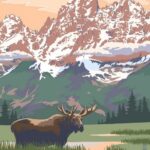
Grand Teton rises 7,000 feet straight from the valley floor with no foothills — the most dramatic mountain-to-flatland transition in the lower 48, right next to Yellowstone.
Travel guides for Grand Teton National Park
Things to do (1)
More guides featuring Grand Teton National Park (7)
At a glance
- Mountain range
- Valley lakes
- Wildlife terrain
- Teton peaks
How Grand Teton National Park scores
Editorial scores on a 10-point scale, weighed against destinations of the same kind.
Travel safety snapshot
SafePlace indicators use their source 100-point scale; higher is more favourable. Planning context, not a live travel advisory — check official government guidance before you go.
When to go
Best months to visit: May, June, July, August, September and October.
- January: 3.9 to 12.6 degrees Celsius, 50.3 millimetres of rain, best-time score 3 out of 5.
- February: 4.3 to 11.8 degrees Celsius, 38.6 millimetres of rain, best-time score 3 out of 5.
- March: 3.6 to 11.4 degrees Celsius, 18.1 millimetres of rain, best-time score 3 out of 5.
- April: 0.6 to 7.6 degrees Celsius, 11 millimetres of rain, best-time score 3 out of 5.
- May: 0.1 to 5.1 degrees Celsius, 102.4 millimetres of rain, best-time score 4 out of 5.
- June: -2.4 to 2.1 degrees Celsius, 20.3 millimetres of rain, best-time score 5 out of 5.
- July: -3.5 to 0.6 degrees Celsius, 78.6 millimetres of rain, best-time score 5 out of 5.
- August: -4.2 to 1.3 degrees Celsius, 42.5 millimetres of rain, best-time score 5 out of 5.
- September: -2.3 to 3.9 degrees Celsius, 54.8 millimetres of rain, best-time score 5 out of 5.
- October: -2.1 to 5.1 degrees Celsius, 84.3 millimetres of rain, best-time score 4 out of 5.
- November: 1.8 to 8.3 degrees Celsius, 83.3 millimetres of rain, best-time score 3 out of 5.
- December: 2.8 to 11.3 degrees Celsius, 64.9 millimetres of rain, best-time score 3 out of 5.
Month-by-month conditions and packing advice
- January
- Cool weather, some rain January in Grand Teton National Park: closures, snow, mud, or reduced services narrow the park experience. Crowds: January marks the park’s deep winter season, a time when tourism is minimal and the landscape is at its most tranquil. While many hiking trails are snow-covered and some roads closed, opportunities for cross-country skiing, snowshoeing, and guided wildlife tours abound. Lodging inside the park is limited, pushing visitors toward nearby Jackson, where winter rates are moderate compared to peak summer. Crowds are almost nonexistent, making iconic viewpoints such as Snake River Overlook peaceful and undisturbed. Travel conditions can be challenging due to snow and ice, so preparedness is key. This is an ideal time for photographers, solitude seekers, and winter sports enthusiasts, but less so for those seeking easy access to all park areas. Pack: Insulated waterproof jacket; Thermal base layers; Waterproof hiking boots with traction; Wool hat and insulated gloves; Snow gaiters for deep snow trails; Camera with extra batteries for cold conditions
- February
- Cool weather, some rain February in Grand Teton National Park: closures, snow, mud, or reduced services narrow the park experience. Crowds: February is firmly in the park’s low season, with minimal crowds and a tranquil atmosphere ideal for travelers seeking solitude. Roads to many high-altitude areas remain closed, limiting access primarily to the park’s southern reaches and cross-country ski or snowshoe trails. Wildlife sightings can be rewarding, with moose, elk, and bighorn sheep more visible against the snowy backdrop. Lodging options in the immediate area are reduced, and those open often offer winter rates. Activities like skiing in nearby Jackson Hole, guided snowshoe tours, and wildlife photography thrive under these conditions, but travelers should plan for limited services and be self-sufficient. Winter gear and advance transport planning are essential, as public transit is non-existent and road conditions can be icy. Pack: Insulated waterproof boots for snow travel; Thermal base layers for cold conditions; Waterproof outer shell jacket; Wool hat and insulated gloves; Polarized sunglasses for snow glare; High-energy snacks for winter excursions
- March
- Cool weather, mostly dry March in Grand Teton National Park: closures, snow, mud, or reduced services narrow the park experience. Crowds: March is shoulder season in Grand Teton, sitting between the deep-winter quiet and the bustling summer crowds. Visitor numbers are low, meaning serene experiences and unobstructed views at popular sites. However, many park roads—especially the Teton Park Road—remain closed to vehicles, limiting access to certain areas. Lodging and service options in nearby Jackson may offer reduced off-season rates, though some facilities operate on limited schedules. This is an excellent time for wildlife viewing, snowshoeing, and cross-country skiing, but travelers should be prepared for cold mornings and the possibility of sudden snowstorms. Booking activities in advance ensures access to guided winter tours, and early planners can secure prime accommodations for the upcoming summer rush. Pack: Insulated waterproof jacket for snow conditions; Thermal base layers for cold mornings; Waterproof hiking boots with good traction; Gloves and thermal hat for warmth; Sunglasses with UV protection for snow glare; Layered clothing to adjust for varying temperatures
- April
- Cold weather, mostly dry April in Grand Teton National Park: closures, snow, mud, or reduced services narrow the park experience. Crowds: April is shoulder season in Grand Teton National Park—well before the summer tourist rush but after the deep quiet of midwinter. Visitor numbers are low, meaning solitude on open trails and prime wildlife viewing without crowds. Many higher-elevation routes remain snowbound, limiting hiking options, but valley floors and park roads offer accessible exploration. Accommodation prices are generally lower, though some seasonal lodges and services may not yet be open. Cold mornings and short daylight hours shape daily itineraries, so early planning is essential. This is an excellent time for photographers, wildlife enthusiasts, and those seeking a serene, less commercialized park experience, though not ideal for visitors wanting full summer accessibility. Pack: Insulated waterproof jacket for cold mornings; Thermal base layers for layering in changing conditions; Waterproof hiking boots with good traction; Warm beanie and gloves for early starts; Binoculars for wildlife viewing; Sunglasses to reduce glare from snowfields
- May
- Cold weather, some rain May in Grand Teton National Park: early or late season can be excellent if road, trail, and service conditions cooperate. Crowds: May offers a quieter experience in Grand Teton National Park, positioned between the sparse winter visitation and the bustling summer season. While lower elevations open up for exploration, many high-altitude trails and passes are still inaccessible due to snow. Lodging availability is generally better than peak summer, but some facilities may not yet be operating at full capacity. This shoulder season brings fewer crowds, making it ideal for wildlife viewing, photography, and scenic drives. Visitors should be prepared for unpredictable weather—cold rain, snow flurries, and sudden temperature drops are common. Outdoor activities are best focused on valley-floor hikes, boat tours, and ranger-led programs. Booking accommodations in advance is wise, though last-minute availability is more likely than in summer. Pack: Insulated waterproof jacket for cold and wet conditions; Thermal base layers for warmth during outdoor activities; Waterproof hiking boots with good traction; Warm hat and gloves for early morning outings; Binoculars for wildlife viewing; Waterproof backpack cover for gear protection
- June
- Cold weather, mostly dry June in Grand Teton National Park: open roads, hiking, lakes, wildlife, photography, boating, and fall color are most dependable. Crowds: Travel in June to Grand Teton National Park means witnessing the park’s seasonal awakening, but it also requires preparation for winter-like conditions at elevation. Crowds remain moderate compared to the July–August peak, and accommodation rates can be slightly lower. Some higher trails and passes may still be closed due to snow, while lower routes offer excellent wildlife viewing as animals move through thawing valleys. This is a prime time for photographers seeking snow-draped peaks under bright early-summer light. River activities like rafting are in full swing thanks to snowmelt, though cold water temperatures demand proper gear. Booking ahead is still wise, especially for in-park lodging, as availability narrows closer to peak season. Pack: Insulated waterproof jacket for cold mornings; Thermal base layers for layering; Waterproof hiking boots with good grip; Warm beanie and gloves for alpine conditions; High-SPF sunscreen for high-altitude UV exposure; Binoculars for wildlife observation
- July
- Cold weather, some rain July in Grand Teton National Park: open roads, hiking, lakes, wildlife, photography, boating, and fall color are most dependable. Crowds: July’s weather in Grand Teton offers a unique, shoulder-season feel despite being peak summer elsewhere. Cold temperatures and wet conditions mean lighter crowds compared to typical high-season months, especially for overnight camping at higher elevations. Day hikes are still accessible, though some alpine trails may retain snow and require extra caution or gear. Accommodation pricing remains elevated in nearby Jackson due to summer tourism, but adventurous travelers will find quieter backcountry spots. Conditions are ideal for photography, wildlife watching, and short, brisk hikes rather than extended lake swims or sunbathing. Early booking is recommended for lodging, and layering is essential for comfort. Pack: Insulated waterproof jacket for cold and wet conditions; Thermal base layers for warmth during hikes; Waterproof hiking boots with good grip; Wool hat and gloves for early mornings; Quick-dry pants to handle damp conditions; High-quality rain cover for backpack and gear
- August
- Cold weather, some rain August in Grand Teton National Park: open roads, hiking, lakes, wildlife, photography, boating, and fall color are most dependable. Crowds: Travelers in August should expect off-season-like weather despite the calendar, as these temperatures are closer to winter norms in lower elevations. This can work to visitors’ advantage—crowds are thinner than peak July, and trails are quieter. Cold weather clothing is essential for hiking or camping, and early frosts may limit some water-based activities. Lodging prices may be slightly lower than midsummer peaks, but availability is still competitive near popular areas like Jenny Lake. The weather favors wildlife watching, crisp-air photography, and low-traffic exploration, though those seeking warm-weather recreation may find the chill challenging. Book accommodations early and plan flexible itineraries in case of sudden mountain weather changes. Pack: Insulated waterproof jacket for cold, damp conditions; Thermal base layers for layering during hikes; Waterproof hiking boots with good traction; Wool hat and insulated gloves for early mornings; Reusable water bottle with insulation for hot drinks; Binoculars for wildlife spotting in open valleys
- September
- Cold weather, some rain September in Grand Teton National Park: open roads, hiking, lakes, wildlife, photography, boating, and fall color are most dependable. Crowds: September marks the shoulder season in Grand Teton National Park, where summer crowds thin but the landscape bursts with fall color. Cooler temperatures and the chance of early snow mean fewer mosquitoes and more comfortable hiking conditions for those prepared for cold weather. Wildlife activity increases, with elk bugling season in full swing. While accommodations are more available than in peak summer, some services and facilities may begin reducing hours. Shorter daylight hours mean earlier starts are advisable for longer treks. Visitors should plan for rapidly changing weather, especially in the mountains, and be prepared for temperatures well below freezing at night. Photography, wildlife watching, and quieter trails make this an appealing month for those seeking solitude and scenic beauty. Pack: Insulated, weatherproof jacket for cold mornings; Thermal base layers for warmth during hikes; Waterproof hiking boots with good traction; Warm hat and insulated gloves; Layered clothing system for temperature shifts; Compact rain shell for sudden showers
- October
- Cold weather, some rain October in Grand Teton National Park: early or late season can be excellent if road, trail, and service conditions cooperate. Crowds: October is the park’s shoulder season, offering a quieter experience as summer crowds vanish but before heavy winter closures take hold. Trails at lower elevations remain accessible, though icy patches and early snow are common—hiking boots with traction are a must. Wildlife watching is exceptional, particularly during the elk rut in early October. Services such as visitor centers, lodges, and boat launches may operate on reduced schedules or close entirely by mid-month, and lodging availability improves alongside lower rates. The crisp air and fewer people create an intimate connection with the landscape, but travelers should prepare for unpredictable weather and shorter daylight hours. Advance planning for accommodations and layered clothing will maximize comfort. Pack: Insulated, waterproof jacket for cold and wet conditions; Thermal base layers for warmth during frosty mornings; Waterproof hiking boots with good traction; Warm hat and insulated gloves; Binoculars for wildlife viewing; Reusable insulated water bottle
- November
- Cool weather, some rain November in Grand Teton National Park: closures, snow, mud, or reduced services narrow the park experience. Crowds: November marks the shoulder-to-off-season transition in Grand Teton National Park. Crowds are minimal, and lodging options within the park are limited as many services close for winter. This is an excellent month for travelers seeking solitude, wildlife viewing, and photography without the summer bustle, but outdoor activities are more weather-dependent. Hiking opportunities are reduced at higher elevations due to ice and early snow, and temperatures demand warm clothing. Road access can be restricted in parts of the park, so checking conditions before travel is essential. Prices for accommodations outside the park are generally lower than in peak summer, making it a cost-effective time for a peaceful visit. Pack: Insulated waterproof jacket; Thermal base layers; Waterproof hiking boots with good traction; Warm hat and gloves; Binoculars for wildlife viewing; Camera with weather protection gear
- December
- Cool weather, some rain December in Grand Teton National Park: closures, snow, mud, or reduced services narrow the park experience. Crowds: December is firmly in Grand Teton’s winter season, meaning visitor numbers are low and accommodations in nearby Jackson are quieter compared to summer. Many park roads, including the Teton Park Road, are closed to vehicles but open for cross-country skiing and snowshoeing, offering unique, crowd-free ways to experience the landscape. Wildlife viewing focuses on species adapted to the cold, such as elk, moose, and bald eagles. While lodging prices may be more moderate than peak summer, availability is limited due to seasonal closures. Cold temperatures and potential storms require advance planning and proper gear. For adventurous travelers, it’s an ideal time for serene, snow-based activities, but not for those seeking full access to hiking trails or summer amenities. Pack: Insulated waterproof winter jacket; Thermal base layers for warmth; Waterproof snow boots with good traction; Warm hat and insulated gloves; Polarized sunglasses for snow glare; Daypack with snacks and hot beverage flask
- March
- February
- January
- April
- September
- August
- July
- June
Know before you go
About
Grand Teton National Park, Wyoming, is a 310,000-acre national park renowned for the jagged, glaciated peaks of the Teton Range, the broad valley of Jackson Hole, and the winding Snake River. Established in 1929 and enlarged in 1950, the park is crowned by the Grand Teton itself, which rises to 13,770 feet and towers more than 7,000 feet above the valley floor, one of twelve Teton peaks exceeding 12,000 feet. Travelers come for the string of glacier-carved lakes along the range’s base, including Jenny Lake and Jackson Lake, and for some of the finest wildlife viewing in North America, with grizzly bears, wolves, bison, moose, and elk roaming one of the world’s largest intact temperate ecosystems. Part of the Greater Yellowstone Ecosystem just south of Yellowstone, the park offers world-class hiking, climbing, paddling, and scenic drives, with the resort town of Jackson serving as its lively southern gateway.
Neighbourhoods
Jenny Lake, Moose, Colter Bay, Jackson Lake.
Best time to visit
Mid-May to late September for full access. Fall (Sept) for foliage and elk rut.
Season by season
Summer: Hiking/boating. Winter: Cross-country skiing/snowshoeing. Roads close Nov-May.
Crowds
Grand Teton National Park peaks in June–August and during August wildflower/hike season with crowded Jenny Lake and park roads; quietest in November–April when many facilities close and visitation is low, though summer is distinctly busy.
Getting there and around
Getting there
Fly into Jackson Hole (JAC) inside the park. Connects to Yellowstone via John D. Rockefeller Jr. Pkwy.
Getting around
Car is primary. 42-mile scenic drive. Bike paths available.
Top experiences in Grand Teton National Park
Jenny Lake
Centerpiece lake with boat shuttles to Hidden Falls.
Mormon Row
Historic barns with Teton Range backdrop.
Schwabacher Landing
Famous reflection spot for sunrise photography.
Snake River Overlook
Iconic view made famous by Ansel Adams.
Editor-curated picks carried over from our original guide. Where a full place guide exists, the card links to it.
Worth booking ahead in Grand Teton National Park
Hand-picked from the operators our guides already send readers to. Prices and availability are live on the partner site.
BrowseViator
Tours and tickets in Grand Teton National Park on Viator (opens Viator in a new tab)
Viator's full list of bookable tours and tickets in Grand Teton National Park.
BrowseGetYourGuide
Experiences in Grand Teton National Park on GetYourGuide (opens GetYourGuide in a new tab)
Everything GetYourGuide sells in Grand Teton National Park, with the cancellation terms on each listing.
Where to stayBooking.com
Stays in Grand Teton National Park (opens Booking.com in a new tab)
Live rates and availability for Grand Teton National Park on Booking.com; filter by neighbourhood once you know where your days start.
We earn a commission if you book through these links, at no extra cost to you. It is how we keep the guides free and independent.
Where to stay
Jackson Lake Lodge
Grand Teton National Park
Full-service resort with panoramic mountain views.
Jenny Lake Lodge
Grand Teton National Park
Upscale, rustic cabins including meals.
Colter Bay Village
Grand Teton National Park
Cabins and camping, family-friendly.
Editor-curated stays carried over from our original guide. Where we have reviewed the hotel, the card links to the review.
Tips from the field
Highlights
- Dramatic mountain peaks, pristine lakes, wildlife, hiking.
Practical tips
- Acclimatize to altitude. Visit visitor centers for updates. Early morning is best for wildlife.
Culture, customs and safety
Cultural heritage
Homesteading history at Mormon Row and Menors Ferry.
Safety notes
Bear country – carry spray and know how to use it. Be prepared for sudden mountain storms.