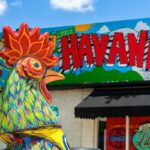
Havana preserves the largest collection of colonial architecture in the Americas through its UNESCO World Heritage Old Town, where 900 historical buildings showcase Spanish colonial, Art Deco, and Neoclassical styles alongside 60,000 classic American cars from the 1950s still functioning as daily transportation. The 8-kilometer Malecón seawall serves as Havana’s social heart where musicians, fishermen, and families gather at sunset, while neighborhoods like Centro Habana and Vedado reveal authentic Cuban life beyond tourist circuits. Cultural fusion created in legendary venues produces son music, mambo, and salsa, with contemporary spaces like Fábrica de Arte Cubano hosting international artists from Questlove to CimaFunk. Visitors experience living history through casa particular homestays serving traditional ropa vieja, vintage car tours along the Revolutionary coastline, and spontaneous rumba performances in Plaza de la Catedral where Afro-Cuban traditions blend with Catholic heritage in colorful Santería ceremonies.
The destination guide
Havana

City in Cuba, North AmericaUpdated
- Overall6/10
- Best forCouples, Budget travelers
- PeakJan, Jul, Aug, Dec
- CurrencyCUP
Havana freezes 1959 in its architecture — classic American cars, crumbling colonial facades, salsa in the streets, and a mojito at La Bodeguita that tastes like history.
Travel guides for Havana
More guides featuring Havana (7)
At a glance
- Spanish
- Caribbean coast
- Colonial old town
- Vintage car streets
- Tropical harbor
- Architecture
- Revolution History
- Classic Cars
- Gastronomy
- Music & Dance
- Cigar Culture
- Afro-Cuban Heritage
- Beach
How Havana scores
Character
Editorial scores on a 10-point scale, weighed against destinations of the same kind.
Travel safety snapshot
SafePlace indicators use their source 100-point scale; higher is more favourable. Planning context, not a live travel advisory — check official government guidance before you go.
When to go
Best months to visit: January, February, March, April, May, October, November and December.
- January: 2.5 to 9.4 degrees Celsius, 36 millimetres of rain, best-time score 5 out of 5.
- February: 3.4 to 11 degrees Celsius, 18.3 millimetres of rain, best-time score 5 out of 5.
- March: 5.8 to 15.1 degrees Celsius, 27.9 millimetres of rain, best-time score 5 out of 5.
- April: 9.8 to 21.3 degrees Celsius, 12.2 millimetres of rain, best-time score 5 out of 5.
- May: 16.1 to 29.1 degrees Celsius, 4.6 millimetres of rain, best-time score 4 out of 5.
- June: 20.9 to 33.6 degrees Celsius, 0.2 millimetres of rain, best-time score 3 out of 5.
- July: 24.4 to 38.4 degrees Celsius, best-time score 3 out of 5.
- August: 24.8 to 39 degrees Celsius, best-time score 3 out of 5.
- September: 21 to 34.6 degrees Celsius, 1.1 millimetres of rain, best-time score 2 out of 5.
- October: 16.9 to 27.6 degrees Celsius, 10.5 millimetres of rain, best-time score 4 out of 5.
- November: 9.9 to 18.6 degrees Celsius, 1.7 millimetres of rain, best-time score 5 out of 5.
- December: 4.2 to 11 degrees Celsius, 11.2 millimetres of rain, best-time score 5 out of 5.
Month-by-month conditions and packing advice
- January
- Cool weather, some rain January in Havana: dry-season weather supports old-town walks, music, beaches, classic-car tours, and Viñales day trips. Crowds: January represents Havana’s dry, cool season and is part of the peak tourism period, drawing travelers escaping harsher northern winters. The mild temperatures favor extensive outdoor exploration without the exhaustion of tropical heat, making it a prime month for walking tours, live music venues, and open-air cafes. Crowds are moderate to high, especially around cultural districts, and accommodation prices reflect seasonal demand—booking ahead is wise. The occasional light rain is unlikely to disrupt plans, though evenings can feel surprisingly cool, so visitors should prepare for layers. Sea-based activities may be less popular due to cooler water temperatures, but cultural immersion and city exploration thrive in this climate. Pack: Light sweater or fleece for cooler evenings; Comfortable walking shoes for cobblestone streets; Compact umbrella or light rain jacket; Breathable trousers for day and night comfort; Sun hat and sunglasses for daytime outings; Smart-casual attire for live music and cultural venues
- February
- Cool weather, mostly dry February in Havana: dry-season weather supports old-town walks, music, beaches, classic-car tours, and Viñales day trips. Crowds: This is part of Havana’s dry season, offering some of the year’s most pleasant walking conditions with low rainfall and mild, sunny days. February is considered a favorable month for cultural tourism, with manageable visitor numbers compared to the peak holiday period in December–January. Accommodation prices are moderate, and availability is good for centrally located casas particulares and boutique hotels. The cooler evenings are perfect for attending open-air concerts or strolling along the Malecón without discomfort. While beach swimming is possible, the water may feel cooler than in the hotter months, making city-based exploration and day trips more appealing. Advance booking is recommended for popular cultural events and guided tours. Pack: Light jacket or fleece for cooler evenings; Long-sleeved shirts for daytime comfort; Comfortable walking shoes for cobblestone streets; Compact umbrella for occasional showers; Casual smart attire for live music venues; Light scarf to protect against evening breezes
- March
- Cool weather, some rain March in Havana: dry-season weather supports old-town walks, music, beaches, classic-car tours, and Viñales day trips. Crowds: March is part of Havana’s shoulder season, where the cooler, drier climate offers comfortable exploration without the intense heat or heavy rains of summer. Visitor numbers are moderate compared to the winter high season, meaning easier restaurant bookings and fewer crowds at popular sites like Plaza Vieja or the Museo Nacional de Bellas Artes. Prices for accommodation and tours tend to be more reasonable, though cultural vibrancy remains high with live music, street performances, and local festivals still in full swing. The mild weather supports activities like walking tours, vintage car rides, and day trips to Viñales, while evenings may require a warm layer. Those seeking a relaxed, atmospheric Havana with pleasant temperatures will find March particularly rewarding. Pack: Light sweater or fleece for cool mornings and evenings; Comfortable closed-toe walking shoes; Light rain jacket or compact umbrella; Breathable long-sleeve shirts for sun and breeze; Camera with low-light capability for evening photography; Smart-casual attire for dining and live music venues
- April
- Warm and pleasant, mostly dry April in Havana: dry-season weather supports old-town walks, music, beaches, classic-car tours, and Viñales day trips. Crowds: April offers some of Havana’s most traveler-friendly weather, making it a sweet spot between the high tourist season of winter and the more humid summer months. Crowds are moderate, and prices for accommodations and tours are often more reasonable than in peak season. Outdoor experiences such as heritage walking tours, classic car rides, and coastal cycling are at their best. With minimal rain, cultural festivals and live music events proceed unhindered, while evening temperatures invite al fresco dining. It’s wise to book popular tours a few weeks in advance, as this shoulder season still attracts discerning visitors seeking warm, dry conditions without the bustle of peak crowds. Pack: Light jacket or sweater for cooler mornings; Comfortable walking shoes for uneven streets; Sunglasses and SPF 30+ sunscreen; Breathable cotton or linen outfits; Light scarf for sun protection and style; Compact umbrella for occasional showers
- May
- Warm and pleasant, mostly dry May in Havana: shoulder timing can bring value and usable weather with some rain risk. Crowds: May is one of the most favorable months to visit Havana before the onset of the humid, rainy season. The comfortable temperatures and low rainfall make it ideal for walking tours, day trips to nearby beaches, and cultural excursions to museums and historic districts. Tourist crowds are moderate compared to the winter high season, which means more availability in accommodations and slightly better rates. Outdoor events and live music flourish in plazas and along the Malecón, benefiting from the dry weather. While the sun can be intense, the low humidity ensures that long days exploring remain manageable. Booking activities in advance is still wise, but visitors can expect a more relaxed atmosphere than during peak months. Pack: Lightweight breathable clothing such as cotton or linen; Comfortable sandals or walking shoes for cobblestone streets; Wide-brimmed hat and high-SPF sunscreen; Reusable water bottle to stay hydrated; Light evening jacket for occasional breezy nights; Swimwear and quick-dry towel for beach or pool visits
- June
- Hot and sunny, mostly dry June in Havana: heat, humidity, and storms require flexible plans and more indoor breaks. Crowds: June offers near-guaranteed sunshine and very low rainfall, making it ideal for travelers seeking uninterrupted outdoor exploration. However, this is one of Havana’s hottest months, so midday touring can be taxing. Crowds remain moderate compared to the peak winter tourist season, and accommodation rates are generally more favorable. The extended daylight hours allow for flexible itineraries, from morning architectural walks to evening cultural performances. While beaches and outdoor cafés thrive in this weather, those sensitive to heat should plan activities in early mornings or after sunset. Hydration and sun protection are critical, and pre-booking air-conditioned lodging is highly recommended for comfort. Pack: Light, breathable linen or cotton clothing; Wide-brimmed hat for all-day sun protection; High SPF 50+ reef-safe sunscreen; Reusable water bottle to stay hydrated; Comfortable sandals or breathable walking shoes; Lightweight evening wear for outdoor dining
- July
- Hot and sunny, mostly dry July in Havana: heat, humidity, and storms require flexible plans and more indoor breaks. Crowds: July is part of Havana’s low tourist season due to extreme heat, making it an appealing time for travelers who prefer fewer crowds and more relaxed bargaining at markets and hotels. Accommodation prices are generally lower, and cultural attractions are less congested. However, outdoor activities like walking tours and cycling are best scheduled for early morning or late afternoon to avoid heat-related fatigue. Beaches near Havana see more local than international visitors, creating a more authentic atmosphere. Travelers should be prepared for strong sun and limited shade in open plazas. Advance booking for accommodations is less critical, but securing rooms with air conditioning is essential for comfort. Pack: Light, breathable clothing in natural fibers; Wide-brimmed hat for maximum sun protection; High SPF 50+ reef-safe sunscreen; UV-protective sunglasses; Reusable water bottle to stay hydrated; Sandals or breathable walking shoes
- August
- Hot and sunny, mostly dry August in Havana: heat, humidity, and storms require flexible plans and more indoor breaks. Crowds: August’s weather in Havana offers uninterrupted sunshine and zero rainfall, creating optimal conditions for open-air exploration and evening cultural activities. However, the extreme daytime heat makes mid-afternoon sightseeing challenging, so travelers often plan active excursions early in the morning or after sunset. This period falls within the lower tourist season due to the high temperatures, meaning fewer crowds at major attractions and more competitive hotel rates. Beach outings, rooftop bars, and shaded courtyards become ideal afternoon refuges, while the cooler evenings are perfect for live music in Old Havana. While the weather is stable, the intensity of the sun requires planning—hydration and rest breaks are essential for comfort. Advance booking for accommodations is still wise, but last-minute deals are more common in this shoulder of the summer season. Pack: Breathable linen or cotton clothing in light colors; Wide-brimmed hat for strong sun protection; High SPF 50+ sunscreen and lip balm; Reusable water bottle to stay hydrated; Light sandals for casual wear and walking; Sunglasses with strong UV protection
- September
- Hot and sunny, mostly dry September in Havana: peak hurricane-season risk makes this less balanced for a first-time trip. Crowds: Travelers in September will find Havana’s tourism quieter than in the high winter season, making it easier to book last-minute stays and enjoy attractions without heavy crowds. The hot, dry climate favors leisurely exploration early in the morning and after sunset, when temperatures are most comfortable. Midday heat may limit walking-intensive sightseeing, making shaded cafes and indoor museums more appealing. Prices for accommodation and tours are generally more competitive this month, offering value for those willing to adapt their schedule around the peak afternoon sun. Water-based activities like coastal cruises or day trips to nearby beaches are particularly enjoyable, though sun protection is essential. Pack: Lightweight, breathable linen or cotton clothing; Wide-brimmed hat for sun protection; High SPF sunscreen and lip balm; Comfortable sandals or breathable walking shoes; Reusable water bottle to stay hydrated; Light evening wrap for breezy coastal nights
- October
- Warm and pleasant, mostly dry October in Havana: shoulder timing can bring value and usable weather with some rain risk. Crowds: October is a shoulder-season sweet spot for visiting Havana, offering warm, dry weather with far fewer crowds than peak winter months. Accommodation rates tend to be more favorable, and popular attractions like Plaza Vieja, El Capitolio, and the city’s jazz clubs feel less congested. This is a prime time for leisurely walking tours, open-air dining, and seaside promenades without the oppressive heat of summer. Outdoor festivals and local events begin to pick up as hurricane season wanes, providing cultural depth without peak-season pricing. For travelers seeking authentic street life, music, and photography opportunities, October strikes a balance between comfortable weather, cultural vibrancy, and manageable visitor numbers—though advance booking is still advised for boutique stays. Pack: Lightweight breathable shirts for daytime warmth; Comfortable walking sandals or shoes for cobblestone streets; Light sweater or shawl for cooler evenings; Wide-brimmed hat and polarized sunglasses for sun protection; Compact rain jacket for the occasional shower; Dressier outfit for evenings at restaurants or music venues
- November
- Cool weather, mostly dry November in Havana: dry-season weather supports old-town walks, music, beaches, classic-car tours, and Viñales day trips. Crowds: November offers one of the most comfortable times to visit Havana, marking the start of the dry season and the end of hurricane risk. Tourist numbers begin to rise, but peak season crowds haven’t yet reached their height, making it easier to book accommodations at reasonable rates. The mild temperatures are ideal for city walking tours, vintage car rides, and day trips to nearby beaches without the sweltering heat. Outdoor events and live music thrive in the cooler evenings, creating a rich cultural atmosphere. Travelers should plan ahead for popular restaurants and experiences, as availability starts tightening closer to December. Overall, November provides an excellent balance of favorable weather, manageable crowds, and authentic local experiences. Pack: Light jacket or sweater for cool evenings; Comfortable walking shoes for cobblestone streets; Light scarf for added warmth and style; Sunglasses with UV protection; Breathable long-sleeve shirts for daytime comfort; Smart-casual attire for dining and cultural events
- December
- Cool weather, mostly dry December in Havana: dry-season weather supports old-town walks, music, beaches, classic-car tours, and Viñales day trips. Crowds: December marks the start of Havana’s peak tourist window, offering ideal weather for sightseeing, cultural tours, and evening strolls along the Malecón. Comfortable daytime temperatures and low rainfall mean activities rarely need weather-related adjustments. Crowds increase as both international visitors and Cuban expats return for the holiday season, which can push hotel rates and availability upward. This is a prime month for booking guided heritage walks, attending music performances, or exploring nearby Viñales without oppressive heat. Advance reservations for accommodations and popular restaurants are recommended, as festive events and year-end travel demand keep the city lively and busy. Pack: Light sweater or fleece for cool evenings; Comfortable closed-toe walking shoes; Breathable long-sleeve shirts for daytime; Compact umbrella or light rain jacket just in case; Smart-casual attire for evening cultural events; Camera with low-light capability for night photography
- December
- January
- July
- August
- September
- October
- May
- June
Know before you go
Best time to visit
The best time to visit Havana is during the dry season from November to April, when the weather is pleasant and ideal for exploring the city. The summer months can be hot and humid, with occasional rain. However, visiting during this time allows you to experience the vibrant local festivals and cultural events.
Season by season
Dry season (Nov–Apr): 21–29 °C, low humidity, peak tourist season with clear skies. Wet season (May–Oct): 25–33 °C, afternoon showers, lower prices, hurricane risk Sep–Oct. Shoulder (Apr–May, Nov): Comfortable transition months with fewer crowds.
Crowds
High in Old Havana plazas from December–March (dry season); moderate April–May; low June–October (wet season, hurricane risk); cruise-ship days bring surges to the port area
Getting there and around
Getting there
Havana is accessible via José Martí International Airport and limited ferry services. The city connects to other Cuban cities via domestic flights and bus networks.
Getting around
Experience authentic Havana aboard iconic 1950s classic car taxis ($30-40/hour for restored beauties) or practical yellow taxis with air conditioning and seat belts for $10-15 between Old Havana, Vedado, and Centro Habana neighborhoods. Navigate the narrow, recently-improved pedestrianized streets of Habana Vieja on foot—the cheapest transport for absorbing Cuba’s sights, sounds, and street vendor culture where people watch the world from doorways. Try unique coco taxis (three-wheeled yellow coconut-shaped vehicles from the 1990s) starting at $2, though safety concerns and price gouging make real taxis preferable. Board bumpy bici-taxis (bicycle rickshaws) for $1-2 rides through routes too narrow for cars in Old Town. Use government-operated Viazul buses for air-conditioned intercity travel to Trinidad, Viñales, and Cienfuegos, or join colectivos (shared taxis) splitting costs 4-ways: $60 private taxi becomes $15 per person. Always negotiate fares beforehand—no meters exist in this time-capsule city where 1950s automotive culture meets Caribbean street life authentically.
Top experiences in Havana
Old Havana (Habana Vieja)
Havana’s UNESCO World Heritage colonial core, a labyrinth of cobblestone streets flanked by crumbling pastel-colored mansions, baroque churches, and four grand plazas. Plaza Vieja buzzes with rooftop bars and a camera obscura tower; Plaza de la Catedral frames an 18th-century Baroque cathedral against a backdrop of open-air cafés; Plaza de Armas hosts a daily secondhand book market. The restoration led by City Historian Eusebio Leal has transformed entire blocks into boutique hotels, art galleries, and craft workshops while preserving the disintegrating grandeur that makes Havana unique. Allow a full day.
The Malecón
Havana’s iconic 8-kilometre seawall esplanade, curving from Old Havana through Centro to Vedado. By late afternoon, it transforms into the city’s living room—fishermen, lovers, musicians, rum-sipping groups, and children line the wall as the Caribbean sunset paints the crumbling Art Deco and Neo-Moorish buildings behind them in golden light. The Malecón is the city’s most democratic public space and arguably its most photographed. A sunset walk here is non-negotiable; sunrise brings solitude and softer compositions.
Plaza de la Revolución
An enormous open square dominated by the 358-foot José Martí Memorial tower and flanked by government buildings bearing the famous steel-wire portraits of Che Guevara (‘Hasta la Victoria Siempre’) and Camilo Cienfuegos. Take the elevator to the tower’s observation deck for a 360-degree panorama of the city. The square has witnessed Fidel Castro’s marathon speeches and remains a potent symbol of revolutionary Cuba. Best combined with nearby Necropolitan Colon and Vedado’s leafy university district.
El Capitolio Nacional
Havana’s grandest neoclassical landmark, modeled after the U.S. Capitol and topped with a 62-metre dome. Completed in 1929, it served as Cuba’s congress until 1959 and houses the National Assembly again today. The marble-floored interior features a 17-metre bronze Statue of the Republic, the third-largest indoor statue in the world. Guided tours (~5 CUP) walk through legislative halls, the former Senate chamber, and the domed rotunda. The building anchors the boundary between Old Havana and Centro.
Museo Nacional de Bellas Artes
Split across two buildings—an international art collection in the former Centro Asturiano on Parque Central and Cuban art from the colonial era to contemporary Afro-Cuban abstraction in a purpose-built Modernist structure nearby. The Cuban collection is the highlight, featuring work by Wifredo Lam, Amelia Peláez, and contemporary video installations that wouldn’t be out of place in London’s Tate Modern. Combined, the two buildings make this the Caribbean’s most significant fine-art museum. Allow 2–3 hours.
Editor-curated picks carried over from our original guide. Where a full place guide exists, the card links to it.
Worth booking ahead in Havana
Hand-picked from the operators our guides already send readers to. Prices and availability are live on the partner site.
BrowseViator
Tours and tickets in Havana on Viator (opens Viator in a new tab)
Viator's full list of bookable tours and tickets in Havana.
BrowseGetYourGuide
Experiences in Havana on GetYourGuide (opens GetYourGuide in a new tab)
Everything GetYourGuide sells in Havana, with the cancellation terms on each listing.
Where to stayBooking.com
Stays in Havana (opens Booking.com in a new tab)
Live rates and availability for Havana on Booking.com; filter by neighbourhood once you know where your days start.
We earn a commission if you book through these links, at no extra cost to you. It is how we keep the guides free and independent.
Tips from the field
Highlights
- Old Havana (UNESCO World Heritage)
- Malecón Sunset Promenade
- Plaza de la Revolución
- El Capitolio Nacional
- Classic 1950s American Cars
- Paladar Dining & Mojitos
- Afro-Cuban Rumba at Calleón de Hamel
- Viñales Valley Day Trip
Best activities
- Wander Old Havana's four plazas, cruise the Malecón at sunset in a 1950s convertible, sip a mojito at La Bodeguita del Medio, smoke a cigar at Partagas factory, watch rumba at Calleón de Hamel on Sunday, take a salsa lesson, explore the Museo de Bellas Artes, visit the Hemingway estate at Finca Vigía, climb El Capitolio's dome, and eat ceviche criollo at a paladar.
Local experiences
- Stay in a casa particular (family homestay) for authentic Havana life, eat ropa vieja at a family paladar, cruise the Malecón and Vedado in a 1950s Chevrolet convertible, join Sunday rumba at Calleón de Hamel, take a salsa lesson at a local dance school, smoke a hand-rolled cigar at a tobacconist, sip daíquiris at El Floridita (Hemingway's bar), browse the secondhand book market at Plaza de Armas, visit the Hemingway estate at Finca Vigía, and day-trip to Viñales for tobacco farms and limestone mogotes.
Practical tips
- Currency: Cuban Peso (CUP). Bring EUR or CAD cash (USD has 10% exchange penalty). Limited ATMs. Cards rarely work.
- Getting There: José Martí Airport (HAV). Official taxis to city (~ USD).
- Transportation: Classic car taxis, Coco-taxis, local buses (guaguas). Walking excellent in Habana Vieja.
- Dining: Paladares (private restaurants) for best food. Ropa vieja, rice and beans, mojitos (-5 at most bars). Meals -20 USD at paladares.
- Free Attractions: Malecón waterfront walking, Habana Vieja streets (UNESCO), Plaza de la Revolución, Fusterlandia art neighborhood, classic cars everywhere.
- Tipping: 10-15% (CUP). Tips in USD/EUR appreciated.
- Electricity: 110V/60Hz, Type A/B plugs
Photography tips
- The Malecón at golden hour produces Havana's signature shot—classic cars against crumbling pastel façades with the Caribbean as backdrop. Old Havana's narrow streets create dramatic light shafts in the morning
- doorways and windows frame candid portraits of daily life. Central Park's avenue is the best spot to photograph vintage American cars congregating. Plaza Vieja's restored architecture and rooftop camera obscura make excellent compositions. Avoid photographing military or police installations. Cuba's overcast days rarely occur in dry season, but when clouds appear, they add mood and depth to the weathered colonial textures.
Timing
- Allow 3–4 full days for Havana: a full day in Old Havana (four plazas, Catedral, Museo de la Ciudad, rooftop drinks), a Malecón-to-Vedado day (sunset walk, Plaza de la Revolución, University district, Necropolitan Colón), an art and culture day (Bellas Artes, Finca Vigía, salsa lesson, evening paladar), and a half-day for Fusterlandia or a Calleón de Hamel rumba session. Day-trip to Viñales Valley for tobacco farms (2.5 hrs west by bus).
Keeping it authentic
- Havana is one of the last cities on Earth where daily life is genuinely untouched by global commercial culture—no chain restaurants, no billboards, no fast-fashion stores. Classic 1950s American cars serve as actual taxis, not tourist props. Son cubano echoes from open doorways, not Bluetooth speakers. Paladares (family-run restaurants in converted living rooms) serve genuine criollo cooking—ropa vieja, congrí, and tostones—prepared by the family matriarch. Casas particulares (private homestays) offer connection to Havana's neighborhoods that no hotel can match. Calleón de Hamel's Sunday Afro-Cuban rumba is a genuine community celebration, not a performance for tourists.
Culture, customs and safety
Cultural heritage
Havana preserves the largest collection of colonial architecture in the Americas as a UNESCO World Heritage Site, with 900 historical buildings in Old Havana alone. Founded in 1519, the city’s fortifications including El Morro and La Cabaña represent the most complete system of military architecture in the Spanish Americas. The Malecón seawall embodies habanero social life where musicians, lovers, and fishermen gather. Cuba’s cultural fusion created son music, mambo, and salsa in legendary venues like Tropicana. The city maintains 1950s American cars as rolling museums through ingenious mechanical innovation. Santería religious practices blend Yoruba and Catholic traditions, visible in colorful ceremonies and sacred music throughout neighborhoods like Centro Habana.
Local customs & etiquette
In Havana, greet with ‘Hola’ and ‘Cómo está?’. Cubans are warm and expressive. Music and dance are central to culture. Tipping with CUC (convertible peso) is appreciated.
Safety notes
Havana is generally safe — Cuba has a low violent crime rate.
General Safety:
• Habana Vieja, Vedado, and Centro Habana are safe for walking
• Petty theft and scams are the main concerns
• Persistent jineteros (hustlers) offering tours/taxis/restaurants
Internet:
• Very limited WiFi — ETECSA cards needed for hotspot access
• VPN may not work reliably
Emergency: 106 (police), 104 (ambulance)