World Design Capital 2012 showcasing Northern Europe’s largest Art Nouveau concentration across Katajanokka and Ullanlinna districts featuring curved lines, floral details, mythical Kalevala creatures (owls, bears, sea serpents) carved into stone, plus Alvar Aalto’s functionalism-softness architecture at Finlandia Hall, Academic Bookstore, House of Culture. UNESCO Suomenlinna sea fortress (World Heritage Site) built over three centuries across six fortified islands recounting Swedish Kingdom, Russian Empire, Finnish Republic military history, accessible via scenic 15-minute ferry rides from Market Square (€10 adult, €5 under-17) to this unique residential district and tourist destination. Revolutionary sauna architecture including waterfront Löyly’s sleek design with classic saunas, smoke sauna, restaurant, icy Gulf of Finland access; floating Allas Sea Pool’s three saunas and temperature-variable pools in Helsinki harbor; eco-friendly Kulttuurisauna’s Nordic aesthetic by Tuomas Toivonen and Nene Tsuboi (2012). Design District’s creative core spreading across four central neighborhoods with shops, galleries, museums, studios, design-forward spaces where Helsinki’s design legacy defines how life is lived, not just decorated. Neoclassical Cathedral honoring Tsar Nicholas I representing iconic 19th-century architecture, while traditional stone walls, tunnels create time-stepping experiences across this modern-heritage fusion capital.
The destination guide
Helsinki

Löyly’s smoke sauna opens to the Gulf of Finland. Suomenlinna is a World Heritage site you reach by €10 ferry. Helsinki rewards slow.
Travel guides for Helsinki
More guides featuring Helsinki (1)
At a glance
- Finnish
- Swedish
- Urban cityscape
- Two rivers confluence
- Historic old town
- Hillside parks
- Northern Lights
- Sauna Culture
- Nature & Wilderness
- Winter Sports
- Design & Architecture
- Christmas
- Arctic Adventures
- Midnight Sun
How Helsinki scores
Editorial scores on a 10-point scale, weighed against destinations of the same kind.
Travel safety snapshot
SafePlace indicators use their source 100-point scale; higher is more favourable. Planning context, not a live travel advisory — check official government guidance before you go.
When to go
Best months to visit: April, May, June, July, August, September and October.
- January: -7.1 to -3.1 degrees Celsius, 10.5 millimetres of rain, best-time score 2 out of 5.
- February: -5.6 to -2 degrees Celsius, 8.6 millimetres of rain, best-time score 2 out of 5.
- March: -3.8 to 0.8 degrees Celsius, 14.9 millimetres of rain, best-time score 3 out of 5.
- April: 0.7 to 6.2 degrees Celsius, 3.5 millimetres of rain, best-time score 4 out of 5.
- May: 6.8 to 13.5 degrees Celsius, 10.5 millimetres of rain, best-time score 5 out of 5.
- June: 10.9 to 17.1 degrees Celsius, 8.1 millimetres of rain, best-time score 5 out of 5.
- July: 14.4 to 20.8 degrees Celsius, 27 millimetres of rain, best-time score 5 out of 5.
- August: 14.8 to 20.6 degrees Celsius, 15.9 millimetres of rain, best-time score 5 out of 5.
- September: 10.7 to 15.4 degrees Celsius, 35.7 millimetres of rain, best-time score 5 out of 5.
- October: 4.9 to 8.7 degrees Celsius, 11.9 millimetres of rain, best-time score 4 out of 5.
- November: 2.4 to 5.3 degrees Celsius, 10.5 millimetres of rain, best-time score 2 out of 5.
- December: -3.3 to -0.5 degrees Celsius, 12.7 millimetres of rain, best-time score 3 out of 5.
Month-by-month conditions and packing advice
- January
- Cold weather, mostly dry Cold winter weather, few tourists. Crowds: January is deep winter in Helsinki, which means fewer tourists and lower accommodation rates compared to summer. While cold weather limits some outdoor activities, it enhances winter-specific experiences like ice skating, sauna culture, and enjoying hearty Finnish cuisine in cozy interiors. The snow-covered streets and frozen waterfronts create postcard-perfect views, especially for photographers and travelers seeking a serene city atmosphere. Short daylight hours require strategic planning to fit in key sights, and many travelers combine city exploration with nearby winter sports or nature excursions. Dress appropriately for extended outdoor time and expect quieter attractions, making this an excellent month for travelers who value authenticity over peak-season bustle. Pack: Insulated winter coat rated for subzero temperatures; Thermal base layers for extended outdoor comfort; Waterproof and insulated winter boots; Warm hat covering ears and thermal gloves; Scarf or neck gaiter to block wind chill; Moisturizing cream to combat dry winter air
- February
- Cold weather, mostly dry Chilly and quiet, good for museums. Crowds: February is deep winter in Helsinki, favoring travelers who enjoy cold-weather activities and a quieter, more atmospheric cityscape. Tourist numbers are lower than in summer, making key attractions like the Suomenlinna Sea Fortress and the Design District easier to explore without crowds. Outdoor opportunities include ice skating, skiing, and Northern Lights excursions if you travel further north. Hotel prices remain moderate to low, but daylight is limited to around 8 hours, so planning activities around available light is essential. Cold temperatures demand proper gear, but the crisp air and serene landscapes create a memorable Nordic experience, especially for those seeking cultural immersion rather than peak-season bustle. Pack: Insulated winter coat with windproof outer layer; Thermal base layers for warmth; Waterproof, insulated boots with good traction; Wool hat and lined gloves; Scarf or neck gaiter for wind protection; Swimwear for traditional Finnish sauna visits
- March
- Cold weather, mostly dry Beginning to warm up, spring blossoms. Crowds: March is shoulder season in Helsinki, with fewer tourists than in summer but slightly more activity than in the heart of winter. The cold temperatures mean winter gear is still essential, but extended daylight allows for longer sightseeing hours. Prices for accommodation are generally lower than peak summer rates, and many cultural attractions remain open year-round. Ice conditions still permit winter sports like skating, while early spring events bring a taste of Finnish culture without heavy crowds. For budget-conscious travelers seeking authentic local life and crisp, scenic conditions, this is a rewarding time to visit, though flexibility is key for weather-dependent activities. Pack: Insulated winter coat rated for sub-zero temperatures; Thermal base layers for warmth; Waterproof boots with good traction for icy streets; Wool hat and insulated gloves; Sunglasses to protect from snow glare; Scarf or neck warmer for wind protection
- April
- Cold weather, mostly dry Pleasant spring weather, great for walking. Crowds: April sits firmly in Helsinki’s shoulder season, with lighter tourist traffic and more affordable accommodation compared to the peak summer months. While the weather is still on the cool side, it’s comfortable enough for extended walking tours and cultural exploration without the deep winter cold. Outdoor activities like harbor walks and island ferries begin operating more regularly, though some seasonal attractions may not yet be open. This is an excellent time for museum visits, cozy café culture, and enjoying early spring festivals without crowds. Visitors should be prepared for variable temperatures and dress in layers. Advance booking is generally unnecessary for major sights, but securing centrally located lodging ensures easy access to both indoor and emerging outdoor experiences. Pack: Insulated, wind-resistant jacket for cool breezes; Layerable sweaters or fleece for variable temperatures; Comfortable waterproof walking shoes; Light gloves and a warm hat for early mornings; Scarf for extra warmth in windy conditions; Compact umbrella for occasional light showers
- May
- Cool weather, mostly dry Excellent weather before the summer crowds. Crowds: May marks the start of Helsinki’s shoulder season, offering comfortable weather for sightseeing without peak summer crowds. Attractions are fully operational, but popular sites remain accessible without long queues, and accommodation prices are moderate compared to July and August. Extended daylight—over 17 hours—provides ample time for day trips to nearby islands or countryside. It’s an excellent month for cultural events like Vappu (May Day) celebrations early in the month, blending outdoor picnics with local traditions. Outdoor cafes reopen, and walking tours are in full swing, though evenings can still be brisk. Booking in advance is recommended for centrally located hotels and key events, but last-minute options are more available than in high summer. Pack: Light jacket or windbreaker for cool mornings; Layered clothing for changing temperatures; Comfortable walking shoes for city exploration; Scarf or light gloves for evening chill; Compact umbrella or rain jacket for brief showers; Sunglasses for long, bright daylight hours
- June
- Cool weather, mostly dry Warm, sunny, and lively. Crowds: June marks the beginning of Helsinki’s peak summer season, with the famed Midnight Sun drawing both international visitors and domestic holidaymakers. Long days and dry weather make it ideal for outdoor festivals, island-hopping, and late-night dining along the harbor. Crowds are lively but manageable compared to July, and accommodation rates begin to rise in anticipation of midsummer festivities. It’s an excellent month for walking tours, open-air museums, and boat excursions, though early bookings are advised for popular events. The relatively cool temperatures allow for active days without heat fatigue, and the extended daylight means more hours to explore each day. Pack: Light jacket or windbreaker for cool evenings; Comfortable walking shoes for cobblestone streets; Reusable water bottle for long sightseeing days; Light scarf for wind protection along the harbor; Layered clothing to adjust to changing temperatures; Compact umbrella in case of brief showers
- July
- Warm and pleasant, some rain Peak summer heat and peak tourist season. Crowds: July marks the height of Helsinki’s summer tourist season, drawing both international visitors and Finns making the most of the long days. Warm, comfortable weather supports a wide range of outdoor activities—from island-hopping to attending open-air markets and music festivals. Crowds are at their peak, and hotel rates follow suit, so advance booking is highly recommended. While conditions are excellent for sightseeing, travelers should plan for variable weather, with light rain showers possible on short notice. The extended daylight hours mean more time to explore, but evening events and cultural gatherings can still stretch late into the ‘white nights’ season. Pack: Light waterproof jacket for sudden showers; Comfortable walking shoes for cobblestone streets; Breathable layers for fluctuating temperatures; Compact travel umbrella; Sunglasses for bright, long days; Casual-smart attire for summer cultural events
- August
- Warm and pleasant, mostly dry Very warm, many festivals and outdoor dining. Crowds: August marks the tail end of Helsinki’s high summer season, with warm weather and lively outdoor culture still at its peak. Visitor numbers remain high, especially around major cultural events and open-air concerts, though they begin to ease toward the month’s end. Accommodation prices reflect the demand, so early booking is advised. Conditions are perfect for ferry trips to Suomenlinna, cycling along the waterfront, or enjoying the city’s numerous outdoor festivals. With minimal rainfall and long daylight hours, travelers can comfortably plan full days of exploration. Light layers are sufficient for most outings, but evenings on the waterfront can feel cooler, making a light jacket practical. Late August also offers a chance to experience seasonal produce at its freshest, from berries to mushrooms in local markets. Pack: Light layers for daytime comfort; Comfortable walking shoes for cobblestone streets; Light waterproof jacket for occasional showers; Scarf or shawl for cooler evenings; Sunglasses for bright summer light; Reusable water bottle for day trips
- September
- Cool weather, some rain Perfect shoulder season with great weather. Crowds: September marks the shoulder season in Helsinki, offering a quieter, more contemplative atmosphere compared to summer’s peak. Accommodation prices often dip, and popular attractions like Suomenlinna Fortress and the Design District are less crowded. The weather is ideal for cultural events, such as design fairs and early autumn markets, as well as outdoor activities like harbor cruises and park walks. Some summer-only attractions may begin to scale back operations, and daylight hours are shortening, so planning activities earlier in the day is wise. Travelers seeking a balance of manageable weather, cultural vibrancy, and fewer tourists will find September a rewarding time to visit. Pack: Light waterproof jacket for occasional showers; Layered clothing to adapt to cool temperatures; Comfortable waterproof walking shoes; Scarf and light gloves for chilly mornings; Compact umbrella for sudden rain; Camera for capturing autumn foliage and soft light
- October
- Cool weather, mostly dry Crisp autumn air and beautiful colors. Crowds: October is shoulder season in Helsinki, offering a quieter travel experience compared to the bustling summer months. The cooler temperatures suit those who enjoy layered-up explorations, while reduced tourist numbers mean easier access to museums, galleries, and cultural events. Accommodation prices tend to be lower, and availability is good, making last-minute bookings feasible. Outdoor activities like walking tours, market visits, and coastal strolls remain comfortable with proper attire, though evenings can feel brisk. While days are shorter, the city’s warm interiors—restaurants, saunas, and design shops—become inviting refuges. Visitors should plan for earlier sunsets and a slower, more contemplative pace of exploration. Pack: Insulated waterproof jacket for chilly days; Layered sweaters and long-sleeve tops; Comfortable waterproof walking shoes; Wool hat and gloves for morning/evening chill; Compact umbrella for light showers; Smart casual wear for indoor cultural venues
- November
- Cold weather, mostly dry Cooling down rapidly, often rainy. Crowds: November is firmly in Helsinki’s low tourist season, meaning reduced crowding and lower accommodation rates. Outdoor sightseeing is possible but best paired with warm breaks indoors due to the chill and short daylight hours. It’s an excellent time for cultural immersion—exploring design museums, attending concerts, and experiencing the Finnish sauna tradition. The quiet streets and atmospheric light reward photographers and those seeking a more reflective travel pace. Some outdoor attractions may have limited hours, and ferry services to nearby islands can be reduced. Booking flexibility is high, and last-minute deals are common, but layering for warmth is essential to fully enjoy the city. Pack: Insulated waterproof jacket; Thermal base layers; Warm hat and insulated gloves; Water-resistant boots with good traction; Compact umbrella for occasional drizzle; Smart casual outfits for indoor cultural venues
- December
- Cold weather, mostly dry Cold but festive holiday atmosphere. Crowds: December is peak winter in Helsinki, attracting visitors seeking festive charm and snowy landscapes. The city’s Christmas markets and seasonal events draw both domestic and international travelers, so central areas can feel lively despite the cold. Accommodation prices often rise during holiday weeks, and early booking is essential for prime locations. Outdoor activities like ice skating, winter photography, and sauna experiences are at their best, though the limited daylight requires thoughtful planning to maximize sightseeing. The cold may challenge those unaccustomed to sub-zero temperatures, but proper layering ensures comfort. Expect tranquil streets away from tourist hubs, and note that ferries to nearby islands may operate on limited schedules due to ice conditions. Pack: Thermal base layers for warmth; Insulated winter coat with hood; Waterproof snow boots with good grip; Wool hat and insulated gloves; Scarf or neck gaiter for wind protection; Moisturizing cream to prevent dry skin
- June
- July
- August
- December
- January
- February
Know before you go
Neighbourhoods
Kamppi, Punavuori, Kallio, Kruununhunka
Best time to visit
June through August for the Midnight Sun (up to 24 hours of daylight), warm 18–28 °C Helsinki weather, and festival season. September through March for Northern Lights in Lapland. December for Christmas markets and Santa Claus Village. March for the best combination of snow, auroras, and increasing daylight.
Season by season
Spring (Apr–May): 5–15 °C, ice melting, aurora season ending, birdsong returning. Summer (Jun–Aug): 18–28 °C, Midnight Sun, lake swimming, berry season, festivals. Autumn (Sep–Nov): 5–12 °C, ruska (autumn foliage) in Lapland, Northern Lights season begins. Winter (Dec–Mar): -5 to -30 °C, snow, Northern Lights peak, Christmas, skiing and sledding.
Crowds
High in Helsinki (June–August) and Lapland (December–January); lower in spring and autumn
Getting there and around
Getting there
Helsinki-Vantaa Airport (HEL) serves as Finland’s main gateway, located 19km north of city center. The Ring Rail Line (I and P trains) connects the airport to Central Station in 30 minutes for €4.10, running every 10 minutes during peak hours. Finnair City Bus costs €6.90 with similar journey time. Taxis charge fixed rates around €45-50 to city center. Major airlines offer excellent European connections, with Finnair providing extensive Asian routes. From Stockholm, overnight ferries (Silja Line, Viking Line) offer scenic 17-hour journeys with entertainment and duty-free shopping. Tallink operates from Tallinn (2 hours, multiple daily crossings). St. Petersburg trains resumed in 2025 after suspension, taking 3.5 hours. Within Finland, VR trains connect to Turku (2 hours), Tampere (1.5 hours), and overnight sleepers to Lapland. Helsinki Central Station, an Art Nouveau masterpiece, anchors the city’s public transport. The efficient HSL network includes trams, metro, buses, and Suomenlinna ferry, all accessible with unified ticketing. Day tickets (€9-17) offer unlimited travel within chosen zones.
Getting around
Getting around Helsinki is refreshingly smooth thanks to its integrated and efficient public transit system—HSL operates a reliable network of buses, trams, metro, local trains, and even ferries that all function on a unified ticketing system, which means a single ticket works across all modes within your selected zones. The city is highly walkable, especially in the central districts where many attractions are close together and pedestrian-friendly paths abound, making it ideal for leisurely exploration. While taxis are widely available and Uber operates in Helsinki, they tend to be costly compared to public transport, so most locals and savvy travelers rely on transit or walking. For the best value, consider buying a day or multi-day HSL pass via the HSL app, which not only saves money but also eliminates the hassle of purchasing individual tickets—especially handy when hopping between trams in the art nouveau neighborhoods or taking the ferry out to Suomenlinna.
Top experiences in Helsinki
Suomenlinna Sea Fortress
A UNESCO World Heritage sea fortress spread across six islands, reachable by a 15-minute ferry from Helsinki’s Market Square. Built by the Swedes in 1748, the fortification houses museums, cafés, a brewery, and island-hopping walking paths among cannons and tunnels. Allow 3–4 hours.
Northern Lights (Lapland)
Finnish Lapland above the Arctic Circle is one of the world’s best aurora-viewing destinations. Between September and March, the Northern Lights appear on roughly every other clear night. Glass igloos, guided snowmobile aurora chases, and hilltop cabins provide front-row seats to green, purple, and red curtains across the Arctic sky.
Helsinki Cathedral & Senate Square
The neoclassical white cathedral (1852) crowns a granite staircase above Senate Square, forming Helsinki’s most recognized landmark. The square hosts Christmas markets in December and summer cafés in June. Uspenski Cathedral, the largest Orthodox church in Western Europe, is a 10-minute walk east.
Santa Claus Village (Rovaniemi)
The official hometown of Santa Claus on the Arctic Circle line in Rovaniemi, open year-round. Meet Santa in his office, send postcards from Santa’s Post Office (stamped with an Arctic Circle postmark), and cross the painted Arctic Circle line. Reindeer and husky sled rides depart adjacent.
Löyly Sauna & Finnish Sauna Culture
Finland has 3.3 million saunas for 5.5 million people—sauna is a way of life, not a luxury. Löyly, a contemporary wooden sauna complex on Helsinki’s waterfront, offers smoke saunas, wood-heated saunas, and a plunge into the Baltic Sea. The ritual of löyly (throwing water on hot stones) is a Finnish social cornerstone.
Editor-curated picks carried over from our original guide. Where a full place guide exists, the card links to it.
Worth booking ahead in Helsinki
Hand-picked from the operators our guides already send readers to. Prices and availability are live on the partner site.
BrowseViator
Tours and tickets in Helsinki on Viator (opens Viator in a new tab)
Viator's full list of bookable tours and tickets in Helsinki.
BrowseGetYourGuide
Experiences in Helsinki on GetYourGuide (opens GetYourGuide in a new tab)
Everything GetYourGuide sells in Helsinki, with the cancellation terms on each listing.
Where to stayBooking.com
Stays in Helsinki (opens Booking.com in a new tab)
Live rates and availability for Helsinki on Booking.com; filter by neighbourhood once you know where your days start.
We earn a commission if you book through these links, at no extra cost to you. It is how we keep the guides free and independent.
Where to stay
Hotel Kämp
Pohjoisesplanadi 29, 00100 Helsinki, Finland
Helsinki’s grand dame since 1887: a palatial hotel on the Esplanadi park with gilded lobbards, a champagne lounge, and a modern spa. The Kamp Suite overlooks Senate Square. Walking distance to the Design District, Market Square, and the ferry to Suomenlinna.
Hotel St. George
Bulevardi 26, 00120 Helsinki, Finland
A design-forward boutique hotel in a renovated 1903 building near the Esplanadi. Rooms feature Finnish textiles, local artwork, and warm birch-and-slate interiors. The Wintergarden courtyard restaurant serves New Nordic cuisine. A popular base for the Helsinki design walk.
Arctic SnowHotel & Glass Igloos
Joulukka, 96100 Rovaniemi, Finland
A secluded glass-roof cabin resort 45 minutes from Rovaniemi, positioned on a hilltop away from light pollution for optimal Northern Lights viewing. Each insulated glass igloo has a heated floor and motorized bed that tilts to face the aurora. Includes husky safaris, snowmobiling, and a private sauna.
Editor-curated stays carried over from our original guide. Where we have reviewed the hotel, the card links to the review.
Tips from the field
Highlights
- Northern Lights – Lapland
- Suomenlinna Sea Fortress
- Finnish Sauna Culture
- Santa Claus Village – Rovaniemi
- Midnight Sun
- Helsinki Design District
- Husky & Reindeer Safaris
- Glass Igloos
Best activities
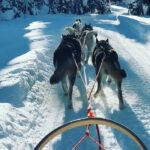
- Hunt the Northern Lights in Lapland, visit Suomenlinna by ferry, sweat in a traditional Finnish sauna at Löyly, meet Santa Claus in Rovaniemi, drive a husky sled through Arctic forests, swim in a frozen lake after a sauna (avanto), forage blueberries in midsummer forests, ride the Helsinki tram loop for an architectural tour, camp under the Midnight Sun in June, and cross-country ski in Lapland.
Local experiences
- Sleep in a glass igloo under the Northern Lights, join a smoke sauna and ice-swim session at a lakeside cottage, take a husky safari through Lapland's frozen forests, forage wild berries with a local guide in August, attend a traditional Finnish löyly ceremony, or visit a Sámi reindeer herder in Inari.
Practical tips
- Transport: Helsinki has excellent trams, buses, and a metro. Buy an HSL day pass. Trains and buses connect to Rovaniemi (night train: 12 hr) or fly (1.5 hr).
- Sauna Etiquette: Nudity is normal in same-gender saunas; swimsuits are worn in mixed/public saunas.
- Darkness: In Lapland, polar night (kaamos) means 24 hours of darkness in December—bring a headlamp.
- Currency: Euro (EUR). Card payments accepted almost everywhere, including market stalls.
- Tipping: Not expected but rounding up is appreciated.
- Language: Finnish and Swedish are official; English is widely spoken.
Photography tips
- Northern Lights shoot best on a tripod at f/2.8, ISO 1600–3200, 5–15 sec exposure from a dark hilltop in Lapland between 10 PM and 2 AM. Helsinki Cathedral photographs best from the bottom of the Senate Square staircase at blue hour. Suomenlinna's fortress walls and sea views glow at golden hour looking southwest. The glass igloo interiors frame the aurora through the ceiling—set your camera on the motorized bed for unique compositions.
Timing
- Allow 2–3 days for Helsinki, 3–5 days for Lapland (Rovaniemi or Levi). Combine both for a 7–10 day Finland trip. The overnight train from Helsinki to Rovaniemi is the classic way to transit between city and Arctic.
Keeping it authentic
- Finnish culture revolves around nature, silence, and the sauna. The concept of 'sisu'—a stoic inner strength—defines the national character. In Lapland, the indigenous Sámi people maintain reindeer-herding traditions
- visit ethically run Sámi cultural experiences in Inari. The Finnish everyman's right (jokamiehenoikeus) allows anyone to forage berries, mushrooms, and wild herbs in forests. In summer, Finns retreat to lakeside mökki (cottages) for swimming, grilling, and sauna—joining a Finnish family for a mökki weekend is the most authentic experience possible.
Culture, customs and safety
Cultural heritage
Helsinki embodies Nordic design excellence and sauna culture where functionalist architecture meets Baltic maritime traditions. Alvar Aalto’s modernist legacy shapes everything from Finlandia Hall to everyday objects, while Design District showcases contemporary Finnish creativity. The city maintains 3 million sauna visits annually in public saunas like historic Kotiharjun since 1928. Suomenlinna sea fortress, built by Sweden and conquered by Russia, reflects Finland’s complex sovereignty path. Lutheran Cathedral and Orthodox Uspenski Cathedral represent dual religious heritage. Traditional market squares sell Baltic herring, reindeer meat, and seasonal berries. The city embraces sisu (determined resilience) through winter swimming and May Day sima mead traditions. Kalevala epic influences everything from Sibelius compositions to modern heavy metal, making Helsinki surprisingly hardcore.
Local customs & etiquette
Finns value personal space, silence, and punctuality with almost religious devotion. The concept of “Finnish nightingale” – comfortable silence – means small talk isn’t expected; enjoying quiet company shows respect. Maintain arm’s length distance in queues and public transport. Being even 5 minutes late is considered rude – arrive early for appointments. Sauna culture is sacred and completely non-sexual: families sauna together naked, and making inappropriate jokes will cause deep offense. Public saunas usually separate genders, though some have mixed sessions. Always shower before entering, sit on a towel, and keep voices low. The ritual of löyly (throwing water on hot stones) should be done considerately. Remove shoes when entering homes – hosts provide slippers or wear socks. Tipping isn’t customary as service charges are included, though rounding up is appreciated. Environmental consciousness runs deep – sort recycling meticulously and respect nature’s “everyman’s right” (jokamiehenoikeus) to roam freely while leaving no trace. Coffee culture is serious – Finns consume more per capita than any nation. When offered coffee (always offered), accepting shows courtesy. Learn “Kiitos” (thank you) and “Anteeksi” (excuse me) – attempts at Finnish earn warm appreciation despite the language’s complexity.
Safety notes
Finland is consistently ranked one of the safest countries in the world. Petty crime (pickpocketing) is rare but can occur in Helsinki’s central railway station and Market Square. In Lapland, the main risks are weather-related: frostbite from extreme cold (-20 to -35 °C), reindeer and moose on roads, and thin ice on lakes. Dress in proper thermal layers and follow guides’ instructions during winter activities. Emergency: 112.