The Austrian Alps are a breathtaking mountain range offering stunning landscapes, outdoor adventures, and a rich cultural heritage. Known for their picturesque villages, world-class skiing, and vibrant hiking trails, the Alps provide a perfect escape for nature lovers and thrill-seekers alike. Innsbruck, the capital of Tyrol, serves as a gateway to this majestic region.
The destination guide
Innsbruck
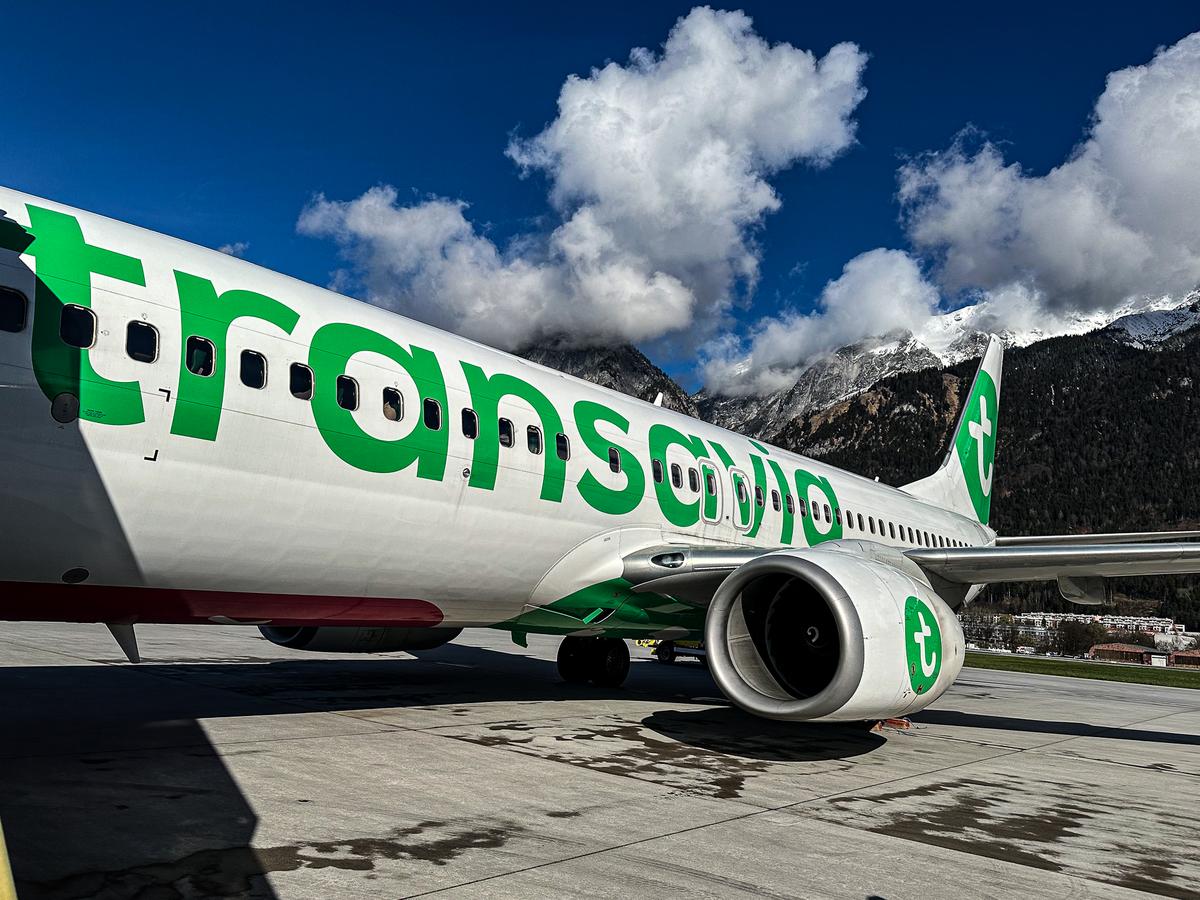
Travel guides for Innsbruck
Itineraries & day trips (1)
Things to do (1)
Where to stay (1)
Food & drink (1)
Destination stories (1)
More guides featuring Innsbruck (12)
At a glance
Currency€ EURCode: EUR
Time zoneCentral European Time
Languages
- German
Setting
- Alpine valley
- Inn River
- Nordkette mountain
- Baroque old town
Known for
- Alpine Sports
- Imperial History
- Skiing
- Cable Cars
- Architecture
- Museums
- Winter Sports
- Mountain Scenery
Population132K131,992 residents
VisaDuration: Up to 90 days within any 180-day period in the Schengen Area · Documents: Valid passport issued within the last 10 years and valid for at least 3 months after planned departure, plus proof of accommodation, onward or return travel, and sufficient funds if requested
How Innsbruck scores
6/10OverallFair
Weather8/10
Value for money7/10
Safety9/10
Food & cuisine7/10
Culture & arts7/10
Cultural experience8/10
History8/10
Nature & outdoors9/10
Adventure7/10
Nightlife6/10
Shopping6/10
Family friendly5/10
Romance8/10
Character
Photography score7/10
Authenticity score10/10
Off-the-beaten-path score7/10
Editorial scores on a 10-point scale, weighed against destinations of the same kind.
Travel safety snapshot
Overall89/100High rating
Women travellers88/100
LGBTQ+ travellers86/100
Theft86/100
Medical care90/100
Physical harm91/100
Political freedom90/100
SafePlace indicators use their source 100-point scale; higher is more favourable. Planning context, not a live travel advisory — check official government guidance before you go.
When to go
Best months to visit: January, February, March, May, June, July, August, September, October and December.
- January: 17.7 to 28.6 degrees Celsius, 18.9 millimetres of rain, best-time score 5 out of 5.
- February: 17.5 to 28.3 degrees Celsius, 18.4 millimetres of rain, best-time score 5 out of 5.
- March: 18.1 to 28.3 degrees Celsius, 20.3 millimetres of rain, best-time score 4 out of 5.
- April: 18.6 to 28.9 degrees Celsius, 38.6 millimetres of rain, best-time score 3 out of 5.
- May: 19.9 to 28.7 degrees Celsius, 55.1 millimetres of rain, best-time score 4 out of 5.
- June: 20.7 to 28.8 degrees Celsius, 27.3 millimetres of rain, best-time score 5 out of 5.
- July: 20.7 to 30.1 degrees Celsius, 68.4 millimetres of rain, best-time score 5 out of 5.
- August: 20.9 to 30.9 degrees Celsius, 34 millimetres of rain, best-time score 5 out of 5.
- September: 21 to 30.4 degrees Celsius, 76 millimetres of rain, best-time score 5 out of 5.
- October: 20.6 to 29.5 degrees Celsius, 68.9 millimetres of rain, best-time score 4 out of 5.
- November: 19.9 to 28.8 degrees Celsius, 61.1 millimetres of rain, best-time score 3 out of 5.
- December: 18.6 to 28.5 degrees Celsius, 17.9 millimetres of rain, best-time score 5 out of 5.
Month-by-month conditions and packing advice
- January
- Warm and pleasant, mostly dry January in Innsbruck: the city is strongest for either winter sports and Christmas atmosphere or summer alpine hiking. Crowds: January marks peak winter season in Innsbruck, attracting skiers, snowboarders, and alpine travelers to its renowned slopes and mountain resorts. Accommodation and lift ticket prices are at their highest, and advance booking is essential to secure prime locations. The crisp cold weather supports all snow-based activities, from downhill runs to cross-country trails, while the city hosts seasonal markets and cultural performances. Crowds concentrate around ski lifts and après-ski venues, though the historic Old Town remains relatively serene in the quieter evenings. Limited daylight hours, usually 8–9 per day, shape the rhythm of exploration and encourage visitors to plan outdoor activities earlier in the day. Overall, this month offers the quintessential alpine experience, though travelers should prepare for high demand and cold conditions. Pack: Insulated waterproof ski jacket and pants; Thermal base layers for warmth in sub-zero conditions; Waterproof snow boots with good traction; Wool hat, scarf, and insulated gloves; UV-protective ski goggles and sunglasses; Smart casual warm clothing for alpine lodges and city cafés
- February
- Warm and pleasant, mostly dry February in Innsbruck: the city is strongest for either winter sports and Christmas atmosphere or summer alpine hiking. Crowds: February presents an intriguing shoulder season for Innsbruck. While the higher ski resorts remain in full swing, the city itself enjoys fewer crowds, giving travelers more relaxed access to museums, historic sites, and local markets. Accommodation prices are more moderate than the December and January holiday peak, though ski tourism still keeps some demand steady in nearby villages. Outdoor exploration within the city is highly rewarding, with mild temperatures making walking tours comfortable. Visitors seeking alpine sports should head to the slopes above 1,500 meters, while those preferring cultural experiences will find a quieter, more authentic urban rhythm. This blend of winter sports activity and spring-like city life makes February a strategic time for travelers wanting both without peak-season congestion. Pack: Light jacket or fleece for cooler evenings; Comfortable walking shoes for cobblestone streets; Water-resistant windbreaker for occasional showers; Smart-casual layers suitable for indoor dining and museums; Sunglasses to manage Alpine glare; Scarf or shawl for added warmth in higher elevations
- March
- Warm and pleasant, mostly dry March in Innsbruck: shoulder months can work for scenery and lower crowds if lifts and trails match your plans. Crowds: March provides shoulder-season benefits for travelers in Innsbruck, combining mild weather with reduced tourist pressure. While ski resorts may be winding down, higher-altitude slopes can still support late-season skiing, though conditions soften as daytime highs climb. At the same time, the city itself becomes ideal for open-air café culture, museum visits, and spring festivals, with fewer crowds than the peak winter season. Accommodation prices begin to moderate after the high-demand ski months, creating good value for visitors. Outdoor hiking trails in lower elevations start to open, offering early glimpses of alpine flora. This transitional period requires flexible planning: winter sports enthusiasts should head higher into the mountains, while city-focused travelers enjoy vibrant street life without the congestion of summer crowds. Advance booking is still wise for ski-linked lodgings, but city stays become easier to secure at competitive rates. Pack: Light layers such as long-sleeve shirts for warm afternoons; A mid-weight jacket for cooler evenings and mountain excursions; Comfortable walking shoes for exploring the old town; Light scarf or shawl for variable alpine breezes; Sunglasses with UV protection for strong mountain sun; Versatile clothing suitable for both casual cafés and cultural sites
- April
- Warm and pleasant, some rain April in Innsbruck: maintenance periods, mud season, or early snow can limit mountain access. Crowds: April represents Innsbruck’s shoulder season, with warmer weather drawing early hikers and cultural travelers but without the high summer crowds. Hotel rates are generally moderate, offering better value compared to peak ski or summer holiday months. Rainfall is manageable, and showers rarely disrupt a full day of activities. Visitors can comfortably explore open-air markets, bike trails, and the old city without feeling rushed by crowds. While ski season tapers off in higher resorts, lowland hiking trails begin to open, creating a unique overlap where both mountain and city activities are possible. Travelers seeking a balance of affordability, cultural immersion, and favorable conditions will find April an excellent time to visit, provided they plan flexible itineraries that account for occasional rain showers. Pack: Light layers to adapt between warm afternoons and cooler evenings; Comfortable waterproof walking shoes for mixed city and trail terrain; Compact travel umbrella or lightweight rain jacket for passing showers; Breathable fabrics for daytime comfort during warm temperatures; Smart-casual attire for cultural performances and evening dining; Daypack with reusable water bottle for hiking and city excursions
- May
- Warm and pleasant, some rain May in Innsbruck: shoulder months can work for scenery and lower crowds if lifts and trails match your plans. Crowds: May offers one of the most favorable times to visit Innsbruck, just before the peak summer crowds. The mild-to-warm conditions allow travelers to enjoy outdoor activities such as hiking the Nordkette trails, cycling along the Inn River, and strolling through the medieval Altstadt. The spring shoulder season means accommodation prices remain more moderate than in July or August, though some alpine huts and cable cars may just be reopening after winter. The occasional rainfall is rarely disruptive and often leaves behind crystal-clear skies perfect for photography. Travelers benefit from fewer queues at cultural attractions, making May an excellent balance of good weather, manageable visitor numbers, and affordability. Booking early is still advised as demand builds toward summer festivals and school holidays. Pack: Light layers for daytime warmth and cool evenings; Water-resistant jacket for spring showers; Comfortable hiking shoes for mountain trails; Sunglasses and sunscreen for strong alpine sun; Smart-casual attire for cafés and cultural events; Reusable water bottle for outdoor excursions
- June
- Warm and pleasant, some rain June in Innsbruck: the city is strongest for either winter sports and Christmas atmosphere or summer alpine hiking. Crowds: June marks the start of Innsbruck’s summer travel season, bringing lively energy without the heavy crowds of July and August. Warm weather makes this one of the best times for hiking, mountain biking, and exploring alpine trails while the valley city remains pleasant for strolling. Accommodation rates begin to rise as festivals and outdoor events attract visitors, but prices and booking pressure are still moderate compared to peak summer months. Travelers benefit from longer daylight hours, making it possible to combine sightseeing with high-altitude excursions in a single day. Occasional showers may disrupt afternoon plans, so flexibility is useful. Overall, June offers a sweet spot: vibrant alpine landscapes, cultural accessibility, and manageable tourist density. Pack: Lightweight hiking boots for alpine trails; Breathable layers for warm days and cooler evenings; Waterproof jacket for occasional showers; Reusable water bottle for mountain excursions; Sunglasses with UV protection for high-altitude sun; Smart-casual attire for cultural events and dining
- July
- Hot and sunny, some rain July in Innsbruck: the city is strongest for either winter sports and Christmas atmosphere or summer alpine hiking. Crowds: July represents Innsbruck’s summer high season, with conditions ideal for hiking, cycling, and open-air festivals. The warm, sunny weather draws both international tourists and locals to the mountains, resulting in busy trails, crowded old-town squares, and higher accommodation prices. Outdoor events, such as music festivals and alpine folk celebrations, thrive in this season, offering cultural depth alongside natural beauty. Afternoon thunderstorms can occasionally disrupt mountain excursions, so travelers are advised to start outdoor activities early in the day. Photography conditions are particularly favorable thanks to strong alpine light and vivid green landscapes. While crowds peak in July, the energy is lively and festive, rewarding those who book accommodations and tours well in advance. Pack: Breathable hiking shirts and shorts for daytime warmth; Light waterproof jacket for sudden mountain storms; Sturdy hiking boots suitable for alpine trails; Reusable water bottle to stay hydrated in the heat; Light sweater for cooler evenings in the valley; Modest attire for visiting churches and historic sites
- August
- Hot and sunny, some rain August in Innsbruck: the city is strongest for either winter sports and Christmas atmosphere or summer alpine hiking. Crowds: August represents peak summer season in Innsbruck, drawing both international visitors and locals seeking mountain escapes. Warm, dry conditions favor outdoor activities such as alpine hiking, cable car excursions, and cultural festivals held in open-air squares. Crowds are at their highest, especially around heritage sites and popular trails, and accommodation prices reflect this demand. Warm evenings make outdoor dining and street performances especially inviting. However, the combination of heat and altitude can be tiring during midday hours, so planning excursions for mornings or late afternoons is wise. For those seeking quieter experiences, heading into the surrounding Tyrolean villages or higher-elevation trails offers respite from the crowds and cooler conditions. Pack: Light, breathable summer clothing for hot daytime conditions; Sturdy hiking boots for alpine trails; Reusable water bottle to stay hydrated in the heat; Light rain jacket for occasional summer showers; Sunglasses and SPF 50+ sunscreen for strong alpine sun; Smart casual attire for evening concerts and cultural events
- September
- Hot and sunny, some rain September in Innsbruck: the city is strongest for either winter sports and Christmas atmosphere or summer alpine hiking. Crowds: September represents shoulder season in Innsbruck, offering a balance between lingering summer warmth and the quieter pace of early autumn. Outdoor activities like mountain hiking, river rafting, and alpine biking are still possible, though occasional thunderstorms may interrupt plans. Crowds thin after the peak summer tourism period, and hotel prices begin to ease compared to July and August. Festivals and cultural events tied to the harvest season add local charm, while alpine huts remain open for late-summer visitors. For those seeking mountain views without the winter ski crowds or high summer influx, this is an excellent window. Booking accommodation is easier, though travelers should stay flexible with outdoor excursions in case of sudden rain. Pack: Breathable hiking clothes for warm daytime temperatures; Light rain jacket for alpine thunderstorms; Comfortable waterproof hiking shoes; Sunhat and polarized sunglasses for strong mountain sun; Light sweater or jacket for cooler evenings; Daypack with reusable water bottle and trail snacks
- October
- Hot and sunny, some rain October in Innsbruck: shoulder months can work for scenery and lower crowds if lifts and trails match your plans. Crowds: October is traditionally shoulder season in Innsbruck, but these warmer-than-expected conditions extend the outdoor calendar well into autumn. Hiking trails remain fully accessible, cable cars still operate comfortably, and café terraces along Maria-Theresien-Straße stay lively. Visitors benefit from thinner crowds compared to the high summer months, yet enjoy nearly the same favorable weather for sightseeing. Accommodation rates tend to dip as the ski season hasn’t yet begun, offering excellent value for travelers seeking cultural exploration—museums, historic churches, and university life buzz with fewer tourist bottlenecks. Occasional rain showers may briefly interrupt plans, but they rarely dominate the day. For those interested in photography, October’s lower sun angle enhances golden-hour opportunities across the Inn Valley. It’s an optimal moment for travelers who appreciate Alpine scenery without the intensity of peak tourism or the full onset of winter sports crowds. Pack: Breathable shirts and lightweight trousers for warm daytime conditions; Compact umbrella or light rain jacket for brief autumn showers; Comfortable hiking shoes for exploring mountain trails; Layered sweater or fleece for cooler evenings in the valley; Reusable water bottle to stay hydrated during warm daytime hikes; Smart casual attire for dining and cultural events in Innsbruck’s Old Town
- November
- Warm and pleasant, some rain November in Innsbruck: maintenance periods, mud season, or early snow can limit mountain access. Crowds: November is a shoulder season in Innsbruck, offering quieter streets and better-value accommodations compared to the busier ski months. The milder valley temperatures allow for city walks, cultural explorations, and museum visits without the summer crowds, while nearby mountain resorts begin gearing up for winter sports. Some high-altitude lifts and trails may already be restricted due to snow or maintenance, but this period rewards travelers with reduced prices and authentic encounters with local life. For those seeking to avoid peak-season congestion yet still capture Alpine charm, November provides an ideal balance—though weather variability means flexibility in planning is essential. Pack: Waterproof jacket for sudden rain showers; Sturdy walking shoes with good grip for wet cobblestones; Warm sweater or fleece for cooler evenings; Compact travel umbrella; Scarf and light gloves for mountain excursions; Smart-casual attire suitable for traditional restaurants and cultural venues
- December
- Warm and pleasant, mostly dry December in Innsbruck: the city is strongest for either winter sports and Christmas atmosphere or summer alpine hiking. Crowds: This December climate significantly shifts the visitor experience in Innsbruck. Traditionally a peak winter sports destination, the lack of snow at these temperatures reduces skiing opportunities at lower elevations, though high-altitude resorts may still maintain artificial or limited snow cover. On the other hand, cultural tourism thrives: the city’s Christmas markets, museums, and imperial landmarks become more accessible without the burden of icy conditions. Accommodation pricing may remain high due to the holiday season, yet visitor activities pivot toward urban exploration, dining, and photography rather than snow sports. Travelers should expect festive crowds, particularly around Christmas and New Year, but overall comfort for walking tours and cultural events is enhanced by the mild conditions. Advance booking for accommodations is still strongly recommended. Pack: Light jackets or sweaters for cool evenings; Comfortable walking shoes for exploring historic streets; Smart casual wear for holiday dining and cultural events; Reusable water bottle to stay hydrated in mild conditions; Scarf or shawl for festive evenings outdoors; Compact umbrella for occasional light showers
Peak season
- July
- August
Off-peak
- November
- January
- February
- March

Know before you go
About
Innsbruck, the capital of Austria’s Tyrol region, is a striking alpine city set on the River Inn at about 574 meters, ringed by the soaring peaks of the Nordkette range. The city of roughly 132,000 blends imperial history with world-class mountain access, having twice hosted the Winter Olympics, in 1964 and 1976. Its medieval old town centers on the Golden Roof, a late-Gothic balcony glittering with 2,657 gilded copper tiles, built for Emperor Maximilian I in the early 1500s. Above the city soars the Bergisel ski jump, dramatically redesigned by architect Zaha Hadid. Innsbruck’s great appeal is how seamlessly city and mountains meet: a funicular and cable cars whisk visitors from the historic center up to high-alpine trails and ski slopes in minutes. Travelers stroll baroque streets and imperial palaces like the Hofburg, ride to panoramic peaks, and ski resorts such as the Nordkette and Axamer Lizum. Compact, scenic, and energetic year-round, Innsbruck is one of the Alps’ most appealing destinations.
Neighbourhoods
The Altstadt (Old Town) is the historic heart, with medieval architecture and the famous Golden Roof. Hötting, north of the Inn River, provides a local feel with stunning mountain views. For a trendy vibe, explore the university area in Innrain, which is filled with hip cafes and boutiques. Nature lovers should head to Igls, a charming village on the outskirts that is perfect for hiking and winter sports.
Best time to visit
May through June and September through October for mild 15–25 °C weather, open mountain trails, and fewer crowds. December through March for skiing and Christmas markets. January brings the Four Hills ski jumping tournament. July–August is warmest but busy.
Season by season
Spring (Apr–May): 8–18 °C, wildflowers, some trails still snowy above 2,000 m. Summer (Jun–Aug): 18–28 °C, all trails open, cable cars running, warmest. Autumn (Sep–Oct): 8–18 °C, golden foliage in the Inn Valley, quieter, excellent hiking. Winter (Dec–Mar): -5 to 5 °C, skiing, Christmas markets, Four Hills ski jumping (Jan).
Crowds
High in ski season (Dec–Mar) and peak summer (Jul–Aug); moderate in shoulder months; low in November
Getting there and around
Getting there
Innsbruck Airport (INN) offers direct flights from major European cities, located just 4 kilometers from the city center with bus Line F connecting in 18 minutes. Munich Airport (190km) provides extensive international connections with regular bus transfers via Flixbus or train connections through Munich. The main train station (Hauptbahnhof) serves as a major Alpine rail hub with frequent connections to Vienna (4.5 hours), Salzburg (2 hours), and Munich (2 hours). The A12 and A13 motorways provide excellent road access through the Inn Valley.
Getting around
The IVB network operates 5 tram lines and numerous bus routes with real-time information at all stops, covering the city comprehensively from 5:30 AM to midnight. The Innsbruck Card includes unlimited public transport plus entry to major attractions. The historic center is compact and pedestrian-friendly. The Stubaitalbahn tram extends to nearby ski resorts. Bicycle sharing stations are located throughout the city, with dedicated cycling paths along the Inn River. The Nordkettenbahn funicular connects downtown to mountain peaks in 20 minutes.
Top experiences in Innsbruck
Golden Roof (Goldenes Dachl)
Read the place guide →Innsbruck’s most famous landmark — a Gothic bay window on the Old Town’s main square, adorned with 2,657 fire-gilded copper tiles. Built by Emperor Maximilian I in 1500 as a royal box for observing tournaments and events. The Goldenes Dachl Museum inside tells the story. Free to view from the square; museum admission ~€5.
Nordkette Cable Car
A series of cable cars ascending directly from the city center (Congress station) to 2,256 m on the Nordkette ridge in 20 minutes. The Seegrube station (1,905 m) has a panoramic restaurant. The Hafelekar summit offers 360° views deep into the Alps. A combined round-trip ticket costs ~€42; the Innsbruck Card covers it.
Bergisel Ski Jump
A futuristic Zaha Hadid-designed ski jump that hosted two Winter Olympics (1964, 1976). The observation deck at the top offers one of Innsbruck’s most dramatic viewpoints — the entire city and Inn Valley laid out below. The Four Hills Tournament (Neujahrsskispringen) takes place here every January. Admission ~€12.
Ambras Castle
A Renaissance hilltop castle housing one of the world’s oldest museums, assembled by Archduke Ferdinand II in the 16th century. Collections include armor, curiosities (Kunst- und Wunderkammer), and a Spanish Hall with frescoed walls and an intarsia wood ceiling. Set in parkland above the city. Admission ~€16.
Hofkirche (Court Church)
A Gothic church containing the monumental tomb of Emperor Maximilian I, guarded by 28 larger-than-life bronze statues of his ancestors and heroes (the ‘schwarze Mander’). An impressive and atmospheric space, even for non-history buffs. Admission ~€8.
Editor-curated picks carried over from our original guide. Where a full place guide exists, the card links to it.


Worth booking ahead in Innsbruck
Hand-picked from the operators our guides already send readers to. Prices and availability are live on the partner site.
BrowseViator
Tours and tickets in Innsbruck on Viator (opens Viator in a new tab)
Viator's full list of bookable tours and tickets in Innsbruck.
BrowseGetYourGuide
Experiences in Innsbruck on GetYourGuide (opens GetYourGuide in a new tab)
Everything GetYourGuide sells in Innsbruck, with the cancellation terms on each listing.
Where to stayBooking.com
Stays in Innsbruck (opens Booking.com in a new tab)
Live rates and availability for Innsbruck on Booking.com; filter by neighbourhood once you know where your days start.
We earn a commission if you book through these links, at no extra cost to you. It is how we keep the guides free and independent.
Where to stay
Hotel Schwarzer Adler
Kiebachgasse 16, 6020 Innsbruck, Austria
A 16th-century hotel in the heart of the Old Town, blending traditional Tyrolean character with contemporary comfort. Features a rooftop terrace restaurant with mountain views, a spa, and individually designed rooms with exposed timber. Steps from the Golden Roof.
Hotel Nala
Kaiserjägerstr. 1, 6020 Innsbruck, Austria
A funky, eco-conscious boutique hotel near the Old Town with individually decorated rooms (each by a different artist), some with kitchens and balcony mountain views. Garden terrace, organic breakfast, and bicycle hire.
Hotel Goldener Adler
Innrain 3, 6020 Innsbruck, Austria
A heritage hotel on the Inn River near the Old Town, offering traditional Austrian charm with ornate rooms, a courtyard restaurant, and an airy bar. The building’s history includes hosting Mozart and Goethe.
Editor-curated stays carried over from our original guide. Where we have reviewed the hotel, the card links to the review.
Tips from the field
Highlights
- Golden Roof (Goldenes Dachl)
- Nordkette Cable Car
- Bergisel Ski Jump (Zaha Hadid)
- Ambras Castle
- Hofkirche & Bronze Statues
- Old Town & Maria-Theresien-Straße
- Swarovski Crystal Worlds
- Nine Ski Areas
Best activities
- Ride the Nordkette cable car to Hafelekar, tour the Golden Roof and Old Town, visit the Bergisel ski jump, explore Ambras Castle, see the bronze statues at Hofkirche, take the Innsbruck Card for free transport and museum entry, hike the Nordkette ridge trails, visit Swarovski Crystal Worlds (day trip), ski at one of nine nearby resorts, and eat Tiroler Gröstl in a traditional Gasthaus.
Local experiences
- Ride the Nordkette cable car from city center to alpine summit in 20 minutes, eat Tiroler Gröstl or Kaiserschmarrn at a traditional Gasthaus, attend the Four Hills ski jumping tournament in January, visit the Markthalle for local cheese and cured meats, walk the colorful Inn River promenade, or take a day trip to Swarovski Crystal Worlds.
Practical tips
- Innsbruck Card: Covers all cable cars, museums, Swarovski Crystal Worlds, and public transport. Buy for 24/48/72 hrs (~€45/55/65) — essential for saving money.
- Airport: Innsbruck Airport (INN) is 4 km from the city center.
- Currency: Euro (EUR). Cards widely accepted; carry cash for mountain huts.
- Language: German; English widely understood.
- Skiing: Nine ski areas within 30 min of the city center (Nordkette, Axamer Lizum, Muttereralm, Stubai Glacier, etc.).
- Tipping: Round up or leave 5–10 %.
Photography tips
- The Nordkette cable car's Seegrube station offers the classic elevated shot of Innsbruck with the Inn River and the Old Town below — best in morning light. The Golden Roof facade catches afternoon sun. The Bergisel ski jump observation deck provides a unique downward perspective. Maria-Theresien-Straße with the Nordkette range behind it is the defining city-mountain composition — best with fresh snow on the peaks.
Timing
- Allow 2–3 days for Innsbruck (Old Town + Golden Roof day, Nordkette cable car + Bergisel ski jump day, Ambras Castle + Swarovski day trip). Combine with Salzburg (2 hrs), Munich (2 hrs), or the Brenner Pass to Italy (30 min).
Keeping it authentic
- Innsbruck sits at the crossroads of Italian and Austrian Alpine culture — the city's Baroque architecture, Maria-Theresien-Straße, and coffee-house tradition reflect centuries of Habsburg rule, while the surrounding Tyrolean valleys preserve farming communities, traditional dress (Tracht), and alpine dairy culture. The weekly farmers' market on Markthalle is genuine. In winter, locals begin their morning with a coffee and Apfelstrudel before heading to one of nine ski areas accessible within 30 minutes of the city center.
Culture, customs and safety
Cultural heritage
Innsbruck embodies the cultural crossroads of Alpine Europe, where Tyrolean traditions, Habsburg imperial heritage, and mountain culture created one of the most picturesque cultural centers in the Eastern Alps. The city preserves traditional Tyrolean customs, mountain craftsmanship, and Winter Olympics heritage while maintaining its historical role as gateway between Germany and Italy. Innsbruck cultural heritage encompasses Tyrolean folk traditions, Habsburg architectural grandeur, Alpine sports innovation, and contemporary mountain culture that continues to bridge Germanic and Latin cultural influences in the heart of the European Alps.
Local customs & etiquette
Tyrolean tradition remains strong with locals greeting each other with “Grüß Gott” or “Servus” throughout the day. Punctuality is highly valued for both social and business appointments. Sunday remains a quiet day with most shops closed and noise restrictions enforced. Traditional dress (Tracht) is worn during festivals and special occasions without irony. Coffee house culture involves lingering over newspapers – rushing is considered rude. Environmental consciousness is paramount with strict recycling rules and respect for Alpine nature.
Safety notes
Innsbruck is extremely safe with very low crime. The main risks are mountain-related: altitude, sudden weather changes, and trail hazards on the Nordkette and surrounding peaks. Stay on marked trails, carry rain gear, and check weather before alpine hikes. Petty theft is rare but possible at crowded Christmas markets. Emergency: 112.