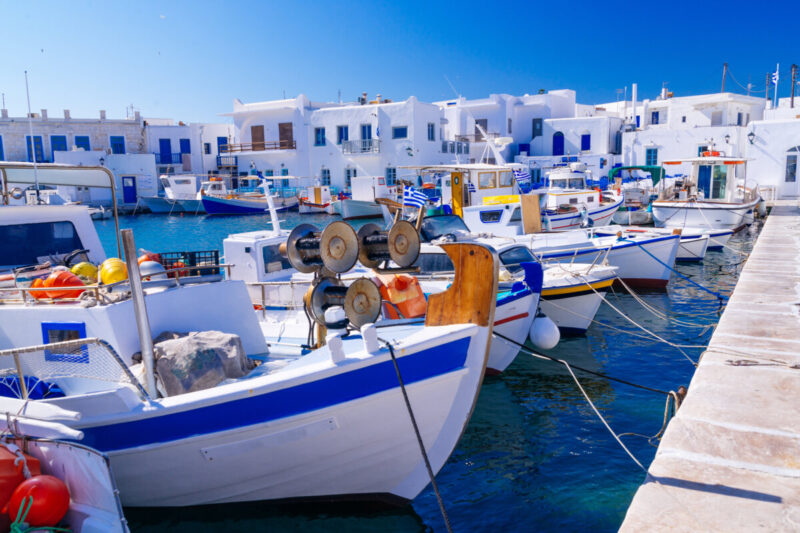
Ios transforms from peaceful Cycladic sanctuary to Mediterranean party epicenter, revealing dual personalities that surprise most visitors. Beyond its world-famous nightlife scene centered in Chora village, this 109-square-kilometer island preserves traditional Greek culture through authentic fishing villages, ancient archaeological sites including Homer’s legendary tomb, and pristine beaches like Manganari where crystal-clear Aegean waters meet golden sand. The island operates seasonally from May to October, with dramatic contrasts between serene morning hours perfect for exploring Byzantine churches and UNESCO-endorsed cultural sites, and legendary evening celebrations at venues like Disco69 and Far Out Beach Club that continue until sunrise. Visitors discover intimate experiences beyond the party reputation: traditional tavernas serving fresh-caught seafood in the Old Port, artisan workshops creating handmade ceramics, and hiking trails leading to Paleokastro ruins with panoramic island views.
The destination guide
Ios

Travel guides for Ios
More guides featuring Ios (2)
At a glance
- Greek
- Cycladic island
- Sandy beaches
- Whitewashed villages
- Aegean coast
- Nightlife
- Beaches
- Backpacking
- Island Hopping
- Youth Travel.
How Ios scores
Editorial scores on a 10-point scale, weighed against destinations of the same kind.
Travel safety snapshot
SafePlace indicators use their source 100-point scale; higher is more favourable. Planning context, not a live travel advisory — check official government guidance before you go.
When to go
Best months to visit: April, May, June, July, August, September and October.
- January: 23.4 to 29.2 degrees Celsius, 30.2 millimetres of rain, best-time score 2 out of 5.
- February: 23.1 to 29.1 degrees Celsius, 20.3 millimetres of rain, best-time score 2 out of 5.
- March: 23.6 to 29.4 degrees Celsius, 31 millimetres of rain, best-time score 3 out of 5.
- April: 23.1 to 28.5 degrees Celsius, 71.4 millimetres of rain, best-time score 4 out of 5.
- May: 22.4 to 27.3 degrees Celsius, 43.2 millimetres of rain, best-time score 5 out of 5.
- June: 20.9 to 25.6 degrees Celsius, 39.2 millimetres of rain, best-time score 5 out of 5.
- July: 20.4 to 25.6 degrees Celsius, 27.9 millimetres of rain, best-time score 5 out of 5.
- August: 20 to 24.9 degrees Celsius, 40.6 millimetres of rain, best-time score 5 out of 5.
- September: 21.1 to 26.2 degrees Celsius, 6.7 millimetres of rain, best-time score 5 out of 5.
- October: 22.2 to 27.1 degrees Celsius, 17.6 millimetres of rain, best-time score 4 out of 5.
- November: 23 to 27.3 degrees Celsius, 56.8 millimetres of rain, best-time score 2 out of 5.
- December: 23 to 28.1 degrees Celsius, 38.9 millimetres of rain, best-time score 3 out of 5.
Month-by-month conditions and packing advice
- January
- Hot and sunny, some rain Cold winter weather, few tourists. Crowds: January is off-season in Ios despite the warm climate, which means you’ll encounter far fewer crowds and quieter villages. Many beach bars and nightlife venues are closed, but this creates an authentic atmosphere for cultural exploration, hiking, and photography without summer congestion. Prices for accommodation are significantly lower compared to peak months, though ferry schedules may be less frequent. This is the perfect time for travelers seeking tranquility, intimate cultural encounters, and mild outdoor conditions. Sea swimming is possible thanks to high temperatures, though the water can feel cooler than the air. Booking in advance isn’t essential, making spontaneous travel easy, but do plan around limited transportation connections. Pack: Lightweight breathable clothing for warm days; Swimwear for beach and sea activities; Comfortable sandals or walking shoes for island paths; Light jacket for occasional breezy evenings; Sunscreen and sunglasses for strong UV exposure; A compact umbrella or rain jacket for short showers
- February
- Hot and sunny, mostly dry Chilly and quiet, good for museums. Crowds: Traveling to Ios in February feels like discovering a secret season. Unlike the crowded summer months, this is the island’s low tourist period, meaning far fewer crowds and more intimate access to beaches, tavernas, and archaeological sites. Accommodation and ferry prices are significantly lower, though some seasonal businesses may still be closed. The warm, dry weather supports hiking, photography, and cultural immersion without the intensity of peak-season traffic. Travelers should note that ferry schedules may be limited, so planning connections carefully is essential. Those seeking a quiet, authentic island experience with weather that feels more like summer than winter will find February an excellent time, especially for cultural exploration and long, unhurried walks. Pack: Light cotton and linen clothing for hot days; Wide-brimmed hat and high-SPF sunscreen; Comfortable sandals and sturdy walking shoes; Reusable water bottle for hydration on hikes; Light scarf or wrap for church visits; Sunglasses with strong UV protection
- March
- Hot and sunny, some rain Beginning to warm up, spring blossoms. Crowds: March marks the early shoulder season in Ios, bringing warm, summerlike weather without the crowds or peak pricing of July and August. While the sea may still feel brisk for extended swims, conditions are perfect for sunbathing, light hiking, and leisurely exploration of villages and archaeological sites. Many hotels and restaurants begin reopening after winter closures, offering lower rates than peak summer. Ferries operate on reduced schedules, so advance planning is necessary. This month rewards travelers seeking a quieter island experience, with plenty of space to enjoy beaches, historic chapels, and local tavernas without competing for views. March represents one of the best times for culturally curious travelers to balance warm weather with authentic, uncrowded encounters. Pack: Breathable linen shirts and dresses for daytime heat; Comfortable sandals suitable for uneven village paths; Light jacket or wrap for cooler ferry crossings; Wide-brimmed hat and polarized sunglasses; Reef-safe sunscreen for strong Mediterranean sun; Swimwear with cover-up for beach and taverna transitions
- April
- Hot and sunny, some rain Pleasant spring weather, great for walking. Crowds: April represents the shoulder season on Ios, offering travelers a balance between favorable weather and manageable visitor numbers. The island is warm enough for extended beach days and casual swimming, though the Aegean may still feel brisk compared to midsummer. Cultural attractions and hillside villages can be explored comfortably without the high-season crowds, while accommodation and ferry prices remain relatively moderate. Restaurants and local businesses are beginning to open fully for the season, creating a livelier atmosphere than in winter but without the intensity of peak summer. It’s an excellent time for those seeking authentic cultural engagement, scenic hiking, and early beachgoing without navigating the full weight of summer tourism. Early booking is advisable for preferred stays, as availability starts tightening toward late spring. Pack: Breathable linen and cotton outfits for hot days; Comfortable sandals or lightweight walking shoes; Sunhat and sunglasses for strong UV exposure; Swimwear and a quick-dry towel for beaches; Light rain jacket for occasional showers; Modest attire for visiting churches or monasteries
- May
- Hot and sunny, some rain Excellent weather before the summer crowds. Crowds: May is considered shoulder season on Ios, offering a sweet spot between spring quietude and the summer influx. Warm seas make swimming increasingly inviting, and reliable sunshine encourages both relaxation and exploration. Travelers benefit from more affordable lodging and fewer crowds compared to July and August, though activity on the island is already building. Ferries and services operate on full schedules, while beach tavernas and nightlife begin to come alive. This period is ideal for those seeking authentic island charm without the overwhelming crowds, balancing good weather with manageable costs. Early booking is still wise for well-situated hotels, as demand begins its climb into high season. Pack: Lightweight linen or cotton clothing for hot daytime conditions; Comfortable sandals suitable for cobblestone lanes; Swimwear for beach and boat excursions; Light jacket or shawl for breezy evenings; High SPF reef-safe sunscreen and sunglasses; Modest attire for monastery and church visits
- June
- Warm and pleasant, some rain Warm, sunny, and lively. Crowds: June marks the beginning of Ios’s high travel season, but it still avoids the peak crowds of July and August. Visitors enjoy pleasant weather conditions for both daytime hikes through the island’s rugged hills and evenings spent on outdoor terraces. Beaches are lively but not overcrowded, offering ample opportunities for swimming and watersports. Accommodation prices begin to rise as demand increases, and advance booking is recommended for waterfront stays. The nightlife starts to gain momentum, providing a vibrant yet not overwhelming experience. This period is ideal for those wanting a mix of cultural activities, like exploring ancient ruins, and social energy, without the intensity of peak summer crowds. Pack: Breathable cotton and linen outfits for daytime comfort; Swimsuit and quick-dry beach towel; Light jacket or wrap for breezy evenings; Comfortable sandals and walking shoes for cobblestone streets; Sun hat and high-SPF sunscreen for strong UV exposure; Modest attire for visiting chapels and historic sites
- July
- Warm and pleasant, some rain Peak summer heat and peak tourist season. Crowds: July is peak season in Ios, aligning with the island’s vibrant summer festival calendar and lively nightlife. Excellent weather supports full days of activity, from swimming and sailing to hiking along coastal trails. Beaches and town squares are at their most animated, drawing international crowds, which means higher accommodation rates and the need for advance bookings. While conditions are excellent for outdoor fun, the meltemi winds can occasionally be strong enough to affect ferry schedules, so travelers should allow some flexibility. Despite crowd levels, the cultural vibrancy and warm weather make July one of the most rewarding months to experience Ios. Pack: Breathable linen or cotton clothing for warm days; Swimwear for beach and water activities; Light jacket or shawl for breezy evenings; High-SPF reef-safe sunscreen; Secure sandals or walking shoes for cobblestone paths; Waterproof pouch for electronics during boat trips
- August
- Warm and pleasant, some rain Very warm, many festivals and outdoor dining. Crowds: August marks peak tourist season in Ios, coinciding with European summer holidays and traditional Greek festivals. Beaches are at their liveliest, with packed shorelines and buzzing nightlife, while ferry routes and accommodations book out quickly. Prices for hotels, ferries, and dining are among the highest of the year. Despite the crowds, conditions are excellent for swimming, sailing, and beach gatherings, with warm seas and consistent sunshine. Those seeking a quieter experience may find remote coves or morning explorations more rewarding. Advance booking is essential, and travelers should expect festive energy rather than solitude during this period. Pack: Lightweight cotton and linen clothing for hot days; Wide-brimmed hat and polarized sunglasses for sun protection; Comfortable sandals suitable for both beaches and cobblestone streets; Evening shawl or light layer for breezy nights; Swimwear and quick-dry beach towel; Modest attire for visiting churches and cultural sites
- September
- Warm and pleasant, mostly dry Perfect shoulder season with great weather. Crowds: September represents the shoulder season on Ios, offering warm, beach-perfect weather without the frenetic energy of July and August. With many European summer travelers returning home, crowd levels ease noticeably, especially on popular beaches and nightlife spots. This makes September an attractive time for visitors seeking a balance of social atmosphere and tranquility. Accommodation prices begin to soften compared to peak summer, though availability remains good and early booking still secures the best options. The favorable weather supports nearly all activities—swimming, sailing, hiking, and cultural site visits—while avoiding the extreme heat or heavy rains of other seasons. Restaurants, tavernas, and cultural events continue to operate, making this a sweet spot for authentic yet comfortable travel. Visitors enjoy the dual benefit of lingering summer vibrancy with calmer, more affordable conditions. Pack: Lightweight linen or cotton outfits for warm days; Swimwear for beaches and coastal excursions; Comfortable sandals for village walking; Light jacket or shawl for breezier evenings; High SPF sunscreen and sunglasses for strong Aegean sun; Respectful attire for visiting churches and monasteries
- October
- Warm and pleasant, mostly dry Crisp autumn air and beautiful colors. Crowds: October represents the shoulder season on Ios, when summer crowds have thinned and prices for accommodations and ferries begin to ease. Visitors benefit from excellent conditions for hiking, village strolls, and archaeological site visits without battling the intense heat or peak-season congestion. Beaches remain inviting, but sunbeds and tavernas may operate on reduced schedules as the season winds down. The atmosphere leans local, with many cultural and religious festivals marking the transition into autumn. For travelers seeking quieter experiences with reliable weather, October is one of the most rewarding times to come. Advance booking is still advisable for boutique stays, but last-minute deals are more available than in July or August. Pack: Breathable cotton and linen clothing for warm days; Light jacket or cardigan for cooler evenings; Comfortable sandals or walking shoes for cobbled paths; Swimwear and quick-dry towel for late-season beach days; Modest clothing for monasteries and village churches; Reusable water bottle to stay hydrated during hikes
- November
- Hot and sunny, some rain Cooling down rapidly, often rainy. Crowds: November in Ios marks the shoulder season, offering a sweet spot between the crowded peak of summer and the quiet winter months. Accommodation prices drop significantly compared to July and August, and many popular beaches, alleys, and viewpoints can be enjoyed in relative tranquility. While some beach clubs and nightlife venues may have closed, the island’s cultural side—local tavernas, traditional feasts, and historic sites—remains accessible. The mild, warm climate supports hiking, coastal exploration, and leisurely outdoor dining without the oppressive heat of high season. Travelers should note that ferry schedules are reduced, so advance planning for inter-island transport is essential. Overall, November is best for visitors who value authenticity, lower costs, and space to explore at their own pace. Pack: Lightweight long-sleeve shirts for warm yet humid days; Comfortable sandals and sturdy walking shoes for varied terrain; A light waterproof jacket for occasional rain showers; Breathable cotton and linen clothing to manage humidity; Swimwear for lingering beach-friendly days; A shawl or wrap for cooler evenings and church visits
- December
- Hot and sunny, some rain Cold but festive holiday atmosphere. Crowds: December represents the low tourist season in Ios, meaning fewer visitors, reduced ferry connections, and many beach clubs or seasonal businesses closed. However, this quiet period creates opportunities for cultural immersion, exploring historic chapels, or enjoying panoramic hikes without interruption. Prices for accommodations are significantly lower, and you’ll find greater availability. The warm weather contrasts sharply with the rest of Europe’s winter chill, making Ios a potential retreat for those seeking off-season sunshine. While nightlife is minimal compared to summer, travelers benefit from the island’s tranquil charm and slower pace. Advance planning is needed for transport and dining options, but those who visit in December are rewarded with authentic island life and extraordinary winter light for photography. Pack: Lightweight long-sleeve shirts for warm days; Comfortable hiking shoes for exploring trails; A light jacket or shawl for cooler evenings; Water-resistant bag or jacket for occasional showers; Modest clothing for visiting churches and chapels; Reusable water bottle to stay hydrated during hikes
- July
- August
- November
- December
- January
- February
Know before you go
Neighbourhoods
Chora, Mylopotas, Gialos, Magganari
Best time to visit
June to September
Season by season
Peak summer (July-Aug) is hot, crowded, and entirely focused on nightlife; Shoulder seasons (May-June, Sept-Oct) offer warm water, fewer crowds, and a more relaxed pace; Winter sees most businesses close.
Crowds
High (during peak summer)
Getting there and around
Getting there
Ios has no airport, so access is exclusively by ferry. High-speed catamarans from Piraeus (Athens) reach Ios in approximately 4 hours (SeaJets, Minoan Speed), while conventional ferries take 7–8 hours but cost less. From Santorini, the crossing takes just 30–45 minutes by fast ferry. From Naxos or Paros, ferries run 1–2 hours depending on the vessel. During peak season (June–September), multiple daily departures connect Ios to the major Cycladic hubs and Piraeus. Book ferry tickets in advance through FerryHopper or directly with operators, especially for July–August travel. The port (Gialos) sits at the base of the hill below Chora, with buses meeting arriving ferries.
Getting around
Ios is compact enough that most visitors combine walking with the island’s reliable bus service. Regular buses connect the port (Gialos), Chora, and Mylopotas Beach every 15–30 minutes during peak season (€2 per ride). For more remote beaches like Manganari and Kalamos, rent an ATV (€25–40/day) or car (€40–60/day) — though unpaved roads to the best beaches demand caution. Water taxis from the port reach Manganari and other south coast beaches. Chora itself is entirely pedestrian — vehicles cannot enter the village center. Walking between the port, Chora, and Mylopotas takes 15–25 minutes along paved pathways (uphill sections are steep). Taxis exist but are limited — call ahead rather than expecting to flag one down.
Top experiences in Ios
Chora (Ios Town)
The capital of Ios is a textbook Cycladic village: a tumbling cascade of whitewashed sugar-cube houses, blue-domed churches, and bougainvillea-draped alleyways built on a steep hillside above the port. During the day, Chora rewards aimless wandering — every narrow passage leads to a different chapel, viewpoint, or hidden café terrace. Traditional craft shops, small galleries, and family-run tavernas line the quieter upper streets. After dark, the lower village transforms into one of the Cyclades’ most spirited nightlife scenes, with bars and clubs lining a compact strip that pulses from midnight until dawn during peak summer. The contrast between serene daytime exploration and electric nightlife is what makes Chora singular.
Mylopotas Beach
Ios’s flagship beach stretches for 1 kilometer of golden sand along a sheltered bay that produces remarkably calm, turquoise waters. Mylopotas is fully organized with sunbeds, parasols, and beach cabanas, plus watersports rentals (paddleboards, kayaks, jet skis) and the long-established Far Out Beach Club at the eastern end. Several beachfront tavernas serve fresh grilled fish with sea views. A regular bus connects Mylopotas to Chora in 5–10 minutes, and the walk takes about 20 minutes downhill (more challenging on the return). Arrive early in peak season (July–August) for the best sunbed spots. The shallow, gentle shore makes it ideal for swimming at all skill levels.
Manganari Beach
A hilltop site in the northern part of the island at Plakoto, traditionally believed to be the burial place of Homer, author of the Iliad and Odyssey. Ancient writers including Herodotus and Pausanias recorded that Homer’s mother was from Ios and that the poet died on the island during a voyage. The tomb itself is a modest stone and marble structure, but the pilgrimage to reach it — along a winding path through wildflower fields and scrubland — rewards visitors with some of the island’s most spectacular 360-degree Aegean panoramas. Whether the attribution is historical fact or legend, the site connects Ios to the deepest roots of Western literary tradition.
Skarkos Prehistoric Settlement
This remarkably well-preserved early Bronze Age settlement (approximately 2800–2300 BCE) earned the European Heritage Prize for its archaeological significance. Situated on a hilltop near Chora, Skarkos reveals stone foundations, drainage systems, and domestic architecture that paint a vivid picture of Cycladic life more than 4,000 years ago. Archaeological finds including pottery, tools, and figurines are displayed in the adjacent museum. The site is rare among Aegean prehistoric settlements for its state of preservation and the sophistication of its urban planning. Guided visits provide context that transforms scattered foundations into an understandable ancient community.
Panagia Gremiotissa Church
Perched at the highest point of Chora, this whitewashed church with its iconic blue dome is both a spiritual beacon and the island’s premier sunset viewing location. The climb through Chora’s upper streets is steep but manageable, following stepped pathways past smaller chapels and through residential quarters where cats sleep in doorways. At the summit, the panoramic view encompasses the port, Mylopotas Beach, and neighboring islands stretching to the horizon. The church is dedicated to the Virgin Mary and is particularly atmospheric during its feast day celebrations in mid-August, when the entire town processes up the hill by candlelight.
Editor-curated picks carried over from our original guide. Where a full place guide exists, the card links to it.

Worth booking ahead in Ios
Hand-picked from the operators our guides already send readers to. Prices and availability are live on the partner site.
BrowseViator
Tours and tickets in Ios on Viator (opens Viator in a new tab)
Viator's full list of bookable tours and tickets in Ios.
BrowseGetYourGuide
Experiences in Ios on GetYourGuide (opens GetYourGuide in a new tab)
Everything GetYourGuide sells in Ios, with the cancellation terms on each listing.
Where to stayBooking.com
Stays in Ios (opens Booking.com in a new tab)
Live rates and availability for Ios on Booking.com; filter by neighbourhood once you know where your days start.
We earn a commission if you book through these links, at no extra cost to you. It is how we keep the guides free and independent.
Where to stay
Liostasi Hotel & Suites
Manganari, Ios 840 01, Greece
Calilo occupies a staggering 1,000-acre private estate along 6 miles of unspoiled coastline in Manganari, making it one of the most expansive luxury properties in the Mediterranean. The 36 suites and villas are carved into the hillside using local stone and raw materials, creating organic forms that blend sculpture with architecture — each room feels like inhabiting a work of art. The property’s owner committed to developing only 1% of the land, preserving the wild Cycladic landscape. A private beach, infinity pool overlooking the Aegean, spa, and restaurant serving farm-to-table Cycladic cuisine complete an experience designed to feel like an exclusive corner of the world that belongs entirely to you.
Agalia Luxury Suites
Ios Town, Ios 840 01, Greece
A member of Small Luxury Hotels of the World, Liostasi crowns a hillside above Ios Town with sweeping Aegean panoramas from its infinity pool, restaurant terrace, and most of its 22 individually designed rooms and suites. The property merges traditional Cycladic whitewash architecture with contemporary art installations and mid-century modern furnishings. Grandma’s Restaurant serves refined Greek cuisine with sunset views, while the on-site spa, open-air cinema, and cocktail bar provide evening entertainment without leaving the property. Complimentary port transfers and a location walking distance from Chora’s labyrinthine streets make Liostasi the ideal base for exploring Ios while retreating to polished comfort.
Ios Palace Hotel & Spa
Ios Town, Ios 840 01, Greece
Perched above Chora with views stretching to neighboring Sikinos and Santorini, Agalia offers intimate luxury through just 12 bright, design-forward suites — many featuring private plunge pools on their sun-drenched terraces. The minimalist Cycladic architecture uses local stone, white plaster, and thoughtful lighting to create spaces that feel both airy and cocoon-like. A small infinity pool anchors the communal terrace, and the breakfast spread showcases local honey, cheese, and fresh pastries from the village bakeries below. Agalia’s scale means personalized service that larger resorts can’t match, from arranging private boat trips to recommending the hidden beaches that even most visitors miss.
Editor-curated stays carried over from our original guide. Where we have reviewed the hotel, the card links to the review.
Tips from the field
Highlights
- Famous for its energetic, youthful nightlife scene paired with some of the most beautiful, pristine beaches in the Cyclades.
Best activities
- Partying at beach clubs, exploring the whitewashed alleys of Chora, relaxing on golden sand beaches, watching the sunset.
Local experiences
- Watch the sunset from the hilltop church of Panagia Gremniotissa. Experience a legendary daytime pool party at FarOut Beach Club.
Practical tips
- Rent a small car rather than an ATV for safety on the winding roads. The island's vibe changes drastically
- it's a huge party in July/August, but very quiet in the shoulder seasons.
Photography tips
- The classic Cycladic architecture of Chora, with its narrow alleys and blue domes against the stark white walls, offers endless photo opportunities.
Timing
- 3-4 days is common on an island-hopping itinerary, providing enough time to experience the beaches and nightlife.
Keeping it authentic
- While known as a party destination, the preservation of Chora's traditional Cycladic architecture and the quiet beauty of its remote beaches offer glimpses of traditional island life.
Culture, customs and safety
Cultural heritage
Ios preserves the cultural heritage of Cycladic island civilization, where ancient Greek maritime traditions, Byzantine religious heritage, and traditional island life created one of the most authentic Greek island cultural experiences. The island maintains traditional Greek Orthodox religious practices, fishing culture, and architectural styles that have remained largely unchanged for centuries. Ios cultural heritage encompasses ancient Cycladic culture, Greek Orthodox traditions, traditional island agriculture, and contemporary Greek island lifestyle that continues to represent the essence of authentic Greek island cultural identity and Mediterranean island living.
Local customs & etiquette
Despite its party reputation, Ios is a traditional Greek Orthodox island where churches and religious occasions are treated with genuine reverence. Cover shoulders and knees when entering any of the island’s 365+ churches. Greet locals with ‘kalimera’ (good morning) or ‘kalispera’ (good evening) — this basic courtesy goes a long way in a community of 2,300 people where everyone recognizes faces. Tipping 5–10% at restaurants is appreciated but not obligatory, as service charge is included. Topless sunbathing is tolerated on most beaches but not universally welcomed on family-oriented shores. The siesta period (roughly 2:00–5:00 PM) is observed — loud behavior in residential areas during these hours will draw disapproval. Water conservation is a genuine concern on this arid island; be mindful of usage in accommodation. Supporting local businesses over chains contributes meaningfully to an economy that sustains fewer than 2,500 year-round residents.
Safety notes
Generally very safe, though caution is advised when navigating narrow roads on ATVs or scooters. As with any nightlife hub, be aware of your group and surroundings late at night.