Koh Samui is a stunning island destination in Thailand known for its palm-fringed beaches, luxurious resorts, and vibrant nightlife. Visitors can enjoy a variety of activities, from relaxing on the beach to exploring lush jungles and cultural landmarks like the Big Buddha. The island’s rich culinary scene offers everything from street food to gourmet dining.
The destination guide
Koh Samui
Travel guides for Koh Samui
More guides featuring Koh Samui (2)
At a glance
Currency฿ THBCode: THB
Time zoneIndochina Time
Languages
- Thai
Setting
- Tropical island
- Sandy beaches
- Coconut groves
- Coral reefs
Known for
- Beach relaxation
- Cultural exploration
- Nature and wildlife
- Adventure activities
Population77,00077,000 residents
VisaDuration: No tourist visa required if your stay is less than 60 days · Documents: Valid U.S. passport with 6 months validity and one blank page per entry stamp
How Koh Samui scores
7/10OverallGood
Weather8/10
Value for money7/10
Safety7/10
Food & cuisine8/10
Culture & arts6/10
Cultural experience6/10
History5/10
Nature & outdoors9/10
Adventure6/10
Nightlife8/10
Shopping6/10
Family friendly5/10
Romance9/10
Character
Photography score7/10
Authenticity score10/10
Off-the-beaten-path score7/10
Editorial scores on a 10-point scale, weighed against destinations of the same kind.
Travel safety snapshot
Overall78/100Moderate rating
Women travellers70/100
LGBTQ+ travellers40/100
Theft60/100
Medical care65/100
Physical harm80/100
Political freedom65/100
SafePlace indicators use their source 100-point scale; higher is more favourable. Planning context, not a live travel advisory — check official government guidance before you go.
When to go
Best months to visit: January, February, March, April, May, June, July and August.
- January: 26 to 27.5 degrees Celsius, 20.8 millimetres of rain, best-time score 5 out of 5.
- February: 26.9 to 27.9 degrees Celsius, 23.8 millimetres of rain, best-time score 5 out of 5.
- March: 27.4 to 28.6 degrees Celsius, 19.7 millimetres of rain, best-time score 5 out of 5.
- April: 27.8 to 29.4 degrees Celsius, 50.6 millimetres of rain, best-time score 4 out of 5.
- May: 28.7 to 30.3 degrees Celsius, 33 millimetres of rain, best-time score 4 out of 5.
- June: 28.3 to 30.3 degrees Celsius, 35.2 millimetres of rain, best-time score 4 out of 5.
- July: 27.5 to 29.4 degrees Celsius, 51.4 millimetres of rain, best-time score 4 out of 5.
- August: 27.6 to 29.4 degrees Celsius, 29.1 millimetres of rain, best-time score 4 out of 5.
- September: 26.9 to 28.8 degrees Celsius, 55.4 millimetres of rain, best-time score 3 out of 5.
- October: 27.4 to 28.9 degrees Celsius, 82.9 millimetres of rain, best-time score 2 out of 5.
- November: 27 to 28.6 degrees Celsius, 80.6 millimetres of rain, best-time score 1 out of 5.
- December: 26.9 to 28.1 degrees Celsius, 82.1 millimetres of rain, best-time score 3 out of 5.
Month-by-month conditions and packing advice
- January
- Hot and sunny, mostly dry January in Koh Samui: dry, settled weather with long sunny days makes it one of the best months for beaches and boat trips. Crowds: January marks the height of Koh Samui’s dry season and is one of the most popular times to visit. Travelers benefit from stable weather, perfect for beach days, water sports, and outdoor cultural experiences such as temple visits or night festivals. With the favorable climate, demand surges—expect higher hotel prices and crowded beaches, especially in Chaweng and Lamai. Advance booking is recommended for accommodations and excursions. While conditions are nearly ideal, UV exposure remains intense, so precautions are essential for daytime activities. The bustling nightlife, open-air dining, and seasonal events thrive under clear skies, adding to the festive atmosphere. Visitors should be prepared for lively crowds but will enjoy a seamless balance of leisure and adventure during this peak travel window. Pack: Light, breathable cotton and linen clothing; Swimwear and quick-dry beachwear; Wide-brimmed hat and high SPF sunscreen; Sandals and comfortable flip-flops for the beach; Light rain jacket or poncho for brief tropical showers; Modest attire for temple and cultural site visits
- February
- Hot and sunny, mostly dry February in Koh Samui: peak dry season with sunny skies, low humidity and calm, clear seas ideal for the island. Crowds: February represents Koh Samui’s peak dry-season window, offering some of the island’s best travel conditions. With calm seas, reliable sunshine, and minimal rainfall, activities such as snorkeling, diving, and sailing are at their prime. This also means it falls within high tourist season: expect larger crowds, fully booked resorts, and premium pricing for accommodations and tours. Beaches are lively and cultural sites busier than in the rainy season, but the weather’s reliability makes it worth the tradeoff. Advance booking is recommended, especially for boutique beachfront properties and popular excursions. Overall, February is one of the most dependable months for enjoying Koh Samui’s natural and cultural offerings without weather disruptions. Pack: Lightweight linen and cotton clothing for tropical heat; UV-protective swimwear for extended time in the water; High SPF reef-safe sunscreen and after-sun aloe gel; Wide-brimmed hat and polarized sunglasses; Comfortable sandals for beach and casual exploration; Modest attire such as a sarong or light scarf for temple visits
- March
- Hot and sunny, mostly dry March in Koh Samui: hot, dry and reliably sunny weather perfect for snorkeling, sailing and beach days. Crowds: March represents one of Koh Samui’s shoulder seasons, offering favorable conditions without the peak-season crowds of December through February. Sunshine dominates, and the sea is calm, ideal for water sports, diving, and island-hopping boat trips. Because it falls just before the heavier rains of May, prices on accommodation and tours remain moderate compared to high season, with greater availability. Travelers can enjoy cultural festivals such as Makha Bucha Day in serene settings without overwhelming tourist numbers. The heat, however, is constant—activities are best scheduled in mornings or late afternoons to avoid midday intensity. For those seeking a balance of good weather and reduced costs, March is an excellent time to visit, though sun protection is essential. Advance bookings for boutique resorts are wise but last-minute deals are more likely than in peak months. Pack: Lightweight cotton or linen clothing for heat management; UV-blocking sunglasses and reef-safe sunscreen; Wide-brimmed hat for strong tropical sun; Waterproof sandals for beach and boat trips; Light shawl or wrap for temple visits respecting dress codes; Reusable water bottle to stay hydrated in humid conditions
- April
- Hot and sunny, some rain April in Koh Samui: hot and mostly dry with great beach conditions, though humidity and Songkran crowds build. Crowds: April sits at the cusp of Koh Samui’s hot season and is a lively time for visitors thanks to the Songkran Festival. The consistently high temperatures favor beach activities, diving, and island-hopping tours, though travelers should prepare for strong sun and occasional short rains. Tourist numbers are moderate to high due to the holiday period, which can lead to higher accommodation rates and busier ferries. While outdoor excursions are very feasible, the midday heat can be overwhelming without precautions. Visitors seeking both cultural immersion and beach relaxation will find April rewarding, but early bookings are wise during the New Year festivities to secure accommodations close to main attractions. Pack: Lightweight, breathable cotton or linen clothing; High-SPF reef-safe sunscreen and sunglasses; Wide-brimmed hat for sun protection; Quick-dry swimwear and beach towel; Waterproof sandals for both beach and wet markets; Respectful, modest clothing for temple visits
- May
- Hot and sunny, some rain May in Koh Samui: warm and largely dry with only brief showers, a good-value alternative to monsoon-hit Andaman coast. Crowds: May sits at the cusp of Koh Samui’s quieter travel season, offering a balance between warm beach days and lighter crowds. Hotels and resorts often begin reducing rates compared to the peak winter months, making this a favorable time for budget-conscious travelers. Outdoor activities like snorkeling, diving, and island-hopping tours remain accessible thanks to generally calm waters, though rain showers may occasionally interrupt. These showers tend to be brief and rarely derail a full day’s plans. Travelers can expect fewer crowds at popular cultural spots such as Wat Plai Laem and Fisherman’s Village, creating a more relaxed atmosphere for exploration. Advance booking is less critical than in December–March, though securing accommodations with good ventilation or air conditioning is important given the consistently high temperatures. Pack: Light, breathable clothing made from cotton or linen; Swimwear and quick-dry beach cover-ups; Waterproof sandals or flip-flops for sudden rain; Compact umbrella or lightweight rain jacket; High SPF sunscreen and after-sun lotion; Respectful attire (covered shoulders and knees) for temple visits
- June
- Hot and sunny, some rain June in Koh Samui: generally warm and dry with occasional showers, offering pleasant beach weather and fewer crowds. Crowds: June sits within Koh Samui’s mid-season window, offering more balanced conditions than the heavier monsoon months later in the year. Travelers benefit from fewer crowds compared to December through April, while still enjoying reliably warm weather and plenty of sunshine. Accommodation prices tend to be lower, and last-minute deals are easier to find, making it an appealing choice for cost-conscious visitors. Beaches remain inviting, though brief rain showers may occasionally limit outdoor plans. The weather still supports diving, snorkeling, and hiking, especially in the morning hours before humidity peaks. This shoulder-season timing means visitors can enjoy a calmer, more intimate experience of the island’s cultural highlights and natural beauty while avoiding peak-season congestion. Pack: Lightweight, breathable cotton and linen clothing; Swimwear and quick-dry beach gear; High-SPF reef-safe sunscreen and sunglasses; Compact rain jacket or poncho for sudden showers; Waterproof sandals suitable for both beach and rain; Mosquito repellent and after-bite treatment
- July
- Hot and sunny, some rain July in Koh Samui: warm, fairly dry summer weather and good sea conditions make it a solid time to visit. Crowds: Travelers visiting Koh Samui in July encounter hot, beach-friendly conditions tempered by moderate rainfall. This month sits within Thailand’s shoulder season, meaning fewer crowds compared to peak months like December and January, and travelers often benefit from more competitive accommodation prices. The mix of sun and short tropical showers rarely disrupts full days of exploration, making it suitable for both relaxation and adventure. Watersports such as kayaking, snorkeling, and diving thrive in the warm seas, while cultural experiences remain accessible and lively, particularly during temple festivals linked to Buddhist Lent. Visitors should anticipate higher humidity and plan for mid-day breaks in shaded or air-conditioned spaces. The reduced tourist density allows for a more relaxed atmosphere, making July a rewarding time for travelers who prioritize authentic island experiences over crowded beaches. Booking flexibility is greater, but last-minute adjustments may be needed in case of occasional downpours. Pack: Light, breathable cotton or linen clothing; Quick-dry sandals for sudden tropical showers; Waterproof daypack for beach and rain protection; High SPF reef-safe sunscreen; Light rain jacket or compact poncho; Respectful attire (covered shoulders and knees) for temple visits
- August
- Hot and sunny, some rain August in Koh Samui: largely dry and sunny with brief showers, good for beaches while much of Thailand is wetter. Crowds: August is part of Koh Samui’s shoulder season, offering a mix of sunny beach days and occasional tropical showers. While it is not the wettest period, brief downpours can affect outdoor excursions, so flexibility in planning is key. Tourism levels are moderate, with families visiting during European holidays, which can keep accommodation prices elevated compared to off-peak months. However, it is generally less crowded than the high season between December and April. This makes August a practical time for travelers seeking a balance between lively atmosphere and manageable crowds. Activities such as diving, temple visits, and cultural markets remain appealing, though it’s wise to plan water-based adventures for mornings when seas are typically calmer. Booking ferries and flights early is recommended, as demand still spikes during holiday weeks. Pack: Light, breathable clothing for hot humid days; Waterproof sandals or quick-dry shoes; Compact umbrella or lightweight rain jacket; High SPF reef-safe sunscreen and sunglasses; Insect repellent for evenings near greenery; Modest attire for temple and cultural site visits
- September
- Hot and sunny, some rain September in Koh Samui: increasingly humid with rising showers as the island's late rainy season approaches. Crowds: Travelers visiting Koh Samui in September will encounter a shoulder-season atmosphere with reduced crowds compared to the high season. The warm and generally sunny weather remains excellent for beach outings, diving excursions, and cultural explorations, while brief showers cool the air without disrupting most activities. Accommodation and flight prices are often more favorable, making it a cost-effective time to visit. The sea is typically calm enough for ferry connections to nearby islands, though travelers should remain flexible with schedules as storms can roll through. September’s balance of value and manageable weather conditions makes it particularly appealing for those who prefer a slower pace and fewer tourists. Advance booking is still recommended for popular boutique resorts, but last-minute deals are more accessible than during the winter high season. Pack: Lightweight breathable clothing for humid conditions; Quick-dry swimwear for frequent dips; Compact travel umbrella or light rain jacket; Sandals and comfortable walking shoes; High SPF reef-safe sunscreen and sunglasses; Mosquito repellent for evenings near the coast
- October
- Hot and sunny, some rain October in Koh Samui: the island's own rainy season sets in with frequent, heavier showers and rougher seas. Crowds: Travel in October offers a blend of benefits and challenges. The weather supports outdoor activities like snorkeling, temple visits, and market exploration, but travelers must be prepared for passing tropical showers. This is the shoulder season: crowds are thinner than in peak months, creating more space at beaches and cultural sites, while accommodation prices remain more competitive. The intermittent rain can limit some excursions, particularly boat trips when seas are choppier, though these conditions rarely last long. For visitors seeking a quieter island atmosphere with fewer tourists yet still warm, swimmable waters, October represents a good compromise. Advance booking is not as critical as during December–February, but flexible planning ensures travelers can adapt activities around rain bursts and take advantage of clear-weather windows for the best experiences. Pack: Lightweight breathable clothing for humid conditions; Quick-dry sandals or flip-flops for beach and rain; Compact rain jacket or poncho for sudden showers; High-SPF reef-safe sunscreen and sunglasses; Mosquito repellent for evenings in humid areas; Respectful attire (shoulders/knees covered) for temple visits
- November
- Hot and sunny, some rain November in Koh Samui: the wettest month of the year with heavy monsoon rain, rough seas and frequent flooding. Crowds: November is a transitional month on Koh Samui, with the rainy season gradually giving way to sunnier stretches. Travelers benefit from lower accommodation rates and thinner crowds compared to peak dry season months. While beach conditions can be unpredictable due to rainfall and occasional rough seas, cultural activities, food exploration, and temple visits remain excellent alternatives during wet spells. Diving and snorkeling visibility may be reduced, though lush landscapes and waterfalls are at their most spectacular following rains. Budget-conscious travelers often find November ideal, as resorts offer off-season promotions before prices climb in December. Visitors should plan flexible itineraries that balance outdoor excursions with indoor cultural experiences to maximize enjoyment. Pack: Breathable cotton or linen clothing for humid heat; Waterproof jacket or poncho for tropical downpours; Quick-dry sandals for wet and dry transitions; Insect repellent for evenings in humid conditions; Swimwear and light cover-up for beaches and pools; Compact umbrella for sudden rain showers
- December
- Hot and sunny, some rain December in Koh Samui: monsoon eases into drier festive weather, though early-month showers can still linger. Crowds: December is a high-demand month for Koh Samui, coinciding with international holidays and the island’s transition into drier conditions. Travelers can expect higher accommodation rates and more crowded beaches as tourists flock for year-end celebrations. Despite the occasional rainfall, outdoor activities such as diving, hiking, and cultural tours remain highly enjoyable, with the warm seas and mostly sunny skies enhancing the experience. Visitors should book accommodations and tours well in advance, as availability decreases rapidly during this festive season. While evenings are lively with beachside events and cultural performances, daytime excursions benefit from the mix of sunshine and refreshing showers. December marks one of the most dynamic times to experience Koh Samui, balancing festive energy with tropical allure. Pack: Light, breathable cotton and linen clothing; Waterproof sandals or quick-dry footwear; Compact travel umbrella or lightweight rain jacket; Broad-brimmed hat and reef-safe sunscreen; Swimwear and snorkel gear for water activities; Light shawl or wrap for cultural sites and temples
Peak season
- December
- January
- July
- August
Off-peak
- October
- November
- May
- June
- September
Know before you go
About
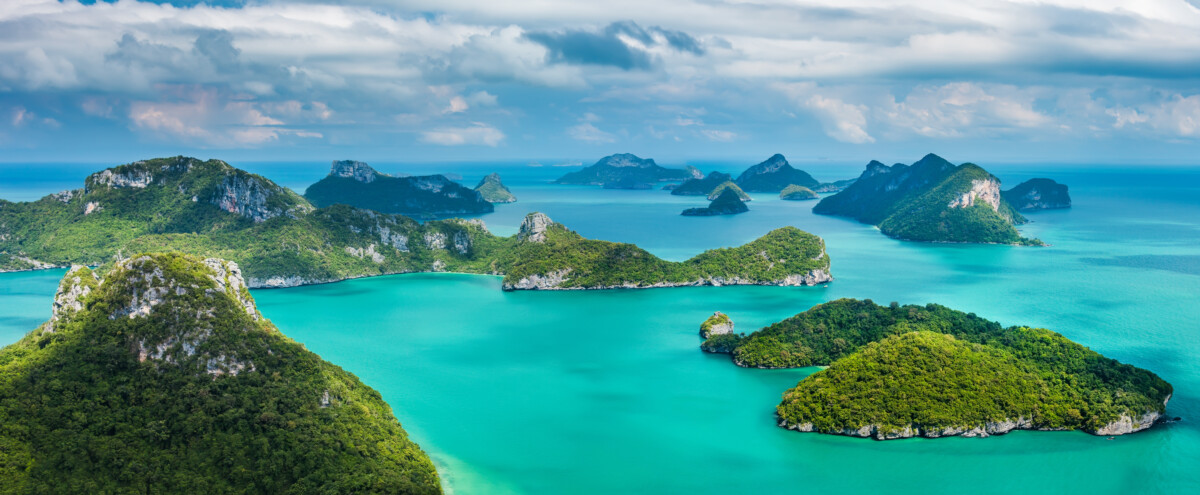
Koh Samui, in Thailand’s Surat Thani Province, is the country’s third-largest island, a palm-fringed tropical retreat in the Gulf of Thailand long beloved for its beaches and easygoing pace. Roughly circular and about 229 km², it is ringed by sandy shores, with the lively strands of Chaweng and Lamai drawing the most visitors. The island’s signature landmark is the Big Buddha, a 12-meter golden seated statue reached by ceremonial dragon-flanked steps at Wat Phra Yai. Beyond the beaches, travelers explore the charming Fisherman’s Village at Bophut, hop to the Ang Thong National Marine Park—an archipelago of around 42 islands ideal for kayaking and snorkeling—and head to nearby Koh Phangan for its famous full-moon parties. Home to tens of thousands of residents and served by its own airport, Koh Samui balances resort comfort with waterfalls, jungle interiors, and Buddhist temples. Warm seas, lush scenery, and a relaxed atmosphere make it one of Thailand’s premier island getaways.
Best time to visit
The best time to visit Koh Samui is between December and April when the weather is dry and sunny. The island experiences a rainy season from October to November, but it can also be less crowded during this time, providing a more peaceful experience.
Getting there and around
Getting there
Koh Samui Airport (USM) serves domestic routes from Bangkok, Chiang Mai, Phuket plus international flights from Singapore, Hong Kong. Bangkok Airways dominates with premium pricing (€150+ one-way Bangkok). Ferry services connect mainland via Surat Thani with Lomprayah, Seatran companies offering speedboat/ferry combinations. Four main piers: Nathon, Lipa Noi, Maenam, Bangrak. Island hopping ferries link Koh Tao, Koh Phangan daily. Book transport early during peak season December-February. Airport well-developed but compact. Taxi/private transfers from airport ₹300-600 depending destination. No trains to island – nearest mainland station Surat Thani then bus/ferry combination. Weather affects ferry schedules November-March wet season.
Getting around
Getting around Koh Samui is less about traditional public transport and more about adapting to local options. The island lacks a metro or formal bus system, but you’ll find songthaews—converted pickup trucks with benches in the back—serving as the primary shared transport for short hops between beaches and towns, though they don’t run on fixed schedules. Walking is pleasant in compact areas like Fisherman’s Village or Lamai Beach, but elsewhere, the island’s hilly, spread-out layout means you’ll likely need motorized transport—renting a scooter is both popular and practical for confident drivers, while taxis are available but can be expensive due to lack of regulation and meters. There’s no rideshare like Grab widely in use, so it’s wise to negotiate taxi fares in advance or ask your accommodation to arrange reliable drivers, and note that there are no transit passes—everything is pay-as-you-go in cash.
Worth booking ahead in Koh Samui
Hand-picked from the operators our guides already send readers to. Prices and availability are live on the partner site.
BrowseViator
Tours and tickets in Koh Samui on Viator (opens Viator in a new tab)
Viator's full list of bookable tours and tickets in Koh Samui.
BrowseGetYourGuide
Experiences in Koh Samui on GetYourGuide (opens GetYourGuide in a new tab)
Everything GetYourGuide sells in Koh Samui, with the cancellation terms on each listing.
Where to stayBooking.com
Stays in Koh Samui (opens Booking.com in a new tab)
Live rates and availability for Koh Samui on Booking.com; filter by neighbourhood once you know where your days start.
We earn a commission if you book through these links, at no extra cost to you. It is how we keep the guides free and independent.
Where to stay
Six Senses Samui
99/9 Moo 3, Bo Phut, Koh Samui 84320, Thailand
Five-star luxury resort on a clifftop overlooking the Gulf of Siam with minimalist pool villas, a destination spa, multiple restaurants, and a private cove beach.
Nikki Beach Resort & Spa Koh Samui
12/12 Moo 1, Lipa Noi, Koh Samui 84140, Thailand
Secluded eco-luxury resort on Lipa Noi Beach with 58 pool villas, a wellness retreat spa, and farm-to-table Thai-international cuisine.
Hansar Samui Resort & Spa
83 Moo 3, Bophut, Koh Samui 84320, Thailand
Contemporary resort on the Fisherman’s Village waterfront with beachfront suites, two infinity pools, a spa, and direct access to the nightlife strip.
Editor-curated stays carried over from our original guide. Where we have reviewed the hotel, the card links to the review.
Tips from the field
Highlights
- [Tarnim Magic Garden](https://www.roamwhere.com/blog/ultimate-travel-guide-to-koh-samui-thailand)
- Hin Ta Hin Yai rock formations
- Big Buddha statue
- Ang Thong National Marine Park
Best activities
- Visiting cultural sites like [Wat Plai Laem](https://www.tourismthailand.org/Destinations/Provinces/Ko-Samui/360)
- Exploring natural attractions like [Na Mueang Waterfall](https://www.curiousgoosetravel.com/post/koh-samui-thailand-travel-guide)
- Relaxing on beautiful beaches such as [Choengmon Beach](https://www.myguidekohsamui.com/)
- Hiking to viewpoints like Overlap Stone
Practical tips
- Currency: Thai Baht (THB). ATMs with 220 THB fee. Cards at hotels.
- Getting There: Koh Samui Airport (USM) — Bangkok Airways flights. Alternative: Surat Thani (URT) + ferry.
- Transportation: Songthaew shared taxis (~100 THB). Scooter rental (200-300 THB/day). Grab available.
- Dining: Street food 60-150 THB. Fresh seafood BBQ on beach. Fisherman's Village for upscale dining.
- Free Attractions: Big Buddha, Fisherman's Village Friday market, Lamai Beach rocks, Namuang Waterfall.
- Tipping: Not expected; 20-50 THB appreciated
- Electricity: 220V/50Hz, Type A/B/C plugs
Keeping it authentic
- Visit local markets for authentic Thai cuisine and products
- Explore lesser-known beaches like Ban Tai Beach for a more genuine island experience
Culture, customs and safety
Cultural heritage
Koh Samui preserves traditional Thai island culture and Buddhist heritage, where ancient Thai fishing communities, coconut plantation agriculture, and Buddhist temple traditions created an authentic Thai island cultural experience. The island maintains traditional Thai architectural styles, fishing practices, and Buddhist religious observances while embracing sustainable tourism development that respects local cultural values. Koh Samui cultural heritage encompasses traditional Thai island agriculture, Buddhist spiritual practices, fishing community culture, and contemporary sustainable tourism that continues to preserve authentic Thai cultural identity while adapting to modern tourism development in Southeast Asia.
Local customs & etiquette
Koh Samui blends Thai Buddhist traditions with Chinese Hainan immigrant heritage creating multicultural island atmosphere. Buddhist temple etiquette essential – remove shoes, dress modestly covering shoulders/knees, maintain respectful silence. Wai greeting (hands pressed together, slight bow) appreciated. Tipping customary: 10% restaurants, round up taxis/songthaews. Bargaining expected at markets but remain polite. Friday evening Fisherman’s Village Walking Street showcases local culture, handicrafts, street food. Peak tourist season December-April affects prices, crowds. Thai language basics helpful though English widely spoken tourism areas. Motorcycle culture dominant – locals/tourists use scooters extensively. Sun protection essential year-round. Respect local fishing communities, coconut plantation heritage. Island time mentality – patience required for services.
Safety notes
Koh Samui is generally safe but scooter accidents are the main risk.
General Safety:
• Chaweng, Lamai, and Fisherman’s Village are safe and tourist-friendly
• Petty theft from beach belongings possible
Scooter Safety:
• Scooter accidents are the #1 cause of tourist injuries
• Wear a helmet, covered shoes, and long clothing
• Insurance won’t cover unlicensed riders
Health:
• Insect repellent for dengue risk
• Drink bottled water
• Travel insurance essential
Emergency: Tourist police 1155

Travel Style
Season
Activities