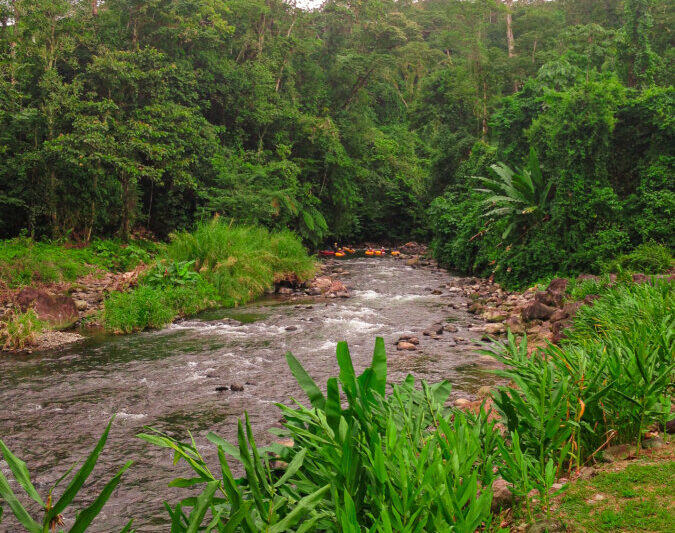
Laos enchants visitors with its gentle pace and unspoiled natural beauty, offering an authentic glimpse of Southeast Asia before mass tourism. In tranquil Luang Prabang, Buddhist monks collect alms at dawn against a backdrop of golden temples and French colonial architecture. The Mekong River winds through the country, providing a lifeline for rural communities where traditional ways of life continue largely unchanged. Adventure seekers can trek through lush mountains to remote ethnic minority villages, kayak through limestone karst landscapes, or explore the mysterious Plain of Jars. Despite rapid development in recent years, Laos retains its serene atmosphere, with friendly locals, delicious cuisine featuring sticky rice and fresh herbs, and a spiritual devotion that infuses daily life, creating an experience of genuine cultural immersion rarely found elsewhere.
The destination guide
Laos
City in AsiaUpdated
- Overall5/10
- Best forAdventure seekers, Solo travelers
- PeakNov–Feb
- CurrencyLAK
Laos moves slower than anywhere else in Southeast Asia — the monks, the Mekong, the sticky rice. That pace is the whole point.
At a glance
- Lao
- Mekong River
- Limestone karsts
- Tropical forests
- Buddhist temples
- Buddhism
- Temples
- Waterfalls
- UNESCO
- Rivers
- Budget
- Culture
- Adventure
How Laos scores
Character
Editorial scores on a 10-point scale, weighed against destinations of the same kind.
Travel safety snapshot
SafePlace indicators use their source 100-point scale; higher is more favourable. Planning context, not a live travel advisory — check official government guidance before you go.
When to go
Best months to visit: January, February, March, April, October, November and December.
- January: 13 to 23.6 degrees Celsius, 39 millimetres of rain, best-time score 5 out of 5.
- February: 14.7 to 26.4 degrees Celsius, 34.2 millimetres of rain, best-time score 5 out of 5.
- March: 17.9 to 29.3 degrees Celsius, 60.4 millimetres of rain, best-time score 4 out of 5.
- April: 20.1 to 30.2 degrees Celsius, 134.1 millimetres of rain, best-time score 4 out of 5.
- May: 21.3 to 29.8 degrees Celsius, 211.8 millimetres of rain, best-time score 3 out of 5.
- June: 21.7 to 29 degrees Celsius, 217.5 millimetres of rain, best-time score 3 out of 5.
- July: 21.4 to 28.2 degrees Celsius, 325.2 millimetres of rain, best-time score 3 out of 5.
- August: 21.2 to 27.6 degrees Celsius, 380 millimetres of rain, best-time score 3 out of 5.
- September: 20.6 to 27.7 degrees Celsius, 245.8 millimetres of rain, best-time score 3 out of 5.
- October: 18.8 to 26.8 degrees Celsius, 105.4 millimetres of rain, best-time score 4 out of 5.
- November: 16.5 to 25.7 degrees Celsius, 44.4 millimetres of rain, best-time score 5 out of 5.
- December: 13.3 to 23.8 degrees Celsius, 21.7 millimetres of rain, best-time score 5 out of 5.
Month-by-month conditions and packing advice
- January
- Mild to warm, occasional rain January in Laos: cooler dry-season weather supports temples, Mekong trips, waterfalls, caves, trekking, and river travel. Crowds: January in Laos is comfortable for sightseeing, neighborhoods, food stops, day trips, and outdoor time with limited weather friction. Pack: Pack layered clothing and comfortable walking shoes.
- February
- Mild to warm, occasional rain February in Laos: cooler dry-season weather supports temples, Mekong trips, waterfalls, caves, trekking, and river travel. Crowds: February in Laos is comfortable for sightseeing, neighborhoods, food stops, day trips, and outdoor time with limited weather friction. Pack: Pack light clothing, sun protection, and comfortable walking shoes.
- March
- Warm to hot, occasional rain March in Laos: conditions can still work near the dry-season edges, though heat or transition rain matters. Crowds: March in Laos is workable with normal seasonal planning; build in layers, weather checks, and a mix of indoor and outdoor activities. Pack: Pack light clothing, sun protection, and comfortable walking shoes.
- April
- Warm to hot, rainy April in Laos: conditions can still work near the dry-season edges, though heat or transition rain matters. Crowds: April in Laos is one of the wetter periods, so museums, food stops, flexible reservations, and backup indoor plans make the trip easier. Pack: Pack light clothing, sun protection, and comfortable walking shoes. Add a rain jacket or compact umbrella.
- May
- Warm to hot, rainy May in Laos: rainy-season landscapes are lush but transport and outdoor plans need flexibility. Crowds: May in Laos is one of the wetter periods, so museums, food stops, flexible reservations, and backup indoor plans make the trip easier. Pack: Pack light clothing, sun protection, and comfortable walking shoes. Add a rain jacket or compact umbrella.
- June
- Warm to hot, rainy June in Laos: rainy-season landscapes are lush but transport and outdoor plans need flexibility. Crowds: June in Laos is one of the wetter periods, so museums, food stops, flexible reservations, and backup indoor plans make the trip easier. Pack: Pack light clothing, sun protection, and comfortable walking shoes. Add a rain jacket or compact umbrella.
- July
- Warm to hot, rainy July in Laos: rainy-season landscapes are lush but transport and outdoor plans need flexibility. Crowds: July in Laos is one of the wetter periods, so museums, food stops, flexible reservations, and backup indoor plans make the trip easier. Pack: Pack light clothing, sun protection, and comfortable walking shoes. Add a rain jacket or compact umbrella.
- August
- Warm to hot, rainy August in Laos: rainy-season landscapes are lush but transport and outdoor plans need flexibility. Crowds: August in Laos is one of the wetter periods, so museums, food stops, flexible reservations, and backup indoor plans make the trip easier. Pack: Pack light clothing, sun protection, and comfortable walking shoes. Add a rain jacket or compact umbrella.
- September
- Warm to hot, rainy September in Laos: rainy-season landscapes are lush but transport and outdoor plans need flexibility. Crowds: September in Laos is one of the wetter periods, so museums, food stops, flexible reservations, and backup indoor plans make the trip easier. Pack: Pack light clothing, sun protection, and comfortable walking shoes. Add a rain jacket or compact umbrella.
- October
- Mild to warm, some rain October in Laos: conditions can still work near the dry-season edges, though heat or transition rain matters. Crowds: October in Laos is workable with normal seasonal planning; build in layers, weather checks, and a mix of indoor and outdoor activities. Pack: Pack light clothing, sun protection, and comfortable walking shoes. Add a rain jacket or compact umbrella.
- November
- Mild to warm, occasional rain November in Laos: cooler dry-season weather supports temples, Mekong trips, waterfalls, caves, trekking, and river travel. Crowds: November in Laos is comfortable for sightseeing, neighborhoods, food stops, day trips, and outdoor time with limited weather friction. Pack: Pack light clothing, sun protection, and comfortable walking shoes.
- December
- Mild to warm, mostly dry December in Laos: cooler dry-season weather supports temples, Mekong trips, waterfalls, caves, trekking, and river travel. Crowds: December in Laos is comfortable for sightseeing, neighborhoods, food stops, day trips, and outdoor time with limited weather friction. Pack: Pack layered clothing and comfortable walking shoes.
- November
- December
- January
- February
- May
- June
- July
- August
- September
- October
Know before you go
Best time to visit
November through February is ideal — the cool dry season brings 16–21°C temperatures, crystal-clear skies, and lush post-monsoon greenery. December through January is peak season with larger crowds around Luang Prabang. March and April are scorching (above 35°C) with haze from agricultural burning. The wet season (May–October) brings daily downpours and muddy roads, but the most dramatic waterfalls and the fewest travelers.
Season by season
Cool dry season (Nov–Feb): 15–30°C, clear skies, best travel weather, peak tourism season. Hot season (Mar–May): 30–40°C, hazy from agricultural burning, least comfortable. Wet/green season (Jun–Oct): warm (25–35°C), afternoon showers, lush landscapes, fewer tourists, waterfalls at full flow.
Crowds
High (December–February during dry season), Moderate (November, March), Low (April–October)
Getting there and around
Getting there
Laos is accessible via Wattay International Airport (VTE) in Vientiane and Luang Prabang International Airport (LPQ), both handling limited international flights primarily from regional Asian destinations. Most visitors arrive via overland crossings from Thailand at Nong Khai-Vientiane, Mukdahan-Savannakhet, and Chong Mek-Pakse borders. Vietnam borders are accessible at Lao Bao-Densavanh and Cau Treo-Nam Phao crossings. Tourist visas are required for most nationalities and available on arrival or in advance. Domestic transportation relies on buses and boats along the Mekong River.
Getting around
Getting around Laos requires a flexible and open mindset, as the country’s transport network is basic but steadily improving. Major cities like Vientiane and Luang Prabang offer public buses, but schedules are irregular and routes can be limited, making them more useful for locals than tourists. Walkability is excellent in heritage zones like Luang Prabang’s old town or Vang Vieng’s riverside, but outside these areas, narrow roads and heat make walking less practical. Taxis and tuk-tuks are common but rarely metered, so always negotiate the fare beforehand, and while rideshare services like Loca (a Lao-developed app) operate in Vientiane and a few urban centers, coverage is still sparse—booking through your guesthouse or hotel often ensures the most reliable rides.
Top experiences in Laos
Kuang Si Waterfalls
A three-tiered turquoise waterfall 30 km south of Luang Prabang, cascading through limestone pools surrounded by tropical forest. The upper tiers form natural swimming pools with water so clear you can see every pebble. The adjacent Kuang Si Bear Rescue Sanctuary houses rescued Asiatic black bears.
Mount Phousi (Phou Si Hill)
A sacred hill rising 100 m above the center of Luang Prabang, topped by a golden stupa and reached by climbing 328 steps through frangipani trees. The summit panorama — the Mekong and Nam Khan rivers converging around the peninsula, gilded temple roofs below — is the defining view of the city, especially at sunset.
Wat Xieng Thong
Luang Prabang’s most magnificent temple, built in 1560 under King Setthathirath. The exterior rear wall features a mosaic Tree of Life in colored glass, and the interior is decorated in gold stencil on black lacquer. The compound includes a royal funeral chapel housing a gilded hearse.
Pha That Luang, Vientiane
Laos’ most important national monument, a gleaming gold-covered Buddhist stupa in the center of Vientiane believed to contain a breastbone relic of the Buddha. The 45-m-high structure sits within a walled compound and is the symbol of Lao sovereignty and Buddhism. The annual That Luang Festival in November is Laos’ most important religious event.
Pak Ou Caves
Two caves set in a limestone cliff at the confluence of the Mekong and Nam Ou rivers, filled with thousands of Buddha statues deposited by pilgrims over centuries. The 2-hour long-tail boat ride upriver from Luang Prabang passes through dramatic karst scenery and riverside villages.
Editor-curated picks carried over from our original guide. Where a full place guide exists, the card links to it.
Worth booking ahead in Laos
Hand-picked from the operators our guides already send readers to. Prices and availability are live on the partner site.
BrowseViator
Tours and tickets in Laos on Viator (opens Viator in a new tab)
Viator's full list of bookable tours and tickets in Laos.
BrowseGetYourGuide
Experiences in Laos on GetYourGuide (opens GetYourGuide in a new tab)
Everything GetYourGuide sells in Laos, with the cancellation terms on each listing.
Where to stayBooking.com
Stays in Laos (opens Booking.com in a new tab)
Live rates and availability for Laos on Booking.com; filter by neighbourhood once you know where your days start.
We earn a commission if you book through these links, at no extra cost to you. It is how we keep the guides free and independent.
Where to stay
U Luang Prabang
Ban Phonheuang, Luang Prabang, Laos
A 33-room boutique hotel in a restored French-Lao colonial building overlooking the Nam Khan River in UNESCO-listed Luang Prabang. Rooms feature teak floors, silk textiles, and private balconies. The hotel is steps from the night market and the morning alms-giving route.
Luang Say Residence
Khem Khong Road, Ban Wat Sene, Luang Prabang, Laos
A heritage boutique hotel on the Mekong riverfront in the heart of Luang Prabang’s old quarter, with 25 rooms in a restored 1920s colonial building, a riverside restaurant, and a garden courtyard. Walking distance to Wat Xieng Thong and Mount Phousi.
Salana Boutique Hotel
Quai Fa Ngum, Ban Mixay, Vientiane, Laos
Vientiane’s leading boutique hotel on the Mekong riverfront promenade, with 14 individually styled suites, a French-Lao restaurant, and a spa. Located near Pha That Luang and Patuxai, with sunset views over the Mekong to Thailand from the rooftop terrace.
Editor-curated stays carried over from our original guide. Where we have reviewed the hotel, the card links to the review.
Tips from the field
Highlights
- Kuang Si Waterfalls — Turquoise tiered cascades
- Mount Phousi — Sunset over two rivers
- Wat Xieng Thong — 16th-century golden temple
- Pha That Luang — Gleaming national stupa
- Pak Ou Caves — Thousands of Buddha statues
- Morning alms ceremony — 600-year-old ritual
Best activities
- Watch the sunrise alms-giving ceremony in Luang Prabang, swim in the turquoise pools of Kuang Si Waterfalls, climb Mount Phousi for a 360° sunset panorama, boat upriver to the Buddha-filled Pak Ou Caves, visit the golden Pha That Luang stupa in Vientiane, browse the night market for silk textiles, take a traditional weaving class, kayak on the Nam Ou River, and tube through the karst caves of Vang Vieng.
Local experiences
- Kneel on the sidewalk at dawn as saffron-robed monks pass silently collecting alms, float on a long-tail boat through limestone karst to the Pak Ou Caves, or swim beneath the milky-turquoise cascades of Kuang Si as butterflies drift through the surrounding forest.
Practical tips
- The high-speed train connects Vientiane to Luang Prabang in 2 hours for $5–25.
- Laos is extremely affordable — $20–30/day is a comfortable backpacker budget.
- US dollars and Thai baht are accepted in tourist areas, but carry Lao kip for markets.
- Do not drink tap water; stick to bottled or filtered.
- Dress modestly at temples: cover shoulders, knees, and remove shoes.
- UXO (unexploded ordnance) remains in some rural areas — stick to marked paths.
- Medical facilities are limited; bring basic medications and carry travel insurance.
Photography tips
- Kuang Si's turquoise pools are most vivid in the dry season (Nov–Apr) under soft light
- arrive before 9 AM for calm water and no crowds. The alms-giving ceremony requires sensitivity — use a telephoto (70–200 mm) from across the street, no flash, and avoid blocking the monks' path. Mount Phousi's summit is most dramatic at sunset when the Mekong glows gold. Wat Xieng Thong's Tree of Life mosaic is best shot in overcast light to avoid harsh reflections. Bring a polarizing filter for river and waterfall scenes.
Timing
- Three days cover Luang Prabang's temples, Mount Phousi, and Kuang Si. Five days add the Pak Ou Caves and Vientiane. One week lets you include Vang Vieng's karst scenery. Ten days cover a comprehensive north-to-south itinerary with slow travel between cities.
Keeping it authentic
- Laos remains one of Southeast Asia's least commercialized destinations. The morning alms-giving ceremony (Tak Bat) in Luang Prabang is not a tourist performance but a living Buddhist ritual that has taken place daily for over 600 years — saffron-robed monks walk barefoot through the streets collecting rice from kneeling residents before dawn. The entire old town is a UNESCO World Heritage Site, protecting a unique concentration of traditional Lao architecture interwoven with French colonial buildings. The Pak Ou Caves have received pilgrims and their Buddha offerings for centuries. Outside the cities, rural Laos moves to the rhythm of rice farming, river transport, and animist ceremonies that predate Buddhism.
Culture, customs and safety
Cultural heritage
Laos possesses a rich cultural heritage shaped by centuries of Theravada Buddhist tradition, indigenous animist beliefs, and the legacy of the ancient Lan Xang Kingdom, which once unified much of mainland Southeast Asia. The former royal capital of Luang Prabang, now a UNESCO World Heritage Site, showcases a unique blend of traditional Lao wooden houses and French colonial architecture. Across the country, ornate temples such as Wat Phu in Champasak—another UNESCO site—attest to its deep spiritual roots and historical ties to the Khmer Empire. Handwoven textiles, ritual music like lam, and festivals such as Pi Mai (Lao New Year) are integral to the cultural fabric, reflecting both ethnic diversity and religious devotion. Despite modernization, Laos remains one of the most traditional societies in Southeast Asia, where heritage is lived as much as preserved.
Local customs & etiquette
Laotian culture is deeply influenced by Theravada Buddhism and emphasizes harmony, respect, and gentleness. The traditional greeting is the nop, similar to Thai wai, with palms pressed together and a slight bow. Never touch someones head as it is considered the most sacred part of the body, and avoid pointing feet at people or Buddha statues. When visiting temples, dress modestly covering shoulders and knees, remove shoes, and women should avoid touching monks. Lao people are generally soft-spoken and value maintaining face – public displays of anger or frustration are considered very inappropriate. Family and community are central to social structure, and showing respect for elders is essential.
Safety notes
Laos is generally safe for tourists, but precautions are necessary. Petty theft (bag snatching, pickpocketing) occurs in Vientiane and Luang Prabang, especially near markets and at night. Avoid walking alone after dark. UXO (unexploded ordnance from US bombing campaigns) remains in rural areas, particularly Xieng Khouang and eastern provinces — never leave marked paths or pick up unknown objects. Road conditions outside major towns are poor; travel during daylight only. Medical facilities are very basic outside Vientiane; carry a personal first-aid kit and ensure your travel insurance includes medical evacuation. Dengue fever risk increases during the wet season — use insect repellent.