

Osaka, known as the Kitchen of Japan, is a bustling metropolis famous for its modern architecture, nightlife, and delicious street food. Visitors can explore historical landmarks like Osaka Castle, enjoy the vibrant atmosphere of Dotonbori, and experience unique cultural attractions such as Universal Studios Japan.
The destination guide
Osaka

- Overall5/10
- Best forFamilies, Solo travelers
- PeakMar, Apr, May, Aug
- CurrencyJPY
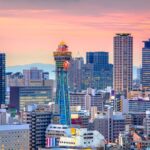
Osaka is Japan’s kitchen — takoyaki, okonomiyaki, and a Dōtonbori strip that glows neon over a canal. The locals are louder than Tokyo’s, and proud of it.
Travel guides for Osaka
More guides featuring Osaka (3)
At a glance
Currency¥ JPYCode: JPY
Time zoneJapan Standard Time
Languages
- Japanese
Setting
- Urban metropolis
- Osaka Bay
- River canals
- Neon streetscapes
Known for
- Food tourism
- Modern Japanese culture
- Historical landmarks
- Family-friendly attractions
Population2.7M2,715,000 residents
VisaDuration: Up to 90 days for short-term tourism or business · Documents: Valid U.S. passport
How Osaka scores
5/10OverallFair
Weather7/10
Value for money7/10
Safety8/10
Food & cuisine10/10
Culture & arts4/10
Cultural experience8/10
History7/10
Nature & outdoors6/10
Adventure4/10
Nightlife8/10
Shopping8/10
Family friendly7/10
Romance6/10
Character
Photography score7/10
Authenticity score9/10
Off-the-beaten-path score7/10
Editorial scores on a 10-point scale, weighed against destinations of the same kind.
Travel safety snapshot
Overall94/100High rating
Women travellers88/100
LGBTQ+ travellers90/100
Theft93/100
Medical care91/100
Physical harm94/100
Political freedom85/100
SafePlace indicators use their source 100-point scale; higher is more favourable. Planning context, not a live travel advisory — check official government guidance before you go.
When to go
Best months to visit: March, April, May, October and November.
- January: 2.2 to 8.3 degrees Celsius, 19.5 millimetres of rain, best-time score 3 out of 5.
- February: 3.5 to 9.8 degrees Celsius, 47 millimetres of rain, best-time score 3 out of 5.
- March: 4.9 to 14.1 degrees Celsius, 10.6 millimetres of rain, best-time score 4 out of 5.
- April: 9.8 to 18 degrees Celsius, 69.4 millimetres of rain, best-time score 5 out of 5.
- May: 14.3 to 23.4 degrees Celsius, 12.7 millimetres of rain, best-time score 5 out of 5.
- June: 18.8 to 26.6 degrees Celsius, 64.1 millimetres of rain, best-time score 2 out of 5.
- July: 23.3 to 30 degrees Celsius, 22.2 millimetres of rain, best-time score 2 out of 5.
- August: 25.1 to 31.8 degrees Celsius, 183.7 millimetres of rain, best-time score 2 out of 5.
- September: 21.3 to 28.6 degrees Celsius, 62.5 millimetres of rain, best-time score 3 out of 5.
- October: 15.4 to 23.1 degrees Celsius, 49.8 millimetres of rain, best-time score 5 out of 5.
- November: 9.9 to 16.2 degrees Celsius, 17.9 millimetres of rain, best-time score 5 out of 5.
- December: 4.9 to 11.1 degrees Celsius, 9.1 millimetres of rain, best-time score 3 out of 5.
Month-by-month conditions and packing advice
- January
- Cool weather, mostly dry January in Osaka: cold but mostly dry and sunny with mild winter days, low crowds, and cheaper flights and hotels. Crowds: January represents Osaka’s low travel season, offering quieter streets and reduced accommodation rates compared to spring’s cherry blossom crowds or autumn’s leaf-viewing rush. The cooler weather is ideal for temple visits, cultural museums, and enjoying hearty winter cuisine. Outdoor attractions remain accessible with minimal rainfall, though the cold may limit long outdoor activities for those unaccustomed to winter climates. Illumination festivals provide unique photographic opportunities and cultural immersion. Travelers benefit from easier restaurant reservations, shorter lines at Universal Studios Japan, and greater flexibility in planning. However, packing properly for the chill is essential, as evenings can feel significantly colder. Budget-conscious visitors will find this an excellent time to explore without the intensity of peak-season pricing. Pack: Warm coat or insulated jacket for chilly evenings; Layered sweaters and thermal shirts; Comfortable walking shoes with warm socks; Compact umbrella for occasional showers; Gloves and scarf for added warmth outdoors; Respectful attire for temples and cultural sites
- February
- Cool weather, some rain February in Osaka: chilly but dry winter weather with plum blossoms emerging, fewer tourists, and great travel value. Crowds: Travelers in February will find Osaka in a transitional phase—quiet, cool, and less crowded than the spring cherry blossom rush or the humid summer months. This makes it a favorable time for those who prefer a calmer, more local pace. Accommodation and flight prices are generally lower, providing value for budget-conscious visitors. Rainfall is present but modest, so sightseeing is rarely disrupted. Outdoor attractions remain accessible, though layering is essential for comfort. Indoor cultural pursuits—from food tours to museums—shine brightest during this period, making it a rewarding time for culinary enthusiasts and those interested in Japan’s cultural heritage. Planning ahead isn’t as urgent as in peak months, but securing tickets for special exhibitions or performances is still advisable. Pack: Warm coat or insulated jacket for chilly evenings; Layered sweaters and long-sleeve tops; Water-resistant shoes for damp conditions; Compact umbrella for light February showers; Thermal socks and scarves for added warmth; Respectful attire for temples and shrines
- March
- Cool weather, mostly dry March in Osaka: pleasant spring warming with cherry blossoms beginning late in the month and lively but not yet peak crowds. Crowds: March in Osaka is considered shoulder season, just before the peak influx of cherry blossom travelers in late March and early April. Visitors benefit from relatively lower hotel rates and fewer crowds compared to April, making it an appealing time to explore cultural sites, neighborhoods, and markets at a more relaxed pace. Outdoor activities like walking tours, cycling, and day trips to Kyoto or Nara are highly enjoyable in the cool air. Early blossoms may already be visible, offering photography opportunities without the heavy congestion of peak bloom. Travelers should be mindful of fluctuating temperatures between day and night, and book accommodations early if visiting toward the month’s end as prices rise leading into sakura season. Pack: Layered clothing including a light sweater and medium jacket; Comfortable walking shoes for exploring shrines and neighborhoods; Scarf or shawl for brisk mornings and evenings; Travel umbrella or compact rain jacket for occasional showers; Camera gear for capturing early cherry blossoms; Respectful attire for temple and shrine visits
- April
- Cool weather, some rain April in Osaka: ideal spring with full cherry-blossom bloom, mild temps, and beautiful but busy parks. Crowds: April represents one of Osaka’s peak tourism months thanks to the cherry blossom season. Comfortable temperatures allow for extended walking tours through gardens, castles, and temple grounds. The blossoms draw both domestic and international visitors, meaning parks and cultural sites become crowded, especially during weekends and festival days. Accommodation prices rise, and reservations for popular viewing spots, boat rides, or hanami picnics must be secured early. While rain showers occasionally disrupt plans, they rarely last long enough to cancel entire outings. This is an excellent month for photography, food tours, and seasonal festivals, but travelers should anticipate higher costs and congestion at major attractions. Booking early and planning morning visits help secure a more relaxed experience. Pack: Light jacket or cardigan for cool evenings; Water-resistant shoes for rainy days; Compact umbrella for sudden spring showers; Breathable cotton layers for daytime comfort; Camera with spare batteries for cherry blossom photography; Modest attire for visiting temples and shrines
- May
- Warm and pleasant, mostly dry May in Osaka: warm, comfortable late-spring weather with clear skies, greenery, and excellent sightseeing before the rains. Crowds: May marks one of Osaka’s best months for tourism, drawing steady crowds who want to experience the city just before Japan’s rainy season begins in June. Travel conditions are nearly ideal, supporting activities like cycling tours, open-air food stalls, and long cultural walks. Prices are stable to moderately high, reflecting the demand from both domestic and international visitors, though it is not as busy or expensive as the April cherry blossom peak. Outdoor attractions and parks are at their most inviting, with festivals and events often scheduled to take advantage of the weather. Travelers who prefer manageable crowds and comfortable sightseeing will find May an excellent compromise between atmosphere and accessibility. Pack: Light layers such as T-shirts and breathable shirts; A light jacket or sweater for cooler evenings; Comfortable walking shoes for urban exploration; Compact umbrella for occasional spring showers; Cultural-appropriate modest attire for temple visits; Daypack for carrying water, snacks, and festival finds
- June
- Warm and pleasant, some rain June in Osaka: the start of the humid rainy season with steady showers and rising heat, dampening outdoor plans. Crowds: June represents a shoulder season in Osaka, just before the full onset of summer heat. Conditions are comfortable for sightseeing, but the start of the rainy season means travelers should expect occasional wet days. Tourist crowds are moderate compared to spring’s cherry blossom peak, making attractions more accessible and hotel rates somewhat more reasonable. The damp weather enriches cultural experiences—hydrangea-viewing festivals at temples such as Mimuroto-ji become highlights of the season. Outdoor activities are best timed for mornings or early evenings when rain is less likely, while covered shopping arcades like Shinsaibashi provide excellent alternatives on rainy afternoons. With careful planning, June offers a blend of cultural depth and manageable tourism flow. Pack: Compact travel umbrella or lightweight rain jacket; Breathable waterproof shoes for city walking; Moisture-wicking shirts for humid conditions; Lightweight trousers or skirts suitable for temple visits; Portable fan or cooling towel for muggy afternoons; Small waterproof bag or cover for electronics
- July
- Hot and sunny, mostly dry July in Osaka: hot, humid, and rainy with sticky conditions despite the lively Tenjin Matsuri festival. Crowds: July represents the full swing of Osaka’s summer, with high temperatures and heavy humidity shaping the visitor experience. This is a lively period for festivals like Tenjin Matsuri, one of Japan’s most famous summer events, drawing large crowds despite the heat. Outdoor sightseeing can be taxing in the midday sun, but evenings come alive with fireworks, street food, and river processions. Hotel rates reflect summer demand, especially around festival days, and booking well in advance is recommended. While the weather isn’t the most comfortable for long daytime walking tours, cultural immersion is at its peak, and activities such as indoor markets, museum visits, or night strolls provide balance. Travelers should pace their explorations, prioritizing shaded areas and cooler hours of the day. Overall, July is best suited for those eager to embrace Osaka’s cultural energy despite the climatic intensity. Pack: Moisture-wicking shirts to manage sweat; Light umbrella or folding fan for heat relief; Refillable water bottle to stay hydrated; Comfortable sandals or breathable shoes; UV-protective hat and strong sunscreen; Lightweight yukata or modest clothing for festivals
- August
- Hot and sunny, heavy rain August in Osaka: oppressively hot and humid summer peak that is uncomfortable for daytime exploring. Crowds: August is among the most demanding yet culturally rewarding months to visit Osaka. The combination of high heat and humidity requires slower pacing and frequent breaks, but the city comes alive with late-summer festivals, fireworks, and illuminated night markets. Tourist numbers peak during Japan’s Obon holiday, driving up accommodation prices and crowd density at popular attractions. Daytime exploration can feel draining, but evenings provide ideal opportunities for strolling through Dotonbori, temple precincts, and riverside promenades when the heat subsides slightly. Travelers who plan strategically—scheduling indoor cultural visits for midday and outdoor activities early morning or evening—will find August an engaging though energy-intensive time to experience Osaka’s summer atmosphere. Pack: Breathable linen or cotton clothing to handle heat and humidity; Compact umbrella or lightweight rain jacket for sudden downpours; Cooling towel or handheld fan for relief in humid conditions; Comfortable sandals or breathable walking shoes for long days; Refillable water bottle to stay hydrated during sightseeing; Lightweight modest attire for temples and cultural sites
- September
- Hot and sunny, some rain September in Osaka: still warm and humid with lingering heat and typhoon risk, gradually improving toward month's end. Crowds: September offers a rewarding but mixed experience for travelers in Osaka. The weather remains warm and conducive to outdoor sightseeing, yet humidity and intermittent rain can limit comfort during midday excursions. This month sits just before the peak autumn season, so while popular attractions like Osaka Castle or Dotonbori see steady foot traffic, they’re less crowded than October. Prices for accommodation are relatively stable, providing good value compared to high-demand autumn weeks. It’s a shoulder-season sweet spot for travelers who don’t mind occasional rain in exchange for thinner crowds. The blend of lingering summer warmth and the early hints of autumn festivals makes September an appealing month for culturally curious visitors. Booking lodging near transport hubs is advisable to quickly adapt plans when showers pass through. Pack: Light breathable clothing such as cotton shirts; Compact umbrella or lightweight rain jacket; Comfortable walking shoes with good grip for wet streets; Refillable water bottle to stay hydrated in humid conditions; Portable hand fan or cooling towel for midday heat; Modest attire for temple and shrine visits
- October
- Warm and pleasant, some rain October in Osaka: ideal autumn with warm clear days, cooler nights, and comfortable sightseeing as foliage begins. Crowds: October offers some of Osaka’s most favorable travel conditions, combining pleasant weather with moderate tourism flows. While it does not carry the intense crowds of cherry blossom season, autumn foliage and festivals like Danjiri Matsuri attract regional visitors. Hotel prices remain steady but not inflated, giving travelers a good balance between cost and experience. The comfortable climate makes this month excellent for urban walking tours, exploring street food markets in Dotonbori, or venturing to nearby Kyoto for seasonal colors. Rainfall is light enough that outdoor plans are rarely disrupted, though a compact umbrella can be helpful. Advance bookings are advisable for cultural performances and popular evening dining spots as locals also enjoy the temperate evenings for social gatherings. October is particularly appealing for travelers seeking a mix of cultural immersion and scenic backdrops without the challenges of extreme weather. Pack: Light jacket or cardigan for cooler evenings; Comfortable walking shoes for city exploration; Compact umbrella for occasional rain; Breathable clothing for daytime warmth; Camera for capturing autumn foliage and festivals; Modest attire for visiting temples and shrines
- November
- Cool weather, mostly dry November in Osaka: peak autumn foliage with crisp clear weather and vibrant fall colors, among the best months to visit. Crowds: November is one of Osaka’s most attractive months for travelers, thanks to its comfortable weather and spectacular autumn foliage. This is a shoulder season for tourism: while Kyoto nearby experiences peak crowds for leaf-viewing, Osaka is slightly less crowded, offering easier access to temples, shrines, and markets. Accommodation prices remain steady but more favorable than cherry blossom season, and outdoor activities such as castle park visits, river cruises, and neighborhood food tours are especially rewarding in the cool climate. Early evening illuminations and seasonal events add cultural depth. Travelers should plan ahead for weekends when locals also flock to see the autumn leaves, but weekday visits are pleasantly calm. Pack: Medium-weight jacket or coat for cool evenings; Comfortable walking shoes for temple and city exploration; Layered clothing such as sweaters and long-sleeve shirts; Travel umbrella for occasional light showers; Scarf or light gloves for chilly nights; Respectful attire for shrines and temples (covered shoulders and knees)
- December
- Cool weather, mostly dry December in Osaka: cold but dry and sunny early winter with festive illuminations, low crowds, and good value. Crowds: Traveling to Osaka in December means embracing winter with relatively light crowds compared to the cherry blossom and autumn foliage peaks. This is a shoulder-to-low season for tourism, so accommodation rates are more favorable, though festive events may cause brief surges. The weather is crisp and mostly dry, making it comfortable for sightseeing, but chilly enough to require thoughtful layering. Outdoor exploration is enjoyable, from temple visits to holiday illuminations, while indoor attractions such as museums, shopping arcades, and hot spring day trips become especially appealing. This timing also overlaps with Japan’s year-end celebrations, so travelers may encounter unique seasonal markets and local traditions. Booking ahead for New Year’s week is advisable, as domestic travel demand spikes significantly. Pack: Warm layered clothing including sweaters and thermal tops; A medium-weight coat suitable for daytime and evening chills; Comfortable walking shoes with good grip for cold pavements; Scarf, gloves, and hat for outdoor evening activities; Modest attire for temple and shrine visits; Portable umbrella for occasional winter showers
Peak season
- March
- April
- October
- November
- May
- August
Off-peak
- December
- January
- February
- June
- July
- September
Know before you go
About
Osaka, the capital of Osaka Prefecture, is Japan’s third-largest city and the commercial and culinary heart of the Kansai region, beloved as the country’s street-food capital. Its most famous landmark, Osaka Castle, was originally built in 1583 by warlord Toyotomi Hideyoshi and rises above a sprawling park, housing a museum of samurai-era history. The neon-lit Dotonbori district along its canal is the city’s entertainment epicenter, where vendors serve takoyaki octopus balls, okonomiyaki savory pancakes, and kushikatsu skewers beneath giant illuminated signs like the iconic Glico running man. Families head to Universal Studios Japan, the first Universal park built outside the United States, home to the Wizarding World of Harry Potter and Super Nintendo World. Beyond the food and thrills, travelers explore Shitennoji, one of Japan’s oldest Buddhist temples, the retro Shinsekai quarter beneath Tsutenkaku Tower, and the bustling Kuromon Ichiba Market. Known for its warm, down-to-earth locals and bold flavors, Osaka offers an energetic, approachable contrast to Tokyo and Kyoto.
Best time to visit
The best time to visit Osaka is during the spring (March to May) and fall (September to November) when the weather is mild and comfortable. Spring offers beautiful cherry blossoms, while fall showcases stunning autumn foliage, making both seasons ideal for sightseeing.
Getting there and around
Getting there
Kansai International Airport (KIX) connects to Namba via the Nankai Rapi:t express (34 minutes, ¥1,450).
Getting around
Osaka Metro covers the entire city. IC cards (ICOCA) work on all transit. JR lines connect to Kyoto (15 minutes via Shinkansen) and Nara (45 minutes).
Top experiences in Osaka
Shinsekai and Tsutenkaku Tower
Retro entertainment district with the iconic Tsutenkaku Tower, kushikatsu (deep-fried skewers), and old Osaka atmosphere.
Kuromon Market
Osaka’s kitchen — a 600-meter covered market with fresh seafood stalls, wagyu beef, and tamagoyaki (Japanese omelette) vendors.
Editor-curated picks carried over from our original guide. Where a full place guide exists, the card links to it.
Worth booking ahead in Osaka
Hand-picked from the operators our guides already send readers to. Prices and availability are live on the partner site.
BrowseViator
Tours and tickets in Osaka on Viator (opens Viator in a new tab)
Viator's full list of bookable tours and tickets in Osaka.
BrowseGetYourGuide
Experiences in Osaka on GetYourGuide (opens GetYourGuide in a new tab)
Everything GetYourGuide sells in Osaka, with the cancellation terms on each listing.
Where to stayBooking.com
Stays in Osaka (opens Booking.com in a new tab)
Live rates and availability for Osaka on Booking.com; filter by neighbourhood once you know where your days start.
We earn a commission if you book through these links, at no extra cost to you. It is how we keep the guides free and independent.
Where to stay
The St. Regis Osaka
Luxury hotel overlooking Midosuji Boulevard with butler service, a 12th-floor spa, and La Veduta Italian restaurant.
Hotel Hankyu RESPIRE Osaka
Modern hotel connected to Osaka-Umeda Station with sky lobby views, public baths, and direct mall access.
Namba Oriental Hotel
Well-located Namba hotel steps from Dotonbori and Kuromon Market with compact but well-designed rooms.
Editor-curated stays carried over from our original guide. Where we have reviewed the hotel, the card links to the review.
Tips from the field
Highlights
- Osaka Castle
- Dotonbori district
- Universal Studios Japan
- Osaka Aquarium Kaiyukan
Best activities
- Explore Osaka Castle and its museum
- Experience the lively atmosphere of Dotonbori
- Visit Universal Studios Japan
- Enjoy panoramic views from Umeda Sky Building
Practical tips
- Eat in Dotonbori but explore Shinsekai and Tenma for less touristy food. Universal Studios Japan sells out — book Express Passes in advance.
Keeping it authentic
- Known as the 'Kitchen of Japan' for its vibrant food scene
- Locals are known for their outgoing and friendly nature
Culture, customs and safety
Cultural heritage
Merchant city roots, bunraku puppet theater, Osaka Castle’s samurai heritage, and a dialect (Osaka-ben) that defines local identity.
Local customs & etiquette
Osakans are more outgoing than other Japanese — don’t be surprised by friendly strangers. Never walk and eat (except on designated food streets).
Safety notes
Extremely safe. The only real concerns are bicycle theft and occasional scams targeting tourists in Namba entertainment district.

Travel Style
Activities