Riviera Maya is a stunning stretch of coastline along the Caribbean Sea, known for its beautiful beaches, vibrant coral reefs, and rich Mayan history. This popular tourist destination offers a perfect blend of relaxation and adventure, with opportunities for snorkeling, diving, and exploring ancient ruins such as Tulum and Coba. The region is also famous for its eco-parks and cenotes, providing unique experiences in nature.
The destination guide
Riviera Maya
Region in Mexico, North AmericaUpdated
- Overall9/10
- Best forCouples, Adventure seekers, Luxury travelers
- PeakJan, Mar, Nov, Dec
- CurrencyMXN
Skip the resort pool. Riviera Maya’s cenotes are cold, clear, and worth every muddy jungle road it takes to reach them.
Travel guides for Riviera Maya
More guides featuring Riviera Maya (1)
At a glance
CurrencyMXN
Time zoneCentral Standard Time
Languages
- Spanish
Setting
- Tropical beaches
- Cenote sinkholes
- Mayan ruins
- Mangrove coastal
Population200K200,000 residents
VisaDuration: Up to 180 days as a visitor without paid activities · Documents: Valid passport for the duration of stay and supporting documents requested by Mexican immigration authorities
How Riviera Maya scores
9/10OverallExcellent
Weather9/10
Value for money7/10
Food & cuisine7/10
Culture & arts6/10
Cultural experience7/10
Nature & outdoors9/10
Adventure7/10
Nightlife7/10
Shopping7/10
Family friendly5/10
Romance8/10
Editorial scores on a 10-point scale, weighed against destinations of the same kind.
Travel safety snapshot
Overall68/100Moderate rating
Women travellers60/100
LGBTQ+ travellers50/100
Theft55/100
Medical care70/100
Physical harm65/100
Political freedom60/100
SafePlace indicators use their source 100-point scale; higher is more favourable. Planning context, not a live travel advisory — check official government guidance before you go.
When to go
Best months to visit: January, February, March, April, May, November and December.
- January: 21.4 to 25.6 degrees Celsius, 28.3 millimetres of rain, best-time score 5 out of 5.
- February: 22.1 to 26.8 degrees Celsius, 15.6 millimetres of rain, best-time score 5 out of 5.
- March: 22.9 to 27.3 degrees Celsius, 9.8 millimetres of rain, best-time score 5 out of 5.
- April: 24.4 to 28.3 degrees Celsius, 37.6 millimetres of rain, best-time score 5 out of 5.
- May: 25.1 to 30 degrees Celsius, 24 millimetres of rain, best-time score 4 out of 5.
- June: 25.9 to 29.3 degrees Celsius, 80 millimetres of rain, best-time score 3 out of 5.
- July: 26.3 to 30.2 degrees Celsius, 14.9 millimetres of rain, best-time score 3 out of 5.
- August: 26.5 to 31 degrees Celsius, 58.1 millimetres of rain, best-time score 3 out of 5.
- September: 26.3 to 30.6 degrees Celsius, 49.1 millimetres of rain, best-time score 2 out of 5.
- October: 25.4 to 29.5 degrees Celsius, 90.3 millimetres of rain, best-time score 2 out of 5.
- November: 23.8 to 27.3 degrees Celsius, 41.1 millimetres of rain, best-time score 4 out of 5.
- December: 22.7 to 27.1 degrees Celsius, 14.2 millimetres of rain, best-time score 5 out of 5.
Month-by-month conditions and packing advice
- January
- Warm and pleasant, some rain January in Riviera Maya: dry-season beaches, cenotes, reefs, ruins, resorts, and day trips are most reliable. Crowds: January marks the peak tourist season in Riviera Maya, thanks to its warm, inviting weather and minimal rainfall. This period is perfect for activities like snorkeling in cenotes, visiting Mayan ruins at Tulum, and enjoying pristine beaches. Expect higher accommodation prices and bustling tourist hotspots. Early bookings are recommended to secure the best deals. Despite occasional showers, they are usually brief and won’t disrupt most plans. The comfortable sea temperatures also make water activities exceptionally enjoyable. Pack: Lightweight, breathable clothing for warm temperatures; Swimwear for beaches and cenote adventures; Comfortable sandals and water shoes for diverse terrain; Rain jacket or compact umbrella for brief showers; High SPF sunscreen to protect against tropical sun; Hat and sunglasses for added sun protection
- February
- Warm and pleasant, mostly dry February in Riviera Maya: dry-season beaches, cenotes, reefs, ruins, resorts, and day trips are most reliable. Crowds: February is part of Riviera Maya’s dry season, making it a peak time for tourism. Expect sunny skies, low rainfall, and ideal conditions for outdoor activities like cenote swimming, eco-park visits, and coastal adventures. With perfect beach weather, hotels and resorts tend to be busy, and prices are higher due to demand from winter travelers escaping colder climates. Booking accommodations and tours in advance is recommended to secure the best options. Pack: Lightweight, breathable clothing for warm days; Swimwear for beaches and cenotes; Comfortable sandals or water shoes for wet areas; Wide-brimmed hat and sunglasses for sun protection; Eco-friendly sunscreen to protect marine life; Light jacket or shawl for cooler evenings
- March
- Hot and sunny, mostly dry March in Riviera Maya: dry-season beaches, cenotes, reefs, ruins, resorts, and day trips are most reliable. Crowds: March marks the peak season in Riviera Maya, drawing tourists with its dry, sunny weather and comfortable warmth. Expect bustling beaches, lively nightlife, and higher accommodation prices due to increased demand, especially around spring break. Outdoor activities like cenote swimming, Mayan ruin explorations, and water sports are at their best. Booking tours and accommodations in advance is recommended to secure preferred options during this busy period. Pack: Lightweight, breathable clothing for warm weather; Swimsuits and quick-dry beachwear; Comfortable sandals and water shoes for excursions; Wide-brimmed hat and polarized sunglasses; High SPF sunscreen and reef-safe sunblock; Light shawl or cover-up for cooler evenings or sun protection
- April
- Hot and sunny, some rain April in Riviera Maya: dry-season beaches, cenotes, reefs, ruins, resorts, and day trips are most reliable. Crowds: April is part of Riviera Maya's dry season, marking the tail end of peak tourist activity. The weather is ideal for outdoor pursuits like visiting Chichen Itza, exploring Tulum’s cliffside ruins, and taking eco-tours through lush reserves. While crowds are still present, they start to thin out compared to earlier spring months, leading to slightly more affordable accommodations. Beach conditions are excellent with calm, clear waters, though UV levels are high, requiring sun protection. Booking tours in advance is recommended due to lingering demand. Pack: Light, breathable clothing for hot, humid conditions; Swimsuit and quick-dry towel for beach and cenote visits; Broad-brimmed hat and high-SPF sunscreen for sun protection; Comfortable sandals or water shoes for coastal activities; Reusable water bottle to stay hydrated in the heat; Light rain jacket or poncho for occasional showers
- May
- Hot and sunny, mostly dry May in Riviera Maya: shoulder timing can still offer warm water, value, and manageable rain risk. Crowds: May marks the transition into Riviera Maya’s shoulder season, offering a sweet spot for travelers seeking fewer crowds and more affordable accommodations compared to peak winter months. The weather remains excellent for outdoor adventures like cenote explorations, beach lounging, and visits to Mayan ruins. However, the increasing humidity signals the approach of the rainy season, and occasional brief showers may occur. Despite this, most days remain bright and sunny. It’s an ideal time for budget-conscious travelers to experience the region’s natural and cultural treasures without the peak-season bustle. Pack: Light, breathable clothing for hot temperatures; Wide-brimmed hat and sunglasses for sun protection; High-SPF sunscreen to guard against strong UV rays; Comfortable sandals or water shoes for beach and cenote activities; Reusable water bottle to stay hydrated in the heat; Light rain jacket or poncho for occasional showers
- June
- Hot and sunny, some rain June in Riviera Maya: rain, humidity, and storm-season risk require flexible plans. Crowds: June marks the beginning of Riviera Maya's off-peak season due to the hot, humid conditions and the onset of the rainy season. While occasional showers can disrupt outdoor plans, they’re typically brief, allowing plenty of time for beach lounging, snorkeling, or exploring cenotes. This period offers the advantage of fewer crowds and more competitive pricing for accommodations and tours. Travelers should be mindful of the hurricane season, which officially starts in June, although severe weather is uncommon this early. Pack: Light, breathable clothing for hot, humid conditions; Waterproof sandals or quick-dry footwear; High SPF sunscreen and a wide-brimmed hat; Reusable water bottle to stay hydrated; Light rain jacket or compact umbrella; Swimwear and snorkeling gear for water activities
- July
- Hot and sunny, mostly dry July in Riviera Maya: rain, humidity, and storm-season risk require flexible plans. Crowds: July falls within the summer season in Riviera Maya, characterized by fewer crowds compared to the peak winter months. This translates to more affordable accommodation options and a relaxed vibe. The hot, sunny conditions are ideal for beach activities, water sports, and exploring cenotes, though the heat may limit mid-day sightseeing. Hydration and sun protection are essential. While it’s outside the peak hurricane season, travelers should still monitor weather updates. Early bookings can secure great deals during this shoulder season. Pack: Light, breathable clothing such as cotton or linen; Swimwear and quick-dry towels for beach and water activities; Wide-brimmed hat and sunglasses for sun protection; High SPF sunscreen to guard against strong UV rays; Reusable water bottle to stay hydrated; Comfortable sandals or water shoes for beach and cenote exploration
- August
- Hot and sunny, some rain August in Riviera Maya: rain, humidity, and storm-season risk require flexible plans. Crowds: August marks the off-peak season in Riviera Maya due to the hot, humid weather and occasional rain showers. Fewer tourists mean quieter beaches and more affordable accommodation rates, making it an attractive time for budget-conscious travelers. While daytime activities like exploring Mayan ruins or eco-parks can be intense under the sun, early mornings or late afternoons offer more comfortable conditions. Water-based activities are ideal to beat the heat, but travelers should be mindful of potential tropical storms during the Atlantic hurricane season. Pack: Light, breathable cotton or linen clothing; Swimwear for beach and water activities; Wide-brimmed hat and high-SPF sunscreen; Reusable water bottle for hydration; Light rain jacket or poncho for sudden showers; Insect repellent for humid conditions
- September
- Hot and sunny, some rain September in Riviera Maya: peak hurricane-season risk makes beach travel less dependable. Crowds: September falls within Riviera Maya's low tourist season due to the combination of hot weather and the possibility of rain, as well as being part of the Atlantic hurricane season. While crowds are minimal, offering a more serene experience at popular sites like Tulum and Chichén Itzá, some outdoor activities may be disrupted by sudden showers or storm warnings. Accommodation prices are generally lower, making it an attractive time for budget-conscious travelers. Be prepared for flexible plans to accommodate potential weather changes. Pack: Light, breathable clothing to manage heat and humidity; Waterproof jacket or poncho for sudden rain showers; Comfortable sandals or water-resistant footwear; High SPF sunscreen to protect from strong UV rays; Wide-brimmed hat for sun protection; Reusable water bottle to stay hydrated in the heat
- October
- Hot and sunny, some rain October in Riviera Maya: peak hurricane-season risk makes beach travel less dependable. Crowds: October falls in the shoulder season for Riviera Maya, offering a mix of sunny beach days and occasional rain showers. Crowds are thinner compared to peak winter months, making popular attractions like Tulum ruins and cenotes more peaceful to explore. Prices for accommodations and tours are generally more affordable during this time. Though it's still hurricane season, the likelihood of major storms decreases as the month progresses. Travelers can enjoy warm ocean waters ideal for diving and snorkeling, with the added benefit of fewer tourists. Pack: Lightweight, breathable clothing for hot, humid days; Swimwear for beach and water activities; Quick-dry towel and waterproof bag for sudden rain showers; Comfortable sandals or water shoes for exploring cenotes; Wide-brimmed hat and high SPF sunscreen; Light rain jacket or compact umbrella for brief tropical downpours
- November
- Hot and sunny, some rain November in Riviera Maya: shoulder timing can still offer warm water, value, and manageable rain risk. Crowds: November marks the beginning of Riviera Maya’s high tourist season, as the weather stabilizes with reduced rainfall, making it ideal for beach lounging, cenote explorations, and cultural excursions to Mayan ruins. Crowds start to pick up, but it’s still less congested compared to December peak times. Prices for accommodations and tours begin to rise, so early bookings are recommended. The pleasant climate supports outdoor festivals and local events, providing travelers with both cultural immersion and relaxation opportunities. Pack: Lightweight, breathable clothing for warm weather; Swimwear for beach and water activities; Comfortable sandals and walking shoes for excursions; Wide-brimmed hat and sunglasses for sun protection; Light rain jacket for occasional showers; Eco-friendly sunscreen to protect marine life while snorkeling
- December
- Hot and sunny, mostly dry December in Riviera Maya: dry-season beaches, cenotes, reefs, ruins, resorts, and day trips are most reliable. Crowds: December marks the start of the high tourist season in Riviera Maya, thanks to its warm, dry, and sunny conditions. It's an excellent time for outdoor activities like beach lounging, cenote swimming, and exploring Mayan ruins such as Tulum and Coba. Expect larger crowds, especially around holidays, and higher accommodation prices due to peak demand. Booking accommodations and tours in advance is recommended to secure the best options. Despite the popularity, the weather’s perfection makes it well worth the trip. Pack: Lightweight, breathable clothing for warm days; Swimwear for beaches and cenotes; Comfortable sandals or water shoes; Wide-brimmed hat and sunglasses for sun protection; High SPF sunscreen to guard against strong UV rays; Light jacket or shawl for cooler evenings or breezy nights
Peak season
- November
- December
- January
- March
Off-peak
- June
- July
- August
- September
Know before you go
Best time to visit
November through April for dry season and ideal beach weather. May-October is rainy season with lower prices. December-March are the busiest months at resorts.
Season by season
Summer (June-Sept):
Weather: 20-25°C, sunny
Highlights: São João Festival
Best For: River cruises
Spring (April-May):
Weather: 15-20°C, blooming
Highlights: Parks
Best For: Walking tours
Fall (Oct-Nov):
Weather: 15-20°C, rainy
Highlights: Harvest (Douro)
Best For: Wine tasting
Winter (Dec-Feb):
Weather: 8-15°C, rainy
Highlights: Cozy cellars
Best For: Port wine
Crowds
Riviera Maya is busiest December-April (winter sun and holidays) and during spring break, drawing large all-inclusive and cruise crowds; quietest in September-October (hurricane season) when visitor numbers fall and prices dip.
Getting there and around
Getting there
Fly into Cancún International Airport (CUN) and take a shuttle, bus, or rental car south along Highway 307. ADO buses run from Cancún to Playa del Carmen (1h) and Tulum (2h). Resorts often arrange airport transfers.
Top experiences in Riviera Maya
Tulum Mayan Ruins & Beach
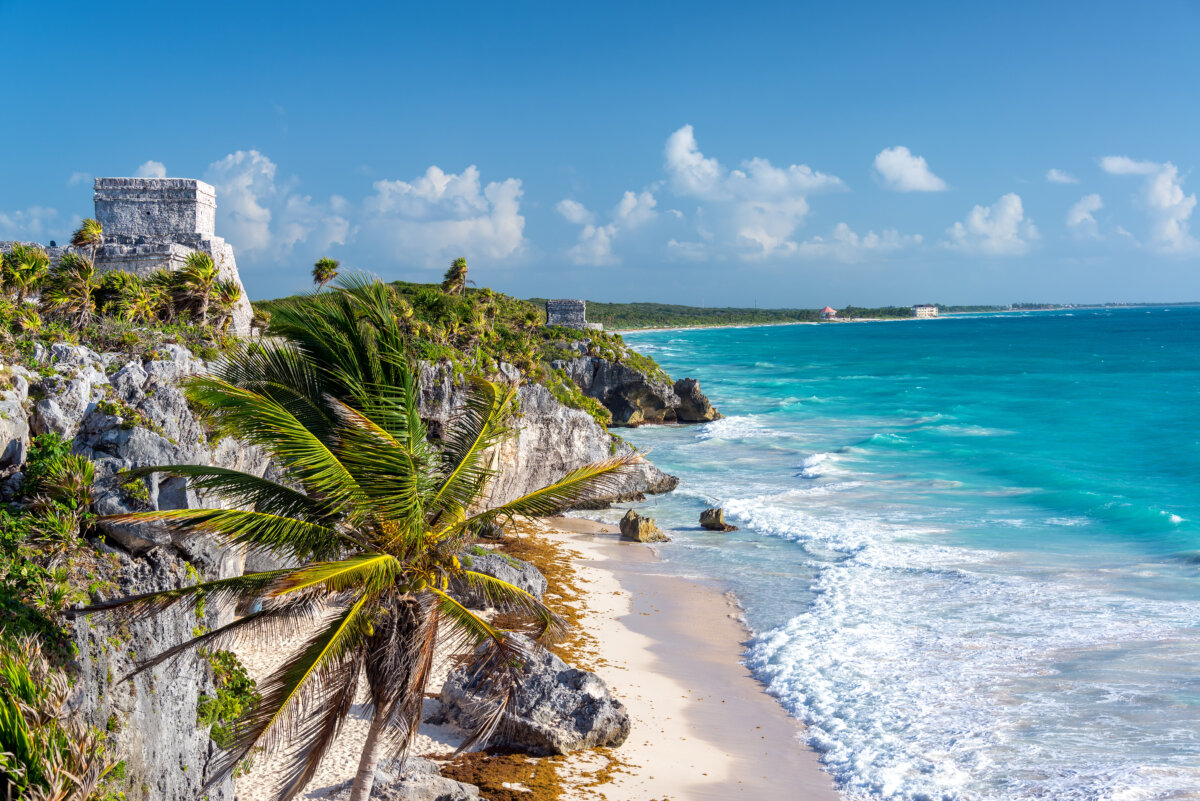
The only ancient Mayan walled city built directly on coastal sea cliffs, overlooking turquoise Caribbean waters. Highlights include the cliffside fortress El Castillo and the Temple of the Frescoes.
Sacred Cenotes (Dos Ojos, Gran Cenote)
A subterranean network of crystal-clear limestone sinkholes and flooded cave systems revered by the ancient Maya. Travelers snorkel and scuba dive among stalactites, stalagmites, and sunlit emerald waters.
Cobá Archaeological Site & Nohoch Mul Pyramid
Hidden deep within tropical jungle, Cobá preserves an extensive network of ancient Mayan white stone roads (sacbeob) and Nohoch Mul, one of the tallest pyramids on the Yucatán Peninsula at 42 meters.
Xcaret & Xel-Há Eco-Parks
Premier ecological adventure parks blending natural underground rivers, coastal lagoons, and wildlife sanctuaries with evening performances celebrating Mexican cultural heritage and folkloric dance.
Playa del Carmen Fifth Avenue (Quinta Avenida)
A pedestrian-only boulevard stretching several miles parallel to the beach, lined with open-air international dining, artisan craft galleries, mezcal lounges, and nightlife.
Editor-curated picks carried over from our original guide. Where a full place guide exists, the card links to it.
Worth booking ahead in Riviera Maya
Hand-picked from the operators our guides already send readers to. Prices and availability are live on the partner site.
BrowseViator
Tours and tickets in Riviera Maya on Viator (opens Viator in a new tab)
Viator's full list of bookable tours and tickets in Riviera Maya.
BrowseGetYourGuide
Experiences in Riviera Maya on GetYourGuide (opens GetYourGuide in a new tab)
Everything GetYourGuide sells in Riviera Maya, with the cancellation terms on each listing.
Where to stayBooking.com
Stays in Riviera Maya (opens Booking.com in a new tab)
Live rates and availability for Riviera Maya on Booking.com; filter by neighbourhood once you know where your days start.
We earn a commission if you book through these links, at no extra cost to you. It is how we keep the guides free and independent.
Where to stay
Rosewood Mayakoba
Ctra. Federal Cancún-Playa del Carmen Km 298, 77710 Playa del Carmen, Q.R., Mexico
An ultra-luxury eco-resort nestled within 620 acres of emerald lagoons, mangrove forests, and pristine white-sand Caribbean beaches, accessible via electric river boats.
InterContinental Porto – Palacio das Cardosas
Praça da Liberdade 25, 4000-322 Porto, Portugal
A palace on the main square (Liberdade). It is grand, classic, and central. It is steps from São Bento station and the Clérigos Tower. The interiors are opulent with high ceilings and chandeliers.
Pestana Vintage Porto
Praça da Ribeira 1, 4050-513 Porto, Portugal
Located right on the Ribeira square on the riverfront. It is made of several 16th-century buildings. You are in the heart of the action. The rooms overlook the river and the bridge. It is historic and charming.
Editor-curated stays carried over from our original guide. Where we have reviewed the hotel, the card links to the review.
Tips from the field
Highlights
- Tulum Ruins — Ancient cliffside Mayan city perched above turquoise Caribbean surf
- Natural Cenotes — Swimming and diving in sacred limestone sinkholes like Dos Ojos and Gran Cenote
- Cobá Ruins — Dense jungle Mayan pyramids connected by ancient ceremonial sacbe roads
- Mesoamerican Barrier Reef — World-class snorkeling and scuba diving along coral reefs
- Quinta Avenida (Playa del Carmen) — Pedestrian shopping, dining, and vibrant nightlife promenade
- Akumal Sea Turtles — Snorkeling alongside resident green sea turtles in calm sheltered bays
Best activities
- Walk across the top of the Dom Luís I Bridge. Take a tour and tasting at a Port Wine cellar in Gaia. Eat a 'Francesinha' (massive sandwich). Visit Livraria Lello. Take a '6 Bridges' river cruise. Climb the Clérigos Tower.
Photography tips
- Golden Hour: Sunset from the Monastery of Serra do Pilar (Gaia side).
- Iconic Shots:
- The view from the top of Dom Luís I Bridge.
- The red staircase inside Livraria Lello.
- The Azulejos in São Bento Station.
- The colorful houses of Ribeira from a boat.
- The view from the Clérigos Tower.
- Technique: Fog can roll in from the ocean (the majestic 'O Nevoeiro') creating moody shots.
Timing
- Peak Season (July-Aug):
- Busy, festivals
- Shoulder Season (May-June, Sept-Oct):
- Best visit time
- Low Season (Nov-March):
- Wet, authentic
Keeping it authentic
- Porto is grittier and more industrial than Lisbon, but also arguably more soulful ('Tripeiros' – tripe eaters – is the nickname for locals). They are fiercely proud. The 'Francesinha' is a heart-attack on a plate but you must try it once.
Culture, customs and safety
Cultural heritage
Riviera Maya preserves ancient Mayan civilization alongside Caribbean resort development, creating unique cultural landscape from Cancun to Tulum. Archaeological sites including Chichen Itza, Tulum, and Coba demonstrate sophisticated pre-Columbian urban planning. Cenotes hold sacred significance in Mayan cosmology while providing natural swimming experiences. Traditional Mayan communities maintain language, crafts, and agricultural practices. Contemporary beach culture blends international tourism with Mexican hospitality. The region balances archaeological preservation, environmental protection, and tourism development while celebrating indigenous heritage.

Travel Style
Season
Activities