San Jose anchors Silicon Valley as California’s third-largest city and global tech innovation epicenter, where major corporations like Google, Apple, and Intel headquarters neighbor thousands of startups creating tomorrow’s technologies. The downtown core blends cutting-edge attractions—The Tech Interactive with the largest IMAX Dome Theater west of the Mississippi, Winchester Mystery House’s eccentric Victorian architecture—with authentic cultural neighborhoods including America’s most traditional Japantown featuring kaiseki restaurants, specialty tea houses, and year-round cultural festivals. Beyond tech tourism, San Jose reveals diverse experiences through 200+ parks providing 300+ annual sunny days of outdoor recreation, Willow Glen’s tree-lined village streets with sidewalk cafes, and a multiethnic culinary scene spanning Vietnamese pho in Little Saigon to authentic Mexican cuisine, all accessible via efficient light rail connecting neighborhoods from historic missions to modern innovation districts.
The destination guide
San Jose, California

City in United States, North AmericaUpdated
- Overall7/10
- Best forFamilies
- PeakJan–Apr
- CurrencyUSD
San Jose’s Japantown is one of the last three traditional Japantowns left in the US — and most visitors drive straight past it to the Winchester Mystery House.
Travel guides for San Jose, California
Things to do (1)
At a glance
- English
- Spanish
- Vietnamese
- Chinese
- Pacific coast
- Tropical valley
- Mountain backdrop
- Urban center
How San Jose, California scores
Character
Editorial scores on a 10-point scale, weighed against destinations of the same kind.
Travel safety snapshot
SafePlace indicators use their source 100-point scale; higher is more favourable. Planning context, not a live travel advisory — check official government guidance before you go.
When to go
Best months to visit: April, May, June, July, August, September and October.
- January: 6.8 to 16.1 degrees Celsius, 30 millimetres of rain, best-time score 2 out of 5.
- February: 7.4 to 16.7 degrees Celsius, 53 millimetres of rain, best-time score 2 out of 5.
- March: 7.8 to 17.6 degrees Celsius, 23.8 millimetres of rain, best-time score 3 out of 5.
- April: 7.7 to 19.3 degrees Celsius, 4.9 millimetres of rain, best-time score 4 out of 5.
- May: 10.4 to 22.2 degrees Celsius, 11.3 millimetres of rain, best-time score 5 out of 5.
- June: 12.1 to 24.6 degrees Celsius, 0.2 millimetres of rain, best-time score 5 out of 5.
- July: 14.6 to 29.4 degrees Celsius, 0 millimetres of rain, best-time score 4 out of 5.
- August: 15.6 to 30.2 degrees Celsius, 0 millimetres of rain, best-time score 4 out of 5.
- September: 13.7 to 25.5 degrees Celsius, 0.2 millimetres of rain, best-time score 5 out of 5.
- October: 14.3 to 26.1 degrees Celsius, 7.5 millimetres of rain, best-time score 5 out of 5.
- November: 9.7 to 18.8 degrees Celsius, 8.9 millimetres of rain, best-time score 3 out of 5.
- December: 6.7 to 14 degrees Celsius, 50.1 millimetres of rain, best-time score 2 out of 5.
Month-by-month conditions and packing advice
- January
- Cool weather, some rain January in San Jose: winter rain and shorter days make this less balanced for a first-time visit. Crowds: Peak tourist season with excellent conditions for cultural exploration, outdoor activities, and city tours. Hotel rates and crowd levels are highest during this period. Rainfall is moderate, with occasional showers, which can enhance the experience of visiting gardens and museums. Visitors should be prepared for cooler temperatures, especially in the mornings. Pack: Lightweight layers for temperature variation; Waterproof jacket for rain showers; Comfortable walking shoes for city exploration; Umbrella for unexpected rain; Light cardigan for air-conditioned spaces; Breathable cotton/linen fabrics
- February
- Cool weather, some rain February in San Jose: winter rain and shorter days make this less balanced for a first-time visit. Crowds: Peak tourist season with excellent conditions for cultural exploration, outdoor activities, and city tours. Hotel rates and crowd levels are highest during this period. UV levels remain moderate despite cooler temperatures. Pack: Lightweight layers for temperature variation; Comfortable walking shoes for city exploration; Umbrella for occasional rain showers; Light cardigan for air-conditioned spaces; Modest clothing for cultural sites and mosques; Breathable cotton/linen fabrics
- March
- Cool weather, mostly dry March in San Jose: cooler weather or early rainy-season patterns make outdoor plans less dependable. Crowds: Spring tourist season with moderate crowd levels and pleasant weather conditions for outdoor activities such as hiking, visiting botanical gardens, and exploring local markets. Hotel rates and dining options are more affordable compared to peak summer months. UV levels are moderate, but visitors should still apply sunscreen. Pack: Lightweight layers for temperature variation; Comfortable walking shoes for city exploration; Broad-brimmed hat and SPF 50+ sunscreen; Light cardigan for air-conditioned spaces; Modest clothing for cultural sites and mosques; Breathable cotton/linen fabrics
- April
- Cool weather, mostly dry April in San Jose: conditions remain useful with either pleasant spring days or warmer summer weather. Crowds: Peak tourist season with excellent conditions for cultural exploration, outdoor activities, and city tours. Hotel rates and crowd levels are highest during this period. UV levels remain moderate despite cooler temperatures. Pack: Lightweight layers for temperature variation; Comfortable walking shoes for city exploration; Broad-brimmed hat and SPF 50+ sunscreen; Light cardigan for air-conditioned spaces; Modest clothing for cultural sites and mosques; Breathable cotton/linen fabrics
- May
- Warm and pleasant, mostly dry May in San Jose: warm, dry Bay Area weather supports city walks, parks, museums, food stops, and nearby coast or wine-country trips. Crowds: Peak tourist season with excellent conditions for all outdoor activities including hiking, beach visits, cultural site exploration, and city walking tours. Hotel rates and crowd levels are highest during this period. UV levels remain high despite cooler temperatures. Pack: Lightweight layers for temperature variation; Comfortable walking shoes for city exploration; Broad-brimmed hat and SPF 50+ sunscreen; Light cardigan for air-conditioned spaces; Modest clothing for cultural sites and mosques; Breathable cotton/linen fabrics
- June
- Warm and pleasant, mostly dry June in San Jose: warm, dry Bay Area weather supports city walks, parks, museums, food stops, and nearby coast or wine-country trips. Crowds: Peak tourist season with excellent conditions for all outdoor activities including hiking, beach visits, cultural site exploration, and city walking tours. Hotel rates and crowd levels are highest during this period. UV levels remain high despite cooler temperatures. Pack: Lightweight layers for temperature variation; Comfortable walking shoes for city exploration; Broad-brimmed hat and SPF 50+ sunscreen; Light cardigan for air-conditioned spaces; Modest clothing for cultural sites and mosques; Breathable cotton/linen fabrics
- July
- Warm and pleasant, mostly dry July in San Jose: conditions remain useful with either pleasant spring days or warmer summer weather. Crowds: Peak tourist season from December to April offers excellent conditions for outdoor activities including hiking, beach visits, and cultural tours. Hotel rates and crowd levels are highest during this period. Despite cooler temperatures, UV levels remain high, necessitating sunscreen use. Ideal times for visiting are early mornings and late afternoons to avoid the midday heat. Pack: Lightweight layers for temperature variation; Comfortable walking shoes for city exploration; Broad-brimmed hat and SPF 50+ sunscreen; Light cardigan for air-conditioned spaces; Modest clothing for cultural sites and mosques; Breathable cotton/linen fabrics
- August
- Warm and pleasant, mostly dry August in San Jose: conditions remain useful with either pleasant spring days or warmer summer weather. Crowds: Peak tourist season from December to April offers excellent weather for outdoor activities such as hiking, exploring local markets, and enjoying the city's cultural festivals. Hotel rates and crowd levels are highest during this period. Despite cooler temperatures, UV levels remain high, so sun protection is essential. Pack: Lightweight layers for temperature variation; Comfortable walking shoes for city exploration; Broad-brimmed hat and SPF 50+ sunscreen; Light cardigan for air-conditioned spaces; Modest clothing for cultural sites and mosques; Breathable cotton/linen fabrics
- September
- Warm and pleasant, mostly dry September in San Jose: warm, dry Bay Area weather supports city walks, parks, museums, food stops, and nearby coast or wine-country trips. Crowds: Peak tourist season with excellent conditions for outdoor activities including hiking, beach visits, cultural site exploration, and city walking tours. Hotel rates and crowd levels are highest during this period. UV levels remain high despite cooler temperatures. Pack: Lightweight layers for temperature variation; Comfortable walking shoes for city exploration; Broad-brimmed hat and SPF 50+ sunscreen; Light cardigan for air-conditioned spaces; Modest clothing for cultural sites and mosques; Breathable cotton/linen fabrics
- October
- Warm and pleasant, mostly dry October in San Jose: warm, dry Bay Area weather supports city walks, parks, museums, food stops, and nearby coast or wine-country trips. Crowds: Peak tourist season with excellent conditions for all outdoor activities including hiking, beach visits, cultural site exploration, and city walking tours. Hotel rates and crowd levels are highest during this period. UV levels remain high despite cooler temperatures. Pack: Lightweight layers for temperature variation; Comfortable walking shoes for city exploration; Broad-brimmed hat and SPF 50+ sunscreen; Light cardigan for air-conditioned spaces; Modest clothing for cultural sites and mosques; Breathable cotton/linen fabrics
- November
- Cool weather, mostly dry November in San Jose: cooler weather or early rainy-season patterns make outdoor plans less dependable. Crowds: January marks the peak tourist season in San Jose, with excellent weather conditions for outdoor activities including hiking, cultural tours, and city exploration. Hotel rates and crowd levels are at their highest during this period. Despite cooler temperatures, UV levels remain high, so visitors should apply sunscreen and wear protective clothing. Pack: Lightweight layers for temperature variation; Comfortable walking shoes for city exploration; Broad-brimmed hat and SPF 50+ sunscreen; Light cardigan for air-conditioned spaces; Modest clothing for cultural sites and mosques; Breathable cotton/linen fabrics
- December
- Cool weather, some rain December in San Jose: winter rain and shorter days make this less balanced for a first-time visit. Crowds: December marks the peak tourist season in San Jose, with excellent weather conditions for outdoor activities such as hiking, exploring cultural landmarks, and enjoying local festivals. Hotel rates and crowd levels are high during this period. Visitors can expect moderate rainfall, which is generally well-distributed throughout the month, making it suitable for both daytime and evening activities. The cool temperatures provide a comfortable environment for sightseeing and cultural experiences. Pack: Lightweight layers for temperature variation; Waterproof jacket for occasional rain; Comfortable walking shoes for exploring; Hat and sunglasses for sunny afternoons; Light scarf for cooler evenings; Breathable fabrics for outdoor activities
- March
- February
- January
- April
- September
- August
- July
- June
Know before you go
Best time to visit
San Jose enjoys 300 days of sunshine annually. Spring (April–June) and autumn (September–November) provide ideal 72–80°F temperatures for outdoor recreation and wine touring.
Season by season
Dry Season (mid-December–April):
Weather: 24-27°C (75-80°F), minimal rain, clear mornings
Highlights: Festival de la Luz (December), Fiestas de Zapote (December), peak volcano visibility, outdoor dining season
Best For: Sightseeing, day trips to volcanoes and cloud forests, outdoor markets
Early Green Season (May–July):
Weather: 22-26°C (72-79°F), afternoon showers, lush greenery
Highlights: Fewer tourists, lower hotel rates, wildflower blooms, ‘veranillo’ mini dry spell in June-July
Best For: Budget travel, museum days, Barrio Escalante dining, coffee plantation tours
Peak Green Season (August–November):
Weather: 21-25°C (70-77°F), heavier afternoon and evening rains
Highlights: Independence Day (September 15), whale watching season on Pacific coast, dramatic skies for photography
Best For: Cultural events, off-season pricing, waterfall visits when flows peak
Transition Weeks (early December, late November):
Weather: Transitioning from wet to dry, pleasant temperatures
Highlights: Christmas decorations appear, coffee harvest begins in the Central Valley
Best For: Avoiding peak-season crowds while enjoying improving weather
Crowds
San Jose, Costa Rica is busiest December–April (dry season), particularly around holidays and as a hub for tourists heading elsewhere; quietest in the wet season (May–November), with weekdays calmer — overall city sees moderate, uneven crowds driven by transit and events.
Getting there and around
Getting there
Juan Santamaría International Airport (SJO) is the main gateway, located in Alajuela about 20 km (12 miles) northwest of downtown San José. The airport receives direct flights from numerous US cities (Miami, Houston, New York, Los Angeles, Atlanta), Toronto, Madrid, and all major Central American capitals.
From the airport, licensed orange taxis cost approximately $26 to downtown. Uber and DiDi are widely available at $14-18. Public buses run from outside the terminal to downtown for about ¢810 (~$1.50 USD) from 5:00 AM to 11:00 PM. Many upscale hotels offer airport transfer services.
Daniel Oduber International Airport (LIR) in Liberia, Guanacaste, serves travelers headed to the Pacific coast and is 220 km from San José. International buses from Tica Bus and Pullmantur connect San José with Panama City, Managua, and other Central American cities from the Terminal 7-10 bus station.
Getting around
San José’s compact downtown is walkable during daylight hours, with most major attractions clustered within a 1-km radius of Plaza de la Cultura. The grid layout uses avenidas (avenues) running east-west and calles (streets) running north-south.
Uber and DiDi are the most convenient transport options, offering reliable fare estimates and GPS-guided routes. Official red taxis use meters (called ‘maria’) and are regulated — one-way trips within the city center cost $3-6. Avoid unmarked pirate taxis.
Public buses run extensive routes across the Greater Metropolitan Area at ¢395-810 per ride. There are no centralized bus schedules, but locals can point you to the correct parada (stop). San José also operates a commuter train system (Tren Urbano) on three routes during morning and evening rush hours.
Rental cars are useful for day trips outside the city but unnecessary (and stressful) in the city center. 4WD vehicles are recommended for rural Costa Rica roads, particularly during the green season.
Top experiences in San Jose, California
Winchester Mystery House
The legendary 160-room Victorian architectural maze built continuously by Sarah Winchester from 1886 to 1922. The bizarre mansion features stairways leading into ceilings, doors opening into empty drops, and exquisite Tiffany stained glass.
The Tech Interactive
Located in downtown San Jose, this premier hands-on science and technology center offers interactive exhibits on robotics, artificial intelligence, biotechnology, and virtual reality, alongside a giant IMAX Dome Theater.
Historic Japantown (Nihonmachi)
One of only three remaining historic Japantowns in the United States, dating back to 1890. It features authentic kaiseki dining, historic Buddhist temples, family-run tofu shops, traditional confectioneries, and cultural festivals.
Santana Row & Valley Fair
An upscale European-inspired open-air shopping and dining boulevard in West San Jose featuring luxury boutiques, landscaped outdoor courtyards, sidewalk dining, and lively evening lounges.
Rosicrucian Egyptian Museum & Planetarium
Set in a tranquil park in the Rose Garden neighborhood, this museum houses the largest collection of authentic ancient Egyptian artifacts on display in western North America, complete with a walk-through rock tomb replica.
Editor-curated picks carried over from our original guide. Where a full place guide exists, the card links to it.
Worth booking ahead in San Jose, California
Hand-picked from the operators our guides already send readers to. Prices and availability are live on the partner site.
BrowseViator
Tours and tickets in San Jose, California on Viator (opens Viator in a new tab)
Viator's full list of bookable tours and tickets in San Jose, California.
BrowseGetYourGuide
Experiences in San Jose, California on GetYourGuide (opens GetYourGuide in a new tab)
Everything GetYourGuide sells in San Jose, California, with the cancellation terms on each listing.
Where to stayBooking.com
Stays in San Jose, California (opens Booking.com in a new tab)
Live rates and availability for San Jose, California on Booking.com; filter by neighbourhood once you know where your days start.
We earn a commission if you book through these links, at no extra cost to you. It is how we keep the guides free and independent.
Where to stay
Hotel Valencia Santana Row
355 Santana Row, San Jose, CA 95128, USA
A chic boutique hotel in the center of Santana Row, featuring Spanish colonial architecture, a rooftop swimming pool, and immediate access to dining and shopping.
Gran Hotel Costa Rica
Avenida 2, Calle 1/3, Plaza de la Cultura, San José, Costa Rica
Gran Hotel Costa Rica, Curio Collection by Hilton, occupies a landmark 1930 building facing the National Theatre on Plaza de la Cultura. Its terrace café — a traditional meeting point for Josefinos — overlooks street performers and the plaza’s fountain. Recently renovated rooms blend heritage architecture with modern comforts. The location places guests steps from the Gold Museum, Jade Museum, and Mercado Central, making it ideal for first-time visitors wanting walkable access to major attractions.
Hotel Presidente
Avenida Central, Calles 7-9, San José, Costa Rica
Hotel Presidente sits on Avenida Central, San José’s main pedestrian boulevard, providing direct walking access to the National Theatre, Central Market, and Jade Museum. The property features clean, modern rooms, a rooftop restaurant with city views, and a convenient ground-floor café. Its central location and reliable service make it a dependable mid-range choice for travelers overnighting in the capital before continuing to other regions of Costa Rica.
Editor-curated stays carried over from our original guide. Where we have reviewed the hotel, the card links to the review.
Tips from the field
Highlights
- Winchester Mystery House — Legendary architectural curiosity with secret passageways
- The Tech Interactive — Hands-on Silicon Valley innovation and robotics exhibits
- Historic Japantown — One of only three preserved authentic Japantowns in the US
- Santana Row — European-inspired open-air dining, shopping, and nightlife boulevard
- Rosicrucian Egyptian Museum — West Coast's largest collection of Egyptian antiquities
- Municipal Rose Garden — 5.5 acres featuring more than 3,500 rose shrubs in bloom
Best activities
- Explore the bizarre architectural secrets of the Winchester Mystery House, build interactive robots at The Tech Interactive, taste fresh manju at Shuei-Do in Japantown, stroll among 3,500 blooming roses in the Municipal Rose Garden, and dine on authentic Vietnamese pho in Little Saigon.
Local experiences
- Gather for street tacos and local craft beers at San Pedro Square Market, bike along the scenic Guadalupe River Trail, sample fresh produce at the Sunday Japantown Farmers Market, and take scenic tasting excursions into the Santa Cruz Mountains wine country.
Practical tips
- Currency: Costa Rican Colón (CRC). US dollars widely accepted at hotels and tourist businesses. Credit cards accepted at restaurants and shops. ATMs (cajeros) dispense colones and sometimes dollars.
- Getting There: Juan Santamaría Airport (SJO) is 20 km from downtown. Taxis ~$26; Uber ~$15; buses ~$1.50.
- Language: Spanish. English is understood at hotels and tourist sites. Learning basic Spanish phrases ('por favor,' 'gracias,' 'pura vida') is appreciated.
- Dining: Try casados (rice, beans, salad, protein), gallo pinto (breakfast staple), and fresh-pressed fruit drinks (naturales). Local eateries called 'sodas' serve filling meals for $5-7. Barrio Escalante is the gourmet scene.
- Water: Tap water is safe to drink throughout San José and most of Costa Rica.
- Electricity: 120V, 60Hz. Uses Type A and B plugs (same as the US). No adapter needed for US travelers.
- Shopping: Mercado Central for coffee, sauces, and souvenirs. Shops typically open 9:00-18:00, with malls open until 21:00. Sunday most shops close.
- Tipping: 10% service charge is automatically added to restaurant bills (impuesto de servicio). Additional tips are appreciated but not expected. Tip tour guides $5-10 per person per tour.
Photography tips
- Golden Hour Shots:
- National Theatre — Ornate neoclassical façade glows in warm morning light from Avenida 2
- Plaza de la Cultura — Street life and architecture with the Jade Museum building as backdrop
- Poás Volcano crater rim — Dawn visits often have the clearest views before afternoon clouds
- Iconic Views:
- Mercado Central — Colorful produce stalls and local food vendors (ask permission before photographing people)
- Barrio Escalante — Street art murals and leafy café scenes
- Metropolitan Park La Sabana — National Stadium reflections in the park lake
- Central Valley panoramas from hillside viewpoints in Escazú or San Pedro
- Best Months: January-March for clear skies. Green season mornings (June-August) often produce dramatic cloud formations.
- Equipment: Compact weather-sealed camera for afternoon showers. Wide-angle for architecture and volcanos. Rain sleeve or dry bag during green season.
Timing
- Night-time street festival celebrating DIY art, music, and culture with open-air galleries and food trucks
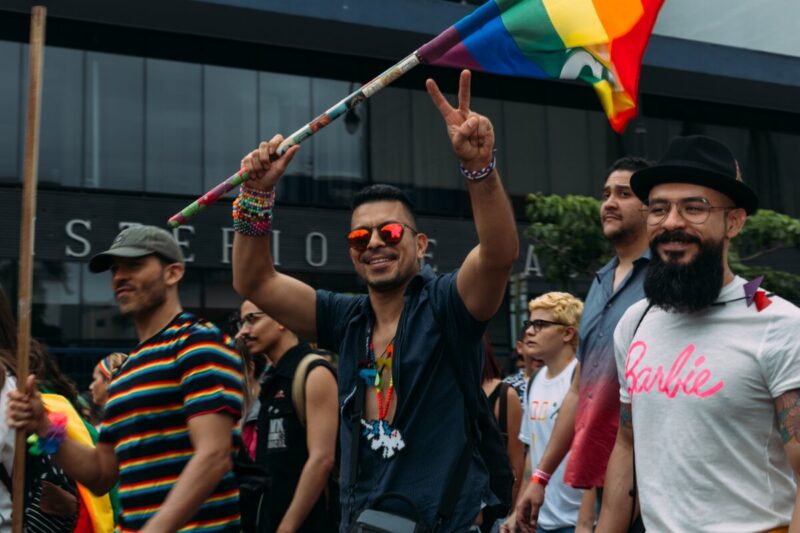
- Weekend parade and festival celebrating LGBTQ+ community with performances, vendors, and activism
- Holiday light displays, animated exhibits, and ice skating transforming downtown into a winter wonderland
- Traditional Bon Odori dances, taiko drumming, and food stalls honoring Japanese ancestral spirits
- Annual showcase of the latest cars, EVs, and concept vehicles with test-drive opportunities
- Three-day outdoor festival featuring jazz, funk, Latin, and world music across multiple stages
- Two-week festival spotlighting jazz, blues, and indie artists in intimate settings
- International festival of independent films, virtual reality experiences, and tech-creative forums
Keeping it authentic
- Founded in 1777 as California's first civilian settlement (Pueblo de San José de Guadalupe), San Jose evolved from the agricultural capital of the 'Valley of Heart's Delight' into the global capital of Silicon Valley. Its vibrant culture blends tech pioneering with historic Hispanic and Asian immigrant communities.
Culture, customs and safety
Cultural heritage
San Jose evolved from Spanish pueblo to Silicon Valley capital, preserving agricultural heritage while driving global technological innovation. Mission Santa Clara anchors Spanish colonial history while Winchester Mystery House represents Victorian eccentricity. Japanese American community maintains traditions through Japantown despite internment trauma. Tech company campuses from Apple to Google transform former orchards. The Tech Interactive and Computer History Museum document digital revolution. The city balances innovation with diversity through Vietnamese, Mexican, and tech worker communities creating modern American dynamism.
Local customs & etiquette
‘Pura Vida’ — literally ‘pure life’ — is the national motto and a way of being. Use it as a greeting, a farewell, a toast, or a response to ‘How are you?’ and you’ll connect instantly with Ticos (Costa Ricans).
Greetings are warm: a handshake is standard, while close acquaintances exchange a single kiss on the cheek. Address new acquaintances as Don (men) or Doña (women) followed by their first name — titles like señor/señora are also common. Costa Ricans value courtesy highly; a simple ‘con permiso’ (excuse me) and ‘mucho gusto’ (pleased to meet you) go a long way.
The pace of life is deliberately relaxed. Punctuality follows ‘Tico time’ — arriving 15-30 minutes after the stated time is normal in social settings (though you should be on time for tours and official appointments).
At meals, wait until the host says ‘buen provecho’ (enjoy your meal) before eating. Tipping beyond the 10% service charge is generous but not expected. Avoid discussing politics or criticizing local customs.
Costa Ricans take immense pride in their environmental stewardship — avoid littering, stick to marked trails in national parks, and show respect for wildlife rules (no feeding or touching animals).
Safety notes
San José is moderately safe with standard urban precautions. Petty theft — especially pickpocketing and bag snatching — is the most common concern for visitors.
General Tips:
• Avoid displaying expensive jewelry, cameras, or smartphones in crowded areas
• Keep bags zipped and in front of you at Mercado Central, bus stations, and during rush hour
• Use hotel safes for passports, laptops, and backup cash
• Carry photocopies of your passport rather than the original
Areas to Avoid:
• The Coca-Cola district near Terminal 7-10 bus station, especially after dark
• Walking alone after sunset in unfamiliar neighborhoods
• San José’s southern barrios at night
Transport Safety:
• Use only licensed red taxis with meters or ride-sharing apps (Uber/DiDi)
• Never leave valuables visible in parked rental cars — break-ins are common
Emergency: 911 for police, fire, and medical. Tourist police (OIJ) can be reached at 800-800-0645.