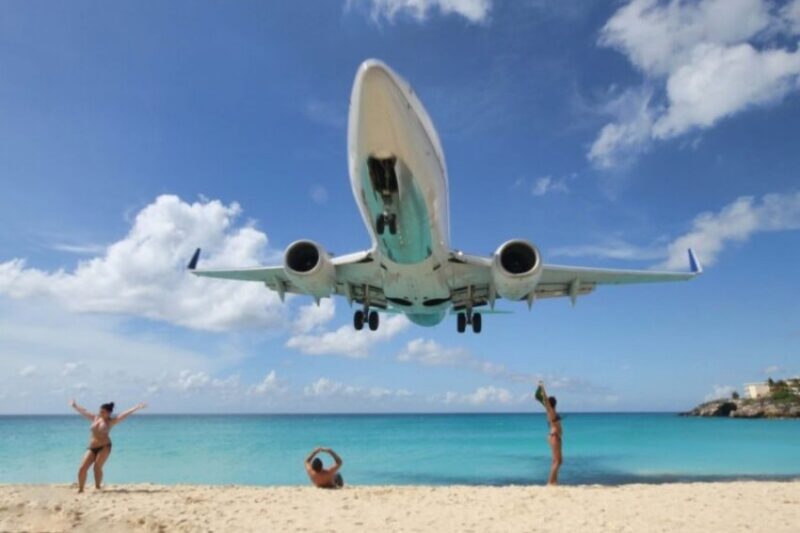
St. Martin/Sint Maarten, occupying just 37 square miles in the northeast Caribbean, holds the distinction of being the smallest landmass in the world shared by two sovereign nations—the northern French territory (Saint-Martin) and southern Dutch country (Sint Maarten)—each maintaining distinct cultural characteristics across an open border that allows free movement between the contrasting halves. The island’s geography centers around a mountainous spine peaking at 1,400-foot Pic Paradis, from which lush hillsides cascade toward 37 beaches ranging from developed resort strands to hidden coves, with notable stretches including the two-mile curve of Orient Bay on the French side, frequently compared to the French Riviera for its beach clubs and water sports offerings, and the airplane-spotting mecca of Maho Beach on the Dutch side, where jets dramatically approach the adjacent Princess Juliana International Airport. The dual nationalities create fascinating contrasts: the French side (60% of land area but fewer residents) emphasizes European sophistication through gourmet cuisine in Grand Case, duty-free luxury shopping in Marigot, and a relaxed atmosphere with clothing-optional beaches and leisurely pace, while the Dutch side offers a more Americanized experience through casino gaming, extensive nightlife options around Simpson Bay, cruise ship facilities at Philipsburg, and larger-scale resorts and timeshare properties. Despite destructive impacts from Hurricane Irma in 2017 that required extensive rebuilding, St. Martin/Sint Maarten maintains its position as a premier Caribbean destination through unique attractions including the former plantation estate of Loterie Farm, the twice-daily spectacle of arriving and departing flights at Maho Beach, and the island’s 16 distilleries producing guavaberry liqueurs and rum-based specialties. Throughout the year, visitors experience a cosmopolitan Caribbean atmosphere where multiple languages (English, French, Dutch, Spanish, and Papiamento) reflect the diverse influences shaping this small but culturally rich island that offers experiences ranging from hiking nature preserves to duty-free shopping within a compact, accessible geographic area.
The destination guide
St. Martin

Island in Sint Maarten, North AmericaUpdated
- Overall8/10
- Best forCouples, Adventure seekers
- CurrencyEUR
Two countries, one tiny island — the French side has the better food, the Dutch side has the casinos. Both have great beaches.
Travel guides for St. Martin
More guides featuring St. Martin (4)
At a glance
- Caribbean island
- Sandy beaches
- Turquoise lagoon
- Two-nation island
- Caribbean Beaches
- Plane Spotting
- French & Dutch Culture
- Luxury Resorts.
How St. Martin scores
Editorial scores on a 10-point scale, weighed against destinations of the same kind.
Travel safety snapshot
SafePlace indicators use their source 100-point scale; higher is more favourable. Planning context, not a live travel advisory — check official government guidance before you go.
When to go
Best months to visit: January, February, March, April, May, June, November and December.
- January: 24.6 to 26.1 degrees Celsius, 34.9 millimetres of rain, best-time score 5 out of 5.
- February: 24.3 to 25.8 degrees Celsius, 45.2 millimetres of rain, best-time score 5 out of 5.
- March: 24.5 to 25.8 degrees Celsius, 22.8 millimetres of rain, best-time score 5 out of 5.
- April: 24.8 to 26.3 degrees Celsius, 43.1 millimetres of rain, best-time score 5 out of 5.
- May: 25.7 to 27.1 degrees Celsius, 55.2 millimetres of rain, best-time score 5 out of 5.
- June: 26.5 to 27.9 degrees Celsius, 41.9 millimetres of rain, best-time score 4 out of 5.
- July: 26.6 to 28.2 degrees Celsius, 70.7 millimetres of rain, best-time score 3 out of 5.
- August: 26.9 to 28.6 degrees Celsius, 89.8 millimetres of rain, best-time score 2 out of 5.
- September: 27 to 28.7 degrees Celsius, 131.9 millimetres of rain, best-time score 2 out of 5.
- October: 26.7 to 28.5 degrees Celsius, 119.6 millimetres of rain, best-time score 3 out of 5.
- November: 26.1 to 27.8 degrees Celsius, 120.4 millimetres of rain, best-time score 4 out of 5.
- December: 25.3 to 26.9 degrees Celsius, 42.5 millimetres of rain, best-time score 5 out of 5.
Month-by-month conditions and packing advice
- January
- Mild to warm, occasional rain January in St. Martin: dry-season beaches, sailing, food, snorkeling, island drives, and outdoor dining are most reliable. Crowds: January in St. Martin is comfortable for sightseeing, neighborhoods, food stops, day trips, and outdoor time with limited weather friction. Pack: Pack light clothing, sun protection, and comfortable walking shoes.
- February
- Mild to warm, occasional rain February in St. Martin: dry-season beaches, sailing, food, snorkeling, island drives, and outdoor dining are most reliable. Crowds: February in St. Martin is comfortable for sightseeing, neighborhoods, food stops, day trips, and outdoor time with limited weather friction. Pack: Pack light clothing, sun protection, and comfortable walking shoes.
- March
- Mild to warm, mostly dry March in St. Martin: dry-season beaches, sailing, food, snorkeling, island drives, and outdoor dining are most reliable. Crowds: March in St. Martin is comfortable for sightseeing, neighborhoods, food stops, day trips, and outdoor time with limited weather friction. Pack: Pack light clothing, sun protection, and comfortable walking shoes.
- April
- Mild to warm, occasional rain April in St. Martin: dry-season beaches, sailing, food, snorkeling, island drives, and outdoor dining are most reliable. Crowds: April in St. Martin is comfortable for sightseeing, neighborhoods, food stops, day trips, and outdoor time with limited weather friction. Pack: Pack light clothing, sun protection, and comfortable walking shoes.
- May
- Warm to hot, occasional rain May in St. Martin: dry-season beaches, sailing, food, snorkeling, island drives, and outdoor dining are most reliable. Crowds: May in St. Martin is comfortable for sightseeing, neighborhoods, food stops, day trips, and outdoor time with limited weather friction. Pack: Pack light clothing, sun protection, and comfortable walking shoes.
- June
- Warm to hot, occasional rain June in St. Martin: shoulder timing can bring value and warm weather with some rain planning. Crowds: June in St. Martin is comfortable for sightseeing, neighborhoods, food stops, day trips, and outdoor time with limited weather friction. Pack: Pack light clothing, sun protection, and comfortable walking shoes.
- July
- Warm to hot, some rain July in St. Martin: rain and storm-season risk increase, so flexible plans matter. Crowds: July in St. Martin is workable with normal seasonal planning; build in layers, weather checks, and a mix of indoor and outdoor activities. Pack: Pack light clothing, sun protection, and comfortable walking shoes. Add a rain jacket or compact umbrella.
- August
- Warm to hot, some rain August in St. Martin: peak hurricane-season risk makes island travel less dependable. Crowds: August in St. Martin is workable with normal seasonal planning; build in layers, weather checks, and a mix of indoor and outdoor activities. Pack: Pack light clothing, sun protection, and comfortable walking shoes. Add a rain jacket or compact umbrella.
- September
- Warm to hot, rainy September in St. Martin: peak hurricane-season risk makes island travel less dependable. Crowds: September in St. Martin is one of the wetter periods, so museums, food stops, flexible reservations, and backup indoor plans make the trip easier. Pack: Pack light clothing, sun protection, and comfortable walking shoes. Add a rain jacket or compact umbrella.
- October
- Warm to hot, some rain October in St. Martin: rain and storm-season risk increase, so flexible plans matter. Crowds: October in St. Martin is workable with normal seasonal planning; build in layers, weather checks, and a mix of indoor and outdoor activities. Pack: Pack light clothing, sun protection, and comfortable walking shoes. Add a rain jacket or compact umbrella.
- November
- Warm to hot, some rain November in St. Martin: shoulder timing can bring value and warm weather with some rain planning. Crowds: November in St. Martin is workable with normal seasonal planning; build in layers, weather checks, and a mix of indoor and outdoor activities. Pack: Pack light clothing, sun protection, and comfortable walking shoes. Add a rain jacket or compact umbrella.
- December
- Mild to warm, occasional rain December in St. Martin: dry-season beaches, sailing, food, snorkeling, island drives, and outdoor dining are most reliable. Crowds: December in St. Martin is comfortable for sightseeing, neighborhoods, food stops, day trips, and outdoor time with limited weather friction. Pack: Pack light clothing, sun protection, and comfortable walking shoes.
Know before you go
Best time to visit
December to April
Season by season
The High Season (December-April) boasts perfect weather but high prices. The Shoulder/Low Season (May-November) is cheaper, but this is the Atlantic hurricane season, with the highest risk of storms between August and October.
Crowds
High
Getting there and around
Getting there
Fly into Princess Juliana Airport (SXM) on the Dutch side, known for its dramatic beach runway approach. Ferries from St. Barths and Anguilla. The island is small enough to drive across in 20 minutes.
Top experiences in St. Martin
Maho Beach (Airport Beach)
The famous beach where 747s (and now smaller jets) fly 50 feet over your head to land. The jet blast can blow you into the water. It is an adrenaline rush and a Youtube sensation.
Orient Bay Beach
The ‘St. Tropez of the Caribbean’. A long white beach lined with beach bars and restaurants. It is lively, with water sports and a clothing-optional section at the end.
Pinel Island
A small fishing village known as the Gourmet Capital of the Caribbean. The main street is lined with incredible French restaurants (classic and lolas). The food is world-class.
Loterie Farm
A private nature reserve on Pic Paradis. It has a chic pool club (Jungle Pool), ziplines, and hiking trails. It is a green oasis away from the beach. Very chic.
Pinel Island
A tiny uninhabited island off the coast of Cul-de-Sac. You take a cheap ferry or kayak there. It has shallow calm water, two beach bars, and wild iguanas. A perfect day trip.
Editor-curated picks carried over from our original guide. Where a full place guide exists, the card links to it.
Worth booking ahead in St. Martin
Hand-picked from the operators our guides already send readers to. Prices and availability are live on the partner site.
BrowseViator
Tours and tickets in St. Martin on Viator (opens Viator in a new tab)
Viator's full list of bookable tours and tickets in St. Martin.
BrowseGetYourGuide
Experiences in St. Martin on GetYourGuide (opens GetYourGuide in a new tab)
Everything GetYourGuide sells in St. Martin, with the cancellation terms on each listing.
Where to stayBooking.com
Stays in St. Martin (opens Booking.com in a new tab)
Live rates and availability for St. Martin on Booking.com; filter by neighbourhood once you know where your days start.
We earn a commission if you book through these links, at no extra cost to you. It is how we keep the guides free and independent.
Where to stay
Orient Beach Hotel
Baie Longue, Terres Basses, 97150 Saint Martin
The most luxurious resort on the island (French side). Located on Baie Longue. It is elegant, private, and has a Mediterranean feel. The sunset bar is legendary.
La Playa Orient Bay
21 Rue de Petite Plage, Grand-Case 97150, St. Martin
Located in the culinary capital, Grand Case. It is unpretentious but has a great location on two beaches. Walkable to the best French restaurants on the island.
Esmeralda Resort
1A Rhine Road, Maho Bay, Sint Maarten
An all-inclusive, adults-only resort on the Dutch side (Maho). It sits on a cliff overlooking the airport approach. Modern, sleek, and lively. Great for plane spotting.
Editor-curated stays carried over from our original guide. Where we have reviewed the hotel, the card links to the review.
Tips from the field
Highlights
- The absolutely thrilling, close-up airplane landings at Princess Juliana Airport over the sands of Maho Beach, and the pristine, turquoise waters of Orient Bay's two-mile beach.
Best activities
- Feeling the incredible jet blast of arriving airplanes at Maho Beach, enjoying world-class dining in Grand Case, and participating in watersports at Orient Bay.
Local experiences
- Take a short boat ride over to the uninhabited Pinel Island for a day of spectacular snorkeling and eating fresh lobster right on the sand.
Practical tips
- You can cross freely between the French and Dutch sides with no borders. The US Dollar is widely accepted everywhere, even on the French side, though the Euro is the official currency there.
Photography tips
- For the famous airplane photos at Maho Beach, check the daily arrival schedules online or at the Sunset Bar. The massive jets usually arrive in the early afternoon
- use a wide-angle lens.
Timing
- 4-7 days is perfect to casually explore both the French and Dutch sides and take a catamaran day trip.
Keeping it authentic
- St. Martin is unique globally as it offers a seamless blend of two distinct cultures on one small Caribbean island: the lively, nightlife-focused Dutch side (Sint Maarten) and the gastronomically rich, relaxed French side (Saint-Martin).
Culture, customs and safety
Cultural heritage
St. Martin blends French and Dutch cultures on one island, creating unique Caribbean destination where European sophistication meets island relaxation. Marigot French side maintains Gallic charm through markets, cafes, and boutiques while Philipsburg Dutch side offers duty-free shopping. Traditional salt ponds recall economic history before tourism. Creole architecture with gingerbread trim decorates hillside homes. Local cuisine fuses French techniques with Caribbean ingredients. The island celebrates dual heritage through festivals, languages, and customs creating harmonious cultural coexistence.
Safety notes
The island is generally safe, but standard Caribbean precautions apply: do not leave valuables unattended on the beach, do not leave items visible in rental cars, and be cautious walking at night outside of resort areas. Avoid the direct path of jet exhaust at Maho Beach, as it is genuinely dangerous.