

St. Moritz is a world-renowned resort town nestled in the Swiss Alps, famous for its stunning landscapes, luxury accommodations, and a plethora of outdoor activities. Known for hosting the Winter Olympics twice, it offers exceptional skiing, snowboarding, and a vibrant après-ski scene. In the summer, visitors can enjoy hiking, mountain biking, and sailing on the pristine Lake St. Moritz.
The destination guide
St. Moritz
Resort Area in Switzerland, EuropeUpdated
- Overall8/10
- Best forCouples, Adventure seekers, Luxury travelers
- PeakJan, Feb, Jul, Aug
- CurrencyCHF
St. Moritz invented winter tourism in 1864 and hosted two Olympics — a Swiss Engadine valley town where the frozen lake hosts cricket, polo, and horse racing on ice.
Travel guides for St. Moritz
More guides featuring St. Moritz (4)
At a glance
CurrencyCHF
Time zoneCentral European Time
Languages
- German
- French
- Italian
- Romansh
Setting
- Alpine luxury resort
- Engadin Valley
- Frozen lakes
- Mountain peaks
Known for
- Winter sports
- Luxury travel
- Alpine scenery
- Art and culture
Population5,0005,000 residents
VisaDuration: Up to 90 days within any 180-day period in the Schengen Area · Documents: Valid passport issued within the last 10 years and valid for at least 3 months after planned departure, plus proof of accommodation, onward or return travel, and sufficient funds if requested
How St. Moritz scores
8/10OverallExcellent
Weather8/10
Value for money7/10
Safety9/10
Food & cuisine8/10
Culture & arts6/10
Cultural experience7/10
History6/10
Nature & outdoors10/10
Adventure8/10
Nightlife7/10
Shopping8/10
Family friendly5/10
Romance9/10
Character
Photography score7/10
Authenticity score9/10
Off-the-beaten-path score5/10
Editorial scores on a 10-point scale, weighed against destinations of the same kind.
Travel safety snapshot
Overall89/100High rating
Women travellers87/100
LGBTQ+ travellers76/100
Theft88/100
Medical care90/100
Physical harm90/100
Political freedom88/100
SafePlace indicators use their source 100-point scale; higher is more favourable. Planning context, not a live travel advisory — check official government guidance before you go.
When to go
Best months to visit: January, February, March, April, June, July, August, September, October and December.
- January: -14.4 to -5.8 degrees Celsius, 13.3 millimetres of rain, best-time score 5 out of 5.
- February: -12.1 to -2.1 degrees Celsius, 22.5 millimetres of rain, best-time score 5 out of 5.
- March: -9.4 to -1.1 degrees Celsius, 28.7 millimetres of rain, best-time score 5 out of 5.
- April: -5.6 to 3.3 degrees Celsius, 19.5 millimetres of rain, best-time score 4 out of 5.
- May: -2.2 to 4.4 degrees Celsius, 82.9 millimetres of rain, best-time score 3 out of 5.
- June: 4.1 to 13.1 degrees Celsius, 43.2 millimetres of rain, best-time score 4 out of 5.
- July: 4.9 to 15.1 degrees Celsius, 51.1 millimetres of rain, best-time score 5 out of 5.
- August: 5.7 to 15.6 degrees Celsius, 45.6 millimetres of rain, best-time score 5 out of 5.
- September: 2.7 to 12.4 degrees Celsius, 16.2 millimetres of rain, best-time score 5 out of 5.
- October: -3.2 to 5.9 degrees Celsius, 49.4 millimetres of rain, best-time score 4 out of 5.
- November: -6.8 to 2.3 degrees Celsius, 75.1 millimetres of rain, best-time score 3 out of 5.
- December: -13.1 to -4.1 degrees Celsius, 15.2 millimetres of rain, best-time score 5 out of 5.
Month-by-month conditions and packing advice
- January
- Cold weather, mostly dry January in St. Moritz: the resort is strongest for either winter sports or summer alpine flowers, lakes, hiking, and high-mountain scenery. Crowds: Peak tourist season with excellent conditions for winter sports including skiing, snowboarding, and snowshoeing. Hotel rates and crowd levels are highest during this period. UV levels remain low despite colder temperatures. Pack: Warm winter jacket for temperature variation; Insulated gloves and thermal socks for cold weather; Waterproof ski pants and boots for snow activities; Scarf and beanie for warmth; Goggles for snow visibility; Layered clothing for temperature fluctuations
- February
- Cold weather, mostly dry February in St. Moritz: the resort is strongest for either winter sports or summer alpine flowers, lakes, hiking, and high-mountain scenery. Crowds: Winter season in St. Moritz is peak tourist time, attracting adventure seekers and luxury travelers. The cold temperatures and dry conditions are ideal for skiing, snowboarding, and snowshoeing, with well-maintained slopes catering to all skill levels. Hotel bookings and activity reservations fill up quickly, with high demand for luxury accommodations. Despite the cold, the clear skies offer excellent visibility for winter photography, making it a prime time for capturing breathtaking alpine vistas. Pack: Warm winter jacket for outdoor activities; Insulated gloves and thermal socks; Waterproof ski pants and boots; Scarf and beanie for warmth; Goggles for snow protection; Layered clothing for temperature fluctuations
- March
- Cold weather, some rain March in St. Moritz: the resort is strongest for either winter sports or summer alpine flowers, lakes, hiking, and high-mountain scenery. Crowds: Winter is peak season for St. Moritz, attracting visitors eager for skiing, snowboarding, and other winter activities. The cold temperatures and occasional rain create a picturesque winter wonderland, perfect for outdoor adventures. Hotel rates and crowd levels are high during this period. Despite the cold, the area remains accessible and enjoyable, with activities ranging from skiing to snowshoeing. Pack: Warm winter jacket for outdoor activities; Insulated gloves and hat for cold weather; Waterproof boots for snowy terrain; Thermal base layers for warmth; Waterproof camera gear for rainy conditions; Comfortable winter boots for city exploration
- April
- Cold weather, mostly dry April in St. Moritz: late ski, early summer, or fall trips can work if hotels, lifts, and weather align. Crowds: Winter season in St. Moritz is peak tourist time with excellent conditions for winter sports, including skiing, snowboarding, and snowshoeing. Average temperatures range from -1.1875°C to 3.3125°C, providing suitable conditions for outdoor activities. Hotel rates and crowd levels are high during this period. Despite cooler temperatures, UV levels remain high due to clear skies, making sun protection essential. Pack: Warm winter jacket for temperature variation; Insulated gloves and thermal socks for cold weather; Waterproof ski pants and boots for snow activities; Wide-brimmed hat and UV-blocking sunscreen; Fleece layers for air-conditioned spaces; Thermal underwear for warmth; Waterproof and windproof outerwear
- May
- Cold weather, some rain May in St. Moritz: transition-season closures make activity planning narrower. Crowds: Peak winter tourist season with excellent conditions for skiing, snowboarding, and ice skating. Hotel rates and crowd levels are highest during this period. Despite cooler temperatures, UV levels remain high due to clear skies, making sun protection essential. Pack: Warm winter coat for temperature variation; Insulated gloves and scarf for cold weather; Waterproof boots for snowy terrain; Thermal layers for warmth; Sunscreen and sunglasses for UV protection; Waterproof jacket for rain
- June
- Cool weather, some rain June in St. Moritz: late ski, early summer, or fall trips can work if hotels, lifts, and weather align. Crowds: June marks the peak tourist season in St. Moritz, with excellent weather conditions for outdoor activities such as hiking, cycling, and exploring the charming village. Hotel rates and crowd levels are high during this period. Despite cooler temperatures, UV levels remain moderate, making it suitable for sun-sensitive activities. Visitors should plan for occasional rain showers, which are part of the alpine climate. Pack: Lightweight layers for temperature variation; Waterproof jacket for rain protection; Comfortable hiking boots; Wide-brimmed hat and UV-protective sunscreen; Light scarf for cooler evenings; Breathable, moisture-wicking fabrics
- July
- Cool weather, some rain July in St. Moritz: the resort is strongest for either winter sports or summer alpine flowers, lakes, hiking, and high-mountain scenery. Crowds: Peak tourist season with excellent conditions for outdoor activities including hiking, skiing, and cultural site visits. Hotel rates and crowd levels are highest during this period. UV levels remain high despite cooler temperatures. Pack: Lightweight layers for temperature variation; Waterproof jacket for rain protection; Comfortable hiking boots; Wide-brimmed hat and SPF 50+ sunscreen; Light cardigan for air-conditioned spaces; Modest clothing for cultural sites and mosques
- August
- Cool weather, some rain August in St. Moritz: the resort is strongest for either winter sports or summer alpine flowers, lakes, hiking, and high-mountain scenery. Crowds: Peak tourist season with excellent conditions for winter sports and cultural exploration. Hotel rates and crowd levels are highest during this period. UV levels remain high despite cooler temperatures. Pack: Warm winter clothing for temperature variation; Insulated boots for snow and ice; Waterproof jacket for rain; Thermal layers for warmth; Gaiters for snow-covered paths; Hiking poles for winter trails
- September
- Cool weather, mostly dry September in St. Moritz: the resort is strongest for either winter sports or summer alpine flowers, lakes, hiking, and high-mountain scenery. Crowds: Peak tourist season with excellent conditions for winter sports, hiking, and cultural site visits. Hotel rates and crowd levels are highest during this period. UV levels remain low despite cooler temperatures. Pack: Warm winter coat for temperature variation; Insulated hiking boots for snowy trails; Wide-brimmed hat and SPF 30+ sunscreen; Light sweater for air-conditioned spaces; Layered clothing for cultural sites and outdoor activities; Waterproof and breathable fabrics
- October
- Cold weather, some rain October in St. Moritz: late ski, early summer, or fall trips can work if hotels, lifts, and weather align. Crowds: Peak winter tourist season with excellent conditions for skiing, snowboarding, and snowshoeing. Hotel rates and crowd levels are highest during this period. Despite cooler temperatures, UV levels remain low due to overcast skies. Pack: Warm winter jacket for temperature variation; Insulated gloves and scarf for cold weather; Waterproof boots for snowy conditions; Thermal layers for warmth; Goggles for snow sports; Waterproof backpack for outdoor excursions
- November
- Cold weather, some rain November in St. Moritz: transition-season closures make activity planning narrower. Crowds: Peak winter tourist season with excellent conditions for skiing, snowboarding, and ice skating. Hotel rates and crowd levels are highest during this period. Despite cooler temperatures, UV levels remain high due to clear skies, making sun protection essential. Pack: Warm winter coat for temperature variation; Insulated gloves and scarf for cold weather; Waterproof boots for snowy conditions; Thermal layers for warmth; Sunscreen and sunglasses for UV protection; Waterproof jacket for rain
- December
- Cold weather, mostly dry December in St. Moritz: the resort is strongest for either winter sports or summer alpine flowers, lakes, hiking, and high-mountain scenery. Crowds: Peak tourist season with excellent conditions for winter sports including skiing, snowboarding, and snowshoeing. Hotel rates and crowd levels are highest during this period. UV levels remain low despite colder temperatures. Pack: Warm winter jacket for temperature variation; Insulated gloves and thermal socks; Waterproof ski pants and boots; Wide-brimmed hat and UV-protective sunglasses; Light scarf and beanie for air-conditioned spaces; Waterproof and breathable ski gear
Peak season
- December
- January
- February
- July
- August
Off-peak
- April
- May
- October
- November
- March
- June
- September
Know before you go
About
St. Moritz, in the Engadine valley of Switzerland’s Graubunden canton, is a glamorous Alpine resort town of about 5,000 residents set at roughly 1,800 meters above sea level. It is widely regarded as the birthplace of winter tourism: in 1864 hotelier Johannes Badrutt famously bet British summer guests they would enjoy a sunny Alpine winter, and the season was born. The town has hosted the Winter Olympics twice, in 1928 and 1948, and remains synonymous with luxury, from Badrutt’s Palace Hotel to the daredevil Cresta Run toboggan track. Its frozen lake hosts polo, horse racing and even cricket on the ice each winter. Ringed by peaks and famed for its sparkling light, St. Moritz pairs world-class skiing with some of the most exclusive hospitality in the Alps.
Best time to visit
The best time to visit St. Moritz is during the winter months (December to March) for skiing and winter sports. The summer months (June to September) are ideal for hiking and enjoying the natural beauty of the region, with mild temperatures and lush landscapes.
Getting there and around
Getting there
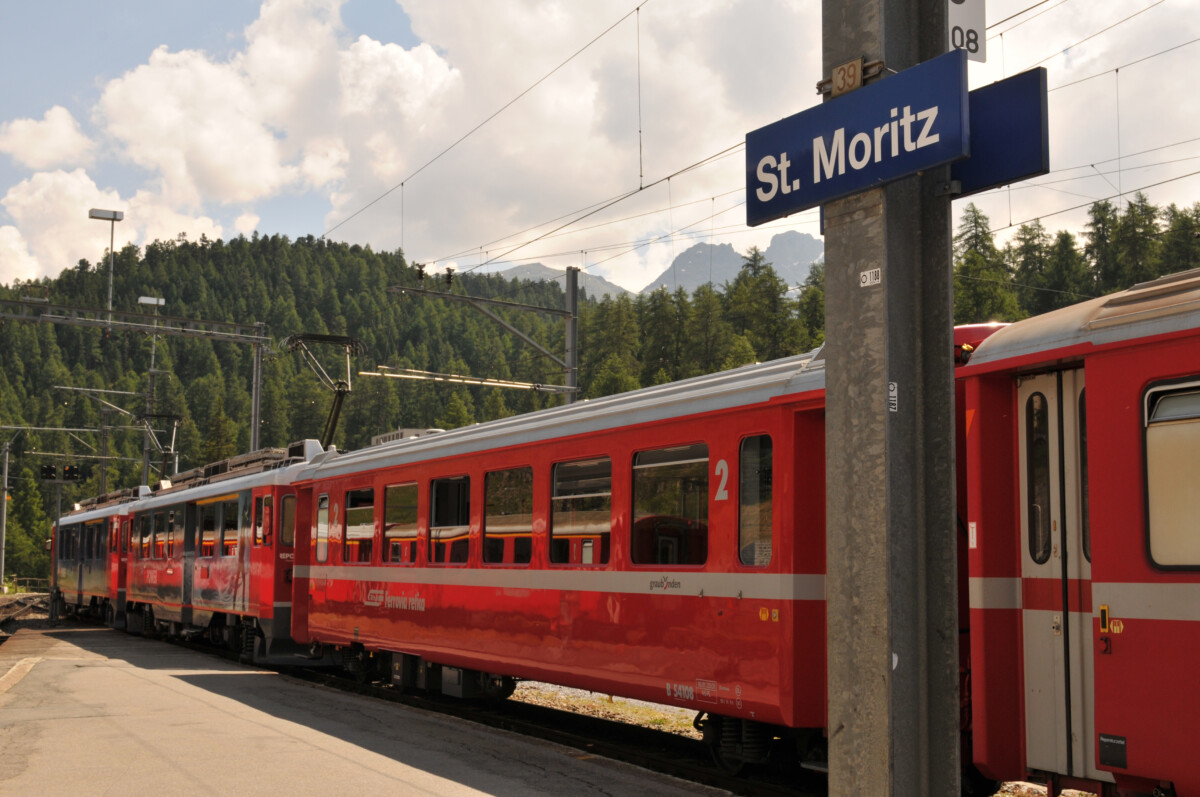
St. Moritz can be reached by train from major Swiss cities such as Zurich and Lucerne. The nearest airport is in Samedan, just a few kilometers away, with connections to larger airports. Alternatively, visitors can drive through scenic mountain roads to reach this alpine paradise.
Worth booking ahead in St. Moritz
Hand-picked from the operators our guides already send readers to. Prices and availability are live on the partner site.
BrowseViator
Tours and tickets in St. Moritz on Viator (opens Viator in a new tab)
Viator's full list of bookable tours and tickets in St. Moritz.
BrowseGetYourGuide
Experiences in St. Moritz on GetYourGuide (opens GetYourGuide in a new tab)
Everything GetYourGuide sells in St. Moritz, with the cancellation terms on each listing.
Where to stayBooking.com
Stays in St. Moritz (opens Booking.com in a new tab)
Live rates and availability for St. Moritz on Booking.com; filter by neighbourhood once you know where your days start.
We earn a commission if you book through these links, at no extra cost to you. It is how we keep the guides free and independent.
Where to stay
Badrutt's Palace Hotel
Via Serlas 27, 7500 St. Moritz, Switzerland
Legendary five-star hotel since 1896 with panoramic Engadin Alps and lake views, six restaurants, an indoor pool, and storied winter-sport heritage.
Grand Hotel des Bains Kempinski
Via Veglia 18, 7500 St. Moritz, Switzerland
Magnificent five-star hotel with plush rooms, a Michelin-starred restaurant, spa, and convenient ski-to-door access in winter.
Carlton Hotel St. Moritz
Via Maistra 3, 7500 St. Moritz, Switzerland
Historic grand hotel with an award-winning spa, Michelin-starred restaurant, and direct views over Lake St. Moritz since 1912.
Editor-curated stays carried over from our original guide. Where we have reviewed the hotel, the card links to the review.
Tips from the field
Highlights
- Lake St. Moritz
- Segantini Museum
- Olympia Bob Run
- Chesa Futura building
Best activities
- Skiing and snowboarding in winter
- Hiking and mountain biking in summer
- Visiting the Segantini Museum
- Taking a ride on the Olympia Bob Run
Practical tips
- Use public transportation for ease of movement
- Book accommodations well in advance, especially during peak seasons
- Bring warm clothing even in summer as mountain temperatures can drop
Keeping it authentic
- Visit the Engadiner Museum for an immersive local cultural experience
- Explore the Forum Paracelsus to learn about the town's spa history
Culture, customs and safety
Cultural heritage
St. Moritz epitomizes Alpine luxury through pioneering winter tourism, hosting two Winter Olympics while maintaining Engadin valley traditions and Rätoromanisch culture. The resort invented winter tourism in 1864 with first luxury hotels and Cresta Run bobsled track. Traditional Engadin houses feature sgraffito decoration scratched into plaster. The valley maintains Rätoromanisch language as Switzerland fourth national tongue. Champagne climate provides 322 sunny days attracting international elite. The town balances exclusive reputation with authentic Alpine culture through traditional festivals and local customs.
Local customs & etiquette
- Dress elegantly, especially in dining establishments and social events
- Be punctual, as timeliness is valued in Swiss culture
- Respect nature and the environment during outdoor activities
- Engage with locals in a friendly manner, using basic German phrases if possible
Season
Activities