Matterhorn’s iconic 4,478-meter pyramid dominating car-free Zermatt village, accessible via Klein Matterhorn cable car—Europe’s highest summit served by cable car reaching 3,089-meter viewing platform with unobstructed Alpine panoramas. Jungfraujoch’s “Top of Europe” railway station (3,454m) reached via historic Jungfraubahn (1912) and new Eiger Express tricable gondola from Grindelwald Terminal in 45 minutes, offering jaw-dropping Aletsch Glacier views—the Alps’ longest 20-kilometer ice river snaking through Valais-Bern cantons. Mountain railway engineering marvels including Europe’s highest cogwheel railway, seven-kilometer tunnels with mid-tunnel glacier viewing windows, and 62,000-kilometer well-maintained trail networks (23,000 in mountainous areas) connecting world-class 4,000-meter alpinist summits. Car-free villages like Riederalp and Bettmeralp accessible only via public transport combinations: rail, bus, funicular, cable car systems ensuring every mountain community remains reachable. World-class winter sports facilities in Valais, Bernese Oberland, Graubünden complemented by summer hiking across great north faces (Eiger, Matterhorn, Piz Badile) attracting global alpinists. Swiss engineering precision enabling sustainable alpine tourism where historic railways meet contemporary environmental consciousness across Europe’s most spectacular mountain playground.
The destination guide
Swiss Alps
Region in Switzerland, EuropeUpdated
- Overall6/10
- Best forCouples, Adventure seekers, Luxury travelers
- PeakJan, Feb, Jul, Aug
- CurrencyCHF
The Swiss Alps put the Matterhorn, Jungfrau, and the Glacier Express route into a country smaller than West Virginia — every train ride is a scenic one.
Travel guides for Swiss Alps
More guides featuring Swiss Alps (4)
At a glance
- German
- French
- Italian
- Romansh
- Alpine peaks
- Glacier terrain
- Mountain villages
- Scenic train routes
- Winter sports and skiing
- Alpine hiking and mountaineering
- Scenic train journeys
- Swiss culture and history
How Swiss Alps scores
Character
Editorial scores on a 10-point scale, weighed against destinations of the same kind.
Travel safety snapshot
SafePlace indicators use their source 100-point scale; higher is more favourable. Planning context, not a live travel advisory — check official government guidance before you go.
When to go
Best months to visit: January, February, March, May, June, July, August, September, October and December.
- January: -10.9 to -2.1 degrees Celsius, 4.3 millimetres of rain, best-time score 5 out of 5.
- February: -9.3 to 0.3 degrees Celsius, 27.5 millimetres of rain, best-time score 5 out of 5.
- March: -6.3 to 2.3 degrees Celsius, 47.5 millimetres of rain, best-time score 4 out of 5.
- April: -1.8 to 6.4 degrees Celsius, 30.5 millimetres of rain, best-time score 3 out of 5.
- May: 0.3 to 8.1 degrees Celsius, 124.1 millimetres of rain, best-time score 4 out of 5.
- June: 6.9 to 14.9 degrees Celsius, 94.9 millimetres of rain, best-time score 5 out of 5.
- July: 8.1 to 17.9 degrees Celsius, 56.7 millimetres of rain, best-time score 5 out of 5.
- August: 8.2 to 18 degrees Celsius, 89.7 millimetres of rain, best-time score 5 out of 5.
- September: 5.9 to 14.4 degrees Celsius, 84.9 millimetres of rain, best-time score 5 out of 5.
- October: -0.9 to 7.3 degrees Celsius, 106.3 millimetres of rain, best-time score 4 out of 5.
- November: -3.5 to 2.5 degrees Celsius, 138.5 millimetres of rain, best-time score 3 out of 5.
- December: -9.9 to -2.2 degrees Celsius, 16.8 millimetres of rain, best-time score 5 out of 5.
Month-by-month conditions and packing advice
- January
- Cold weather, mostly dry January in Swiss Alps: the region is strongest for either ski season or summer hiking, lakes, lifts, and panoramic rail journeys. Crowds: Peak tourist season with excellent conditions for winter sports including skiing, snowboarding, and snowshoeing. Hotel rates and crowd levels are highest during this period. UV levels remain low despite cooler temperatures. Pack: Warm winter jacket for temperature variation; Insulated gloves and thermal socks for cold weather; Waterproof ski pants and boots for snow activities; Wide-brimmed hat and UV-blocking sunglasses; Light scarf and buff for wind protection; Breathable, moisture-wicking base layers
- February
- Cold weather, some rain February in Swiss Alps: the region is strongest for either ski season or summer hiking, lakes, lifts, and panoramic rail journeys. Crowds: February marks the peak of winter tourism in the Swiss Alps, with excellent conditions for winter sports enthusiasts. The region is bustling with activity, from skiing and snowboarding to snowshoeing and ice climbing. Hotel rates and crowd levels are at their highest, with tourists eager to experience the winter wonderland. Despite the cold, the high altitude offers a refreshing escape from the heat, with clear skies enhancing visibility for outdoor activities. Visitors should plan for potential weather disruptions, such as sudden snowstorms, and consider booking accommodations in advance to secure the best rates. Pack: Insulated winter jacket for temperature variation; Waterproof hiking boots for snow and ice; Thermal base layers for warmth; Wide-brimmed hat and thermal gloves; Waterproof backpack for wet conditions; Thermal socks for cold feet
- March
- Cold weather, some rain March in Swiss Alps: shoulder months can be scenic if trail, lift, snow, and hotel operations match your plans. Crowds: January marks the peak of winter tourism in the Swiss Alps, attracting adventure seekers and nature lovers. The cold temperatures and frequent rain create a unique challenge for outdoor activities, but also offer a peaceful retreat from the bustling summer crowds. Visitors should prepare for unpredictable weather, with temperatures often fluctuating between -2.125°C (-1.805°F) and 2.3125°C (36.195°F). While ski resorts are bustling with activity, hiking trails may be less crowded, providing a more intimate experience. Travelers should pack warm, waterproof clothing, sturdy hiking boots, and layers to adapt to changing conditions. Pack: Warm, insulated winter jacket; Waterproof hiking boots; Thermal base layers; Waterproof gloves and hat; Gaiters for snow and mud; Compact, waterproof backpack
- April
- Cold weather, some rain April in Swiss Alps: transition-season closures and unstable weather can limit high-alpine access. Crowds: January marks the peak of winter tourism in the Swiss Alps, attracting adventure seekers and nature lovers. The cold weather is ideal for skiing, snowboarding, and snowshoeing, with numerous slopes catering to all skill levels. The region's popularity results in bustling ski resorts and crowded lifts, but the stunning winter scenery makes it worthwhile. Accommodation prices and lift tickets can be high during this season, so early booking is recommended. Visitors should dress warmly in layers, waterproof gear, and sturdy boots, and be prepared for sudden weather changes. Pack: Insulated winter jacket; Thermal base layers; Waterproof snow boots; Gaiters for snow protection; Wide-brimmed hat and thermal gloves; Waterproof backpack for excursions
- May
- Cold weather, some rain May in Swiss Alps: shoulder months can be scenic if trail, lift, snow, and hotel operations match your plans. Crowds: February marks the peak of winter tourism in the Swiss Alps, with excellent conditions for skiing, snowboarding, and snowshoeing. The region sees a significant influx of visitors, leading to crowded slopes and higher accommodation rates. Despite the cold, the clear skies and crisp air make for an invigorating experience. Visitors should prepare for potential weather changes and pack accordingly. Pack: Warm winter jacket for temperature variation; Insulated gloves and hat for cold weather; Waterproof boots for snowy trails; Thermal base layers for warmth; Goggles for snow visibility; Waterproof backpack for wet conditions
- June
- Cool weather, some rain June in Swiss Alps: the region is strongest for either ski season or summer hiking, lakes, lifts, and panoramic rail journeys. Crowds: June marks the beginning of the summer season in the Swiss Alps, attracting a surge in tourists eager to experience the region's stunning landscapes. Average temperatures range from a cool 6°C to a warm 14.875°C, making it perfect for hiking, mountain biking, and exploring alpine villages. Crowds are expected to peak, with popular trails and accommodations experiencing higher demand. While the weather is generally favorable, visitors should prepare for occasional rain showers, which can enhance the scenic beauty. Pack: Lightweight rain jacket for unpredictable weather; Quick-dry hiking pants; Breathable moisture-wicking shirts; Sturdy hiking boots; Wide-brimmed hat and UV-protective sunglasses; Layered clothing for temperature fluctuations
- July
- Cool weather, some rain July in Swiss Alps: the region is strongest for either ski season or summer hiking, lakes, lifts, and panoramic rail journeys. Crowds: Peak tourist season with excellent conditions for hiking, mountain biking, and cultural exploration. Hotel rates and crowd levels are highest during this period. UV levels remain high despite cooler temperatures. Pack: Lightweight layers for temperature variation; Comfortable hiking boots for mountain trails; Waterproof jacket for rain showers; Wide-brimmed hat and SPF 50+ sunscreen; Light scarf for air-conditioned spaces; Breathable, moisture-wicking fabrics
- August
- Cool weather, some rain August in Swiss Alps: the region is strongest for either ski season or summer hiking, lakes, lifts, and panoramic rail journeys. Crowds: Peak tourist season with excellent conditions for hiking, mountain biking, and cultural exploration. Hotel rates and crowd levels are highest during this period. UV levels remain high despite cooler temperatures. Pack: Lightweight layers for temperature variation; Waterproof jacket for rain protection; Comfortable hiking boots; Wide-brimmed hat and SPF 50+ sunscreen; Light cardigan for air-conditioned spaces; Modest clothing for cultural sites and religious sites
- September
- Cool weather, some rain September in Swiss Alps: the region is strongest for either ski season or summer hiking, lakes, lifts, and panoramic rail journeys. Crowds: Peak tourist season with excellent conditions for winter sports, hiking, and cultural site visits. Hotel rates and crowd levels are highest during this period. UV levels remain high despite cooler temperatures. Pack: Warm waterproof jacket for snow and rain; Insulated hiking boots for winter sports; Layered clothing for temperature variation; Wide-brimmed hat and SPF 50+ sunscreen; Thermal socks for cold conditions; Waterproof backpack for outdoor activities
- October
- Cold weather, some rain October in Swiss Alps: shoulder months can be scenic if trail, lift, snow, and hotel operations match your plans. Crowds: Peak tourist season with excellent conditions for winter sports including skiing, snowboarding, and snowshoeing. Hotel rates and crowd levels are highest during this period. UV levels remain low despite cooler temperatures. Pack: Warm winter clothing for temperature variation; Insulated gloves and thermal layers; Waterproof boots for snowy conditions; Wide-brimmed hat and SPF 30+ sunscreen; Light scarf and thermal neck gaiter; Waterproof jacket for snow
- November
- Cold weather, heavy rain November in Swiss Alps: transition-season closures and unstable weather can limit high-alpine access. Crowds: Winter months are less crowded, with lower hotel rates and more affordable travel options. However, the cold and wet conditions can deter some visitors, especially those seeking warmer climates. Snow-covered trails and winter sports activities are popular, but caution is advised due to slippery roads and reduced visibility. Visitors should plan for indoor activities and warm clothing, and consider booking accommodations with heating facilities. Pack: Warm winter coat for temperature variation; Insulated hiking boots for slippery trails; Waterproof jacket and gloves for rain protection; Thermal layers for warmth; Scarf and hat for cold weather; Waterproof backpack for wet conditions
- December
- Cold weather, mostly dry December in Swiss Alps: the region is strongest for either ski season or summer hiking, lakes, lifts, and panoramic rail journeys. Crowds: Peak tourist season with excellent conditions for winter sports including skiing, snowboarding, and snowshoeing. Hotel rates and crowd levels are highest during this period. UV levels remain low despite colder temperatures. Pack: Warm winter jacket for temperature variation; Insulated gloves and thermal socks for cold weather; Waterproof boots for snowy conditions; Thermal base layers for warmth; Beanie and scarf for cold exposure; Waterproof backpack for outdoor activities
- December
- January
- February
- July
- August
- April
- May
- October
- November
- March
- June
- September
Know before you go
Neighbourhoods
Zermatt at the base of the Matterhorn is a car-free village with luxury chalets and 360 km of ski runs. Grindelwald faces the north face of the Eiger and serves as a base for the Jungfraujoch railway. Interlaken is the adventure-sports capital between Lake Thun and Lake Brienz. Lucerne sits on Lake Lucerne with a preserved medieval centre and a steamship pier. Davos and St. Moritz in the Engadin are renowned for winter sports and year-round alpine luxury.
Best time to visit
The best time to visit the Swiss Alps is during the winter (December to March) for skiing and snowboarding, and in the summer (June to September) for hiking and outdoor activities. Each season offers unique experiences, from winter sports to vibrant wildflower meadows in summer.
Getting there and around
Getting there
Fly into Zurich Airport (ZRH), Geneva Airport (GVA), or Basel-Mulhouse (BSL). All airports connect to the rail network. Zurich to Zermatt takes 3.5 hours by train; Geneva to Chamonix/Mont Blanc takes 2 hours. TGV Lyria trains from Paris reach Geneva in 3 hours and Zurich in 4 hours. Flixbus and EC trains connect from Germany, Austria, and Italy.
Getting around
Switzerland’s rail network is the densest in Europe. The Swiss Travel Pass covers trains, buses, boats, and discounted mountain railways. Iconic scenic trains include the Glacier Express (Zermatt-St. Moritz, 8 hours), Bernina Express (Chur-Tirano, 4 hours, UNESCO route), and GoldenPass Line (Lucerne-Montreux). PostBus yellow coaches serve remote valleys. Cable cars, funiculars, and cog railways climb to summits. Cars are allowed but unnecessary; Zermatt and Wengen are car-free.
Top experiences in Swiss Alps
The Matterhorn & Zermatt
The Matterhorn (4,478 m) is the most recognisable mountain in the world—a near-perfect pyramid of rock that straddles the Swiss-Italian border. Zermatt, the car-free village at its base, offers year-round skiing on the Theodul Glacier, the Gornergrat cog railway (reaching 3,089 m), and the Matterhorn Glacier Paradise cable car (3,883 m—Europe’s highest cable car station). The Hornli Ridge is the standard climbing route, first ascended in 1865.
Jungfraujoch (Top of Europe)
A railway station and observation complex at 3,454 m in the Bernese Oberland, billed as the Top of Europe. The Jungfrau Railway climbs from Kleine Scheidegg through a tunnel bored through the Eiger and Monch to emerge at a complex featuring the Aletsch Glacier viewpoint (the longest glacier in the Alps, 23 km), an ice palace, a snow-fun park, and a Lindt chocolate shop. The journey from Interlaken takes about 2.5 hours each way.
Lake Lucerne & Rigi/Pilatus
A fjord-like lake surrounded by mountains and served by vintage paddlewheel steamships. Mount Rigi (1,798 m), the ‘Queen of the Mountains,’ is reached by Europe’s first mountain railway (1871). Mount Pilatus (2,128 m) is accessed by the world’s steepest cogwheel railway (48% gradient) from Alpnachstad. The Golden Round Trip combines the steamship, the Pilatus cogwheel railway, an aerial cable car, and a bus for a loop from Lucerne.
Glacier Express & Bernina Express
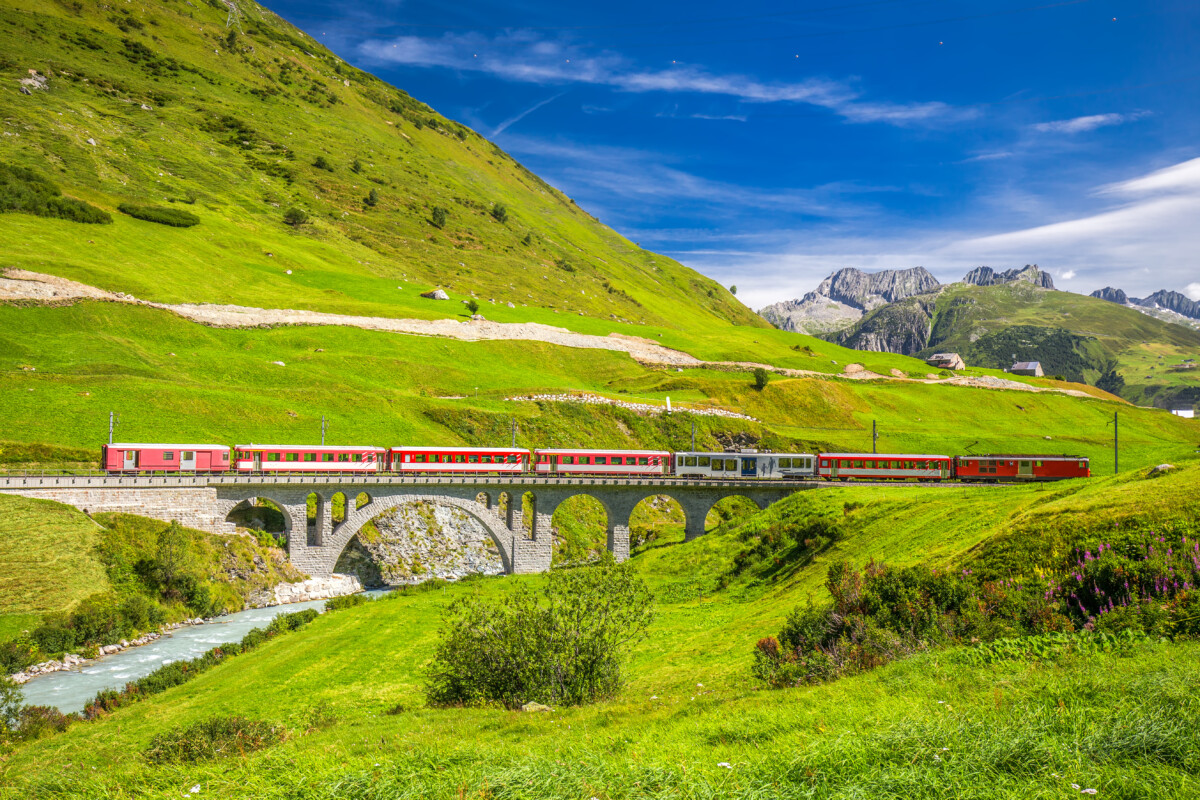
Two legendary scenic train journeys. The Glacier Express covers 291 km between Zermatt and St. Moritz in 8 hours, crossing 291 bridges and 91 tunnels through alpine valleys, gorges, and the Oberalp Pass (2,033 m). The Bernina Express runs from Chur to Tirano (Italy) over the Bernina Pass (2,253 m), a UNESCO World Heritage route. Both trains feature panoramic windows and on-board dining.
Interlaken & Adventure Sports
A resort town between Lake Thun and Lake Brienz, Interlaken is Switzerland’s outdoor capital. Activities include paragliding above the Jungfrau range, canyoning in the Saxeten Gorge, bungee jumping from the Stockhorn (134 m), skydiving with views of the Eiger, and rafting on the Lutschine River. In winter, the Jungfrau ski region (Grindelwald-Wengen-Murren) offers 206 km of pistes. The Hoheweg promenade has direct views of the Jungfrau glacier.
Editor-curated picks carried over from our original guide. Where a full place guide exists, the card links to it.
Worth booking ahead in Swiss Alps
Hand-picked from the operators our guides already send readers to. Prices and availability are live on the partner site.
BrowseViator
Tours and tickets in Swiss Alps on Viator (opens Viator in a new tab)
Viator's full list of bookable tours and tickets in Swiss Alps.
BrowseGetYourGuide
Experiences in Swiss Alps on GetYourGuide (opens GetYourGuide in a new tab)
Everything GetYourGuide sells in Swiss Alps, with the cancellation terms on each listing.
Where to stayBooking.com
Stays in Swiss Alps (opens Booking.com in a new tab)
Live rates and availability for Swiss Alps on Booking.com; filter by neighbourhood once you know where your days start.
We earn a commission if you book through these links, at no extra cost to you. It is how we keep the guides free and independent.
Where to stay
The Alpina Gstaad
Dorfstrasse 46, 3792 Saanen, Switzerland
Five-star luxury resort in Gstaad with a renowned spa, indoor pool, Michelin-starred dining, and panoramic alpine views.
Belvedere Swiss Quality Hotel
Dorf 35, 3818 Grindelwald, Switzerland
Elegant mountain hotel at the foot of the Eiger with an indoor pool, spa, fine dining, and sweeping views of Grindelwald’s dramatic peaks.
Grand Hotel Zermatterhof
Kirchstrasse 18, 3920 Zermatt, Switzerland
Historic five-star grand hotel in the heart of Zermatt with elegant rooms, a spa, heated outdoor pool, and uninterrupted views of the Matterhorn.
Editor-curated stays carried over from our original guide. Where we have reviewed the hotel, the card links to the review.
Tips from the field
Highlights
- Matterhorn peak near Zermatt
- Jungfrau-Aletsch-Bietschhorn UNESCO World Heritage Site
- Triftbrücke suspension bridge
- Jungfraujoch Sphinx Observatory
Best activities
- Skiing and snowboarding in world-class resorts
- Hiking and mountaineering, especially around the Matterhorn
- Taking scenic train rides like the Jungfraujoch railway
- Visiting historic castles like Chillon Castle
Practical tips
- Purchase a Swiss Travel Pass for unlimited public transport
- Learn basic German, French, or Italian phrases
- Book accommodations well in advance, especially during peak seasons
- Carry cash as some mountain huts and small shops may not accept cards
Keeping it authentic
- Visit traditional alpine villages like Zermatt for authentic Swiss culture
- Try local Swiss cuisine in family-run mountain restaurants
Culture, customs and safety
Cultural heritage
Swiss Alps preserve traditional mountain culture through alpine farming, distinctive architecture, and multilingual communities maintaining authentic Swiss identity. Wooden chalets with carved details and geranium-filled balconies dot mountain slopes. Transhumance traditions move cattle to high pastures producing authentic Alpine cheeses. Mountain villages maintain Rätoromanisch, German, French, or Italian dialects. Traditional festivals celebrate harvest, religious occasions, and seasonal changes. The Alps balance tourism with cultural preservation through sustainable practices, traditional crafts, and community cohesion creating iconic mountain heritage.
Local customs & etiquette
- Be on time for appointments and reservations
- Respect local customs and traditions
- Tip service staff, although it is not obligatory, rounding up the bill is appreciated
- Engage with locals in a friendly manner while respecting their space