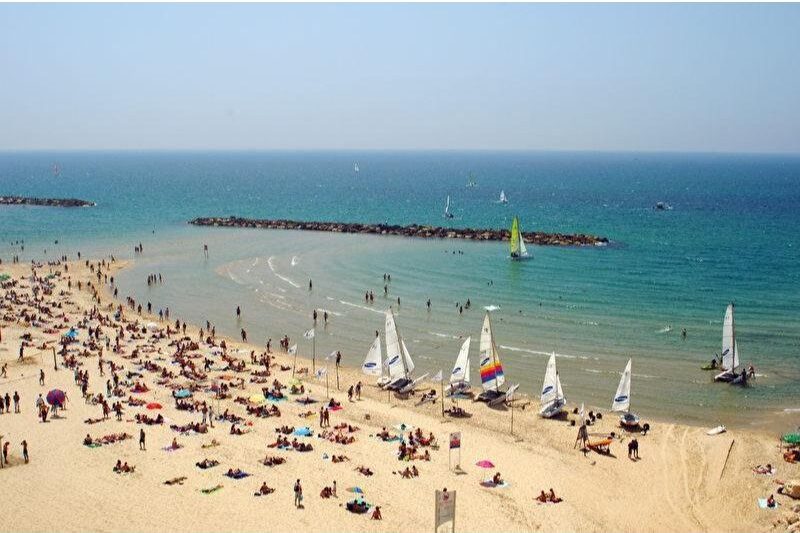
Tel Aviv, Israel’s Mediterranean metropolis, embodies a remarkable contrast to ancient Jerusalem just 60 kilometers away, offering a secular, hedonistic counterpoint to the Holy City’s religious gravity. Founded in 1909 as a garden suburb of ancient Jaffa, this young city has evolved into Israel’s economic engine, cultural trendsetter, and technological hub—earning nicknames like “The Bubble” for its distinct liberal atmosphere and “Silicon Wadi” for its concentration of startups and innovation. The city’s architectural landscape juxtaposes the world’s largest collection of Bauhaus and International Style buildings in the “White City” UNESCO World Heritage district against ultra-modern skyscrapers and renovated Ottoman-era structures, all within walking distance of a 14-kilometer stretch of golden sand beaches that define the city’s leisure-loving character. Tel Aviv pulses with around-the-clock energy through its world-renowned culinary scene blending Middle Eastern, North African, and European influences; its legendary nightlife spanning rooftop lounges, basement techno clubs, and beachfront bars; and cultural institutions like the Tel Aviv Museum of Art, Habima National Theater, and the Israeli Opera. The city’s progressive values are evident in its LGBTQ+ acceptance (hosting the Middle East’s largest Pride parade), environmental initiatives including extensive bicycle infrastructure, and its status as a vegan capital with one of the world’s highest percentages of plant-based restaurants. Despite its location in a geopolitically complex region, Tel Aviv maintains an optimistic, forward-looking atmosphere where diverse communities from secular Jews to Arab citizens, international expatriates, and migrant workers coexist in a Mediterranean urban experiment that continues to reinvent itself while embracing life’s pleasures against a backdrop of blue skies and sea breezes.
The destination guide
Tel Aviv

City in AsiaUpdated
- Overall5/10
- Best forLuxury travelers
- PeakApr, May, Jul, Aug
- CurrencyILS
Tel Aviv has Bauhaus architecture in the White City, a Mediterranean beach strip, and a nightlife that starts after midnight — Israel’s modern, secular counterweight to Jerusalem.
At a glance
- Hebrew
- Arabic
- Mediterranean coast
- Urban cityscape
- Bauhaus architecture
- Sandy beaches
How Tel Aviv scores
Character
Editorial scores on a 10-point scale, weighed against destinations of the same kind.
Travel safety snapshot
SafePlace indicators use their source 100-point scale; higher is more favourable. Planning context, not a live travel advisory — check official government guidance before you go.
When to go
Best months to visit: February, March, April, May, June, September, October, November and December.
- January: 10.9 to 16.9 degrees Celsius, 17.9 millimetres of rain, best-time score 3 out of 5.
- February: 11.7 to 18.4 degrees Celsius, 15.4 millimetres of rain, best-time score 4 out of 5.
- March: 12.2 to 19.4 degrees Celsius, 13 millimetres of rain, best-time score 5 out of 5.
- April: 14.4 to 24.6 degrees Celsius, 1.6 millimetres of rain, best-time score 5 out of 5.
- May: 18.6 to 27.9 degrees Celsius, 2.7 millimetres of rain, best-time score 5 out of 5.
- June: 21.1 to 29.2 degrees Celsius, best-time score 4 out of 5.
- July: 23.2 to 31.6 degrees Celsius, 0.2 millimetres of rain, best-time score 3 out of 5.
- August: 23.7 to 32 degrees Celsius, best-time score 3 out of 5.
- September: 22.4 to 30.4 degrees Celsius, 0.5 millimetres of rain, best-time score 5 out of 5.
- October: 21.1 to 28.9 degrees Celsius, 3.5 millimetres of rain, best-time score 5 out of 5.
- November: 17.3 to 24.4 degrees Celsius, 12.1 millimetres of rain, best-time score 5 out of 5.
- December: 12.2 to 19.1 degrees Celsius, 5.2 millimetres of rain, best-time score 4 out of 5.
Month-by-month conditions and packing advice
- January
- Cool weather, mostly dry January in Tel Aviv: winter rain or summer heat and crowds reduce the balance. Crowds: Peak tourist season with excellent conditions for cultural exploration, beach visits, and city tours. Hotel rates and crowd levels are highest during this period. Despite cooler temperatures, UV levels remain high, necessitating sunscreen use. Ideal weather for outdoor activities and cultural experiences. Pack: Lightweight layers for temperature variation; Comfortable walking shoes for city exploration; Broad-brimmed hat and SPF 50+ sunscreen; Light cardigan for air-conditioned spaces; Modest clothing for cultural sites and mosques; Breathable cotton/linen fabrics
- February
- Warm and pleasant, mostly dry February in Tel Aviv: conditions can still be useful with cooler winter or early summer tradeoffs. Crowds: Peak tourist season with excellent conditions for all outdoor activities including beach visits, cultural site exploration, and city walking tours. Hotel rates and crowd levels are highest during this period. UV levels remain high despite cooler temperatures. Pack: Lightweight layers for temperature variation; Comfortable walking shoes for city exploration; Broad-brimmed hat and SPF 50+ sunscreen; Light cardigan for air-conditioned spaces; Modest clothing for cultural sites and mosques; Breathable cotton/linen fabrics
- March
- Warm and pleasant, mostly dry March in Tel Aviv: beaches, markets, Bauhaus walks, food, nightlife, and regional day trips are most comfortable in shoulder weather. Crowds: March marks the beginning of peak tourist season with excellent conditions for outdoor activities such as beach visits, cultural tours, and city explorations. Hotel rates and crowd levels are moderate, with high UV levels due to the sunny weather. Ideal for activities like hiking in nearby parks and enjoying local cuisine at outdoor cafes. Pack: Lightweight layers for temperature variation; Comfortable walking shoes for city exploration; Broad-brimmed hat and SPF 50+ sunscreen; Light cardigan for air-conditioned spaces; Modest clothing for cultural sites and mosques; Breathable cotton/linen fabrics
- April
- Warm and pleasant, mostly dry April in Tel Aviv: beaches, markets, Bauhaus walks, food, nightlife, and regional day trips are most comfortable in shoulder weather. Crowds: Peak tourist season with excellent conditions for all outdoor activities including beach visits, cultural site exploration, and city walking tours. Hotel rates and crowd levels are highest during this period. UV levels remain high despite cooler temperatures. Pack: Lightweight layers for temperature variation; Comfortable walking shoes for city exploration; Broad-brimmed hat and SPF 50+ sunscreen; Light cardigan for air-conditioned spaces; Modest clothing for cultural sites and mosques; Breathable cotton/linen fabrics
- May
- Warm and pleasant, mostly dry May in Tel Aviv: beaches, markets, Bauhaus walks, food, nightlife, and regional day trips are most comfortable in shoulder weather. Crowds: Peak tourist season with excellent conditions for all outdoor activities including beach visits, cultural site exploration, and city walking tours. Hotel rates and crowd levels are highest during this period. UV levels remain high despite warmer temperatures. Pack: Lightweight layers for temperature variation; Comfortable walking shoes for city exploration; Broad-brimmed hat and SPF 50+ sunscreen; Light cardigan for air-conditioned spaces; Modest clothing for cultural sites and mosques; Breathable cotton/linen fabrics
- June
- Hot and sunny, mostly dry June in Tel Aviv: conditions can still be useful with cooler winter or early summer tradeoffs. Crowds: June marks the peak tourist season in Tel Aviv, with excellent weather conditions for a variety of activities including beach outings, cultural tours, and city explorations. Hotel rates and crowd levels are at their highest, with high UV levels necessitating sunscreen use. Ideal for beach activities, cultural site visits, and city tours, June offers a vibrant atmosphere with plenty of opportunities to experience the local culture. Pack: Lightweight, breathable clothing for beach activities; Sunscreen with SPF 50+; Wide-brimmed hat and sunglasses; Light jacket for cooler evenings; Comfortable walking shoes for exploring; Modest attire for visiting religious sites
- July
- Hot and sunny, mostly dry July in Tel Aviv: winter rain or summer heat and crowds reduce the balance. Crowds: July marks peak tourist season in Tel Aviv, with excellent weather conditions for beach outings, water sports, and cultural tours. The city's attractions are bustling with visitors, leading to higher hotel rates and crowded public spaces. Despite the heat, the dry weather ensures comfortable outdoor activities. Visitors should prepare for peak crowds and consider booking popular attractions in advance. Pack: Lightweight, breathable clothing for sun protection; Swimwear for beach activities; Sun hat and UV-blocking sunglasses; Light jacket for cooler evenings; Comfortable walking shoes for exploring; Light scarf or shawl for cultural sites
- August
- Hot and sunny, mostly dry August in Tel Aviv: winter rain or summer heat and crowds reduce the balance. Crowds: Peak tourist season in Tel Aviv spans from June to September, with excellent weather conditions for a variety of activities. Visitors can enjoy beach outings, water sports, and cultural explorations without the risk of rain. Hotel rates and crowd levels are at their highest during this period, so early booking is recommended. Despite the warm temperatures, UV levels remain high, necessitating the use of sunscreen and protective clothing. The city's vibrant nightlife and cultural events are best experienced during these months. Pack: Lightweight, breathable clothing for beach activities; Sunscreen with high SPF; Wide-brimmed hat and sunglasses; Swimwear for beach visits; Light jacket for cooler evenings; Comfortable walking shoes for city tours
- September
- Hot and sunny, mostly dry September in Tel Aviv: beaches, markets, Bauhaus walks, food, nightlife, and regional day trips are most comfortable in shoulder weather. Crowds: Peak tourist season with excellent conditions for all outdoor activities including beach visits, cultural site exploration, and city walking tours. Hotel rates and crowd levels are highest during this period. UV levels remain high despite cooler temperatures. Pack: Lightweight layers for temperature variation; Comfortable walking shoes for city exploration; Broad-brimmed hat and SPF 50+ sunscreen; Light cardigan for air-conditioned spaces; Modest clothing for cultural sites and mosques; Breathable cotton/linen fabrics
- October
- Hot and sunny, mostly dry October in Tel Aviv: beaches, markets, Bauhaus walks, food, nightlife, and regional day trips are most comfortable in shoulder weather. Crowds: Peak tourist season with excellent conditions for all outdoor activities including beach visits, cultural site exploration, and city walking tours. Hotel rates and crowd levels are highest during this period. UV levels remain high despite cooler temperatures. Pack: Lightweight layers for temperature variation; Comfortable walking shoes for city exploration; Broad-brimmed hat and SPF 50+ sunscreen; Light cardigan for air-conditioned spaces; Modest clothing for cultural sites and mosques; Breathable cotton/linen fabrics
- November
- Warm and pleasant, mostly dry November in Tel Aviv: beaches, markets, Bauhaus walks, food, nightlife, and regional day trips are most comfortable in shoulder weather. Crowds: Peak tourist season with excellent conditions for all outdoor activities including beach visits, cultural site exploration, and city walking tours. Hotel rates and crowd levels are highest during this period. UV levels remain high despite cooler temperatures. Pack: Lightweight layers for temperature variation; Comfortable walking shoes for city exploration; Broad-brimmed hat and SPF 50+ sunscreen; Light cardigan for air-conditioned spaces; Modest clothing for cultural sites and mosques; Breathable cotton/linen fabrics
- December
- Warm and pleasant, mostly dry December in Tel Aviv: conditions can still be useful with cooler winter or early summer tradeoffs. Crowds: Peak tourist season with excellent conditions for all outdoor activities including beach visits, cultural site exploration, and city walking tours. Hotel rates and crowd levels are highest during this period. UV levels remain high despite cooler temperatures. Pack: Lightweight layers for temperature variation; Comfortable walking shoes for city exploration; Broad-brimmed hat and SPF 50+ sunscreen; Light cardigan for air-conditioned spaces; Modest clothing for cultural sites and mosques; Breathable cotton/linen fabrics
- July
- August
- April
- May
- September
- October
- January
- February
- November
- December
- March
Know before you go
Neighbourhoods
Neve Tzedek is the oldest neighbourhood, with restored Ottoman-era buildings, galleries, and boutique hotels. Florentin is the edgy arts quarter with street art, vintage shops, and late-night bars. Rothschild Boulevard is a tree-lined promenade flanked by Bauhaus buildings and cafes. The White City, a UNESCO-listed collection of over 4,000 Bauhaus and International Style buildings, is the world’s largest concentration of this architecture. Jaffa (Yafo) to the south is the ancient port city with a flea market, art galleries, and the Clock Tower.
Best time to visit
The best time to visit Tel Aviv is during the spring (March to May) and fall (September to November) when the weather is warm and pleasant. Summers can be hot and humid, while winters are mild and rainy, offering a different but charming experience.
Crowds
Tel Aviv is busiest May–September (beach season) and during Jewish/Israeli holidays with peak domestic travel, plus Pride Week (June); quietest in late winter (January–February) and during some summer weekdays; overall beaches and promenade become very crowded in summer and on holidays.
Getting there and around
Getting there
Fly into Ben Gurion International Airport (TLV), 20 km southeast of Tel Aviv. A train from the airport reaches four city-centre stations in 15-25 minutes (NIS 13.50). Taxis take 20-30 minutes. Direct flights connect to most European, North American, and Asian hubs. Jerusalem is 70 km east (1 hour by car or 50 minutes by train). Haifa is 100 km north by train (1 hour).
Getting around
Tel Aviv is flat and extremely bike-friendly—Tel-O-Fun bike-share has 200+ stations. The Red Line light rail opened in 2023, connecting the northern suburbs through the centre to Bat Yam. Dan and Egged buses cover the city and metropolitan area. Sherut shared taxis run fixed routes. Gett and Yango ride-hailing apps are widely used. Walking is the best way to explore the White City, Neve Tzedek, and the beach promenade. The tayelet (seafront promenade) stretches 14 km.
Top experiences in Tel Aviv
White City (Bauhaus Architecture, UNESCO)
Over 4,000 buildings in the International Style (Bauhaus, eclectic, and modernist) were constructed between the 1930s and 1950s, largely by Jewish architects who fled Nazi Germany. The clean-lined, white-walled buildings—adapted to the Mediterranean climate with balconies, rounded corners, and narrow windows—make Tel Aviv the world’s largest Bauhaus ensemble. The Bauhaus Center on Dizengoff Street offers guided walking tours and a permanent exhibition.
Old Jaffa (Yafo)
One of the world’s oldest ports, with archaeological evidence of settlement dating back 4,000 years. Today the hilltop old city is an artists’ colony with galleries filling Ottoman-era stone buildings. The flea market (Shuk HaPishpeshim) spills across surrounding streets with antiques, vintage fashion, and Middle Eastern food stalls. The port area has been redeveloped with restaurants, a fishing harbour, and views of the Tel Aviv skyline.
Carmel Market (Shuk HaCarmel)
Tel Aviv’s largest open-air market stretches along HaCarmel Street with stalls selling spices, dried fruit, halva, fresh-squeezed pomegranate juice, and street food—sabich (fried aubergine pita), falafel, and burekas. The surrounding Yemenite Quarter (Kerem HaTemanim) has old-school restaurants serving Yemenite soup and kubaneh bread. The market is busiest on Fridays before Shabbat, when locals stock up for the weekend.
Tel Aviv Beaches & Tayelet
A 14-km seafront promenade (tayelet) connects Jaffa to the northern suburbs, passing a string of sandy beaches. Gordon Beach and Frishman Beach are the busiest, with volleyball courts, bars, and equipment rental. Hilton Beach (north end) is the unofficial LGBTQ+ beach. Alma Beach near Jaffa is popular with families. Metzitzim Beach has a natural breakwater. Surfing, stand-up paddleboarding, and matkot (beach paddle ball) are Tel Aviv rituals.
Rothschild Boulevard & Independence Hall
A tree-lined boulevard with a central pedestrian path flanked by Bauhaus buildings, outdoor cafes, and street kiosks (kiosk culture is essential to Tel Aviv daily life). Independence Hall (Beit HaAtzmaut), where David Ben-Gurion declared Israeli independence in 1948, sits at number 16 and is now a museum. The southern end of the boulevard connects to Habima Theatre and the Charles Bronfman Auditorium (home of the Israel Philharmonic).
Editor-curated picks carried over from our original guide. Where a full place guide exists, the card links to it.
Worth booking ahead in Tel Aviv
Hand-picked from the operators our guides already send readers to. Prices and availability are live on the partner site.
BrowseViator
Tours and tickets in Tel Aviv on Viator (opens Viator in a new tab)
Viator's full list of bookable tours and tickets in Tel Aviv.
BrowseGetYourGuide
Experiences in Tel Aviv on GetYourGuide (opens GetYourGuide in a new tab)
Everything GetYourGuide sells in Tel Aviv, with the cancellation terms on each listing.
Where to stayBooking.com
Stays in Tel Aviv (opens Booking.com in a new tab)
Live rates and availability for Tel Aviv on Booking.com; filter by neighbourhood once you know where your days start.
We earn a commission if you book through these links, at no extra cost to you. It is how we keep the guides free and independent.
Where to stay
The Norman Tel Aviv
23-25 Nachmani St, Tel Aviv 6510404, Israel
Benchmark boutique luxury spread across two restored 1920s buildings near Rothschild Boulevard, with rooftop infinity pool and acclaimed Mediterranean restaurant.
The Setai Tel Aviv
2 Ilya Mazeh St, Jaffa, Tel Aviv, Israel
Luxury boutique hotel in historic Jaffa with bright rooms, elegant décor, and a splendid rooftop infinity pool overlooking the Mediterranean.
Hilton Tel Aviv
Independence Park, Tel Aviv 6340115, Israel
Iconic seafront hotel with full-service amenities, spacious rooms with Mediterranean views, private beach access, and a prime Independence Park location.
Editor-curated stays carried over from our original guide. Where we have reviewed the hotel, the card links to the review.
Tips from the field
Practical tips
- Currency: Israeli New Shekel (ILS). Cards widely accepted.
- Getting There: Ben Gurion Airport (TLV) is 20 km away. Train to Tel Aviv stations (25 minutes, ~20 ILS). Taxis/Gett (~150 ILS).
- Transportation: Dan buses, light rail, and Rav-Kav card. Tel-O-Fun bike-share. Walking and cycling along the tayelet (beach promenade) is easy. No public transport on Shabbat (Friday sunset to Saturday sunset) — use taxis or Gett.
- Dining: Hummus and falafel from street stalls (15-25 ILS). Shakshuka at cafés (35-55 ILS). Carmel Market for food exploration. Tel Aviv is a world-class dining city — restaurant meals 70-150 ILS.
- Free Attractions: Beach promenade, Jaffa Old City walking, Carmel Market, Rothschild Boulevard (Bauhaus architecture), Neve Tzedek strolling.
- Tipping: 10-15% at restaurants
- Electricity: 230V/50Hz, Type H/C plugs
Culture, customs and safety
Cultural heritage
Tel Aviv showcases Bauhaus architecture in the UNESCO World Heritage White City, representing 1930s modernist ideals adapted to Mediterranean climate. Over 4,000 International Style buildings create the largest concentration globally, built by German Jewish architects fleeing Europe. Neve Tzedek neighborhood preserves early 20th-century character while Jaffa maintains ancient port heritage. The city embodies secular Israeli culture through beaches, nightlife, and innovation ecosystem. Contemporary culture embraces LGBTQ+ rights, technological advancement, and Mediterranean lifestyle creating dynamic contrast to Jerusalem.
Local customs & etiquette
Tel Avivians are known for their openness and hospitality. When visiting, consider the following: Be friendly and approachable when engaging with locals Respect cultural and religious practices, especially in more traditional areas Tip service staff, as it is customary Explore local markets and support small businesses Understanding the local culture and lifestyle can greatly enhance your experience.
Safety notes
Tel Aviv is vibrant and generally safe but situational awareness is essential given the regional context.
General Safety:
• Tourist areas (beaches, Rothschild Boulevard, Jaffa, Neve Tzedek, Carmel Market) are safe and well-patrolled
• Follow local news and government travel advisories regarding the security situation
• Know the nearest shelter (miklat) — sirens indicate potential rocket threats
Security Checks:
• Bag checks at malls, hotels, and public venues are standard — cooperate calmly
• Armed soldiers and police are a normal sight
Beach Safety:
• Strong Mediterranean currents — swim near lifeguard stations
• Lifeguards operate seasonal hours
Emergency contacts:
• Police: 100
• Ambulance: 101
• Home Front Command: 104