

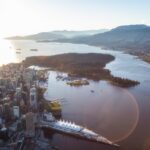
Vancouver, a stunning coastal city in British Columbia, is renowned for its breathtaking natural scenery and vibrant urban culture. Surrounded by mountains and the Pacific Ocean, it offers a variety of outdoor activities alongside a rich tapestry of arts, dining, and multicultural experiences. From the picturesque Stanley Park to the bustling Granville Island, Vancouver is a city that seamlessly blends nature with city life.
The destination guide
Vancouver

City in Canada, North AmericaUpdated
- Overall9/10
- Best forCouples, Adventure seekers
- PeakJun–Aug
- CurrencyCAD
Stanley Park is bigger than Central Park and most visitors only see the seawall. The interior trails are where Vancouver actually gets interesting.
Travel guides for Vancouver
More guides featuring Vancouver (6)
At a glance
CurrencyCAD
Time zonePacific Standard Time
Languages
- English
- French
Setting
- Pacific coast
- Mountain backdrop
- Urban waterfront
- Rainforest parks
Population662K662,248 residents
VisaDuration: Normally up to 6 months per visit · Documents: Valid U.S. passport or other accepted proof of U.S. citizenship and identity for the mode of travel
How Vancouver scores
9/10OverallExcellent
Weather9/10
Value for money7/10
Food & cuisine8/10
Culture & arts4/10
Cultural experience8/10
History6/10
Nature & outdoors10/10
Adventure4/10
Nightlife4/10
Shopping4/10
Family friendly5/10
Romance8/10
Editorial scores on a 10-point scale, weighed against destinations of the same kind.
Travel safety snapshot
Overall86/100High rating
Women travellers85/100
LGBTQ+ travellers88/100
Theft80/100
Medical care90/100
Physical harm84/100
Political freedom86/100
SafePlace indicators use their source 100-point scale; higher is more favourable. Planning context, not a live travel advisory — check official government guidance before you go.
When to go
Best months to visit: April, May, June, July, August, September and October.
- January: -0.6 to 5 degrees Celsius, 61.3 millimetres of rain, best-time score 2 out of 5.
- February: 0.3 to 5.6 degrees Celsius, 135.4 millimetres of rain, best-time score 2 out of 5.
- March: 1.4 to 7.5 degrees Celsius, 120.8 millimetres of rain, best-time score 3 out of 5.
- April: 2.6 to 10.6 degrees Celsius, 17.9 millimetres of rain, best-time score 4 out of 5.
- May: 8.3 to 16.9 degrees Celsius, 29.5 millimetres of rain, best-time score 5 out of 5.
- June: 8.1 to 15.9 degrees Celsius, 52.9 millimetres of rain, best-time score 5 out of 5.
- July: 12.3 to 21.1 degrees Celsius, 6.7 millimetres of rain, best-time score 5 out of 5.
- August: 13.4 to 22.7 degrees Celsius, 3.2 millimetres of rain, best-time score 5 out of 5.
- September: 10.4 to 18.1 degrees Celsius, 45.7 millimetres of rain, best-time score 5 out of 5.
- October: 7.4 to 13.6 degrees Celsius, 108.6 millimetres of rain, best-time score 4 out of 5.
- November: 1.7 to 7.1 degrees Celsius, 177 millimetres of rain, best-time score 3 out of 5.
- December: -0.5 to 4.3 degrees Celsius, 65.9 millimetres of rain, best-time score 2 out of 5.
Month-by-month conditions and packing advice
- January
- Cold weather, some rain January in Vancouver: winter rain makes outdoor-heavy plans less flexible. Crowds: Peak tourist season with excellent conditions for indoor activities including cultural festivals, art galleries, and historical sites. Hotel rates and crowd levels are highest during this period. While outdoor activities are limited, the city offers a variety of indoor experiences to enjoy regardless of the weather. Pack: Warm winter coat for temperature variation; Waterproof boots for rain protection; Warm scarf and gloves for chilly conditions; Comfortable indoor shoes for cultural sites; Waterproof backpack for rainy days; Layered clothing for temperature fluctuations
- February
- Cold weather, heavy rain February in Vancouver: winter rain makes outdoor-heavy plans less flexible. Crowds: February marks Vancouver's peak tourist season, with visitors drawn to the city's cultural festivals, winter sports, and scenic beauty. Hotel prices and crowd levels are high, with tourists flocking to attractions like Stanley Park, Granville Island Public Market, and the Vancouver Aquarium. Outdoor activities such as skiing and snowboarding are popular, though visitors should be prepared for wet conditions. The city's reputation for rain is tempered by its stunning natural landscapes and vibrant cultural offerings, making it a must-visit destination despite the weather. Pack: Waterproof jacket for frequent rain; Warm layers for chilly mornings and evenings; Waterproof hiking boots for exploring trails; Umbrella for unexpected showers; Thermal socks for cold feet; Waterproof backpack for wet weather
- March
- Cold weather, some rain March in Vancouver: cooler wet-season weather shifts the visit toward food, museums, and shorter walks. Crowds: March marks the beginning of peak tourist season with moderate crowd levels and comfortable weather conditions. Hotel rates and activity availability are high, with excellent conditions for hiking, cycling, and exploring local art galleries. Rainfall is moderate, but the city's infrastructure is well-prepared for wet weather, ensuring a smooth experience. Pack: Warm waterproof jacket for rain protection; Insulated layers for temperature variation; Waterproof hiking boots for outdoor activities; Umbrella for unexpected showers; Waterproof backpack for rain-soaked excursions; Comfortable, moisture-wicking clothing
- April
- Cool weather, mostly dry April in Vancouver: spring or early autumn can work well with layers and some rain planning. Crowds: April marks the beginning of Vancouver's peak tourist season, with excellent weather conditions for outdoor activities such as hiking, cycling, and exploring cultural festivals. The city's attractions are bustling with visitors, and accommodation rates and crowd levels are at their highest. Despite cooler temperatures, UV levels remain manageable, encouraging tourists to enjoy beach activities and cultural events. Pack: Lightweight layers for temperature variation; Comfortable walking shoes for city exploration; Rain jacket for occasional showers; Sunscreen for UV protection; Warm scarf and gloves for cooler mornings; Breathable fabrics for cultural sites
- May
- Cool weather, some rain May in Vancouver: parks, seawall walks, neighborhoods, beaches, mountains, whale watching, and day trips balance daylight with better weather. Crowds: May marks Vancouver's peak tourist season with excellent conditions for outdoor activities such as hiking, cycling, and exploring the city's numerous parks and gardens. Hotel rates and crowd levels are highest during this period. Despite cooler temperatures, UV levels remain moderate, encouraging visitors to wear sunscreen and protective clothing. Pack: Lightweight layers for temperature variation; Waterproof jacket for rain protection; Comfortable walking shoes for city exploration; Hat and sunglasses for sun protection; Light cardigan for air-conditioned spaces; Breathable cotton/linen fabrics
- June
- Cool weather, some rain June in Vancouver: parks, seawall walks, neighborhoods, beaches, mountains, whale watching, and day trips balance daylight with better weather. Crowds: June marks Vancouver's peak tourist season, with excellent weather conditions for outdoor activities such as hiking, cycling, and exploring the city's numerous cultural festivals. The weather is generally mild, with average highs around 62°F (17°C) and lows around 54°F (12°C). Crowds are high, especially during weekends and major events, which can affect popular attractions. Hotel rates and activity prices tend to rise during this period. Pack: Lightweight layers for temperature variation; Waterproof jacket for rain showers; Comfortable walking shoes for exploring; Hat and sunglasses for sun protection; Light scarf for cooler evenings; Breathable fabrics for comfort
- July
- Warm and pleasant, mostly dry July in Vancouver: parks, seawall walks, neighborhoods, beaches, mountains, whale watching, and day trips balance daylight with better weather. Crowds: January in Vancouver is a prime time for tourists, with favorable weather for outdoor activities such as hiking, skiing, and exploring the city's cultural sites. The average temperature of 16.875°C during the day is perfect for sightseeing, while the cooler evenings offer a cozy atmosphere. Crowds are moderate, with peak tourist activity during weekends and public holidays. Accommodation prices are generally high due to the peak season, so booking in advance is recommended. Visitors should be prepared for occasional rain showers, especially in the afternoon. Pack: Lightweight layers for temperature variation; Waterproof jacket for rain showers; Comfortable hiking boots for exploring trails; Warm scarf and gloves for cooler evenings; Sunglasses for sunny days; Breathable, moisture-wicking fabrics
- August
- Warm and pleasant, mostly dry August in Vancouver: parks, seawall walks, neighborhoods, beaches, mountains, whale watching, and day trips balance daylight with better weather. Crowds: Peak tourist season with excellent conditions for all outdoor activities including hiking, beach visits, cultural site exploration, and city walking tours. Hotel rates and crowd levels are highest during this period. UV levels remain high despite cooler temperatures. Pack: Lightweight layers for temperature variation; Comfortable walking shoes for city exploration; Broad-brimmed hat and SPF 50+ sunscreen; Light cardigan for air-conditioned spaces; Modest clothing for cultural sites and mosques; Breathable cotton/linen fabrics
- September
- Cool weather, some rain September in Vancouver: parks, seawall walks, neighborhoods, beaches, mountains, whale watching, and day trips balance daylight with better weather. Crowds: September marks Vancouver's peak tourist season, with excellent weather conditions for outdoor activities such as hiking, cycling, and exploring the city's numerous parks and gardens. The mild temperatures and moderate rainfall make it perfect for sightseeing and attending cultural festivals. Crowds are high, and accommodation prices tend to rise, so booking in advance is recommended. Pack: Lightweight layers for temperature variation; Waterproof jacket for rain showers; Comfortable walking shoes for exploring; Hat and sunglasses for sun protection; Light scarf for cooler evenings; Breathable fabrics for comfort
- October
- Cool weather, some rain October in Vancouver: spring or early autumn can work well with layers and some rain planning. Crowds: Peak tourist season with excellent conditions for cultural festivals, winter sports, and city exploration. Hotel rates and crowd levels are highest during this period. While temperatures are cool, UV levels remain moderate, making it suitable for outdoor activities. Visitors should prepare for occasional rain showers. Pack: Lightweight layers for temperature variation; Waterproof jacket for rain protection; Warm hat and gloves for cooler mornings; Comfortable walking shoes for city exploration; Waterproof backpack for rainy days; Warm scarf and thermal wear for indoor attractions
- November
- Cold weather, heavy rain November in Vancouver: cooler wet-season weather shifts the visit toward food, museums, and shorter walks. Crowds: January marks Vancouver's peak tourist season, with visitors drawn to the city's cultural events, winter sports, and scenic beauty. The weather can be unpredictable, with rain and occasional snow, but it enhances the city's charm and provides unique opportunities for photography and exploration. Tourist activities include skiing, snowboarding, and exploring indoor attractions like the Vancouver Aquarium and Science World. Crowds are high, and accommodation prices can be steep, so early booking is recommended. Visitors should dress warmly and be prepared for sudden weather changes. Pack: Waterproof jacket for rain protection; Warm, insulated layers for cold temperatures; Waterproof boots for wet conditions; Gaiters to keep snow out of boots; Thermal socks for warmth; Umbrella for unexpected showers
- December
- Cold weather, some rain December in Vancouver: winter rain makes outdoor-heavy plans less flexible. Crowds: Peak tourist season with moderate crowd levels and fluctuating weather conditions. Hotel rates and activity availability are high, with some outdoor attractions closed due to rain. Ideal timing for cultural tours and indoor museum visits. Visitors should prepare for sudden weather changes, bringing umbrellas and waterproof gear. Pack: Warm, insulated layers for temperature variation; Waterproof jacket and sturdy boots for rain protection; Waterproof backpack for carrying essentials; Thermal gloves and scarf for cold exposure; Comfortable, insulated winter boots; Waterproof sunglasses for rainy days
Peak season
- June
- July
- August
Off-peak
- November
- December
- January
- February
- March
Know before you go
Best time to visit
June through September for warm, dry weather and outdoor activities. March-May for cherry blossom season in Stanley Park. October for fall foliage. Winter for skiing at nearby Whistler.
Season by season
Summer (July-Sept):
Weather: 20-25°C, sunny
Highlights: Outdoors
Best For: Everything
Winter (Dec-Feb):
Weather: 5°C, rain (snow on mts)
Highlights: Skiing
Best For: Sports
Spring (March-May):
Weather: Mixed, blooms
Highlights: Cherry Blossoms
Best For: Photos
Crowds
Vancouver peaks in summer (June–September) for outdoor activities and festivals and again in winter for access to nearby ski areas; spring and fall are moderate; quietest in November and early December (before holiday travel) though the city remains active—overall moderately busy with summer peak.
Getting there and around
Getting there
Fly into Vancouver International Airport (YVR) with direct flights worldwide. The Canada Line SkyTrain connects YVR to downtown in 25 minutes. BC Ferries reach Vancouver Island. VIA Rail’s Canadian runs from Toronto.
Top experiences in Vancouver
Stanley Park
Read the place guide →One of the world’s great urban parks. Larger than Central Park. The Seawall is a 9km loop for biking/walking. Totem poles, beaches, and rainforest right in the city.
Granville Island
A peninsula under the bridge turned into a cultural hub. The Public Market is famous for food. Artisan studios, theatres, and a great vibe. Taking the Aquabus there is half the fun.
Capilano Suspension Bridge
A swaying bridge 70 meters above a river in the rainforest. It also has a Cliffwalk and Treetops Adventure. It is touristy but impressive.
Grouse Mountain
The ‘Peak of Vancouver’. Take the Skyride gondola up. In summer look for Grizzly bears (Grinder and Coola). In winter, go skiing or snowshoeing with a city view.
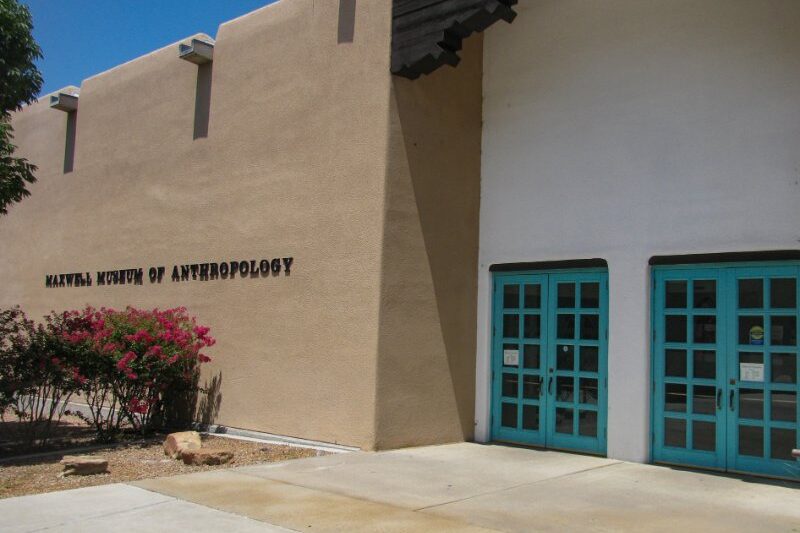
Museum of Anthropology
Read the place guide →Located at UBC. A masterpiece of architecture by Arthur Erickson. It houses an incredible collection of First Nations art and totem poles. Stunning setting on the cliffs.
Editor-curated picks carried over from our original guide. Where a full place guide exists, the card links to it.



Worth booking ahead in Vancouver
Hand-picked from the operators our guides already send readers to. Prices and availability are live on the partner site.
BrowseViator
Tours and tickets in Vancouver on Viator (opens Viator in a new tab)
Viator's full list of bookable tours and tickets in Vancouver.
BrowseGetYourGuide
Experiences in Vancouver on GetYourGuide (opens GetYourGuide in a new tab)
Everything GetYourGuide sells in Vancouver, with the cancellation terms on each listing.
Where to stayBooking.com
Stays in Vancouver (opens Booking.com in a new tab)
Live rates and availability for Vancouver on Booking.com; filter by neighbourhood once you know where your days start.
We earn a commission if you book through these links, at no extra cost to you. It is how we keep the guides free and independent.
Where to stay
Fairmont Pacific Rim
1038 Canada Pl, Vancouver, BC V6C 0B9, Canada
Modern luxury on the waterfront. It has a buzzing lobby bar, a rooftop pool with mountain views, and high-tech rooms. It feels cosmopolitan and sleek.
Rosewood Hotel Georgia
801 W Georgia St, Vancouver, BC V6C 1P7, Canada
A historic jazz-age hotel restored to glory. It feels like the roaring 20s meets modern luxury. The Hawksworth restaurant is one of the best in the city.
The Wedgewood Hotel & Spa
845 Hornby St, Vancouver, BC V6Z 1V1, Canada
A boutique Relais & Châteaux hotel. It is family-run, intimate, and European in style. Check out the piano bar. A quiet classic in downtown.
Editor-curated stays carried over from our original guide. Where we have reviewed the hotel, the card links to the review.
Tips from the field
Highlights
- Nature – Stanley Park
- Food – Asian Cuisine
- Market – Granville Island
- View – Grouse Mountain
- Bridge – Capilano
- Neighborhood – Gastown
- Ski – Cypress/Grouse
- Culture – First Nations
Best activities
- Bike the Seawall. Eat your way through Granville Island Market. Cross the Capilano Suspension Bridge. Ski at Grouse Mountain. Walk around Gastown. Visit the Museum of Anthropology. Eat sushi (some of the best outside Japan).
Practical tips
- Currency: Canadian Dollar (CAD). Cards/tap accepted everywhere.
- Getting There: Vancouver Airport (YVR) via Canada Line SkyTrain to downtown (25 minutes, .75 CAD).
- Transportation: TransLink SkyTrain, SeaBus, and buses. Compass card for all transit. Cycling excellent (Seawall). Walking great in the compact downtown.
- Dining: Diverse fusion cuisine. Asian food in Richmond is world-class. Sushi comparable to Tokyo (-30 CAD). Granville Island Public Market for food grazing. Restaurant meals -40 CAD.
- Free Attractions: Stanley Park seawall walk/cycle, Granville Island market browsing, English Bay sunset, Gastown steam clock, Vancouver Art Gallery plaza.
- Tipping: 15-20% at restaurants
- Electricity: 120V/60Hz, Type A/B plugs
Photography tips
- Golden Hour: Sunset at Third Beach in Stanley Park. Sunrise from the Cypress Mountain lookout.
- Iconic Shots:
- The Seawall with the city skyline.
- The Totem Poles at Brockton Point.
- The Capilano Suspension Bridge (get there early).
- The Steam Clock in Gastown.
- Lions Gate Bridge from Prospect Point.
- Technique: Vancouver is often grey/rainy ('Raincouver')—use the mood. The moss in the rainforest pops in the rain.
Timing
- Peak Season (June-Sept):
- Sunny, expensive, busy
- Shoulder Season (April-May, Oct):
- Cherry blossoms or fall colors
- Low Season (Nov-March):
- Rain, ski season
Keeping it authentic
- Vancouver is diverse. The Asian influence on food is huge (Izakayas, Dim Sum). It is an outdoorsy city—yoga pants are a uniform and everyone hikes. The 'East Van' sign represents the grittier, artistic side.
Culture, customs and safety
Cultural heritage
Vancouver embodies Pacific Northwest indigenous heritage blended with Asian immigration and British colonial foundations creating Canada most diverse metropolis. Gastown preserves Victorian architecture while Chinatown maintains the oldest Chinese community in Canada with traditional buildings and gardens. Coast Salish art and culture remain visible through public installations and cultural centers. The city multicultural neighborhoods from Punjabi Market to Little Italy demonstrate how immigration has shaped modern Canadian identity. Contemporary architecture and sustainable urban planning reflect Pacific Rim influences.
Safety notes
Vancouver is generally safe — one of Canada’s most livable cities.
General Safety:
• Downtown, Gastown, Kitsilano, and Stanley Park are safe
• East Hastings Street (DTES) has visible homelessness and drug use — avoid at night
Wildlife:
• Bears and coyotes in North Shore trails — make noise while hiking
Emergency number: 911

Travel Style
Activities
