

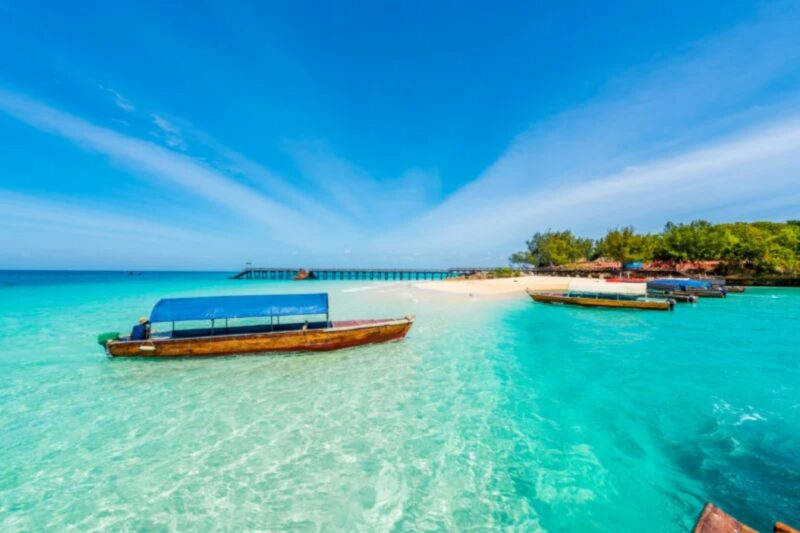
Zanzibar, an archipelago off the coast of Tanzania, is renowned for its stunning beaches, rich history, and vibrant culture. The capital, Stone Town, is a UNESCO World Heritage site, featuring narrow alleys, bustling markets, and historical buildings that reflect its diverse influences. With its spice plantations and crystal-clear waters, Zanzibar offers a unique blend of relaxation and adventure.
The destination guide
Zanzibar

Island in AfricaUpdated
- Overall5/10
- Best forCouples, Adventure seekers, Budget travelers
- PeakJan, Feb, Jul, Aug
- CurrencyTZS
Zanzibar’s Stone Town is a UNESCO maze of carved doors and spice-scented alleys — the beaches on the east coast are the postcard, but the history is the reason to go.
Travel guides for Zanzibar
More guides featuring Zanzibar (2)
At a glance
CurrencyTZS
Time zoneEast Africa Time
Languages
- Swahili
- English
Setting
- Indian Ocean island
- Spice plantations
- Sandy beaches
- Coral reefs
Population897K896,625 residents
VisaDuration: Multiple Entry Visa valid for 12 months for U.S. tourist passport holders · Documents: Valid passport with at least 6 months validity and at least one unused visa page
How Zanzibar scores
5/10OverallFair
Weather9/10
Value for money8/10
Safety6/10
Food & cuisine8/10
Culture & arts4/10
Cultural experience9/10
History9/10
Nature & outdoors9/10
Adventure6/10
Nightlife6/10
Shopping7/10
Family friendly5/10
Romance9/10
Character
Photography score7/10
Authenticity score8/10
Off-the-beaten-path score6/10
Editorial scores on a 10-point scale, weighed against destinations of the same kind.
Travel safety snapshot
Overall55/100Exercise precaution
Women travellers50/100
LGBTQ+ travellers30/100
Theft60/100
Medical care55/100
Physical harm50/100
Political freedom45/100
SafePlace indicators use their source 100-point scale; higher is more favourable. Planning context, not a live travel advisory — check official government guidance before you go.
When to go
Best months to visit: January, February, June, July, August, September, October, November and December.
- January: 26.4 to 30.3 degrees Celsius, 18.4 millimetres of rain, best-time score 5 out of 5.
- February: 26.4 to 30.6 degrees Celsius, 18.9 millimetres of rain, best-time score 5 out of 5.
- March: 26.5 to 31.4 degrees Celsius, 35.2 millimetres of rain, best-time score 3 out of 5.
- April: 25.3 to 28.8 degrees Celsius, 166.5 millimetres of rain, best-time score 2 out of 5.
- May: 24.8 to 28.8 degrees Celsius, 58.7 millimetres of rain, best-time score 2 out of 5.
- June: 23.8 to 27.8 degrees Celsius, 1.4 millimetres of rain, best-time score 5 out of 5.
- July: 23.3 to 26.9 degrees Celsius, 3.3 millimetres of rain, best-time score 5 out of 5.
- August: 23.2 to 27.5 degrees Celsius, 4.4 millimetres of rain, best-time score 5 out of 5.
- September: 23.6 to 28 degrees Celsius, 10.8 millimetres of rain, best-time score 5 out of 5.
- October: 24.3 to 29 degrees Celsius, 12.5 millimetres of rain, best-time score 5 out of 5.
- November: 25.1 to 29.8 degrees Celsius, 71 millimetres of rain, best-time score 4 out of 5.
- December: 26.1 to 29.9 degrees Celsius, 42.5 millimetres of rain, best-time score 5 out of 5.
Month-by-month conditions and packing advice
- January
- Hot and sunny, mostly dry January in Zanzibar: dry-season beaches, diving, snorkeling, Stone Town, spice tours, and post-safari stays are most reliable. Crowds: January represents peak tourist season in Zanzibar, bringing maximum visitor numbers and premium accommodation rates as travelers escape winter elsewhere for tropical warmth. The excellent weather creates perfect conditions for all activities from diving and snorkeling to cultural tours and beach relaxation. Tourist areas become busy, requiring advance booking for popular restaurants, dive operators, and beachfront accommodations. The stable, dry weather makes this ideal for extended beach stays and cultural exploration of Stone Town's UNESCO World Heritage sites. Water activities reach peak operation with optimal diving conditions, dhow sunset cruises, and full water sports availability. The high season attracts both safari-goers extending their Tanzania experience and dedicated beach holiday visitors, creating vibrant but crowded conditions throughout the island. Pack: Lightweight breathable tropical clothing; Comfortable sandals and water shoes for beach activities; High SPF sunscreen and wide-brimmed hat for equatorial sun; Modest covering for Stone Town cultural site visits; Quick-dry swimwear and beach accessories; Light evening attire for beachfront dining and sunset cruises
- February
- Hot and sunny, mostly dry February in Zanzibar: dry-season beaches, diving, snorkeling, Stone Town, spice tours, and post-safari stays are most reliable. Crowds: February marks the peak tourist season in Zanzibar, with excellent weather conditions for a variety of activities including snorkeling, diving, and exploring the island's historic sites. The weather is generally sunny with minimal rainfall, making it an ideal time for beach outings and cultural experiences. However, this period also sees higher tourist numbers, leading to increased prices for accommodations and activities. Visitors should plan ahead for potential crowds and book in advance to secure preferred accommodations. Pack: Lightweight, breathable clothing for sun protection; Swimwear for beach activities; Wide-brimmed hat and UV-protective sunglasses; Light rain jacket for occasional showers; Comfortable walking shoes for exploring; Light scarf or shawl for cultural sites
- March
- Hot and sunny, some rain March in Zanzibar: heat and building rain make outdoor plans less dependable. Crowds: March marks the peak tourist season in Zanzibar, with excellent weather conditions for a variety of activities including beach excursions, water sports, and cultural tours. The weather is generally sunny with minimal rainfall, making it perfect for outdoor adventures. However, this period also sees higher tourist crowds and increased accommodation rates. Visitors should plan for peak season activities and consider booking in advance to secure accommodations and tours. Pack: Lightweight, breathable clothing for hot weather; Sunscreen with high SPF; Wide-brimmed hat and sunglasses; Swimwear for beach activities; Light rain jacket for occasional showers; Comfortable walking shoes for exploring
- April
- Hot and sunny, heavy rain April in Zanzibar: long rains make beach resorts and island logistics less reliable. Crowds: April is peak tourist season in Zanzibar, attracting visitors with its warm climate and vibrant cultural events. The weather is ideal for beach activities, water sports, and exploring the island's historic sites. However, the high tourist influx can lead to crowded beaches and increased prices for accommodations and tours. Travelers should plan for peak season crowds and consider booking in advance to secure better rates. Pack: Lightweight, breathable clothing for hot weather; Swimwear for beach activities; Sunscreen with high SPF; Wide-brimmed hat and sunglasses; Light rain jacket for occasional showers; Comfortable walking shoes for exploring
- May
- Hot and sunny, some rain May in Zanzibar: long rains make beach resorts and island logistics less reliable. Crowds: May marks the peak tourist season in Zanzibar, with excellent weather conditions for beach activities, snorkeling, and exploring the island's rich cultural heritage. The weather is warm and sunny, attracting visitors eager to experience the island's natural beauty. However, this period also sees higher hotel rates and increased tourist crowds. Travelers should plan for peak prices and larger crowds, but the pleasant climate makes it an ideal time to enjoy Zanzibar's attractions. Pack: Lightweight, breathable clothing for beach activities; Wide-brimmed hat and UV-protective sunscreen; Swimwear and flip-flops for beach outings; Light jacket or sweater for cooler evenings; Comfortable walking shoes for exploring local markets; Light scarf or shawl for cultural sites
- June
- Hot and sunny, mostly dry June in Zanzibar: dry-season beaches, diving, snorkeling, Stone Town, spice tours, and post-safari stays are most reliable. Crowds: June marks the peak tourist season in Zanzibar, with excellent weather conditions for a variety of outdoor activities such as diving, beachcombing, and cultural tours. The island experiences its driest period, attracting tourists seeking sun and relaxation. Hotel rates and tourist crowds are at their highest, with prices reflecting the increased demand. Despite the warm temperatures, UV levels remain high, necessitating the use of sunscreen and protective clothing. Visitors are encouraged to plan activities during the cooler mornings and evenings to avoid the midday heat. Pack: Lightweight, breathable clothing for sun protection; Swimwear for beach activities; Wide-brimmed hat and UV-blocking sunglasses; Light, long-sleeved shirt for cultural sites; Comfortable sandals for walking; Reusable water bottle for hydration
- July
- Hot and sunny, mostly dry July in Zanzibar: dry-season beaches, diving, snorkeling, Stone Town, spice tours, and post-safari stays are most reliable. Crowds: July marks the peak tourist season in Zanzibar, with excellent weather conditions for beach activities, snorkeling, and cultural tours. The island experiences high tourist influx, leading to crowded beaches and increased prices for accommodations and tours. Despite the heat, visitors can enjoy a vibrant atmosphere with numerous beachside cafes and markets. It's advisable to stay hydrated and apply sunscreen regularly. Pack: Lightweight, breathable clothing for beach activities; Wide-brimmed hat and UV-protective sunglasses; Swimwear and flip-flops for beach outings; Light jacket or sweater for cooler evenings; Comfortable walking shoes for exploring local markets; Reusable water bottle for staying hydrated
- August
- Hot and sunny, mostly dry August in Zanzibar: dry-season beaches, diving, snorkeling, Stone Town, spice tours, and post-safari stays are most reliable. Crowds: August marks the peak tourist season in Zanzibar, with excellent weather conditions for beach activities, snorkeling, and exploring the island's rich cultural heritage. The weather is generally dry, with occasional light showers, but the overall climate remains warm and inviting. Tourist crowds are high, and accommodation prices tend to rise during this period. Visitors are advised to stay hydrated and apply sunscreen regularly due to the strong UV levels. Pack: Lightweight, breathable clothing for beach activities; Swimwear and cover-ups for water sports; Wide-brimmed hat and UV-protective sunglasses; Light rain jacket for occasional showers; Comfortable walking shoes for exploring; Light scarf or shawl for cultural sites
- September
- Hot and sunny, mostly dry September in Zanzibar: dry-season beaches, diving, snorkeling, Stone Town, spice tours, and post-safari stays are most reliable. Crowds: September marks the peak tourist season in Zanzibar, with high demand for accommodations and activities. The weather is perfect for beach outings, water sports, and cultural tours, though it can be crowded. Hotel prices and tour rates are at their highest, and sunscreen is essential due to the strong UV levels. Ideal activities include island tours, spice plantations visits, and sunset cruises. Pack: Lightweight, breathable clothing for beach activities; Swimwear and cover-ups for water sports; Sunscreen with high SPF; Comfortable walking shoes for exploring; Light scarf or shawl for cultural sites; Reusable water bottle for hydration
- October
- Hot and sunny, mostly dry October in Zanzibar: dry-season beaches, diving, snorkeling, Stone Town, spice tours, and post-safari stays are most reliable. Crowds: January marks the peak tourist season in Zanzibar, with excellent weather conditions for beach activities, snorkeling, and exploring historic sites. The island experiences moderate humidity and occasional light rain showers, which are generally brief and refreshing. Hotel rates and tourist crowds are at their highest, but the weather remains favorable for outdoor exploration. Visitors should be prepared for peak prices and larger crowds during this period. Pack: Lightweight, breathable clothing for beach activities; Swimwear and cover-ups for water sports; Sunscreen with high SPF; Comfortable walking shoes for exploring; Light jacket or sweater for cooler evenings; Wide-brimmed hat and sunglasses
- November
- Hot and sunny, some rain November in Zanzibar: short-rain shoulder timing can work with value and flexible beach plans. Crowds: January marks the peak tourist season in Zanzibar, with excellent weather conditions for beach activities, snorkeling, and cultural tours. The island experiences moderate rainfall, which adds a refreshing touch to outdoor adventures. Tourist accommodations and local businesses thrive during this period, offering unique cultural experiences and opportunities to engage with local communities. Visitors should be prepared for higher prices and larger crowds. Pack: Lightweight, breathable clothing for beach activities; Swimwear and sun protection gear; Comfortable walking shoes for exploring; Light cardigan for cooler evenings; Modest attire for cultural sites and religious visits; Reusable water bottle for hydration
- December
- Hot and sunny, some rain December in Zanzibar: dry-season beaches, diving, snorkeling, Stone Town, spice tours, and post-safari stays are most reliable. Crowds: December marks Zanzibar's peak tourist season, with excellent weather conditions for beach activities, snorkeling, and exploring historic sites. The weather is generally dry, making it ideal for water sports and beach outings. However, this peak season also means higher hotel rates and increased tourist crowds. Visitors should plan for potential heat and humidity, especially during midday, and consider booking accommodations and activities in advance. Pack: Lightweight, breathable clothing for beach activities; Wide-brimmed hat and UV-protective sunscreen; Swimwear and flip-flops for beach outings; Light jacket or sweater for cooler evenings; Comfortable walking shoes for exploring Stone Town; Modest attire for visiting mosques and cultural sites
Peak season
- July
- August
- December
- January
- February
Off-peak
- March
- April
- May
- September
- October
- November
Know before you go
Neighbourhoods
Stone Town is the UNESCO World Heritage old quarter of Zanzibar City, with narrow lanes, carved wooden doors, historic mosques, and the former slave market. Nungwi on the north tip has turquoise water and a dhow-building tradition. Paje and Jambiani on the east coast are kitesurfing hubs with tidal flats and seaweed farms. Matemwe, northeast, offers secluded beaches and reef snorkelling. Michamvi Peninsula between the east and south coasts is quieter and less developed.
Best time to visit
The best time to visit Zanzibar is during the dry seasons from June to October and December to February. These months offer pleasant weather, ideal for beach activities and exploring the island. The rainy seasons, while less crowded, can bring heavy showers, especially in March and April.
Crowds
Zanzibar sees peak crowds during July-August and December-January (European and holiday seasons) and around Eid festivals; low season is the long rainy season (March–May) when visitor numbers drop substantially, though main beaches remain moderately busy in high season.
Getting there and around
Getting there
Fly into Abeid Amani Karume International Airport (ZNZ) with connections from Dar es Salaam (20 min), Nairobi, Dubai, and seasonal European charters. Fast ferries from Dar es Salaam take 2 hours (Azam Marine, Kilimanjaro Fast Ferries). Charter flights connect to the Serengeti and other Tanzanian parks. From the airport to Stone Town is a 15-minute taxi ride.
Getting around
Dala-dalas (minibus taxis) run fixed routes across the island for a few hundred Tanzanian shillings. Private taxis are available but negotiate the fare first. Rental scooters are popular for independent exploration—traffic is light outside Stone Town. Car hire with a driver is comfortable for full-day tours. Dhow and speedboat transfers connect the beaches to Mnemba Atoll and Chumbe Island. Walking is the only way through Stone Town’s labyrinth.
Top experiences in Zanzibar
Stone Town (UNESCO World Heritage)
A labyrinth of narrow lanes, centuries-old Swahili houses, and carved wooden doors reflecting Arab, Indian, and European influences. Key sites include the House of Wonders (Beit el-Ajaib), the Old Fort (Ngome Kongwe), the former slave market and Anglican cathedral, and Freddie Mercury’s birthplace on Kenyatta Road. The rooftop restaurants serve spiced seafood while call-to-prayer echoes drift across the waterfront at sunset.
Mnemba Atoll
A private island surrounded by a coral reef 3 km off the northeast coast. The atoll’s protected marine area offers some of the best snorkelling and diving in East Africa—green turtles, dolphins, lionfish, and seasonal humpback whales (July-September) inhabit the reef. Day-trip dhow excursions depart from Matemwe and Nungwi. The island itself is occupied by an exclusive lodge but the reef is accessible to all.
Spice Tour
Zanzibar’s historical wealth was built on the spice trade—cloves, nutmeg, cinnamon, cardamom, and pepper still grow on plantations across the island. Guided spice tours visit working farms where visitors taste, smell, and identify fresh spices, tropical fruits (jackfruit, rambutan, starfruit), and learn about traditional medicine. Most tours include a visit to the Persian Baths at Kidichi, built by Sultan Seyyid Said in 1850.
Nungwi Beach & Dhow Building
The beach at the island’s northern tip has white sand, turquoise water, and minimal tidal change—making it ideal for swimming at any time. Nungwi village preserves the traditional craft of dhow building: wooden sailing boats are constructed by hand on the beach using techniques passed down for centuries. Sunset from the western side of the peninsula is one of Zanzibar’s finest. Snorkelling trips to nearby reefs depart from the beach.
Jozani Chwaka Bay National Park
Zanzibar’s only national park, protecting the island’s last significant area of indigenous forest and the endangered Kirk’s red colobus monkey—a species found nowhere else on Earth. Boardwalks pass through mangrove creeks where troops of monkeys swing overhead, largely unbothered by visitors. The forest also shelters Ader’s duiker (a rare antelope), over 50 butterfly species, and the Zanzibar syke’s monkey.
Editor-curated picks carried over from our original guide. Where a full place guide exists, the card links to it.
Worth booking ahead in Zanzibar
Hand-picked from the operators our guides already send readers to. Prices and availability are live on the partner site.
BrowseViator
Tours and tickets in Zanzibar on Viator (opens Viator in a new tab)
Viator's full list of bookable tours and tickets in Zanzibar.
BrowseGetYourGuide
Experiences in Zanzibar on GetYourGuide (opens GetYourGuide in a new tab)
Everything GetYourGuide sells in Zanzibar, with the cancellation terms on each listing.
Where to stayBooking.com
Stays in Zanzibar (opens Booking.com in a new tab)
Live rates and availability for Zanzibar on Booking.com; filter by neighbourhood once you know where your days start.
We earn a commission if you book through these links, at no extra cost to you. It is how we keep the guides free and independent.
Where to stay
Zuri Zanzibar
Kiwengwa, Zanzibar, Tanzania
All-inclusive luxury resort on Kiwengwa Beach with spacious suites, three pools, a spa, five restaurants, and direct Indian Ocean access.
Essque Zalu Zanzibar
Nungwi, Zanzibar, Tanzania
Boutique hotel on the northern tip of the island with overwater bungalows, a dive centre, infinity pool, and panoramic sunset views.
Matemwe Lodge
Matemwe, Zanzibar, Tanzania
Intimate boutique retreat on the east coast with thatched-roof bungalows, a private beach, rooftop restaurant, and guided reef walks at low tide.
Editor-curated stays carried over from our original guide. Where we have reviewed the hotel, the card links to the review.
Tips from the field
Practical tips
- Currency: Tanzanian Shilling (TZS); USD widely accepted at hotels and tours.
- Getting There: Abeid Amani Karume Airport (ZNZ). Taxis to Stone Town (~-15 USD).
- Transportation: Dala dala (shared minibuses) for budget travel. Taxis and hotel transfers. Walking in compact Stone Town.
- Dining: Forodhani Gardens night market is essential — Zanzibar pizza, sugarcane juice, fresh seafood from 3,000-10,000 TZS. Restaurant meals 15,000-40,000 TZS.
- Activities: Spice tours, Stone Town walking, Jozani Forest (red colobus monkeys), snorkeling off Mnemba Atoll, Nungwi and Paje beaches.
- Tipping: 10% at restaurants; -10/day for guides
- Electricity: 230V/50Hz, Type D/G plugs
Culture, customs and safety
Cultural heritage
Zanzibar Stone Town preserves Swahili culture through coral stone architecture, carved wooden doors, and spice trade heritage as Indian Ocean crossroads. The UNESCO site blends Arab, Persian, Indian, and European influences in narrow alleys and merchant houses. Former slave market and Anglican Cathedral commemorate dark history. Carved wooden doors display status through brass studs and Quranic verses. Spice tours connect to historic trade while dhow sailing maintains maritime traditions. The island balances tourism with authentic Swahili culture through music, cuisine, and craftsmanship.
Local customs & etiquette
Zanzibaris are known for their hospitality and warmth. When visiting, consider the following: Dress modestly, especially in rural areas and Stone Town Respect local customs and traditions, particularly during religious practices Negotiate prices politely in markets Try local dishes and participate in cultural events Understanding the island’s cultural diversity and history can enhance your experience.
Safety notes
Zanzibar is generally safe for tourists with standard precautions.
General Safety:
• Stone Town and resort beaches are safe
• Petty theft can occur — use hotel safes
• Dress modestly in Stone Town (Muslim island) — cover shoulders and knees
Beach Safety:
• Some beaches have strong currents
• East coast tides can recede dramatically
Health:
• Malaria risk — consult a doctor about prophylaxis before travel
• Drink bottled water only
• Insect repellent essential
Emergency: 112 or 114

Travel Style
Season
Activities