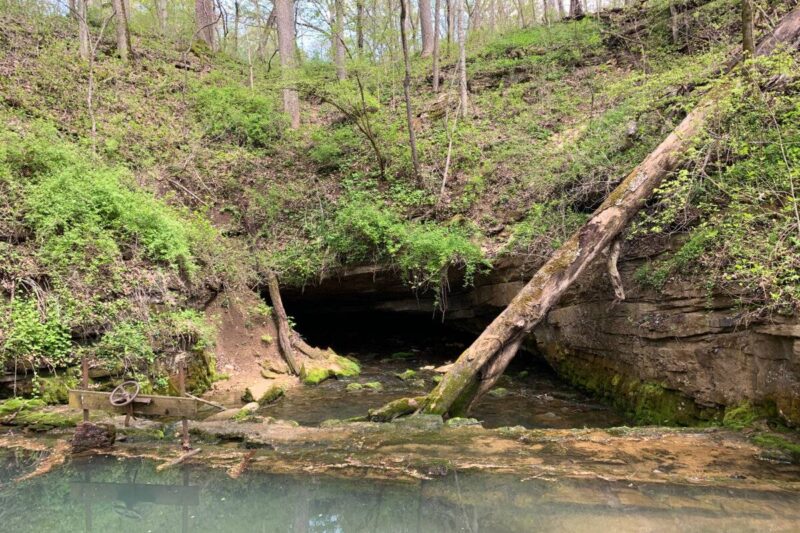
Suppose you want to get a thorough understanding of American history and explore sites and museums while also getting to enjoy big-city life. In that case, Indiana should be on your bucket list, and you can find all this in an Indiana travel guide. Even if you plan to visit family, schools, or sporting events in Indiana, you want to maximize your trip and take advantage of what this beautiful state offers. Everything from festivals and state park options to visiting Indiana Children’s Museum and the Soaring Dunes are excellent options on your list.The best Indiana visitors guide will tell you all the places you should visit, where you should stay, and how to prepare for your trip before starting your journey. Keep reading the Indiana travel guide for places to see and things to do first.
The destination guide
Indiana
State in Indiana, United States, North AmericaUpdated
- Overall7/10
- Best forCouples
- PeakMay–Sep
- CurrencyUSD
Indiana runs deeper than most give it credit for — dunes on Lake Michigan, serious museum culture in Indy, and small towns that actually deliver.

At a glance
- English
- Midwest farmland
- Indiana Dunes
- Wabash River
- Rolling hills
- {"name": "Indianapolis 500 and auto racing"}
- {"name": "Basketball culture"}
- {"name": "Limestone quarries and architecture"}
Practical basics
- Driving side
- Right
- Electrical standard
- 120V/60Hz Type A/B
- Measurement system
- Imperial
- Emergency numbers
- 911
- Country code
- US
How Indiana scores
Character
Editorial scores on a 10-point scale, weighed against destinations of the same kind.
Travel safety snapshot
SafePlace indicators use their source 100-point scale; higher is more favourable. Planning context, not a live travel advisory — check official government guidance before you go.
When to go
Best months to visit: April, May, June, July, August, September, October and November.
- January: -5.7 to 1.8 degrees Celsius, 76.3 millimetres of rain, best-time score 2 out of 5.
- February: -3.9 to 5.6 degrees Celsius, 71.3 millimetres of rain, best-time score 2 out of 5.
- March: 0.8 to 11.1 degrees Celsius, 105.6 millimetres of rain, best-time score 3 out of 5.
- April: 5.2 to 16.1 degrees Celsius, 102.2 millimetres of rain, best-time score 4 out of 5.
- May: 11.8 to 22.1 degrees Celsius, 119.2 millimetres of rain, best-time score 5 out of 5.
- June: 17.3 to 27.4 degrees Celsius, 91.1 millimetres of rain, best-time score 5 out of 5.
- July: 19.2 to 28.4 degrees Celsius, 96 millimetres of rain, best-time score 4 out of 5.
- August: 18.2 to 27.5 degrees Celsius, 68.1 millimetres of rain, best-time score 4 out of 5.
- September: 15.5 to 25.4 degrees Celsius, 72.5 millimetres of rain, best-time score 5 out of 5.
- October: 9.1 to 18.7 degrees Celsius, 78.7 millimetres of rain, best-time score 5 out of 5.
- November: 1.8 to 10.3 degrees Celsius, 71.8 millimetres of rain, best-time score 4 out of 5.
- December: -3 to 4.9 degrees Celsius, 65.1 millimetres of rain, best-time score 2 out of 5.
Month-by-month conditions and packing advice
- January
- Very cold, some rain January in Indiana: cold winter weather makes outdoor travel less flexible. Crowds: January in Indiana is best for winter-ready travelers; outdoor plans need warm gear, shorter daylight expectations, and weather-aware transport planning. Pack: Pack insulated layers, warm footwear, gloves, and a serious winter coat. Add a rain jacket or compact umbrella.
- February
- Cold, some rain February in Indiana: cold winter weather makes outdoor travel less flexible. Crowds: February in Indiana is workable with normal seasonal planning; build in layers, weather checks, and a mix of indoor and outdoor activities. Pack: Pack warm layers, a coat, and comfortable shoes for cold mornings and evenings. Add a rain jacket or compact umbrella.
- March
- Cool to mild, some rain March in Indiana: early spring can be changeable and stormy. Crowds: March in Indiana is workable with normal seasonal planning; build in layers, weather checks, and a mix of indoor and outdoor activities. Pack: Pack warm layers, a coat, and comfortable shoes for cold mornings and evenings. Add a rain jacket or compact umbrella.
- April
- Cool to mild, some rain April in Indiana: conditions remain useful with summer events or late-fall scenery. Crowds: April in Indiana is workable with normal seasonal planning; build in layers, weather checks, and a mix of indoor and outdoor activities. Pack: Pack layered clothing and comfortable walking shoes. Add a rain jacket or compact umbrella.
- May
- Mild to warm, some rain May in Indiana: parks, small cities, lakes, festivals, college towns, and fall color balance comfortable weather and activity. Crowds: May in Indiana is workable with normal seasonal planning; build in layers, weather checks, and a mix of indoor and outdoor activities. Pack: Pack layered clothing and comfortable walking shoes. Add a rain jacket or compact umbrella.
- June
- Warm to hot, some rain June in Indiana: parks, small cities, lakes, festivals, college towns, and fall color balance comfortable weather and activity. Crowds: June in Indiana is workable with normal seasonal planning; build in layers, weather checks, and a mix of indoor and outdoor activities. Pack: Pack light clothing, sun protection, and comfortable walking shoes. Add a rain jacket or compact umbrella.
- July
- Warm to hot, some rain July in Indiana: conditions remain useful with summer events or late-fall scenery. Crowds: July in Indiana is workable with normal seasonal planning; build in layers, weather checks, and a mix of indoor and outdoor activities. Pack: Pack light clothing, sun protection, and comfortable walking shoes. Add a rain jacket or compact umbrella.
- August
- Warm to hot, occasional rain August in Indiana: conditions remain useful with summer events or late-fall scenery. Crowds: August in Indiana is comfortable for sightseeing, neighborhoods, food stops, day trips, and outdoor time with limited weather friction. Pack: Pack light clothing, sun protection, and comfortable walking shoes.
- September
- Mild to warm, some rain September in Indiana: parks, small cities, lakes, festivals, college towns, and fall color balance comfortable weather and activity. Crowds: September in Indiana is workable with normal seasonal planning; build in layers, weather checks, and a mix of indoor and outdoor activities. Pack: Pack light clothing, sun protection, and comfortable walking shoes. Add a rain jacket or compact umbrella.
- October
- Cool to mild, some rain October in Indiana: parks, small cities, lakes, festivals, college towns, and fall color balance comfortable weather and activity. Crowds: October in Indiana is workable with normal seasonal planning; build in layers, weather checks, and a mix of indoor and outdoor activities. Pack: Pack layered clothing and comfortable walking shoes. Add a rain jacket or compact umbrella.
- November
- Cool to mild, some rain November in Indiana: conditions remain useful with summer events or late-fall scenery. Crowds: November in Indiana is workable with normal seasonal planning; build in layers, weather checks, and a mix of indoor and outdoor activities. Pack: Pack warm layers, a coat, and comfortable shoes for cold mornings and evenings. Add a rain jacket or compact umbrella.
- December
- Cold, occasional rain December in Indiana: cold winter weather makes outdoor travel less flexible. Crowds: December in Indiana is workable with normal seasonal planning; build in layers, weather checks, and a mix of indoor and outdoor activities. Pack: Pack warm layers, a coat, and comfortable shoes for cold mornings and evenings.
- May
- June
- July
- August
- September
- December
- January
- February
- March
Peak season
- When
- May to September
- Crowds
- High season during Indianapolis 500 (May), state fair (August), and summer festivals – book early for major events
- Weather
- Warm continental summers with 20-30°C (68-86°F), perfect for outdoor activities and racing events
- What to do
- Indianapolis 500 and racing events, Indiana State Fair, outdoor festivals, basketball games, covered bridge tours, Amish country visits
Shoulder season
- When
- April, October to November
- Crowds
- Moderate tourism, better rates except during major sporting events, peaceful small town atmosphere
- Weather
- Mild temperatures 10-22°C (50-72°F), comfortable for exploring, beautiful fall colors in Brown County
- What to do
- Fall foliage tours, cultural attractions, local festivals, basketball season begins, historic site visits
Off season
- When
- December to March
- Crowds
- Quiet season except during college basketball tournaments, focus on indoor attractions
- Weather
- Cold winters -5 to 8°C (23-46°F), possible snow, indoor activities preferred
- What to do
- Indoor museums, basketball games, holiday events, shopping, visits to heated venues like casinos
Know before you go
About
Suppose you want to get a thorough understanding of American history and explore sites and museums while also getting to enjoy big-city life. In that case, Indiana should be on your bucket list, and you can find all this in an Indiana travel guide. Even if you plan to visit family, schools, or sporting events in Indiana, you want to maximize your trip and take advantage of what this beautiful state offers. Everything from festivals and state park options to visiting Indiana Children’s Museum and the Soaring Dunes are excellent options on your list.The best Indiana visitors guide will tell you all the places you should visit, where you should stay, and how to prepare for your trip before starting your journey. Keep reading the Indiana travel guide for places to see and things to do first.
Neighbourhoods
Indianapolis anchors the state with a walkable downtown, the Canal Walk, and Mass Ave arts district. Bloomington in the south is a lively college town (Indiana University) surrounded by forested hills and limestone quarries. The Indiana Dunes on Lake Michigan’s shore offer sandy beaches within an hour of Chicago. Brown County in south-central Indiana is an artists’ colony surrounded by hardwood forest, and Columbus is renowned for its exceptional collection of modernist architecture.
Getting there and around
Getting there
Indiana is accessed through Indianapolis International Airport (IND), consistently ranked as America’s best airport, with regional airports in Fort Wayne (FWA), South Bend (SBN), and Evansville (EVV). Chicago’s airports serve northwest Indiana. Interstate highways I-65 (north-south), I-70 (east-west), I-69, and I-74 converge at Indianapolis, earning it the “Crossroads of America” title. Amtrak serves Indianapolis, South Bend, and several smaller cities on the Cardinal and Lake Shore Limited routes. Greyhound and regional buses connect major cities. The state’s central location makes it a major trucking and logistics hub.
Getting around
Indianapolis offers IndyGo buses including the Red Line rapid transit, though service is limited compared to larger cities. The $1.75 fare system uses MyKey cards. College towns like Bloomington and West Lafayette have local bus systems serving campuses. Most of Indiana requires a car – public transit is minimal outside Indianapolis. Uber and Lyft operate in cities and college towns but are scarce in rural areas. Downtown Indianapolis, Broad Ripple, and Mass Ave are walkable neighborhoods. The Indianapolis Cultural Trail connects downtown districts via bike/pedestrian paths. Small towns often center on courthouse squares that are pleasant for walking. Rural areas and Amish Country in northern Indiana are best explored by car. Winter weather requires caution November through March.
Top experiences in Indiana
Indianapolis Motor Speedway
Home of the Indy 500 since 1911, this 2.5-mile oval is the largest spectator sporting facility in the world, seating over 250,000. The on-site museum displays winning cars, trophies, and memorabilia spanning more than a century of motor racing. Visitors can take lap rides around the track in a pace car. The speedway also hosts the Brickyard 400 NASCAR event and the Indianapolis Grand Prix.
Indiana Dunes National Park
Fifteen miles of sandy Lake Michigan shoreline, backed by dunes reaching 60 metres high, prairie, wetland, and oak savanna. The park protects over 1,100 native plant species—the fourth-highest biodiversity of any US national park. The 3 Dune Challenge trail climbs the three tallest dunes for panoramic lake views, and the Cowles Bog Trail leads through wetlands to a secluded beach.
Brown County State Park
Known as the ‘Little Smokies,’ Brown County’s forested hills blaze with colour in October, drawing leaf-peepers from across the Midwest. The park covers 6,500 hectares with trails for hiking, mountain biking, and horseback riding. The adjacent town of Nashville hosts artist studios, craft shops, and the historic Brown County Playhouse.
Columbus Architecture District
A small city south of Indianapolis with one of the world’s highest concentrations of modernist architecture. Over 60 buildings designed by Eero Saarinen, I.M. Pei, César Pelli, and other masters dot the downtown. The visitor centre offers guided bus and walking tours of landmarks including the First Christian Church (Saarinen, 1942), North Christian Church, and the Irwin Conference Center.
Children's Museum of Indianapolis
The largest children’s museum in the world, spanning five floors and 440,000 square feet. Exhibits include a full-size steam locomotive, a Bumblebee Transformer sculpture, a dinosaur gallery with mounted skeletons, and the Fireworks of Glass installation by Dale Chihuly. Interactive STEM, arts, and world culture exhibits engage visitors from toddlers to teenagers.
Editor-curated picks carried over from our original guide. Where a full place guide exists, the card links to it.
Where to stay
Bottleworks Hotel
11 S Illinois St, Indianapolis, IN 46204
Boutique hotel in a restored 1910 college fraternity building on Monument Circle with artist-designed rooms, a rooftop bar, and contemporary gallery.
Ironworks Hotel Indy
3850 DePauw Blvd, Indianapolis, IN 46268
Full-service resort on the northwest side with a championship golf course, spa, indoor-outdoor pool complex, and multiple dining options.
Conrad Indianapolis
2 W Washington St, Indianapolis, IN 46204
Luxury hotel in a landmark art-deco bank building downtown with a grand lobby, refined rooms, fitness centre, and steps from the state capitol.
Editor-curated stays carried over from our original guide. Where we have reviewed the hotel, the card links to the review.
Tips from the field
Highlights
- Experience America's heartland with scenic parks, historic speedways, and family-friendly fun.
Local experiences
- Indiana’s food story starts with plate-sized, golden pork tenderloin sandwiches whose crunchy edges spill over the bun—an institution born at Nick’s Kitchen in Huntington and still celebrated at Mug-n-Bun’s retro drive-in on Indy’s west side. Wander Bloomington or Broad Ripple farmers’ markets in late summer and you’ll catch the perfume of just-picked Silver Queen corn alongside wedges of nutmeg-kissed sugar-cream pie, the state dessert perfected by Wick’s Pies in Winchester. Up in Amish country, Shipshewana’s open-air market fuels appetites for cast-iron fried chicken and slow-simmered Hoosier chili before diners crowd the family-style tables at Stoll’s Country Inn. Cap it all at Indianapolis’ storied St. Elmo Steak House, where an eye-watering horseradish shrimp cocktail proves that Midwestern comfort can still deliver a thrilling jolt.
Practical tips
- When visiting Indianapolis' Mass Ave district, plan to arrive between 6 PM and 9 PM on Thursdays to catch live jazz performances at the historic Madame Walker Theatre.
- Use the IndyGo transit app to purchase a $5 unlimited day pass for buses and metro in Indianapolis, especially if exploring multiple Cultural Districts like Fountain Square and Broad Ripple Village in one day.
- Visit Nappanee Amish Acres early on a weekday morning to experience traditional Amish farming practices and crafts without the weekend crowds, and enjoy homemade Amish baked goods at the farm’s market.
- Attend the Bill Monroe Memorial Festival in Brown County during early September, where you can enjoy bluegrass music and local art shows with free admission and affordable food vendors.
- Dine at one of the small bistros in Broad Ripple Village around 5 PM on weekdays to avoid crowds and benefit from early bird specials often under $20.
Timing
- Spring Season (March-May) – Mild temperatures with blooming flowers and outdoor festival season. Summer Season (June-August) – Warm weather perfect for outdoor activities, camping, and state fair celebrations. Fall Season (September-November) – Autumn foliage, harvest festivals, and comfortable hiking weather. Winter Season (December-February) – Cold weather activities including winter sports and holiday celebrations.
Culture, customs and safety
Cultural heritage
Indiana’s cultural heritage is deeply intertwined with Native American civilizations, particularly the mound-building Hopewell and Mississippian cultures whose legacy includes the Angel Mounds near Evansville—one of the best-preserved prehistoric Native American sites in the U.S. The state was a key frontier during early American expansion, with historic routes like the National Road and sites such as Vincennes, the oldest European settlement in Indiana, bearing witness to its colonial past. Indiana’s architectural landscape is marked by Midwestern industrial and agricultural heritage, from 19th-century canal towns to Art Deco courthouses and Prairie School influences. The state also celebrates enduring folk traditions, including quilt making, bluegrass music, and the iconic Indy 500, which reflects both technological innovation and cultural ritual. While Indiana has no UNESCO World Heritage Sites, its archaeological and industrial legacies remain nationally significant.
Local customs & etiquette
Indiana embodies Midwest practicality with Hoosier hospitality. Basketball is the state religion – high school basketball especially. The Indianapolis 500 in May is the world’s largest single-day sporting event, with month-long celebrations. Corn and soybean fields dominate the landscape, and agricultural fairs are summer traditions. Tenderloin sandwiches (breaded pork, bigger than the bun) are the unofficial state food. Conservative values prevail outside cities, though Indianapolis and college towns lean progressive. Amish communities in Shipshewana and Elkhart County maintain traditional lifestyles. Standard tipping is 15-20%. Business culture is generally casual. Small talk and friendliness are expected. Local pride runs deep despite “flyover state” stereotypes. Covered bridge festivals celebrate the state’s 31 historic bridges.