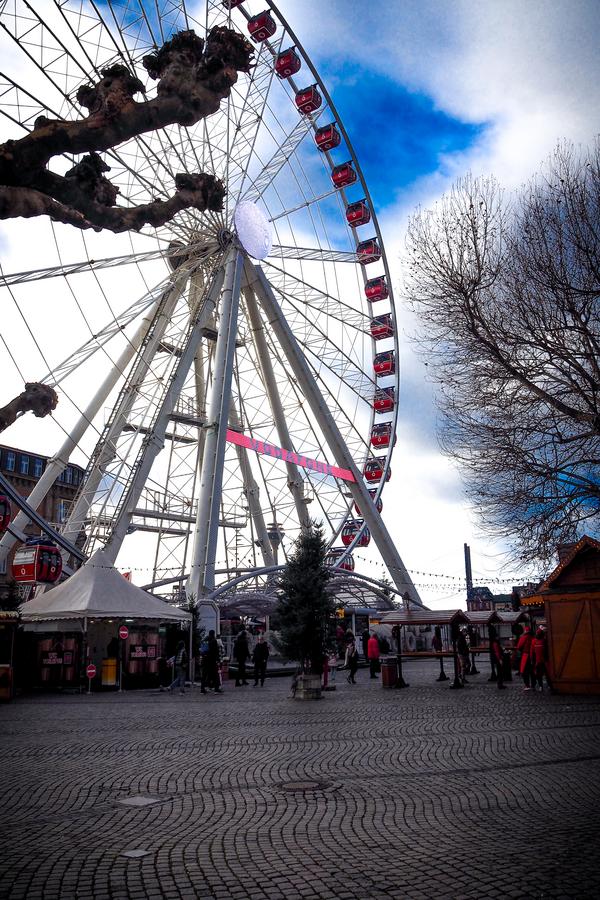
Altstadt, or “Old Town” in German, refers to the historic center that forms the cultural and architectural heart of many cities across Germany, Austria, and Switzerland. These charming districts are typically defined by their medieval origins, with half-timbered houses, baroque churches, and cobblestone lanes that have survived centuries of change and, in many cases, careful post-war reconstruction.
A typical Altstadt brims with landmarks and attractions. Grand town halls anchor central market squares where weekly farmers’ markets set up alongside outdoor cafes. Gothic cathedrals, Renaissance fountains, and centuries-old guild houses tell the story of each city’s rise as a trading center, while local museums and galleries occupy converted historic buildings. Many old towns also host seasonal Christmas markets that draw visitors from around the world.
The Altstadt experience appeals most to history lovers, culture seekers, and travelers who appreciate authentic, charming settings. These neighborhoods are lively yet intimate, blending local daily life with accessible heritage. Couples enjoy romantic evening strolls along lantern-lit streets, while families appreciate the pedestrian-friendly layout and abundance of ice cream shops and bakeries.
Old town districts are almost always pedestrian zones, making walking the best and most enjoyable way to explore. Most Altstadt areas sit at the center of their city’s public transit network, with tram, bus, and metro connections radiating outward to newer suburbs and train stations. Bicycle rentals are widely available, and many cities offer hop-on-hop-off sightseeing buses that loop through the historic core.