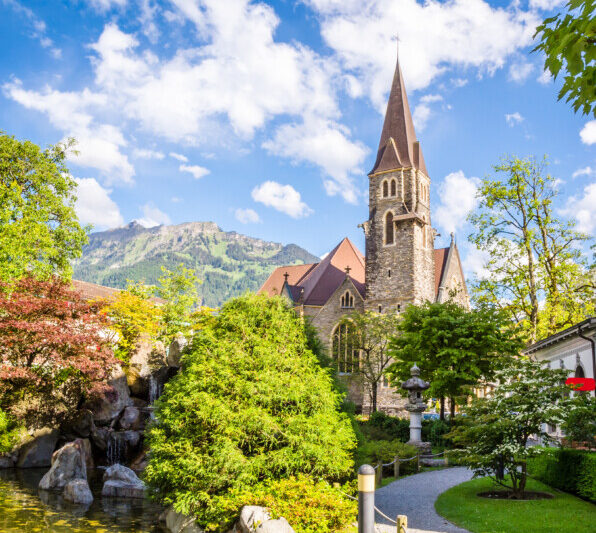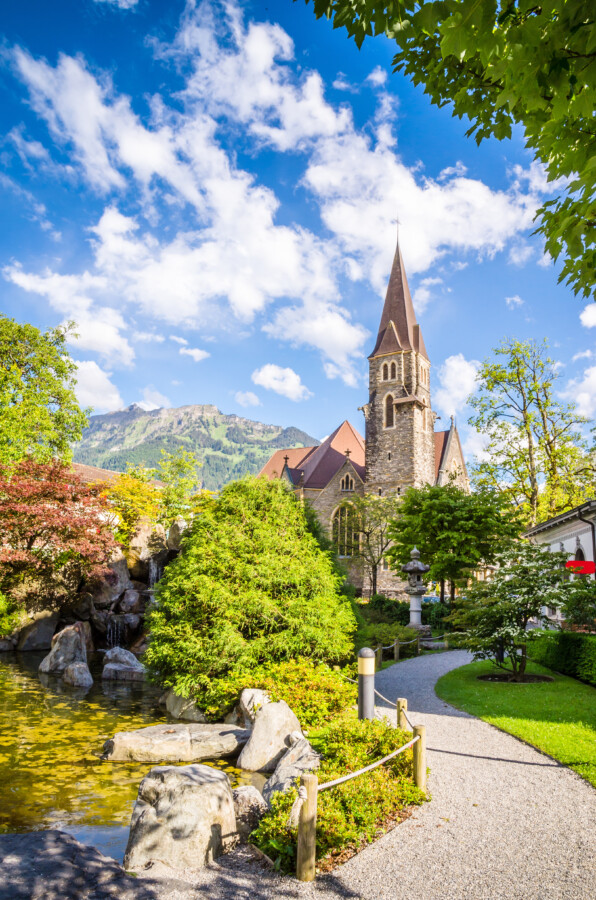
Central Interlaken occupies the flat alluvial plain between Lake Thun and Lake Brienz in the Bernese Oberland, Switzerland. The neighborhood is organized around the broad Höheweg boulevard, which frames an unobstructed view of the Jungfrau massif to the south. Two mainline railway stations—Interlaken West and Interlaken Ost—bracket the center and connect the town to the wider Swiss rail network.
What is Central Interlaken known for?
Central Interlaken is best known as the gateway to the Jungfrau region, offering direct rack-railway access to Europe’s highest railway station at Jungfraujoch (3,454 m), combined with the Höheweg promenade lined with grand Belle Époque hotels and a clear sightline to the Jungfrau, Mönch, and Eiger peaks. The Kursaal complex, dating to the 19th century, anchors the eastern end of Höheweg and houses a casino and event facilities. The central Höhematte park, a protected open meadow at the heart of Höheweg, preserves that iconic alpine panorama by law.
Best things to do in Central Interlaken
The most rewarding activities in Central Interlaken combine mountain excursions with street-level exploration of the town’s compact historic core. Key experiences include:
- Board the Jungfrau Railway from Interlaken Ost via Grindelwald or Lauterbrunnen to reach Jungfraujoch.
- Walk the full length of Höheweg from Interlaken West station to the Kursaal gardens.
- Visit the Höhematte meadow for unobstructed Jungfrau peak photography.
- Explore the Marktgasse and Postgasse retail and café streets in the old town core.
- Try paragliding landing zones near the Höhematte, where tandem flights from Beatenberg terminate.
- Take a lake boat cruise departing from the BLS pier at Interlaken West toward Thun or from Interlaken Ost toward Brienz.
Where to eat in Central Interlaken
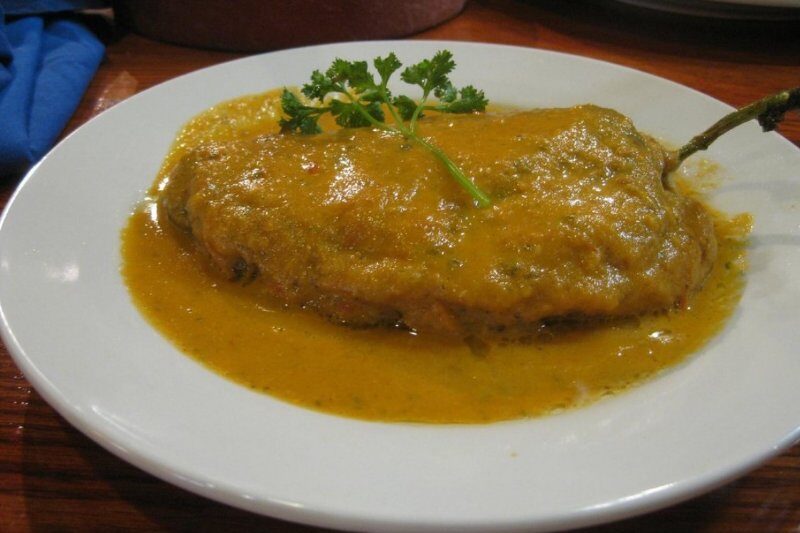
Central Interlaken’s dining scene concentrates on Höheweg, Marktgasse, and the streets immediately surrounding Interlaken West station, serving Swiss staples alongside international options for the town’s international visitor base. Traditional Swiss dishes to seek out include Rösti (pan-fried grated potato), Zürcher Geschnetzeltes (creamed veal), fondue, and raclette, all available at multiple establishments along Marktgasse. The Restaurant Schuh on Höheweg, operating since 1818, is a longstanding local institution known for its pastries and café terrace overlooking the Höhematte.
How to get to Central Interlaken
Central Interlaken is directly served by two SBB (Swiss Federal Railways) stations: Interlaken West, the main intercity stop with connections to Bern (approximately 50 minutes) and Thun, and Interlaken Ost, the hub for narrow-gauge Bernese Oberland Bahn (BOB) and Lauterbrunnen Valley trains toward Jungfraujoch. Frequent InterRegio trains run from Bern to both stations roughly every 30 minutes. The A8 motorway provides road access from the west; Postbus regional coach services link surrounding villages to the town center. Zürich is reachable by train in approximately two hours with a change at Bern.
Where to walk in Central Interlaken
The most rewarding walk in Central Interlaken follows Höheweg from Interlaken West station east through the Höhematte park to the Kursaal gardens, then continues along the Aare canal path toward Interlaken Ost station, covering roughly 2.5 kilometers on flat terrain with continuous mountain views. A secondary route leads north from Marktgasse through the older residential streets toward the Harder Kulm funicular base station on the Aare’s north bank, where the gondola ascends to a panoramic terrace at 1,322 meters.
Best time to visit Central Interlaken
June through September offers the most reliable clear-sky views of the Jungfrau massif, longest daylight hours, and full operation of all mountain railways and lake boat services, making it the peak season for the central neighborhood. December through early March brings winter sports visitors using Interlaken as a base for the Jungfrau ski region; Höheweg and the Kursaal area remain active but some smaller restaurants operate reduced hours. Shoulder months of May and October combine fewer crowds with reasonable mountain visibility and full hotel availability.