MenuClose

A place worth knowing

Bell Museum

Museums · Museum in St. PaulUpdated

  • Google rating4.5/5
  • Typical visit2-3 hours for museum and planetarium
  • Entrance$15
Bell Museum of Natural History

pinterest.com

  • Today (Sunday)10:00 AM – 5:00 PM
  • Typical visit2-3 hours for museum and planetarium
  • Entrance$15
  • Google rating4.5/5
  • WebsiteOfficial site ↗
Opening hours all week
Monday
Closed
Tuesday
10:00 AM – 5:00 PM
Wednesday
10:00 AM – 5:00 PM
Thursday
10:00 AM – 5:00 PM
Friday
10:00 AM – 5:00 PM
Saturday
10:00 AM – 5:00 PM
Sunday
10:00 AM – 5:00 PM
Bell Museum of Natural History
The short answer

Why it matters

Explore cosmos and nature’s marvels at Bell Museum.

  • The Bell Museum, located in St. Paul, Minnesota, has a significant global influence as a center for natural history and environmental education. Its historical impact is demonstrated through its founding in 1872, making it the official natural history museum of the state of Minnesota.
  • The museum has played a key role in preserving and showcasing diverse collections of plants, animals, fossils, and geological specimens, contributing to scientific research and public education.
  • With its focus on environmental conservation and sustainability, the Bell Museum has influenced global discussions on biodiversity and ecological preservation. The institution’s commitment to public engagement and educational outreach has made it a renowned cultural and scientific landmark, attracting visitors from around the world.
  • Feel free to let me know if you need additional information! Cultural Authenticity: The Bell Museum in St. Paul maintains and represents local traditions and cultural practices through its focus on Minnesota’s natural history and its commitment to diversity, equity, accessibility, and inclusion ([Bell Museum – University of Minnesota Twin Cities](https://www.bellmuseum.umn.edu/mission/deai/)).
  • Historical Significance: Established in 1872, the Bell Museum holds historical importance as Minnesota’s official natural history museum, reflecting the state’s natural heritage and scientific development ([Bell Museum – University of Minnesota Twin Cities](https://www.bellmuseum.umn.edu/mission/)).
  • Artistic Value: The museum features artistic contributions through its exhibits, including dioramas and visual representations of natural history, contributing to the arts and educational experiences for visitors ([MPR News](https://www.mprnews.org/episode/2022/07/11/the-bell-museums-surprising-and-somewhat-strange-history)).
  • Social Impact: The Bell Museum plays a significant role in the community by providing educational and engaging experiences related to natural history and the environment, aligning with social values and movements for diversity and inclusion ([Bell Museum – University of Minnesota Twin Cities](https://www.bellmuseum.umn.edu/mission/deai/)).
  • Accessibility and Preservation: The museum is accessible to the public on the University of Minnesota Twin Cities campus in St. Paul, and it emphasizes preservation efforts for natural history collections and educational resources ([Bell Museum – University of Minnesota Twin Cities](https://www.bellmuseum.umn.edu/)).
  • Visitor Engagement: The museum offers interactive opportunities for visitors to engage with natural history, including exhibits, planetarium shows, and educational programs, fostering engagement with the culture and community ([Bell Museum – University of Minnesota Twin Cities](https://www.bellmuseum.umn.edu/)).
  • Educational Value: The Bell Museum provides extensive learning opportunities about Minnesota’s natural history, cultural heritage, and the environment, offering educational programs, exhibits, and resources for visitors to explore and learn ([Bell Museum – University of Minnesota Twin Cities](https://www.bellmuseum.umn.edu/)).
  • The Bell Museum’s focus on Minnesota’s natural history through exhibits and dioramas enhances cultural authenticity, offering a deep dive into local ecological and geological characteristics.
  • Established in 1872, the museum’s historical significance is profound, serving as Minnesota’s official natural history museum and embodying over a century of scientific and educational advancements.
  • Artistic value is evident in the museum’s renowned dioramas and artistic renditions of natural scenes, which are not only educational but also artistic masterpieces that provide insights into habitat and wildlife artistry.
  • With a strong commitment to diversity, equity, accessibility, and inclusion, the museum’s social impact extends beyond education, promoting inclusive values and community engagement.
  • Accessibility is well-supported with comprehensive efforts in preservation. The museum maintains the integrity of its vast collections through meticulous curation and modern conservation practices.
  • Visitor engagement is high due to the interactive and immersive experiences offered, such as the planetarium and hands-on exhibits which facilitate a rich learning environment.
  • The museum excels in educational value, with extensive programs and resources that cater to all ages, promoting greater understanding of natural history, science, and the environment.

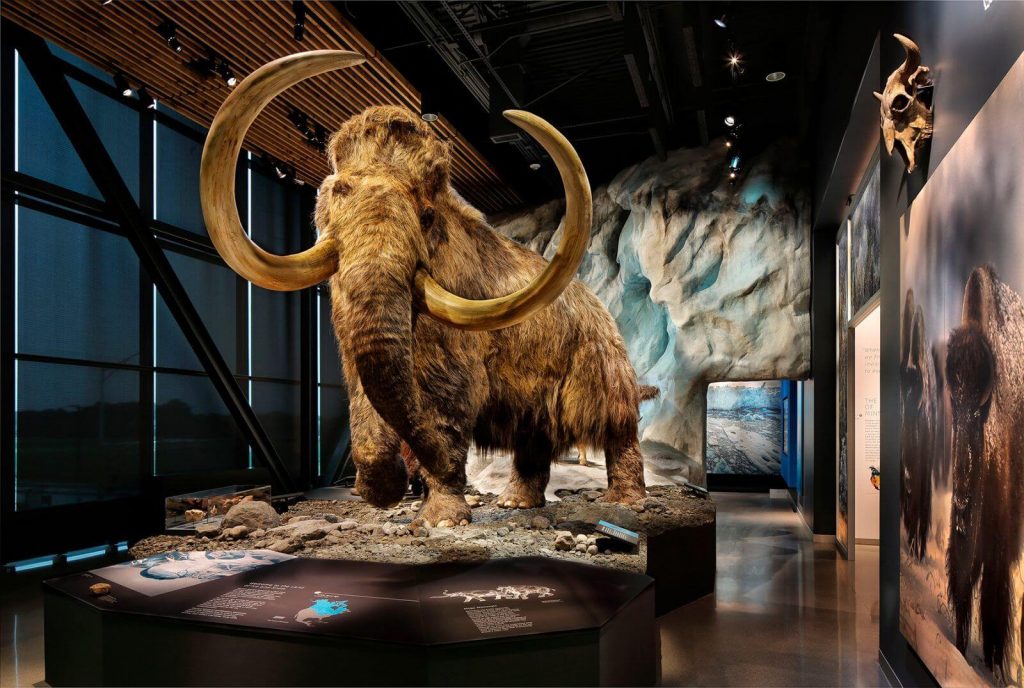
Embark on a voyage of discovery at the Bell Museum, nestled in St. Paul, MN. A sanctuary of learning and inspiration, this unique museum combines natural wonders with stellar exploration. Visitors are treated to exquisite animal dioramas, portraying wildlife in mesmerizing detail, and an enveloping planetarium that guides them through the cosmos. With educational programs enriching the experience, each moment becomes an opportunity for enlightenment. Ideal for a thoughtful 2.5-hour journey, the Bell Museum stands as a testament to the endless curiosity that drives us, making it a must-visit for those seeking knowledge beyond the ordinary.

Cultural Context

University of Minnesota’s natural history showcase connecting scientific research with public education. Pioneering digital planetarium and famous Touch & See Lab democratize scientific learning. Represents Minnesota’s commitment to environmental education and biodiversity conservation.

Historical Context

Founded 1872 as state natural history museum, among oldest in Midwest. Original collections from Minnesota Geological and Natural History Survey. Moved to current St. Paul campus location 2018 after century on Minneapolis campus. Name honors former museum director James Ford Bell.

Context

Story and significance

About

Embark on a voyage of discovery at the Bell Museum, nestled in St. Paul, MN. A sanctuary of learning and inspiration, this unique museum combines natural wonders with stellar exploration. Visitors are treated to exquisite animal dioramas portraying wildlife in mesmerizing detail and an enveloping planetarium that guides them through the cosmos.

With educational programs enriching the experience, each moment becomes an opportunity for enlightenment. Ideal for a thoughtful 2.5-hour journey, the Bell Museum is a testament to the endless curiosity that drives us, making it a must-visit for those seeking knowledge beyond the ordinary.

Historical significance

The Bell Museum is important for preserving scientific collections, documenting regional natural history and supporting biodiversity research and education in Minnesota. Its role in training students, hosting research collections and communicating environmental issues gives it lasting significance to academics, educators and the wider public.

Historical context

Originating from a university-affiliated natural history collection, the institution evolved over decades into a public museum focused on regional biodiversity, conservation and science education. Its recent redevelopment consolidated galleries, collections and a planetarium into a modernized facility intended to broaden public engagement and present contemporary scientific work.

Cultural context

The Bell Museum serves as Minnesota’s state natural history museum and planetarium, providing educational programming, exhibits and community outreach that connect residents and students with regional science and natural history. It functions as a cultural hub for K–12 education, public lectures and informal learning about the Upper Midwest’s ecosystems and scientific research.

Architecture

The current facility blends contemporary museum planning with purpose-built spaces for galleries, collection storage and a full-dome planetarium; materials and layout emphasize accessibility, flexible exhibition areas and controlled environments for specimens. The architecture supports interpretive storytelling through immersive exhibits and state-of-the-art projection technology rather than ornate stylistic statements.

Local significance

The Bell Museum is a significant cultural and educational institution for Saint Paul and the University of Minnesota, acting as a regional center for natural history, scientific exhibits and public outreach. Local school districts and community groups frequently rely on the museum for curriculum-linked programming, planetarium shows and hands-on exhibits that foster scientific curiosity across ages. It also functions as a research and collections hub for Minnesota’s natural heritage, supporting local conservation awareness and connecting residents to the state’s ecology.

Editorial scores

How we rate it

Universal appeal & authenticity10/10
Cultural richness & educational value10/10
Preservation & integrity10/10
Accessibility & visitor engagement10/10

Editorial scores on a 10-point scale, judged against places of the same kind.

Updated Data: Editorial research · Google Places ratings · Verified coordinates