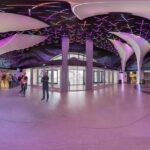
Housed in an innovative structure of geometric glass and titanium cubes designed by architect David Adjaye, the Museum of Contemporary Art Denver (MCA Denver) represents the Rocky Mountain region’s leading platform for adventurous current art. Founded in 1996 and moving to its present environmentally sustainable building in 2007, the museum takes a decidedly different approach than traditional art institutions—foregoing a permanent collection in favor of rotating exhibitions that respond quickly to emerging movements and local creative energy. This non-collecting model allows the museum to transform completely every few months, encouraging repeat visits and deeper community engagement. MCA Denver further distinguishes itself through programming that deliberately blurs boundaries between artistic disciplines, intellectual discourse, and social experiences. Its rooftop cafe, with panoramic mountain views, hosts everything from lectures to concerts to comedy nights. The museum’s commitment to accessibility extends to unconventional offerings like mixed-reality experiences and teen-designed exhibitions. In a city experiencing rapid growth and cultural transformation, MCA Denver functions as both a showcase for international contemporary art and a laboratory for exploring how museums can remain relevant, provocative, and embedded in their communities in the 21st century.
Cultural Context
The Museum of Contemporary Art Denver (MCA Denver) plays a vital role in the cultural landscape of Denver by fostering a dynamic dialogue between contemporary art and the local community. It serves as a platform for emerging and established artists, often showcasing works that reflect diverse cultural experiences and social issues relevant to the region and beyond. The museum actively promotes inclusivity by featuring exhibitions that explore themes such as identity, migration, environmental concerns, and indigenous perspectives, resonating deeply with Denver’s multicultural population. Additionally, MCA Denver hosts public programs, workshops, and artist talks that engage visitors in creative practices and cultural conversations, encouraging a participatory experience. The museum’s commitment to contemporary art reflects Denver’s evolving identity as a city that embraces innovation while honoring its rich cultural traditions. Through its exhibitions and outreach, MCA Denver contributes significantly to the preservation and celebration of cultural diversity, making it a vital cultural hub in the Rocky Mountain region. Its role extends beyond art display to becoming a space where cultural narratives are expressed, challenged, and expanded, ensuring that the museum remains relevant to both local audiences and global contemporary art discourse.
Historical Context
Established in 1996, the Museum of Contemporary Art Denver has grown from a small, nonprofit organization into one of the premier contemporary art institutions in the western United States. Its founding coincided with a broader movement in the 1990s to decentralize contemporary art from traditional urban centers like New York and Los Angeles, aiming to cultivate regional artistic voices. Over the years, MCA Denver has hosted groundbreaking exhibitions by influential artists including Andy Warhol, Yayoi Kusama, and Ai Weiwei, positioning the museum as a critical site for contemporary artistic innovation. The museum’s evolution reflects Denver’s own transformation from a frontier town into a thriving metropolitan center with a vibrant cultural sector. Key historical milestones include the opening of its current building in 2007, designed by architect David Adjaye, which marked a turning point in the museum’s visibility and capacity. The institution has also played a role in supporting local artists and fostering art education, contributing to Denver’s reputation as an emerging cultural capital. MCA Denver’s history is intertwined with the city’s growth and the expanding appreciation for contemporary art in the American West.