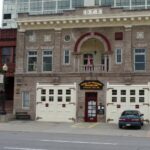
Larimer Square represents Denver‘s birthplace and most historic block, where the city’s founding story comes alive through beautifully preserved Victorian architecture housing upscale dining, boutique shopping, and vibrant nightlife. This pedestrian-friendly cobblestone street, established in 1858 as Denver’s original commercial district, showcases the transformation from Wild West frontier town to sophisticated urban destination. Gas-lit streets illuminate elegant 19th-century facades that have been meticulously restored to house contemporary restaurants, art galleries, and specialty shops, creating a unique blend of historical preservation and modern commerce. The square buzzes with energy during evening hours as locals and visitors enjoy rooftop dining, craft cocktails, and live entertainment against the backdrop of twinkling lights strung between historic buildings. This iconic destination perfectly captures Denver’s evolution while maintaining its frontier character and western charm.
Cultural Context
As a cornerstone of United States’s cultural landscape, this museum houses significant collections that reflect the artistic and cultural evolution of San Antonio. It serves as a bridge between past and present cultural expressions.
Historical Context
Larimer Square is Denver’s oldest and most historic block, dating back to 1858 when William Larimer Jr. founded the city by staking a claim along Cherry Creek. Originally serving as Denver’s first commercial district, Larimer Street quickly became a bustling hub of trade, entertainment, and social activity during Colorado’s early pioneer days. Throughout the late 19th and early 20th centuries, the area housed a variety of businesses including saloons, hotels, and shops that catered to miners, railroad workers, and settlers. By the mid-20th century, the district had fallen into decline, but a significant preservation and revitalization effort in the 1960s led by local entrepreneurs and preservationists transformed Larimer Square into a vibrant cultural and commercial center. This restoration preserved many original Victorian buildings, allowing Larimer Square to become a symbol of Denver’s heritage and urban renewal. The square’s evolution from a frontier trading post to a modern cultural landmark reflects the broader development of Denver and the American West, making it a vital link to the city’s pioneering past and its ongoing urban identity. Today, Larimer Square stands as a testament to successful historic preservation and adaptive reuse, maintaining its role as a cornerstone of Denver’s historical narrative.