MenuClose

A place worth knowing

Pelican Craft Centre

Shopping · Craft centre in BridgetownUpdated

  • Google rating4.1/5 (3,500 reviews)
  • Typical visit1-2 hours (longer if including a meal at the adjacent restaurant)
  • EntranceFree
A close-up image of a magnificent pelican with a distinctive long beak and striking white plumage, against a dramatic black background.
  • Today (Sunday)9:00 AM – 5:00 PM
  • Typical visit1-2 hours (longer if including a meal at the adjacent restaurant)
  • EntranceFree
  • Google rating4.1/5 3,500 reviews
  • WebsiteOfficial site ↗
Opening hours all week
Monday
9:00 AM – 5:00 PM
Tuesday
9:00 AM – 5:00 PM
Wednesday
9:00 AM – 5:00 PM
Thursday
9:00 AM – 5:00 PM
Friday
9:00 AM – 5:00 PM
Saturday
9:00 AM – 5:00 PM
Sunday
9:00 AM – 5:00 PM
Quiet times
"{}"
Busy times
"{}"
Accessibility
"{"parking": "Free accessible parking spaces available", "assistance": "Staff and artisans happy to assist visitors with special needs", "facilities": "Accessible restrooms on-site", "transportation": "Short distance from Bridgetown Port and cruise terminals", "wheelchair_access": "Ground level access throughout the craft centre"}"
The short answer

Why it matters

A cluster of artisan workshops and stalls near the cruise-ship terminal, selling handmade pottery, batik, leather goods, and Bajan souvenirs directly from the craftspeople.

Nestled along the waterfront of Bridgetown, Barbados, the Pelican Craft Centre stands as a vibrant showcase of authentic Bajan craftsmanship and cultural expression. This colorful collection of workshops and galleries houses skilled artisans practicing traditional Caribbean crafts passed down through generations. Visitors can watch craftspeople create intricate pottery, handwoven baskets, batik textiles, jewelry featuring local materials like coral and shells, and carved figurines from native woods. More than a shopping destination, the centre offers an immersive look into Barbadian cultural heritage through demonstrations and conversations with artists about their techniques and inspirations. The adjacent Pelican Village restaurant serves authentic Bajan cuisine, allowing visitors to complete their sensory exploration of the island’s cultural identity through its distinctive flavors. As one of the island’s most important cultural preservation spaces, the Pelican Craft Centre provides both economic opportunities for local artisans and an authentic window into Barbados’ creative spirit.

Cultural Context

Representing the heart of Barbados’s food culture, this restaurant serves as a cultural bridge through its traditional regional cuisine and authentic preparation methods.

Historical Context

The Pelican Craft Centre in Bridgetown, Barbados, traces its origins back to the mid-20th century when the island sought to preserve and promote its rich cultural heritage through local arts and crafts. Established in the 1960s, the centre was initially conceived as a marketplace for Barbadian artisans to showcase their work to both locals and visitors. Over the decades, it evolved into a vibrant hub where traditional craftsmanship meets contemporary creativity, reflecting the island’s post-colonial identity and economic diversification. The centre played a pivotal role during the 1970s and 1980s in supporting local artists amid Barbados’s growing tourism industry, allowing them to sustain their livelihoods while preserving indigenous techniques. It also became a cultural meeting point where stories, folklore, and skills were passed down through generations. Today, the Pelican Craft Centre stands not only as a commercial venue but as a living museum of Bajan cultural resilience and artistic expression, marking an important chapter in Barbados’s journey toward cultural self-affirmation and economic sustainability. Its history is intertwined with the island’s broader narrative of independence and cultural pride, making it a significant landmark in Bridgetown’s urban and social landscape.


Context

Story and significance

About

The Caribbean’s largest arts and crafts centre, located in Bridgetown near the harbor, houses over 30 artisan shops and workshops where visitors can watch Barbadian craftspeople at work. Products range from mahogany carvings and hand-thrown pottery to batik fabrics, straw-woven hats and bags, flame glass art, and locally made jewelry. The complex also sells rum cakes, pepper sauce, local confectionery, and custom gift baskets. Unlike mass-produced souvenir shops, Pelican emphasizes authenticity — each item is designed and made by Barbadian or Caribbean artisans, offering a direct connection to Bajan craft traditions.

Historical significance

The Pelican Craft Centre occupies a unique place in Barbados’s historical narrative as a symbol of cultural preservation and economic adaptation during a period of significant social change. Established shortly after Barbados gained independence in 1966, the centre represented an effort to assert national identity through the promotion of indigenous arts and crafts at a time when the island was redefining itself politically and economically. It contributed to the broader movement of cultural nationalism that sought to reclaim and celebrate Afro-Caribbean heritage, countering colonial legacies that often marginalized local artistic expressions. The centre’s role in sustaining traditional crafts has had a lasting impact on Barbados’s cultural landscape, helping to ensure that artisanal knowledge and practices survived modernization and tourism-driven development. Furthermore, it has served as a model for similar initiatives across the Caribbean, demonstrating how cultural heritage can be leveraged for economic empowerment. Historically, the Pelican Craft Centre stands as a testament to Barbados’s commitment to honoring its past while fostering creative innovation, securing its legacy as a cornerstone of the island’s cultural and historical identity.

Historical context

The Pelican Craft Centre in Bridgetown, Barbados, traces its origins back to the mid-20th century when the island sought to preserve and promote its rich cultural heritage through local arts and crafts. Established in the 1960s, the centre was initially conceived as a marketplace for Barbadian artisans to showcase their work to both locals and visitors. Over the decades, it evolved into a vibrant hub where traditional craftsmanship meets contemporary creativity, reflecting the island’s post-colonial identity and economic diversification. The centre played a pivotal role during the 1970s and 1980s in supporting local artists amid Barbados’s growing tourism industry, allowing them to sustain their livelihoods while preserving indigenous techniques. It also became a cultural meeting point where stories, folklore, and skills were passed down through generations. Today, the Pelican Craft Centre stands not only as a commercial venue but as a living museum of Bajan cultural resilience and artistic expression, marking an important chapter in Barbados’s journey toward cultural self-affirmation and economic sustainability. Its history is intertwined with the island’s broader narrative of independence and cultural pride, making it a significant landmark in Bridgetown’s urban and social landscape.

Cultural context

Representing the heart of Barbados’s food culture, this restaurant serves as a cultural bridge through its traditional regional cuisine and authentic preparation methods.

Architecture

The Pelican Craft Centre is housed in a collection of buildings that embody a blend of traditional Barbadian architectural styles with practical adaptations suited to the island’s tropical climate. The structures feature classic coral stone and wood elements, materials historically abundant and favored in Barbadian construction for their durability and natural cooling properties. The design incorporates wide verandas, louvered windows, and high ceilings, all characteristic of the island’s colonial-era architecture, intended to maximize ventilation and provide relief from the Caribbean heat. The centre’s layout is arranged around open-air courtyards that encourage natural light and airflow, creating an inviting atmosphere for artisans and visitors alike. These architectural choices not only reflect Barbados’s colonial past but also its adaptation to local environmental conditions and cultural aesthetics. Over time, the buildings have been carefully maintained and sensitively restored to preserve their historical integrity while accommodating modern needs. The Pelican Craft Centre’s architecture serves as a tangible link between Barbados’s architectural heritage and its contemporary cultural identity, making it an essential study for those interested in Caribbean vernacular design.

Local significance

For the people of Bridgetown and Barbados at large, the Pelican Craft Centre holds deep cultural and economic significance. It functions as a vital platform for local artisans, many of whom come from families with generations of craft traditions, to sustain their livelihoods and pass on their skills to younger generations. The centre is a communal space where cultural identity is actively preserved and celebrated, fostering pride in Bajan heritage. It also serves as a gathering place for festivals, workshops, and cultural events that reinforce community bonds and promote intercultural dialogue. Beyond its role in commerce and culture, the Pelican Craft Centre contributes to the local economy by attracting both residents and tourists, thereby supporting small businesses and encouraging sustainable tourism. The centre’s presence has helped maintain traditional crafts that might otherwise have diminished in the face of globalization and industrial mass production. Locally, it is viewed not just as a marketplace but as a cultural institution that embodies the spirit and resilience of Barbadian society, making it an indispensable part of daily life and community identity in Bridgetown.

Experience

Make the most of it

Local tips
  • Bar seating often available without reservation
  • Try the house wine recommendations
  • Chef's tasting menu offers best experience
  • Ask servers for off-menu items
  • Seasonal menus showcase best ingredients
  • Locals eat later than tourists
  • Early bird specials before 7pm
Hidden gems nearby
  • Secret menu items for regulars
  • Chef's table experiences available
  • Private dining rooms for special occasions
  • Signature cocktails worth trying
  • Wine cellar tours can be arranged
  • Kitchen tours sometimes offered
  • Local ingredients sourced from specific farms
Special features
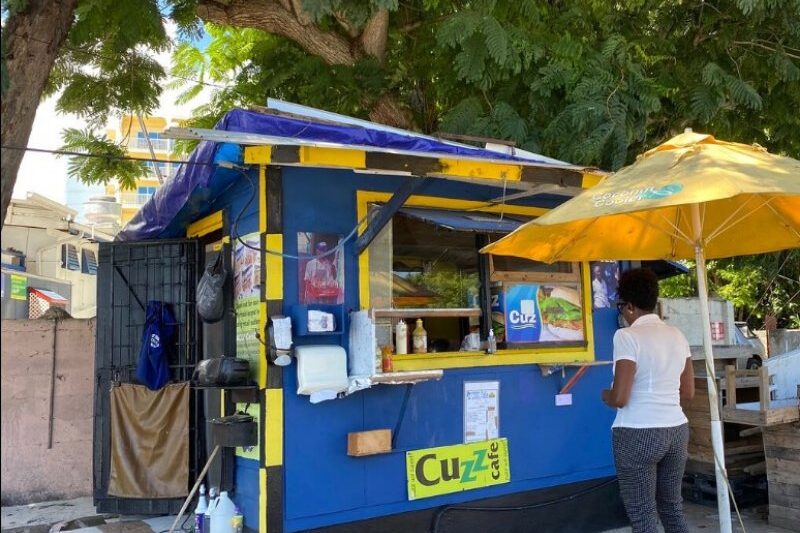
  • One of the Pelican Craft Centre’s most distinctive features is its extensive array of handcrafted goods that celebrate Barbados’s diverse artistic traditions. Visitors can find everything from intricate straw work and pottery to vibrant paintings and wood carvings, each piece reflecting the island’s unique cultural narratives and natural beauty. The centre also hosts live demonstrations where artisans skillfully showcase traditional techniques such as basket weaving, pottery making, and embroidery, providing an immersive educational experience. Additionally, the centre includes a small gallery space dedicated to rotating exhibitions of contemporary Barbadian art, bridging the gap between traditional craft and modern artistic expression. The waterfront location adds to its charm, offering scenic views of Carlisle Bay that enhance the shopping and cultural experience. The Pelican Craft Centre also features a café that serves authentic Bajan cuisine, allowing visitors to engage with the island’s culinary heritage alongside its visual arts. These elements combine to make the centre a multifaceted cultural venue that celebrates the full spectrum of Barbados’s creative heritage in an accessible and engaging way.
Editorial scores

How we rate it

Authenticity9/10
Accessibility score8/10
Family-friendly score8/10
Off-the-beaten-path6/10

Editorial scores on a 10-point scale, judged against places of the same kind.

Updated Data: Editorial research · Google Places ratings · Verified coordinates