MenuClose

A place worth knowing

Tapas Restaurant

Restaurants · Restaurant in BarbadosUpdated

  • Google rating4.5/5 (8,000 reviews)
  • Typical visit1.5-2.5 hours
  • EntranceFree
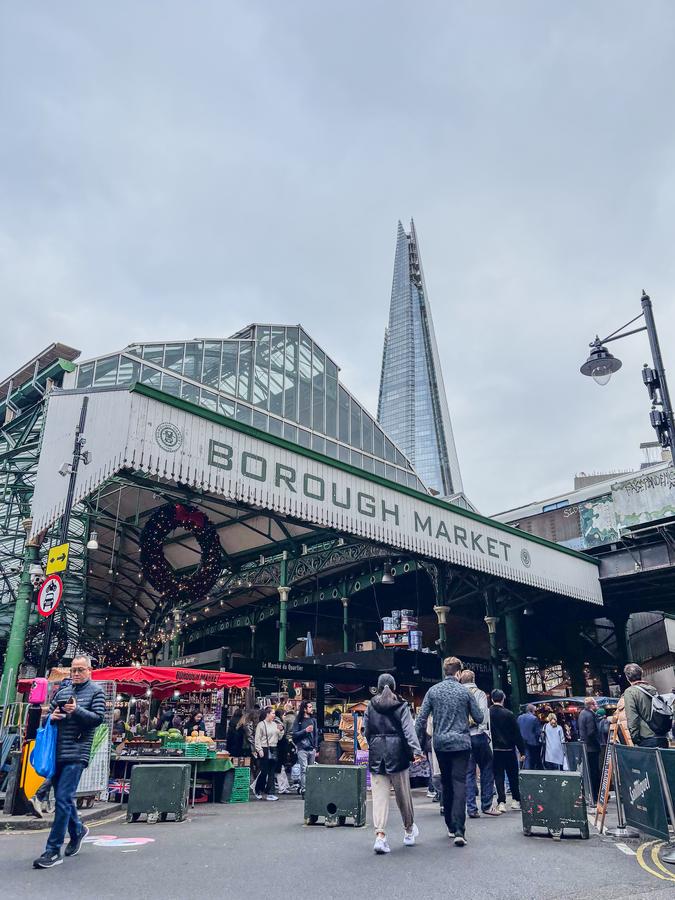
Borough Market London vibrant food market near The Shard, historic culinary destination
  • Today (Monday)Closed
  • Typical visit1.5-2.5 hours
  • EntranceFree
  • Google rating4.5/5 8,000 reviews
  • WebsiteOfficial site ↗
Opening hours all week
Monday
Closed
Tuesday
12:00 PM – 3:00 PM, 6:00 PM – 9:30 PM
Wednesday
12:00 PM – 3:00 PM, 6:00 PM – 9:30 PM
Thursday
12:00 PM – 3:00 PM, 6:00 PM – 9:30 PM
Friday
12:00 PM – 3:00 PM, 6:00 PM – 9:30 PM
Saturday
12:00 PM – 3:00 PM, 6:00 PM – 9:30 PM
Sunday
12:00 PM – 3:00 PM
Accessibility
"{"parking": "Street parking available nearby. Some accessible spaces. Valet parking may be available.", "mobility_info": "Single level restaurant. Wide spacing between tables. Smooth flooring throughout. Some outdoor seating on terrace.", "public_transport": "Local buses serve St Lawrence Gap. Taxis readily available in tourist area.", "wheelchair_access": "Wheelchair accessible main dining area. Level entrance from street. Accessible seating available with ocean views.", "accessibility_services": "Staff accommodating to special needs. Accessible restroom facilities. Flexible seating arrangements.", "sensory_considerations": "Can be lively during peak dining times. Ocean breeze provides natural cooling. Live music on certain nights."}"
The short answer

Why it matters

A beachfront Hastings favourite combining Mediterranean tapas with Caribbean flair, consistently ranked among Barbados's top restaurants with 4,000+ reviews.

Tapas Restaurant offers a uniquely atmospheric dining experience on Barbados’ picturesque west coast, where Mediterranean-inspired small plates meet Caribbean flavors in a stunning waterfront setting. Housed in a converted beachside Barbadian home with multiple levels cascading toward the sea, the restaurant features an expansive wooden deck suspended directly over the crystal-clear waters of Prospect Bay. This architectural arrangement provides diners with the sensory experience of being aboard a luxury yacht, complete with gentle waves lapping below and spectacular sunset views. The menu emphasizes fresh seafood, locally sourced ingredients, and creative fusion dishes designed for sharing, accompanied by an impressive selection of wines and handcrafted cocktails. Soft lighting from hurricane lanterns, natural wood elements, and the rhythmic sounds of the Caribbean Sea create a romantic ambiance that has established Tapas as a favorite for special occasions among residents and a memorable discovery for visitors seeking sophisticated coastal dining with authentic island character.

Cultural Context

As a cornerstone of Barbados’s dining scene, this restaurant celebrates the rich culinary heritage of BB15156. The menu reflects traditional recipes and cooking techniques that tell the story of the local food culture.

Historical Context

Tapas Restaurant, established in the early 2000s, has become a notable culinary destination on Barbados’ west coast, a region historically known for its vibrant fishing villages and colonial trade routes. While Barbados itself boasts a rich history dating back to its settlement by the British in 1627, the west coast evolved into a hub for tourism and upscale dining in the late 20th century. Tapas Restaurant emerged during this period of transformation, blending Mediterranean culinary traditions with local Barbadian ingredients, reflecting the island’s growing global cultural connections. The restaurant’s concept draws inspiration from the Spanish tradition of serving small plates, encouraging communal dining and social interaction, which resonates well with Barbados’ strong community values. Over time, Tapas has contributed to the diversification of the island’s dining scene, moving away from purely traditional Caribbean fare to embrace international influences while maintaining a commitment to local produce. This evolution mirrors Barbados’ broader economic and cultural shifts, as the island balances heritage with modernity. The restaurant’s inception and continued popularity highlight the dynamic fusion of history, culture, and gastronomy that characterizes contemporary Barbados. Tapas Restaurant thus stands as a culinary reflection of the island’s historical openness to cultural exchange and adaptation, enriching the local dining landscape since its founding.
Context

Story and significance

About

St James’s Park is London’s oldest Royal Park, covering 23 hectares in the heart of Westminster between Buckingham Palace and Whitehall. Henry VIII acquired the marshland in 1532 and converted it into a deer park; Charles II opened it to the public in the 1660s. Its current landscape was designed by John Nash in 1828. The centrepiece is St James’s Park Lake, home to a pelican colony established in 1664 when a Russian ambassador gifted the birds to Charles II. The Blue Bridge spanning the lake frames a classic tree-lined view of Buckingham Palace to the west. The park borders The Mall — the ceremonial route for state processions and the Changing of the Guard.

Historical significance

While Tapas Restaurant itself is a relatively recent establishment, its historical significance lies in its embodiment of Barbados’ evolving cultural and gastronomic landscape. The restaurant represents a shift from traditional Caribbean culinary practices toward a more globalized, fusion-oriented approach that respects and incorporates local heritage. This transition reflects broader historical trends on the island, where post-colonial identity and economic development have increasingly embraced multicultural influences. Tapas has played a key role in redefining fine dining in Barbados, helping to position the island as a destination not only for its natural beauty but also for sophisticated culinary experiences. Its success has encouraged other restaurateurs to innovate and experiment, contributing to the diversification and enrichment of the island’s food culture. Furthermore, Tapas’ emphasis on sustainability and local sourcing aligns with Barbados’ historical commitment to environmental stewardship and community resilience. By fostering connections between Mediterranean culinary traditions and Barbadian ingredients, the restaurant serves as a living example of cultural dialogue and adaptation, themes central to the island’s history. In this way, Tapas Restaurant contributes to the ongoing narrative of Barbados as a dynamic society that honors its past while embracing the future.

Historical context

Tapas Restaurant, established in the early 2000s, has become a notable culinary destination on Barbados’ west coast, a region historically known for its vibrant fishing villages and colonial trade routes. While Barbados itself boasts a rich history dating back to its settlement by the British in 1627, the west coast evolved into a hub for tourism and upscale dining in the late 20th century. Tapas Restaurant emerged during this period of transformation, blending Mediterranean culinary traditions with local Barbadian ingredients, reflecting the island’s growing global cultural connections. The restaurant’s concept draws inspiration from the Spanish tradition of serving small plates, encouraging communal dining and social interaction, which resonates well with Barbados’ strong community values. Over time, Tapas has contributed to the diversification of the island’s dining scene, moving away from purely traditional Caribbean fare to embrace international influences while maintaining a commitment to local produce. This evolution mirrors Barbados’ broader economic and cultural shifts, as the island balances heritage with modernity. The restaurant’s inception and continued popularity highlight the dynamic fusion of history, culture, and gastronomy that characterizes contemporary Barbados. Tapas Restaurant thus stands as a culinary reflection of the island’s historical openness to cultural exchange and adaptation, enriching the local dining landscape since its founding.

Cultural context

As a cornerstone of Barbados’s dining scene, this restaurant celebrates the rich culinary heritage of BB15156. The menu reflects traditional recipes and cooking techniques that tell the story of the local food culture.

Architecture

The architectural design of Tapas Restaurant harmoniously integrates modern Caribbean aesthetics with Mediterranean influences, creating a space that is both inviting and elegant. Situated on Barbados’ picturesque west coast, the building utilizes local coral stone and sustainably sourced hardwoods, reflecting traditional Barbadian construction materials that are well-suited to the tropical climate. The structure features open-air dining areas with high vaulted ceilings and wide verandas, allowing natural sea breezes to circulate and providing diners with unobstructed views of the turquoise Caribbean Sea. This architectural openness is inspired by Mediterranean coastal designs, promoting a relaxed yet sophisticated atmosphere. The use of hand-crafted tiles and wrought iron detailing further enhances the Mediterranean ambiance, while the incorporation of native flora in the landscaping grounds the restaurant firmly within its Barbadian environment. The building’s layout emphasizes communal dining spaces that support the tapas-style sharing concept, with intimate alcoves and larger tables designed to foster social interaction. Lighting fixtures are carefully chosen to mimic the warm glow of sunset, enhancing the overall sensory experience. The architectural approach balances aesthetics with sustainability, employing energy-efficient features and natural ventilation to reduce environmental impact. Tapas Restaurant’s architecture stands as a thoughtful blend of cultural motifs and practical design, contributing significantly to the island’s contemporary architectural narrative.

Local significance

Tapas Restaurant holds a respected place within the local community of Barbados, serving as both a culinary landmark and a social gathering spot that fosters connection among residents and visitors alike. Beyond its role as a dining venue, it supports local farmers, fishermen, and artisans by sourcing ingredients and materials from the island, thereby contributing to the local economy and promoting sustainable practices. The restaurant’s commitment to showcasing Barbadian produce within a Mediterranean framework has helped elevate the island’s culinary reputation internationally, inspiring pride among locals. Tapas also actively participates in community events and charitable initiatives, such as food drives and cultural festivals, reinforcing its role as a socially responsible business deeply embedded in the island’s fabric. Its location on the west coast, an area that balances tourism with residential life, makes it a favored destination for both locals seeking refined dining experiences and tourists wishing to engage authentically with Barbadian culture. Additionally, Tapas provides employment and training opportunities for local youth in hospitality and culinary arts, contributing to workforce development. The restaurant’s blend of international culinary influences with local traditions mirrors the island’s multicultural identity, making it a symbol of Barbados’ openness and cultural vitality. In this way, Tapas Restaurant is more than a place to eat; it is an integral part of the community’s cultural and economic ecosystem.

Experience

Make the most of it

Local tips
  • Chef's tasting menu offers best experience
  • Seasonal menus showcase best ingredients
  • Bar seating often available without reservation
  • Locals eat later than tourists
  • Try the house wine recommendations
  • Early bird specials before 7pm
  • Ask servers for off-menu items
Hidden gems nearby
  • Kitchen tours sometimes offered
  • Secret menu items for regulars
  • Signature cocktails worth trying
  • Wine cellar tours can be arranged
  • Chef's table experiences available
  • Private dining rooms for special occasions
  • Local ingredients sourced from specific farms
Special features
  • Tapas Restaurant is distinguished by its unique fusion of Mediterranean small plates with fresh, locally sourced Barbadian ingredients, offering a dining experience that is both innovative and deeply rooted in place. One of its most notable features is the open kitchen concept, allowing guests to observe the culinary artistry behind each dish, which emphasizes transparency and engagement. The menu changes seasonally, reflecting the availability of local produce, seafood, and spices, ensuring freshness and sustainability. The restaurant also boasts an extensive wine list, curated to complement the diverse flavors of the tapas, featuring selections from Spain, Italy, and local Caribbean vineyards. Architecturally, the restaurant’s outdoor terrace provides panoramic views of the Caribbean Sea, creating a serene backdrop that enhances the sensory experience of dining. Tapas is also known for its live music evenings, where local musicians perform traditional and contemporary pieces, enriching the cultural atmosphere. Another distinctive element is the incorporation of artisanal tableware crafted by Barbadian artists, which adds a tactile connection to the island’s creative heritage. The restaurant’s commitment to eco-friendly practices, including composting and reducing single-use plastics, aligns with Barbados’ broader environmental initiatives. These special features collectively create a dining environment that is not only gastronomically exciting but also culturally immersive and environmentally conscious.
Editorial scores

How we rate it

Authenticity8/10
Accessibility score8/10
Family-friendly score7/10
Off-the-beaten-path5/10

Editorial scores on a 10-point scale, judged against places of the same kind.

Updated Data: Editorial research · Google Places ratings · Verified coordinates