Where to Stay in Antwerp: 7 Best Areas & Hotel Picks
Compare seven Antwerp neighborhoods with honest tradeoffs, hotel picks for every budget, and practical context from Kyle’s firsthand visit.
Compare seven Antwerp neighborhoods with honest tradeoffs, hotel picks for every budget, and practical context from Kyle’s firsthand visit.
A riverside, green, academic neighborhood ideal for students, architecture lovers, nature lovers.

Zacatecas’s UNESCO-listed colonial center — a former silver-mining city of pink-stone Baroque architecture, the twin-towered cathedral, and a cable car over the historic streets.
Zadar’s three-thousand-year-old peninsula of marble streets — Roman forum, Venetian walls, and the wave-powered Sea Organ that turns the Adriatic into music at sunset.
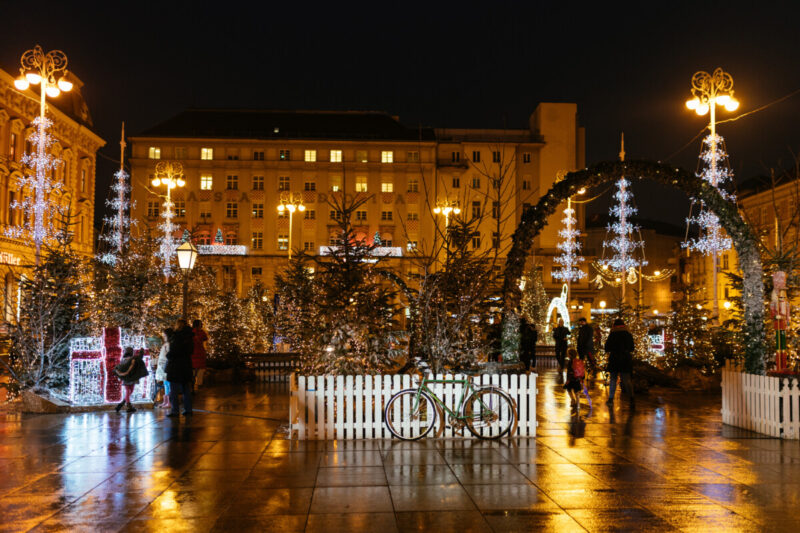
Zagreb’s hilltop Upper Town — the city’s oldest quarter, home to St. Mark’s tiled-roof church, the noon cannon of Lotrščak Tower, and a historic funicular up from Ilica Street.
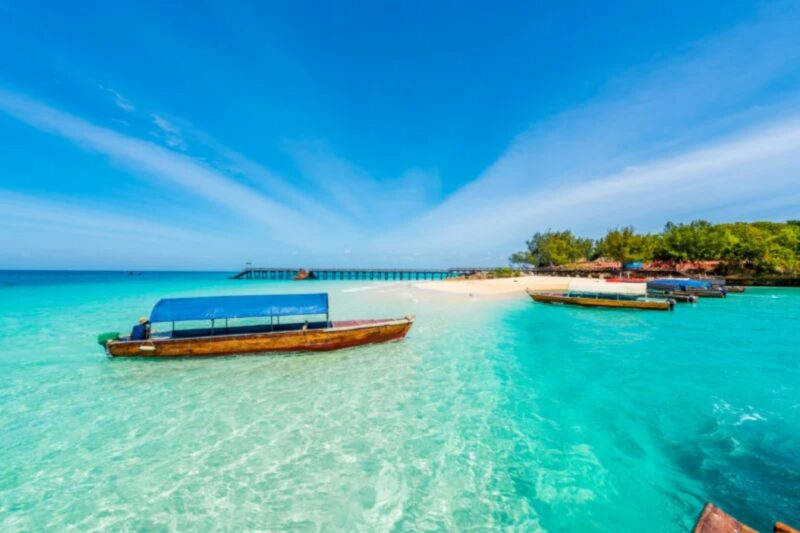
Stone Town is Zanzibar’s UNESCO-listed old quarter — a 19th-century Swahili trading hub of coral-stone buildings, carved wooden doors, and landmarks like the House of Wonders and the Old Fort.

A historic charm, upscale shopping, waterfront dining neighborhood ideal for Shoppers, History buffs, Students.
Wrocław’s historic core around the Rynek, one of Europe’s largest market squares — pastel townhouses, a Gothic town hall, and 300+ bronze dwarf statues hidden in the streets.
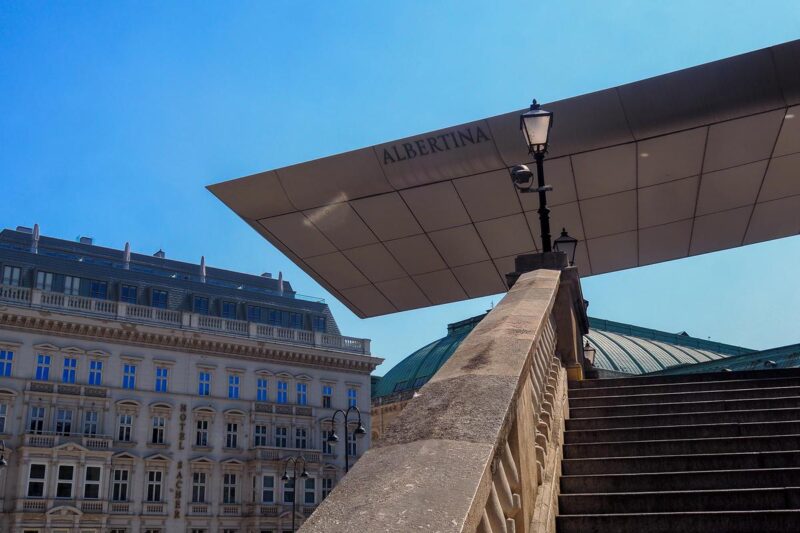
Vienna’s 4th district below the Ringstrasse — Baroque Karlskirche, the sprawling Naschmarkt, and a multicultural, local-feeling mix of wine bars, galleries, and global eateries.
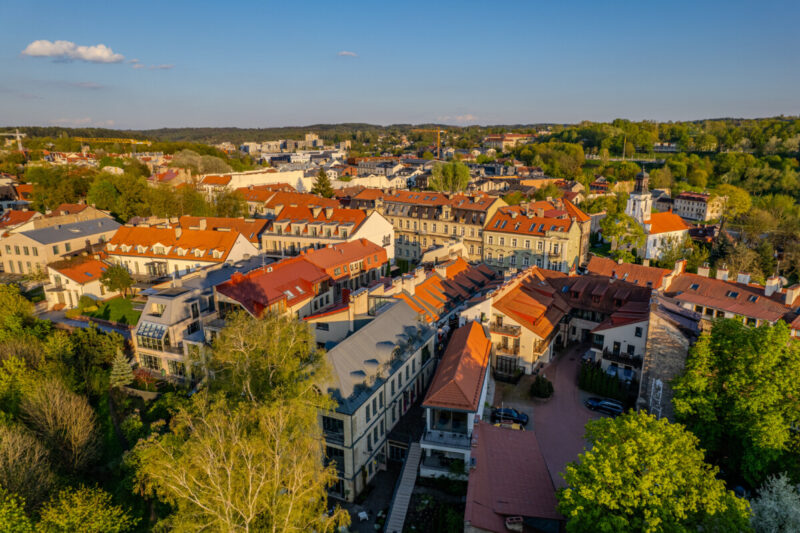
One of northern Europe’s largest surviving medieval old towns — a UNESCO-listed maze of Gothic, Baroque, and Neoclassical streets, from the Gates of Dawn to Gediminas Castle.
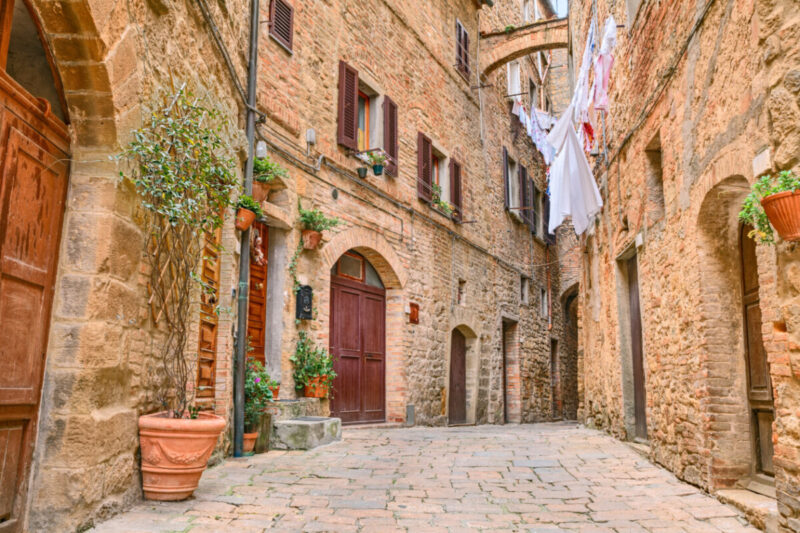
A walled Tuscan hill town of Etruscan and medieval stone — Volterra is known for its Roman theatre, alabaster craftsmanship, and sweeping views over the Val di Cecina.