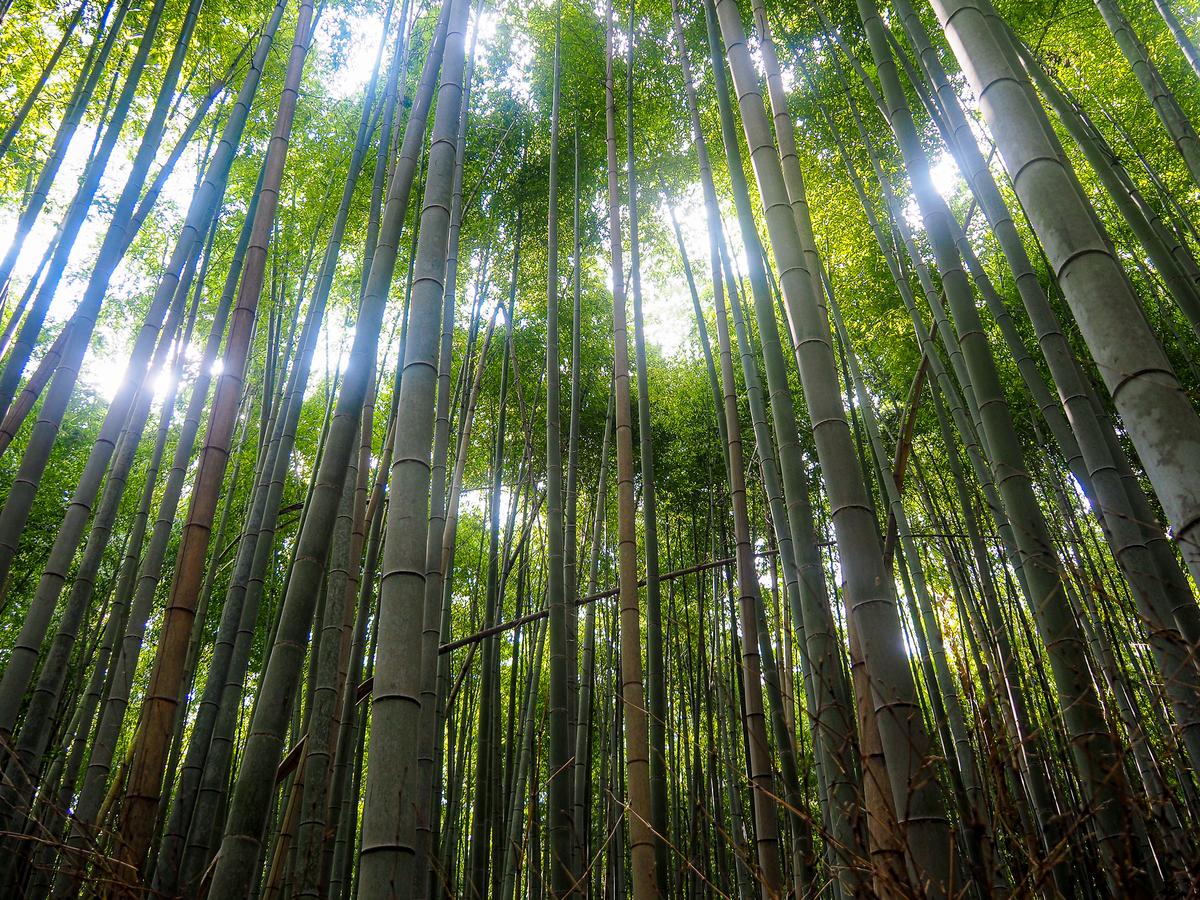
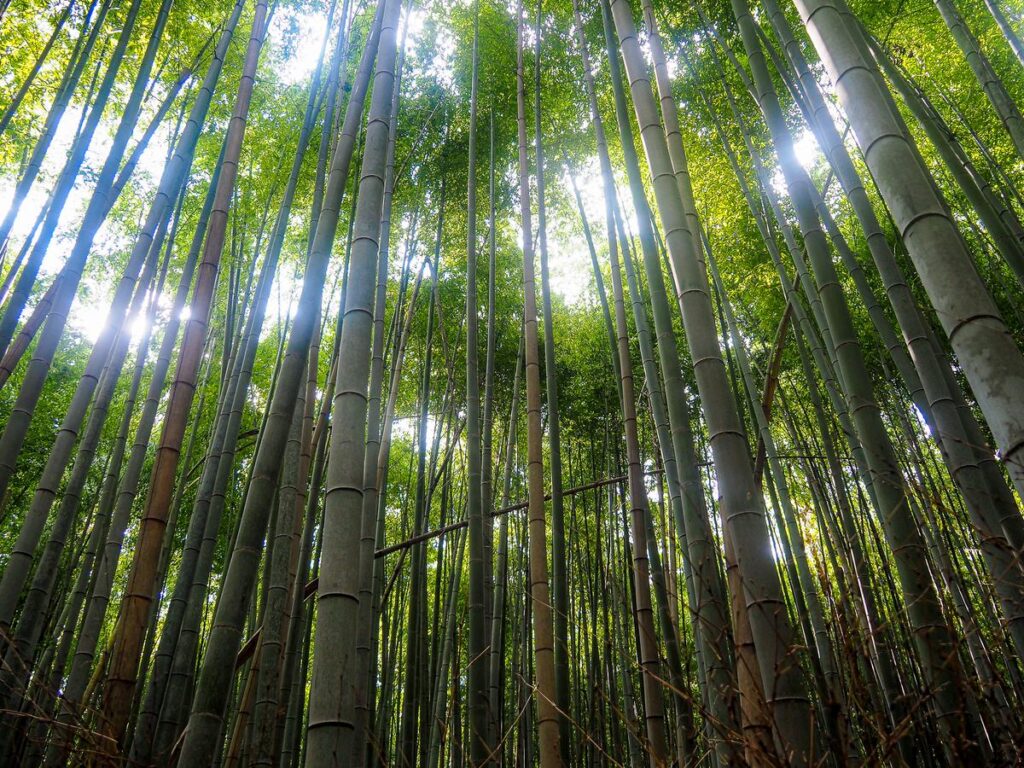
The Arashiyama Bamboo Grove stands as one of Japan’s most mesmerizing natural wonders, where thousands of towering bamboo stalks create an otherworldly forest tunnel on the outskirts of Kyoto. This living green cathedral, with bamboo reaching heights of over 20 meters, produces an ethereal play of light and shadow as sunbeams filter through the dense canopy, creating ever-shifting patterns across the earth-packed pathway. The distinctive sound experience—officially recognized as one of Japan’s “100 Soundscapes”—features the gentle creaking and rustling of bamboo swaying in the breeze, a natural music that Japanese environmental authorities have designated for preservation. The path winds through the heart of this bamboo sea, connecting significant cultural landmarks including the Tenryū-ji Temple and Ōkōchi Sansō Villa, embedding the natural wonder within Japan’s historical context. While photographs capture the grove’s visual majesty, they cannot convey the multi-sensory experience of walking beneath these soaring culms—the subtle temperature drop, the distinctive aromatic qualities of bamboo, and the hushed atmosphere that has inspired Japanese poetry and aesthetics for centuries. Visiting at dawn offers both the most authentic experience and a rare moment of tranquility in this iconic landmark that embodies the refined harmony between natural beauty and cultural significance central to Japanese environmental philosophy.
Cultural Context
Arashiyama Bamboo Grove embodies fundamental Japanese aesthetic principles of mono no aware (the bittersweet awareness of impermanence) through bamboo’s seasonal transformations and the ephemeral play of light filtering through swaying culms. In Japanese culture, bamboo symbolizes purity, resilience, and spiritual strength—its ability to bend without breaking represents the ideal of flexible inner strength during life’s challenges, making the grove a living meditation on Japanese philosophical values. Buddhist monks from nearby Tenryu-ji Temple have utilized the grove for centuries as a natural meditation space, recognizing how bamboo’s rustling creates what practitioners call “natural mantras”—repetitive sound patterns that induce contemplative states without human intervention. The grove’s designation as one of Japan’s official “100 Soundscapes” acknowledges its acoustic significance in Japanese cultural heritage, where the subtle interplay of wind and bamboo creates a sonic environment considered essential to understanding Japanese sensitivity to natural phenomena. Local Kyoto residents maintain deep connections to the grove through seasonal rituals, with families visiting during specific times to experience the bamboo’s changing colors and sounds that mark temporal passages in Japanese life. The space functions as both tourist destination and active spiritual landscape where contemporary practitioners continue ancient traditions of forest bathing (shinrin-yoku) and moving meditation, demonstrating how sacred natural spaces remain integrated into modern Japanese spiritual practice.
Historical Context
The Arashiyama Bamboo Grove traces its origins to the Heian period (794-1185) when Kyoto served as Japan’s imperial capital and the surrounding area became a favored retreat for aristocrats and nobles seeking natural beauty and poetic inspiration. Originally cultivated as part of aristocratic gardens near the prestigious Tenryu-ji Temple founded in 1339, the bamboo forest served both aesthetic and practical purposes, providing materials for traditional crafts including fences, baskets, and ceremonial implements. During the Edo period (1603-1868), tea ceremony culture and garden aesthetics reached their zenith, elevating the grove’s status as an essential element of Japanese landscape design. The area became a cultural pilgrimage site for poets, scholars, and artists who sought inspiration among the swaying stalks, with nearby Sagatoriimoto developing as a historic temple town preserving traditional Edo-era architecture and cultural practices.