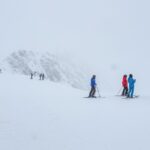
The Austrian Alps encompass 62% of Austria’s territory, creating a mountainous wonderland where 31,000 miles of alpine trails wind through eight major mountain ranges including the Ötztal, Zillertal, and Hohe Tauern, home to Grossglockner (Austria’s highest peak at 3,798m). This diverse alpine landscape spans from the dramatic limestone peaks of the Dachstein massif and the glacier-covered summits around Innsbruck to the gentle rolling hills of the Salzkammergut lake district, where traditional Tyrolean culture thrives in villages like Hallstatt, St. Wolfgang, and Zell am See. The region’s authentic character emerges through centuries-old traditions including alpine farming practices visible in mountain huts serving fresh Käsespätzle and Kaiserschmarrn, elaborate folk festivals like the Almabtrieb (cattle drives), and the distinctive Tyrolean architecture of wooden chalets adorned with flower boxes and painted facades. Beyond winter sports at legendary resorts like St. Anton am Arlberg, Kitzbühel, and the Arlberg ski area, the Austrian Alps offer extraordinary summer experiences including via ferrata climbing routes, pristine alpine lakes for swimming and sailing, and cultural treasures like the Salzburg Festival, Mozart’s birthplace, and the remarkable Hallstatt salt mine—the world’s oldest, operating for over 4,500 years. The region maintains authenticity through protected areas like Hohe Tauern National Park (Austria’s largest), traditional mountain agriculture that produces distinctive Alpine cheeses, and a living culture where lederhosen and dirndls are everyday attire rather than tourist costumes, creating an environment where ancient Alpine traditions continue to flourish amidst some of Europe’s most spectacular mountain scenery.
The destination guide
Austrian Alps
Travel guides for Austrian Alps
More guides featuring Austrian Alps (4)
At a glance
- German
- Alpine mountain ranges
- Glacier valleys
- Ski terrain
- Mountain lakes
- Winter sports
- Hiking and nature exploration
- Cultural and historical tourism
- Romantic getaways
- Adventure tourism
How Austrian Alps scores
Character
Editorial scores on a 10-point scale, weighed against destinations of the same kind.
Travel safety snapshot
SafePlace indicators use their source 100-point scale; higher is more favourable. Planning context, not a live travel advisory — check official government guidance before you go.
When to go
Best months to visit: January, February, March, May, June, July, August, September, October and December.
- January: 17.7 to 28.6 degrees Celsius, 18.9 millimetres of rain, best-time score 5 out of 5.
- February: 17.5 to 28.3 degrees Celsius, 18.4 millimetres of rain, best-time score 5 out of 5.
- March: 18.1 to 28.3 degrees Celsius, 20.3 millimetres of rain, best-time score 4 out of 5.
- April: 18.6 to 28.9 degrees Celsius, 38.6 millimetres of rain, best-time score 3 out of 5.
- May: 19.9 to 28.7 degrees Celsius, 55.1 millimetres of rain, best-time score 4 out of 5.
- June: 20.7 to 28.8 degrees Celsius, 27.3 millimetres of rain, best-time score 5 out of 5.
- July: 20.7 to 30.1 degrees Celsius, 68.4 millimetres of rain, best-time score 5 out of 5.
- August: 20.9 to 30.9 degrees Celsius, 34 millimetres of rain, best-time score 5 out of 5.
- September: 21 to 30.4 degrees Celsius, 76 millimetres of rain, best-time score 5 out of 5.
- October: 20.6 to 29.5 degrees Celsius, 68.9 millimetres of rain, best-time score 4 out of 5.
- November: 19.9 to 28.8 degrees Celsius, 61.1 millimetres of rain, best-time score 3 out of 5.
- December: 18.6 to 28.5 degrees Celsius, 17.9 millimetres of rain, best-time score 5 out of 5.
Month-by-month conditions and packing advice
- January
- Warm and pleasant, mostly dry January in Austrian Alps: the region is strongest for either winter sports or summer alpine hiking, lakes, lifts, and mountain villages. Crowds: January marks the heart of the high winter season in the Austrian Alps, drawing skiers, snowboarders, and winter hikers from across Europe and beyond. Slopes and resorts are lively, with peak pricing for accommodations and ski passes, and advance bookings are essential. Snow conditions are optimal, offering a reliable base for both on-piste and off-piste adventures. Off the slopes, travelers can enjoy festive après-ski culture, hearty alpine cuisine, and cultural traditions that come alive in the colder months. While the weather is ideal for winter sports, short daylight hours mean early planning is necessary to maximize outdoor activities. Roads to higher-altitude villages can be snow-covered, requiring winter driving preparedness or reliance on local transport. Pack: Insulated waterproof ski jacket and pants; Thermal base layers for warmth; Waterproof insulated gloves; Snow boots with strong traction; UV-protection ski goggles or sunglasses; Warm hat or beanie covering ears
- February
- Warm and pleasant, mostly dry February in Austrian Alps: the region is strongest for either winter sports or summer alpine hiking, lakes, lifts, and mountain villages. Crowds: February’s warmer-than-usual weather in the Austrian Alps creates a hybrid travel experience—snow sports remain available at higher resorts, while lower elevations cater to hiking and cultural sightseeing. Tourist numbers are moderate, falling between the busy holiday season and the Easter rush, which can mean slightly more favorable accommodation rates. Mountain passes and scenic rail routes are reliably open, making regional exploration easy. Photography conditions are excellent, with clear skies and long stretches of daylight. While classic winter activities are possible, the milder climate expands options for travelers who prefer lighter outdoor pursuits without full winter gear. Advance booking is still advised for ski towns with reputations for consistent snow. Pack: Light insulated jacket for cooler mornings; Comfortable hiking boots with good grip; Layered clothing for temperature shifts; Sunglasses with UV protection for mountain glare; Light rain jacket for occasional showers; Smart casual attire for alpine village dining
- March
- Warm and pleasant, mostly dry March in Austrian Alps: shoulder months can be scenic with fewer crowds if snow, lift, and trail conditions match your plans. Crowds: March brings a shoulder-season charm to the Austrian Alps, with warmer-than-expected conditions making valley trails and alpine villages accessible earlier in the year. Ski resorts at higher altitudes remain open, though snow quality may soften by midday. Tourist crowds are moderate, as peak winter holiday traffic has eased but summer tourism has not yet begun. Accommodation prices are generally more favorable than in December–February, though prime ski areas may still command higher rates. Outdoor dining becomes increasingly pleasant in sunny spots, and early spring festivals in alpine towns offer cultural immersion without peak-season congestion. Travelers can enjoy a mix of winter and spring activities, but should plan for variable mountain conditions. Pack: Lightweight, breathable hiking trousers; Insulating mid-layer for cooler mornings; Waterproof shell jacket for sudden mountain showers; Sturdy hiking boots with good grip; UV-protective sunglasses for high-altitude glare; Light gloves for early morning or high-elevation walks
- April
- Warm and pleasant, some rain April in Austrian Alps: transition-season closures and variable weather can limit a broad alpine itinerary. Crowds: April marks shoulder season in the Austrian Alps, bridging winter sports and summer hiking. Lower ski slopes may close due to melting snow, but higher resorts often extend their season. Hiking trails at mid-elevations begin to reopen, offering fewer crowds and lower accommodation rates compared to peak summer. Wildflower blooms and clear vistas make it a rewarding time for photographers and nature lovers. Some mountain huts and services may still be closed, so planning routes in advance is essential. Travelers benefit from more relaxed pacing and easier last-minute bookings, though popular scenic spots can still draw weekend visitors. Pack: Layered clothing for shifting mountain temperatures; Waterproof hiking jacket for occasional rain; Sturdy waterproof hiking boots; Sunglasses with UV protection for high-altitude sun; Light thermal layer for cooler mornings and evenings; Daypack with refillable water bottle and trail snacks
- May
- Warm and pleasant, some rain May in Austrian Alps: shoulder months can be scenic with fewer crowds if snow, lift, and trail conditions match your plans. Crowds: Late spring in the Austrian Alps offers excellent conditions for outdoor activities, with trails opening up at mid-elevations and wildflower displays at their best. While May is not peak tourist season, weekend visitors and festival-goers can slightly raise crowd levels in popular valleys. Accommodation prices remain more moderate compared to summer, but early booking is wise for stays near major hiking hubs. Weather is warm but variable, so visitors should plan flexible itineraries that allow for occasional rain. Scenic lifts and mountain huts start reopening, making it a great time for less crowded alpine experiences before the height of summer tourism. Pack: Breathable hiking layers for variable temperatures; Waterproof jacket for afternoon showers; Sturdy hiking boots with good grip; Sunglasses and high SPF sunscreen; Reusable water bottle for alpine hikes; Light scarf or buff for cooler mornings
- June
- Warm and pleasant, some rain June in Austrian Alps: the region is strongest for either winter sports or summer alpine hiking, lakes, lifts, and mountain villages. Crowds: June marks the start of the summer season in the Austrian Alps, attracting hikers, cyclists, and nature enthusiasts before peak holiday crowds arrive in July and August. Accommodation prices are moderate compared to high season, and popular trails are lively but not overcrowded. The warm days and cooler nights create ideal conditions for full-day outdoor activities, from alpine treks to village festivals. Occasional showers mean flexibility in itineraries is wise, but they rarely disrupt plans significantly. This is also a prime time for wildflower viewing and early summer cultural events in alpine towns. Advance booking is advisable for sought-after mountain lodges and scenic train rides. Pack: Lightweight waterproof jacket for passing showers; Breathable hiking layers for variable temperatures; Sturdy hiking boots with good grip; Sunhat and high-SPF sunscreen for strong alpine sun; Reusable water bottle for long outdoor days; Light sweater or fleece for cooler evenings
- July
- Hot and sunny, some rain July in Austrian Alps: the region is strongest for either winter sports or summer alpine hiking, lakes, lifts, and mountain villages. Crowds: This is peak summer season in the Austrian Alps, attracting hikers, cyclists, and festivalgoers alike. Trails are fully open, mountain huts are bustling, and cable cars operate at maximum frequency. Expect lively villages and higher accommodation rates, particularly in resort towns. While the warmth makes high-altitude hikes comfortable and lakes inviting for swimming, occasional showers mean flexibility in planning is wise. Advance booking is essential for popular alpine lodges and guided tours. Outdoor concerts, cultural fairs, and culinary events are in full swing, offering a vibrant counterpoint to nature-focused activities. Early mornings and evenings offer the quietest moments for exploring. Pack: Lightweight, moisture-wicking hiking shirts; Convertible hiking trousers for variable conditions; Waterproof shell jacket for sudden showers; Sturdy hiking boots with good grip; Reusable water bottle with filter; Light sweater or fleece for cooler evenings
- August
- Hot and sunny, some rain August in Austrian Alps: the region is strongest for either winter sports or summer alpine hiking, lakes, lifts, and mountain villages. Crowds: August is high season in the Austrian Alps, attracting hikers, climbers, cyclists, and festival-goers. Warm, stable weather allows access to high trails without snow hazards, while lower valleys host cultural events and bustling village markets. Crowds are at their peak, and accommodation prices reflect this demand—early booking is essential, especially in popular resort towns. Midday heat may push more strenuous hikes to the early morning or late afternoon, while occasional showers can briefly interrupt plans. This is also a prime time for scenic gondola rides, alpine picnics, and photographing dramatic evening light. Visitors seeking quieter experiences may find respite in less-visited valleys or higher, more remote huts. Pack: Moisture-wicking hiking shirts and shorts; Lightweight waterproof jacket for sudden showers; Sturdy hiking boots with good grip; Wide-brimmed hat and high SPF sunscreen; Reusable water bottle with filtration option; Light fleece or windbreaker for cooler evenings
- September
- Hot and sunny, some rain September in Austrian Alps: the region is strongest for either winter sports or summer alpine hiking, lakes, lifts, and mountain villages. Crowds: September offers a shoulder-season sweet spot in the Austrian Alps—warm, sunny weather ideal for hiking, cycling, and high-altitude excursions, yet with fewer crowds than the July–August peak. Accommodation prices begin to ease, though popular resort towns may still see weekend demand. The occasional rainfall typically arrives in short bursts, rarely disrupting a full day’s plans, and can add dramatic skies for photographers. Many cable cars and lifts operate until late September, making access to panoramic trails straightforward. Cultural events like harvest festivals add depth to the visit, while alpine huts remain open, offering hearty meals to trekkers. For travelers seeking both comfort and authenticity, this month balances excellent weather with a more relaxed pace. Pack: Lightweight, breathable hiking shirts and shorts; Sturdy waterproof hiking boots; Packable rain jacket for sudden showers; Sunglasses with UV protection for high-altitude glare; Layered fleece or light sweater for cool mornings; Daypack with reusable water bottle and trail snacks
- October
- Hot and sunny, some rain October in Austrian Alps: shoulder months can be scenic with fewer crowds if snow, lift, and trail conditions match your plans. Crowds: This unusually hot and sunny October extends the alpine hiking and cycling season well beyond its norm, offering a rare opportunity to enjoy high-elevation routes without snow cover. Lower tourist numbers compared to summer mean quieter trails and more availability in alpine lodges, with mid-range pricing. However, popular viewpoints and scenic rail routes still attract weekend visitors, especially during peak foliage days. The warmth enhances comfort for outdoor cultural events in valley towns, though afternoon showers can momentarily disrupt plans. Travelers seeking crisp autumn atmospheres may find the heat unexpected, but photographers will appreciate the combination of vibrant foliage and clear skies. Advance booking is not essential except for specific festival weekends or popular spa resorts. Pack: Breathable hiking shirts and shorts for warm days; Light waterproof jacket for sudden alpine showers; Comfortable trail shoes with good grip; Wide-brimmed hat and high-SPF sunscreen; Light sweater for cooler mornings and evenings; Compact daypack for water, snacks, and layers
- November
- Warm and pleasant, some rain November in Austrian Alps: transition-season closures and variable weather can limit a broad alpine itinerary. Crowds: This month offers a rare shoulder-season opportunity in the Austrian Alps—warm weather keeps many hiking trails open longer, yet the main summer crowds have long dispersed. While ski resorts may not yet be fully operational due to the lack of consistent snowfall, cultural and wellness tourism thrives. Travelers can enjoy moderate accommodation prices compared to peak winter or summer seasons, and smaller towns retain a tranquil, authentic atmosphere. Some high-altitude passes may close after early snowfalls, but valley routes remain accessible. Those seeking a mix of light outdoor activity, cultural immersion, and lower tourist density will find November surprisingly rewarding. Early booking is only necessary for special events or spa resorts. Pack: Breathable hiking shirts and trousers for warm days; Light waterproof jacket for occasional showers; Sturdy hiking boots with good grip for mixed terrain; Light thermal layer for cooler mornings and evenings; Compact umbrella for unpredictable rain; Smart-casual attire for cultural events and alpine dining
- December
- Warm and pleasant, mostly dry December in Austrian Alps: the region is strongest for either winter sports or summer alpine hiking, lakes, lifts, and mountain villages. Crowds: Travel in December under these warm alpine conditions offers a unique experience—fewer snow sports opportunities but exceptional comfort for sightseeing and cultural exploration. The absence of heavy snowfall reduces ski season intensity in some resorts, potentially lowering lift prices and crowd density in higher areas, though holiday periods still attract visitors to festive markets and events. Hiking trails in mid- to lower-altitude zones remain accessible, and scenic drives are easier without snow or ice. This weather favors travelers seeking cultural immersion over winter sports, with easier logistics and fewer weather-related disruptions. Book accommodations early for the Christmas and New Year holidays, when festive tourism still drives demand despite the milder climate. Pack: Lightweight breathable layers for warm days; Comfortable walking shoes for village and trail exploration; A light rain jacket for occasional showers; A warm fleece or sweater for cooler evenings; Sunglasses for strong alpine sunlight; Smart-casual attire for holiday market evenings
- December
- January
- February
- July
- August
- April
- May
- October
- November
- March
- June
- September
Know before you go
Best time to visit
The best time to visit the Austrian Alps is during the winter months (December to March) for skiing and snowboarding, and during the summer months (June to September) for hiking and mountain biking. Each season offers unique experiences, from winter sports to summer festivals.
Getting there and around
Getting there
The Austrian Alps are accessible through three main airports: Vienna International Airport (VIE) with direct flights from major US cities including Chicago, Los Angeles, New York, and Washington DC via Austrian Airlines; Salzburg Airport (SZG) for western regions; and Innsbruck Airport (INN) for Tyrol access. Private transfers and shuttles connect airports to alpine destinations. Train services include efficient connections from Vienna and Salzburg to mountain towns. Car rentals provide flexibility for exploring multiple alpine regions. Comprehensive travel packages often include airport transfers, accommodations, and train tickets for seamless alpine access.
Getting around
High-frequency Railjet and regional trains knit the mountains together—now boosted by the July 2025 reopening of the Tauern route and the December Koralm tunnel launch—so you can roll from Vienna, Salzburg, or Munich straight to gateways like Zell am See, Villach, or Innsbruck and step onto timed PostBus or ski-shuttle services that accept the same ticket. In resort towns you’ll walk everywhere, but longer hops are a bargain with the nationwide KlimaTicket or—with zero cost for tourists from May 2025—Salzburg’s new “Guest Mobility Ticket”; Tyrol ups the ante in December 2025 with an Euregio-Ticket that unlocks unlimited trains, buses, and even gondolas across Tyrol, South Tyrol, and Trentino. Metered taxis wait at every station yet climb quickly on switchbacks, so locals lean on on-demand “Anrufsammeltaxi” shuttles or the Wegfinder app, which charge near-bus prices when pre-booked. Lock in €9 Sparschiene deals and regional passes via the ÖBB/SCOTTY app a few days ahead—the single QR code works across trains, buses, trams, and most cable-car feeders, letting you glide through the Alps like a resident.


Worth booking ahead in Austrian Alps
Hand-picked from the operators our guides already send readers to. Prices and availability are live on the partner site.
BrowseViator
Tours and tickets in Austrian Alps on Viator (opens Viator in a new tab)
Viator's full list of bookable tours and tickets in Austrian Alps.
BrowseGetYourGuide
Experiences in Austrian Alps on GetYourGuide (opens GetYourGuide in a new tab)
Everything GetYourGuide sells in Austrian Alps, with the cancellation terms on each listing.
Where to stayBooking.com
Stays in Austrian Alps (opens Booking.com in a new tab)
Live rates and availability for Austrian Alps on Booking.com; filter by neighbourhood once you know where your days start.
We earn a commission if you book through these links, at no extra cost to you. It is how we keep the guides free and independent.
Tips from the field
Highlights
- Breathtaking mountain scenery
- Charming Alpine villages like Hallstatt
- World-class ski resorts
- Rich cultural heritage and historical sites
- Stunning natural attractions like the Gollinger Waterfall
Best activities
- Skiing and snowboarding at world-class resorts
- Hiking scenic trails like the Sound of Music Trail in Werfen
- Visiting historic castles and fortresses such as Fortress Hohensalzburg
- Taking cable cars for panoramic mountain views, like the Seegrube in Innsbruck
Practical tips
- Book accommodations and activities in advance during peak seasons
- Learn basic German phrases to communicate with locals
- Carry cash as some remote areas may not accept cards
- Check weather forecasts regularly as mountain weather can change quickly
Keeping it authentic
- Visit traditional Alpine villages like Hallstatt for authentic Austrian culture
- Explore local museums such as the Welterbemuseum Hallstatt to learn about regional history
Culture, customs and safety
Cultural heritage
The cultural heritage of the Austrian Alps is a rich layering of ancient folklore, imperial history, and traditions shaped by the dramatic mountain landscape. The region has preserved pre-Christian customs, such as the Krampus processions, which have blended with a strong Catholic festive calendar. This folk culture, with its yodeling and seasonal festivals like the Almabtrieb, coexists with the grand legacy of the Habsburg Empire, visible in the region’s castles and palaces, creating a unique identity of rustic charm and imperial grandeur.
Local customs & etiquette
Austrian Alps culture centers on mountain lifestyle where skiing is truly a way of life, deeply embedded in local traditions. The region celebrates legendary après-ski culture with music, local food, and community gatherings. Local customs include respect for mountain traditions, seasonal festivals, and artisanal crafts. The Electric Mountain Festival combines skiing with music events, representing modern alpine culture. Business hours and social life revolve around seasonal activities – winter skiing, summer hiking. Traditional Alpine architecture, lederhosen, and dirndls remain part of cultural identity. Local customs emphasize environmental stewardship and sustainable mountain living.