Austria captivates visitors with its stunning alpine landscapes, crystal-clear lakes, medieval towns, and world-class ski resorts. From the cultural grandeur of Vienna to the picturesque charm of Hallstatt, the best places to visit in Austria offer a perfect blend of outdoor adventure and timeless European culture for your next vacation.
The most popular destinations include the majestic Alps, the musical city of Salzburg, imperial Vienna, and the mountain-ringed Innsbruck. Yet Austria’s treasures extend far beyond these well-known spots, with countless charming villages and breathtaking natural wonders waiting to be explored.
This compact Central European country excellently caters to diverse travel tastes, making it ideal for family trips, romantic getaways, or solo adventures.
History enthusiasts will treasure exploring the numerous historic sites and baroque architecture dotted throughout Austria, while outdoor adventurers can enjoy world-class mountain biking, hiking trails, and premier skiing. Art and music lovers will find themselves immersed in a rich cultural heritage that has shaped European culture for centuries.
With magnificent palaces, alpine lakes, picturesque towns, and an outstanding musical tradition, Austria offers memorable attractions for every visitor.
Best Places to Visit in Austria: Lakes, Mountains, and Cultural Gems
1. Vienna: Imperial Grandeur and Cultural Hub

Austria’s stunning capital city, Vienna, embodies grandeur and elegance at every turn. Sitting majestically on the banks of the Danube River, Vienna showcases beautiful baroque architecture, magnificent palaces, and ornate opera houses. It consistently ranks among the most beautiful cities in the world and is a top European destination for culture enthusiasts.
The city’s world-famous landmarks include Schönbrunn Palace, Hofburg Imperial Palace, Belvedere Palace, the Vienna State Opera House, and St. Stephen’s Cathedral. Art lovers shouldn’t miss the Kunsthistorisches Museum and the Natural History Museum, housing world-class collections.
Beyond its imperial past and architectural splendor, Vienna thrives as a modern city with a dynamic cultural scene. As Austria’s largest city, you’ll discover countless exceptional restaurants, cozy coffee houses, vibrant nightlife venues, and elegant shopping districts. Music flows through Vienna’s veins, with the legacy of Mozart, Beethoven, and Strauss evident in its numerous concert halls and opera houses.
When winter arrives, some of Austria’s best ski resorts are just a short journey from the city. Nearby Schneeberg and Semmering offer thrilling alpine slopes and winter wonderland experiences, making Vienna an excellent base for combining urban sophistication with mountain adventure.
See Related: Best Cities in Europe to Visit
2. Wachau Valley: Vineyards and Riverside Beauty
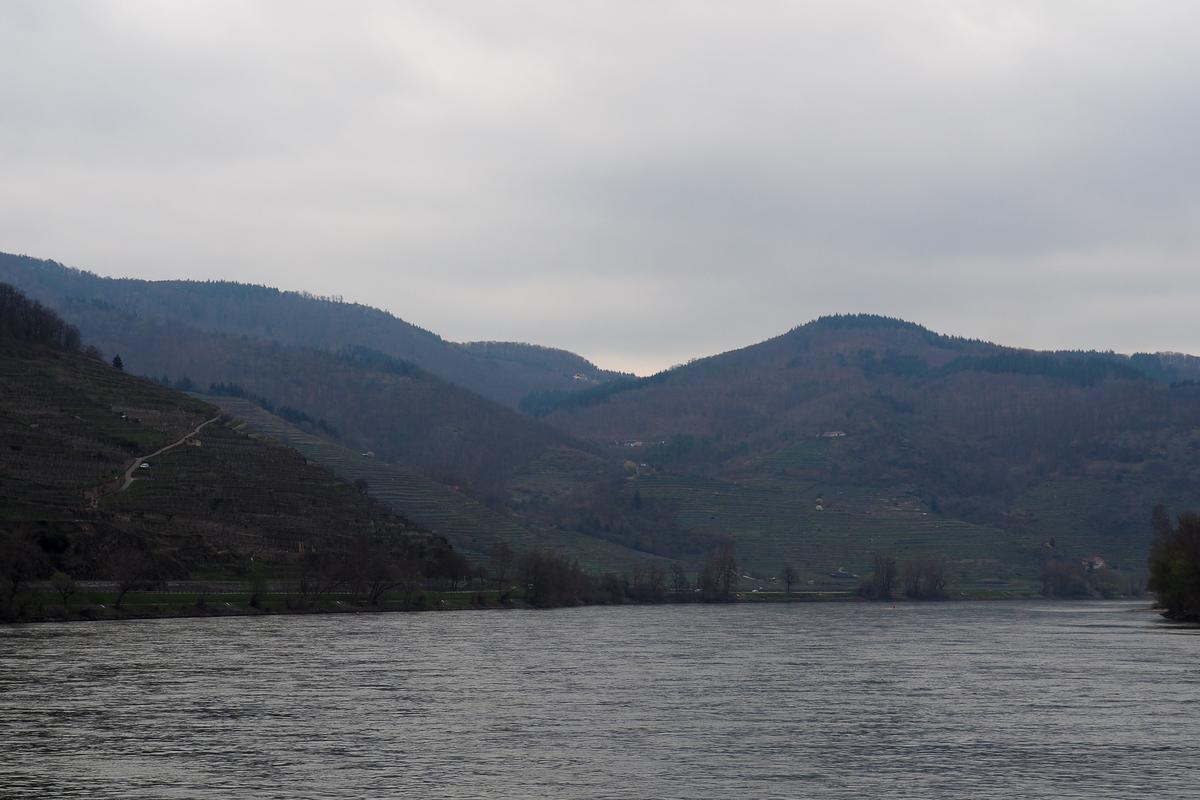
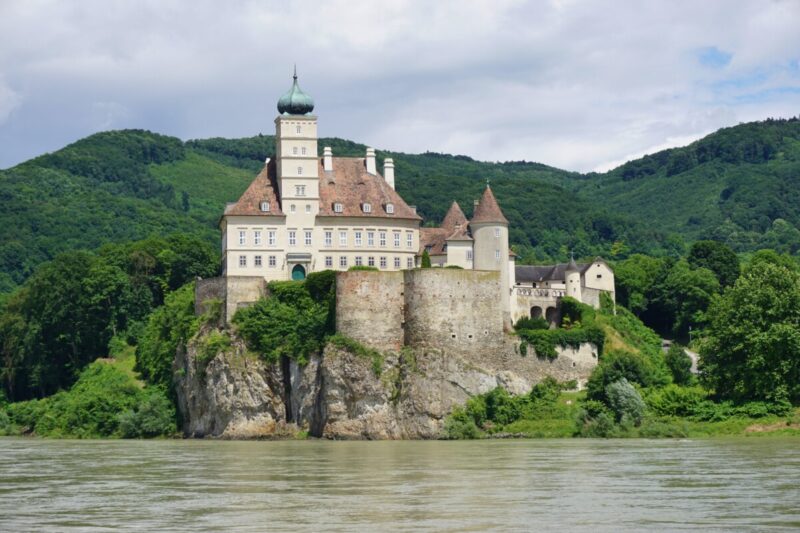
The Wachau Valley is a UNESCO World Heritage site and premier wine-growing region in Lower Austria. It stretches along the Danube River between the historic towns of Melk and Krems, offering a tranquil escape just an hour from Vienna that feels worlds away from the capital’s urban energy.
The landscape captivates visitors with its rolling hills, terraced vineyards, and picturesque riverside scenery. This fertile valley produces some of Austria’s most celebrated wines, particularly crisp Grüner Veltliner and elegant Riesling varieties. Wine enthusiasts can enjoy tastings at local vineyards and wineries dotted throughout the region.
Beyond wine culture, the Wachau Valley offers numerous outdoor activities, including scenic hiking trails, cycling along the Danube Bicycle Path, and river cruises that showcase the valley’s natural beauty. History buffs will appreciate exploring architectural treasures like the magnificent Benedictine Melk Abbey and the ruins of medieval Dürnstein Castle, where Richard the Lionheart was once imprisoned.
The region’s fascinating history extends back to prehistoric times, with evidence of early Roman cultivation. During the Middle Ages, monasteries established the area’s winemaking tradition, and many imposing castles were built to protect this valuable industry. Today, the Wachau Valley attracts around half a million visitors annually who come to experience its perfect blend of natural beauty, culinary excellence, and cultural heritage.
3. Graz: Renaissance Charm and Cultural Innovation

Graz is a picturesque Renaissance town nestled in the foothills of the Alps. As Austria’s second-largest city and a UNESCO World Heritage Site, it balances perfectly preserved historic architecture with cutting-edge cultural innovation. The city serves as a major cultural center with numerous museums, theaters, and music venues.
Visitors seeking a relaxing vacation in a charming historic setting will find Graz ideal. Art enthusiasts can explore over 10,000 works at the futuristic Graz Art Museum or visit Schloss Eggenberg, a magnificent 16th-century Baroque palace complex. The medieval old town invites leisurely exploration with its stunning architecture, hidden courtyards, and atmospheric alleyways.
Despite its relaxed atmosphere, Graz offers plenty of active pursuits. Adventurous travelers can hike along breathtaking cliffside walkways or cycle through the surrounding hills and alpine landscapes. The city’s vibrant university population ensures a lively cultural scene with festivals, exhibitions, and performances throughout the year.
For comfortable accommodations, consider staying at Motel One Graz in the historic city center. After enjoying their excellent buffet breakfast, you’ll be perfectly positioned to explore Graz’s architectural treasures, museums, and charming cafés that line the cobblestone streets.
Graz is conveniently located just 2.5 hours by train from Vienna, making it an excellent day trip or extended stay destination to experience a different facet of Austrian culture and history.
4. Salzburg: Mozart’s Birthplace and Alpine Beauty

Salzburg, the birthplace of musical genius Wolfgang Amadeus Mozart, enchants visitors with its perfectly preserved medieval old town nestled in the Austrian Alps. This cultural treasure is one of Europe’s most captivating destinations, boasting an impressive skyline dominated by the Hohensalzburg Fortress, complemented by the elegant Mirabell Gardens and the magnificent Salzburg Cathedral.
Salzburg’s exquisite baroque architecture ranks among Europe’s finest, with cobblestone streets creating an atmosphere that transports visitors back in time. The city’s dramatic skyline—featuring the imposing Hohensalzburg Castle against a backdrop of alpine peaks, along with numerous domes and spires—presents an unforgettable panorama that captures the essence of Austrian grandeur.
Families will enjoy Salzburg’s child-friendly attractions, including the fascinating Toy Museum and the popular Sound of Music tours that visit filming locations from the beloved movie. For comfortable family accommodations, consider Boutiquehotel Amadeus, which offers spacious family rooms within walking distance of the Old Town’s main attractions.
Music permeates every aspect of Salzburg, with numerous concert venues, music festivals, and Mozart-themed attractions. The city hosts the prestigious Salzburg Festival each summer, drawing classical music enthusiasts from around the world. Beyond its musical heritage, Salzburg boasts a vibrant cultural scene with art galleries, theaters, and one of Europe’s oldest universities.
See Related: Best Things to Do in Salzburg with Kids
5. Bad Gastein: Alpine Spa Resort with Belle Époque Charm

Bad Gastein, a picturesque spa town nestled in the Tauern mountains, seems to have emerged directly from a Wes Anderson film with its distinctive Belle Époque architecture and dramatic alpine setting. This charming resort town is renowned for its invigorating mountain air, healing thermal hot springs, and the spectacular Gasteiner waterfall that cascades through the center of town.
The thermal waters of Bad Gastein have attracted visitors seeking wellness and rejuvenation since the 19th century. Today’s visitors can indulge in luxurious spa treatments that harness the mineral-rich waters’ therapeutic properties. Beyond the spa experience, Bad Gastein offers extensive outdoor recreation opportunities, with hiking and mountain biking in summer and excellent skiing in winter at the nearby Gastein ski area.
For adventure enthusiasts seeking a challenge, Bad Gastein boasts outstanding trail running routes. Test your endurance on the moderate 4.5-mile Graukogel Loop or tackle the demanding 12-mile Sportgastein to Stubnerkogel route for breathtaking alpine vistas and a satisfying physical challenge.
Bad Gastein makes an ideal day trip from Salzburg, with the two destinations separated by just 1.5 hours via train. This convenient proximity allows travelers to experience both Austria’s cultural richness in Salzburg and natural splendor in Bad Gastein during a single vacation.
6. Innsbruck: Alpine City with Olympic Legacy

Innsbruck, a charming alpine city of approximately 130,000 residents, sits majestically in the heart of the Tyrolean Alps, embraced by towering mountain peaks and the flowing River Inn. This unique location makes it a paradise for both urban explorers and mountain adventurers.
The stunning historic center showcases magnificent architecture, highlighted by the iconic Golden Roof (Goldenes Dachl), a 15th-century addition to the city hall featuring 2,657 fire-gilded copper tiles. This architectural gem served as a royal viewing box for Emperor Maximilian I and symbolizes Innsbruck’s rich Habsburg heritage.
Outdoor enthusiasts flock to the Nordkette mountain range, accessible directly from the city center via a spectacular funicular and cable car system designed by renowned architect Zaha Hadid. The Nordkette Ski Resort offers world-class skiing with breathtaking panoramic views of the city below, exceptional off-piste terrain, lively après-ski venues, and unparalleled accessibility for urban-based skiers.
Innsbruck has proudly hosted the Winter Olympics twice (1964 and 1976), and its Olympic legacy remains evident throughout the city. Visitors can explore Olympic venues, ski jumping facilities, and sports museums that celebrate this heritage. Year-round, Innsbruck charms visitors with its picturesque scenery, vibrant cultural life, and perfect blend of urban sophistication and alpine adventure.
See Related: Best Hotels in Innsbruck
7. Hallstatt: Postcard-Perfect Lakeside Village

Hallstatt in Western Austria stands as one of Europe’s most enchanting villages. This photogenic alpine hamlet perched between a crystal-clear lake and towering mountains has become an Instagram sensation for good reason. Located just an hour’s drive from Salzburg, this picture-perfect UNESCO World Heritage site should be on every Austria itinerary.
Despite its quaint appearance, Hallstatt’s history runs surprisingly deep. Human settlement here dates back thousands of years, with prehistoric residents mining the valuable salt deposits beneath the mountains. These ancient salt mines, now a fascinating tourist attraction, earned Hallstatt its UNESCO status and gave name to an entire prehistoric culture—the Hallstatt Culture from the Early Iron Age.
Beyond the historic salt mines, this fairy-tale village offers numerous attractions. Take the local cable car up to the “World Heritage View” skywalk, rising over 1,000 feet above the village for spectacular views of the lake, mountains, and town below. Explore the unique Bone House (Beinhaus) at St. Michael’s Chapel, which displays intricately painted human skulls in a centuries-old tradition. After sightseeing, enjoy Austrian culinary specialties at the lakeside cafés while absorbing the breathtaking alpine scenery.
See Related: Most Beautiful Fairy Tale Towns Around the World
8. Semmering Railway: Engineering Marvel Through Alpine Landscapes

The Semmering Railway, constructed between 1848 and 1854 by 20,000 workers, represents one of Europe’s greatest civil engineering achievements of the 19th century. This 41-kilometer mountain railway, connecting Vienna’s urban landscape with Austria’s stunning countryside, earned its place in history as the world’s first standard-gauge mountain railway and now stands as a proud UNESCO World Heritage site.
The railway’s impressive infrastructure includes 14 tunnels, 16 viaducts, 11 iron bridges, and over 100 stone arch bridges, collectively showcasing the engineering brilliance of its designer, Carl Ritter von Ghega. Train enthusiasts particularly appreciate that many original 19th-century locomotives and carriages still operate on these historic tracks.
Today’s passengers can experience this engineering marvel while enjoying the spectacular alpine scenery of southern Austria. The Semmering Railway continues to serve both freight and passenger transportation needs, ranking among Europe’s most scenic mountain railways.
The journey provides breathtaking views of forested mountains, dramatic valleys, and charming Austrian villages. Photographers should keep their cameras ready to capture the spectacular vistas that unfold around every curve of this historic railway.
See Related: Most Famous Landmarks in Austria
9. Gesäuse National Park: Wilderness Adventure in Alpine Terrain

Gesäuse National Park encompasses 12,000 hectares of pristine alpine wilderness characterized by wild rivers, imposing limestone mountain faces, and dense mountain forests. This natural sanctuary offers exceptional opportunities for outdoor adventure, particularly for those interested in whitewater rafting on the challenging Enns River or hiking through Bruckgraben Canyon, one of Austria’s deepest and most impressive gorges.
Located approximately three hours from Vienna and over two hours from Salzburg, Gesäuse National Park provides a genuine wilderness experience far removed from urban distractions. Nature lovers seeking solitude and natural beauty should prioritize this spectacular park. The Hochtor Mountain, standing at 2,369 meters, represents the park’s highest and most visited peak, rewarding hikers who reach its summit with extraordinary panoramic views that photographers will especially treasure.
Gesäuse National Park’s conservation philosophy emphasizes minimal human intervention, allowing natural processes to unfold undisturbed. This approach has preserved a unique alpine ecosystem that supports numerous endemic species of insects and arachnids, alongside charismatic wildlife including chamois goats, otters, red deer, golden eagles, and diverse bird populations.
With its rugged mountain landscapes, pristine forests, and crystal-clear alpine lakes, Gesäuse offers nature enthusiasts an authentic wilderness experience in the heart of Europe.
See Related: Best Hiking Shorts for Men and Women
10. Grossglockner Mountain Range: Austria’s Highest Alpine Peaks

The Grossglockner, Austria’s tallest mountain reaching 3,798 meters (12,461 feet), anchors a magnificent 36-mile-long alpine range that ranks among the country’s most popular tourist destinations. This imposing mountain range presents an awe-inspiring spectacle with its snow-capped peaks, jagged ridges, and crystal-clear alpine lakes.
The Grossglockner High Alpine Road (Großglockner Hochalpenstraße) offers one of Europe’s most memorable scenic drives. This engineering marvel winds through 48 kilometers of pristine alpine terrain, featuring 36 challenging hairpin turns and climbing to an altitude of 2,504 meters. Numerous observation points along the route provide spectacular photo opportunities of the surrounding peaks and valleys.
Beyond the famous alpine road, the Grossglockner area offers extensive recreational opportunities. Nature enthusiasts can explore numerous hiking and biking trails threading through alpine meadows and along mountain ridges. Wildlife watchers may spot native alpine species including marmots, chamois, and even the majestic golden eagle.
For the ultimate Austrian alpine road trip experience, rent a car and take in the breathtaking vistas along the Grossglockner High Alpine Road. The route typically opens from early May through late October, depending on snow conditions.
See Related: Essentials & Must-Haves For Road Trips That Are Worth It
11. Klagenfurt and the Carinthia Region: Lake District Beauty

The Carinthia region, located in southern Austria along the shores of Lake Wörthersee, boasts a stunning landscape of crystalline lakes, majestic mountain ranges, picturesque medieval towns, and its vibrant capital city of Klagenfurt.
Often called Austria’s lake district, Carinthia is renowned for its spectacular alpine scenery and over 200 pristine lakes. This natural playground provides endless opportunities for outdoor enthusiasts, with extensive networks of hiking and biking trails winding through mountain landscapes and along scenic lakeshores. During winter, the region transforms into a snow sports paradise with excellent ski resorts catering to all skill levels.
Klagenfurt, the historic capital of Carinthia Province, sits picturesquely on Lake Wörthersee’s eastern shore. This cultural hub features fascinating museums, historic landmarks, and a well-preserved Renaissance old town centered around the Alter Platz (Old Square).
Visitors to Klagenfurt have excellent accommodation options, including the family-friendly Hotel Lindwurm, which offers activities such as an indoor play area, cycling, and hiking. Winter sports enthusiasts might prefer Hotel Schlosshof, located just 1,500 feet from the nearest ski lift for convenient alpine access.
12. Saalbach-Hinterglemm: Premier Alpine Sport Resort

Saalbach-Hinterglemm, a captivating resort town in the Zell am See district, offers year-round adventure and natural beauty in an idyllic alpine setting. This lively destination welcomes visitors with its irresistible charm and exceptional recreational opportunities throughout all seasons.
Summer transforms Saalbach-Hinterglemm into a paradise for outdoor enthusiasts. Hikers can explore up to 400 kilometers of well-maintained trails ranging from gentle valley walks to challenging summit ascents. Mountain bikers find their nirvana on 400 kilometers of clearly marked biking routes that traverse varied terrain suitable for all skill levels.
When winter blankets the region with snow, Saalbach-Hinterglemm becomes one of Austria’s premier ski destinations. The impressive Skicircus Saalbach Hinterglemm Leogang Fieberbrunn ski area offers 270 kilometers of expertly groomed slopes catering to beginners and expert skiers alike.
For comfortable accommodations with spectacular views, consider Familienresort Ellmauhof—das echte, All-Inclusive. This family-friendly resort offers panoramic mountain vistas and convenient ski-to-door access for the ultimate winter sports experience.
Visit in early December to experience the popular BERGFESTival, a vibrant weekend celebration marking winter’s arrival and the ski season’s opening, featuring live music performances against a backdrop of snow-covered peaks and festive alpine atmosphere.
13. Gosaukamm Mountain Range: The Heart of the Salzkammergut

The Salzkammergut region, straddling Austria’s eastern border, captivates visitors with its breathtaking alpine lakes, historic towns, and world-class ski facilities. This UNESCO World Heritage area is easily accessible from Salzburg, making it perfect for day trips or extended stays in this picturesque lake district.
The Gosaukamm mountains form the impressive centerpiece of this alpine range, with the namesake peak reaching 2,458 meters (8,064 ft). This majestic mountain offers diverse recreational opportunities for outdoor enthusiasts. Hikers can reach the summit via several well-marked trails, including a popular route from the village of Gosau that rewards with spectacular panoramic views.
The region surrounding Gosaukamm features excellent accommodations for alpine adventures. Gasthof Gosauschmied provides comfortable lodging just 1,640 feet from the nearest ski elevator, ideal for winter sports enthusiasts looking to maximize their time on the slopes.
Beyond the mountains, the Salzkammergut region boasts stunning lakes including Traunsee, Grundlsee, and Wolfgangsee, each offering swimming, boating, and shoreline relaxation. Winter transforms the area into a snow sports destination, with resorts like Bad Aussee and Zwettl providing excellent skiing conditions throughout the season.
14. Vorarlberg Mountains: Western Alpine Playground

The Vorarlberg Mountains in Austria’s westernmost province offer spectacular alpine scenery and exceptional hiking opportunities. The diverse region between Lake Constance and the rugged peaks provides varied terrain for extended hikes, with Montafon’s Verwall area standing out as a particularly beautiful destination.
This impressive mountain range features over 1,000 distinct peaks, creating a dramatic alpine landscape. Nestled among these mountains are several world-class ski resorts, including St. Anton, consistently rated among Austria’s finest winter sports destinations. The region also boasts numerous charming mountain villages with unique character, such as family-friendly Vandans and historic Bartholomäberg, where local culture has flourished for over 4,000 years.
Travelers can base themselves in the region’s major cities—Bregenz in the north or centrally located Bludenz—to access incredible hiking and biking trails throughout the surrounding mountains. The Silvretta Group within Vorarlberg presents equally stunning landscapes and attracts both hikers in summer and skiers in winter, with Piz Buin standing as its highest summit at 3,312 meters.
See Related: Best Ski Destinations in the World
15. Krems: Wine Town Along the Danube

Visitors flock to Krems at the eastern edge of the Wachau Valley for its picturesque setting along the Danube River. This UNESCO World Heritage town combines award-winning wineries with rich history and authentic Austrian charm, creating an unforgettable cultural experience.
The surrounding countryside offers numerous recreational opportunities, with hiking trails and bike paths winding through vineyard-covered hillsides, dense forests, and flowering meadows. Outdoor enthusiasts can enjoy various seasonal activities, from winter skiing to summer swimming, fishing, and kayaking in the region’s abundant waterways. A truly unique experience combines these active pursuits with cultural immersion through a scenic kayak tour combined with visits to local wineries.
History buffs will appreciate exploring Krems’ medieval heritage, particularly the Steiner Tor, an impressive gate that once formed part of the defensive walls encircling the entire town. This well-preserved landmark stands as a testament to the city’s strategic importance throughout European history.
Krems takes great pride in its agricultural specialties, particularly its apricots, which have received EU protected designation of origin status for their exceptional quality. When visiting Vienna, consider making time for Krems as a day trip – it’s just over an hour away by train and offers a delightful contrast to the capital’s metropolitan atmosphere.
16. Hohe Tauern National Park: Alpine Wilderness Preserve

Hohe Tauern National Park, Austria’s first national park, established in 1981, showcases the country’s most spectacular mountain landscapes and richest biodiversity. This vast protected area spans over 1,800 square kilometers across three provinces and contains more than 300 peaks exceeding 3,000 meters in height.
The park’s diverse ecosystems support an impressive array of alpine wildlife, including golden eagles, bearded vultures, ibex, and chamois. Botanical enthusiasts can discover over 1,800 plant species adapted to survive in the challenging high-altitude environment.
Hohe Tauern’s dramatic landscape features several iconic natural attractions. The magnificent Krimml Falls, Europe’s highest waterfall with a 380-meter cascade, draws visitors from around the world. The Pasterze Glacier, Austria’s longest glacier flowing from the slopes of Grossglockner, provides a sobering glimpse of climate change’s impact as it steadily retreats year after year.
For comfortable accommodations near the park, the Hotel Schloss Mittersill offers exceptional amenities including free parking, a wellness spa, a swimming pool, and an inviting bar. This pet-friendly establishment provides an ideal base for exploring the park’s extensive network of hiking trails and natural wonders.
17. Krimml Waterfalls: Europe’s Highest Cascading Falls

The Krimml Waterfalls, located within Hohe Tauern National Park, rank among Europe’s most impressive natural wonders. These magnificent falls plunge 380 meters across three dramatic cascades, making them the tallest waterfalls in Europe and a must-visit natural attraction in Austria.
The sheer volume of water crashing down the falls is astonishing – approximately 450,000 cubic meters per day, with just one second’s worth of water sufficient to meet the daily needs of 135,000 people. This powerful natural phenomenon creates a spectacular sight and sound experience that leaves visitors in awe.
A well-designed 4-kilometer trail with multiple observation platforms allows visitors to experience the falls from various angles and elevations. Even those with limited time or mobility can access the lowest waterfall via a short 10-15 minute walk from the parking area, making this natural wonder relatively accessible to most travelers.
Protected since 1984 as part of the Hohe Tauern National Park, the Krimml Waterfalls provide an excellent day trip opportunity from Salzburg. Travelers can take a train from Innsbruck to Zell am See and then transfer to a train to Krimml, with the complete journey taking approximately 2.5 hours. Be aware that this spectacular natural attraction welcomes 400,000 visitors annually, so consider visiting during off-peak hours for a more serene experience.
18. Lake Constance: Alpine Waters Bordering Three Countries

Bodensee, or Lake Constance, is an impressive alpine lake situated at the intersection of Austria, Switzerland, and Germany. This vast body of water stretches approximately 63 kilometers in length and 14 kilometers in width, covering a total surface area of 536 square kilometers, with depths reaching 253 meters in places.
Summer transforms Lake Constance into a vibrant recreational paradise, drawing visitors for boating, swimming, windsurfing, and fishing in its crystal-clear alpine waters. Land-based visitors can explore the stunning natural surroundings via numerous hiking and cycling trails that circle the lake and traverse the nearby hills.
The lake’s shoreline is dotted with charming towns and villages worth exploring. Popular destinations include the historic university town of Konstanz, the Bavarian island town of Lindau with its picturesque harbor, and Friedrichshafen, known for its rich aviation history as the birthplace of the zeppelin.
See Related: Best Bike Rides in the World
19. Bad Ischl: Imperial Spa Town and Cultural Capital

Completing our exploration of Austria’s most captivating destinations, Bad Ischl in the Upper Austria region stands out as a world-renowned spa town with imperial connections. This elegant destination, surrounded by beautiful lakes, serves as the gateway to the Hallstatt and Wolfgangsee areas.
Bad Ischl holds special historical significance as the summer residence of Emperor Franz Joseph I, who regularly visited between the late 19th and early 20th centuries. The Kaiservilla, his former imperial villa, now operates as a museum showcasing the imperial family’s lifestyle. This historical connection has helped maintain Bad Ischl’s reputation as a sophisticated destination that continues to attract visitors seeking both cultural enrichment and natural beauty.
Active travelers visiting during summer can enjoy exceptional trail running routes before cooling off with a refreshing swim in one of the nearby lakes. Winter visitors can experience cross-country skiing on well-maintained trails through the snow-covered landscape. The town’s reputation for wellness and rejuvenation remains strong, with health resorts like the historic Kurpark and Kurhaus offering traditional spa treatments and thermal therapies.
Bad Ischl’s selection as a European Capital of Culture for 2024 highlights its ongoing cultural significance and ensures an enriched visitor experience with special exhibitions, performances, and events throughout the year.
Best Time to Visit Austria
The ideal time to visit Austria depends on your preferred activities and interests. Each season offers unique experiences in this beautiful alpine country.
Summer (June-August): Enjoy warm temperatures (65-80°F/18-27°C), perfect for hiking in the Alps, swimming in crystal-clear lakes, and exploring cities. This peak tourist season brings vibrant festivals and all attractions operating at full capacity, though with higher prices and larger crowds.
Fall (September-November): Experience mild weather (45-65°F/7-18°C) with spectacular autumn foliage in the mountains and valleys. This shoulder season offers fewer tourists, reduced accommodation rates, and the special atmosphere of wine harvest festivals in regions like the Wachau Valley.
Winter (December-February): Austria transforms into a winter wonderland with temperatures ranging from 20-35°F (-6 to 2°C). This is prime time for skiing and snowboarding in world-class alpine resorts like Saalbach-Hinterglemm, St. Anton, and Innsbruck. The magical Christmas markets throughout December create a festive atmosphere in cities and towns. Winter sports enthusiasts will find this season ideal, though some mountain roads and hiking trails may be closed due to snow.
Spring (March-May): As temperatures warm to 45-65°F (7-18°C), Austria blooms with alpine wildflowers and renewed energy. This shoulder season brings excellent value for accommodations, fewer tourists than summer, and a perfect balance for both city exploration and mountain activities. Early spring still offers skiing opportunities at higher elevations, while May provides ideal conditions for hiking without summer crowds.
For the best overall experience balancing pleasant weather, reasonable crowds, and full access to attractions, aim to visit Austria during the late spring (May-June) or early fall (September). These periods offer comfortable temperatures for outdoor activities while avoiding peak tourist crowds and prices.
Getting Around Austria
Austria offers an excellent transportation infrastructure that makes exploring the country efficient and enjoyable. Here are the best ways to get around:
- Train: Austria’s extensive and punctual rail network, operated by ÖBB (Austrian Federal Railways), connects major cities and many smaller towns. The trains are comfortable, clean, and offer spectacular scenery, especially along routes like the Semmering Railway. Purchase the Österreich Card for unlimited train travel if you plan to visit multiple destinations.
- Bus: Buses complement the train network, reaching villages and natural areas where trains don’t operate. Postbus services connect remote alpine villages and provide access to hiking trails and ski resorts.
- Car Rental: Renting a car offers maximum flexibility, especially for exploring rural areas, mountain regions, and scenic drives like the Grossglockner High Alpine Road. Austria’s roads are well-maintained, though mountain driving requires confidence with hairpin turns and winter conditions may require snow chains.
- Bicycle: Austria is a cyclist’s paradise with extensive dedicated cycling paths. The Danube Cycle Path is particularly popular, offering a scenic route that follows the river through picturesque towns and vineyards. Many cities and towns offer bike rentals, and trains accommodate bicycles for combined travel.
- Public Transportation in Cities: Vienna, Salzburg, Graz, and other major cities have excellent public transportation systems, including trams, buses, and metros (in Vienna). Consider purchasing city cards that combine unlimited public transportation with museum access and discounts on attractions.
For most visitors, combining train travel between major destinations with local public transportation provides the most efficient and scenic way to experience Austria. If venturing into remote alpine regions or planning a road trip along scenic routes, adding a rental car for part of your journey offers valuable flexibility.
Where to Stay in Austria
Austria offers diverse accommodation options catering to every travel style and budget. Here are the best places to stay based on your travel preferences:
- Vienna: For first-time visitors to Austria, Vienna provides an excellent base with its rich cultural offerings and good connections to other destinations. Stay in the Innere Stadt (1st District) for proximity to major attractions like St. Stephen’s Cathedral and the Hofburg Palace. The Hotel Sacher Wien offers luxury accommodations with classic Viennese elegance, while the Motel One Wien-Staatsoper provides affordable modern rooms in a central location.
- Salzburg: This compact city makes an ideal base for exploring Austria’s lake district and alpine regions. The Altstadt (Old Town) offers charm and convenience with its baroque architecture and proximity to attractions. The Hotel Schloss Leopoldskron, featured in “The Sound of Music,” provides a unique historical experience, while Boutiquehotel Amadeus offers family-friendly accommodations in the heart of the Old Town.
- Innsbruck: For winter sports enthusiasts and mountain lovers, Innsbruck serves as the perfect base for exploring the Tyrolean Alps. The Adlers Hotel offers contemporary rooms with panoramic mountain views, while the Best Western Plus Hotel Goldener Adler provides historic charm in the Old Town.
- Alpine Villages: For an authentic Austrian experience, consider staying in smaller alpine towns like Hallstatt, Bad Gastein, or St. Anton. The Heritage Hotel Hallstatt offers lakeside luxury with stunning views, while Familienresort Ellmauhof in Saalbach-Hinterglemm provides family-friendly all-inclusive options with ski-to-door access.
- Rural Retreats: Experience traditional Austrian hospitality at family-run guesthouses and farm stays (Bauernhof) in the countryside. These accommodations offer authentic local experiences, home-cooked meals, and reasonable prices, particularly in regions like Styria and the Wachau Valley.
Book accommodations well in advance if traveling during peak seasons (summer months and Christmas/winter sports season). Many hotels offer better rates with advance booking and often include regional benefits like free public transportation or attraction discounts.
FAQs About Places to Visit in Austria
What is the most visited place in Austria?
Schönbrunn Palace in Vienna is Austria’s most visited tourist attraction, welcoming approximately 8 million visitors annually. This magnificent imperial summer residence of the Habsburg monarchy features over 1,400 rooms, spectacular gardens, the world’s oldest zoo, and opulent baroque architecture. The palace complex offers multiple tours showcasing the imperial apartments, state rooms, and historical exhibitions that bring Austria’s royal history to life.
What are the 3 major cities in Austria worth visiting?
Austria’s three most significant metropolitan areas, each offering unique experiences, are:
1. Vienna – The elegant capital city showcases imperial splendor with its palaces, world-class museums, coffee house culture, and musical heritage as home to Mozart, Beethoven, and Strauss.
2. Salzburg – Mozart’s birthplace enchants visitors with its perfectly preserved baroque old town, imposing Hohensalzburg Fortress, musical traditions, and as the filming location for “The Sound of Music.”
3. Graz – Austria’s second-largest city combines Renaissance architecture in its UNESCO-protected old town with cutting-edge cultural institutions like the futuristic Kunsthaus Graz art museum.
What is the prettiest place in Austria?
Austria offers numerous breathtaking locations, making it difficult to crown just one as the prettiest. However, Hallstatt frequently tops travelers’ lists with its picture-perfect setting of colorful wooden houses nestled between mountains and lake. Other strong contenders include Salzburg’s historic Festung Hohensalzburg overlooking the baroque city center, the emerald-hued Lake Grüner See in Styria, and the quaint alpine village of Alpbach with its flower-adorned traditional wooden chalets. The majestic alpine scenery of Grossglockner High Alpine Road also offers some of Austria’s most spectacular natural beauty.
What is the best time of year to visit Austria?
The best time to visit Austria depends on your interests. For warm-weather activities and hiking, visit from May to September when temperatures are pleasant and mountain trails are accessible. Winter sports enthusiasts should visit from December to March for optimal snow conditions at Austria’s world-class ski resorts. For fewer crowds and lower prices while still enjoying good weather, consider the shoulder seasons of late April to early June or September to October. Christmas market season (late November to December) offers a magical winter experience in cities like Vienna, Salzburg, and Innsbruck.
Is Austria expensive to visit?
Austria falls in the mid-to-high range for European travel costs. Major cities like Vienna and Salzburg tend to be more expensive, particularly for accommodations and dining. However, costs decrease significantly in smaller towns and rural areas. Travelers can manage expenses by: using public transportation instead of taxis, purchasing city cards for attractions and transport, eating lunch at traditional Gasthäuser rather than tourist restaurants, staying in family-run pensions instead of chain hotels, and visiting during shoulder seasons (spring and fall). Overall, while not budget-friendly like Eastern Europe, Austria offers good value considering the high quality of infrastructure, attractions, and services.
Do I need to speak German to visit Austria?
While German is Austria’s official language, English is widely spoken in tourist areas, hotels, restaurants, and attractions, especially in Vienna, Salzburg, and other major destinations. Most Austrians in the tourism industry have good English skills, and younger generations generally speak English well. However, learning a few basic German phrases like “Grüß Gott” (hello), “Danke” (thank you), and “Bitte” (please) is appreciated by locals and enhances your cultural experience. In remote rural areas, English proficiency may be more limited, but communication is rarely a significant problem for international visitors.
Conclusion: Planning Your Perfect Austrian Adventure
Austria’s remarkable diversity of experiences—from imperial cities to alpine villages, cultural treasures to natural wonders—makes it an exceptional European destination that rewards every type of traveler. Whether you’re seeking musical heritage in Vienna and Salzburg, alpine adventures in Innsbruck and the Hohe Tauern, or picture-perfect villages like Hallstatt, this compact country delivers unforgettable travel experiences.
For first-time visitors, consider a classic itinerary connecting Vienna, Salzburg, and Innsbruck by train, allowing you to experience Austria’s cultural capitals while enjoying spectacular mountain scenery along the way. Those seeking deeper exploration should venture beyond these major cities to discover the charm of smaller towns like Graz and Bad Gastein or the natural splendor of Austria’s national parks and alpine lakes.
Austria’s excellent transportation infrastructure makes it easy to combine multiple destinations even during a shorter visit. The country’s compact size allows you to experience both urban sophistication and alpine grandeur without spending excessive time in transit.
As you plan your Austrian adventure, remember that this enchanting country offers something special in every season—from summer hiking and lake activities to winter skiing, spring wildflowers to autumn wine harvests. The welcoming Austrian culture, excellent cuisine, and world-class attractions ensure a memorable journey regardless of when you visit.
Related Resources