The Kunsthistorisches Museum Vienna (KHM) is worth visiting for its Old Master paintings, Habsburg Kunstkammer, ancient collections, and richly decorated Ringstrasse interior. I visited the museum, photographed much of the architecture and galleries shown throughout this guide, and filmed the walkthrough below. For a first visit, I recommend allowing 2.5 to 3 hours and prioritizing the Picture Gallery, Kunstkammer, grand staircase, and domed hall.
If your Vienna schedule allows one major art museum, the KHM is the stronger choice for Pieter Bruegel the Elder, Vermeer, Rubens, Velázquez, Titian, and Habsburg collecting. Travelers mainly interested in Klimt, Schiele, or modern art may prefer the Belvedere or Leopold Museum. At the KHM, Gustav Klimt appears in the staircase decoration rather than in a large modern-art collection.
Kunsthistorisches Museum Vienna at a Glance
| Address | Maria-Theresien-Platz, 1010 Vienna, Austria |
|---|---|
| Current hours | Daily from 10:00 a.m. to 6:00 p.m.; Thursday until 9:00 p.m. Monday openings change outside June through August, so check the official calendar. |
| Admission | Adults: €22 online or €24 on site. Reduced: €19 online or €20 on site. Visitors under 19 enter free. |
| Time needed | 90 minutes for a focused route; 2.5 to 3 hours for a balanced first visit; half a day for several collections and a café break |
| Nearest transit | U2 or U3 to Volkstheater; trams D, 1, or 2 and buses 2A or 57A serve the area |
| Step-free entrance | Burgring 5 |
| Best for | Old Masters, Habsburg history, ancient art, decorative arts, and museum architecture |
Is the Kunsthistorisches Museum Worth Visiting?
Yes, especially for visitors who care about European painting before 1800, imperial collecting, ancient civilizations, or grand museum interiors. The KHM combines several strong collections in one building, and its twelve paintings by Pieter Bruegel the Elder form the world’s largest collection of his work.
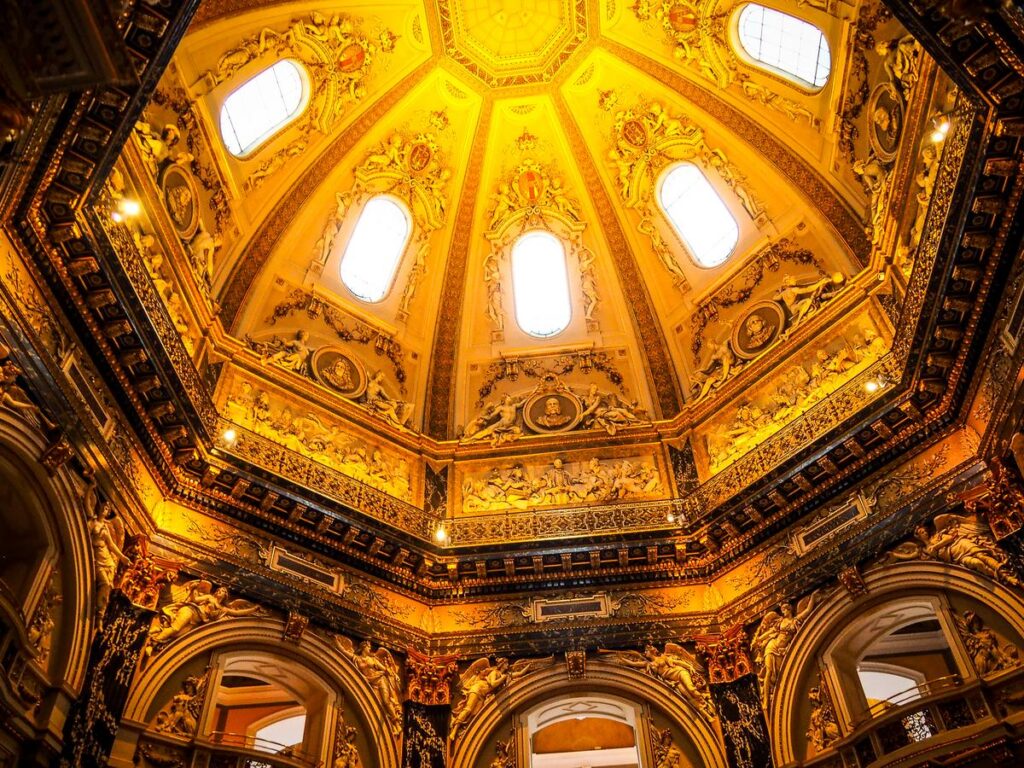
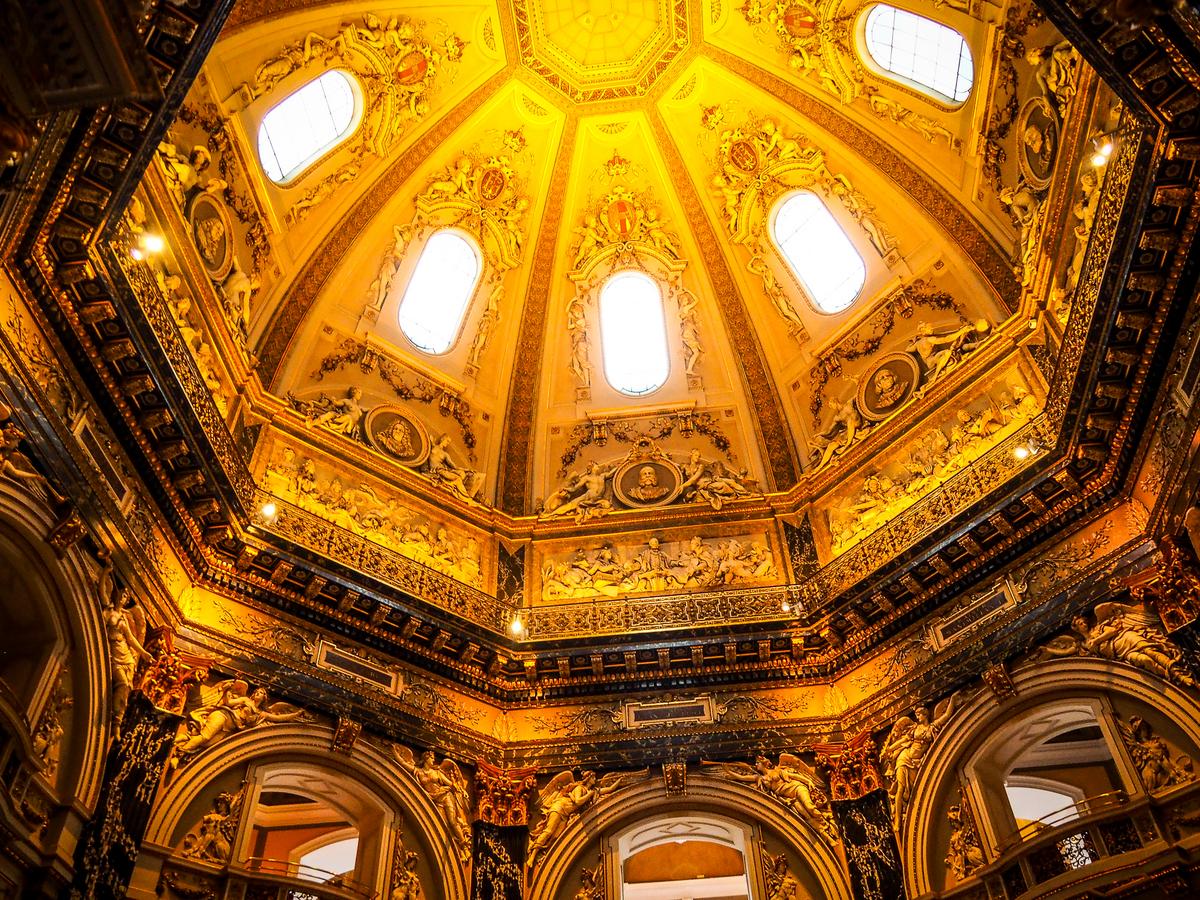
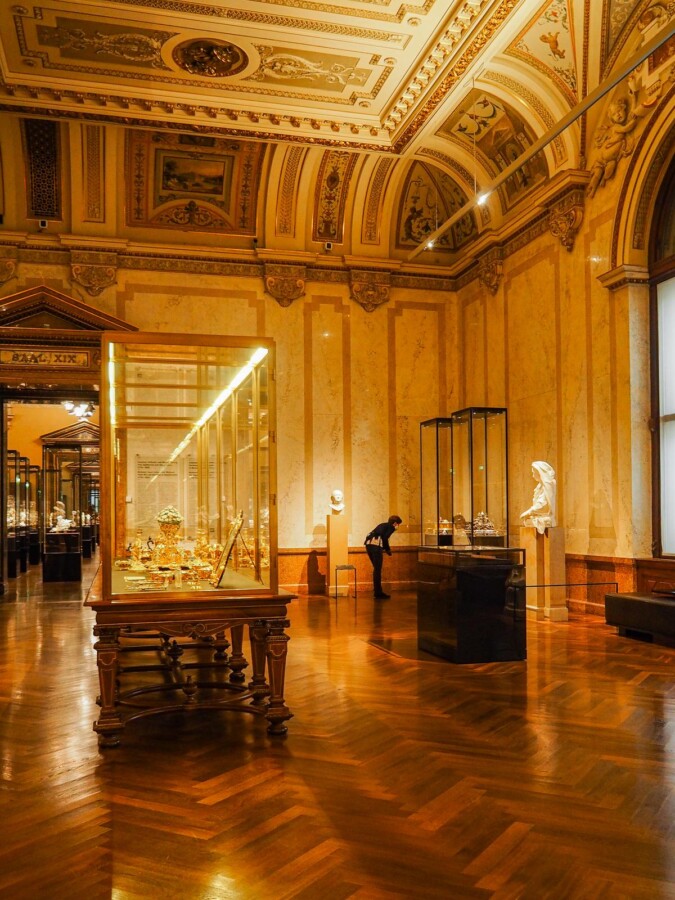
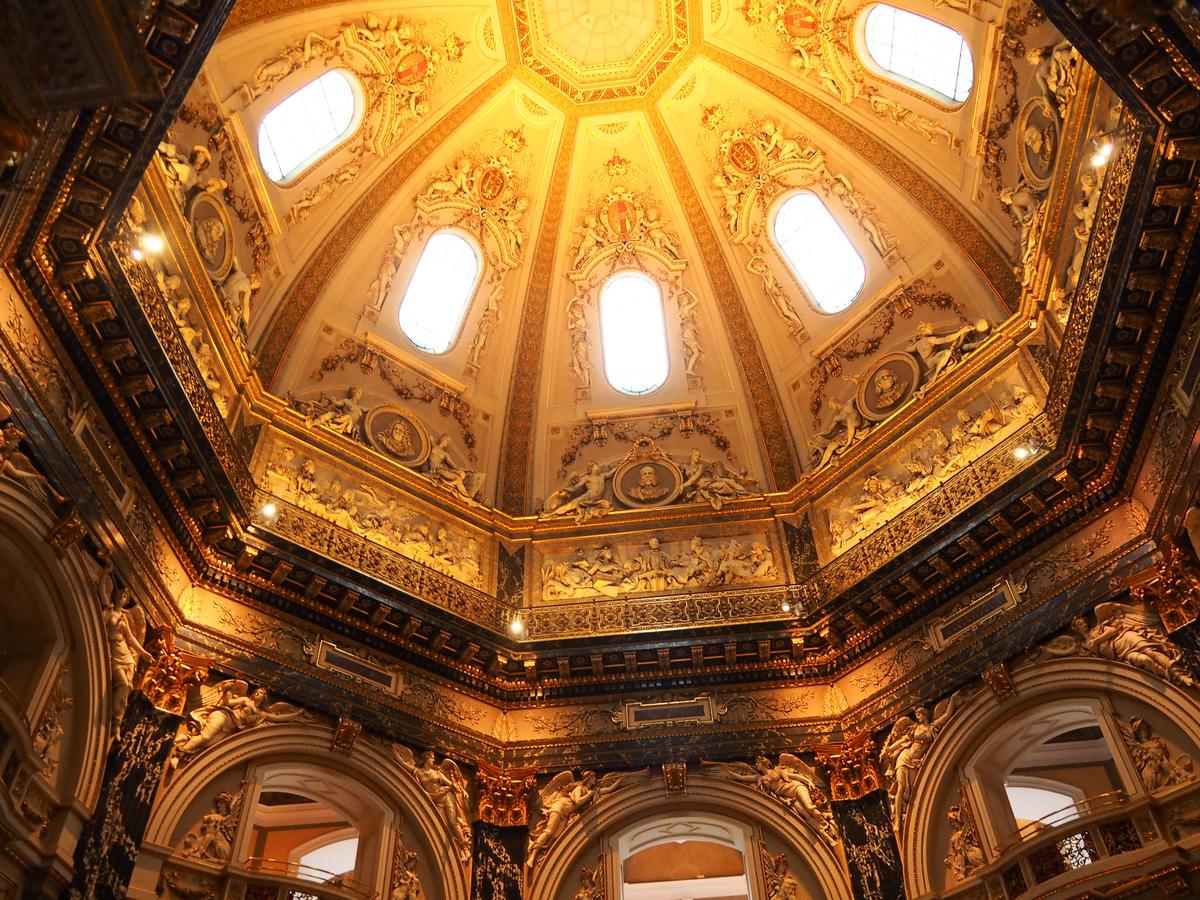
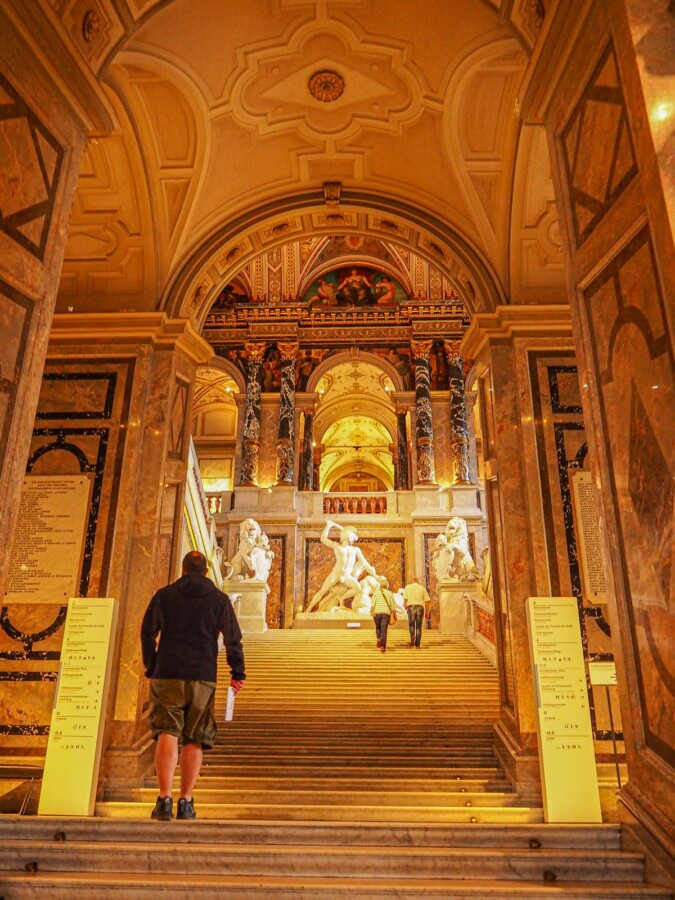
One of my favorite parts of the visit was the architecture itself. Slow down at the staircase and dome rather than treating them as corridors between galleries. The marble, gilding, ceiling paintings, and central cupola make the building part of the experience.
- Prioritize the KHM for Bruegel, Vermeer, Velázquez, Rubens, Titian, Dürer, Raphael, and Rembrandt.
- Add the Kunstkammer if you enjoy finely worked objects, automata, scientific instruments, ivory, gold, and Habsburg curiosities.
- Choose the Egyptian or Greek and Roman collection if you want more than paintings.
- Consider another museum first if your main interests are Viennese modernism, Impressionism, or contemporary art.
For a broader itinerary, see our guide to the best things to do in Vienna and the full Vienna travel guide.
A Short History of the Museum
Emperor Franz Joseph I commissioned the museum to bring the Habsburg imperial collections together in a purpose-built home on the Ringstrasse. Architects Gottfried Semper and Carl von Hasenauer designed the building, which was constructed from 1871 to 1891 and opened in 1891.
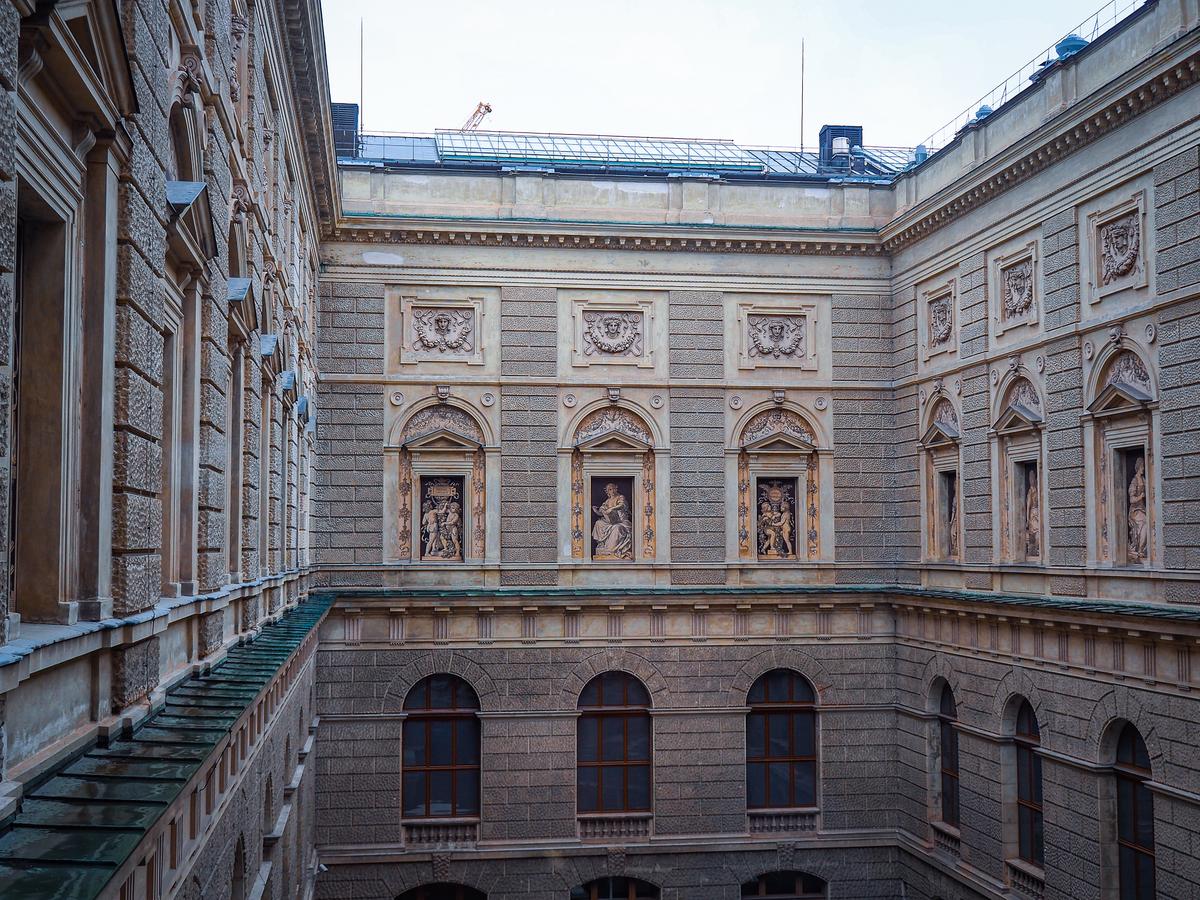
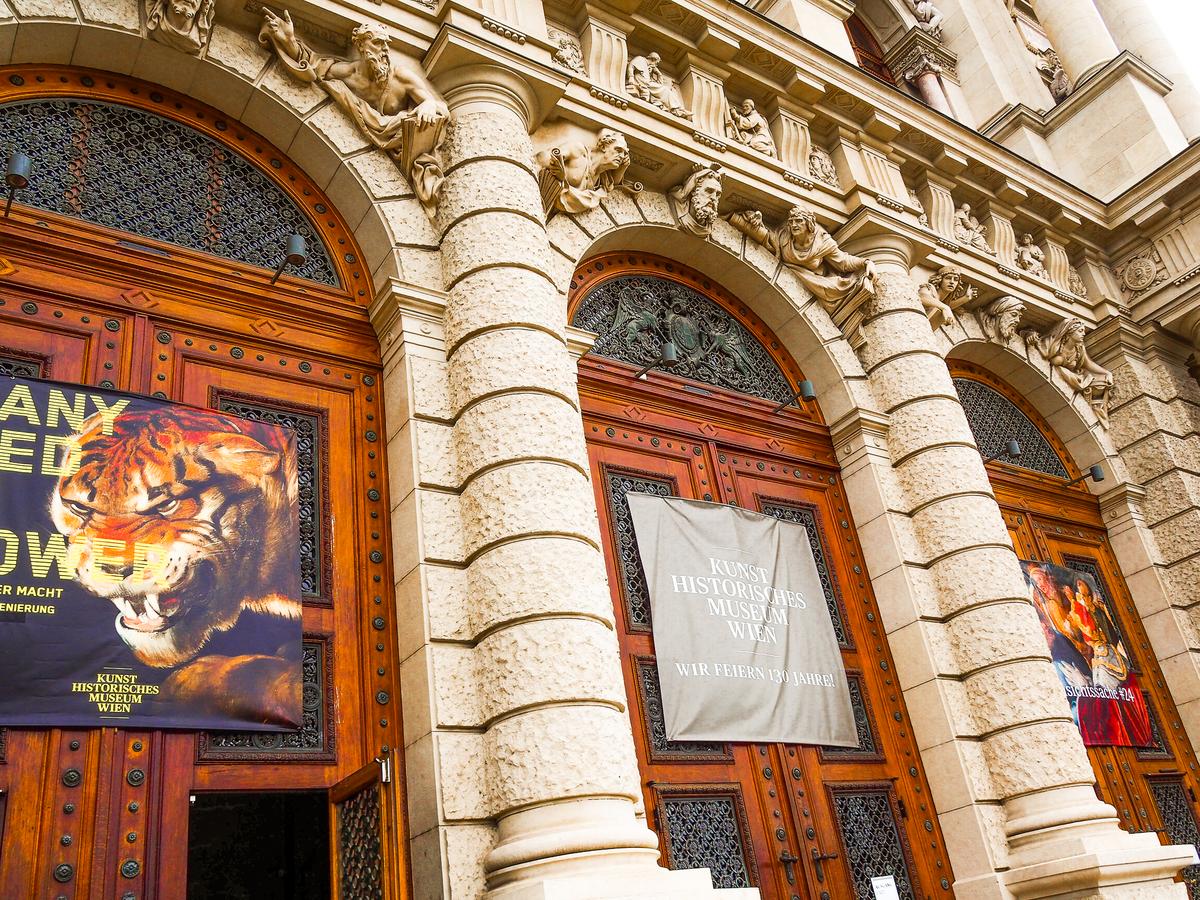
The building is a monumental work of historicist architecture with Renaissance-inspired forms, not a Baroque palace. Its ceremonial staircase, octagonal dome, sculpted facade, and richly ornamented galleries were designed to match the status of the imperial collections.
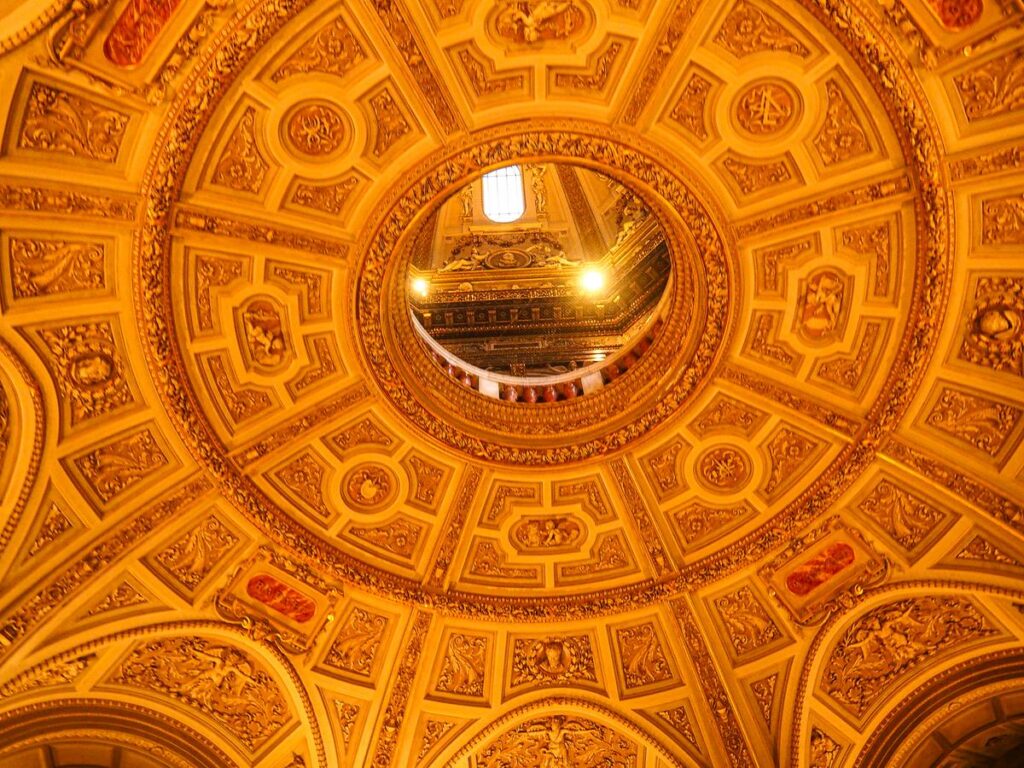
Look closely at the grand staircase. Gustav Klimt, his brother Ernst Klimt, Franz Matsch, and Hans Makart contributed to its decorative program. This is the accurate Klimt connection at the KHM: his work is integrated into the building rather than presented as a major standalone painting collection.
The Picture Gallery grew from Habsburg collecting across generations. Archduke Leopold Wilhelm assembled more than 1,400 paintings in the seventeenth century, and much of that collection later became a foundation of the museum’s holdings.

What to See at the Kunsthistorisches Museum
The museum is too large to give every department equal time on a short visit. The route below puts the most distinctive collections first while leaving room for personal interests.
| Collection | Recommended time | Best reason to visit |
|---|---|---|
| Picture Gallery | 60 to 90 minutes | Bruegel, Vermeer, Velázquez, Rubens, Titian, Dürer, Raphael, and Rembrandt |
| Kunstkammer | 45 to 60 minutes | Cellini’s Saliera, automata, scientific instruments, precious materials, and courtly objects |
| Egyptian and Near Eastern Collection | 45 to 60 minutes | Sculpture, reliefs, funerary objects, writing, and objects spanning about five millennia |
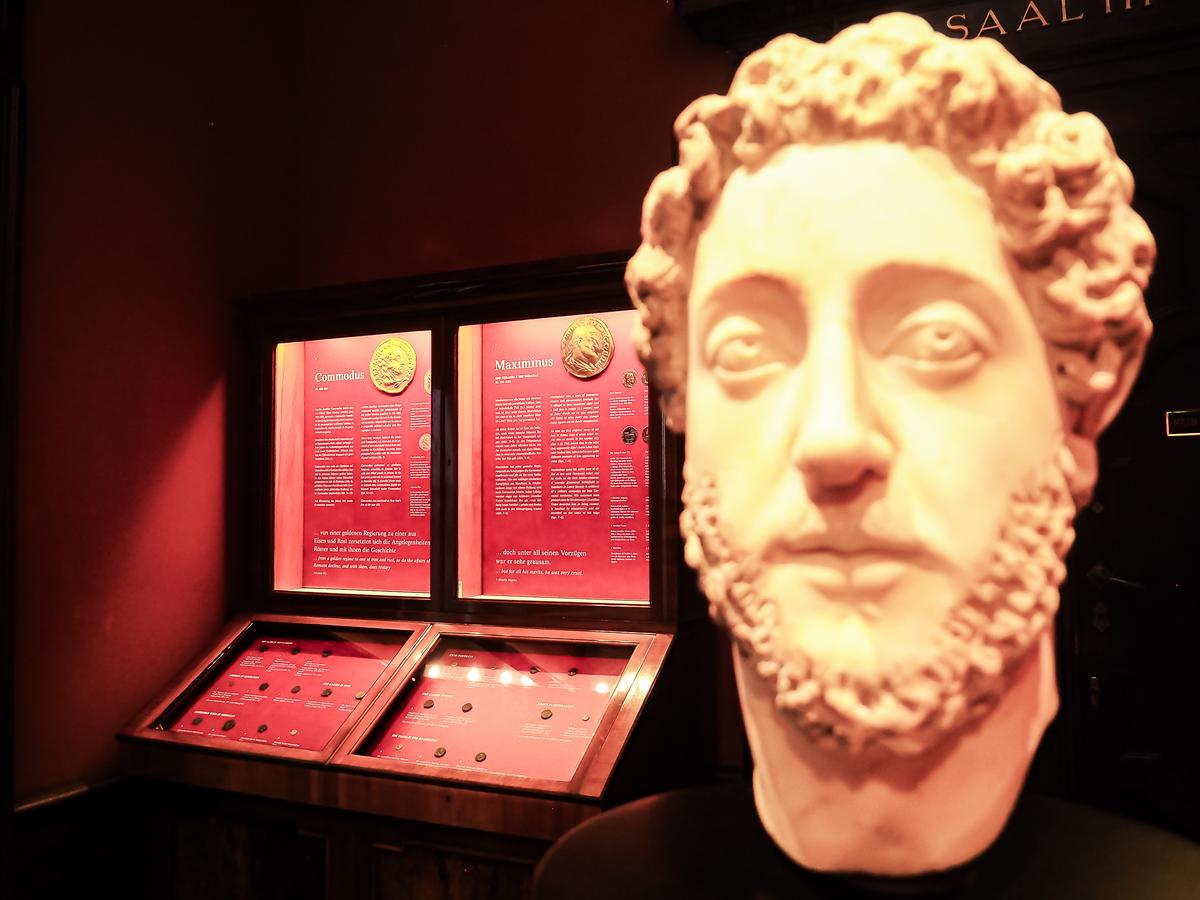
| Greek and Roman Antiquities | 30 to 45 minutes | Portrait busts, cameos, mosaics, vases, and objects spanning roughly 3,000 years |
| Coin Cabinet | 20 to 30 minutes | Coins and medals for visitors with a focused interest in numismatics |
1. Picture Gallery
The first-floor Picture Gallery is the strongest starting point. It contains more than 770 works and centers on European painting from the fourteenth through eighteenth centuries. The museum estimates that visitors spend about 1.5 hours here on average.
The Bruegel rooms deserve priority. The KHM owns twelve paintings by Pieter Bruegel the Elder, including The Tower of Babel, Hunters in the Snow, and The Peasant Wedding. The details reward close viewing, so allow more time than a quick checklist suggests.

Other high-value stops include Vermeer’s The Art of Painting, Raphael’s Madonna in the Meadow, Velázquez’s portraits of the Spanish royal family, and works by Rubens, Titian, Caravaggio, Dürer, Rembrandt, Arcimboldo, and Sofonisba Anguissola. Check the official Picture Gallery overview and current room closures before your visit.
2. Kunstkammer Vienna
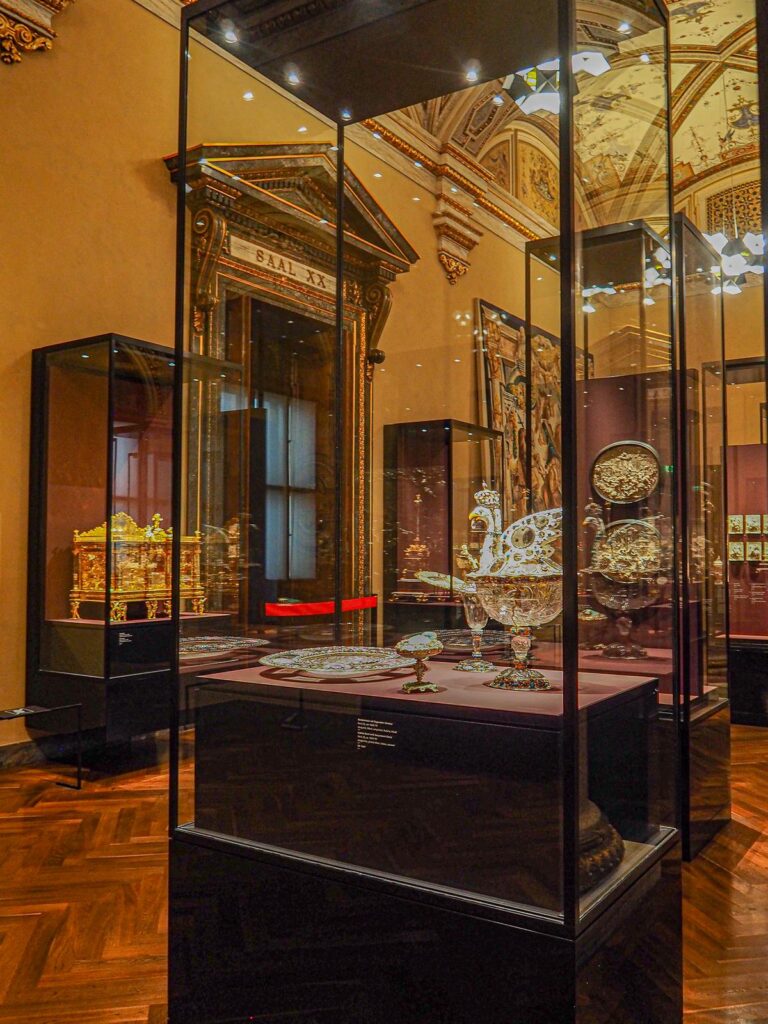
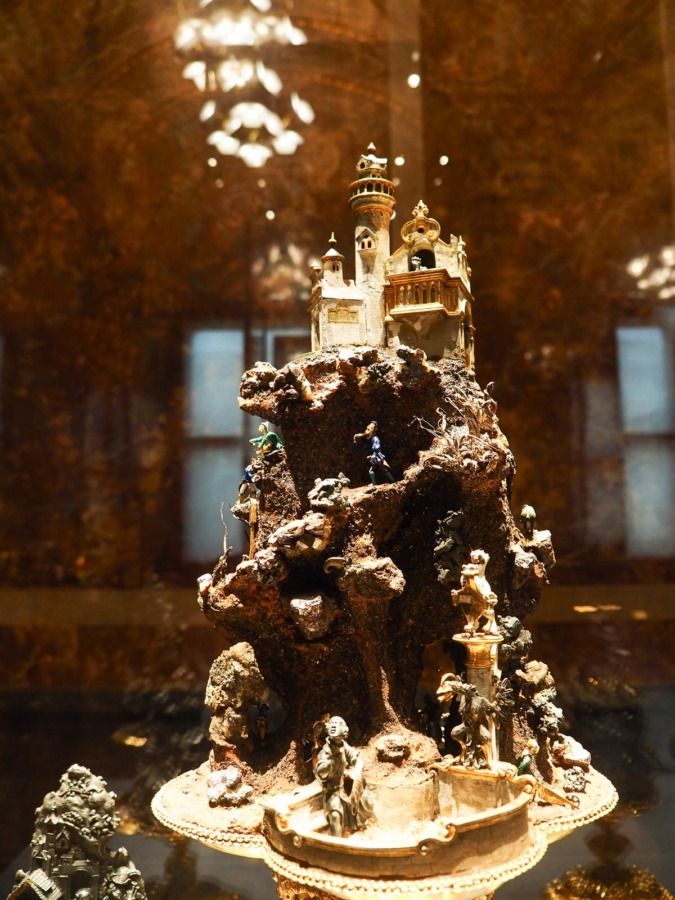
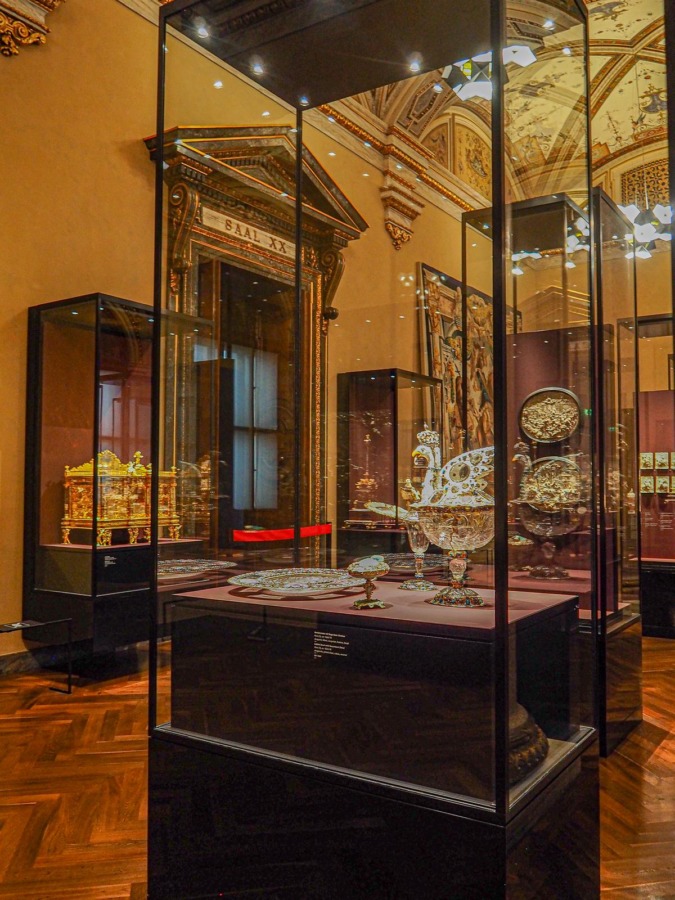
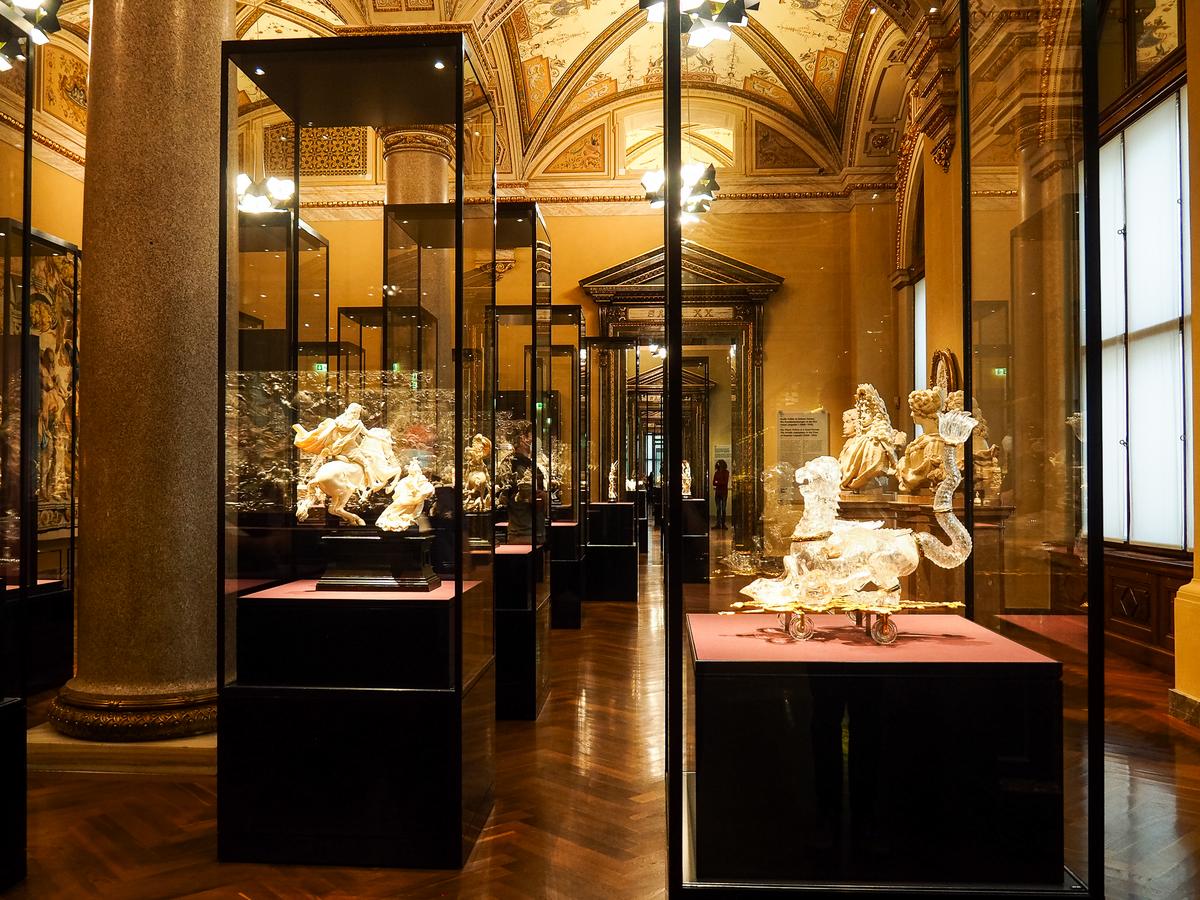
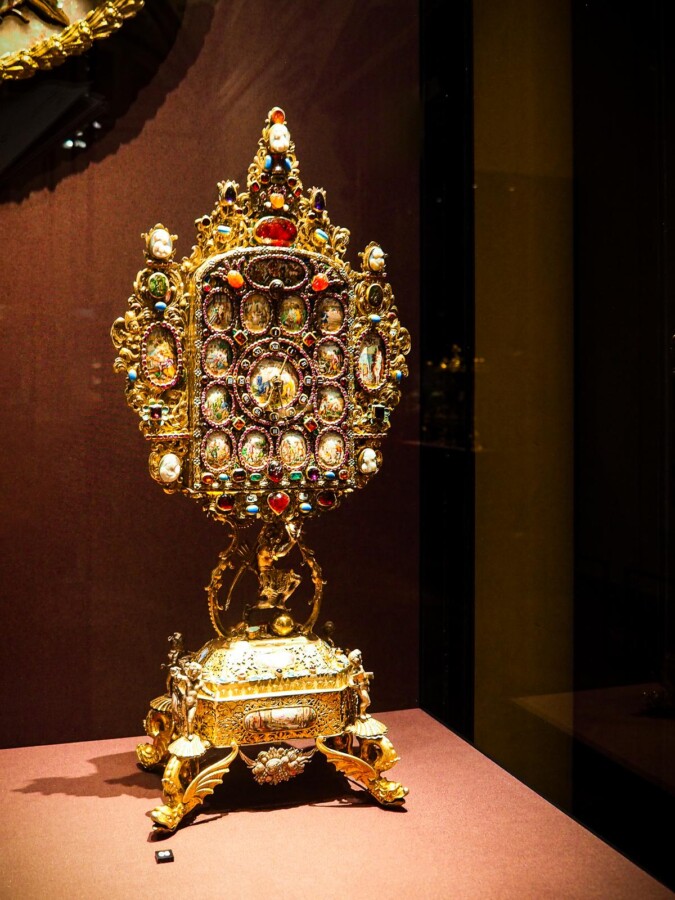
The Kunstkammer is the museum’s collection of courtly art, precious materials, technical ingenuity, and objects once gathered in royal treasure chambers and cabinets of curiosities. It contains more than 2,000 objects from the Middle Ages, Renaissance, and Baroque periods.
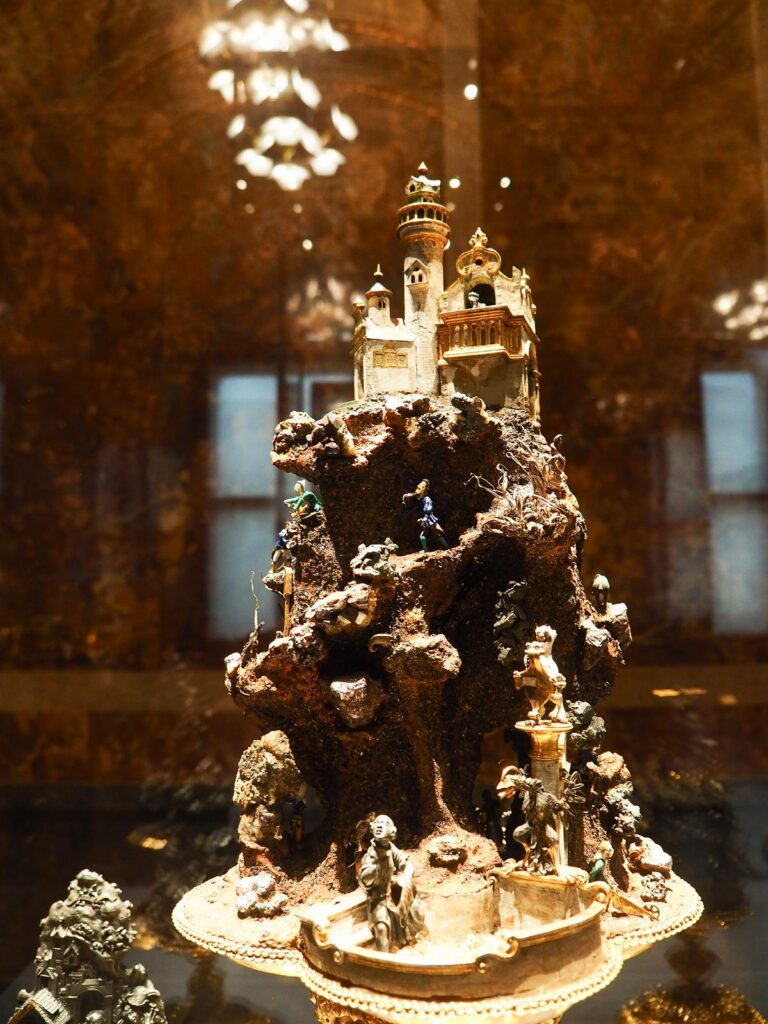
The best-known object is Benvenuto Cellini’s Saliera, a gold and enamel salt cellar made for Francis I of France. Do not rush straight to it and leave. The surrounding galleries contain automata, clocks, scientific instruments, carved ivory, rock crystal, sculpture, and ingenious display pieces that show how Habsburg rulers used collecting to express knowledge, wealth, and power.
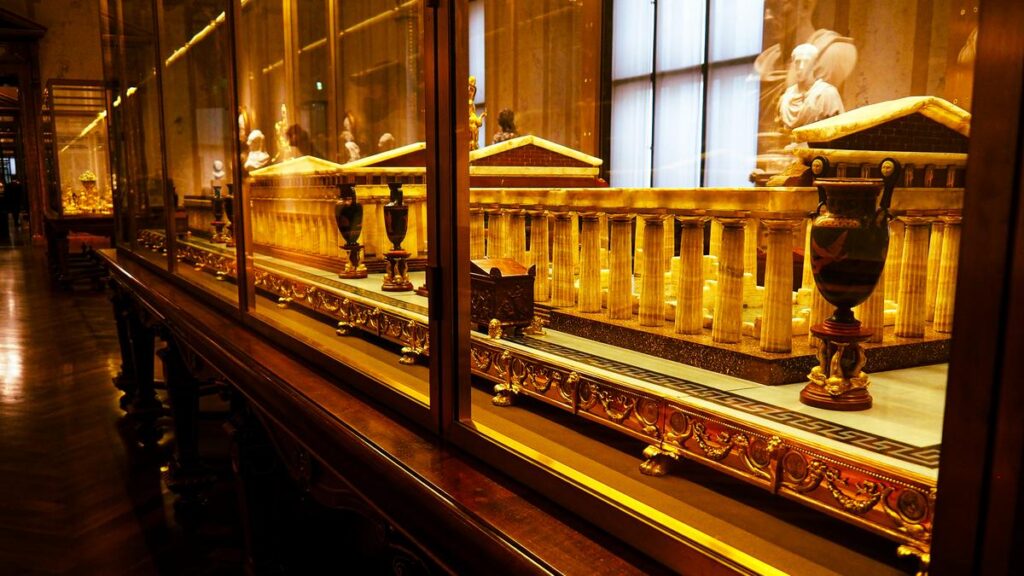
The collection works especially well for visitors who become tired of room after room of paintings. Its materials, scale, and mechanical objects change the pace of the visit. See the official Kunstkammer overview for current highlights.
3. Egyptian and Near Eastern Collection
The Egyptian and Near Eastern Collection holds more than 18,500 objects spanning about 5,000 years. Its displays cover sculpture and relief, funerary practices, writing, daily life, and cultural connections across Egypt, Nubia, the eastern Mediterranean, Mesopotamia, and the Arabian Peninsula.
This is the better ancient collection to add if you want a broad historical contrast with the Picture Gallery. A focused visit takes about 45 to 60 minutes. The museum’s own average for this department is around 1.5 hours, so specialists should plan longer. Review the official Egyptian and Near Eastern Collection page before deciding how much time to reserve.
4. Greek and Roman Antiquities
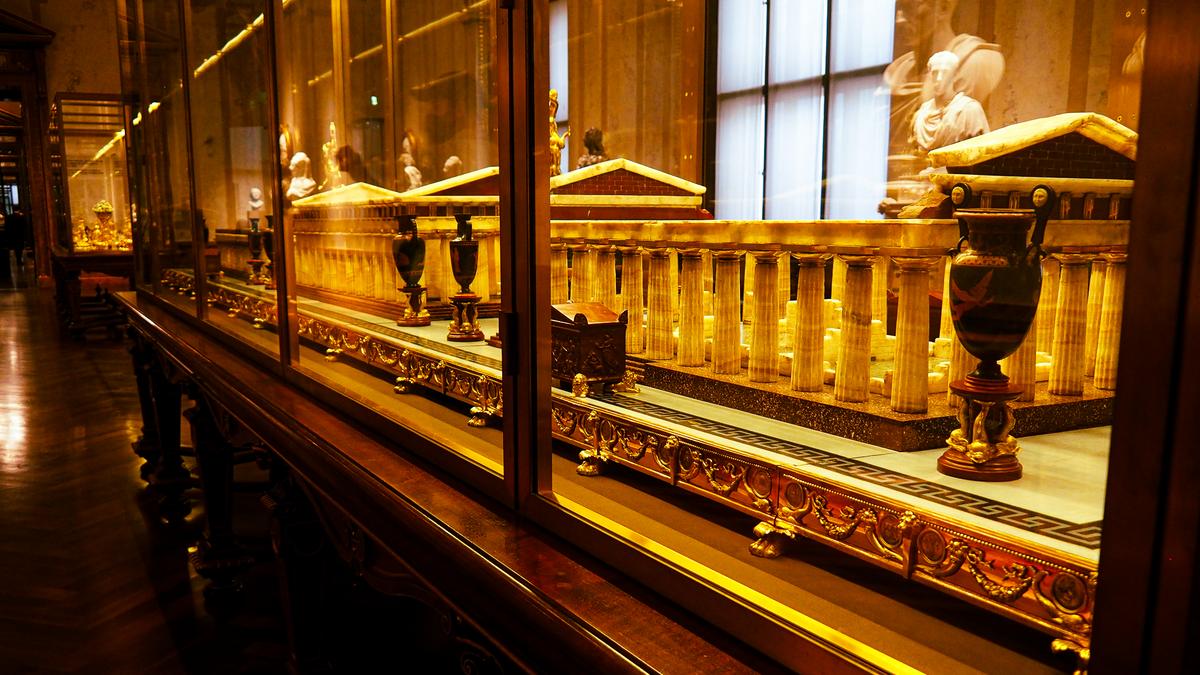
The Collection of Greek and Roman Antiquities displays around 2,500 objects spanning roughly 3,000 years. Portrait busts, cameos, mosaics, vases, bronzes, and treasure finds make it a compact choice for visitors who prefer sculpture and material culture to painting.
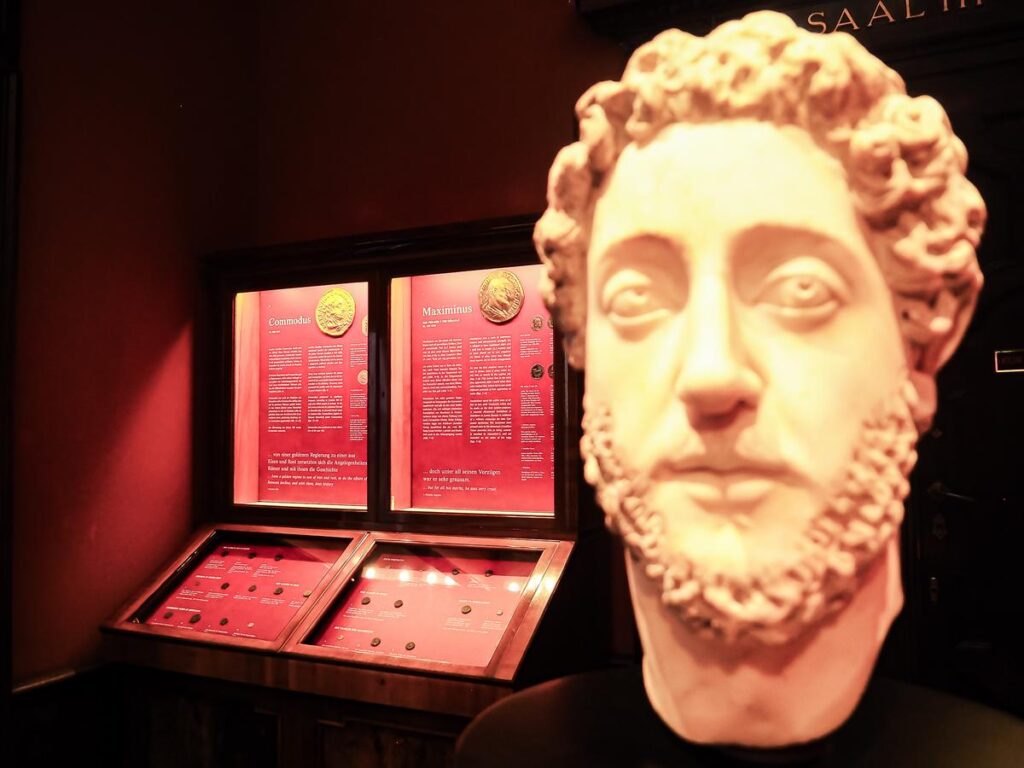

The KHM Museum Association’s separate Ephesos Museum is in the Neue Hofburg, not in the main Maria-Theresien-Platz building. Its holdings relate to excavations at Ephesus in present-day Türkiye; they are not a collection of Lebanese art. Use the official antiquities overview to identify current displays.
5. Coin Cabinet
The Coin Cabinet is an optional second-floor stop rather than a default priority. It is useful for visitors interested in coins, medals, portraiture, economic history, or the visual language of power. On a short visit, I would choose either this collection or one ancient department, not both.
The museum’s interactive floor plan can help you locate galleries and adjust for temporary closures.
How Long Should You Spend at the KHM?
A balanced first visit takes 2.5 to 3 hours. The museum places no general time limit on a standard visit, but trying to cover every department in one pass can turn strong collections into a blur.
A 90-Minute Highlights Route
- Spend 10 to 15 minutes on the grand staircase, Klimt decorations, and domed hall.
- Go to the Picture Gallery for Bruegel, Vermeer, Velázquez, Raphael, and one or two personal favorites.
- Finish in the Kunstkammer with the Saliera and nearby mechanical and decorative objects.
A 2.5- to 3-Hour First Visit
- Architecture and orientation: 15 minutes.
- Picture Gallery: 75 to 90 minutes.
- Kunstkammer: 45 to 60 minutes.
- Egyptian and Near Eastern or Greek and Roman collection: 30 to 45 minutes.
- Buffer for navigation, a short break, or a favorite room: 15 minutes.
A Half-Day Visit
Use a half day for the Picture Gallery, Kunstkammer, both ancient collections, and a café break. Check the temporary exhibition schedule first; a major exhibition can justify replacing one permanent collection rather than extending the day indefinitely.
Planning Your Visit
Tickets and Opening Hours
As of August 5, 2026, the museum is open daily from 10:00 a.m. to 6:00 p.m., with Thursday hours extended to 9:00 p.m. The KHM opens on Mondays in June, July, and August; Monday and holiday schedules vary during the rest of the year.
Adult admission costs €22 online or €24 at the museum. Reduced admission costs €19 online or €20 on site, and visitors under 19 enter free. There is no general time limit once you enter. Confirm the live schedule and any gallery notices on the official visitor information page.
Buying from the official shop saves a small amount compared with the on-site adult price and avoids the ticket-purchase step. A third-party ticket is useful only when it adds a guided tour or another attraction you already plan to visit.
How to Get There
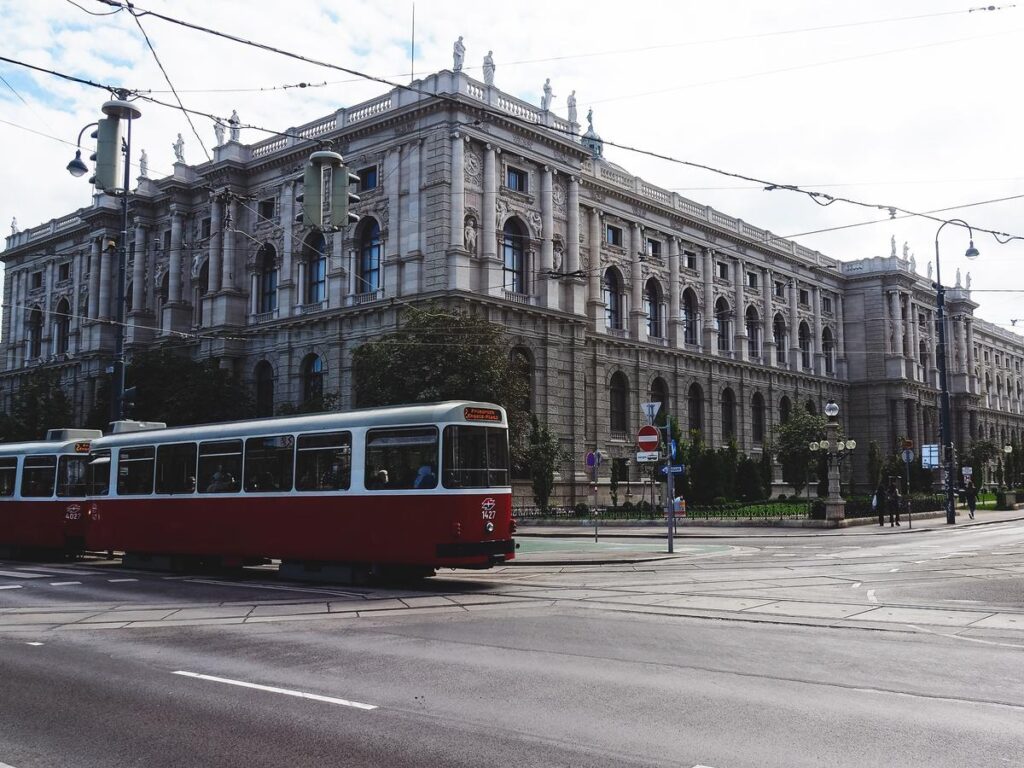
The KHM stands on Maria-Theresien-Platz, opposite the Natural History Museum and beside the MuseumsQuartier. It is not inside the MuseumsQuartier complex.
- Subway: U2 or U3 to Volkstheater.
- Tram: D, 1, or 2 to the Burgring area.
- Bus: 2A or 57A.
- From Vienna Hauptbahnhof: tram D is the simplest direct public-transport option listed by the museum.
The Natural History Museum, Hofburg, Volksgarten, Austrian Parliament, and MuseumsQuartier are nearby. Pairing the KHM with a walk through this area works well. Visiting both large twin museums in full on the same day is possible, but museum fatigue is a real tradeoff.
Accessibility, Bags, and Photography
The main entrance on Maria-Theresien-Platz has five steps and no ramp. The step-free entrance is at Burgring 5, where visitor-service staff can assist with elevator access. The building has an accessible toilet, an induction loop at the audio-guide desk, and wheelchairs that can be reserved at least one day ahead.
Do not arrive with a suitcase. The museum states that it does not provide luggage storage, and locker space is limited. Backpacks, large bags, umbrellas, selfie sticks, bottles, and similar items cannot enter the exhibition rooms.
Photography and filming are allowed for private, non-commercial use without flash or a tripod. Follow gallery signs because restrictions can apply to individual works or temporary exhibitions. The official accessibility page and museum house rules provide the latest details.
Audio Guide, Guided Tour, and Café
The official audio guide covers more than 900 objects in ten languages. It is the practical choice for independent visitors who want context without committing to a fixed route. A guided tour can be worth the extra cost for travelers who want help reading Old Master paintings or understanding how the Habsburg collections developed.
Disclosure: Tour and accommodation links on this page may be affiliate links. ViaTravelers may earn a commission at no extra cost to you.
You can also compare current guided tours of the Kunsthistorisches Museum. Check the included admission, group size, language, duration, and cancellation terms before booking.
The café-restaurant sits beneath the dome and requires a valid museum admission ticket. It is useful on a half-day visit, although stopping there reduces gallery time. For current access and reservations, consult the official café page.
Watch My Kunsthistorisches Museum Video
I filmed this walkthrough during my visit to show the scale of the building, the galleries, and the display spaces. It is useful for deciding how much time to reserve and which collections fit your interests.
Photos From My Visit
The gallery below contains more of my photographs from the museum’s exterior, staircase, domed hall, Picture Gallery, Kunstkammer, and ancient collections.


Where to Stay Near the Kunsthistorisches Museum

The Neubau, Spittelberg, MuseumsQuartier, and western Innere Stadt area is convenient for the KHM and several other central attractions. Rates change by date, so compare the total price and cancellation policy rather than relying on a fixed luxury, mid-range, or budget label.
Hotel Sans Souci Wien: Best for a Luxury Stay
Hotel Sans Souci Wien sits across from the MuseumsQuartier and offers a spa, a 20-meter indoor pool, and quick access to the Ringstrasse. It is the strongest fit here for travelers who value service and wellness as much as location.
25hours Hotel at MuseumsQuartier: Best for Design and Transit
25hours Hotel at MuseumsQuartier is near the Volkstheater and MuseumsQuartier stations. Its location works well for museum-heavy itineraries, and its design is less formal than the traditional luxury hotels inside the Ring.
HeyMi Apartments Mondschein: Best for More Space
HeyMi Apartments Mondschein offers apartment-style stays with kitchen facilities and laundry amenities. It is a practical option for families, longer stays, or travelers who prefer more space than a standard hotel room.
Compare more neighborhoods and properties in our guide to the best hotels in Vienna. Travelers watching costs can also use our Vienna trip budget guide.
My Verdict
The Kunsthistorisches Museum belongs high on a Vienna itinerary for Old Masters, Habsburg collections, ancient art, and architecture. The best first visit is selective: start with the Picture Gallery and Kunstkammer, pause for the staircase and dome, then add one ancient collection. Allow 2.5 to 3 hours unless a temporary exhibition or specialist interest justifies a half day.
The KHM is also a strong candidate for a list of the best museums in Europe, but its value comes from the specific combination of Bruegel, Vermeer, Habsburg objects, and a purpose-built imperial setting rather than from size alone.
Kunsthistorisches Museum FAQs
Is the Kunsthistorisches Museum worth visiting?
Yes. It is especially worthwhile for Old Master paintings, Habsburg decorative arts, ancient collections, and grand museum architecture. Travelers focused on Klimt, Schiele, or modern art may prefer the Belvedere or Leopold Museum first.
How long do you need at the Kunsthistorisches Museum?
Allow 2.5 to 3 hours for a balanced first visit. A focused 90-minute route can cover the architecture, major Picture Gallery works, and the Saliera in the Kunstkammer. A half day gives you time for several collections and a café break.
How much are Kunsthistorisches Museum tickets?
As of August 5, 2026, adult admission is €22 online or €24 on site. Reduced admission is €19 online or €20 on site, and visitors under 19 enter free. Recheck the official museum site before travel.
What are the Kunsthistorisches Museum opening hours?
The current summer schedule is daily from 10:00 a.m. to 6:00 p.m., with Thursday hours until 9:00 p.m. The museum opens on Mondays in June, July, and August; Monday and holiday hours vary at other times of year.
What should I see first at the Kunsthistorisches Museum?
Start with the grand staircase and dome, then visit the Picture Gallery for Bruegel, Vermeer, Velázquez, Raphael, and other Old Masters. Continue to the Kunstkammer for Cellini’s Saliera and the collection of courtly art and mechanical objects.
Can you take photos inside the Kunsthistorisches Museum?
Yes. Photography and filming for private, non-commercial use are allowed without flash or a tripod. Follow gallery signs because restrictions may apply to individual works or temporary exhibitions.
Is the Kunsthistorisches Museum wheelchair accessible?
Yes, but the main Maria-Theresien-Platz entrance has five steps and no ramp. Use the step-free entrance at Burgring 5. Elevators, an accessible toilet, an induction loop, and advance wheelchair reservations are available.
Is the Kunsthistorisches Museum inside the MuseumsQuartier?
No. The museum is on Maria-Theresien-Platz, directly opposite the Natural History Museum and beside the MuseumsQuartier complex. The nearest useful transit includes U2 and U3 at Volkstheater plus trams D, 1, and 2 near Burgring.