

Vienna, the capital of Austria, is a city renowned for its artistic and intellectual legacy shaped by famous residents such as Mozart, Beethoven, and Freud. Known for its imperial palaces, vibrant cultural scene, and coffee house culture, Vienna offers a blend of history and modernity that captivates every visitor.
The destination guide
Vienna
Vienna’s coffee houses aren’t cafés — they’re institutions. Locals nurse a Melange for hours, and nobody rushes you out.
Travel guides for Vienna
Itineraries & day trips (2)
Things to do (2)
Where to stay (1)
Travel tips & costs (1)
Destination stories (3)
More guides featuring Vienna (28)
At a glance
Currency€ EURCode: EUR
Time zoneCentral European Time
Languages
- German
Setting
- Urban cityscape
- Danube River
- Baroque palaces
- Vienna Woods edge
Population1.9M1,897,491 residents
VisaDuration: Up to 90 days within any 180-day period in the Schengen Area · Documents: Valid passport issued within the last 10 years and valid for at least 3 months after planned departure, plus proof of accommodation, onward or return travel, and sufficient funds if requested
How Vienna scores
10/10OverallExcellent
Weather7/10
Value for money6/10
Food & cuisine9/10
Culture & arts6/10
Cultural experience9/10
Nature & outdoors7/10
Adventure4/10
Nightlife7/10
Shopping8/10
Family friendly5/10
Romance9/10
Editorial scores on a 10-point scale, weighed against destinations of the same kind.
Travel safety snapshot
Overall92/100High rating
Women travellers90/100
LGBTQ+ travellers88/100
Theft86/100
Medical care90/100
Physical harm90/100
Political freedom88/100
SafePlace indicators use their source 100-point scale; higher is more favourable. Planning context, not a live travel advisory — check official government guidance before you go.
When to go
Best months to visit: April, May, June, July, August, September, October, November and December.
- January: -1.4 to 3.1 degrees Celsius, 5.2 millimetres of rain, best-time score 2 out of 5.
- February: -1.1 to 5.5 degrees Celsius, 1.7 millimetres of rain, best-time score 2 out of 5.
- March: 2.3 to 9.4 degrees Celsius, 9.4 millimetres of rain, best-time score 3 out of 5.
- April: 5.8 to 13.8 degrees Celsius, 21 millimetres of rain, best-time score 4 out of 5.
- May: 8.5 to 15.6 degrees Celsius, 43.7 millimetres of rain, best-time score 5 out of 5.
- June: 12.9 to 23.3 degrees Celsius, 13.8 millimetres of rain, best-time score 5 out of 5.
- July: 15.8 to 25.4 degrees Celsius, 12.2 millimetres of rain, best-time score 4 out of 5.
- August: 16.7 to 27.1 degrees Celsius, 9.8 millimetres of rain, best-time score 4 out of 5.
- September: 13 to 21.9 degrees Celsius, 56.4 millimetres of rain, best-time score 5 out of 5.
- October: 8 to 14.8 degrees Celsius, 21.3 millimetres of rain, best-time score 5 out of 5.
- November: 4.3 to 9.5 degrees Celsius, 7.8 millimetres of rain, best-time score 4 out of 5.
- December: -0.4 to 3.5 degrees Celsius, 6.9 millimetres of rain, best-time score 5 out of 5.
Month-by-month conditions and packing advice
- January
- Cold weather, mostly dry January in Vienna: deep winter outside the festive period is less balanced. Crowds: Peak tourist season with excellent conditions for winter sports, cultural site visits, and festive events. Hotel rates and crowd levels are highest during this period. Despite cooler temperatures, outdoor activities remain popular, with attractions like Schönbrunn Palace and the Vienna Opera House drawing large crowds. Pack: Warm winter coat for temperature variation; Insulated gloves and scarf for cold weather; Waterproof boots for snowy conditions; Thermal layers for indoor warmth; Hats and beanies for cultural sites; Waterproof jackets for unexpected rain
- February
- Cold weather, mostly dry February in Vienna: deep winter outside the festive period is less balanced. Crowds: Peak tourist season with excellent conditions for winter sports, cultural site visits, and city walking tours. Hotel rates and crowd levels are highest during this period. UV levels remain low despite cooler temperatures. Pack: Warm winter coat for temperature variation; Insulated gloves and scarf for cold weather; Waterproof boots for snow and rain; Thermal layers for indoor activities; Hats and beanies for cultural sites; Waterproof and windproof outerwear
- March
- Cool weather, mostly dry March in Vienna: early spring is usable but cooler and less settled. Crowds: Spring tourist season with excellent conditions for cultural site visits, outdoor cafes, and city walking tours. Hotel rates and crowd levels are moderate during this period. UV levels remain high despite cooler temperatures. Pack: Lightweight layers for temperature variation; Comfortable walking shoes for city exploration; Warm scarf and gloves for cooler mornings; Waterproof jacket for occasional rain; Comfortable boots for cultural site visits; Breathable cotton/linen fabrics
- April
- Cool weather, mostly dry April in Vienna: spring, summer, or late autumn can work with crowd, heat, or cool-weather planning. Crowds: Peak tourist season with excellent conditions for cultural site visits, winter sports, and city walking tours. Hotel rates and crowd levels are highest during this period. UV levels remain high despite cooler temperatures. Pack: Lightweight layers for temperature variation; Comfortable walking shoes for city exploration; Warm hat and scarf for cold mornings; Waterproof jacket for occasional snow showers; Thermal gloves for cold weather; Breathable cotton/linen fabrics
- May
- Cool weather, some rain May in Vienna: palaces, museums, cafes, parks, concerts, wine taverns, and Christmas markets are strongest. Crowds: Spring tourist season with moderate weather conditions for outdoor activities including city tours, wine tasting, and cultural festivals. Hotel rates and crowd levels are moderate during this period. Rainfall is occasional but can affect outdoor plans. Pack: Lightweight layers for temperature variation; Waterproof jacket for rain showers; Comfortable walking shoes for city exploration; Umbrella for unexpected rain; Light cardigan for air-conditioned spaces; Breathable cotton/linen fabrics
- June
- Warm and pleasant, mostly dry June in Vienna: palaces, museums, cafes, parks, concerts, wine taverns, and Christmas markets are strongest. Crowds: June marks the peak tourist season in Vienna, with excellent weather conditions for outdoor activities such as hiking, cycling, and exploring historic sites. The city's attractions are bustling with visitors, leading to higher hotel rates and crowded streets. Despite the warm temperatures, UV levels remain manageable, encouraging tourists to enjoy the sunny days. Pack: Lightweight layers for temperature variation; Comfortable walking shoes for city exploration; Broad-brimmed hat and SPF 50+ sunscreen; Light cardigan for air-conditioned spaces; Modest clothing for cultural sites and mosques; Breathable cotton/linen fabrics
- July
- Warm and pleasant, mostly dry July in Vienna: spring, summer, or late autumn can work with crowd, heat, or cool-weather planning. Crowds: July marks Vienna's peak tourist season, with excellent weather conditions for outdoor activities such as hiking, cycling, and visiting historic sites. The city's attractions are bustling with visitors, leading to higher hotel rates and crowded streets. Despite the warm temperatures, UV levels remain manageable, encouraging tourists to enjoy the sunny days. Pack: Lightweight layers for temperature variation; Comfortable walking shoes for city exploration; Broad-brimmed hat and SPF 50+ sunscreen; Light cardigan for air-conditioned spaces; Modest clothing for cultural sites and mosques; Breathable cotton/linen fabrics
- August
- Warm and pleasant, mostly dry August in Vienna: spring, summer, or late autumn can work with crowd, heat, or cool-weather planning. Crowds: August marks the peak tourist season in Vienna, with excellent weather conditions for outdoor activities such as hiking, cycling, and visiting historic sites. The city's attractions are bustling with visitors, leading to higher hotel rates and crowded streets. Despite the warm temperatures, UV levels remain manageable, encouraging tourists to enjoy the sunny days. Pack: Lightweight layers for temperature variation; Comfortable walking shoes for city exploration; Broad-brimmed hat and SPF 50+ sunscreen; Light cardigan for air-conditioned spaces; Modest clothing for cultural sites and mosques; Breathable cotton/linen fabrics
- September
- Warm and pleasant, some rain September in Vienna: palaces, museums, cafes, parks, concerts, wine taverns, and Christmas markets are strongest. Crowds: September marks the peak tourist season in Vienna, with excellent weather conditions for sightseeing and outdoor events. The city's attractions, including museums, galleries, and historic sites, are most accessible during this time. Hotel rates and public transport can be higher due to increased demand. Outdoor activities such as cycling, hiking, and attending festivals are popular, with UV levels remaining moderate despite cooler temperatures. Visitors are advised to carry umbrellas for occasional rain showers and to dress in layers to accommodate temperature fluctuations. Pack: Lightweight layers for temperature variation; Comfortable walking shoes for city exploration; Umbrella for occasional rain showers; Light cardigan for air-conditioned spaces; Modest clothing for cultural sites and religious venues; Breathable cotton/linen fabrics
- October
- Cool weather, mostly dry October in Vienna: palaces, museums, cafes, parks, concerts, wine taverns, and Christmas markets are strongest. Crowds: Peak tourist season with excellent conditions for cultural exploration, including museum visits, historic site tours, and winter festivals. Hotel rates and crowd levels are highest during this period. UV levels remain moderate despite cooler temperatures. Pack: Lightweight layers for temperature variation; Comfortable walking shoes for city exploration; Warm hat and scarf for cold mornings; Waterproof jacket for occasional snow showers; Thermal gloves for chilly evenings; Breathable cotton/linen fabrics
- November
- Cool weather, mostly dry November in Vienna: spring, summer, or late autumn can work with crowd, heat, or cool-weather planning. Crowds: Peak tourist season with excellent conditions for cultural site visits, winter sports, and city walking tours. Hotel rates and crowd levels are highest during this period. UV levels remain moderate despite cooler temperatures. Pack: Lightweight layers for temperature variation; Warm winter boots for snow and ice; Broad-brimmed hat and SPF 30+ sunscreen; Light scarf and gloves for cold mornings; Waterproof jacket for snow and rain; Comfortable winter boots for city exploration
- December
- Cold weather, mostly dry December in Vienna: palaces, museums, cafes, parks, concerts, wine taverns, and Christmas markets are strongest. Crowds: Peak tourist season with excellent conditions for cultural exploration, including visiting museums, attending classical concerts, and enjoying winter festivals. Hotel rates and crowd levels are highest during this period. While temperatures are low, the city's efficient heating systems provide comfortable indoor experiences. Booking in advance is recommended to secure accommodations. Pack: Warm winter coat for temperature variation; Insulated gloves and scarf for cold weather; Waterproof boots for snowy conditions; Thermal layers for indoor warmth; Hats and beanies for cultural sites; Breathable wool fabrics
Peak season
- July
- August
Off-peak
- November
- January
- February
- March
Know before you go
About
Vienna, the capital of Austria and a federal state in its own right, sits on the Danube and ranks among Europe’s great imperial cities, with a population that passed 2 million in 2023. Founded as the Roman camp of Vindobona in the 1st century AD, it grew into the seat of the Habsburg dynasty, whose legacy fills the city: the Hofburg palace complex anchored their rule for some 600 years, while the 1,441-room Schönbrunn Palace served as their summer residence. Gothic St. Stephen’s Cathedral, rising 136 m, marks the historic core, and the Ringstrasse boulevard frames grand museums, the State Opera, and parliament. Vienna is synonymous with classical music—Mozart, Beethoven, and the Strauss family all worked here—and with its storied coffee-house culture. Travelers come for world-class art at the Kunsthistorisches Museum, imperial palaces and gardens, Sachertorte, and a famously high quality of life in one of the world’s most livable capitals.
Best time to visit
April through June and September-October for mild weather and café culture. December-January for Christmas markets and Vienna Ball season. Summer brings open-air concerts and Film Festival on Rathausplatz.
Season by season
Winter (Nov-Dec):
Weather: 0-5°C, snow
Highlights: Xmas Markets
Best For: Magic
Summer (June-Aug):
Weather: 20-30°C, sunny
Highlights: Gardens
Best For: Outdoors
Spring (April-May):
Weather: 10-20°C, blooms
Highlights: Easter Markets
Best For: Walking
Fall (Sept-Oct):
Weather: 10-15°C, crisp
Highlights: Wine Hiking
Best For: Wine
Crowds
Vienna attracts peak crowds in summer (June–August) and around Christmas markets (late November–December); spring (April–May) also busy during concert season; quietest in January–February after holidays—overall busy but more evenly distributed year-round than many destinations.
Getting there and around
Getting there
Vienna International Airport (VIE) connects to Wien Mitte station via the City Airport Train (CAT, 16 minutes, €12) or S7 suburban train (25 minutes, €4.20).
Getting around
Vienna’s U-Bahn, trams, and buses are world-class. A single Wiener Linien pass covers all public transport. The city is also one of the most bike-friendly in Europe.
In pictures

SCStock / Shutterstock.com 
Kyle Kroeger / ViaTravelers 
Arcady / Adobe Stock 
Kyle Kroeger / ViaTravelers 
Kyle Kroeger / ViaTravelers 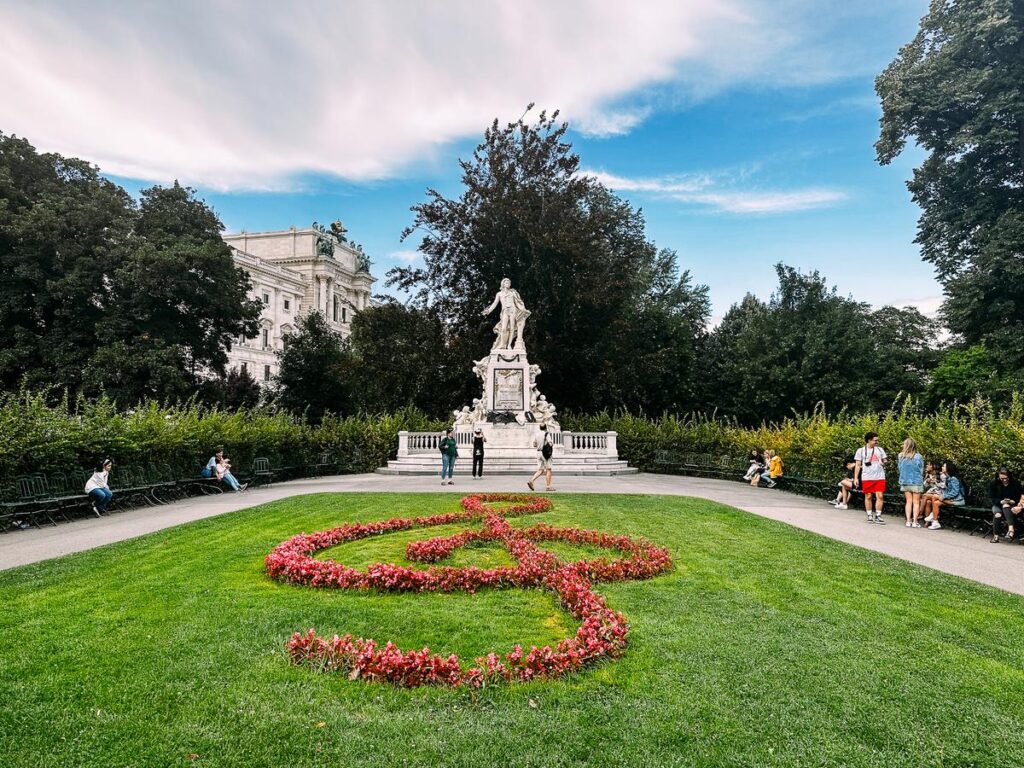
Kyle Kroeger / ViaTravelers 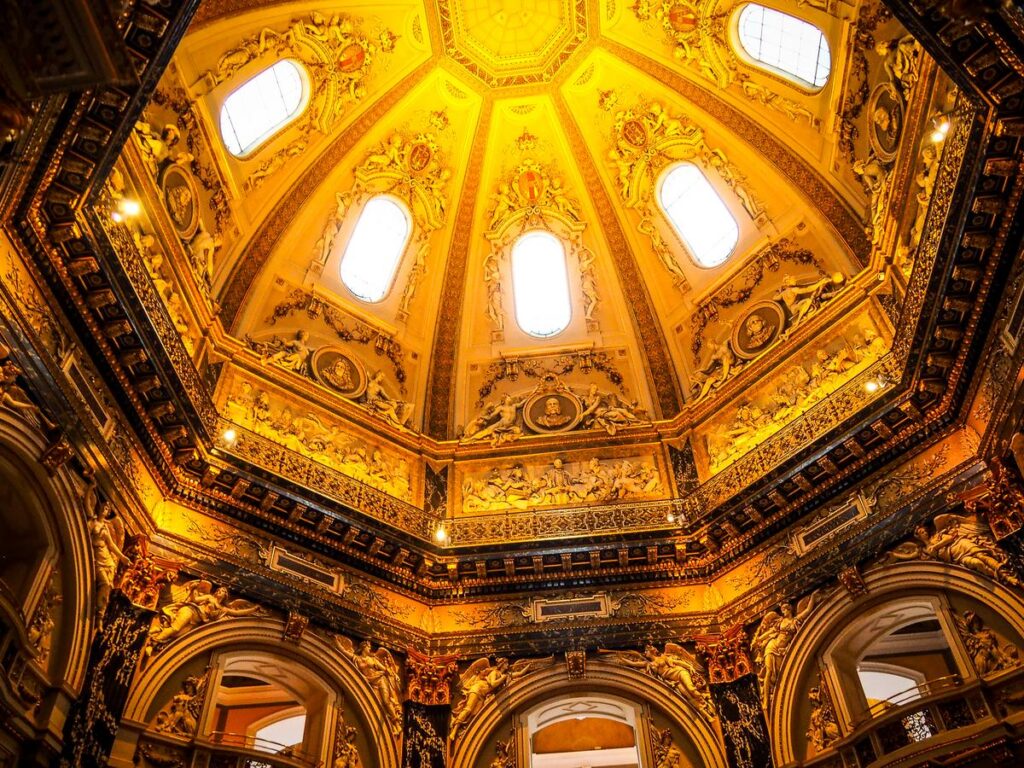
Kyle Kroeger / ViaTravelers 
Kyle Kroeger / ViaTravelers
Top experiences in Vienna
Schönbrunn Palace
Read the place guide →The summer residence of the Habsburgs. A 1,441-room yellow baroque palace. The gardens are vast (Gloriette view). See where Mozart played for Empresses. Sisi (Empress Elisabeth) lived here.
St. Stephen's Cathedral
The symbol of Vienna. Its mosaic roof is iconic. You can climb the South Tower (343 steps) for a view. The catacombs below hold the internal organs of the Habsburgs (creepy but true).
Hofburg Palace
Read the place guide →The winter palace. A massive complex in the city center. Home to the Sisi Museum, the Imperial Apartments, and the Spanish Riding School (Lipizzaner horses). The heart of the empire.
Belvedere Palace
Read the place guide →Two baroque palaces (Upper and Lower) connected by a garden. It houses the world’s largest collection of Gustav Klimt paintings, including ‘The Kiss’. A masterpiece of art and architecture.
Prater (Giant Ferris Wheel)
A large public park with an amusement park (Wurstelprater). The Riesenrad (Ferris Wheel), built in 1897, is a symbol of the city and was featured in ‘The Third Man’. Historic fun.
Editor-curated picks carried over from our original guide. Where a full place guide exists, the card links to it.




Worth booking ahead in Vienna
Hand-picked from the operators our guides already send readers to. Prices and availability are live on the partner site.
BrowseViator
Tours and tickets in Vienna on Viator (opens Viator in a new tab)
Viator's full list of bookable tours and tickets in Vienna.
BrowseGetYourGuide
Experiences in Vienna on GetYourGuide (opens GetYourGuide in a new tab)
Everything GetYourGuide sells in Vienna, with the cancellation terms on each listing.
Where to stayBooking.com
Stays in Vienna (opens Booking.com in a new tab)
Live rates and availability for Vienna on Booking.com; filter by neighbourhood once you know where your days start.
We earn a commission if you book through these links, at no extra cost to you. It is how we keep the guides free and independent.
Where to stay
Hotel Sacher Wien
Philharmoniker Str. 4, 1010 Wien, Austria
A Vienna institution. Famous for the Sacher-Torte. It exudes Old World opulent charm with velvet furniture and oil paintings. Staying here is a piece of history. Reeking of tradition.
Park Hyatt Vienna
Am Hof 2, 1010 Wien, Austria
Located in a former bank building in the Golden Quarter. It is grand, marble-filled, and ultra-luxurious. The pool in the former vault is stunning. A mix of history and modern luxury.
Hotel Sans Souci Wien
Burggasse 2, 1070 Wien, Austria
A boutique hotel in the Museum Quarter. It is modern, stylish, and purple-themed (in a tasteful way). Recommended for art lovers. The service is personalized and excellent.
Editor-curated stays carried over from our original guide. Where we have reviewed the hotel, the card links to the review.
Tips from the field
Highlights
- History – Habsburgs
- Art – Klimt/The Kiss
- Music – Mozart/Opera
- Food – Schnitzel/Cake
- Cafe – Coffee Culture
- Palace – Schönbrunn
- Market – Naschmarkt
- Horse – Lipizzaner
Best activities
- Eat a Sacher-Torte at Hotel Sacher. Watch a performance at the Spanish Riding School. See 'The Kiss' at the Belvedere. Walk the Ringstrasse. Explore the Naschmarkt. Attend a ball (in season). Ride the Giant Ferris Wheel.
Practical tips
- Currency: Euro (EUR). Cards widely accepted.
- Getting There: Vienna International Airport (VIE) via City Airport Train (CAT, 16 minutes, €14) or S-Bahn S7 (25 minutes, €4.40).
- Transportation: Wiener Linien (U-Bahn, tram, bus) is excellent. 24/48/72-hour tickets (€8/14.10/17.10). Walking is the best way to explore the Innere Stadt (1st district). Vienna City Card includes transit + museum discounts.
- Dining: Schnitzel and Tafelspitz are traditional (€12-22). Café culture is a UNESCO-listed tradition — Sachertorte at Café Sacher or Demel. Naschmarkt for international street food. Heuriger (wine taverns) on the outskirts serve local wine and cold buffets.
- Free Attractions: Stephansdom (main nave), Ringstraße walking (Parliament, Opera House, Hofburg exteriors), Prater park, Stadtpark (Johann Strauss statue), Naschmarkt browsing.
- Tipping: Round up or add 5-10%
- Electricity: 230V/50Hz, Type C/F plugs
Photography tips
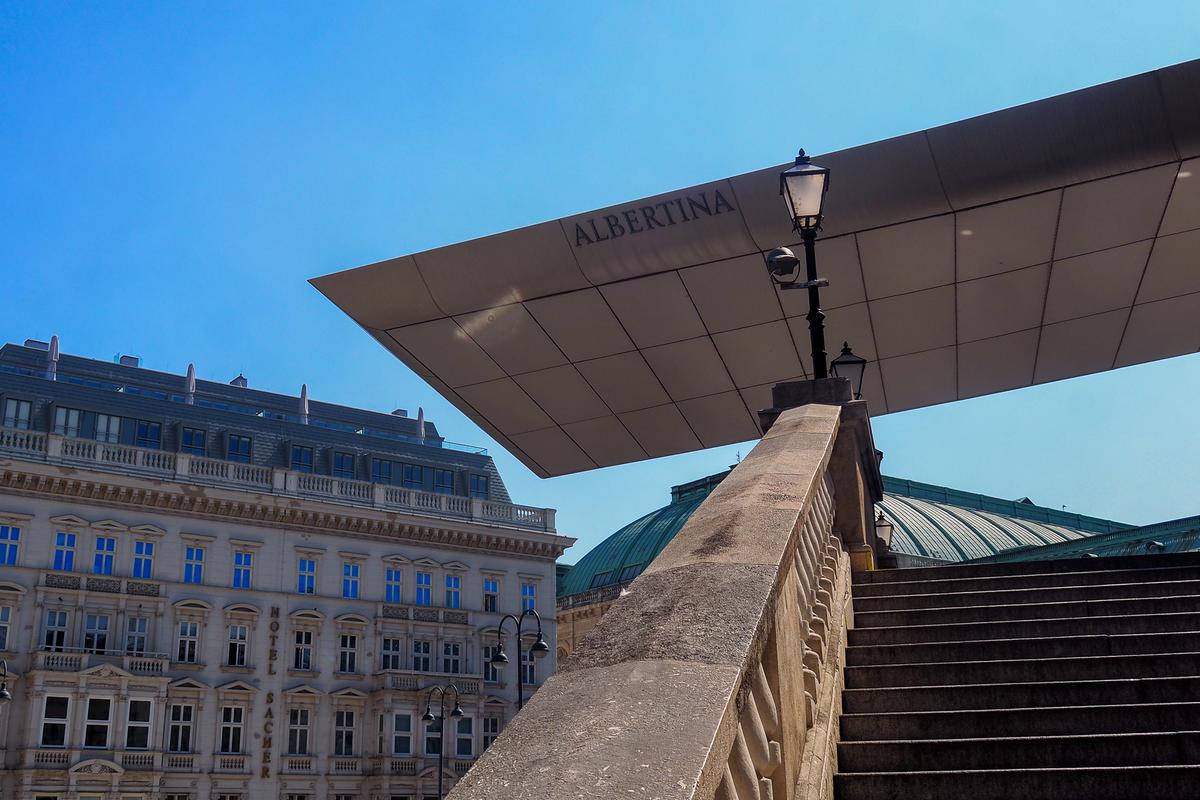
- Golden Hour: Sunrise at the Gloriette (Schönbrunn) looking down at the palace. Sunset at the Albertina terrace.
- Iconic Shots:
- The Kiss (Klimt) at Belvedere.
- St. Stephen's roof tiles.
- The grand staircase at the Opera House.
- A Melange coffee and Sacher Torte.
- The Ferris Wheel (Riesenrad).
- Technique: Interiors are often dark (churches/cafes)—use a fast lens. Tripods are forbidden in most museums.
Timing
- Peak Season (June-Aug, Dec):
- Tourists, markets
- Shoulder Season (April-May, Sept-Oct):
- Mild, opera season
- Low Season (Jan-March):
- Cold, ball season
Keeping it authentic
- Vienna invented the coffee house culture (UNESCO listed). It is about lingering for hours with a newspaper and a 'Melange'. It is the capital of classical music. The 'Ball Season' (Jan-Feb) is still a very real and formal tradition.
Culture, customs and safety
Cultural heritage
Vienna represents the pinnacle of Habsburg imperial culture, showcasing over 600 years of architectural evolution from Gothic St. Stephen Cathedral to Art Nouveau Secession buildings. The historic center forms a UNESCO World Heritage site featuring baroque palaces, imperial residences, and grand boulevards. Viennese coffeehouse culture, classical music traditions, and waltz heritage define the city social fabric. The Ringstrasse demonstrates 19th-century urban planning while maintaining medieval street patterns in the inner city. Vienna preserves unique traditions in opera, classical music, and decorative arts.
Local customs & etiquette
Use formal titles (Herr/Frau) until invited otherwise. Coffee houses have an unwritten rule: you can linger for hours over a single Melange. Dinner reservations are important.
Safety notes
Vienna is one of the safest cities in the world, consistently ranked #1 for livability.
General Safety:
• Crime is very low — tourists face virtually no risk
• Minor pickpocketing possible at Stephansplatz, Naschmarkt, and on the U-Bahn
Public Transport:
• Very efficient and safe — validate your ticket to avoid €105 fine
• Late-night U-Bahn runs on weekends
Emergency contacts:
• General: 112
• Police: 133
• Ambulance: 144

Travel Style
Activities