Global Influence
- The Hofburg in Vienna is globally recognized as the former imperial palace of the Habsburg dynasty. For over 600 years, it symbolized the power and influence of the Austrian Empire.
- It attracts many international visitors, contributing to Vienna’s status as a top tourist destination. The palace complex, including the Sisi Museum and other attractions, is a major draw for tourists worldwide.
- The Hofburg’s influence on global culture and art is evident through its architectural grandeur. It houses various museums, imperial apartments, and priceless art collections that reflect the luxury and artistic achievements of the Habsburg era.
- The venue has hosted international events, including diplomatic meetings, cultural exhibitions, and royal ceremonies, showcasing its ongoing role in international collaborations and diplomacy.
Historical Impact
- The Hofburg has been witness to significant historical events. Serving as the seat of the Austro-Hungarian Empire, it witnessed the Habsburg rulers’ coronations, weddings, and funerals, shaping the course of European history.
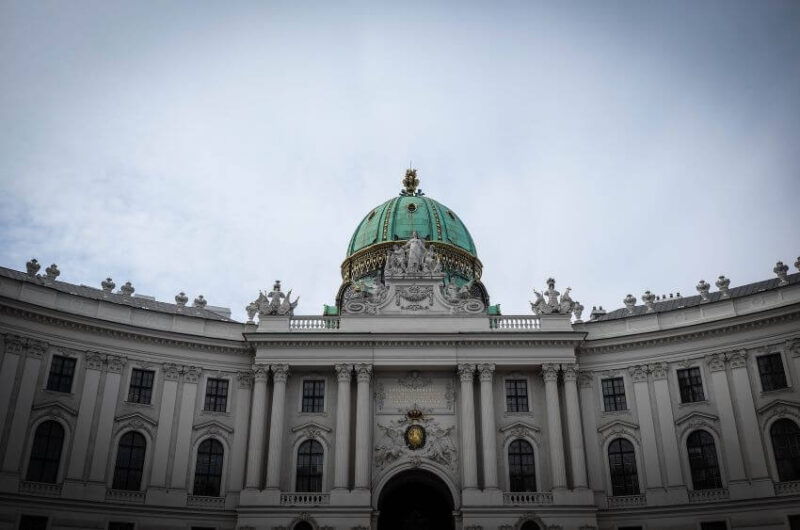
- Architecturally and archaeologically, the Hofburg represents a blend of medieval, Renaissance, and Baroque styles, with its wings and courtyards reflecting the evolving architectural tastes and techniques of different historical periods.
- It has made substantial contributions to local and national history. For centuries, it served as the center of imperial power and administration, influencing Austria’s and its territories’ governance and cultural development.
- Notable historical figures associated with the Hofburg include Emperor Franz Joseph and Empress Elisabeth (“Sisi”), whose lives and legacies are intertwined with the palace’s history and continue to capture public fascination.
Preservation Efforts
- Current preservation projects focus on conserving the Hofburg’s architectural elements, interior decorations, and historical artifacts to ensure their integrity for future generations.
- Organizations such as the Schatzkammer Museum and the Austrian Federal Monuments Office actively preserve Hofburg and oversee maintenance and restoration efforts.
- Funding and support for preservation come from various sources, including government allocations, private donations, and revenue generated from tourism and cultural events held within the complex.
- Community involvement in preservation efforts is fostered through educational programs, volunteer opportunities, and public engagement initiatives to raise awareness about Hofburg’s historical significance and garner support for its conservation.
Historical Significance
The Hofburg, located in the center of Vienna, holds immense historical significance. Established in the 13th century, it served as the principal imperial palace of the Habsburg dynasty for over 600 years. Notable figures such as Empress Elisabeth of Austria, also known as Sisi, and Emperor Franz Joseph I were associated with the palace, and it was the nerve center of the vast Habsburg empire.
Cultural Importance
The Hofburg is deeply intertwined with the cultural fabric of Vienna and beyond. Serving as the heart of power in Vienna and a symbol of imperial grandeur, it has influenced local traditions, the arts, and community activities. The palace has been a focal point for significant events, ceremonies, and diplomatic activities, contributing to its enduring cultural relevance.
Architectural Style
Due to its expansion over centuries, the Hofburg represents a blend of architectural styles. It showcases elements of Gothic, Renaissance, Baroque, and Rococo styles. Its unique design elements include grand courtyards, opulent ballrooms, and ornate facades, reflecting different periods’ evolving tastes and influences.
Visitor Experience
Visitors to the Hofburg can expect a rich and immersive experience. Guided tours offer insights into the palace’s history, royal apartments, and the Sisi Museum, providing a glimpse into the lives of the imperial family. Special exhibitions and interactive activities often showcase the palace’s art collection and historical artifacts, offering a captivating experience. The general ambiance exudes grandeur and luxury, transporting visitors to a bygone era.
Accessibility and Amenities
The Hofburg is accessible to various groups, including families and disabled individuals, with facilities such as ramps and elevators for mobility assistance. The palace offers restrooms, cafes, and gift shops, ensuring a comfortable and convenient visit for all guests.
Best Time to Visit
- Early Morning (8 AM – 10 AM): Visiting early in the morning helps you avoid the peak crowds, providing a more peaceful experience to explore the architectural beauty and historical exhibits.
- Weekdays (Monday – Friday): Weekdays are generally less crowded than weekends, offering a better opportunity to enjoy the various attractions within the Hofburg complex without long wait times.
- Off-Peak Seasons (Spring and Autumn): Visiting during spring and autumn ensures milder weather and fewer tourists, enhancing your overall experience and allowing you to fully appreciate the cultural richness and educational value of the site.
Ratings and Reviews
The Hofburg receives high praise for its historical significance, architectural splendor, and engaging exhibitions. Visitors often commend the immersive experience and the informative guided tours. Common praises include the well-preserved interiors, while some visitors note the need for advanced booking due to its popularity. Compared to similar attractions, the Hofburg stands out for its comprehensive portrayal of imperial history and its extensive collection of artifacts.
Photographic Opportunities
The Hofburg offers numerous photogenic spots, including the grand exterior facades, the lavish Imperial Apartments, and the picturesque courtyards. For the best photos, early morning or late afternoon light can enhance the palace’s grandeur, while the surrounding gardens and squares provide excellent vantage points for capturing its architectural magnificence.
- Universal Appeal and Cultural Authenticity – 95
- The Hofburg is a monumental symbol of the Habsburg dynasty, exuding imperial grandeur and royal majesty.
- The palace complex authentically maintains Viennese traditions and cultural practices, offering visitors a glimpse into Austria’s imperial heritage.
- Cultural Richness and Educational Value – 90
- With several museums, including the Sisi Museum and the Imperial Apartments, Hofburg offers rich educational opportunities about the Habsburgs’ impact on European history and culture.
- Guided tours and well-organized audio guides enhance the educational experience, ensuring visitors understand the site’s historical and cultural complexities.
- Preservation and Integrity – 85
- Extensive conservation efforts are undertaken to preserve the Hofburg’s architectural splendor, interior decorations, and historical artifacts.
- Organizations like the Schatzkammer Museum and the Austrian Federal Monuments Office actively engage in these preservation initiatives, ensuring the palace remains intact for future generations.
- Accessibility and Visitor Engagement – 90
- The Hofburg provides excellent accessibility, including ramps and elevators for those with mobility challenges and thorough amenities like cafes and gift shops for all visitors.
- Interactive exhibits and engaging guided tours enhance visitor engagement, allowing tourists to immerse themselves fully in Hofburg’s imperial history and cultural treasures.