

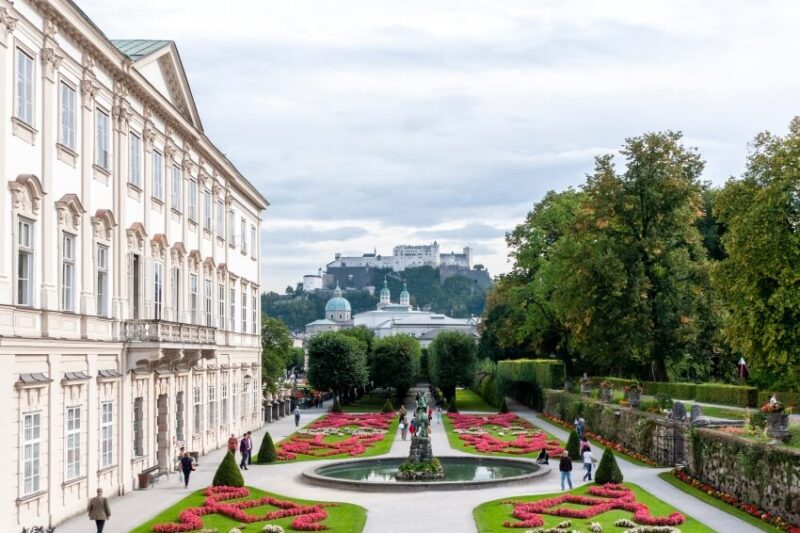
Salzburg, known as the birthplace of Mozart, is a picturesque city nestled in the Austrian Alps. Famous for its baroque architecture and stunning landscapes, Salzburg is a UNESCO World Heritage site. Visitors can explore the charming old town, visit the impressive Hohensalzburg Fortress, and enjoy the beautiful gardens of Mirabell Palace.
The destination guide
Salzburg

Travel guides for Salzburg
Itineraries & day trips (1)
Things to do (2)
Where to stay (1)
Destination stories (3)
More guides featuring Salzburg (20)
At a glance
Currency€ EURCode: EUR
Time zoneCentral European Time
Languages
- German
Setting
- Alpine city
- Salzach River
- Fortress hilltop
- Sound of Music landscapes
Population155K155,031 residents
VisaDuration: Up to 90 days within any 180-day period in the Schengen Area · Documents: Valid passport issued within the last 10 years and valid for at least 3 months after planned departure, plus proof of accommodation, onward or return travel, and sufficient funds if requested
How Salzburg scores
9/10OverallExcellent
Weather6/10
Safety9/10
Food & cuisine7/10
Culture & arts8/10
Cultural experience9/10
Nature & outdoors8/10
Adventure6/10
Nightlife6/10
Shopping7/10
Family friendly5/10
Romance8/10
Editorial scores on a 10-point scale, weighed against destinations of the same kind.
Travel safety snapshot
Overall90/100High rating
Women travellers90/100
LGBTQ+ travellers80/100
Theft85/100
Medical care90/100
Physical harm92/100
Political freedom88/100
SafePlace indicators use their source 100-point scale; higher is more favourable. Planning context, not a live travel advisory — check official government guidance before you go.
When to go
Best months to visit: April, May, June, July, August, September, October, November and December.
- January: -6.2 to 2.6 degrees Celsius, 16.5 millimetres of rain, best-time score 2 out of 5.
- February: -7 to 5.6 degrees Celsius, 17.5 millimetres of rain, best-time score 2 out of 5.
- March: -2.1 to 8.4 degrees Celsius, 36.7 millimetres of rain, best-time score 3 out of 5.
- April: 0.9 to 13.2 degrees Celsius, 40.5 millimetres of rain, best-time score 4 out of 5.
- May: 3.8 to 14.8 degrees Celsius, 51.9 millimetres of rain, best-time score 5 out of 5.
- June: 9.1 to 21.6 degrees Celsius, 62.4 millimetres of rain, best-time score 5 out of 5.
- July: 10.4 to 22.7 degrees Celsius, 38.3 millimetres of rain, best-time score 4 out of 5.
- August: 10.8 to 24.3 degrees Celsius, 29.7 millimetres of rain, best-time score 4 out of 5.
- September: 7.6 to 20.7 degrees Celsius, 24 millimetres of rain, best-time score 5 out of 5.
- October: 2.8 to 14.1 degrees Celsius, 26.5 millimetres of rain, best-time score 5 out of 5.
- November: -1.6 to 10.5 degrees Celsius, 8.9 millimetres of rain, best-time score 4 out of 5.
- December: -3.7 to 3.2 degrees Celsius, 23 millimetres of rain, best-time score 5 out of 5.
Month-by-month conditions and packing advice
- January
- Cold weather, mostly dry January in Salzburg: cold, short days make this less balanced outside winter-specific plans. Crowds: Winter tourist season with moderate crowd levels and moderate pricing for accommodations and activities. While temperatures drop below freezing, the city remains vibrant with cultural events and holiday markets. Ideal for skiing and snowboarding, but visitors should prepare for cold weather and potential snow-related travel disruptions. Booking in advance is recommended to secure accommodations during peak times. Pack: Warm winter coat for temperature variation; Insulated gloves and scarf for cold weather; Waterproof boots for snowy conditions; Thermal layers for warmth; Hats and beanies for cold exposure; Waterproof and windproof outerwear
- February
- Cold weather, mostly dry February in Salzburg: cold, short days make this less balanced outside winter-specific plans. Crowds: February marks the beginning of the winter tourist season in Salzburg, with moderate temperatures making it suitable for cultural tours, ice skating, and festive events. While the weather is generally dry, occasional light snowfall can add charm to the cityscape. Visitors should prepare for potential cold snaps and check local event schedules for seasonal activities. Pack: Warm winter coat for cold temperatures; Waterproof boots for snowy conditions; Thermal layers for warmth; Gloves and scarf for cold exposure; Waterproof camera gear for snowy landscapes; Comfortable winter boots for city exploration
- March
- Cold weather, some rain March in Salzburg: early spring can be useful for museums and value, but weather is still changeable. Crowds: March marks the beginning of spring in Salzburg, with mild temperatures perfect for outdoor activities such as hiking, cycling, and exploring the city's cultural sites. Tourist numbers start to rise as visitors flock to experience the vibrant spring festivals and blooming landscapes. Accommodation prices and ticket prices for popular attractions may increase during this period. Pack: Warm layers for temperature variation; Waterproof jacket for rain; Comfortable hiking boots; Wide-brimmed hat and UV protection; Light sweater for air-conditioned spaces; Layered clothing for cultural sites
- April
- Cool weather, some rain April in Salzburg: the city is rewarding, though summer crowds or shoulder-season weather need planning. Crowds: April marks the beginning of Salzburg's tourist season, with mild weather encouraging outdoor exploration and cultural events. Average temperatures range from 7°C to 13°C, suitable for sightseeing and enjoying the city's attractions. Tourist numbers start to rise, with moderate humidity levels contributing to comfortable conditions. Visitors can expect moderate rainfall, which adds to the scenic beauty of the city. Pack: Lightweight layers for temperature variation; Comfortable walking shoes for exploring historic sites; Umbrella for occasional rain showers; Light cardigan for air-conditioned spaces; Waterproof jacket for unexpected rain; Breathable cotton/linen fabrics
- May
- Cool weather, some rain May in Salzburg: old-town walks, Sound of Music scenery, gardens, alpine day trips, and Christmas atmosphere are strongest. Crowds: May marks the peak tourist season in Salzburg, with excellent weather conditions for outdoor activities such as hiking, cycling, and exploring the city's historic architecture. The weather is generally mild, with average temperatures ranging from 9°C (48°F) to 14°C (57°F). Crowds are high, especially in popular tourist areas, and accommodation prices tend to rise. Despite the cooler temperatures, UV levels remain moderate, encouraging visitors to wear sunscreen and hats. Pack: Lightweight layers for temperature variation; Comfortable walking shoes for exploring historic sites; Waterproof jacket for occasional rain showers; Sunscreen and a hat for sunny days; Comfortable clothing for cultural sites; Breathable fabrics for outdoor activities
- June
- Warm and pleasant, some rain June in Salzburg: old-town walks, Sound of Music scenery, gardens, alpine day trips, and Christmas atmosphere are strongest. Crowds: June marks the peak tourist season in Salzburg, with excellent weather conditions for outdoor activities such as hiking, cycling, and exploring the city's scenic landscapes. The weather is generally mild, with temperatures ranging from 15.625°C to 21.5625°C, making it perfect for outdoor adventures. However, expect higher tourist crowds and increased accommodation rates during this period. Visitors should be prepared for occasional rain showers, which are usually brief. Pack: Lightweight layers for temperature variation; Comfortable walking shoes for exploring historic sites; Waterproof jacket for occasional rain showers; Sunscreen for sunny days; Hiking boots for outdoor activities; Modest clothing for cultural sites and religious venues
- July
- Warm and pleasant, some rain July in Salzburg: the city is rewarding, though summer crowds or shoulder-season weather need planning. Crowds: July marks the peak tourist season in Salzburg, with excellent weather conditions for outdoor activities such as hiking, cycling, and visiting historical sites. The city's attractions are bustling with visitors, leading to higher hotel rates and crowded streets. Despite the pleasant temperatures, UV levels remain high, necessitating the use of sunscreen. Visitors are encouraged to explore during the cooler mornings and evenings to avoid the midday heat. Pack: Lightweight layers for temperature variation; Comfortable walking shoes for city exploration; Broad-brimmed hat and SPF 50+ sunscreen; Light cardigan for air-conditioned spaces; Modest clothing for cultural sites and religious venues; Breathable cotton/linen fabrics
- August
- Warm and pleasant, some rain August in Salzburg: the city is rewarding, though summer crowds or shoulder-season weather need planning. Crowds: August marks the peak tourist season in Salzburg, with excellent weather conditions for outdoor activities such as hiking, cycling, and visiting the famous Hohensalzburg Fortress. The city's attractions are most accessible during this time, with moderate crowd levels and competitive pricing for accommodations and tours. Visitors should be prepared for higher hotel rates and potential crowds, especially during peak tourist hours. Pack: Lightweight layers for temperature variation; Comfortable walking shoes for exploring historic sites; Rain jacket for occasional showers; Sunscreen for sunny days; Light scarf for cooler evenings; Breathable fabrics for cultural sites
- September
- Cool weather, mostly dry September in Salzburg: old-town walks, Sound of Music scenery, gardens, alpine day trips, and Christmas atmosphere are strongest. Crowds: September marks the beginning of the autumn tourist season in Salzburg, with favorable weather for sightseeing and outdoor events. The city experiences moderate tourist influx, with hotel rates and activity availability peaking during this time. Visitors can enjoy hiking in the nearby Alps, attending cultural festivals, and exploring the city's historic architecture. However, crowds may be higher, and some attractions might require advance booking. Pack: Lightweight layers for temperature variation; Comfortable walking shoes for city exploration; Warm scarf and gloves for cooler evenings; Waterproof jacket for potential rain showers; Comfortable hiking boots for outdoor activities; Modest clothing for cultural sites and religious venues
- October
- Cool weather, some rain October in Salzburg: old-town walks, Sound of Music scenery, gardens, alpine day trips, and Christmas atmosphere are strongest. Crowds: January marks the peak tourist season in Salzburg, with excellent weather conditions for outdoor activities such as skiing, snowboarding, and exploring the city's historic sites. The cool temperatures and occasional rain create a cozy atmosphere perfect for cultural tours and winter festivals. Hotel rates and crowd levels are high during this period, making it essential to book accommodations in advance. Despite the cooler temperatures, the city remains vibrant with events and activities, offering visitors a memorable experience. Pack: Warm winter coat for outdoor activities; Waterproof boots for snowy conditions; Layered clothing for temperature fluctuations; Umbrella for occasional rain showers; Thermal gloves and scarf; Waterproof backpack for excursions
- November
- Cold weather, mostly dry November in Salzburg: the city is rewarding, though summer crowds or shoulder-season weather need planning. Crowds: January marks the peak tourist season in Salzburg, with excellent weather conditions for outdoor activities such as skiing, snowboarding, and winter hiking. The city's attractions are bustling with visitors, leading to higher hotel rates and crowded streets. Despite the cooler temperatures, the UV index remains high, so visitors should apply sunscreen and wear protective clothing. Cultural events and festivals often coincide with this period, offering unique opportunities to experience local traditions. Pack: Warm winter jacket for temperature variation; Insulated gloves and scarf for cold weather; Waterproof boots for snowy conditions; Thermal layers for warmth; Wide-brimmed hat and UV-protective sunglasses; Cozy knitwear for indoor activities
- December
- Cold weather, mostly dry December in Salzburg: old-town walks, Sound of Music scenery, gardens, alpine day trips, and Christmas atmosphere are strongest. Crowds: Peak tourist season with excellent conditions for cultural site visits, winter sports, and scenic walks. Hotel rates and crowd levels are highest during this period. UV levels remain low despite cooler temperatures. Pack: Warm winter coat for temperature variation; Insulated gloves for cold weather; Waterproof boots for snowy conditions; Thermal layers for warmth; Scarf and hat for cultural sites; Breathable wool fabrics
Peak season
- July
- August
Off-peak
- November
- January
- February
- March
Know before you go
About
Salzburg, the Baroque jewel of western Austria, rises along the Salzach River near the German border, framed by Alpine foothills and crowned by a hilltop fortress. Capital of its namesake state and home to about 157,000 residents, the city is best known as the birthplace of Wolfgang Amadeus Mozart, born in 1756 at Getreidegasse 9, now a museum. Above the rooftops looms Hohensalzburg Fortress, begun in 1077 and among the largest fully preserved medieval castles in Europe, reached by funicular for sweeping views. Salzburg’s Baroque Old Town is a UNESCO World Heritage Site of domes, squares, and the grand cathedral, while the manicured gardens of Mirabell Palace draw fans of The Sound of Music, much of which was filmed here in 1965. The city’s musical legacy peaks each summer at the prestigious Salzburg Festival, founded in 1920. Compact and scenic, with the Alps at its back, Salzburg is one of Europe’s most romantic cultural getaways.
Best time to visit
Apr-May or Sep-Oct (shoulder season). Summer for Salzburg Festival. Winter for Christmas markets. 2026: Electric Love Festival Jul 9-11.
Crowds
Salzburg is busiest during the summer concert season and Mozart festival (June–September) and during Christmas markets (late November–December); quietest in late winter (January–February); overall can be very busy in Old Town and Fortress areas during peak months.
Getting there and around
Getting there
Fly to SZG airport or train from Vienna (2.5h) or Munich (1.5h). Compact Old Town is walkable.
Top experiences in Salzburg
Mirabell Palace & Gardens
Palace
Mozart's Birthplace
Museum
Getreidegasse
Shopping Street
Salzburg Cathedral
Cathedral
Editor-curated picks carried over from our original guide. Where a full place guide exists, the card links to it.

Worth booking ahead in Salzburg
Hand-picked from the operators our guides already send readers to. Prices and availability are live on the partner site.
BrowseViator
Tours and tickets in Salzburg on Viator (opens Viator in a new tab)
Viator's full list of bookable tours and tickets in Salzburg.
BrowseGetYourGuide
Experiences in Salzburg on GetYourGuide (opens GetYourGuide in a new tab)
Everything GetYourGuide sells in Salzburg, with the cancellation terms on each listing.
Where to stayBooking.com
Stays in Salzburg (opens Booking.com in a new tab)
Live rates and availability for Salzburg on Booking.com; filter by neighbourhood once you know where your days start.
We earn a commission if you book through these links, at no extra cost to you. It is how we keep the guides free and independent.
Where to stay
Hotel Sacher Salzburg
Schwarzstraße 5-7, 5020 Salzburg, Austria
5-Star Hotel – Luxury
Hotel Goldgasse
Boutique Hotel – Mid-Range
Holiday Inn Salzburg City
Hotel – Budget
Editor-curated stays carried over from our original guide. Where we have reviewed the hotel, the card links to the review.
Tips from the field
Practical tips
- Get the Salzburg Card for free museum entry and public transport. Dress modestly at churches. Sound of Music tours are popular.
Culture, customs and safety
Cultural heritage
Salzburg embodies baroque architectural grandeur as the birthplace of Mozart and a UNESCO World Heritage site showcasing Prince-Archbishop cultural patronage. The historic Altstadt features Italian baroque facades, Mozart Geburtshaus, and Salzburg Cathedral with its twin spires. Hohensalzburg Fortress represents medieval military architecture overlooking baroque palaces and gardens. The city maintains strong musical traditions through the Salzburg Festival and classical concert culture. Alpine folk traditions blend with aristocratic court culture in local customs, cuisine, and craftsmanship.
Safety notes
Extremely safe. One of Europe’s lowest crime rates. Emergency: 112. Use ATMs at Sparkasse or Raiffeisenkasse banks.

Season
Activities