Europe seems to be at the top of travelers’ minds lately. The pandemic may have devastated tourism on the old continent for a short while, but visitors have come rushing back, with trans-Atlantic travel at an all-time high.
I firmly believe that famous cities like Paris and Rome deserve the attention they get. The same goes for iconic non-city destinations like Santorini and the Swiss countryside. But if you’ve already seen all that or just want to get off the beaten path for part of your stay, there are exponentially more hidden gems in Europe to add to your itinerary.
Hidden vacation spots around the continent include picturesque villages, secluded beach spots, lesser-known regions, and even entire countries you may have never heard of. Besides being beautiful and unique, these places have the bonuses of fewer crowds and cheaper travel costs.
I’ve discovered countless of these places while living in Europe, and my writer colleagues here at ViaTravelers have even more insight to add.
We’ve compiled a list of the best hidden gems in Europe from our experience and want to share them with you. Read on for some interesting ideas for your next trip across the pond!
TL;DR Hidden Gems in Europe
| Category | Destination |
|---|---|
| For Families | Broadstairs, UK |
| For Solo Travelers | Sopot, Poland |
| For Budget Watchers | The Albanian Riviera |
| For Luxury Travelers | Lake Fuschl, Austria |
| For Beaches | Kimolos, Greece |
Our Team’s Take on the Best Hidden Gems Europe Has to Offer
1. Nerja, Spain
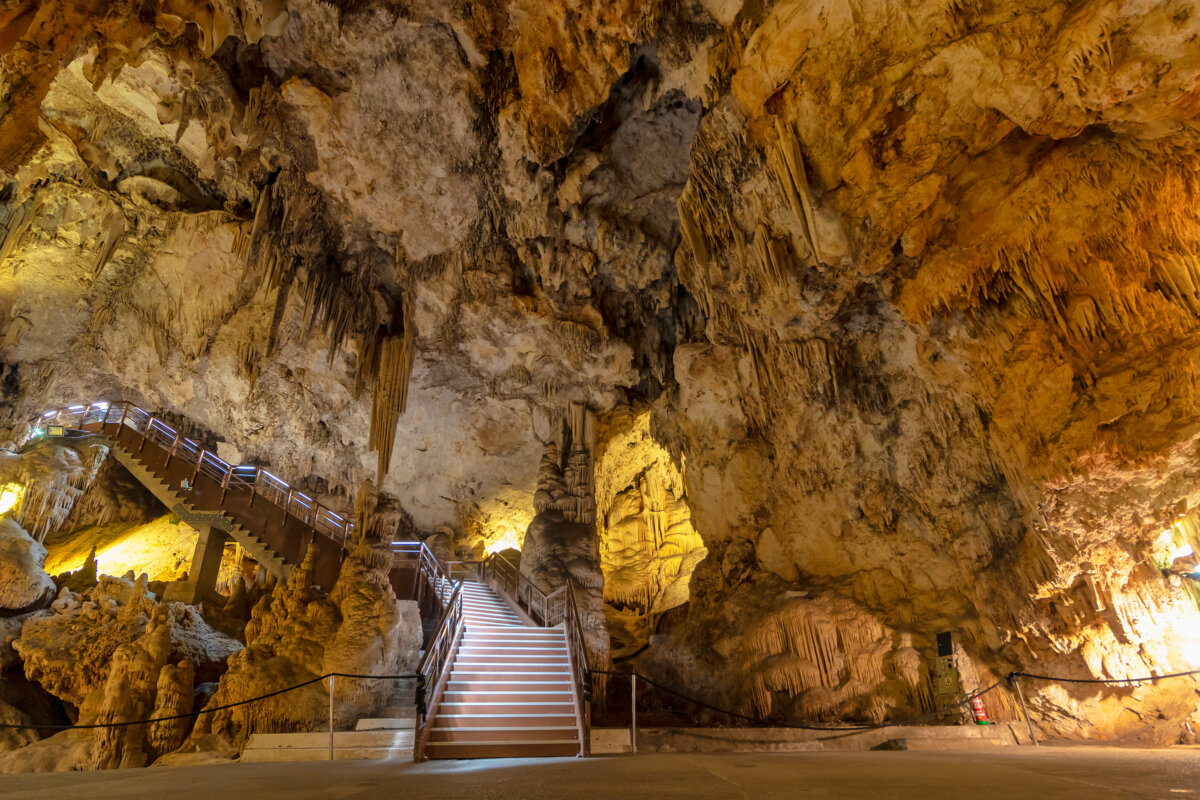
Southern Spain is well-known for its beautiful beaches and colorful houses in cities like Malaga and Marbella. The coastal town of Nerja is barely an hour to the east, where the Sierras de Tejeda mountains meet the Mediterranean Sea, and offers all of that plus more.
The town is perched on a rocky coastline that breaks occasionally for sandy beaches with calm, clear water. But there’s something even more special in the rocky heights above.
The Cuevas de Nerja, or Nerja Caves, is a vast network of hidden passages that extends deep underground. The caves are packed with stalactites, stalagmites, spires, and columns, making for a stunning sight.
You can wander inside only on a guided tour, which is a lovely break in cool air on a hot Costa del Sol day. Since weather conditions don’t matter for visiting a cave, Nerja can be a year-round destination. But consider visiting in the summer months to enjoy a kayak tour or paddleboarding-snorkeling excursion along the sea cliffs.
Nerja has several great hotels, like the popular Hotel Balcon de Europa. But it’s also easy to do from the glamorous beach town of Marbella, where my hotel of choice is Marriott’s Marbella Beach Resort.
See Related: Things to Do in Costa del Sol, Spain
2. Broadstairs, UK

Our writer, Cait, suggests the British beach town of Broadstairs as our next hidden gem in Europe. This family-friendly coastal spot is about a 90-minute train ride from London through the English countryside of Kent.
There are seven sandy beaches along the Broadstairs coast. The most central is Viking Bay, with its colorful beach huts and plentiful ice cream stands. More distant ones, like Joss Bay and Botany Bay, offer surfing and hiking along chalk-white cliffs.
Broadstairs was Charles Dickens’s favorite holiday destination, and a museum dedicated to him and his connections to the town sits right in the center. Every June, the Charles Dickens Festival sees the whole town celebrate this history. Other local activities include a mini-golf course, seaside gardens, and several coastal walking routes.
Thanks to the aforementioned fast trains from London, Broadstairs can be a day trip from the city. But for the best seaside escape, consider spending a night or two to avoid feeling rushed, as well as to enjoy the many bars and restaurants in Broadstairs after dark. The Royal Albion is one of the most famous places to stay and is where Charles Dickens stayed.
See Related: Places to Visit in the United Kingdom
3. Pietrapertosa, Italy

Pietrapertosa is definitely one of Europe’s hidden gems. This small village is tucked deep in the Italian countryside of the province of Basilicata, far from any major city. Thanks to its position on a literal peak, it has sweeping views of the surrounding mountains.
The name of this picturesque town means “perched rock,” and you’ll see why. Winding country roads take you high in elevation to its winding cobblestone streets. Centuries-old buildings are stuck right on the rocky mountain the village sits on, and you can see for miles to the valley floor below.
If you’re in decent shape, you definitely need to climb the ancient path to the Castello Normanno, an old castle at the highest point in the area. But if you’re a bit of a daredevil, the village’s other claim to fame is the Volo dell’Angelo, or Flight of the Angel.
It’s a lie-flat zipline from Pietrapertosa to the neighboring village of Castelmezzano, high above the stunning countryside. I’ve stayed in Castelmezzano before, and it’s one of those stunning places that doesn’t even seem real.
Non-adrenaline junkies can also trek across the ancient paths. No matter what, don’t leave without eating some of the most delicious food you’ll find in Italy, including the region’s famous peperoni cruschi, which are sun-dried local peppers. You can make Pietrapertosa a day trip from Naples, but you will definitely need a rental car – RentalCars.com will ensure you get a deal.
See Related: Italy Itinerary: How to Plan 7-10 Days in Italy
4. Maratea, Italy

The off-the-beaten-path region of Basilicata has many more hidden gems to offer besides Pietrapertosa, as ViaTravelers writer Douglas points out. He recommends Maratea, a small beach village called Little Rio that is Basilicata’s only piece of Tyrrhenian Sea coastline.
The “Little Rio” nickname comes from the Christ the Redeemer statue on Mount Biagio, high above the sea. Traveling up here is, therefore, a popular activity, and the view of the sea and mountains is unbeatable.
Maratea is similar to the villages of the Amalfi Coast in that it’s a quaint, picturesque village among sharp-dropping mountains on the seaside. However, there are just a fraction of the tourists here, and it won’t cost you nearly as much to eat or stay here. It’s in a more remote location, but still easy to reach on the train.
Despite its tiny size, Maratea has 44 chapels and churches and a surprising abundance of great hotels, like the Grand Hotel Pianeta Maratea Resort. The coastline is mostly rocky, although some great sandy beaches are distant from town.
James Bond fanatics will be pleased to know that this is where No Time to Die was filmed, and you can even take a kayak tour of the filming locations.
See Related: Best Tours in Italy: Food, Walking & Bike Tours
5. Slovenia

I will declare the entire country of Slovenia one of the hidden gems in Europe, as most people overlook this small country packed with natural wonders and interesting history. Slovenia is an easy add-on to a trip to Venice, just 2.5 hours from Ljubljana, its capital city.
Ljubljana is a city break that is not to be missed. Its cobblestone streets along the river are lined with little bars and restaurants, and the view from Ljubljana Castle high above the city center is beautiful.
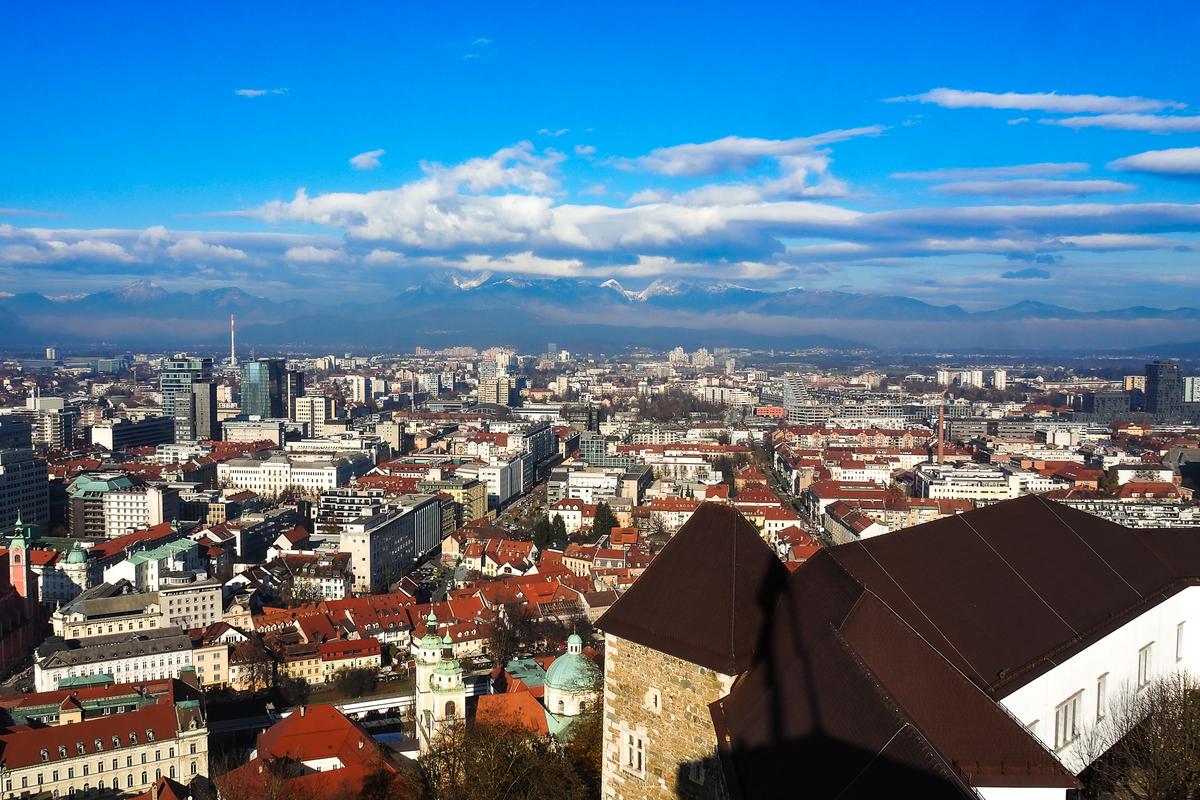
About an hour away, a self-driven or guided day trip to Lake Bled reveals magical hidden gems like another cliff-perched castle, a tiny lake island with a historic church, and a scenic hike through the Vintgar Gorge.
The town of Postojna is even closer, just 30 minutes south of the capital. There are two fascinating hidden gems here: the massive Postojna Cave complex and Postojna Castle built into a mountainside and attached to a network of caves.
These caves are unbelievable to wander through, and the visit is very much worth it. Again, this is easy to self-drive, but guided tours from Ljubljana are available.
We’ve only scratched the surface here, and there’s much more to see in Slovenia, from Triglav National Park to the coastal village of Koper. It’s possible to stay in one place in Ljubljana to see it all – I like the Four Points by Sheraton Ljubljana Mons, which has direct highway access.
See Related: The Top Ten Best Countries In Europe To Visit
6. Perigord, France

The Perigord region of southwestern France is packed with some of the country’s best hidden gems. Perigord is actually a former province, which now roughly corresponds to the departement of Dordogne, so if you use this term with French people, they’ll be impressed!
Perigord is very remote and rural, but it’s a great addition to a trip to the popular city of Bordeaux and its surrounding wine region. It’s best seen on a road trip, and it will take one to two hours to reach Bordeaux. Within the rolling hills are very small and picturesque villages surrounded by equally picturesque nature.
One of the best is Sarlat-la-Caneda, a tiny town that hasn’t changed a bit since medieval times. The cobbled streets and old stone buildings adorned with plants and flowers are a photographer’s dream, and the local delicacies like foie gras and cheese are indescribable. Stay somewhere close to the center, like Hotel Montaigne, for the best experience, and plan to spend a few days because there’s more to see.
In between the villages, you’ll find some of the greatest natural wonders in France. You can canoe along the Dordogne River to see local beaches, magical castles, and some of the official most beautiful villages in France along the banks.
There are also multiple caves with guided visits, the most popular being the Gouffre de Padirac. It’s basically a giant hole in the ground that leads to an underground river, which can be toured on rowboats, as well as networks of passages begging to be explored.
See Related: Best Wine Tasting Tours in Paris, France (+ Vineyards)
7. Voss, Norway

ViaTravelers writer Jackie nominated Voss, Norway, as one of the best hidden gems in Europe for adrenaline junkies, and that’s definitely an accurate classification! This traditional district is just east of the coastal city of Bergen in the mountainous and fjord-filled Norwegian wilderness.
While you might think that this is where the ridiculously expensive Voss water is bottled, that’s actually not the case – it comes from southern Norway. However, there is a lot of water here. There are rushing rivers ideal for white-water rafting and calmer, clear-water ones for canoeing or paddle boarding.
The jagged mountains here provide for plenty of land-based activities as well. There are some very intense but scenic mountain biking and hiking trails up to peaks and along fjords.
More extreme options include rock climbing, ziplining, and ropes courses. Of course, there’s plenty of skiing in the snowy months.
To completely sell the experience, consider camping or booking yourself into a classic, Scandinavian-style lodge. I would have asked Jackie where she stayed, but she’s so tough and hardcore I got scared.
If you’re sold on Voss and ready to book one of these adventures, don’t make the mistake of going without travel insurance. It’s better to have and not need than the other way around.
While extreme sports raise the stakes, any trip needs travel insurance – anyone can trip on an escalator at the airport. Search TravelInsurance.com for the best quality policy that fits your specific trip needs.
See Related: TravelInsurance.com Review: Is It Worth It?
8. Sopot, Poland

When most people think of Poland, some think of coarse sausage, others the Holocaust, and some imagine its history-packed cities like Warsaw and Krakow. But few travelers from outside this region know that Poland’s long Baltic Sea coastline has both a summer beachy paradise and an all-seasons spa resort in the city of Sopot.
Sopot lies just beside the larger city of Gdansk, a better-known destination popular with younger travelers and partiers. Sopot has a bit of that but has more of a reputation for wellness and luxury.
There are several spas here offering saunas, steam baths, massages, beauty treatments, and other relaxation services. One of the best is the Sheraton Sopot Hotel, which is also a great place to stay the night.
You can easily visit the three cities of Sopot, Gdansk, and Gdynia from here, including on a guided tour, as there is a ton of culture and history in this part of Poland. Take a sunset sailing cruise with a glass of Prosecco to celebrate being in the beach and spa destination of Europe that your friends have never heard of.
I’d spend as much time as you can exploring Poland. It’s a fascinating, beautiful country, and the Poles themselves only enhance the experience.
See Related: What to Expect Living in Poland: Key Tips to Follow
9. Lake Ohrid, North Macedonia

I’d argue that most of Eastern Europe is a hidden gem that few visitors give a chance. One spot that I recently spent a few days at was Lake Ohrid in North Macedonia, and it was incredible. This is one of the world’s oldest lakes, and the mountains on its eastern bank make up a stunning national park.
Lake Ohrid is surrounded by small villages, including on the Albanian side of the border, and the largest is the town of Ohrid. There is a well-preserved old town with picturesque narrow streets, rich history, and great food. The historic city center sits directly on the lake, and you can get a very tasty meal with wonderful views for an even more wonderful price here.
Best of all is Sveti Naum, which sits on the lake’s opposite (southern) side. You can take a boat from Ohrid town to reach this old monastery.
It has sandy lake beaches, great restaurants, and rowboat cruises on the springs feeding the lake. This is some of the clearest water and most pristine nature I’ve ever seen, and this should be considered a do-not-miss while at Lake Ohrid.
Other Lake Ohrid activities include scenic cruises, stand-up paddle boarding, and even ATV safaris through Galicica National Park. I stayed at Villa Grkasha, a rental high in the national park’s mountains. Although you definitely need a car for it, and the drive up there isn’t the easiest, the views of the entire lake are unrivaled.
See Related: Best Digital Nomad Destinations in the World
10. The Albanian Riviera

The southern coast of Albania is definitely one of the best hidden vacation spots in Europe for beach lovers. This lesser-known country is just north of Greece and has a long shoreline on the Ionian Sea.
While it may seem more logical to fly into the country’s capital city, Tirana, it’s a long drive to reach the Albanian Riviera. Instead, fly into the Greek Island of Corfu and hop on a 30-minute ferry to the small city of Sarande. As you approach the port, you’ll catch glimpses of hidden coves, lively beach clubs, and busy streets.
Some of the best beaches are found around the small village of Ksamil. One of my favorites was Pulebardha, barely 15 minutes from downtown Sarande but backed by cliffs and seemingly on another planet. Himare has an awesome and even less crowded beach in the other direction.
Don’t miss the Blue Eye, an insanely clear cold spring that bubbles up from underground and fees the local rivers, or Butrint National Park and its Roman ruins. Your money goes far in Albania, making this a great spot for budget travelers. You might even be able to splurge for luxury accommodations, like Arameras Beach Resort, for a very fair price.
See Related: Where to Stay in Corfu: Best Parts of the Island
11. Lake Fuschl, Austria

I accidentally discovered Lake Fuschl and its little town, Fuschl am See – I wanted to visit nearby Salzburg. Still, I couldn’t find a hotel with last-minute availability within my budget in the city. Staying just 20 minutes away didn’t seem so bad, but finding one of my now-favorite resorts and a stunning lake turned out to be one of the best decisions ever.
Lake Fuschl, or Fuschlsee in German, is about 3 miles long and has varying shades of turquoise-blue water. In the summer, it’s an Alpine paradise of swimming beaches, fishing, and paddle boarding; you can even rent a little electric boat. Nearby, you can ride a cable car to vast networks of hiking trails, and even visit an alpaca farm on the lake.
In the winter, the snow-capped mountains surrounding the lake are full of ski slopes with breathtaking views. I prefer to park myself at the indoor pool of the Arabella Jagdhof Resort am Fuschlsee while the snow falls outside. Schloss Fuschl, a historic castle on the lake once a vacation home for royalty, is being renovated into an ultra-luxury Rosewood resort.
Fuschlsee (and those awesome resorts) are an awesome place to discover the greater Salzburg Lakes region. It’s a quick drive or bus ride to downtown Salzburg, with its quaint Mozart-themed old town and many art galleries. The not-so-hidden gem of Hallstatt is also just down the road.
See Related: Salzburg vs Innsbruck: What is Better to Visit?
12. Montenegro

Montenegro is another full-country hidden gem that’s slowly getting more and more traffic from visitors across Europe. It’s easily added onto a trip to neighboring Croatia, especially if the city of Dubrovnik is on your itinerary.
Almost all of Montenegro is rugged and mountainous. Hikers come here to traverse canyons and conquer peaks with spectacular views. White-water rafting is also popular in the rushing rivers around the mountains.
However, I love this country for its coast. A good place to base yourself is Budva, an old walled city that’s grown over the years and has plenty of cheap vacation rentals.
There’s great nightlife if you’re looking for a party, as well as plenty of beachside relaxation if not. You can paddle or kayak to sea caves or take a leisurely sightseeing cruise around the bay.
The vast Bay of Kotor is a short drive away and has even more to offer. Walk around the cat-filled cobbled streets of Kotor and follow its city walls to the panoramic mountaintop.
The quiet fishing village of Perast is a bit further, where you can have drinks on the water or take a boat to the island monastery offshore. There are also some fabulous hotels here, such as the Heritage Grand Perast.
See Related: Best Cheap Places to Visit in Europe
13. Gruyeres, Switzerland

I went to Gruyeres thinking it would be cool to try some of its cheese straight from the source, but I quickly learned that this medieval town has much more to offer than that. It’s about a one-hour drive from the Lake Geneva city of Lausanne or from the Crans-Montana ski region, where I came from.
At first, driving to Gruyeres doesn’t seem special besides the usual stunning scenery of the Swiss countryside. You’ll drive part of the way to this hilltop town before parking the car and taking a short uphill walk to the historic village. Suddenly, you’re back in the Middle Ages, in a large cobblestone square surrounded by medieval houses.
There are plenty of traditional restaurants where you can try Gruyeres cheese and Swiss chocolate. But the main attraction is Gruyeres Castle, wonderfully preserved and perched on a rocky summit. The self-guided visit does a great job of sharing the fascinating history of this place, and the views of the Alps and valleys are incredible.
There are a ton of guided day trips to Gruyeres from cities like Lausanne, Montreux, and Geneva. This village is also a wonderful stop on a Switzerland road trip, which I highly recommend. I stayed at the Moxy in Sion and had enough time to stop in Gstaad, the “Monte Carlo of the Alps,” on the same day trip.
See Related: Places to Visit in Switzerland
14. Malta

Malta may not be a hidden gem to European travelers, especially the British and the Italians, but it doesn’t see nearly as much traffic from visitors outside Europe. This island country is between Sicily and the North African coast in the Mediterranean Sea. Malta is a fascinating place, unlike any other country in Europe.
Over a millennium ago, it was part of the Kingdom of Sicily and later governed by the Knightly Order of St. John for around 250 years. In 1798, Napoleon invaded Malta. In response, her people sought assistance from Britain, eventually becoming a British Crown Colony.
Malta endured intense bombing by the Germans and Italians during World War Two. Amidst the destruction, the Maltese people persevered. Their bravery earned the entire island the George Cross, Britain’s highest civilian honor for courage. This medal now graces the upper left corner of Malta’s flag, even after Malta voted to become a republic in the mid-1960s.
Despite a lingering affinity for Britain and English being the most widely spoken language, you’ll immediately notice that the historic architecture, Maltese language, and fierce culture here are unique.
Don’t miss the ancient walled city of Mdina and its millennia-old Baroque and medieval buildings, along with the nearby Dingli Cliffs. If it’s swimming weather, you cannot leave without cruising over to the Blue Grotto, a beach on the tiny island of Comino. St. Julian’s is the town to party your nights away, while you can go even further off the beaten path on the island of Gozo.
Note that, like the UK, they drive on the left side of the road in Malta, so you may be more comfortable taking the local bus or guided tours to get around. There are plenty of places to stay in, ranging from simple vacation rentals to luxury hotels.
For the latter, go with the Westin Dragonara Resort. It’s steps from the lively streets of St. Julian’s, has a great pool and spa, and rooms have sweeping sea views.
See Related: Countries With Digital Nomad Visas
15. Annecy, France

The stunning city of Annecy in the French region of Auvergne-Rhone-Alpes is sometimes called the Venice of the Alps, as its old town is set on quiet canals. But this European hidden gem is far from the sea – rather, it’s on an alpine lake between mountain peaks.
Lake Annecy is a beautiful turquoise color and crystal-clear near its banks. When the weather is nice, one of the best things to do here is rent a pedal boat or electric motorboat and see the views from the water. Watersports like wakeboarding and waterskiing are also available on the lake.
Most importantly, you must explore the colorful streets of the old town, also known as Annecy-le-Vieux. It feels like a small, medieval village despite being one of the larger towns in the area.
The buildings seem to have lasted for centuries unchanged, and it feels like you’re on a fairytale set from a Disney movie. Experiences like Segway tours or guided walking tours can reveal the best parts.
Don’t miss having a dessert crepe or a cheesy raclette dinner at one of the canalside restaurants. Annecy can actually be a day trip from Geneva, which is just one hour away, but you’ll enjoy it more if you stay a night or two. The Hotel du Palais de l’Isle is probably in the best location in the city.
See Related: Things to Do in Lyon, France
16. San Marino

Even if you’re a traveler who’s seen just about everything in Italy, you still may not have heard of San Marino, making it one of the very well-hidden gems of Europe. San Marino is actually a country, albeit a very tiny one. This microstate sits within the rolling green hills of the Rimini region, surrounded by Italy.
Most people get here via the coastal city of Rimini (lovely, by the way; great beaches and amazing hotels for pennies), from which the main road leading into the country begins. Buses are available as well. It only takes a few minutes after crossing the border to reach the capital, also called San Marino, a beautiful city on a rocky hilltop above the rest of the country.
Walking around the steep, narrow streets of San Marino brings you straight back to the Middle Ages. A network of defensive walls and towers surround a small fortress, and you could explore the hidden places all day. Several museums display old armor sets, weapons, and other artifacts from this UNESCO World Heritage Site, and the San Marino Pass gets you into all of them.
If you’re a major history buff, a private tour might be the way to go in the world’s oldest republic. To prove to your friends that you’re the only person you know who’s ever been to San Marino, you can get a souvenir passport stamp for a few Euros in the city center.
See Related: Where to Stay in Tuscany: Best Places & Areas
17. Kimolos, Greece

You may not think of the Greek Islands as hidden gems anymore now that scenes of white buildings and blue domes dominate Instagram. But most visitors focus their vacations on just a handful of famous ones, like Santorini and Mykonos. There are several hundred more inhabited ones out there that are just as stunning, if not better!
One of them is Kimolos, an island in the Cyclades group minutes northeast of Milos. There’s no airport here (making this a true hidden gem in the Greek Islands), and you’ll have to take either one of the daily ferries from the mainland or one of the frequent trips from Pollonia in Milos. They will take you to the port village of Psathi, which sits just below the main village, called Kimolos.
These villages have those same whitewashed buildings, blue-domed churches, and narrow streets that you’ll find in Santorini and Mykonos, but there will be a literal fraction of the crowds to fight through. You’ll also pay way less for a gyro or plate of moussaka in Kimolos. And around the rest of the largely undeveloped island, you’ll find stunning sandy beaches that are hard to beat.
You can take boat tours of Kimolos from Milos, and while they take you to some beautiful spots, you won’t get to experience the fun of riding a quad around the island or wandering its villages. To see the most of this hidden gem island, stay a night in a vacation rental like the Bonatsa Beach House, as they are very affordable and will keep you less rushed.
See Related: Best Greek Party Islands to Visit
18. Aubrac, France

ViaTravelers writer Brittney was worried that this one might be a bit too off-the-beaten-path to suggest for a typical tourist, but hey, that’s what we’re going for, right? Aubrac is a region in southern-central France at the intersection of the departements of Aveyron, Cantal, and Lozere. These are some of the least populated and least visited in the country.
Only a handful of foreigners find their way to Aubrac’s rolling hills because there is nothing there. But that’s the beauty of it. Nature lovers will be in awe of the endless pastures dotted with little forests and crossed by dozens of streams. Wildflowers fill the fields every spring, and thousands of Aubrac cows roam around.
Of the few tourists, most visit to hike along the country paths and attend an annual event celebrating the Aubrac cow species. It’s called the Fete de la Transhumance and occurs at the end of May. It signifies the start of summer, as the local farmers parade their cattle through the streets dressed with flowers and colors en route to the higher altitude pastures for the season.
The festival also has local food, shopping, games, live music and dancing in the Aubrac village center. Your best bet for accommodation is the small town of Nasbinals, where there are a few chalet vacation rentals or others within a 30-minute radius. Aubrac is too far from anything to be a day trip, so plan to stay a night.
See Related: Things to Do in Menton, France
19. The Faroe Islands

The Faroe Islands may not be a hidden gem for much longer – the country’s airline launched its first-ever trans-Atlantic air service to the US in 2023! But for now, this wild and remote archipelago is a peaceful paradise for those who know about it.
These 18 rocky islands lie between Norway and Iceland and are a self-governing territory of the Kingdom of Denmark. Besides the new weekly flight to New York, this is not an easy place to get to, as there aren’t many options besides flying to Copenhagen or taking the weekly ferry from Hirtshals. The remoteness is what makes the Faroe Islands magical.
Green grass carpets the island’s valleys and meadows, sprinkling lakes and waterfalls throughout. In the winter season, snow caps the peaks.
Hikers are drawn to rugged trails along spectacular sea cliffs, and photographers can’t get enough of the grass-roofed wooden houses. If the sea is calm, be sure to take a scenic cruise through the various passages, or perhaps even one that includes fishing.
This is not a day trip, and you should stay a few days to make the most of a Faroe Islands visit. There’s actually a newer Hilton Garden Inn here, but many visitors prefer to stay in a traditional Faroese house with a turf roof.
See Related: Visiting Gasadalur, Faroe Islands: Rich in Beauty
20. Texel, Netherlands

Last but certainly not least is the hidden gem in Europe suggested by ViaTravelers founder Kyle, who recently moved to the Netherlands. He chose Texel, a large island off that country’s coast at the confluence of the North Sea and the Wadden Sea.
The Wadden Sea coast is a UNESCO Biosphere Reserve. Its huge expanse of intertidal sand and mud flats is the largest in the world, and this unique ecosystem is home to numerous unique plant and animal species.
These include seals, porpoises, seagrass meadows, and other shallow-water landscapes. Nature lovers and photographers have plenty to admire on the shores of Texel.
Texel is great for a beach day on a sunny summer day, including for families with small kids, thanks to the soft sand and shallow water. The best ones are found on the western shore, almost a national park.
History fans may not know that Texel hosted the last European battle of the Second World War, and a few relics are remaining on the island, including an old bunker on the southern shore.
The island is quiet and crisscrossed by country roads, and renting an electric fat bike (one with large wheels, good for rough terrain) or an e-scooter is a popular way to get around and see it all. If you aren’t headed back to mainland Holland on the ferry at the end of the day, Boutique Hotel Texel is a great place to spend the night on the island.
See Related: Visiting Kinderdijk Windmills: What You NEED to Know
How to Find Cheap Flights to Europe

Now that you’ve got more hidden gems in Europe than you know what to do with, you might be wondering how to avoid spending your entire vacation budget on the flight over. Luckily, we have an entire guide on how to find cheap flights to Europe. But here are a few of the most important tips.
Working out which of these is affordable to reach is a separate question from which is worth seeing – our list of the cheapest countries to fly to in Europe answers the first one.
Use the Right Tools
Google Flights, Momondo, and Skyscanner will show you all possible airfare options, with the cheapest at the top. You can filter for things like nonstop and certain airlines. Don’t forget to sign up for Going (formerly Scott’s Cheap Flights) to get a notification every time there’s a great deal from your home airport.
Stay Flexible in ALL Possible Ways
Be flexible about layovers, alternative airports, and especially alternative dates. You will be amazed by how much money you can save by moving your trip a day later than planned. Even after booking, set up price tracking alerts – most airlines nowadays will let you cancel for a credit, and if the price drops, you can re-book to get the difference back in your account.
Be Smart About Inter-Europe Travel
Take the time to delve deeper into traversing Europe rather than booking stuff out of hand, especially regarding some of these hidden gems in remote spots. Use the same flight search sites, as Europe has dozens of ultra-low-cost airlines that can get you across the continent for a few dollars.
Use sites like Omio to search for train and bus routes. If you need to rent a car, search for the cheapest options on RentalCars.com.
FAQ
What are some undiscovered European cities that I should visit?
The big cities of Europe are definitely discovered for the most part. Look to smaller ones like Annecy in France, Valletta in Malta, and San Marino in the country of the same name for hidden gem city experiences. You can also visit off-the-beaten-path small villages from larger cities that you might already plan to visit.
Are these European hidden gems suitable for families with children?
Yes, most of the European hidden gems on our list are family-friendly. In particular, we recommend Texel in the Netherlands or Broadstairs in the UK for a fun family beach trip, while Nerja in Spain and several places in Slovenia are great for adventures. Annecy in France and Gruyeres in Switzerland are great for kids who want to see real-life castles and medieval scenery.
What kind of accommodation options are available at these hidden European destinations?
Related Resources