Kansas City, known for its jazz heritage and barbecue, is a vibrant metropolis that offers a unique blend of cultural experiences. From the historic jazz district to the stunning Nelson-Atkins Museum of Art, visitors can enjoy a rich tapestry of history, music, and culinary delights. The city is also famous for its fountains, earning it the nickname ‘City of Fountains.’
The destination guide
Kansas City

City in United States, North AmericaUpdated
- Overall7/10
- Best forBudget travelers
- PeakApr–Sep
- CurrencyUSD
Kansas City runs on BBQ smoke, jazz heritage, and a fountain count that rivals Rome. The burnt ends at Joe’s KC alone are worth the trip to Missouri.
Travel guides for Kansas City
Things to do (1)
Destination stories (1)
More guides featuring Kansas City (7)
At a glance
Currency$ USDCode: USD
Time zoneCentral Standard Time
Languages
- English
Setting
- Missouri River
- Great Plains
- Urban parkland
- BBQ culture
Known for
- Jazz and music history
- World War I history
- Art and culture
- Culinary experiences
- Family-friendly attractions
Population508K508,090 residents
VisaDocuments: For domestic U.S. air travel, travelers age 18 and older must present a REAL ID-compliant driver's license or another TSA-accepted ID such as a valid passport
How Kansas City scores
7/10OverallGood
Weather7/10
Value for money8/10
Safety6/10
Food & cuisine9/10
Culture & arts7/10
Cultural experience8/10
History7/10
Nature & outdoors6/10
Adventure6/10
Nightlife7/10
Shopping7/10
Family friendly5/10
Romance6/10
Character
Photography score9/10
Authenticity score10/10
Off-the-beaten-path score7/10
Editorial scores on a 10-point scale, weighed against destinations of the same kind.
Travel safety snapshot
Overall65/100Moderate rating
Women travellers66/100
LGBTQ+ travellers60/100
Theft60/100
Medical care70/100
Physical harm62/100
Political freedom75/100
SafePlace indicators use their source 100-point scale; higher is more favourable. Planning context, not a live travel advisory — check official government guidance before you go.
When to go
Best months to visit: March, April, May, June, September, October and November.
- January: -7 to 1.7 degrees Celsius, 16 millimetres of rain, best-time score 2 out of 5.
- February: -4 to 4.3 degrees Celsius, 8.1 millimetres of rain, best-time score 2 out of 5.
- March: 4.3 to 14.9 degrees Celsius, 13.3 millimetres of rain, best-time score 4 out of 5.
- April: 6.9 to 16.6 degrees Celsius, 37.5 millimetres of rain, best-time score 5 out of 5.
- May: 13.1 to 21.9 degrees Celsius, 65.7 millimetres of rain, best-time score 5 out of 5.
- June: 20.4 to 29.8 degrees Celsius, 80.6 millimetres of rain, best-time score 4 out of 5.
- July: 21.5 to 30.7 degrees Celsius, 37.9 millimetres of rain, best-time score 3 out of 5.
- August: 18.9 to 28.9 degrees Celsius, 21.4 millimetres of rain, best-time score 3 out of 5.
- September: 16.8 to 26.9 degrees Celsius, 21.4 millimetres of rain, best-time score 5 out of 5.
- October: 8.3 to 17.7 degrees Celsius, 9.5 millimetres of rain, best-time score 5 out of 5.
- November: 2.8 to 12.6 degrees Celsius, 12.2 millimetres of rain, best-time score 4 out of 5.
- December: -1.5 to 5.9 degrees Celsius, 18.3 millimetres of rain, best-time score 3 out of 5.
Month-by-month conditions and packing advice
- January
- Cold weather, mostly dry January in Kansas City: deep winter weather makes this less balanced for casual sightseeing. Crowds: Travelers visiting Kansas City in January encounter its quietest tourism season. Cold weather and short daylight hours keep crowd levels low, which means cultural attractions, barbecue restaurants, and jazz clubs are more accessible without long waits. Hotels and flights are often priced lower, making it an economical time to visit. Outdoor activities are limited due to icy conditions, but indoor experiences thrive—art museums, live music venues, and hearty Midwestern dining shine in the winter months. Travelers should be prepared for unpredictable weather swings, as sudden snow or freezing rain can impact driving conditions. For those who appreciate authentic local culture without tourist congestion, January offers a peaceful and affordable window into Kansas City life. Pack: Insulated winter coat suitable for sub-zero temperatures; Thermal base layers for warmth under regular clothing; Waterproof boots with good traction for icy sidewalks; Wool hat, gloves, and scarf to protect against wind chill; Smart casual outfits for jazz clubs and dining venues; Travel umbrella or compact snow gear for unpredictable weather
- February
- Cold weather, mostly dry February in Kansas City: deep winter weather makes this less balanced for casual sightseeing. Crowds: February represents the tail end of Kansas City’s off-season, with cold conditions limiting extensive outdoor exploration. Travelers benefit from lower hotel rates and reduced crowding at cultural institutions such as the Nelson-Atkins Museum of Art and the American Jazz Museum. Outdoor walking tours are less comfortable, though occasional sunny afternoons allow for brisk explorations. Sports fans may find indoor basketball or hockey games a lively diversion. While snow can disrupt travel plans briefly, it rarely lingers long. This is an excellent time for budget-conscious visitors who prefer cultural depth over warm-weather amenities. Booking flexibility is high, with last-minute deals more accessible than during spring and summer peak periods. Pack: Thermal base layers for warmth; Insulated winter coat with wind protection; Waterproof boots with good traction for icy sidewalks; Wool hat and thermal gloves; Layered sweaters for indoor/outdoor transitions; Compact umbrella for occasional precipitation
- March
- Cool weather, mostly dry March in Kansas City: conditions can work with either spring layers, early summer energy, or late fall events. Crowds: March offers shoulder-season conditions in Kansas City, making it a practical time to visit before the spring peak arrives. Moderate weather allows for comfortable exploration of cultural landmarks, jazz clubs, and barbecue joints without the heavy crowds of summer. Hotel rates and flight prices tend to remain reasonable, appealing to budget-conscious travelers. Outdoor events are just beginning to reappear on the calendar, though some remain weather-dependent. While evenings may feel chilly, the manageable temperatures make city walking tours, museum visits, and neighborhood explorations rewarding. Travelers seeking fewer crowds and better deals will find this an excellent month, though packing properly for fluctuating weather is essential. Pack: Warm jacket for cool evenings; Light sweater or hoodie for layering; Comfortable walking shoes for city exploration; Compact umbrella for occasional showers; Scarf or light gloves for brisk mornings; Casual yet neat clothing suitable for jazz clubs and cultural venues
- April
- Cool weather, some rain April in Kansas City: barbecue districts, museums, fountains, sports, patios, and fall color are easiest in mild weather. Crowds: Spring in Kansas City marks the beginning of a more favorable travel season, with mild weather that supports outdoor sightseeing without the intense heat of summer. April is not peak tourist season, so travelers benefit from fewer crowds at major attractions like the Nelson-Atkins Museum of Art or the city’s jazz clubs. Hotel rates and airfare tend to be moderate, making it a cost-effective time to visit. Outdoor festivals and farmers’ markets begin to open, though rain showers may temporarily disrupt plans, especially for longer excursions. Visitors should expect changeable conditions but enjoy the balance of affordability, accessibility, and pleasant weather before summer crowds and pricing increase. Booking flexibility is recommended to accommodate shifting conditions. Pack: Light waterproof jacket for spring showers; Layered clothing to adjust to temperature swings; Comfortable walking shoes for city exploration; Compact umbrella for sudden rain; Light scarf or sweater for cooler evenings; Casual yet neat attire for dining and cultural venues
- May
- Warm and pleasant, some rain May in Kansas City: barbecue districts, museums, fountains, sports, patios, and fall color are easiest in mild weather. Crowds: May marks one of the best months for travelers in Kansas City, as weather conditions are highly favorable before the summer heat intensifies. Outdoor festivals, baseball games, and farmers markets hit their stride, offering authentic cultural immersion. Moderate rainfall may cause some event rescheduling, but it rarely deters visitors from enjoying the city. Tourism levels begin to rise as locals and visitors take advantage of the pleasant conditions, though prices for accommodations remain more reasonable than peak summer months. Expect lively but manageable crowds at museums, music venues, and barbecue joints. Planning ahead for weekend events is recommended, as May weekends tend to book quickly with regional travelers. Pack: Light rain jacket or compact umbrella for spring showers; Comfortable walking shoes suitable for city streets and parks; Layered clothing for daytime warmth and cooler evenings; Reusable water bottle to stay hydrated in moderate humidity; Smart casual attire for dining and jazz clubs; Light scarf or wrap for breezy evenings outdoors
- June
- Hot and sunny, some rain June in Kansas City: conditions can work with either spring layers, early summer energy, or late fall events. Crowds: June marks the start of Kansas City’s high summer season, making it an excellent time for outdoor festivals, barbecue competitions, and music events. Warm weather supports patio dining, brewery hopping, and exploring the city’s extensive park system. However, humidity levels are high, and sudden thunderstorms can interrupt plans briefly. Tourist activity picks up during this period, but it does not reach the peak congestion seen in coastal destinations—allowing a more relaxed cultural experience. Accommodation pricing is steady, with higher demand near major event weekends. Visitors should build in flexible timing for outdoor excursions and consider evening activities to take advantage of cooler temperatures. Overall, June offers a dynamic balance of vibrant city life, warm weather, and authentic local culture. Pack: Lightweight breathable clothing for hot days; Compact umbrella or light rain jacket for summer storms; Comfortable sandals and walking shoes; Refillable water bottle to manage humidity; Wide-brimmed hat and high-SPF sunscreen; Evening outfit suitable for dining and cultural events
- July
- Hot and sunny, some rain July in Kansas City: heat, humidity, or winter cold pushes more of the visit indoors. Crowds: July is high summer in Kansas City, and visitors will experience peak warmth with lively seasonal activities. Outdoor concerts, food festivals, and baseball games are in full swing, making it a culturally rich month to visit. The hot and humid conditions mean sightseeing is most comfortable in the morning or evening, with midday best reserved for indoor museums, art galleries, or cool barbecue joints. This isn’t the city’s peak tourist rush compared to coastal destinations, but summer still sees moderate visitor traffic, especially around event weekends. Accommodation prices may rise during popular festivals, so advance booking is wise. Travelers looking for an authentic cultural immersion will find July an energetic and rewarding time, provided they plan around the heat. Pack: Light, breathable clothing for hot days; Comfortable sandals or sneakers for walking; Reusable water bottle to stay hydrated; Light rain jacket for sudden summer storms; Sunhat and SPF 50+ sunscreen for protection; Casual evening wear for concerts and dining
- August
- Warm and pleasant, mostly dry August in Kansas City: heat, humidity, or winter cold pushes more of the visit indoors. Crowds: August provides travelers with warm but manageable conditions, making it a favorable time for outdoor sightseeing, music festivals, and local dining experiences. Unlike the peak humidity and stormier conditions of June and July, August offers slightly drier air and fewer heavy rains, which keeps walking tours and outdoor events more reliable. This period falls just before the busy fall season, so crowd levels are moderate, and hotel rates remain more affordable than in September and October. While temperatures are high, evenings become particularly pleasant, extending the hours visitors can comfortably explore. For those seeking Kansas City’s cultural heartbeat—jazz clubs, barbecue joints, and art districts—August offers excellent conditions with fewer logistical weather disruptions. Advance booking is advisable for major events, but day-to-day exploration is flexible and rewarding. Pack: Lightweight breathable clothing for daytime heat; Comfortable sandals or sneakers for walking tours; Refillable water bottle to stay hydrated in the warmth; Portable hand fan or cooling towel for midday outings; Smart-casual evening attire for jazz clubs and restaurants; Compact umbrella or light rain jacket for occasional showers
- September
- Warm and pleasant, mostly dry September in Kansas City: barbecue districts, museums, fountains, sports, patios, and fall color are easiest in mild weather. Crowds: September provides excellent travel conditions in Kansas City, bridging summer’s energy with autumn’s comfort. Crowds begin to thin after peak summer, which means easier access to cultural landmarks, barbecue festivals, and sports events. Hotel prices start to ease, though weekends tied to major games or events can still see higher demand. Warm afternoons suit outdoor attractions like jazz festivals, brewery patios, and the city’s art walks, while cooler evenings are perfect for rooftop dining or night markets. Travelers benefit from the balance: warm but not sweltering days, reduced rainfall, and manageable visitor volumes, making this month one of the most rewarding times to explore Kansas City. Pack: Breathable shirts and light layers for daytime warmth; A medium-weight jacket or sweater for cooler evenings; Comfortable walking shoes for urban exploration; Umbrella or compact rain jacket for occasional showers; Smart-casual attire for jazz clubs and fine dining; Reusable water bottle to stay hydrated during warm afternoons
- October
- Cool weather, mostly dry October in Kansas City: barbecue districts, museums, fountains, sports, patios, and fall color are easiest in mild weather. Crowds: October represents a shoulder season in Kansas City, offering excellent value for visitors. Cooler, dry weather creates prime conditions for walking tours, attending sporting events, or exploring the city’s parks and outdoor art installations. Crowds thin compared to the busy summer festival season, and accommodation rates become more favorable. The autumn foliage peaks mid-month, making this an ideal time for scenic photography and cultural events like harvest festivals or live jazz performances. Travelers benefit from comfortable weather without the extremes of summer heat or winter chill, though evenings demand warmer clothing. This balance of manageable tourism levels, cultural vibrancy, and natural beauty makes October one of the most rewarding months to plan a trip, with fewer booking pressures and ample opportunities to enjoy both indoor and outdoor attractions. Pack: Layered clothing for fluctuating temperatures; Comfortable walking shoes for city exploration; Light jacket or fleece for cool evenings; Scarf or shawl for added warmth outdoors; Camera for capturing autumn foliage; Casual yet modest attire suitable for cultural venues
- November
- Cool weather, mostly dry November in Kansas City: conditions can work with either spring layers, early summer energy, or late fall events. Crowds: November represents Kansas City’s shoulder season for tourism. The cooler, drier weather creates pleasant conditions for city walks, museum visits, and exploring cultural landmarks like the Nelson-Atkins Museum of Art or Union Station. This is not peak travel season, meaning crowds are lighter and hotel rates more affordable compared to the busy summer months. Outdoor events begin to give way to holiday markets and seasonal light displays, making it an ideal time for travelers interested in local traditions rather than large festivals. Some outdoor patios may close due to chilly evenings, but the reduced crowds and comfortable daytime conditions make November appealing for visitors seeking authentic, slower-paced experiences without the high-season rush. Pack: Warm jacket for chilly evenings; Layered clothing for fluctuating temperatures; Comfortable walking shoes for city exploration; Scarf and gloves for colder mornings and nights; Smart casual wear for cultural venues and jazz clubs; Compact umbrella for occasional light showers
- December
- Cold weather, mostly dry December in Kansas City: heat, humidity, or winter cold pushes more of the visit indoors. Crowds: December marks low tourist activity in Kansas City, making it an appealing month for those who prefer quiet cultural exploration over crowds. Cold weather discourages extensive outdoor sightseeing, though festive markets, holiday concerts, and indoor attractions are in full swing. Accommodation prices are generally moderate outside of Christmas and New Year’s week, when rates can rise slightly. Visitors will find the season well-suited for museum visits, historic site tours, and culinary experiences, while outdoor walking tours may feel challenging in freezing conditions. Advance booking for holiday events is recommended as these can sell out quickly despite the overall slower tourist pace. Pack: Insulated winter coat for daytime and evening cold; Thermal base layers to manage sub-freezing temperatures; Water-resistant boots suitable for icy sidewalks; Warm hat, gloves, and scarf for wind protection; Smart casual layers for indoor dining and jazz clubs; Portable umbrella for occasional winter drizzle or snow
Peak season
- June
- July
- August
- April
- May
- September
Off-peak
- January
- February
- November
- December
- March
Know before you go
About
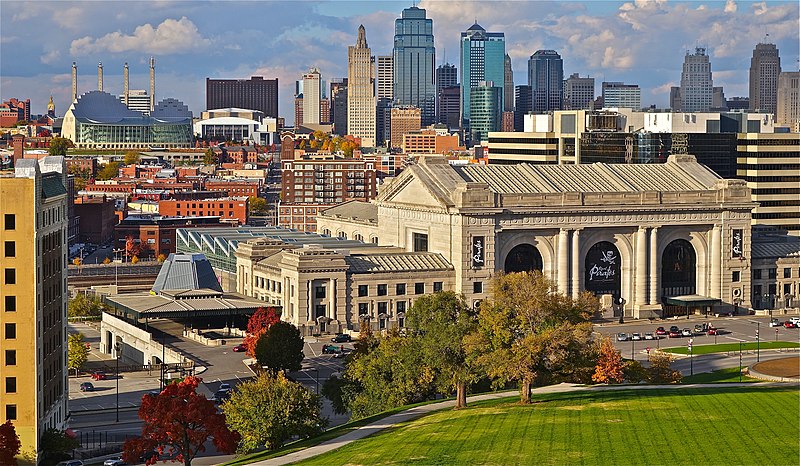
Kansas City, the largest city in Missouri, straddles the western edge of the state where the Kansas and Missouri rivers meet, a friendly Midwestern hub famed for jazz, barbecue, and fountains. Settled as the Town of Kansas in 1838 and chartered in 1850, the city of about 508,000 grew into a center of music and commerce. Its 18th and Vine district was a cradle of Kansas City jazz in the 1920s and 30s, nurturing legends like Charlie Parker and Count Basie, and is now home to the American Jazz Museum and the Negro Leagues Baseball Museum. The city is equally devoted to its smoky, sauce-slathered barbecue, served at scores of pits across the metro. Nicknamed the City of Fountains for its many ornamental waterworks, Kansas City also boasts the elegant 1923 Country Club Plaza, an early planned shopping district built in Spanish style. Visitors tour museums, catch a Royals or Chiefs game, and feast on ribs and burnt ends. Welcoming and underrated, Kansas City delivers great music and food in equal measure.
Best time to visit
The best time to visit Kansas City is during the spring (March to May) and fall (September to November) when the weather is mild and pleasant. Summer can be hot and humid, but it is also a time for various outdoor festivals. Winter months are colder, but the city offers festive holiday events and activities.
Getting there and around
Getting there
Kansas City International Airport (MCI) serves as the primary gateway, located conveniently close to downtown with easy access via bus ($1.25 on RideKC 129 route), hotel shuttles, or taxi ($45-50). Major interstates converge in Kansas City: I-70 (east-west), I-35 (north-south), I-635, I-435, and I-29, making road access excellent from all directions. Amtrak’s Missouri River Runner provides rail service from St. Louis and Kansas City Union Station serves as the regional transportation hub. The city’s central US location makes it accessible from all major airports nationwide. Car rental recommended for exploring the spread-out metropolitan area, though downtown areas well-served by free public transportation. Ample free parking available throughout the city with minimal traffic congestion compared to larger metros.
Getting around
Kansas City offers a modest but improving public transit system centered around RideKC, which provides bus services throughout the metro and a free streetcar running along a 2.2-mile route from Union Station to the River Market—an especially convenient and scenic option for visitors. While downtown and surrounding neighborhoods like Crossroads and Westport are moderately walkable, having a car or using rideshare services like Uber or Lyft is often necessary for venturing beyond the urban core, as the city is quite spread out. Transit passes for RideKC are affordable and can be purchased via the Transit app, which also provides real-time bus tracking and route planning. For the best experience, time your outings around the streetcar line and walkable hubs, then supplement with rideshare or bus service when heading to places like the Nelson-Atkins Museum or Country Club Plaza.
Worth booking ahead in Kansas City
Hand-picked from the operators our guides already send readers to. Prices and availability are live on the partner site.
BrowseViator
Tours and tickets in Kansas City on Viator (opens Viator in a new tab)
Viator's full list of bookable tours and tickets in Kansas City.
BrowseGetYourGuide
Experiences in Kansas City on GetYourGuide (opens GetYourGuide in a new tab)
Everything GetYourGuide sells in Kansas City, with the cancellation terms on each listing.
Where to stayBooking.com
Stays in Kansas City (opens Booking.com in a new tab)
Live rates and availability for Kansas City on Booking.com; filter by neighbourhood once you know where your days start.
We earn a commission if you book through these links, at no extra cost to you. It is how we keep the guides free and independent.
Where to stay
The Raphael Hotel
401 Ward Pkwy, Kansas City, MO 64112
Elegant hotel on the Country Club Plaza with refined rooms, a heated rooftop pool, and walkable access to upscale shops and restaurants.
21c Museum Hotel Kansas City
106 W 12th St, Kansas City, MO 64105
Boutique hotel in a restored 1888 bank building downtown with 144 artist-designed rooms, a rooftop bar, and close proximity to the Power & Light District.
The Fontaine Hotel
4600 J.C. Nichols Pkwy, Kansas City, MO 64112
Modern boutique hotel near the Nelson-Atkins Museum with mid-century design, a ground-floor restaurant, and a courtyard pool.
Editor-curated stays carried over from our original guide. Where we have reviewed the hotel, the card links to the review.
Tips from the field
Highlights
- World-class museums and cultural institutions
- Renowned barbecue and culinary scene
- Historic jazz district
- Beautiful fountains throughout the city
- Diverse architectural styles
Best activities
- Visit the National WWI Museum and Memorial
- Explore The Nelson-Atkins Museum of Art
- Experience the Kansas City Zoo & Aquarium
- Tour the Arabia Steamboat Museum
- Enjoy Science City at Union Station
Practical tips
- Use the KC Streetcar for free transportation in downtown
- Many museums offer free admission, check their websites
- Consider purchasing a Kansas City attraction pass for savings on multiple attractions
Keeping it authentic
- Known for its jazz heritage and vibrant music scene
- Famous for its unique style of barbecue cuisine
Culture, customs and safety
Cultural heritage
Kansas City represents the cultural crossroads of American heartland, where frontier trading post heritage, jazz music innovation, and barbecue culinary traditions created one of America most distinctive regional cultural centers. The city pioneered jazz music development while preserving cowtown heritage and developing the Kansas City style of barbecue that influences American culinary culture. Kansas City cultural heritage encompasses frontier trading culture, jazz musical innovation, barbecue culinary traditions, and contemporary Midwestern cultural values that continue to represent authentic American heartland identity and cultural creativity.
Local customs & etiquette
Kansas City embodies unpretentious Midwestern charm with an “unhurried atmosphere” that invites visitors to slow down and enjoy local culture. BBQ culture is paramount – with 100+ restaurants serving KC’s signature tangy, molasses-sweetened sauce and famous burnt ends, visiting without experiencing barbecue is considered “an abomination.” Jazz heritage deeply ingrained in local identity – late-night jam sessions at venues like Mutual Musicians Foundation continue traditions from the 1930s, with performances starting after midnight. “First Fridays” in Crossroads Arts District feature gallery openings and street performances. Nickname “Paris of the Plains” reflects cultural sophistication beyond typical expectations. Fountain culture prominent (more fountains than Rome) with scenic walking encouraged. Weather awareness crucial – tornado season (April-June) requires knowing shelter locations and following National Weather Service alerts. Friendly, welcoming locals appreciate visitors who engage with authentic cultural experiences rather than tourist attractions.

Travel Style
Activities