Montreal, the largest city in Quebec, is a vibrant blend of European charm and North American innovation. Known for its rich history, diverse culture, and culinary scene, visitors can explore the cobblestone streets of Old Montreal, enjoy the festivals year-round, and savor world-class cuisine from its many renowned restaurants.
The destination guide
Montreal
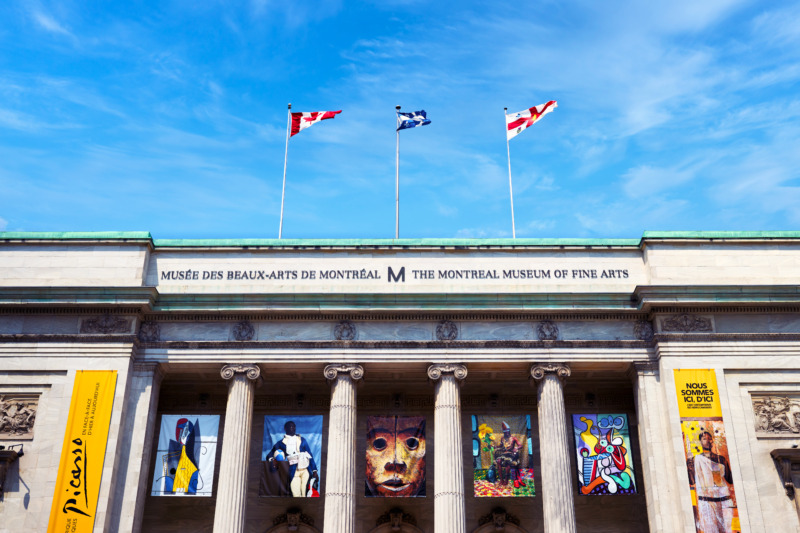
City in Canada, North AmericaUpdated
- Overall7/10
- Best forCouples, Solo travelers
- PeakJun–Sep
- CurrencyCAD
Old Montreal’s cobblestones pull you in, but it’s the food scene and back-to-back festivals that make you stay longer than planned.
Travel guides for Montreal
Things to do (2)
More guides featuring Montreal (4)
At a glance
CurrencyCAD
Time zoneEastern Standard Time
Languages
- English
- French
Setting
- Urban cityscape
- St. Lawrence River
- Mont Royal
- Historic old town
Known for
- {"name": "French-Canadian culture and bilingual city"}
- {"name": "Bagels and smoked meat culinary traditions"}
- {"name": "Jazz festival and cultural events"}
Population1.8M1,810,983 residents
VisaDuration: Up to 180 days for tourism · Documents: Valid U.S. passport, passport card, or NEXUS card
Practical basics
- Driving side
- Right
- Electrical standard
- 120V/60Hz Type A/B
- Measurement system
- Metric
- Emergency numbers
- 911
- Country code
- CA
How Montreal scores
7/10OverallGood
Weather6/10
Value for money7/10
Safety7/10
Food & cuisine9/10
Culture & arts7/10
Cultural experience9/10
History8/10
Nature & outdoors7/10
Adventure4/10
Nightlife8/10
Shopping7/10
Family friendly5/10
Romance8/10
Character
Photography score9/10
Authenticity score10/10
Off-the-beaten-path score5/10
Editorial scores on a 10-point scale, weighed against destinations of the same kind.
Travel safety snapshot
Overall84/100High rating
Women travellers82/100
LGBTQ+ travellers85/100
Theft75/100
Medical care88/100
Physical harm82/100
Political freedom80/100
SafePlace indicators use their source 100-point scale; higher is more favourable. Planning context, not a live travel advisory — check official government guidance before you go.
When to go
Best months to visit: May, June, July, August, September, October and December.
- January: 21.8 to 29.5 degrees Celsius, 114.8 millimetres of rain, best-time score 3 out of 5.
- February: 22.1 to 29.5 degrees Celsius, 127.3 millimetres of rain, best-time score 3 out of 5.
- March: 22.1 to 30.4 degrees Celsius, 121.8 millimetres of rain, best-time score 3 out of 5.
- April: 21.8 to 29.1 degrees Celsius, 102.6 millimetres of rain, best-time score 3 out of 5.
- May: 21.4 to 28.8 degrees Celsius, 30.5 millimetres of rain, best-time score 4 out of 5.
- June: 20.1 to 28.9 degrees Celsius, 14.3 millimetres of rain, best-time score 5 out of 5.
- July: 20.9 to 30.9 degrees Celsius, 11.6 millimetres of rain, best-time score 5 out of 5.
- August: 21.1 to 32.5 degrees Celsius, 25.6 millimetres of rain, best-time score 5 out of 5.
- September: 22.2 to 32.6 degrees Celsius, 76.2 millimetres of rain, best-time score 5 out of 5.
- October: 22.1 to 31.7 degrees Celsius, 64.5 millimetres of rain, best-time score 5 out of 5.
- November: 22.1 to 31.5 degrees Celsius, 107.9 millimetres of rain, best-time score 3 out of 5.
- December: 22 to 29.3 degrees Celsius, 87.7 millimetres of rain, best-time score 4 out of 5.
Month-by-month conditions and packing advice
- January
- Hot and sunny, some rain January in Montreal: cold, snow, mud, or transition weather narrows outdoor plans. Crowds: This period falls within Montreal’s humid summer season, making it a high-energy but occasionally challenging time for visitors. The heat and frequent rainstorms can limit midday sightseeing, so most travelers adapt by exploring early mornings and evenings when conditions are more forgiving. Despite the heavy rainfall, January is still popular due to cultural events and the city’s lively atmosphere, meaning moderate crowd levels and stable pricing across accommodations. Beaches, outdoor food stalls, and parks thrive in this season, though some outdoor excursions may be briefly interrupted by tropical storms. Booking centrally located accommodations helps minimize travel time during sudden downpours, while travelers should anticipate carrying rain protection daily. The warm nights make for excellent street dining and nightlife, though the humidity may feel intense for those unaccustomed to tropical climates. Pack: Breathable cotton and linen outfits for humid conditions; Lightweight waterproof jacket or poncho for sudden rain; Comfortable sandals and quick-dry shoes; Wide-brimmed hat and high SPF sunscreen; Compact travel umbrella for afternoon downpours; Reusable water bottle to stay hydrated in the heat
- February
- Hot and sunny, heavy rain February in Montreal: cold, snow, mud, or transition weather narrows outdoor plans. Crowds: Such hot and humid conditions shift the travel experience dramatically. Outdoor sightseeing becomes more demanding, as high humidity and heavy rainfall limit long walks through Old Montreal or extended park visits. February would typically be high season for winter tourism, but with these tropical-like conditions, visitors should prepare for a mix of sudden showers and steamy afternoons. Crowds may thin as travelers adjust their plans, and pricing could reflect the unusual seasonality. This is not ideal weather for skiing or winter festivals, but it does create opportunities to explore indoor attractions, museums, and Montreal’s famous underground city. Those who enjoy unique, offbeat conditions may find the contrast fascinating, though flexibility with scheduling outdoor activities is essential. Pack: Lightweight waterproof jacket for sudden storms; Quick-dry clothing for humid conditions; Comfortable sandals or breathable walking shoes; Umbrella or compact rain poncho; Reusable water bottle to stay hydrated; Moisture-wicking fabrics to reduce discomfort in heat
- March
- Hot and sunny, some rain March in Montreal: cold, snow, mud, or transition weather narrows outdoor plans. Crowds: March represents an active travel period in Montreal’s tropical climate, with weather conditions encouraging both outdoor exploration and indoor cultural experiences. The heat and humidity support a vibrant nightlife and open-air gatherings, though sudden heavy rain showers can interrupt daytime excursions. Tourist activity remains steady, as this month sits within the warm season, bringing moderate crowd levels and consistent hotel pricing. Outdoor activities such as exploring historic neighborhoods, local festivals, and nearby natural reserves are rewarding but best scheduled in the mornings or evenings when temperatures are more comfortable. Travelers should anticipate frequent but brief rainstorms, which can enrich the experience if planned around. Flexibility is key, as shifting between outdoor adventures and cultural institutions like museums or culinary tours ensures a smooth visit despite the variable weather. Pack: Lightweight, breathable clothing for humid heat; Compact umbrella for sudden downpours; Comfortable sandals and water-resistant walking shoes; Moisture-wicking fabrics to manage humidity; Reusable water bottle to stay hydrated; Rain cover for electronics and travel documents
- April
- Hot and sunny, some rain April in Montreal: cold, snow, mud, or transition weather narrows outdoor plans. Crowds: Travelers in April should prepare for an unusual mix: summerlike heat paired with frequent rain. This combination can affect comfort during walking tours and outdoor festivals, though it also brings a lush, green energy to parks like Mount Royal. Hotel rates remain moderate as the peak summer tourist wave has not yet begun, making it a favorable time for budget-conscious visitors willing to navigate the weather’s unpredictability. Crowds at major attractions are smaller than in July or August, yet visitors must adjust plans around sudden downpours. Indoor cultural attractions such as the Montreal Museum of Fine Arts or historic basilicas become reliable retreats. Those who enjoy lively café culture and don’t mind humid air will find the city highly rewarding. Advance bookings are still recommended for popular restaurants and tours, but last-minute flexibility can be an asset when shifting between indoor and outdoor experiences. Pack: Light, breathable clothing for hot and humid days; Compact umbrella or lightweight rain jacket; Comfortable waterproof walking shoes; Reusable water bottle to stay hydrated; Camera protection for sudden rain showers; Light scarf or wrap for cooler evenings and cultural sites
- May
- Hot and sunny, some rain May in Montreal: season-specific strengths can be rewarding with weather-specific planning. Crowds: May offers excellent conditions for travelers seeking outdoor exploration without the peak summer crowds. This is shoulder season in Montreal, making it one of the most rewarding times to visit. Prices for accommodations and flights remain more moderate compared to July and August, while popular sites like Old Montreal, Mount Royal, and the city’s markets are lively but not overcrowded. The warm weather makes cycling along the city’s extensive bike paths and attending early-season festivals highly enjoyable. Travelers should prepare for occasional showers, but the overall climate strongly favors outdoor activities. For those who prefer fewer tourists and a balance between cultural events and comfortable weather, May is an ideal window to experience Montreal authentically. Pack: Breathable summer clothing like cotton and linen shirts; Light rain jacket or compact umbrella for brief showers; Comfortable walking shoes for cobblestone streets and parks; Reusable water bottle to stay hydrated in warmer weather; Sunglasses and sunscreen for long days outdoors; Light sweater for cooler evenings or air-conditioned spaces
- June
- Warm and pleasant, mostly dry June in Montreal: festivals, old-city walks, parks, patios, food neighborhoods, and fall color are most comfortable and lively. Crowds: June marks the beginning of Montreal’s peak summer season, offering ideal conditions for outdoor festivals, cultural events, and alfresco dining. With weather warm but not overly hot, it’s one of the best months to explore the city comfortably on foot or bike. This is also the height of Montreal’s festival calendar, with world-renowned events like the International Jazz Festival kicking off, so visitor numbers rise significantly. Hotel rates and airfare tend to climb accordingly, reflecting strong demand. While crowds are noticeable at popular attractions, the festive energy and long daylight hours make the tradeoff worthwhile. Booking accommodations well in advance is strongly recommended, especially for travelers aiming to experience cultural events. Overall, June offers the sweet spot for travelers seeking both comfortable weather and cultural vibrancy. Pack: Lightweight summer clothing such as cotton shirts and dresses; Comfortable walking shoes for exploring cobblestone streets; A light rain jacket or compact umbrella for occasional showers; Sunglasses and SPF 30+ sunscreen for long daylight hours; Casual evening wear for dining and cultural events; Reusable water bottle to stay hydrated while walking
- July
- Hot and sunny, mostly dry July in Montreal: festivals, old-city walks, parks, patios, food neighborhoods, and fall color are most comfortable and lively. Crowds: July marks peak tourist season in Montreal, with warm weather and abundant cultural events drawing both locals and visitors outdoors. This is the most energetic time of year, but it also means higher accommodation prices and fuller restaurants, especially around festival venues. The hot days are excellent for enjoying city parks, cycling, and day trips to the Laurentians, while cooler evenings remain comfortable for outdoor dining. The minimal rainfall ensures uninterrupted activities, making it one of the most reliable months for travel. Travelers should plan bookings well in advance, as popular hotels and Airbnb options often sell out during major events like the Montreal Jazz Festival and Just for Laughs. While crowd levels are high, the festive spirit outweighs the inconvenience, with the city at its most dynamic and expressive. Pack: Lightweight breathable clothing for hot days; Comfortable sandals or walking shoes for city exploration; Refillable water bottle to stay hydrated outdoors; Sunhat and SPF 50+ sunscreen for long daylight hours; Evening layer such as a light jacket for cooler nights; Casual chic attire for festival evenings and outdoor dining
- August
- Hot and sunny, some rain August in Montreal: festivals, old-city walks, parks, patios, food neighborhoods, and fall color are most comfortable and lively. Crowds: August is peak travel season in Montreal, fueled by warm weather, open-air festivals, and bustling neighborhoods. The comfortable yet hot conditions make this month perfect for walking tours, cycling along the Lachine Canal, or enjoying terrace dining across the city. Tourist traffic is high, and hotel prices reflect the demand, so advance booking is essential. Outdoor attractions—from Mount Royal hikes to Old Port markets—are at their best, though visitors should pace themselves during midday heat. Evening events like jazz concerts and food festivals benefit from the balmy nights. While the weather encourages vibrant city life, expect crowded streets, limited last-minute accommodation, and higher ticket costs for cultural events. Pack: Breathable cotton and linen outfits for hot days; Wide-brimmed hat and polarized sunglasses; Refillable water bottle to stay hydrated; Light rain jacket or compact umbrella for showers; Comfortable sandals or walking shoes for long days; Evening-ready attire for outdoor festivals and dining
- September
- Hot and sunny, some rain September in Montreal: festivals, old-city walks, parks, patios, food neighborhoods, and fall color are most comfortable and lively. Crowds: September provides a sweet spot for travelers in Montreal. While technically shoulder season, it still carries the warmth and liveliness of summer without the intense peak-season crowds. Accommodation prices begin to ease after August, offering better value for those seeking central stays. The warm weather is excellent for exploring outdoor attractions like Mount Royal Park, Jean-Talon Market, and the city’s expansive bike paths. Rain showers may briefly interrupt plans, but they seldom derail an entire day. Visitors can still catch late-summer festivals and enjoy open-air dining before colder weather pushes events indoors. For travelers, September balances comfortable exploration, vibrant street life, and fewer tourists than July and August—making it one of the city’s more favorable months to visit. Pack: Light breathable clothing for warm days; Compact umbrella or rain jacket for sudden showers; Comfortable walking shoes for cobblestone streets; Reusable water bottle to stay hydrated in the heat; Light evening jacket for cooler nights; Camera gear for golden-hour photography along Old Port
- October
- Hot and sunny, some rain October in Montreal: festivals, old-city walks, parks, patios, food neighborhoods, and fall color are most comfortable and lively. Crowds: The unusual heat of October dramatically shifts the travel dynamic in Montreal. Instead of sweater weather and harvest-season coolness, visitors encounter near-summer conditions ideal for al fresco dining, walking tours, and late-season cycling along the Lachine Canal. Hotel pricing and crowds remain moderate since October is normally shoulder season, but this warmth can increase demand at popular outdoor venues. It is a rare window where cultural events like film festivals and art fairs coincide with weather more suited to patio cocktails than cozy indoor gatherings. Travelers benefit from reduced flight prices compared to summer high season, but should prepare for heat management rather than cold. The warm climate extends sightseeing hours comfortably into the night, while occasional rainfall is too brief to significantly disrupt plans. Pack: Lightweight breathable clothing for hot days; Sunhat or cap for strong midday sun; Comfortable sandals or walking shoes; Refillable water bottle to manage heat; Light rain jacket for passing showers; Camera gear to capture fall colors under bright sun
- November
- Hot and sunny, some rain November in Montreal: cold, snow, mud, or transition weather narrows outdoor plans. Crowds: Travelers in November will find Montreal in a curious shoulder season: culturally aligned with winter preparations, yet weather more akin to July. Outdoor patios, typically closed by now, may extend their season, creating rare opportunities to enjoy al fresco dining under unexpectedly hot skies. The rainfall means packing flexibility is crucial, as sudden downpours may disrupt walking tours or day trips to Mont Royal. Tourism levels are lower than peak summer or winter holiday periods, so hotel prices are moderate, and major attractions like the Musée des beaux-arts or Notre-Dame Basilica are far less crowded. This creates excellent opportunities for cultural immersion without peak-season hustle, though the heat may surprise those expecting traditional autumn chill. Pack: Breathable summer clothing such as linen shirts and dresses; Light waterproof jacket or compact umbrella for rain; Comfortable sandals and closed walking shoes; Reusable water bottle to stay hydrated in the heat; Smart-casual attire for Montreal’s vibrant restaurant scene; Light scarf or shawl for cooler evenings and indoor air-conditioning
- December
- Hot and sunny, some rain December in Montreal: season-specific strengths can be rewarding with weather-specific planning. Crowds: Traveling to Montreal in December under these unusually warm and sunny conditions dramatically shifts the visitor experience. Traditionally a peak winter season for festivals and skiing, such heat alters crowd dynamics—snow-based activities are limited, and many travelers seeking a classic winter escape may look elsewhere. This reduces tourist density in ski resorts while boosting interest in urban cultural offerings. Hotel rates are less volatile than in standard peak winter, with more last-minute availability. Warm weather allows travelers to comfortably explore outdoor art walks, street markets, and neighborhoods typically avoided in freezing conditions. However, those expecting a Christmas-card winter may be disappointed. Travelers should plan city-based cultural experiences, food tours, and photography outings, while remaining flexible as rain showers may disrupt some activities. Advance booking is less urgent, but flexibility and awareness of shifting seasonal attractions are key. Pack: Breathable cotton and linen clothing to manage heat; Light waterproof jacket for rain showers; Comfortable sandals or lightweight walking shoes; Wide-brimmed hat and high SPF sunscreen; Reusable water bottle to stay hydrated in humid conditions; Smart casual attire for Montreal’s cultural venues and restaurants
Peak season
- July
- August
- June
- September
Off-peak
- January
- February
- November
Peak season
- When
- June-August, February (Winter Carnival)
- Crowds
- High tourist numbers, especially during festivals
- Weather
- Summer: warm (18-26°C/64-79°F), ideal weather. Winter: cold but magical during Carnival
- What to do
- Summer: outdoor cafes, festivals, Old Port. Winter: Winter Carnival, cozy French bistros
Shoulder season
- When
- April-May, September-October
- Crowds
- Moderate tourists, pleasant atmosphere
- Weather
- Mild (8-18°C/46-64°F), beautiful fall colors along St. Lawrence River
- What to do
- Perfect for walking Old Montreal, photography, cultural sites without crowds
Off season
- When
- November, December, January, March
- Crowds
- Low tourist activity, authentic local experience
- Weather
- Very cold (-10 to 0°C/14-32°F), snow-covered, shorter daylight
- What to do
- Museums, warm restaurants, underground shopping, authentic Quebec winter experience
Know before you go
About
Montreal, the largest city in the Canadian province of Quebec, is a vibrant, bilingual metropolis set on an island where the Saint Lawrence and Ottawa rivers meet. Founded in 1642 as the French settlement of Ville-Marie, it grew into Canada’s second-largest city, home to about 1.76 million residents (2021) and the largest primarily French-speaking city in the Americas. Its name comes from Mount Royal, the leafy hill at its heart, crowned by a park designed by Frederick Law Olmsted of Central Park fame. Cobblestoned Old Montreal preserves 17th- to 19th-century architecture around the soaring Notre-Dame Basilica, while the modern downtown hides a vast Underground City of shops and passageways. Montreal is renowned for its festivals—including one of the world’s great jazz events—its distinctive bagels and smoked meat, and a café-and-bistro culture that blends European flair with North American energy. Walkable, creative, and famously food-loving, it rewards visitors year-round.
Neighbourhoods
Old Montreal (Vieux-Montreal) is the cobblestoned waterfront quarter with Rue Saint-Paul, the Notre-Dame Basilica, and the Old Port. The Plateau Mont-Royal is the heart of Montreal’s street art, brunch culture, and independent boutiques. Mile End and Little Italy to the north are foodie destinations with bagel bakeries (Fairmount, St-Viateur) and Jean-Talon Market. Downtown clusters around Sainte-Catherine Street’s shopping, the underground city (RESO), and the Quartier des Spectacles for festivals.
Getting there and around
Getting there
Fly into Montreal-Trudeau International Airport (YUL), 20 km west of downtown. The REM light rail connects the airport to Gare Centrale in 20 minutes. VIA Rail trains connect Montreal to Toronto (5 hours), Quebec City (3 hours), and Ottawa (2 hours). Greyhound and Orleans Express run intercity buses. By car, Montreal is on the Trans-Canada Highway (Autoroute 20/40), 540 km northeast of Toronto.
Getting around
The Montreal Metro (4 lines, 68 stations) is fast, clean, and connects most tourist areas. The STM bus network extends to neighbourhoods not on the metro. BIXI bike-share has 9,000+ bikes across the city—Montreal is exceptionally bike-friendly with dedicated lanes. Walking is the best way to explore Old Montreal and the Plateau. Taxis, Uber, and the REM light rail (connecting the airport, South Shore, and West Island) round out options.
Top experiences in Montreal
Notre-Dame Basilica
A neo-Gothic masterpiece completed in 1829 in Old Montreal, the basilica’s interior is a symphony of deep blue vaults, gold-leaf stars, wood carvings, and stained glass depicting the history of Montreal. The Casavant Freres organ (7,000 pipes) fills the space during concerts. AURA, an immersive light-and-sound show, transforms the interior on select evenings. Celine Dion’s 1994 wedding was held here.
Mount Royal & Kondiaronk Lookout
The 233-metre hill that gives Montreal its name, designed as a park by Frederick Law Olmsted (of Central Park fame). The summit lookout (Belvedere Kondiaronk) offers a panorama of the downtown skyline, the St. Lawrence River, and the Monteregian Hills. In winter, locals cross-country ski and toboggan on the slopes. Beaver Lake, a small pond near the summit, hosts duck-watching, and Tam-Tam drumming circles fill the park on Sunday afternoons.
Jean-Talon Market & Mile End Bagels
Jean-Talon, one of North America’s largest open-air markets, fills with Quebec produce, artisan cheeses, cured meats, and maple products from spring through autumn. Surrounding streets in Little Italy feature Italian delis, espresso bars, and restaurants. Nearby Mile End is home to the two legendary rival bagel bakeries—Fairmount (since 1919) and St-Viateur (since 1957)—both baking wood-fired, honey-water-boiled Montreal-style bagels 24 hours a day.
Quartier des Spectacles & Festival Season
A cultural district downtown anchored by Place des Arts, the Montreal Symphony Orchestra, and dozens of performance venues. Each summer, the quarter hosts the Montreal International Jazz Festival (June-July, 3,000+ artists), Just for Laughs (July), the Francofolies French-language music festival, and Nuit Blanche (all-night art events). Public art installations, interactive fountains, and projections on building facades activate the quarter year-round.
Old Port & Habitat 67
The revitalised Old Port stretches 2.5 km along the St. Lawrence waterfront, with the Montreal Science Centre, a giant observation wheel (La Grande Roue), ice skating in winter, and paddleboats in summer. Habitat 67, Moshe Safdie’s iconic Brutalist housing complex of prefabricated concrete modules stacked like a Lego village, was built for Expo 67 and remains a private residence visible from the port.
Editor-curated picks carried over from our original guide. Where a full place guide exists, the card links to it.
Worth booking ahead in Montreal
Hand-picked from the operators our guides already send readers to. Prices and availability are live on the partner site.
BrowseViator
Tours and tickets in Montreal on Viator (opens Viator in a new tab)
Viator's full list of bookable tours and tickets in Montreal.
BrowseGetYourGuide
Experiences in Montreal on GetYourGuide (opens GetYourGuide in a new tab)
Everything GetYourGuide sells in Montreal, with the cancellation terms on each listing.
Where to stayBooking.com
Stays in Montreal (opens Booking.com in a new tab)
Live rates and availability for Montreal on Booking.com; filter by neighbourhood once you know where your days start.
We earn a commission if you book through these links, at no extra cost to you. It is how we keep the guides free and independent.
Where to stay
Four Seasons Hotel Montreal
1440 Rue de la Montagne, Montréal, QC H3G 1Z5
Contemporary five-star luxury in the Golden Square Mile featuring the MARCUS restaurant with panoramic city views, spacious rooms, and environmental certification.
Hotel Nelligan
106 Rue Saint-Paul Ouest, Montréal, QC H2Y 1Z3
Historic boutique hotel in Old Montreal with exposed century-old brick, a French restaurant, a rooftop bar with river views, and rooms paying tribute to poet Émile Nelligan.
Auberge du Vieux-Port
1 Rue Saint-Paul Ouest, Montréal, QC H2Y 1Y6
Charming waterfront hotel in Old Montreal praised for authentic atmosphere, warm hospitality, and an ideal Old Port location.
Editor-curated stays carried over from our original guide. Where we have reviewed the hotel, the card links to the review.
Tips from the field
Highlights
- Vibrant Canadian city with rich history, culture, and French charm.
Local experiences
- Montreal’s palate pivots around pepper-crusted smoked-meat towers on mustard-slicked rye at Schwartz’s, maple-charred bagels pulled from St-Viateur’s crackling wood-fired ovens, and gravy-laden poutine crowned with squeaky curds at 4 a.m. counters like La Banquise. In Jean-Talon Market, chefs and grandmères rub elbows while sampling briny Gaspésie oysters and still-warm maple chouquettes, a daily ritual that keeps the city’s seasons on your tongue. Plateau temples such as Au Pied de Cochon transform Québec terroir into foie-gras tourtière and sugar-shack pork-belly confit that taste like winter bottled in cast iron. For a multicultural coda, chase a Wilensky’s beef-salami “special” with barbacoa tacos from Saint-Laurent’s curbside stalls—proof that Montreal’s appetite speaks in two languages but dozens of dialects.
Practical tips
- Currency: Canadian Dollar (CAD). Cards/tap accepted everywhere.
- Getting There: Montréal-Trudeau Airport (YUL) via 747 Express Bus (, 45-60 minutes).
- Transportation: STM Metro and bus. OPUS card (.75/ride). BIXI bikes (/day). Walking excellent in the Plateau and Old Montreal.
- Dining: Smoked meat at Schwartz's (-15). Poutine at La Banquise (-15). Montreal bagels from St-Viateur. BYOB restaurants for fine dining value. Meals -40 CAD.
- Free Attractions: Old Montreal, Mount Royal Kondiaronk viewpoint, Notre-Dame exterior, Lachine Canal, Jean-Talon Market, Plateau street art.
- Tipping: 15-20% at restaurants
- Electricity: 120V/60Hz, Type A/B plugs
Timing
- Montreal features diverse seasonal events including spring festivals, summer outdoor concerts and activities, fall harvest celebrations, and winter holiday events. Local cultural festivals reflect the city's unique heritage and community.
Culture, customs and safety
Cultural heritage
Montreal was founded in 1642 as a French Catholic mission and has maintained its bilingual French-English character through centuries of coexistence. The city’s cultural calendar is defined by festivals: the Montreal International Jazz Festival (the world’s largest), Just for Laughs comedy festival, Osheaga music festival, and the Montreal World Film Festival. The underground city (RESO) connects 33 km of tunnels linking metro stations, shopping malls, hotels, and universities—the largest underground pedestrian network in the world.
Local customs & etiquette
Montreal culture uniquely blends French joie de vivre with North American practicality, creating a distinct Québécois identity. The city operates bilingually, though French is the official language – attempting “Bonjour” earns appreciation. Poutine originated here and remains a point of pride alongside Montreal-style bagels (smaller, sweeter, wood-fired) that rival New York’s. The city transforms seasonally: summer festivals like Jazz Fest and Just for Laughs contrast with winter’s embrace of cold through activities like Igloofest. Apéro and 5 à 7 (happy hour) are sacred social rituals. Dep (dépanneur/corner store) culture includes buying beer and wine. Jaywalking is common despite being illegal. Tipping follows North American standards (15-20%). The relaxed Mediterranean approach to time means fashionably late arrivals are acceptable for social events.
Safety notes
Montreal is one of the safest large cities in North America.
General Safety:
• Downtown, Old Montreal, Plateau, and Mile End are very safe
• Standard awareness after dark
Winter:
• Icy sidewalks November-March — wear boots with traction
• Wind chill can drop to -30°C — frostbite risk
• Underground City (RÉSO) provides warm walkways
Language:
• French is primary — starting with “Bonjour” is appreciated
Emergency number: 911