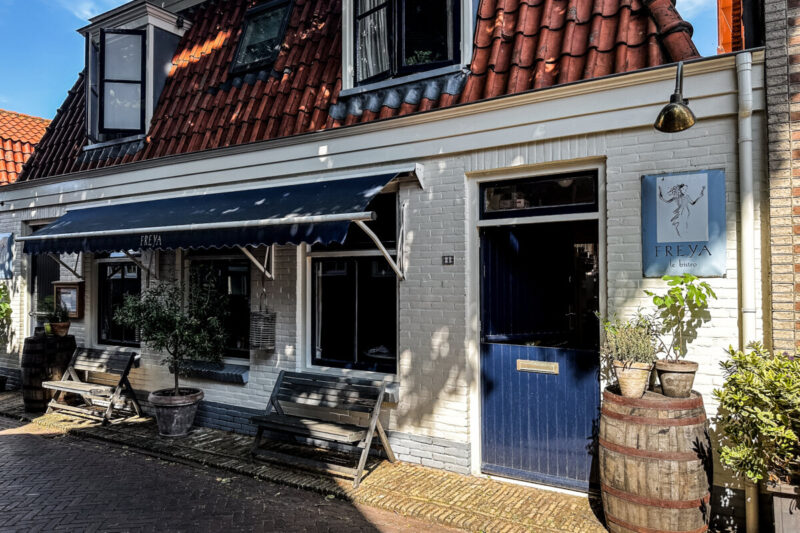
Oistins Fish Fry transforms this fishing village into Barbados\” liveliest Friday night party. Fresh-grilled fish served from colorful stalls, rum punch flowing freely, and calypso music filling the air create an authentic Caribbean experience where locals and visitors dance, eat, and celebrate together under the stars.
Cultural Context
As a cornerstone of Barbados’s dining scene, this restaurant celebrates the rich culinary heritage of Christ Church. The menu reflects traditional recipes and cooking techniques that tell the story of the local food culture.
Historical Context
Oistins Fish Fry has its origins in the fishing village of Oistins, located on the southern coast of Barbados, a settlement with a rich maritime heritage dating back to the colonial era. The village itself was established in the early 17th century, primarily as a fishing hub due to its natural harbor and proximity to abundant fishing grounds. The Fish Fry tradition began informally in the mid-20th century as local fishermen would grill their catch on Friday nights to celebrate the end of the workweek, gradually evolving into a weekly community event. Over the decades, the Fish Fry grew from a simple gathering of locals into a vibrant cultural phenomenon, attracting visitors from across the island and beyond. This evolution was influenced by Barbados’s post-independence cultural renaissance in the 1960s and 1970s, which emphasized the celebration of indigenous traditions and community cohesion. Today, the Oistins Fish Fry is a symbol of Bajan resilience and cultural pride, blending African, Caribbean, and colonial influences and serving as a living testament to the island’s enduring relationship with the sea and its fishing heritage. It continues to thrive as a dynamic social event, reflecting the adaptive spirit of the local community while maintaining its roots in the island’s historical identity.