MenuClose

A place worth knowing

Carlisle Bay

Beaches · Beach in BridgetownUpdated

  • Google rating4.7/5 (15,000 reviews)
  • Typical visit2-4 hours (longer for diving or multiple water activities)
  • EntranceFree
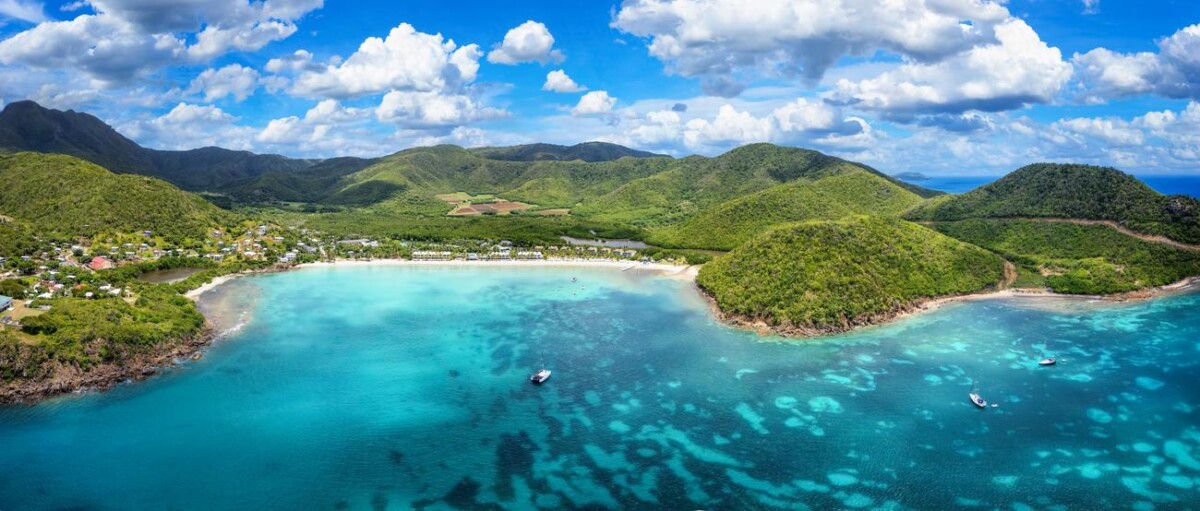
Aerial View of Carlisle Bay, Antigua
moofushi / Adobe Stock
  • Today (Thursday)Open 24 hours
  • Typical visit2-4 hours (longer for diving or multiple water activities)
  • EntranceFree
  • Google rating4.7/5 15,000 reviews
  • WebsiteOfficial site ↗
Opening hours all week
Monday
Open 24 hours
Tuesday
Open 24 hours
Wednesday
Open 24 hours
Thursday
Open 24 hours
Friday
Open 24 hours
Saturday
Open 24 hours
Sunday
Open 24 hours
Accessibility
"{"parking": "Parking available near beach areas. Some accessible spaces in public lots.", "mobility_info": "Sandy beach surface challenging for wheelchairs. Boardwalks may be available in some areas. Water activities require physical mobility. Consider glass-bottom boat tours as alternative.", "public_transport": "Public buses serve the area. Taxis available for more direct access.", "wheelchair_access": "Beach access limited for wheelchairs on sand. Some tour operators offer accessible boat tours. Swimming/snorkeling tours generally not wheelchair accessible.", "accessibility_services": "Beach chairs and umbrellas available for rent. Some operators provide accessible services – check in advance. Not all shipwreck tours accommodate wheelchairs.", "sensory_considerations": "Calm bay waters generally quieter than ocean beaches. Marine life viewing requires water entry."}"
The short answer

Why it matters

A turquoise crescent bay on Barbados's southwest coast with calm waters, six sunken shipwrecks for snorkelling, and sea-turtle sightings year round.

Carlisle Bay, a crescent-shaped natural harbor on Barbados’ southwest coast, combines pristine turquoise waters with significant historical interest and vibrant marine life. This sheltered bay, home to Bridgetown‘s port, features six shipwrecks dating from the 17th to 20th centuries that have created an accessible underwater museum and artificial reef system. These wrecks, lying at depths between 12 and 55 feet, attract diverse marine species and offer exceptional snorkeling and diving opportunities for all experience levels. The bay’s calm, crystal-clear waters and soft white sand beaches provide ideal conditions for swimming, paddleboarding, and kayaking, while beachfront facilities include casual restaurants and water sports rentals. As a designated Marine Park, Carlisle Bay balances recreation with conservation efforts, creating a sustainable environment where visitors can appreciate both natural beauty and maritime heritage. The bay’s proximity to Bridgetown makes it a convenient yet transportive escape that showcases the best of Barbados’ coastal allure.

Cultural Context

UNESCO World Heritage marine environment combining natural coral reefs with artificial reefs from historical shipwrecks

Historical Context

Named 1627 for James Hay Earl of Carlisle who claimed Barbados for King Charles I, served as British merchant vessel hub during colonial era, now protected marine park preserving underwater archaeological treasures
Context

Story and significance

About

Neuschwanstein Castle is a 19th-century Romanesque Revival palace perched on a rock ledge above the Pöllat Gorge in the Bavarian Alps. Commissioned by King Ludwig II of Bavaria in 1869 as a personal retreat and tribute to composer Richard Wagner, it was never fully completed before the king’s death in 1886. The interior features a throne room (which never received its throne), a minstrel’s hall, and an artificial grotto with waterfall inspired by Wagner’s Tannhäuser. Despite its medieval appearance, it was built with running water, electricity, and telephones. The castle inspired Disney’s Sleeping Beauty Castle and was inscribed as a UNESCO World Heritage Site in 2025. Over 1.4 million visitors come each year.

Historical significance

Carlisle Bay holds considerable historical importance as a strategic maritime location that has played a pivotal role in Barbados’ colonial and naval history. Named after the HMS Carlisle, a British frigate that was deliberately sunk in the bay in 1780 during the American Revolutionary War to prevent its capture by enemy forces, the bay illustrates the island’s involvement in broader geopolitical conflicts of the 18th century. Beyond this, Carlisle Bay was a vital anchorage and commercial harbor during the colonial era, serving as a key point for the British West Indies fleet and a hub for sugar trade, which was central to Barbados’ economy and the transatlantic slave trade. The bay’s fortifications, including Needham’s Fort and other coastal defenses, were constructed to protect the island from French and Spanish attacks, reflecting the intense imperial rivalries in the Caribbean. The underwater shipwrecks found in the bay provide tangible links to these historical narratives, offering insights into naval architecture, maritime warfare, and colonial commerce. Furthermore, Carlisle Bay’s legacy includes its role in the cultural memory of Barbados, symbolizing resilience and the complex history of colonialism, trade, and migration that shaped the island. Today, the preservation of these shipwrecks and fortifications serves not only as a tribute to Barbados’ past but also as an educational resource that helps contemporary visitors and scholars understand the interconnected histories of the Caribbean and the wider Atlantic world. Carlisle Bay remains a testament to the island’s maritime heritage and its enduring significance in regional history.

Historical context

Named 1627 for James Hay Earl of Carlisle who claimed Barbados for King Charles I, served as British merchant vessel hub during colonial era, now protected marine park preserving underwater archaeological treasures

Cultural context

UNESCO World Heritage marine environment combining natural coral reefs with artificial reefs from historical shipwrecks

Architecture

Natural crescent-shaped harbor with Needham’s Point Lighthouse marking entrance, underwater architecture of historic shipwrecks creating artificial reefs, surrounded by colonial Bridgetown’s UNESCO World Heritage buildings

Local significance

Barbados’ premier beach destination attracting locals and tourists for swimming and watersports, economic driver through tourism and marine activities, gathering place connecting modern leisure with maritime history

Experience

Make the most of it

Local tips
  • Gift shops have unique souvenirs
  • Special exhibitions require separate tickets
  • Museum cafes often serve quality local food
  • Check for combo tickets with nearby attractions
  • Members get free entry and skip lines
  • Late night openings often have special events
  • Visit during weekdays for fewer crowds
Hidden gems nearby
  • Free guided tours at specific times
  • Rooftop terraces often have great city views
  • Hidden courtyards perfect for photos
  • Lesser-known wings have amazing collections
  • Staff recommendations for must-see pieces
  • Archive rooms sometimes open for special tours
  • Secret passages between galleries
Special features
  • Six shipwrecks at depths 3-17 meters creating artificial reef system supporting 350+ marine species in protected marine park
Editorial scores

How we rate it

Authenticity9/10
Accessibility score8/10
Family-friendly score8/10
Off-the-beaten-path1/10

Editorial scores on a 10-point scale, judged against places of the same kind.

Updated Data: Editorial research · Google Places ratings · Verified coordinates