Alsace, a picturesque region in northeastern France, is renowned for its charming villages, stunning vineyards, and rich cultural heritage. The capital, Strasbourg, features a blend of French and German influences, highlighted by its iconic Gothic cathedral and vibrant canals. Visitors can explore the Alsatian wine route, indulge in local cuisine, and experience the festive atmosphere during Christmas markets.
Alsace
Resort Area in France, EuropeUpdated
- Overall8/10
- Best forFamilies, Couples, Solo travelers
- PeakJul, Aug, Dec
- CurrencyEUR
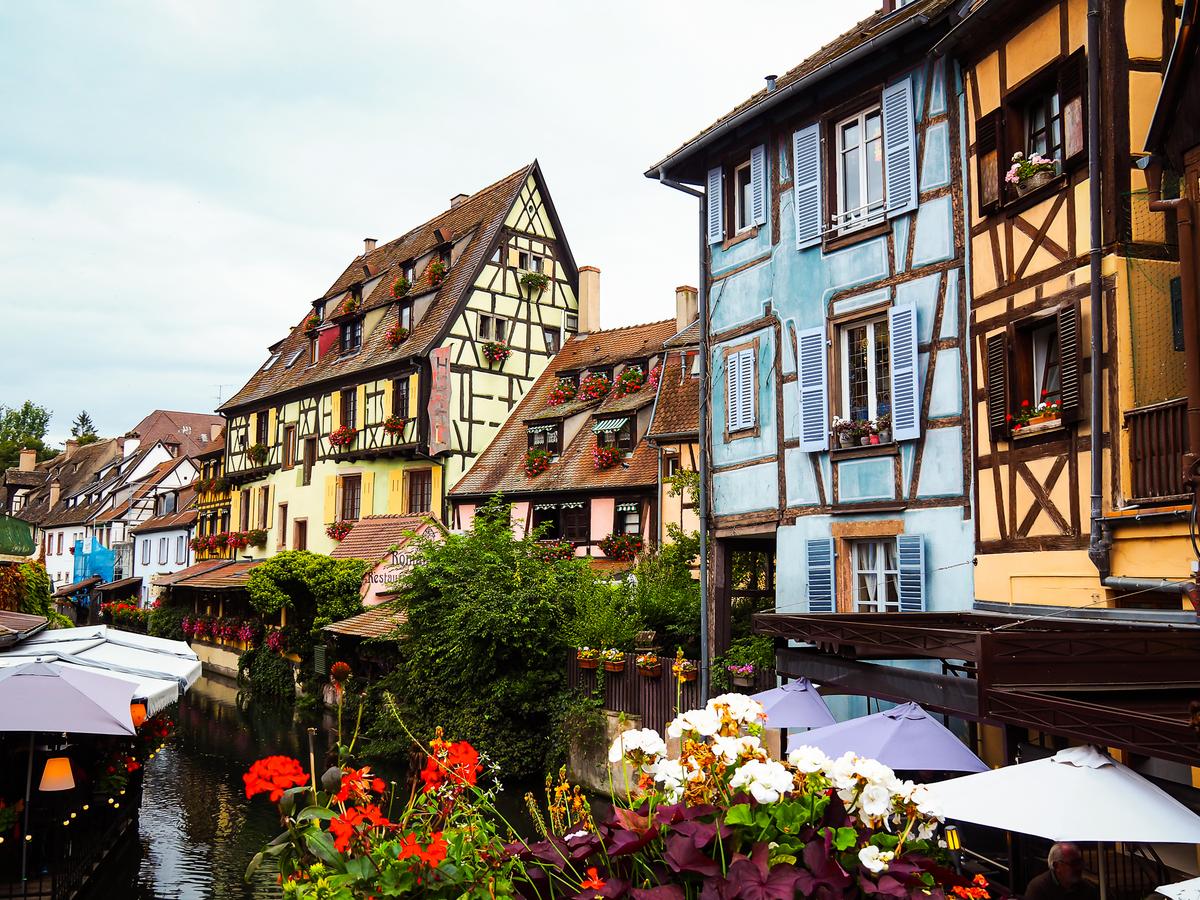
Alsace sits between France and Germany and tastes like both — riesling, tarte flambée, and half-timbered villages that actually look like that.
Travel Style
Activities
Budget
At a glance
Currency€ EURCode: EUR
Time zoneCentral European Time
Languages
- French
Setting
- Vineyard-covered slopes
- Vosges Mountains
- Half-timbered villages
- Rhine plain
Population1.8M1,840,000 residents
VisaDuration: Up to 90 days within any 180-day period in the Schengen Area · Documents: Valid passport issued within the last 10 years and valid for at least 3 months after planned departure, plus proof of accommodation, onward or return travel, and sufficient funds if requested
How Alsace scores
8/10OverallExcellent
Weather7/10
Value for money7/10
Safety8/10
Food & cuisine9/10
Culture & arts8/10
Cultural experience9/10
Nature & outdoors6/10
Adventure4/10
Nightlife5/10
Shopping6/10
Family friendly7/10
Romance8/10
Editorial scores on a 10-point scale, weighed against destinations of the same kind.
Travel safety snapshot
Overall90/100High rating
Women travellers92/100
LGBTQ+ travellers94/100
Theft88/100
Medical care88/100
Physical harm92/100
Political freedom86/100
SafePlace indicators use their source 100-point scale; higher is more favourable. Planning context, not a live travel advisory — check official government guidance before you go.
When to go
Best months to visit: April, May, June, July, August, September, October, November and December.
- January: -0.6 to 5.3 degrees Celsius, 19.4 millimetres of rain, best-time score 2 out of 5.
- February: 0.2 to 7.6 degrees Celsius, 23.3 millimetres of rain, best-time score 2 out of 5.
- March: 2.8 to 11.6 degrees Celsius, 24.4 millimetres of rain, best-time score 3 out of 5.
- April: 5.4 to 16.1 degrees Celsius, 8.3 millimetres of rain, best-time score 4 out of 5.
- May: 7.6 to 16.3 degrees Celsius, 37.8 millimetres of rain, best-time score 5 out of 5.
- June: 13.1 to 23.1 degrees Celsius, 31.9 millimetres of rain, best-time score 5 out of 5.
- July: 13.9 to 24.7 degrees Celsius, 46.7 millimetres of rain, best-time score 4 out of 5.
- August: 15.3 to 25.9 degrees Celsius, 42.5 millimetres of rain, best-time score 4 out of 5.
- September: 11.9 to 21.3 degrees Celsius, 24 millimetres of rain, best-time score 5 out of 5.
- October: 7.1 to 15.4 degrees Celsius, 31.1 millimetres of rain, best-time score 5 out of 5.
- November: 4.4 to 10.3 degrees Celsius, 16.8 millimetres of rain, best-time score 4 out of 5.
- December: 1.2 to 5.9 degrees Celsius, 22.4 millimetres of rain, best-time score 5 out of 5.
Month-by-month conditions and packing advice
- January
- Cold weather, mostly dry January in Alsace: cold winter months outside the festive period narrow the trip. Crowds: January marks the low tourist season in Alsace, ideal for travelers who prefer tranquil streets and lower accommodation rates. The cold, mostly dry weather suits cultural exploration—museum visits, wine cellar tastings, and slow walks through half-timbered old towns—though vineyard tours are limited due to the dormant season. Outdoor activities like winter hikes in the Vosges are possible but require proper gear. While daylight hours are short, this is offset by fewer crowds and the opportunity to enjoy authentic local life without tourist trappings. Advance booking is generally unnecessary except for special events or fine-dining restaurants that remain popular year-round.
- February
- Cold weather, mostly dry February in Alsace: cold winter months outside the festive period narrow the trip. Crowds: February in Alsace offers a quiet, off-peak travel experience, ideal for those seeking authentic encounters without tourist congestion. Accommodation rates are generally lower, and popular sites such as Strasbourg Cathedral or Colmar’s Petite Venise can be enjoyed without queues. Outdoor activities lean toward brisk walks in the old towns or snowshoeing in the Vosges, though weather can feel biting, especially in the mornings and evenings. Limited daylight encourages a slower pace, focusing on indoor cultural visits, wine tastings, and hearty regional cuisine. Travelers should be prepared for cold starts to the day and dress for layering when moving between heated interiors and wintry streets.
- March
- Cool weather, mostly dry March in Alsace: early spring is usable but cooler and less settled. Crowds: March marks the quiet shoulder season in Alsace, making it an excellent time for travelers seeking authentic cultural immersion without the summer crowds. With cool, mostly dry weather, this is a perfect window for leisurely exploring historic towns, tasting regional wines, and visiting museums without queues. Outdoor activities like walking the Route des Vins are comfortable, though layering is essential. Accommodation prices are generally lower than peak summer or December’s Christmas market season, and last-minute bookings are often possible. However, some smaller rural attractions may still operate on limited hours before the full tourist season begins in late spring. The atmosphere is calm, making it ideal for travelers who value slower-paced exploration and intimate encounters with local culture.
- April
- Cool weather, mostly dry April in Alsace: conditions remain rewarding with spring buildup, summer festivals, or late-fall atmosphere. Crowds: April marks the shoulder season in Alsace—pleasant for travelers seeking fewer crowds and moderate prices. The cooler mornings and mild afternoons are ideal for vineyard walks, cycling along the Route des Vins, and exploring historic villages without the summer rush. Outdoor festivals and markets start to appear, but major tourist surges have yet to arrive. While evenings can still be chilly, daytime comfort allows for extended sightseeing without overheating. It’s a sweet spot for those who enjoy a quieter, more authentic cultural experience before peak season crowds and pricing set in. Booking accommodations is generally easier, though charming boutique stays may still require advance reservations.
- May
- Cool weather, some rain May in Alsace: this is one of the strongest seasonal windows for wine villages, vineyards, food, or Christmas markets. Crowds: May marks the shoulder season in Alsace, when tourism begins to build but remains far from summer’s peak. The cooler temperatures are ideal for active sightseeing, wine route cycling, and attending spring festivals before larger crowds arrive. Accommodation prices are generally moderate, though popular villages may see higher weekend demand due to local events. Rain showers are infrequent and usually short-lived, so they seldom disrupt outdoor plans. This is also a prime month for visiting vineyards, as young leaves emerge and tasting rooms open for seasonal offerings. Planning ahead for weekends and festival dates ensures the best lodging and dining reservations without the peak-season premiums of July and August.
- June
- Warm and pleasant, some rain June in Alsace: this is one of the strongest seasonal windows for wine villages, vineyards, food, or Christmas markets. Crowds: June marks the start of Alsace’s summer tourist season, but it remains less crowded than peak July and August. The warm, comfortable weather is perfect for outdoor activities such as cycling along the Alsace Wine Route, hiking in the Vosges, and exploring medieval towns on foot. Mild evenings encourage late-night dining and riverside strolls. Accommodation prices begin to rise compared to spring but are generally lower than high summer rates. The occasional shower rarely disrupts plans and can enhance the photogenic charm of cobblestone streets. Advance booking is wise for popular vineyard tours and weekend stays, while midweek visits offer a quieter experience. Cultural festivals and markets begin to pick up, adding to the region’s lively atmosphere without overwhelming crowds.
- July
- Warm and pleasant, some rain July in Alsace: conditions remain rewarding with spring buildup, summer festivals, or late-fall atmosphere. Crowds: July sits firmly in Alsace’s peak tourist season, driven by its sunny, warm weather and vibrant cultural calendar. Expect bustling village squares, active wine terraces, and lively summer festivals. Accommodation prices and availability reflect the high demand, so advance booking is essential. Outdoor activities like hiking in the Vosges, cycling between vineyards, and open-air dining are at their best, while mild evenings invite extended exploration. The longer daylight hours also allow for multi-stop day trips without feeling rushed. Occasional showers are brief and rarely disrupt plans, but crowds in popular towns can be substantial during weekends. For a more relaxed experience, early morning or weekday visits to top spots are recommended. This is a time for immersion in both the scenery and the seasonal atmosphere.
- August
- Warm and pleasant, some rain August in Alsace: conditions remain rewarding with spring buildup, summer festivals, or late-fall atmosphere. Crowds: August is high season in Alsace, driven by both French summer holidays and wine tourism. Expect lively streets, bustling outdoor terraces, and popular attractions at peak visitation. Accommodation prices tend to be at their annual high, so advance booking is advisable. The warm, mostly dry weather is perfect for vineyard tours, cycling routes along the Rhine, and cultural festivals. Occasional showers rarely disrupt plans and can refresh the atmosphere. While the energy is infectious, those seeking quieter experiences may prefer early mornings or smaller villages off the main tourist circuit. For wine enthusiasts, this is an ideal month to sample early harvest varietals.
- September
- Warm and pleasant, mostly dry September in Alsace: this is one of the strongest seasonal windows for wine villages, vineyards, food, or Christmas markets. Crowds: September in Alsace marks the start of the autumn shoulder season, balancing excellent weather with fewer crowds than peak summer. It’s a prime time for wine tourism, as harvest festivals fill the calendar and vineyards welcome visitors. Accommodation rates begin to ease compared to August, though popular villages like Colmar and Riquewihr still see steady foot traffic during weekends. The mild climate is ideal for hiking in the Vosges Mountains, cycling along the Alsace Wine Route, and exploring open-air markets. Occasional showers are brief and rarely disrupt outdoor plans. Booking in advance is advisable for festival weekends, but spontaneous travel is more feasible than in high season. Overall, this is a sweet spot for travelers seeking cultural depth, scenic beauty, and a relaxed pace.
- October
- Cool weather, some rain October in Alsace: this is one of the strongest seasonal windows for wine villages, vineyards, food, or Christmas markets. Crowds: October in Alsace marks the tail end of the grape harvest season, offering travelers a chance to enjoy local wine festivals and autumn markets without the peak summer crowds. Temperatures are mild enough for walking tours, cycling routes, and wine route drives, though cooler evenings call for warmer clothing. Accommodation prices are generally lower than in summer, and attractions are more relaxed and accessible. While some smaller rural sites may reduce opening hours, the cultural calendar is rich, and the region’s culinary offerings shine with hearty seasonal dishes. Occasional rain showers may encourage indoor experiences such as museum visits and wine cellar tastings. Booking flexibility is easier, making it an excellent choice for travelers seeking a slower pace and atmospheric scenery.
- November
- Cool weather, mostly dry November in Alsace: conditions remain rewarding with spring buildup, summer festivals, or late-fall atmosphere. Crowds: November is part of Alsace’s shoulder season, bringing fewer tourists and a calm, intimate feel to its towns and countryside. While outdoor activities like hiking are still possible, shorter daylight hours and cooler temperatures mean travelers should plan for cozy indoor experiences—wine tastings, hearty Alsatian meals, and cultural visits. Prices for accommodation are generally lower than in the festive December peak, though weekends may see more visitors once Christmas markets begin. Photography enthusiasts will appreciate the soft light and uncrowded streets, but should prepare for cooler, damp mornings. Advance booking is rarely necessary outside of market weekends.
- December
- Cold weather, mostly dry December in Alsace: this is one of the strongest seasonal windows for wine villages, vineyards, food, or Christmas markets. Crowds: December marks the heart of Alsace’s winter low season for general tourism but high season for holiday festivities, particularly its world-renowned Christmas markets in Strasbourg and Colmar. Cold, mostly dry weather means sightseeing is pleasant for short outdoor strolls, with longer stays better planned around warm indoor breaks. Crowds cluster around market areas, but beyond that, villages and vineyards are quiet. Accommodation rates outside festive hubs can be lower, though centrally located hotels may command premium prices due to seasonal demand. This is an excellent month for travelers seeking atmospheric, culturally rich experiences, hearty Alsatian cuisine, and festive photography opportunities. Outdoor activities are limited to walking tours and short vineyard visits; winter sports are available in the nearby Vosges Mountains.
Peak season
- July
- August
- December
Off-peak
- January
- February
- March
- November
Know before you go
About
Alsace, a picturesque region in northeastern France, is renowned for its charming villages, stunning vineyards, and rich cultural heritage. The capital, Strasbourg, features a blend of French and German influences, highlighted by its iconic Gothic cathedral and vibrant canals. Visitors can explore the Alsatian wine route, indulge in local cuisine, and experience the festive atmosphere during Christmas markets.
Best time to visit
The best time to visit Alsace is from May to October, with two distinct sweet spots: late spring (May-June) for blooming vineyards and pleasant temperatures, and early autumn (September-October) for harvest season, golden foliage, and festive wine events. December brings the famous Christmas markets but also cold weather and large crowds.
Spring (March-June)
Temperatures rise from 8-18°C (46-64°F). By May, vineyards are green and flower boxes are planted across every village. Easter brings specialty bakery items and festive events. June delivers long days and warm weather without peak-season crowds.Summer (July-August)
Warm highs of 25-30°C (77-86°F) bring peak tourism. Wine villages bustle with visitors, and outdoor festivals fill town squares. The Vosges Mountains provide cooler hiking terrain. Book accommodations well in advance.Autumn (September-October)
Many consider this the finest season. Harvest weekends bring grape-picking festivals (Fête des Vendanges) across wine villages, vineyards turn gold and amber, and temperatures settle to 10-20°C (50-68°F). Food festivals celebrate new wines, Munster cheese, and tarte flambée.Winter (November-March)
December is magical with Christmas markets in Strasbourg (Christkindelmärik, the oldest in France since 1570), Colmar, and Kaysersberg. Temperatures hover around 0-5°C (32-41°F). January-February is the quietest period with occasional snow dusting the Vosges.Crowds
Alsace sees peak crowds in summer (June–August) and during Christmas Market season (late November–December) in Strasbourg and Colmar; quietest in mid-winter (January–February) and shoulder seasons, with overall moderate tourism concentrated in pockets.
Getting there and around
Getting there
Strasbourg Airport (SXB) receives flights from major European cities. Alternatively, EuroAirport Basel-Mulhouse-Freiburg (BSL/MLH/EAP) serves southern Alsace with more international connections. TGV high-speed trains connect Strasbourg to Paris Gare de l’Est in 1 hour 46 minutes, to Lyon in 3.5 hours, and to Marseille in 5 hours. From Germany, ICE trains from Frankfurt reach Strasbourg in under 2 hours. Colmar is a 30-minute TER train from Strasbourg. By car, the A35 motorway runs the length of Alsace north-south, with easy access from the A4 (Paris) and A5 (Basel/Germany).
Getting around
TER regional trains connect all major Alsatian towns efficiently — Strasbourg to Colmar takes 30 minutes, Strasbourg to Mulhouse about 45 minutes, and trains to smaller stations like Ribeauvillé or Barr run frequently. Within Strasbourg, an excellent tram network (6 lines) covers the city, including a cross-border line to Kehl, Germany. Colmar is compact and best explored on foot or by bicycle, with local buses (Trace network) serving outer areas. For the Wine Route, a rental car offers maximum flexibility to visit small villages, though the seasonal Kutzig hop-on-hop-off bus connects Colmar to key wine villages like Eguisheim, Kaysersberg, and Riquewihr. The region has over 2,500 km of dedicated cycling paths.
Top experiences in Alsace
Strasbourg Cathedral & Petite France
Strasbourg’s Gothic cathedral took over 400 years to build and its single spire rises 142 meters — the tallest structure in the world until the 19th century. Inside, the 16th-century astronomical clock performs an automaton parade at 12:30 PM daily. The surrounding Petite France quarter is a labyrinth of canals and pastel half-timbered houses once home to tanners, millers, and fishermen. A boat tour on the River Ill threads beneath covered bridges and past the Barrage Vauban for unforgettable perspectives.
Colmar Old Town & Petite Venise
Colmar’s remarkably preserved medieval and Renaissance center feels like an open-air museum of Alsatian architecture. Cobblestone streets are lined with painted half-timbered houses decorated with flowers, window boxes, and carved wooden signs. The Petite Venise (Little Venice) canal district is best explored by flat-bottomed boat or on foot along the quais. The Musée Unterlinden, housed in a former Dominican convent, holds the powerful Issenheim Altarpiece by Matthias Grünewald, one of Northern Europe’s most important artworks.
Château du Haut-Koenigsbourg
Perched on a rocky spur 757 meters above the Rhine plain, this imposing medieval fortress was painstakingly restored by Kaiser Wilhelm II in the early 1900s to its 15th-century glory. The castle offers sweeping views across the Alsatian vineyards, the Black Forest, and on clear days, the Alps. Inside, rooms furnished with period weapons, armor, and painted ceilings evoke its turbulent history of sieges and sieges during the Thirty Years’ War. An essential half-day excursion from either Strasbourg or Colmar.
Alsace Wine Route
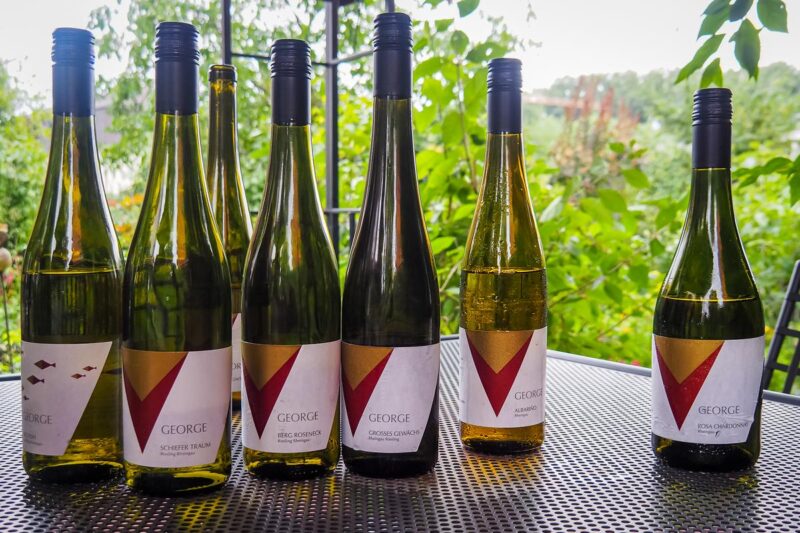
France’s oldest wine route stretches 170 km through the foothills of the Vosges from Marlenheim to Thann, passing through over 70 villages and some of the country’s finest vineyard terroir. The route produces distinctive white wines — Riesling, Gewürztraminer, Pinot Gris, and Muscat — plus the sparkling Crémant d’Alsace. Visitors can drive the route in a day, but spending 2-3 days allows for wine tastings at family domaines, lunch in village winstubs, and exploration of hilltop castle ruins. Cycling the dedicated paths between villages is equally rewarding.
Eguisheim
Twice voted France’s favorite village, Eguisheim wraps in a perfect concentric circle around a central square with a fountain and the Château des Comtes. Its narrow streets are lined with colorful half-timbered houses covered in geraniums, and the entire 850-meter perimeter walk takes about 20 minutes. The village produces excellent Grand Cru wines and hosts a particularly atmospheric Christmas market in December. Located just 7 km from Colmar, it makes an easy day trip or a peaceful base for wine country.
Editor-curated picks carried over from our original guide. Where a full place guide exists, the card links to it.
Places worth your time
Where to stay

Tips from the field
Highlights
- Alsace Wine Route – 170 km through 70+ vineyard villages
- Strasbourg Cathedral – Gothic masterpiece with astronomical clock
- Colmar Old Town – Half-timbered houses and Petite Venise canals
- Château du Haut-Koenigsbourg – Restored medieval fortress above the Rhine
- Christmas Markets – Among Europe's oldest and most atmospheric
- Franco-German Cuisine – Flammekueche, choucroute, and Gewürztraminer
Best activities
- Wine tasting defines the Alsace experience — the 170 km Wine Route threads through over 70 villages where family-run domaines offer cellar visits and tastings of Riesling, Gewürztraminer, and Crémant d'Alsace. Cycling between villages on dedicated paths through the vineyard-covered foothills is one of France's finest bike experiences. In Strasbourg, a boat tour through the canals of Petite France and past the European Parliament combines relaxation with history.
- Castle enthusiasts will find over a dozen medieval ruins punctuating the Vosges ridgeline, with Haut-Koenigsbourg as the restored showpiece and the three castles of Ribeauvillé offering a more adventurous hike. Culinary classes in flammekueche-making, market tours through Strasbourg's covered Halles, and artisan pottery workshops in Soufflenheim round out the hands-on experiences. During December, the Christmas markets transform Strasbourg, Colmar, and Kaysersberg into some of Europe's most magical holiday destinations.
Local experiences
- Join a vineyard walk with a winemaker during September harvest and taste juice straight from the press. Take a cooking class in Strasbourg to learn flammekueche and baeckeoffe (a slow-baked meat-and-potato casserole). Browse the Saturday morning farmer’s market on Place Broglie in Strasbourg for Munster cheese, bretzels, and kouglof. Explore the three castle ruins above Ribeauvillé on a half-day hike through the Vosges forest.
Practical tips
- Wine Route Car: A rental car is the best way to explore small wine villages at your pace.
- Alsace Pass: Regional museum passes offer good value across multiple attractions.
- Christmas Markets: Book December accommodations months in advance; Strasbourg’s market draws 2M+ visitors.
- Language: French is primary, but German and Alsatian are widely understood along the border.
- Sundays: Most shops close; plan restaurant reservations ahead.
- Cycling: Flat vineyard paths are ideal for casual cyclists; rent bikes in Colmar or Strasbourg.
Photography tips
- Strasbourg Cathedral photographs best in late afternoon when golden light illuminates the sandstone facade. The classic Petite France shot is from the Pont Saint-Martin bridge with half-timbered houses reflected in the canal. In Colmar, Petite Venise is most photogenic early morning before crowds arrive, with reflections from the Quai de la Poissonnerie bridge. Along the Wine Route, vineyards glow at golden hour — autumn colors peak in early October. Eguisheim's circular streets offer strong compositions from any angle. Château du Haut-Koenigsbourg delivers the best panoramic views on clear mornings. For Christmas markets, blue-hour (20 minutes after sunset) captures the glow of lights against twilight skies.
Keeping it authentic
- Alsace occupies a cultural borderland that has shifted between France and Germany four times since 1871, and this dual heritage is not a tourist angle — it defines daily life. Conversations switch between French and Alsatian (a Germanic dialect), menus list choucroute alongside coq au vin, and architecture blends Fachwerk timber frames with French stone mansions. The wine industry here is rooted in family domaines passed down for generations, where the winemaker who pours your tasting is likely the same person who pruned the vines. Christmas markets, while now famous internationally, originated from genuine Advent traditions going back centuries. The most authentic experiences happen by visiting smaller villages like Hunawihr, Niedermorschwihr, or Turckheim, where daily life unfolds at a pace undisturbed by tour buses.
Culture, customs and safety
Cultural heritage
Positioned at the crossroads of Europe, Alsace’s cultural heritage is a unique and charming blend of French and Germanic influences, forged by centuries of shifting between French and German rule. This hybrid identity is visible in its distinctive half-timbered architecture, a gastronomy famous for both Riesling wine and hearty dishes like choucroute, and the survival of the Germanic Alsatian dialect. The historic center of its capital, Strasbourg, is a UNESCO World Heritage site and a modern symbol of European reconciliation.
Local customs & etiquette
Alsatians value formality and politeness — greet shopkeepers with ‘bonjour’ upon entering and ‘au revoir’ when leaving. The region maintains strong community traditions: each village has its own patron saint festival (Messti) with parades, dancing, and communal meals. Wine etiquette matters at domaines: sip thoughtfully, ask about the terroir, and purchasing a bottle or two after a tasting is considered courteous. Sunday is still a genuine day of rest — most shops close, and families gather for long lunches. During Christmas market season, locals genuinely participate in Advent celebrations, so approaching the markets with respect rather than as pure entertainment shows cultural awareness.
Safety notes
Alsace is one of France’s safest regions, with both Strasbourg and Colmar maintaining low crime rates by European standards. The primary concern is petty pickpocketing in crowded areas — particularly around Strasbourg Cathedral and during December Christmas markets. Violent crime involving tourists is extremely rare. Colmar’s compact center feels safe at all hours. The French healthcare system provides excellent medical care, with Strasbourg University Hospital (Hôpitaux Universitaires de Strasbourg) being a major medical center. Pharmacies (marked by green crosses) are widely distributed. Emergency number: 112 (European) or 15 (SAMU medical emergency).