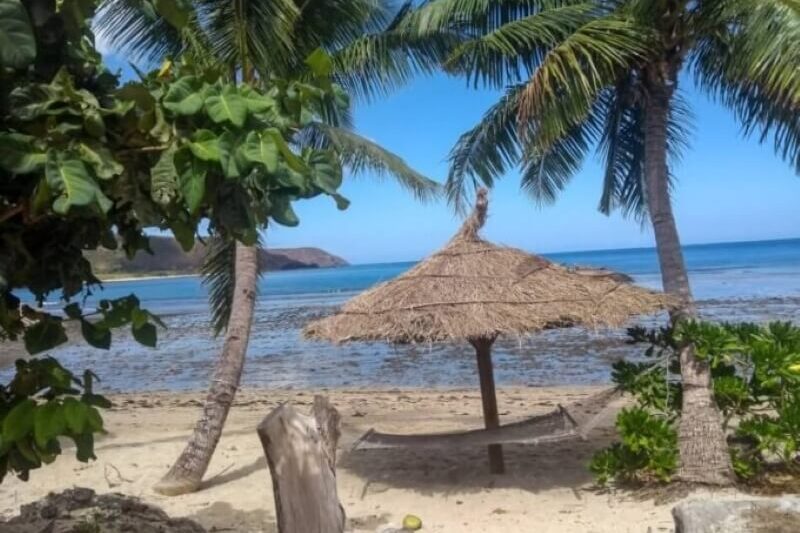
Fiji disperses across the South Pacific as an archipelago of 333 islands, where centuries of Melanesian, Polynesian, and Indian influences created a unique cultural identity against a backdrop of exceptional natural beauty. Unlike other tropical destinations defined primarily by beaches, Fiji’s appeal extends beyond its admittedly stunning coastlines to encompass both cultural richness through living indigenous traditions and diverse landscapes ranging from mangrove forests to cloud-shrouded mountains. This island nation, independent since 1970 following British colonial rule, maintains its traditional social structure through the village system, where chiefs still lead communities and the ceremonial drinking of kava (a mildly narcotic beverage made from the root of the pepper plant) forms the centerpiece of social gatherings, with visitors welcomed through elaborate rituals that demonstrate authentic Fijian hospitality. While resort development has transformed certain islands, particularly in the Mamanucas and Yasawas, the majority of Fiji remains undeveloped, including Taveuni Island with its pristine rainforests protected within Bouma National Heritage Park, and Kadavu Island, where the Great Astrolabe Reef offers world-class diving experiences with minimal tourism infrastructure. Indigenous Fijian culture coexists with a significant Indo-Fijian community descended from indentured laborers brought by the British in the 19th century, creating culinary fusion evident in dishes like kokoda (raw fish marinated in coconut and lime) alongside Indian-influenced curries served with fresh tropical ingredients. Traditional Fijian craftsmanship continues through practices like tapa cloth production, where mulberry bark is beaten into paper-like material and decorated with geometric designs, and wood carving techniques including the distinctive tanoa bowl used for kava ceremonies. The nation’s geographical diversity generates varied ecosystems from the dry leeward sides of larger islands to perpetually wet cloud forests at higher elevations on Viti Levu and Vanua Levu, the two main islands comprising over 80% of Fiji’s landmass. Throughout its scattered archipelago, Fiji balances tourism development with cultural preservation, offering experiences ranging from luxury resorts to authentic village homestays, always accompanied by the genuine warmth captured in the ubiquitous greeting “Bula!” (hello/welcome) that visitors encounter throughout the islands.
The destination guide
Fiji

Country in OceaniaUpdated
- Overall9/10
- Best forCouples, Adventure seekers, Luxury travelers
- CurrencyFJD
Most visitors never leave the Mamanucas. That’s their loss — Taveuni’s rainforest and Kadavu’s reef are a completely different Fiji.
Travel guides for Fiji
More guides featuring Fiji (9)
At a glance
- English
- Fijian
- Hindi
- Volcanic tropical islands
- Coral reefs
- Rainforest mountains
- Sandy beaches
How Fiji scores
Editorial scores on a 10-point scale, weighed against destinations of the same kind.
Travel safety snapshot
SafePlace indicators use their source 100-point scale; higher is more favourable. Planning context, not a live travel advisory — check official government guidance before you go.
When to go
Best months to visit: April, May, June, July, August, September, October and November.
- January: 23.8 to 28.8 degrees Celsius, 369 millimetres of rain, best-time score 2 out of 5.
- February: 24.1 to 29.2 degrees Celsius, 328 millimetres of rain, best-time score 2 out of 5.
- March: 23.7 to 28.6 degrees Celsius, 326.4 millimetres of rain, best-time score 2 out of 5.
- April: 23.6 to 28.1 degrees Celsius, 259 millimetres of rain, best-time score 4 out of 5.
- May: 22.7 to 26.6 degrees Celsius, 177.2 millimetres of rain, best-time score 5 out of 5.
- June: 22 to 25.8 degrees Celsius, 119.3 millimetres of rain, best-time score 5 out of 5.
- July: 21.5 to 25.3 degrees Celsius, 108.6 millimetres of rain, best-time score 5 out of 5.
- August: 21 to 25 degrees Celsius, 132.5 millimetres of rain, best-time score 5 out of 5.
- September: 21.4 to 25.5 degrees Celsius, 138.1 millimetres of rain, best-time score 5 out of 5.
- October: 22 to 26.6 degrees Celsius, 191 millimetres of rain, best-time score 5 out of 5.
- November: 22.7 to 27.7 degrees Celsius, 217.9 millimetres of rain, best-time score 4 out of 5.
- December: 23.3 to 28.3 degrees Celsius, 317.1 millimetres of rain, best-time score 3 out of 5.
Month-by-month conditions and packing advice
- January
- Warm to hot, rainy January in Fiji: wet-season weather makes island travel less dependable. Crowds: January in Fiji is one of the wetter periods, so museums, food stops, flexible reservations, and backup indoor plans make the trip easier. Pack: Pack light clothing, sun protection, and comfortable walking shoes. Add a rain jacket or compact umbrella.
- February
- Warm to hot, rainy February in Fiji: wet-season weather makes island travel less dependable. Crowds: February in Fiji is one of the wetter periods, so museums, food stops, flexible reservations, and backup indoor plans make the trip easier. Pack: Pack light clothing, sun protection, and comfortable walking shoes. Add a rain jacket or compact umbrella.
- March
- Warm to hot, rainy March in Fiji: wet-season weather makes island travel less dependable. Crowds: March in Fiji is one of the wetter periods, so museums, food stops, flexible reservations, and backup indoor plans make the trip easier. Pack: Pack light clothing, sun protection, and comfortable walking shoes. Add a rain jacket or compact umbrella.
- April
- Warm to hot, rainy April in Fiji: shoulder timing can offer good value and warm water with some rain planning. Crowds: April in Fiji is one of the wetter periods, so museums, food stops, flexible reservations, and backup indoor plans make the trip easier. Pack: Pack light clothing, sun protection, and comfortable walking shoes. Add a rain jacket or compact umbrella.
- May
- Mild to warm, rainy May in Fiji: dry-season beaches, reefs, diving, island transfers, village visits, and resort stays are most reliable. Crowds: May in Fiji is one of the wetter periods, so museums, food stops, flexible reservations, and backup indoor plans make the trip easier. Pack: Pack light clothing, sun protection, and comfortable walking shoes. Add a rain jacket or compact umbrella.
- June
- Mild to warm, some rain June in Fiji: dry-season beaches, reefs, diving, island transfers, village visits, and resort stays are most reliable. Crowds: June in Fiji is workable with normal seasonal planning; build in layers, weather checks, and a mix of indoor and outdoor activities. Pack: Pack light clothing, sun protection, and comfortable walking shoes. Add a rain jacket or compact umbrella.
- July
- Mild to warm, some rain July in Fiji: dry-season beaches, reefs, diving, island transfers, village visits, and resort stays are most reliable. Crowds: July in Fiji is workable with normal seasonal planning; build in layers, weather checks, and a mix of indoor and outdoor activities. Pack: Pack light clothing, sun protection, and comfortable walking shoes. Add a rain jacket or compact umbrella.
- August
- Mild to warm, rainy August in Fiji: dry-season beaches, reefs, diving, island transfers, village visits, and resort stays are most reliable. Crowds: August in Fiji is one of the wetter periods, so museums, food stops, flexible reservations, and backup indoor plans make the trip easier. Pack: Pack light clothing, sun protection, and comfortable walking shoes. Add a rain jacket or compact umbrella.
- September
- Mild to warm, rainy September in Fiji: dry-season beaches, reefs, diving, island transfers, village visits, and resort stays are most reliable. Crowds: September in Fiji is one of the wetter periods, so museums, food stops, flexible reservations, and backup indoor plans make the trip easier. Pack: Pack light clothing, sun protection, and comfortable walking shoes. Add a rain jacket or compact umbrella.
- October
- Mild to warm, rainy October in Fiji: dry-season beaches, reefs, diving, island transfers, village visits, and resort stays are most reliable. Crowds: October in Fiji is one of the wetter periods, so museums, food stops, flexible reservations, and backup indoor plans make the trip easier. Pack: Pack light clothing, sun protection, and comfortable walking shoes. Add a rain jacket or compact umbrella.
- November
- Warm to hot, rainy November in Fiji: shoulder timing can offer good value and warm water with some rain planning. Crowds: November in Fiji is one of the wetter periods, so museums, food stops, flexible reservations, and backup indoor plans make the trip easier. Pack: Pack light clothing, sun protection, and comfortable walking shoes. Add a rain jacket or compact umbrella.
- December
- Warm to hot, rainy December in Fiji: rain and cyclone-season risk increase, so flexible plans and insurance matter. Crowds: December in Fiji is one of the wetter periods, so museums, food stops, flexible reservations, and backup indoor plans make the trip easier. Pack: Pack light clothing, sun protection, and comfortable walking shoes. Add a rain jacket or compact umbrella.
Know before you go
Best time to visit
The best time to visit Fiji is during the dry season from May to October, when lower humidity, warm temperatures (25-28°C / 77-82°F), and minimal rainfall create ideal conditions for diving, snorkeling, and beach holidays across the islands.
Dry Season (May-October)
The most popular time to visit, with clear skies, calm seas, and the best underwater visibility for diving and snorkeling. July and August are the coolest months (22-26°C / 72-79°F) and the driest. Trade winds keep temperatures comfortable. Peak season, especially July-September, means higher prices.
Shoulder (November & April)
Transitional months between seasons. November sees increasing warmth and occasional rain showers. April is the tail end of the wet season with decreasing rainfall. Good value with fewer tourists.
Wet Season (November-April)
Hot and humid (27-32°C / 81-90°F) with tropical downpours, often in short afternoon bursts. Cyclone season runs from November to April — monitor weather advisories. Lush landscapes, warmer water, and lower prices. Rain shouldn’t deter visitors; many clear mornings for activities.
Season by season
Winter (May-Oct):
Weather: 20-29°C, dry
Highlights: Best visibility
Best For: Diving/Surfing
Summer (Nov-April):
Weather: 22-33°C, humid/rain
Highlights: Lush green
Best For: Quiet resorts
Shoulder (May, Oct):
Weather: Perfect
Highlights: Festivals
Best For: Honeymoon
Crowds
Fiji sees peak arrivals during June–August and late December–early January (holiday season), with resorts busy and inter-island travel crowded then; quietest in February–March (wet season), when visitor numbers drop substantially—overall moderate resort-focused crowds.
Getting there and around
Getting there
Fiji serves as primary South Pacific travel hub, most commonly accessed via Nadi International Airport (NAN) on main island Viti Levu. National carrier Fiji Airways with partners like Qantas and American Airlines operates direct flights from major Pacific Rim cities including Los Angeles, San Francisco, Vancouver, Sydney, and Auckland. Flight times approximately 10.5 hours from U.S. West Coast and 3-4 hours from New Zealand/Australia. Less common sea arrival includes cruise lines at Fijian ports like Suva and Lautoka, and private yachts entering at four designated ports. Most tourists including U.S. citizens need no visa for under 4-month stays but require passport valid six months beyond scheduled departure and proof of onward travel.
Getting around
Getting around Fiji is best done using its robust and affordable bus network, which connects most towns and cities across Viti Levu and Vanua Levu; these buses are reliable, though often non-air-conditioned, and accept pre-loaded eTransport cards that you can easily purchase and top up at shops or bus stations. While there are no metros or trams, walking is pleasant in compact towns like Nadi and Suva, though you’ll want to avoid peak midday heat. Taxis are plentiful and metered in urban areas, but always confirm the meter is running or agree on a fare beforehand—rideshares like Uber aren’t available, but some local apps or hotel-arranged taxis can serve a similar role. For inter-island travel, ferries and small flights are common, but plan ahead during peak seasons, as schedules can vary and weather delays are not uncommon.
Top experiences in Fiji
Mamanuca Islands
A group of 20 islands off the coast of Nadi. They are the picture-perfect Fiji: white sand, swaying palms, and blue water. ‘Cast Away’ (Tom Hanks) was filmed here (Monuriki). They are the most popular destination for resorts.
Cloud 9
A floating bar and pizzeria in the middle of the ocean (Ro Ro Reef). It is two levels of day beds, music, and cocktails surrounded by turquoise water. You can jump off the deck to snorkel. It is a bucket-list party spot.
Coral Coast
The southern coastline of the main island (Viti Levu). It is famous for its fringing reef, family resorts, and the Sigatoka Sand Dunes. It is accessible by car from the airport. A great base for exploring local villages.
Sri Siva Subramaniya Temple
A Hindu temple in Nadi. It is the largest in the Southern Hemisphere. It is brightly colored in traditional Dravidian style, carved by artists from India. It reflects the significant Indo-Fijian population and culture.
Yasawa Islands
A chain of islands north of the Mamanucas. They are more rugged, dramatic, and less developed. The Blue Lagoon caves (from the movie) are here. It is the place for dazzling beaches and authentic Fijian village visits.
Editor-curated picks carried over from our original guide. Where a full place guide exists, the card links to it.
Worth booking ahead in Fiji
Hand-picked from the operators our guides already send readers to. Prices and availability are live on the partner site.
BrowseViator
Tours and tickets in Fiji on Viator (opens Viator in a new tab)
Viator's full list of bookable tours and tickets in Fiji.
BrowseGetYourGuide
Experiences in Fiji on GetYourGuide (opens GetYourGuide in a new tab)
Everything GetYourGuide sells in Fiji, with the cancellation terms on each listing.
Where to stayBooking.com
Stays in Fiji (opens Booking.com in a new tab)
Live rates and availability for Fiji on Booking.com; filter by neighbourhood once you know where your days start.
We earn a commission if you book through these links, at no extra cost to you. It is how we keep the guides free and independent.
Where to stay
Likuliku Lagoon Resort
Malolo Island, Mamanuca Group, Fiji
A luxury adults-only resort in the Mamanucas. It features Fiji’s first and only authentic over-water bures. It rests on a marine sanctuary. The design is traditional Fijian. It is romantic, peaceful, and absolutely stunning.
Laucala Island
Laucala Island, Fiji
One of the most exclusive private island resorts in the world. It was owned by Malcolm Forbes. It has its own submarine, golf course, and farm. The villa density is tiny. It is the ultimate in privacy and luxury.
Fiji Marriott Resort Momi Bay
Savusavu Road, Momi Bay, Nadi, Fiji
Located on the mainland but feels like an island. It has unique over-water bure villas surrounding a man-made lagoon. It is family-friendly but has adult-only sections (infinity pool). The sunset views are exceptional.
Editor-curated stays carried over from our original guide. Where we have reviewed the hotel, the card links to the review.
Tips from the field
Highlights
- Bula Spirit – Hospitality
- Water – Turquoise blue
- Diving – Soft coral capital
- Islands – 333 of them
- Culture – Kava & Meke
- Cloud 9 – Floating bar
- Rugs – Tapa cloth
- Surfing – Cloudbreak
Best activities
- Go island hopping in the Mamanucas. Drink Kava with locals. Snorkel with manta rays in the Yasawas. Visit Cloud 9 for pizza and a swim. SIt in a natural mud pool in Sabeto. Hike the Sigatoka Sand Dunes. Say 'Bula' to everyone.
Practical tips
- Currency: Fijian Dollar (FJD). Credit cards accepted at resorts and major businesses; cash needed at markets and small shops.
- Getting There: Nadi International Airport (NAN) is the main international gateway. Direct flights from Australia, New Zealand, and Pacific Rim cities. Inter-island ferries and small planes connect to outer islands.
- Transportation: Local buses on Viti Levu are cheap (-3 FJD). Inter-island ferries (Awesome Adventures Yasawa Flyer) connect the Mamanuca and Yasawa island chains. Seaplanes and small aircraft reach remote resorts. Taxis available in Nadi and Suva.
- Dining: Budget meals at local eateries -15 FJD. Resort dining is expensive (-100+ FJD per person). Fresh seafood, kokoda (raw fish in coconut milk), and lovo (earth-oven feast) are specialties. Market produce is very affordable.
- Free Activities: Public beaches, snorkeling from shore, hiking, village visits, and waterfall exploration.
- Tipping: Not traditionally expected but appreciated at resorts — 5-10%
- Electricity: 240V/50Hz, Type I plugs (Australian-style three-pin)
Photography tips
- Golden Hour: Sunset from a west-facing beach in the Mamanucas.
- Iconic Shots:
- An overwater bure at sunset.
- The view of Monuriki Island ('Cast Away').
- Cloud 9 floating in the blue.
- Underwater coral gardens.
- A traditional Kava ceremony.
- Technique: Use a polarizer for the water. Underwater camera (GoPro) is a must.
Timing
- Peak Season (July-Aug):
- Busy, dry, expensive
- Shoulder Season (May-June, Oct):
- Best weather balance
- Low Season (Jan-March):
- Wet, risk of cyclones
Keeping it authentic
- Fijians are famously the friendliest people on earth. 'Bula' is more than hello
- it's a wish for life. 'Fiji Time' is real—things happen when they happen
- relax and go with it. Sunday is church day and very quiet.
Culture, customs and safety
Cultural heritage
Fiji embodies a remarkable cultural crossroads where Melanesian roots intertwine with Polynesian voyaging traditions, British colonial history, and vibrant Indo-Fijian heritage from 19th-century laborers. The sacred kava ceremony, known as Sevusevu, remains the cornerstone of Fijian hospitality, welcoming visitors into traditional villages through ancient protocols of respect and community bonding. This Pacific paradise preserves indigenous crafts like tapa cloth-making and canoe carving while embracing the diverse festivals and spiritual practices that emerged from centuries of cultural fusion across 330 islands.
Local customs & etiquette
Fijian culture is defined by strong community sense, respect for tradition, and world-renowned Bula Spirit of hospitality. When visiting traditional villages, dress modestly with shoulders and knees covered, removing hats and shoes before entering homes (bure). Essential to present gifts (sevusevu), typically kava root, to village chiefs upon arrival. Central cultural ritual is yaqona (kava) ceremony where traditional drink is shared – participants clap once before receiving cup and three times after drinking. Touching someones head is disrespectful as heads are sacred. While English is widely spoken, learning simple Fijian phrases like Bula (hello) and Vinaka (thank you) is greatly appreciated and met with warm smiles.
Safety notes
Fiji is generally a safe destination with low crime rates, though visitors should exercise standard precautions.
General Safety:
• Petty theft (hotel room break-ins, purse snatching, credit card fraud) can occur
• Keep valuables secure — use hotel safes and carry only essential cash
• Avoid walking alone at night in urban areas of Suva and Nadi
Health:
• Use insect repellent to guard against dengue fever and Zika virus
• Tap water in major hotels is generally safe; drink bottled water elsewhere
• Clean coral cuts immediately and apply antiseptic
• Comprehensive travel insurance is essential
Ocean Safety:
• Respect local swim advisories and tide conditions
• Choose accredited dive operators with well-maintained equipment
• Wear reef-safe sunscreen to protect coral
Cultural Customs:
• Dress modestly when visiting traditional villages (cover shoulders and knees)
• Remove hats and sunglasses in villages as a sign of respect
• Bring a gift of kava root (yaqona) when invited to a village
Emergency contacts:
• Police: 917
• Fire/Ambulance: 911