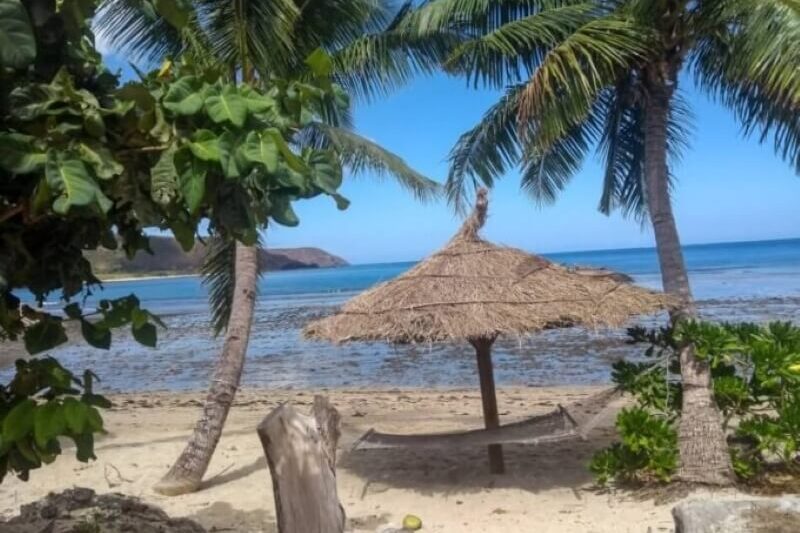
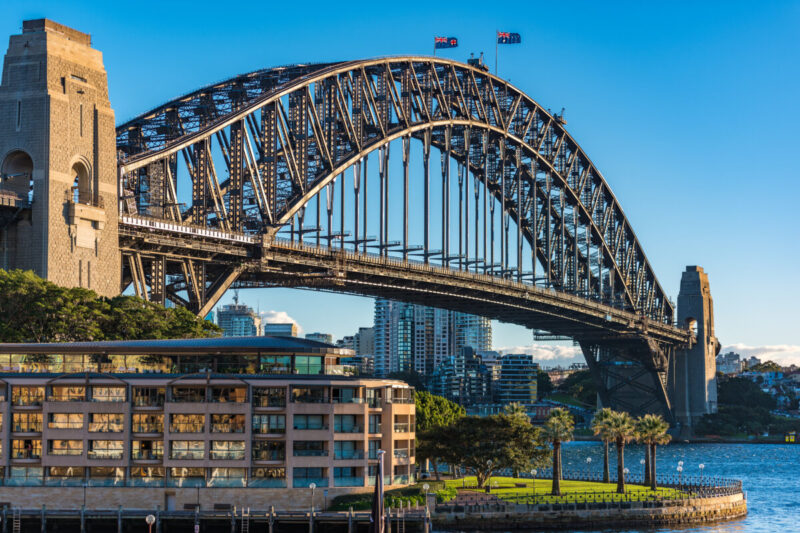
Oceania encompasses a vast, blue expanse of the Pacific dotted with islands of extraordinary natural beauty and cultural richness. Australia, the largest landmass, amazes visitors with its unique wildlife, from kangaroos and koalas to the vibrant underwater world of the Great Barrier Reef. The country’s cosmopolitan cities like Sydney and Melbourne offer world-class dining, arts, and architecture against stunning harbor backdrops. New Zealand captivates with its dramatic, Lord of the Rings-worthy landscapes, from the fjords of Milford Sound to the geothermal wonders of Rotorua and the breathtaking Southern Alps. Throughout the Pacific Islands—Fiji, Samoa, French Polynesia, and countless others—discover pristine beaches, crystal-clear lagoons perfect for snorkeling, and volcanic formations rising from azure waters. Beyond the natural splendor, Oceania’s indigenous cultures maintain rich traditions that visitors can experience through traditional ceremonies, art, music, and dance. From the Aboriginal cultures of Australia to Maori heritage in New Zealand and the diverse Polynesian, Melanesian, and Micronesian traditions across the islands, Oceania offers a unique blend of spectacular scenery, adventure opportunities, and authentic cultural encounters in a paradise setting.
The destination guide
Oceania
RegionUpdated
- Overall8/10
- Best forCouples, Adventure seekers
- PeakJan, Jul, Dec
New Zealand’s Milford Sound and Fiji’s lagoons are 10,000 miles apart — but Oceania rewards the long-haul flight more than almost any region on earth.
At a glance
- English (Aboriginal and Torres Strait Islander languages in remote communities)
- Diverse continent
- Coral reefs
- Outback
- Tropical rainforests
- Island nations
- Nature
- Wildlife
- Beach
- Adventure
- Culture
- Road Trips
How Oceania scores
Editorial scores on a 10-point scale, weighed against destinations of the same kind.
Travel safety snapshot
SafePlace indicators use their source 100-point scale; higher is more favourable. Planning context, not a live travel advisory — check official government guidance before you go.
When to go
Best months to visit: January, February, March, April, May, June, July, August, September, October, November and December.
- January: 24.8 to 37.5 degrees Celsius, 29.6 millimetres of rain, best-time score 4 out of 5.
- February: 23.1 to 36.7 degrees Celsius, 14.1 millimetres of rain, best-time score 4 out of 5.
- March: 21.5 to 34.2 degrees Celsius, 27.8 millimetres of rain, best-time score 5 out of 5.
- April: 15.8 to 28.8 degrees Celsius, 10.8 millimetres of rain, best-time score 5 out of 5.
- May: 10.5 to 22.9 degrees Celsius, 13.1 millimetres of rain, best-time score 5 out of 5.
- June: 7.1 to 19.4 degrees Celsius, 11.1 millimetres of rain, best-time score 4 out of 5.
- July: 6.5 to 20.2 degrees Celsius, 4.6 millimetres of rain, best-time score 4 out of 5.
- August: 8.9 to 23.3 degrees Celsius, 5.4 millimetres of rain, best-time score 4 out of 5.
- September: 12.6 to 27.3 degrees Celsius, 14.7 millimetres of rain, best-time score 5 out of 5.
- October: 16.9 to 31.6 degrees Celsius, 10 millimetres of rain, best-time score 5 out of 5.
- November: 19.7 to 33.4 degrees Celsius, 37.7 millimetres of rain, best-time score 5 out of 5.
- December: 22.9 to 36.4 degrees Celsius, 26.9 millimetres of rain, best-time score 4 out of 5.
Month-by-month conditions and packing advice
- January
- Very hot, mostly dry January in Oceania: regional targeting can still work well around beach, ski, reef, or island dry-season goals. Crowds: January in Oceania can be very hot, so travelers should favor early starts, shaded breaks, indoor attractions, and flexible afternoon pacing. Pack: Pack breathable clothing, strong sun protection, and a refillable water bottle.
- February
- Very hot, mostly dry February in Oceania: regional targeting can still work well around beach, ski, reef, or island dry-season goals. Crowds: February in Oceania can be very hot, so travelers should favor early starts, shaded breaks, indoor attractions, and flexible afternoon pacing. Pack: Pack breathable clothing, strong sun protection, and a refillable water bottle.
- March
- Very hot, mostly dry March in Oceania: Australia, New Zealand, and South Pacific routing often balances milder temperatures, dry windows, wildlife, cities, and outdoor trips. Crowds: March in Oceania can be very hot, so travelers should favor early starts, shaded breaks, indoor attractions, and flexible afternoon pacing. Pack: Pack breathable clothing, strong sun protection, and a refillable water bottle.
- April
- Warm to hot, mostly dry April in Oceania: Australia, New Zealand, and South Pacific routing often balances milder temperatures, dry windows, wildlife, cities, and outdoor trips. Crowds: April in Oceania is comfortable for sightseeing, neighborhoods, food stops, day trips, and outdoor time with limited weather friction. Pack: Pack light clothing, sun protection, and comfortable walking shoes.
- May
- Mild to warm, mostly dry May in Oceania: Australia, New Zealand, and South Pacific routing often balances milder temperatures, dry windows, wildlife, cities, and outdoor trips. Crowds: May in Oceania is comfortable for sightseeing, neighborhoods, food stops, day trips, and outdoor time with limited weather friction. Pack: Pack layered clothing and comfortable walking shoes.
- June
- Cool to mild, mostly dry June in Oceania: regional targeting can still work well around beach, ski, reef, or island dry-season goals. Crowds: June in Oceania is workable with normal seasonal planning; build in layers, weather checks, and a mix of indoor and outdoor activities. Pack: Pack layered clothing and comfortable walking shoes.
- July
- Mild to warm, mostly dry July in Oceania: regional targeting can still work well around beach, ski, reef, or island dry-season goals. Crowds: July in Oceania is comfortable for sightseeing, neighborhoods, food stops, day trips, and outdoor time with limited weather friction. Pack: Pack layered clothing and comfortable walking shoes.
- August
- Mild to warm, mostly dry August in Oceania: regional targeting can still work well around beach, ski, reef, or island dry-season goals. Crowds: August in Oceania is comfortable for sightseeing, neighborhoods, food stops, day trips, and outdoor time with limited weather friction. Pack: Pack layered clothing and comfortable walking shoes.
- September
- Warm to hot, mostly dry September in Oceania: Australia, New Zealand, and South Pacific routing often balances milder temperatures, dry windows, wildlife, cities, and outdoor trips. Crowds: September in Oceania is comfortable for sightseeing, neighborhoods, food stops, day trips, and outdoor time with limited weather friction. Pack: Pack light clothing, sun protection, and comfortable walking shoes.
- October
- Warm to hot, mostly dry October in Oceania: Australia, New Zealand, and South Pacific routing often balances milder temperatures, dry windows, wildlife, cities, and outdoor trips. Crowds: October in Oceania is workable with normal seasonal planning; build in layers, weather checks, and a mix of indoor and outdoor activities. Pack: Pack light clothing, sun protection, and comfortable walking shoes.
- November
- Warm to hot, occasional rain November in Oceania: Australia, New Zealand, and South Pacific routing often balances milder temperatures, dry windows, wildlife, cities, and outdoor trips. Crowds: November in Oceania is workable with normal seasonal planning; build in layers, weather checks, and a mix of indoor and outdoor activities. Pack: Pack light clothing, sun protection, and comfortable walking shoes.
- December
- Very hot, mostly dry December in Oceania: regional targeting can still work well around beach, ski, reef, or island dry-season goals. Crowds: December in Oceania can be very hot, so travelers should favor early starts, shaded breaks, indoor attractions, and flexible afternoon pacing. Pack: Pack breathable clothing, strong sun protection, and a refillable water bottle.
- December
- January
- July
- February
- March
- May
Know before you go
About
Oceania is a vast Pacific region spanning Australia, New Zealand, and the scattered islands of the South and Central Pacific, traditionally grouped into Australasia, Melanesia, Micronesia, and Polynesia. The smallest continent by land area, it is built around Australia along with New Zealand and the islands of New Guinea, and is home to roughly 45 to 50 million people. For travelers, Oceania offers an extraordinary spread of experiences across thousands of miles of ocean. Australia draws visitors to the Great Barrier Reef, the harbor city of Sydney, and the red deserts of the Outback, while New Zealand lures adventurers with its fjords, mountains, and Maori heritage. Beyond them lie idyllic island nations: Fiji and Tahiti for overwater bungalows and diving, plus Samoa, Tonga, and the Cook Islands for beaches and Polynesian culture. From world-class reefs and volcanic landscapes to laid-back island life, Oceania spans modern cities, ancient cultures, and some of Earth’s most remote and beautiful corners.
Best time to visit
September to November (spring) and March to May (autumn) offer comfortable weather across most regions; June to August for the tropical north and Red Centre
Season by season
Spring (September–November):
Weather: 60–75°F, wildflowers in WA, warming steadily
Highlights: Whale watching along east coast, wildflower season in Western Australia
Best For: Reef diving (best visibility), Outback, city breaks
Summer (December–February):
Weather: 75–100°F, hot, peak beach season, tropical wet season in north
Highlights: Sydney New Year fireworks, beach culture, Tasmania hiking
Best For: Southern beaches, Tasmania, Great Ocean Road
Consider: Extreme heat inland, stinger season in tropical north, bushfire risk
Autumn (March–May):
Weather: 60–80°F, cooling, crisp mornings
Highlights: Melbourne food festivals, autumn foliage in high country, whale shark season at Ningaloo
Best For: Red Centre (Uluru), Kimberley, wine regions
Winter (June–August):
Weather: 45–65°F south, 75–85°F in tropical north
Highlights: Dry season perfect for Top End and reef, snow for skiing
Best For: Great Barrier Reef, Kakadu, Kimberley, ski resorts (Thredbo, Perisher)
Crowds
High on the east coast and around Uluru during school holidays (December–January); moderate in shoulder seasons; low in the Outback year-round
Getting there and around
Getting there
Sydney Kingsford Smith (SYD) and Melbourne Tullamarine (MEL) are the main international gateways. Brisbane (BNE), Perth (PER), Adelaide (ADL), and Cairns (CNS) handle increasing international traffic. Qantas, Emirates, Singapore Airlines, and Cathay Pacific serve major routes. Most nationalities require an ETA or eVisitor visa — apply online. Flight times: 14 hr from Los Angeles, 22 hr from London, 8 hr from Singapore.
Getting around
Domestic flights are essential for long distances — Qantas, Virgin Australia, and Jetstar connect all capitals and major towns. Interstate trains include the Indian Pacific (Sydney–Perth, 3 nights), The Ghan (Adelaide–Darwin, 2 nights), and XPT services. Greyhound coaches cover the east coast. Car rental is the best way to explore rural regions and scenic drives — drive on the left. Campervan hire is popular for extended trips. City transport varies: Sydney’s Opal card covers trains, buses, and ferries; Melbourne has trams (free in the CBD).
Top experiences in Oceania
Sydney Opera House & Harbour
Jørn Utzon’s sail-shaped masterpiece is both a UNESCO World Heritage Site and a working performing arts venue hosting 1,500+ shows annually. Guided tours explore the concert halls, while the exterior promenade and harbour foreshore frame views of the Harbour Bridge. The Opera Bar is one of Sydney’s best outdoor venues. Combine with a ferry ride across the harbour, a BridgeClimb up the ‘Coathanger,’ and a walk through the Royal Botanic Garden. Guided tours from AUD 43.
Great Barrier Reef
Stretching 2,300 km along Queensland’s coast, the Great Barrier Reef is the world’s largest coral reef system — visible from space and home to 1,500+ fish species, 400 coral types, and six marine turtle species. Snorkelling and diving trips depart from Cairns, Port Douglas, and the Whitsundays. Outer reef pontoons and liveaboard dive boats provide access to pristine sites. Heart Reef is an iconic aerial photograph opportunity from a helicopter. Best visibility June–October. Day trips from AUD 200; liveaboards from AUD 700.
Uluru (Ayers Rock)
This 348 m sandstone monolith in the Red Centre is Australia’s most iconic natural landmark and a site of profound spiritual significance to the Anangu Aboriginal people. Climbing Uluru has been permanently closed since October 2019 out of respect for traditional owners. Instead, walk the 10.6 km base trail at dawn or sunset to witness the rock change colour from ochre to crimson. The nearby 36 domed rock formations of Kata Tjuta (the Olgas) offer the Valley of the Winds hike. Cultural tours with Anangu guides provide creation-story context.
Great Ocean Road
This 243 km coastal road between Torquay and Allansford in Victoria ranks among the world’s most scenic drives. Highlights include the Twelve Apostles limestone stacks, Loch Ard Gorge, London Arch, and the rainforest walks of the Otway Ranges. The surf town of Bells Beach hosts the Rip Curl Pro competition. Wild koalas are frequently spotted in the Kennett River eucalyptus trees. Allow at least 2 days for a leisurely drive with stops at viewpoints, lighthouses, and coastal towns.
Daintree Rainforest
The world’s oldest surviving tropical rainforest (180+ million years) meets the Great Barrier Reef where the Daintree River reaches the Coral Sea — the only place on Earth where two UNESCO World Heritage Sites sit side by side. Ancient ferns, fan palms, and huge buttress-root trees canopy a forest home to endangered cassowaries, tree-kangaroos, and Boyd’s forest dragons. A river cruise reveals saltwater crocodiles. Cape Tribulation offers jungle-fringed beaches. Indigenous Kuku Yalanji cultural walks connect visitors with 50,000+ years of stewardship.
Editor-curated picks carried over from our original guide. Where a full place guide exists, the card links to it.
Worth booking ahead in Oceania
Hand-picked from the operators our guides already send readers to. Prices and availability are live on the partner site.
BrowseViator
Tours and tickets in Oceania on Viator (opens Viator in a new tab)
Viator's full list of bookable tours and tickets in Oceania.
BrowseGetYourGuide
Experiences in Oceania on GetYourGuide (opens GetYourGuide in a new tab)
Everything GetYourGuide sells in Oceania, with the cancellation terms on each listing.
Where to stayBooking.com
Stays in Oceania (opens Booking.com in a new tab)
Live rates and availability for Oceania on Booking.com; filter by neighbourhood once you know where your days start.
We earn a commission if you book through these links, at no extra cost to you. It is how we keep the guides free and independent.
Where to stay
Park Hyatt Sydney
6 Cowper Wharf Roadway, Woolloomooloo, NSW 2011, Australia
Occupying a converted 1930s finger wharf in Sydney Harbour, the Park Hyatt Sydney offers harbour-view rooms positioned directly across the water from the Opera House and Harbour Bridge. Every room features deep-soak tubs with harbour views, and the rooftop pool overlooks the entire iconic panorama. The Living Room restaurant sources ingredients from NSW farmers and fishermen. The Spa Suite offers treatments with harbour views. It is a 5-minute water taxi from Circular Quay. Rates AUD 1,200–4,000+ per night.
Longitude 131°, Uluru
Level 1, Longitude 131°, Yulara, NT 0872, Australia
Longitude 131° consists of 16 luxury tented pavilions with floor-to-ceiling glass walls framing Uluru. Set in the dune country of the Red Centre, the camp offers guided cultural experiences with Anangu traditional owners, sunset dining under the Milky Way, and helicopter flights over Kata Tjuta. The Dune House restaurant serves modern Australian cuisine highlighting Indigenous ingredients. All-inclusive rates from AUD 2,500+ per night per person.
Crown Towers Melbourne
1 Olympic Boulevard, Southbank, VIC 3006, Australia
Crown Towers Melbourne anchors the Southbank precinct with views over the Yarra River and CBD skyline. The hotel features one of Australia’s largest day spas, a 25 m indoor pool, and dining by celebrity chefs (Nobu, Dinner by Heston Blumenthal, Rockpool). Crystal Club rooms on the upper floors include a private lounge with panoramic city views. Walking distance to Flinders Street Station, Federation Square, and the Arts Precinct. Rates AUD 500–2,500+ per night.
Editor-curated stays carried over from our original guide. Where we have reviewed the hotel, the card links to the review.
Tips from the field
Highlights
- Sydney Opera House — Iconic sail-shaped performing arts centre on the world's most photographed harbour
- Great Barrier Reef — 2,300 km coral reef system with 1,500+ fish species and 400 coral types off Queensland
- Uluru (Ayers Rock) — Sacred 348 m monolith that glows crimson at sunset in the Red Centre
- Great Ocean Road — 243 km coastal drive past the Twelve Apostles limestone stacks in Victoria
- Daintree Rainforest — World's oldest tropical rainforest meeting the reef in far north Queensland
- Kangaroo Island — South Australian wildlife sanctuary with sea lions, koalas, and Remarkable Rocks
- Kakadu National Park — UNESCO-listed wetlands, 20,000-year-old rock art, and crocodile-filled billabongs
- Melbourne Laneways — Street art, specialty coffee, and hidden restaurants in Australia's cultural capital
- Ningaloo Reef — Swim with whale sharks on Western Australia's coast
- Tasmania — Wild island state with convict heritage, wilderness, and world-class food and wine
Best activities
- Snorkel or dive the Great Barrier Reef from the Whitsundays or Port Douglas
- Watch Uluru change colour at sunrise on the base walk
- Drive the Great Ocean Road and photograph the Twelve Apostles
- Climb the Sydney Harbour Bridge at sunset
- Explore Melbourne's laneways, coffee culture, and street art
- Spot wild koalas and kangaroos on Kangaroo Island
- Hike the Three Capes Track in Tasmania (3 days)
- Cruise the Katherine Gorge in Nitmiluk National Park
- Swim with whale sharks at Ningaloo Reef (March–July)
- Take an Aboriginal-led Dreamtime walk in the Daintree
Local experiences
- Take an Aboriginal-guided Dreamtime walk at Mossman Gorge, surf a lesson at Bondi Beach, eat brunch at a Melbourne laneway café, taste Barossa Valley shiraz at the cellar door, attend an AFL match at the MCG, bushwalk in the Blue Mountains, spot platypus at dusk in Tasmania, and join a sunset camel ride on Cable Beach in Broome.
Practical tips
- Australia is vast — Sydney to Perth is the same distance as London to Tehran. Plan flights, not drives, between coasts.
- Slip-Slop-Slap: Apply SPF 50+, wear a hat, and seek shade — UV levels are extreme.
- Swim only at patrolled beaches between the red-and-yellow flags — rip currents are deadly.
- Mobile reception is limited outside major towns — download offline maps and carry an emergency PLB for remote areas.
- Supermarkets close early or are limited on Sundays in some states.
Photography tips
- Uluru is at its most dramatic 30 min before sunset when it glows deep crimson — shoot from the sunset viewing area with a telephoto to compress the desert foreground. The Sydney Opera House frames best from Mrs Macquarie's Chair with the Harbour Bridge behind it. The Twelve Apostles on the Great Ocean Road are best shot from the helicopter for scale. The Great Barrier Reef's turquoise shallows photograph brilliantly from a scenic flight at Heart Reef. Melbourne's Hosier Lane delivers street-art portraits with any lens.
Timing
- Plan 3–4 days for Sydney, 3–4 days for Melbourne, 2–3 days for the Red Centre (Uluru & Kata Tjuta), 3–5 days for the Great Barrier Reef, and 2–3 days for the Great Ocean Road. A comprehensive east coast trip takes 14–21 days. Add a week for Western Australia or Tasmania.
Keeping it authentic
- Australia's Aboriginal cultural heritage is the world's oldest continuous culture — over 65,000 years of unbroken tradition. Aboriginal-led cultural tours (Uluru, Kakadu, Daintree, Mossman Gorge) connect visitors with Dreamtime creation stories, bush tucker (wild food), and rock art sites. These experiences are community-owned and operated. Beyond Indigenous culture, the suburban barbecue, ANZAC Day dawn services, and the multicultural food scene (especially in Melbourne and Sydney) reflect genuine Australian daily life.
Culture, customs and safety
Cultural heritage
Australia’s cultural heritage begins with the world’s oldest continuous civilisation — Aboriginal and Torres Strait Islander peoples who have inhabited the continent for over 65,000 years. Rock art galleries at Kakadu (dating to 20,000+ years), Dreamtime creation stories, and living cultural practices form a heritage without parallel. Colonial history spans convict settlements, gold rushes, and the development of a distinctly Australian identity. The Australia–New Zealand bond forged at Gallipoli (ANZAC in 1915) is a defining national narrative. Multicultural immigration since the mid-20th century has made Australia one of the world’s most diverse societies.
Local customs & etiquette
Australians are informal —use first names immediately and expect a firm handshake. ‘Mate’ is a universal term of address; ‘no worries’ means ‘you’re welcome.’ Tipping is not mandatory but 10% at restaurants is appreciated. Barbecues (‘barbies’) are social institutions — bring a dish or drinks if invited. Swim between the red-and-yellow flags at patrolled beaches. Do not climb Uluru — it was permanently closed in 2019 out of respect for Anangu cultural protocol. ‘Tall poppy syndrome’ means Australians may gently mock those who boast.
Safety notes
US State Department rates Australia Level 1 (exercise normal precautions). Australia is very safe for travellers with low violent crime rates. Petty theft occurs at tourist beaches and hostels — don’t leave valuables unattended. Wildlife hazards include box jellyfish (November–May in tropical north), saltwater crocodiles (never swim in unmarked waterways in the Top End), and venomous snakes and spiders — wear enclosed shoes when bushwalking. Bushfire risk exists October–February. Emergency number: 000.