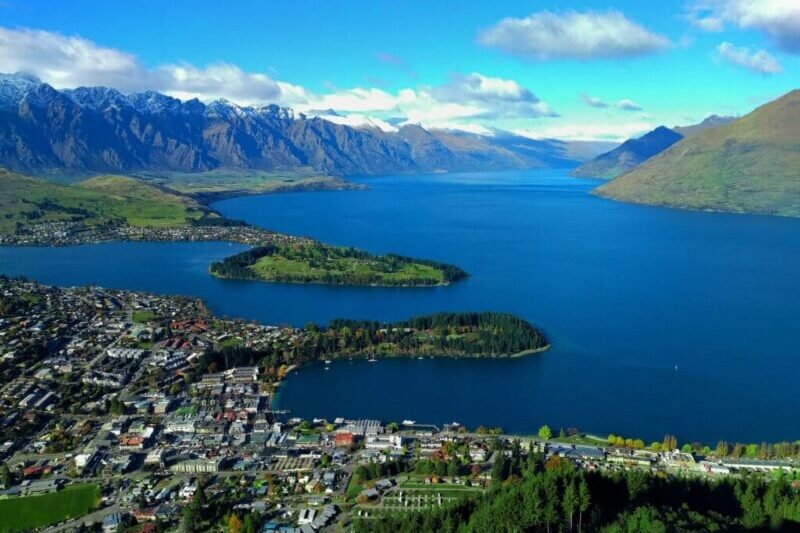
New Zealand captivates with its extraordinary diversity of pristine landscapes compressed into two main islands. This remote South Pacific nation offers cultural travelers breathtaking visual experiences—from Milford Sound’s towering fjords and the Southern Alps’ glacial peaks to Rotorua’s geothermal wonders and the Bay of Islands’ turquoise waters. Maori culture forms an integral part of New Zealand’s identity, experienced through traditional performances, intricate carvings, and sacred marae (meeting grounds). The country’s commitment to environmental preservation creates unparalleled outdoor adventures, while its innovative wine regions, particularly Marlborough and Central Otago, offer sensory experiences amid spectacular scenery. From the subtropical north to the alpine south, New Zealand’s landscapes served as Middle Earth in the Lord of the Rings films—a testament to their otherworldly beauty. Cities like Wellington and Auckland balance creative energy with waterfront charm, while small towns provide authentic encounters with the nation’s renowned hospitality. For cultural travelers seeking profound natural immersion alongside living indigenous traditions, New Zealand delivers transformative experiences in remarkably accessible wilderness settings.
The destination guide
New Zealand
Country in OceaniaUpdated
- Overall9/10
- Best forFamilies, Adventure seekers
- PeakDec–Mar
- CurrencyNZD
Two islands, one country — Milford Sound, Maori marae, Marlborough wine, and the Southern Alps, all within a few hours of each other.
Travel guides for New Zealand
More guides featuring New Zealand (16)
At a glance
- English
- Te Reo Māori (both official)
- Mountain ranges
- Fjords
- Glaciers
- Geothermal areas
- Coastal beaches
- Adventure
- Nature
- Culture
- Wine
- Trekking
- Film Locations
How New Zealand scores
Editorial scores on a 10-point scale, weighed against destinations of the same kind.
Travel safety snapshot
SafePlace indicators use their source 100-point scale; higher is more favourable. Planning context, not a live travel advisory — check official government guidance before you go.
When to go
Best months to visit: January, February, March, April, May, September, October, November and December.
- January: 14.6 to 18.5 degrees Celsius, 24.3 millimetres of rain, best-time score 5 out of 5.
- February: 15 to 18.2 degrees Celsius, 15.6 millimetres of rain, best-time score 5 out of 5.
- March: 14.4 to 18.3 degrees Celsius, 9 millimetres of rain, best-time score 5 out of 5.
- April: 12.5 to 16.3 degrees Celsius, 6.5 millimetres of rain, best-time score 4 out of 5.
- May: 12.3 to 14.8 degrees Celsius, 39.5 millimetres of rain, best-time score 4 out of 5.
- June: 10.2 to 13 degrees Celsius, 9.2 millimetres of rain, best-time score 3 out of 5.
- July: 9.1 to 11.9 degrees Celsius, 18.9 millimetres of rain, best-time score 3 out of 5.
- August: 8.8 to 11.8 degrees Celsius, 18.7 millimetres of rain, best-time score 3 out of 5.
- September: 9.9 to 13.1 degrees Celsius, 15.6 millimetres of rain, best-time score 4 out of 5.
- October: 10.1 to 13.3 degrees Celsius, 32.1 millimetres of rain, best-time score 4 out of 5.
- November: 12.6 to 16 degrees Celsius, 16.8 millimetres of rain, best-time score 4 out of 5.
- December: 14 to 17.3 degrees Celsius, 38.3 millimetres of rain, best-time score 5 out of 5.
Month-by-month conditions and packing advice
- January
- Warm and pleasant, mostly dry January in New Zealand: summer and early autumn support road trips, beaches, hiking, wine regions, cities, and long outdoor days. Crowds: January represents peak travel season in New Zealand, coinciding with both summer holidays and major local festivals. Warm, dry conditions make it prime time for hiking, road trips, and outdoor activities, but this also means popular destinations like Queenstown, Rotorua, and Abel Tasman National Park experience higher visitor numbers. Accommodation prices rise significantly, and advance bookings are essential for both tours and hotels. Beaches are lively but not overcrowded compared to European standards, while rural escapes still provide tranquil options. Travelers should expect vibrant atmospheres at cultural events such as Māori performances and summer food festivals. The long days support extended sightseeing but also increase competition for rental cars and scenic flights. For those seeking quieter experiences, consider early morning excursions or venturing into lesser-visited regions like the West Coast or the Catlins. Overall, January offers outstanding weather but demands forward planning to balance cost, comfort, and crowd management. Pack: Light breathable clothing for warm daytime conditions; Comfortable hiking shoes for trails and nature walks; Compact rain jacket for occasional summer showers; Sunhat and SPF 50+ sunscreen for strong UV exposure; Swimwear and quick-dry towel for beach and lake visits; Light sweater for cooler evenings or higher altitudes
- February
- Warm and pleasant, mostly dry February in New Zealand: summer and early autumn support road trips, beaches, hiking, wine regions, cities, and long outdoor days. Crowds: February falls during New Zealand’s high summer tourist season, when both international visitors and locals are on the move. Conditions are excellent for hiking, wine-tasting, and coastal exploration, though popular trails like the Tongariro Alpine Crossing or Milford Track may require advance bookings due to demand. Accommodation and car rental prices are typically at their yearly peak, and crowd levels are higher in national parks and major hubs like Queenstown, Rotorua, and Auckland. Still, the weather reliability makes this one of the most attractive times to visit. Travelers seeking quieter experiences can benefit from exploring less-visited regions such as Northland’s coastal areas or the Catlins in the deep south. Planning ahead is essential to secure the best rates and avoid disappointment. Pack: Lightweight breathable clothing for warm days; Sturdy hiking boots for trail exploration; Waterproof windbreaker for sudden showers; Broad-brimmed hat and polarized sunglasses; Reusable water bottle for long outdoor activities; Insect repellent for sandflies in certain regions
- March
- Warm and pleasant, mostly dry March in New Zealand: summer and early autumn support road trips, beaches, hiking, wine regions, cities, and long outdoor days. Crowds: March falls into New Zealand’s shoulder season, balancing excellent weather with fewer tourists than the peak summer. This means popular destinations like Queenstown, Rotorua, and the Bay of Islands feel less crowded, and accommodation prices begin to dip slightly from high-season rates. Outdoor activities—trekking, wine tours, and cultural festivals—are in full swing, supported by mild days and cool nights. The grape harvest season also offers visitors unique opportunities for vineyard tours and wine tastings. While the weather is cooperative, daylight hours gradually shorten, so planning activities earlier in the day is wise. For travelers, March combines high-quality experiences with more breathing room at attractions, making it an ideal time to visit without the summer rush. Pack: Lightweight sweaters for cool evenings; Comfortable hiking boots for trails; Water-resistant jacket for occasional showers; Sunglasses with UV protection; Casual yet modest clothing for cultural visits; Daypack for outdoor excursions and vineyard tours
- April
- Cool weather, mostly dry April in New Zealand: spring and autumn can be excellent with fewer crowds and changeable weather. Crowds: April is shoulder season in New Zealand, striking a balance between favorable weather and fewer tourists. With cooler conditions and mostly dry days, it is excellent for hiking, scenic drives, and cultural events such as autumn wine harvest festivals. Crowds are thinner than in summer, and prices for accommodation and activities are more moderate, making this a cost-effective time to visit. While beaches and water sports are less appealing due to cooler sea temperatures, this is the perfect period for exploring national parks, geothermal areas, and Māori cultural sites in comfort. Booking flexibility is higher compared to peak season, though popular routes like Queenstown and Rotorua may still see steady traffic. Travelers can expect quieter trails and a more intimate connection with New Zealand’s landscapes and traditions. Pack: Layered clothing including light sweaters and a warm jacket; Water-resistant walking shoes for hiking trails; Compact umbrella or light rain jacket for occasional showers; Reusable water bottle for hikes and scenic drives; Scarf and hat for cooler mornings and evenings; Smart-casual attire for vineyard visits and cultural events
- May
- Cool weather, some rain May in New Zealand: spring and autumn can be excellent with fewer crowds and changeable weather. Crowds: May represents shoulder season in New Zealand, offering quieter experiences and reduced crowd levels compared to summer. While cooler weather and shorter daylight hours limit high-altitude hiking or alpine activities, the conditions are excellent for wine touring, hot spring visits, and cultural exploration. Tourism pricing trends downward during this month, with accommodation and car rentals generally more affordable. Expect some rain, but showers are typically short and manageable. Outdoor pursuits like coastal walks or visiting glowworm caves are comfortable in these temperatures. Photography enthusiasts will find unique light conditions, especially with autumn foliage at its peak. Overall, May is a rewarding time to explore New Zealand without the intensity of high-season crowds, though travelers should plan for earlier sunsets when scheduling excursions. Pack: Water-resistant jacket for sudden showers; Layered clothing including sweaters for cool evenings; Comfortable waterproof walking shoes; Warm scarf or beanie for breezy coastal areas; Camera gear for autumn landscapes; Swimwear for hot springs and geothermal pools
- June
- Cool weather, mostly dry June in New Zealand: winter is rewarding for skiing but less balanced for a broad countrywide trip. Crowds: June brings the low season for most of New Zealand, except in ski towns where it transitions to the busy winter sports period. Travelers can expect smaller crowds at cultural attractions, museums, and wineries, along with more affordable hotel rates in non-ski regions. Outdoor activities like hiking are still possible at lower elevations, but higher trails may be snowbound or muddy. Ski resorts begin attracting international visitors, so advance booking is necessary in alpine areas. Shorter daylight hours mean planning activities earlier in the day is essential, but evenings are perfect for sampling local cuisine and enjoying indoor cultural events. Budget-conscious travelers benefit most from June outside the ski hubs, while snow enthusiasts find ideal conditions in mountain towns. Pack: Insulated jacket for chilly mornings and evenings; Water-resistant walking shoes or boots; Warm hat and gloves for alpine or outdoor excursions; Layered clothing including thermals for flexibility; Compact umbrella or light rain jacket; Smart-casual attire for wineries and cultural venues
- July
- Cool weather, mostly dry July in New Zealand: winter is rewarding for skiing but less balanced for a broad countrywide trip. Crowds: July represents mid-winter in New Zealand, making it a prime season for snow sports and alpine tourism in Queenstown, Wanaka, and Mount Ruapehu. Ski resorts are in full swing, drawing both domestic and international travelers, which can lead to higher accommodation prices in these regions. Outside of ski areas, crowd levels drop significantly, offering a more relaxed experience at cultural sites, geothermal attractions, and coastal trails. Road conditions may require caution in alpine passes, though most major tourist routes remain accessible. This is a shoulder opportunity for cultural and wellness travel, as fewer crowds mean easier access to local festivals and indoor attractions. Travelers planning to ski or snowboard should book gear and passes early, while those exploring beyond the mountains will find more availability and competitive pricing in cities and smaller towns. Pack: Insulated waterproof jacket for cold and damp days; Warm base layers for layering in alpine conditions; Sturdy waterproof boots for hiking and city use; Wool hat and gloves for chilly mornings and evenings; Swimwear for hot springs and geothermal pools; Smart casual wear suitable for indoor dining and cultural venues
- August
- Cool weather, mostly dry August in New Zealand: winter is rewarding for skiing but less balanced for a broad countrywide trip. Crowds: August is shoulder season in New Zealand, with winter sports still active in alpine resorts and fewer tourists outside the mountains. Ski towns like Queenstown and Wanaka remain lively, while major cities such as Auckland or Wellington are noticeably calmer with reduced tourist traffic. Prices for flights and accommodations outside ski hubs tend to be more favorable, offering good value for travelers who enjoy cultural attractions, road trips, or hiking in cool weather. Daylight hours are shorter but lengthening, which shapes itineraries around earlier sunsets. Outdoor adventure is possible, but some high-altitude tracks may be closed due to snow. Travelers benefit from smaller crowds and atmospheric winter scenery, though those seeking warmer weather should plan visits for later spring. Booking early for ski resorts is essential, while urban stays often allow more flexibility at this time of year. Pack: Insulated jacket for cold mornings and evenings; Water-resistant hiking boots for alpine and coastal walks; Thermal base layers for skiing or outdoor exploration; Wool hat and gloves for mountain regions; Umbrella or compact rain jacket for occasional showers; Smart casual attire for dining and cultural events
- September
- Cool weather, mostly dry September in New Zealand: spring and autumn can be excellent with fewer crowds and changeable weather. Crowds: September is shoulder season in New Zealand, offering a quieter alternative to the busy summer months. The cool but manageable temperatures make it a good time for outdoor activities like hiking, cycling, and exploring cultural sites without heavy tourist traffic. Ski resorts in the South Island may still be open early in the month, while spring blossoms draw interest in gardens and city parks. Prices for accommodation and tours are generally lower compared to the upcoming peak season, and availability is easier to secure. The weather can be unpredictable, with occasional chilly winds or sudden showers, so flexibility in planning is helpful. For travelers seeking a balance of cultural events, scenic landscapes, and fewer crowds, September provides an excellent compromise before the full rush of summer tourism. Pack: Layered clothing for variable spring temperatures; Waterproof jacket for occasional showers; Comfortable walking shoes for city and nature walks; Warm sweater or fleece for cool evenings; Light scarf and hat for brisk winds; Camera gear to capture spring blossoms and landscapes
- October
- Cool weather, some rain October in New Zealand: spring and autumn can be excellent with fewer crowds and changeable weather. Crowds: Travelers visiting New Zealand in October encounter the shoulder season, positioned between the quiet winter months and the busy summer peak. The cool yet stable spring weather makes it ideal for hiking, wine-tasting, and garden visits, with landscapes coming alive under blooming flora. Tourist crowds remain moderate, meaning popular destinations like Queenstown, Rotorua, and Milford Sound are easier to enjoy without heavy congestion. Prices for accommodations and flights are generally more affordable than in summer, offering good value for longer stays. Rain showers are occasional and brief, rarely disrupting activities, though flexible planning is recommended for outdoor adventures. October’s mild climate provides excellent conditions for exploring both islands, balancing access to snow-fed rivers and alpine vistas with opportunities for spring festivals and local events. Pack: Water-resistant jacket for occasional spring showers; Comfortable layered clothing for fluctuating temperatures; Sturdy walking shoes suitable for both city and nature trails; Warm sweater or fleece for cooler mornings and evenings; Compact umbrella for sudden rain showers; Camera gear to capture spring landscapes and blossoms
- November
- Cool weather, mostly dry November in New Zealand: spring and autumn can be excellent with fewer crowds and changeable weather. Crowds: November sits in the shoulder season for New Zealand, offering a sweet spot before the summer rush. Travelers benefit from fewer crowds at iconic sites such as Milford Sound, Hobbiton, and Abel Tasman National Park, while accommodation prices remain moderate compared to the peak of December and January. The cool but stable weather makes it excellent for outdoor exploration, especially hiking, wine touring, and coastal drives. Rainfall is minimal, reducing the likelihood of trip disruptions. However, temperatures can feel brisk, especially in the South Island and higher elevations, so visitors should be prepared for layering. This period is highly recommended for those seeking quieter landscapes, spring blossoms, and authentic cultural events without the premium costs or heavy crowds of high summer. Advance booking is advisable for popular lodges and holiday parks, though last-minute options remain more accessible than later in the season. Pack: Layered clothing including a fleece or light jacket; Comfortable hiking shoes suitable for varied terrain; Water-resistant windbreaker for coastal breezes; Daypack for hikes and vineyard visits; Sunglasses and sunscreen for strong UV exposure; Smart-casual attire for wineries and urban dining
- December
- Warm and pleasant, some rain December in New Zealand: summer and early autumn support road trips, beaches, hiking, wine regions, cities, and long outdoor days. Crowds: December signals the start of peak tourist season in New Zealand, driven by the southern summer and local school holidays. Conditions are near-perfect for outdoor activities such as hiking, cycling, vineyard tours, and exploring Māori cultural sites. Crowds begin to increase, especially in iconic destinations like Queenstown, Rotorua, and the Bay of Islands, leading to higher accommodation prices and limited availability if booked late. The long daylight hours maximize exploration opportunities, though afternoon showers can occasionally pause activities. Travelers seeking quieter landscapes should consider less-visited regions such as the Coromandel Peninsula or Southland. With warm, mild weather and lush scenery, December offers excellent opportunities for both adventure and cultural immersion, provided visitors plan ahead for accommodation and transport. Pack: Light rain jacket for occasional showers; Breathable layers for mild daytime weather; Comfortable hiking shoes for outdoor activities; Sunhat and high-SPF sunscreen for long daylight hours; Light sweater or fleece for cooler evenings; Insect repellent for forested and coastal areas
- December
- January
- February
- March
- June
- July
Know before you go
About
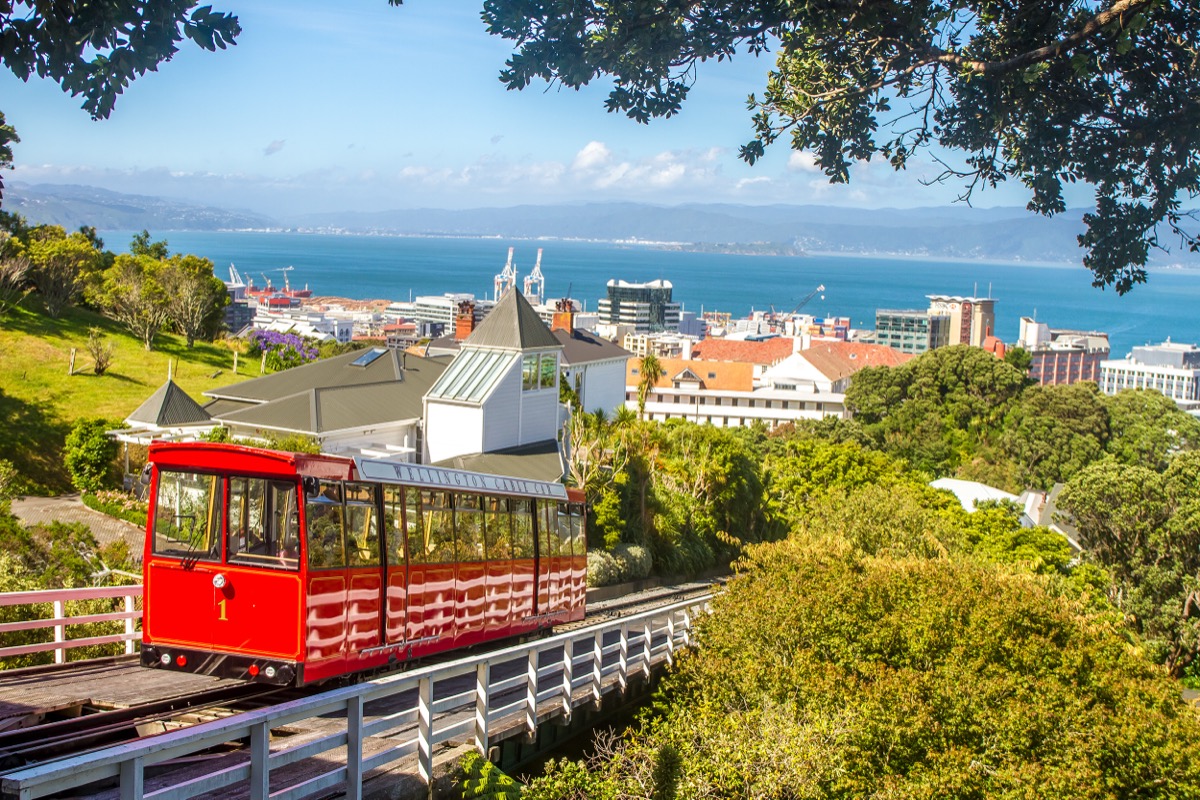
New Zealand, an island country in the South Pacific, is celebrated for its spectacular and varied landscapes, Maori heritage, and adventure travel across its two main islands. The capital is Wellington, a compact, cosmopolitan harbor city known for its food scene and arts, while Auckland is the largest city. The South Island dazzles with Fiordland National Park, home to Milford Sound and its towering Mitre Peak, alongside the adventure capital of Queenstown and the Southern Alps. The North Island offers geothermal Rotorua, a center of Maori culture where visitors experience living villages and natural hot springs, plus the Tongariro volcanic landscapes and the Hobbiton movie set near Matamata. Maori people and culture, woven through place names, art, and tradition, give the country a distinct identity, with the haka and the language te reo widely recognized. Travelers come for hiking the Great Walks, glaciers, fjords, vineyards, and a national passion for outdoor pursuits like bungy jumping and jet boating, making New Zealand a bucket-list destination for nature and adventure lovers.
Best time to visit
December to March (summer) for warm weather and outdoor activities; June to August for skiing
Season by season
Summer (December–February): 70–85°F, longest days, best for hiking, beaches, and water activities
Autumn (March–May): 55–70°F, golden foliage, grape harvest, fewer crowds
Winter (June–August): 40–55°F, snow in the mountains, ski season in Queenstown and Wanaka
Spring (September–November): 50–65°F, lambing season, wildflowers, waterfalls at peak flow
Crowds
High in Queenstown, Milford Sound, and Rotorua during peak summer; moderate in shoulder seasons; low on Great Walks (limited permits)
Getting there and around
Getting there
Auckland (AKL) is the main international gateway with flights from Australia, Asia, North America, and the Middle East. Air New Zealand, Qantas, Singapore Airlines, and Emirates serve major routes. Christchurch (CHC) and Queenstown (ZQN) handle some international flights. Most nationalities receive visa-free entry for 90 days via NZeTA (electronic travel authority).
Getting around
Domestic flights (Air New Zealand, Jetstar) connect Auckland, Wellington, Christchurch, Queenstown, and regional airports. The Interislander ferry crosses Cook Strait between the North and South Islands (3.5 hr). Self-drive is the best way to explore — roads are excellent but often winding. Campervans are hugely popular. InterCity and Naked Bus run intercity coaches. Great Journeys scenic trains (TranzAlpine, Northern Explorer, Coastal Pacific) are spectacular.
Top experiences in New Zealand
Milford Sound
Milford Sound (Piopiotahi) is a fjord in Fiordland National Park carved by glaciers over millennia. Sheer granite cliffs rise 1,200 m from dark waters, with Mitre Peak as the centrepiece. Waterfalls cascade directly into the fjord (Stirling Falls, Bowen Falls), and rainforest clings to near-vertical walls. Boat cruises (2 hr) pass fur seal colonies, dolphins, and Fiordland crested penguins. The Milford Track (53.5 km, 4 days) is one of the world’s great walks. 4.5 hr drive from Queenstown via one of the world’s most scenic roads.
Tongariro Alpine Crossing
A 19.4 km one-way alpine crossing through the volcanic heart of the North Island, passing steaming vents, the Red Crater summit (1,886 m), and the vivid Emerald Lakes. The track traverses Tongariro National Park (a dual UNESCO World Heritage Site for nature and Māori cultural significance). Mount Ngauruhoe (Mount Doom in The Lord of the Rings) dominates the skyline. Allow 6–8 hours. Shuttle transfers available. Best November–April.
Queenstown
The ‘Adventure Capital of the World’ perches on Lake Wakatipu beneath The Remarkables mountain range. Bungy jumping (Kawarau Bridge, 43 m), skydiving, jet boating (Shotover River), paragliding, luging, and skiing (Coronet Peak, The Remarkables) are the draw. The TSS Earnslaw steamship cruises the lake. Nearby Arrowtown preserves gold-rush heritage. Fergburger is a Queenstown institution. Central Otago’s pinot noir vineyards are an easy day trip.
Rotorua
The North Island’s geothermal heartland, Rotorua sits on the Pacific Ring of Fire. Bubbling mud pools (Wai-O-Tapu’s Champagne Pool), erupting geysers (Pohutu at Te Puia), and steaming vents create an otherworldly landscape. Rotorua is also the centre of Māori cultural tourism — Te Puia and Tamaki Māori Village offer hāngi feasts, haka performances, and cultural workshops. Mountain biking in the Redwoods (Whakarewarewa Forest) and Polynesian Spa hot pools add variety.
Abel Tasman National Park
Golden-sand beaches, turquoise bays, and native bush line this coastal park at the top of the South Island. The Abel Tasman Coast Track (60 km, 3–5 days) is New Zealand’s most popular Great Walk. Water taxis allow day-trippers to hop between beaches. Kayaking through the Split Apple Rock formation and swimming in secluded coves are highlights. Fur seals, penguins, and dolphins frequent the coastline. Accessible from Nelson (1 hr). Year-round destination.
Editor-curated picks carried over from our original guide. Where a full place guide exists, the card links to it.
Worth booking ahead in New Zealand
Hand-picked from the operators our guides already send readers to. Prices and availability are live on the partner site.
BrowseViator
Tours and tickets in New Zealand on Viator (opens Viator in a new tab)
Viator's full list of bookable tours and tickets in New Zealand.
BrowseGetYourGuide
Experiences in New Zealand on GetYourGuide (opens GetYourGuide in a new tab)
Everything GetYourGuide sells in New Zealand, with the cancellation terms on each listing.
Where to stayBooking.com
Stays in New Zealand (opens Booking.com in a new tab)
Live rates and availability for New Zealand on Booking.com; filter by neighbourhood once you know where your days start.
We earn a commission if you book through these links, at no extra cost to you. It is how we keep the guides free and independent.
Where to stay
Eichardt's Private Hotel, Queenstown
1 Queens Drive, Queenstown 9300, New Zealand
Eichardt’s Private Hotel occupies Queenstown’s most exclusive waterfront position on the shore of Lake Wakatipu with Remarkables mountain views. Originally an 1871 goldfield hotel, the five-suite boutique property delivers understated luxury. The Grille restaurant specialises in local lamb and Central Otago pinot noir. The House Bar is Queenstown’s most refined drinking spot. Rates NZD 1,200–4,000+ per night.
Castaways, Raglan
2 Manu Bay, Raglan, Waikato, New Zealand
Castaways overlooks the surf breaks at Manu Bay on New Zealand’s West Coast. This sculptural retreat blends into the hillside with timber, stone, and glass. Two luxury rooms share a hot tub on the deck watching sunsets over the Tasman Sea. The creative vibe suits couples seeking isolation and surf. Raglan’s cafés and black-sand beaches are minutes away. Rates NZD 500–1,000+ per night.
Blanket Bay, Glenorchy
Glenorchy-Paradise Road, Glenorchy, Otago, New Zealand
Blanket Bay is a luxury lodge on the shores of Lake Wakatipu near Glenorchy, surrounded by peaks and beech forest. Stone fireplaces, sheepskin throws, and floor-to-ceiling lake views define the rooms. Activities include jet boating, heli-hiking, fly-fishing, and horse trekking. The lodge sits on the road to the Routeburn Track. New Zealand cuisine with Central Otago wines. Rates NZD 1,500–5,000+ per night.
Editor-curated stays carried over from our original guide. Where we have reviewed the hotel, the card links to the review.
Tips from the field
Highlights
- Milford Sound — Glacier-carved fjord with 1,200 m granite cliffs and cascading waterfalls
- Tongariro Alpine Crossing — Volcanic day hike past craters, emerald lakes, and Mount Doom
- Queenstown — Adventure capital with bungy, skydiving, and jet boating on Lake Wakatipu
- Rotorua — Geothermal wonderland of bubbling mud and Māori cultural experiences
- Abel Tasman — Golden-beach coastal track at the top of the South Island
- Franz Josef & Fox Glaciers — Ice tongues descending through temperate rainforest
- Aoraki/Mt Cook — New Zealand's highest peak (3,724 m) in an international dark sky reserve
- Waitomo Caves — Underground glow-worm grottos on the North Island
- Hobbiton — The Shire film set preserved in rolling Waikato farmland
- Central Otago — World-class pinot noir vineyards amid gold-rush landscapes
Best activities
- Cruise through Milford Sound's towering granite cliffs
- Hike the Tongariro Alpine Crossing past volcanic craters and emerald lakes
- Bungy jump from the Kawarau Bridge in Queenstown
- Soak in Rotorua's geothermal hot pools
- Kayak the golden beaches of Abel Tasman National Park
- Do a Māori cultural experience with hāngi and haka
- Trek the Routeburn Track through alpine passes
- Stargazing in the Aoraki Mackenzie International Dark Sky Reserve
- Wine-taste Central Otago pinot noir near Queenstown
- Watch glow-worms in the Waitomo Caves
Local experiences
- Hike a Great Walk (Milford, Routeburn, or Kepler), attend a Māori hāngi and haka at Te Puia, taste Central Otago pinot noir at a cellar door, soak in the Polynesian Spa in Rotorua, visit Hobbiton near Matamata, stargaze at Aoraki Mackenzie, do a Queenstown bungy, and eat fish and chips on a Wellington wharf.
Practical tips
- Book Great Walk hut passes months ahead via the DOC website (doc.govt.nz) — they sell out, especially Milford Track.
- Sun is extremely strong — UV levels in NZ are 40% higher than equivalent latitudes in the Northern Hemisphere. Wear SPF50+.
- Self-drive: left-hand traffic, give way to the right at roundabouts, keep headlights on.
- Tap water is safe to drink everywhere.
- Weather changes rapidly — carry layers and rain gear even on sunny days.
Photography tips
- Milford Sound: shoot from the cruise bow with a wide-angle lens when mist lifts at mid-morning. Tongariro: the Emerald Lakes photograph best from the Red Crater descent with vivid volcanic colours. Queenstown: golden hour from Bob's Peak gondola captures the Remarkables. Aoraki/Mt Cook: star photography from the Dark Sky Reserve is world-class on clear winter nights.
Timing
- Plan 3–4 days in Auckland and Rotorua, 2 days for the Tongariro Crossing, 2 days in Wellington, 3–4 days in Queenstown, 1–2 days for Milford Sound, 2–3 days for Abel Tasman. A North + South Island trip takes 14–21 days.
Keeping it authentic
- Māori culture is not a historical relic but a living identity woven into New Zealand's national character. The haka (performed at major events from rugby matches to state occasions), te reo Māori (the Māori language, increasingly visible on signage and in media), and the concept of kaitiakitanga (guardianship of land and sea) shape how New Zealanders relate to their environment. Farm stays, vineyard visits, and tramping hut culture offer genuine Kiwi experiences.
Culture, customs and safety
Cultural heritage
New Zealand’s cultural identity rests on Māori heritage (Polynesian settlers arriving ~1280 AD) and British colonial influence. Māori culture is a living tradition — te reo Māori (the Māori language) is an official language, the haka is performed at national events, and Treaty of Waitangi principles shape governance. New Zealand has 3 UNESCO World Heritage Sites: Tongariro National Park, Te Wahipounamu (Southwest New Zealand), and the Sub-Antarctic Islands. The Lord of the Rings filming locations have become global cultural landmarks.
Local customs & etiquette
Greet Māori hosts with ‘Kia ora’ (hello). The hongi (touching noses and foreheads) is a traditional Māori greeting — accept if offered. Remove shoes when entering homes. Kiwis are informal, friendly, and direct. Tipping is not expected but appreciated for exceptional service. Respect the environment — ‘Leave No Trace’ is a national ethos. Queuing is strictly observed.
Safety notes
US State Department rates New Zealand Level 1 (exercise normal precautions). New Zealand is one of the world’s safest travel destinations. Violent crime is rare. Car break-ins occur at trailheads and tourist parking spots — don’t leave valuables visible. Natural hazards are the main risk: earthquakes, volcanic activity, unpredictable mountain weather, and strong UV radiation. Carry a personal locator beacon (PLB) on remote hikes. Emergency number: 111.