Waitomo Glowworm Caves are worth visiting for travelers who want a short, guided cave experience with a boat ride beneath thousands of blue-green glowworms. The classic tour is the best fit for most first-time visitors. Choose Ruakuri Cave for a longer walk, closer views of glowworms, selected photography areas, and wheelchair or pushchair access. Choose Aranui Cave for limestone formations rather than glowworms, or a black-water rafting tour for a physically demanding underground adventure.
The caves are in the Waikato region of New Zealand’s North Island, about 2.5 hours by road from Auckland and roughly one hour from Hamilton. Pre-booking is essential, and most tours require check-in 30 minutes before departure. For broader trip planning, see our New Zealand travel guide.
Prices, schedules, and access details were last verified on July 15, 2026. Operators can change fares, departure times, promotions, and safety requirements, so confirm the latest terms before travel.

Waitomo Glowworm Caves at a glance
| Planning detail | Current information |
|---|---|
| Location | 39 Waitomo Village Road, Waitomo Caves, Waikato, New Zealand |
| Classic cave tour | 45 minutes, including a guided walk and boat ride through the Glowworm Grotto |
| Standard classic-tour price | From NZD$81 adult, NZD$37 child, or NZD$207 for a family of two adults and two children |
| Standard visitor-center hours | Daily, 9:00 a.m. to 5:00 p.m.; tour departures vary |
| Arrival time | Check in 30 minutes before the booked departure |
| Booking | Advance booking is essential |
| Accessibility | The classic cave has stairs and no wheelchair access; Ruakuri Cave is the accessible alternative |
| Photography | Rules vary by cave and tour; Aranui permits photography, while Ruakuri permits it only in selected areas |
Key takeaways
- Best first visit: The 45-minute Waitomo Glowworm Cave tour delivers the signature walk-and-boat experience without requiring a full day.
- Best for accessibility: Ruakuri Cave has a spiral entrance, graded walkways, and wheelchair and pushchair access within stated size limits.
- Best for cave formations and photos: Aranui Cave allows photography but has no glowworms because it lacks the water conditions they need.
- Best for adventure: Black Labyrinth combines tubing and underground waterfalls; Black Abyss adds abseiling, a zip line, and more demanding climbs.
- Common planning mistake: Arriving at the main visitor center for every tour. Ruakuri, Aranui, and black-water rafting use different departure points, and some require your own transport.
Contents
- Is Waitomo Glowworm Cave worth visiting?
- Compare Waitomo cave tours
- What the classic tour is like
- What Waitomo glowworms are
- History and Māori cultural context
- How the caves formed
- Black-water rafting tours
- Practical planning advice
- Frequently asked questions
Is Waitomo Glowworm Cave worth visiting?
Yes, especially if this is your first chance to see New Zealand glowworms in a large cave system. The classic tour is compact, easy to fit into a North Island road trip, and ends with the attraction’s defining experience: a quiet boat ride through the dark Glowworm Grotto.
The tradeoff is that the classic tour is structured and relatively short. Travelers who want more time underground, more geology, or a tour that permits some photography may get better value from Ruakuri Cave. Visitors focused on elaborate stalactites and stalagmites should consider Aranui Cave, while active travelers may prefer black-water rafting.
Waitomo is less suitable for travelers who dislike confined or dark spaces, cannot manage stairs on the classic route, or want an unguided experience. Public access to the main caves is through scheduled guided tours.
Which Waitomo cave tour should you choose?
| Experience | Best for | Duration | Standard price from | Important notes |
|---|---|---|---|---|
| Waitomo Glowworm Cave | First-time visitors and the signature boat ride | 45 minutes | NZD$81 adult | Stairs; no wheelchair access; check in 30 minutes early |
| Ruakuri Cave | Accessibility, geology, closer glowworm viewing, selected photography | 2 hours | NZD$116 adult | Walk of more than 1 km; wheelchairs and pushchairs limited to 65 cm wide; own transport required |
| Aranui Cave | Stalactites, stalagmites, and photography | 1 hour | NZD$81 adult | No glowworms; stairs; check in at the main Glowworm Cave site, then drive to Ruakuri Reserve |
| Black Labyrinth | Introductory black-water rafting | 3 hours | NZD$193 adult; NZD$149 youth aged 12–15 | Minimum weight 45 kg; moderate fitness; cold water, tubing, and small waterfall jumps |
| Black Abyss | Full adventure with abseiling and a zip line | 5 hours | NZD$322 adult | Minimum weight 45 kg; good fitness; tubing and underground waterfall climbs |
Choose the classic Glowworm Cave for the shortest signature experience
The classic tour is the clearest choice for a first visit, a tight itinerary, or a traveler mainly interested in the boat ride beneath the glowworms. It is also the least expensive option that includes the Glowworm Grotto boat segment.
Choose Ruakuri Cave for accessibility and a deeper cave tour
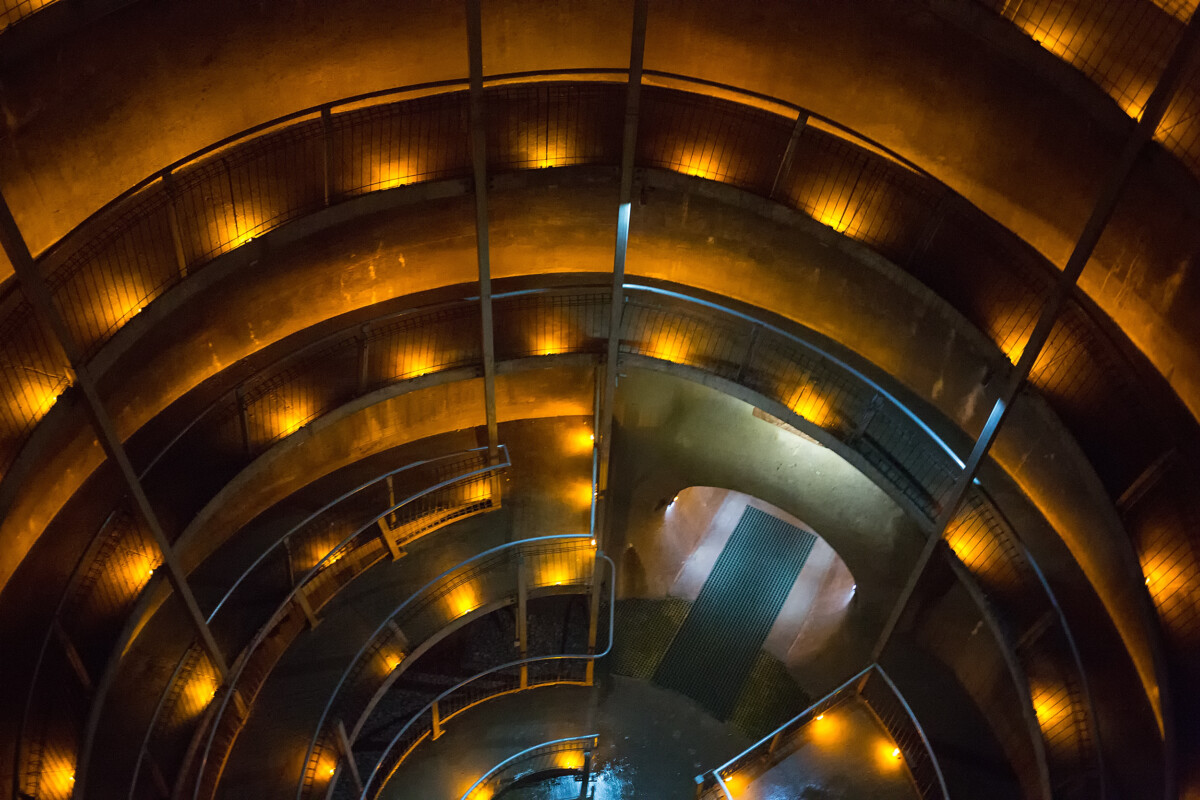
Ruakuri replaces the boat ride with a longer walking route through a larger cave environment. Its engineered spiral entrance and graded walkways make it the practical choice for many wheelchair users, pushchairs, and travelers who prefer to avoid the classic cave’s stairs. Call ahead if you use a mobility device because width and height limits apply.
Choose Aranui Cave for formations, not glowworms
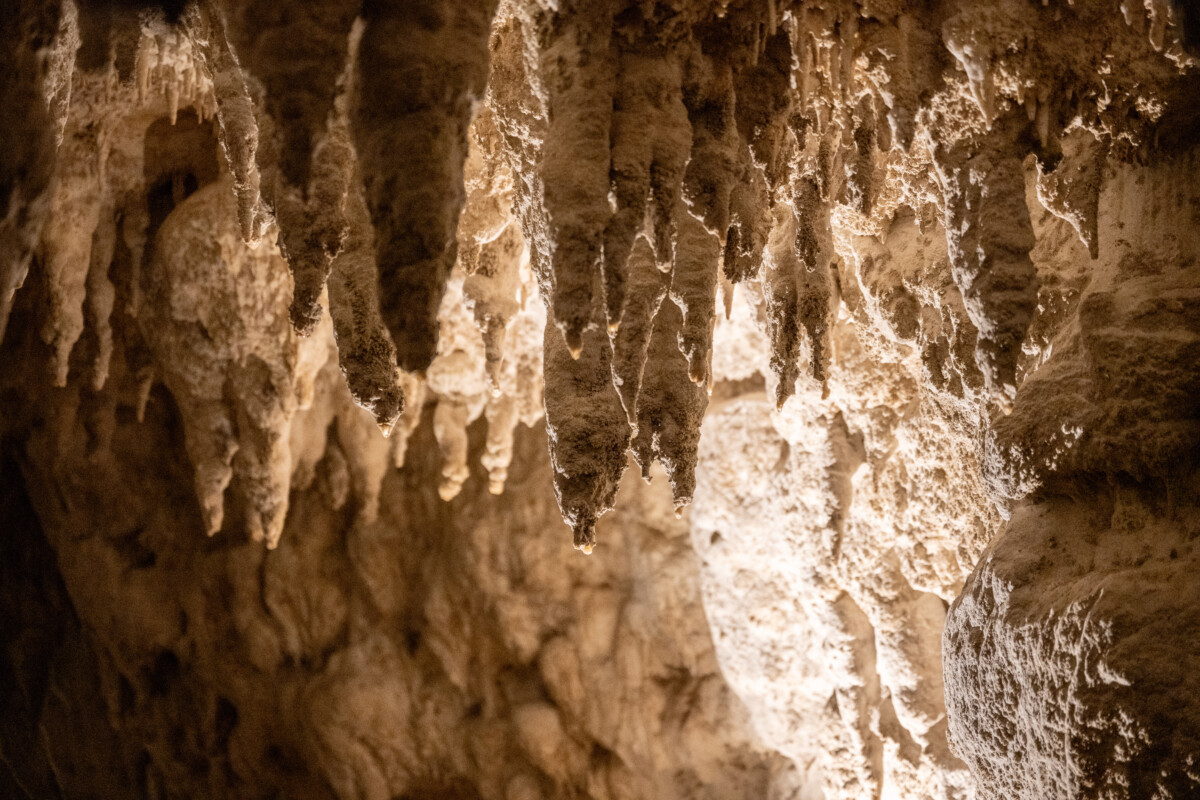
Aranui is a dry cave, so it does not support glowworms. Its value lies in pale brown, pink, and white limestone formations, a smaller-group feel, and a more permissive photography policy. Do not book it as your only Waitomo cave if seeing glowworms is the main goal.
Affiliate disclosure: ViaTravelers may earn a commission if you book through the links below, at no extra cost to you. Prices and availability can change. The comparison above is based on suitability and verified tour details, not commission rates.
What the classic Waitomo Glowworm Cave tour is like
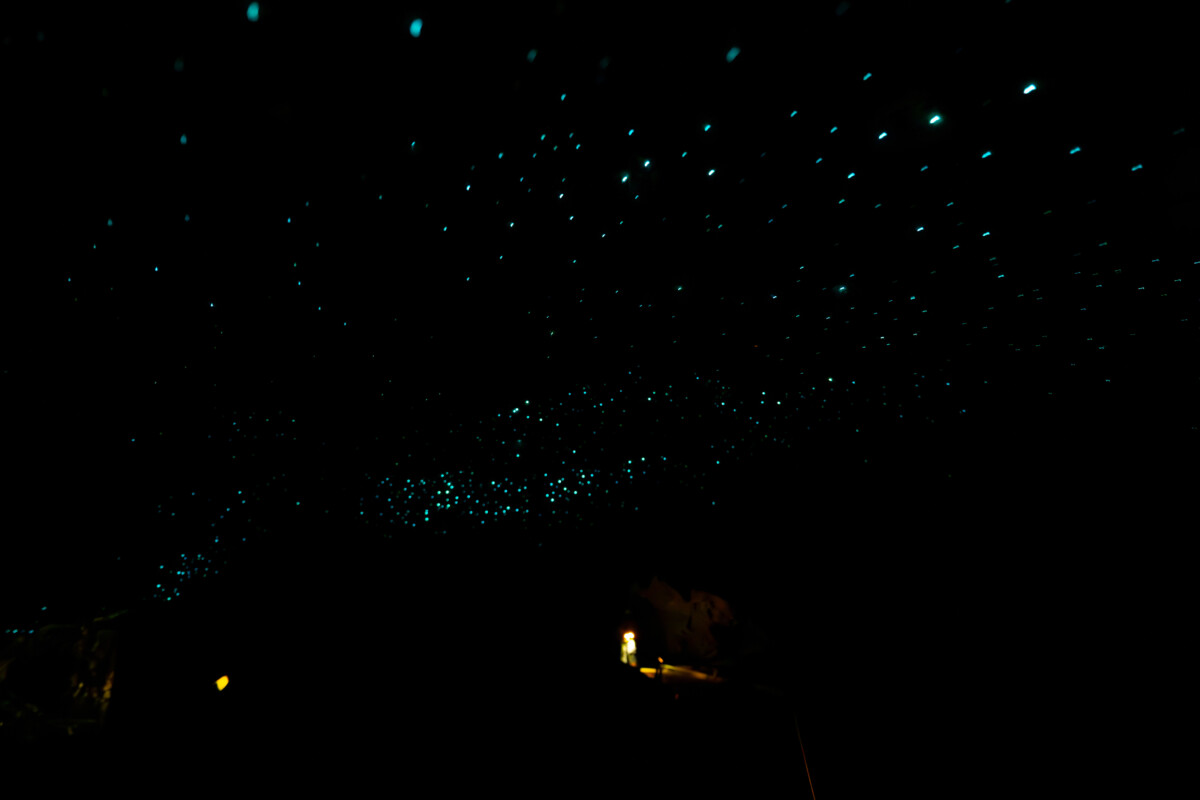
The 45-minute tour begins with a guided walk through limestone passages and chambers. The Cathedral is the largest chamber on the standard route and is known for its height and acoustics. Guides explain the cave’s geology, glowworm biology, and cultural history before the group reaches the underground jetty.
The final boat ride passes through the Glowworm Grotto. The boat moves quietly through the dark while the glowworm larvae emit blue-green light from the ceiling. The silence is part of the tour protocol and preserves the experience for the group, so follow the guide’s instructions about talking, phones, and photography.
The tour is not physically intense, but it includes stairs and surfaces that can be wet or slippery. Wear stable shoes and bring a light jacket. Travelers who cannot use stairs should book Ruakuri Cave instead.
Waitomo caves photo gallery

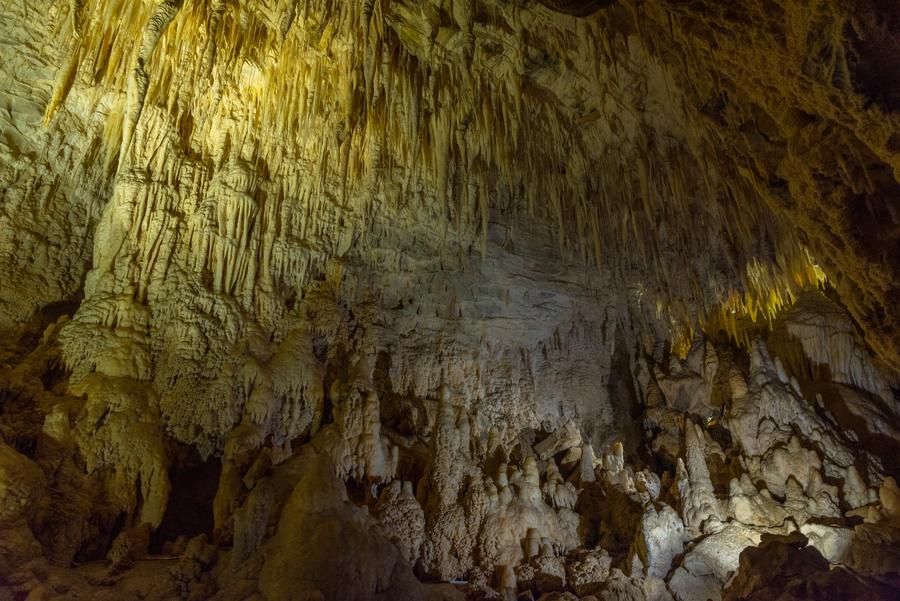


What are Waitomo glowworms?
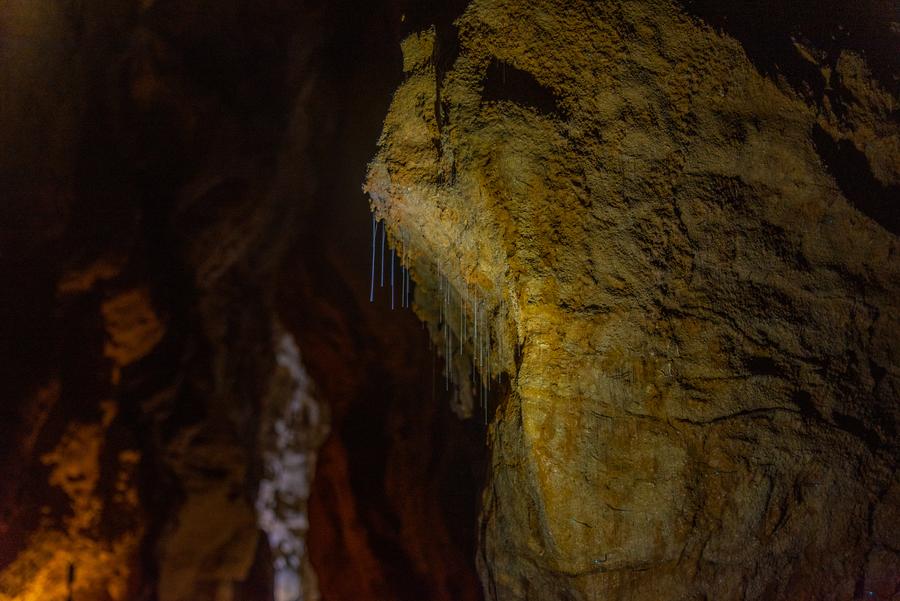
The New Zealand glowworm, Arachnocampa luminosa, is not a worm. It is the larval stage of a fungus gnat found only in New Zealand. Scientific research describes its light as blue-green bioluminescence produced by a luciferase-luciferin chemical system that evolved separately from the better-known firefly system.
The larvae use their light to attract small flying insects. They suspend sticky silk lines from damp cave ceilings; prey drawn toward the light becomes trapped, allowing the larva to pull the line upward. Darkness, humidity, airflow, and nearby water all influence how suitable a cave is for a large colony.
This explains why the Glowworm Grotto and parts of Ruakuri support dense displays, while dry Aranui Cave has no glowworms. For a technical explanation of the bioluminescent chemistry, see the open-access Scientific Reports study of Arachnocampa luminosa.
History and Māori cultural context
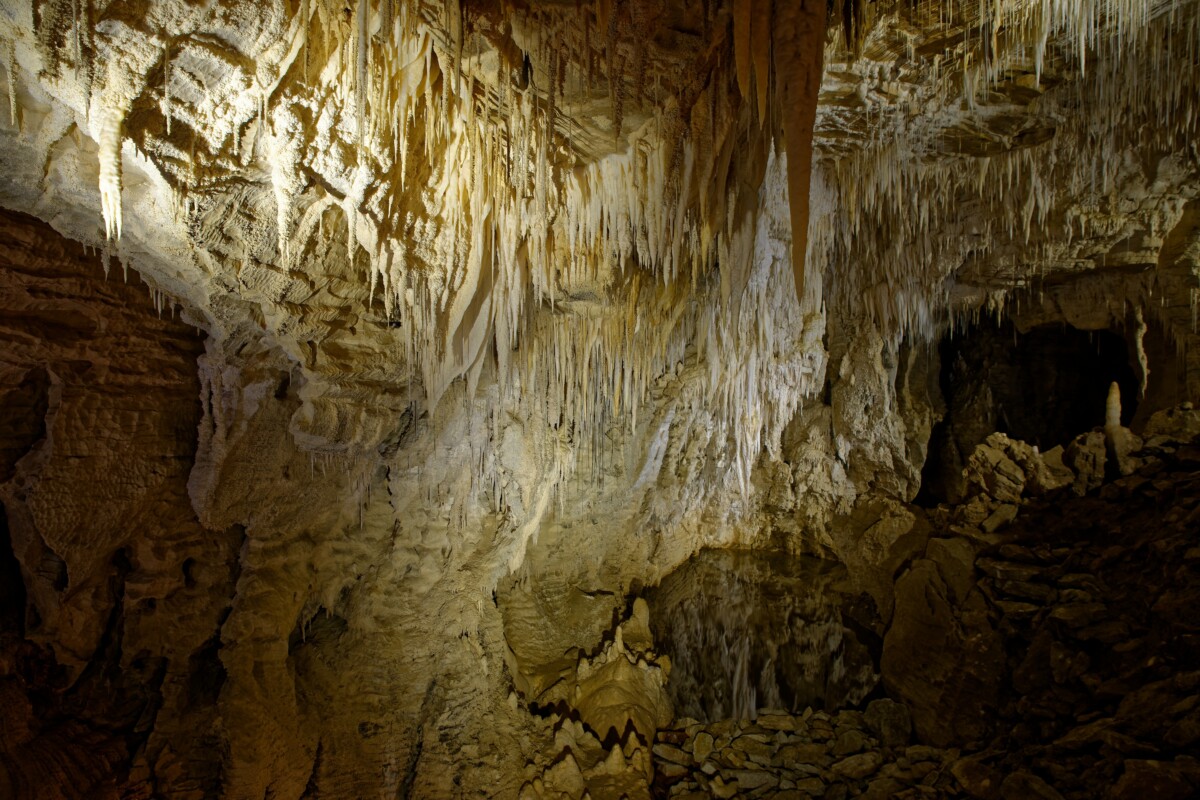
Local Māori knew of the caves before the first extensive documented exploration. In 1887, local Māori chief Tāne Tinorau and English surveyor Fred Mace entered by the underground stream on a raft made from flax stems, using candles for light. By 1889, Tāne Tinorau and his wife Huti were guiding paying visitors through the cave.
The New Zealand government took over administration in 1906. In 1989, the land and cave were returned to descendants of the original owners. Many people working at the caves today descend from Tāne Tinorau and Huti. This corrects a common date error: the important railway and early tourism period was in the late 1880s, not 1987.
The caves are taonga, or treasures, to Ruapuha Uekaha Hapū. The operator describes its role not only as a commercial tour provider but also as kaitiaki, a guardian responsible for the caves and surrounding landscape. That context is central to understanding Waitomo as a living cultural place rather than only a visual attraction. Read the operator’s history of Waitomo Glowworm Cave for the primary account used here.
How the Waitomo caves formed
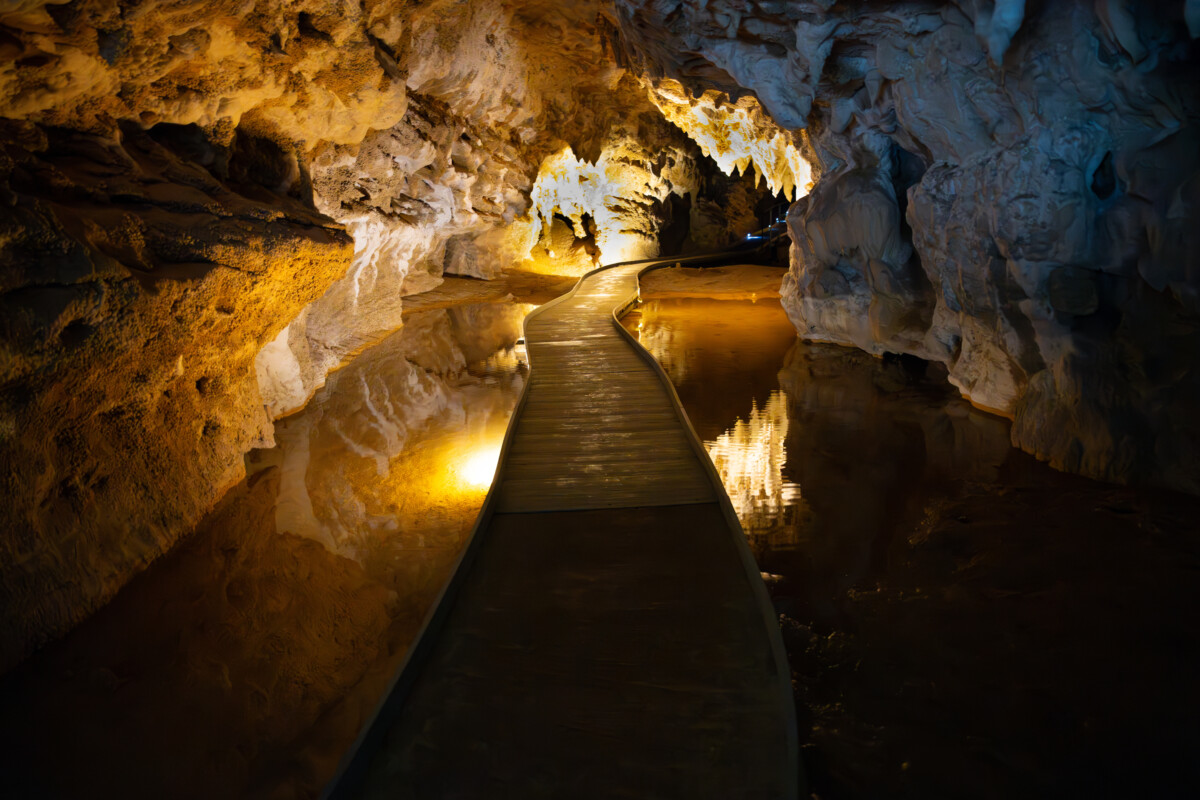
About 30 million years ago, the Waitomo region lay beneath the sea. Layers of marine material accumulated and compressed into limestone. Later uplift exposed the rock, while water entered cracks and gradually dissolved the limestone into passages, shafts, chambers, and underground streams.
The name Waitomo combines the Māori words wai, meaning water, and tomo, meaning an entrance or hole. The name describes the relationship between water and the openings in this karst landscape.
Stalactites, stalagmites, and columns
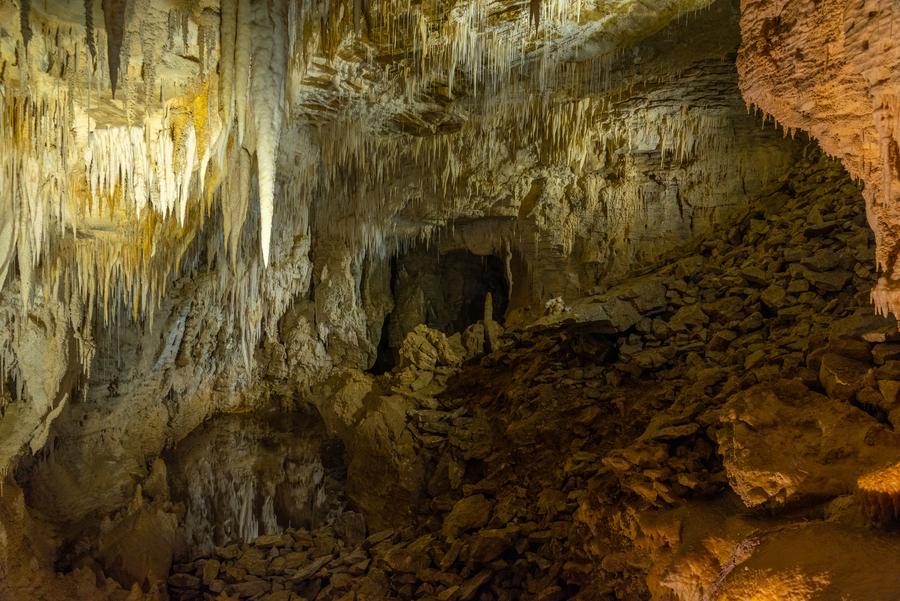
When mineral-rich water drips from a cave ceiling, it can leave a small deposit of calcite. Repeated deposits grow downward as a stalactite. Water falling to the floor can build a stalagmite upward. When the two meet, they form a column. These structures grow slowly and can be stained or damaged by touch, which is why visitors must remain on the path and keep their hands off the formations.
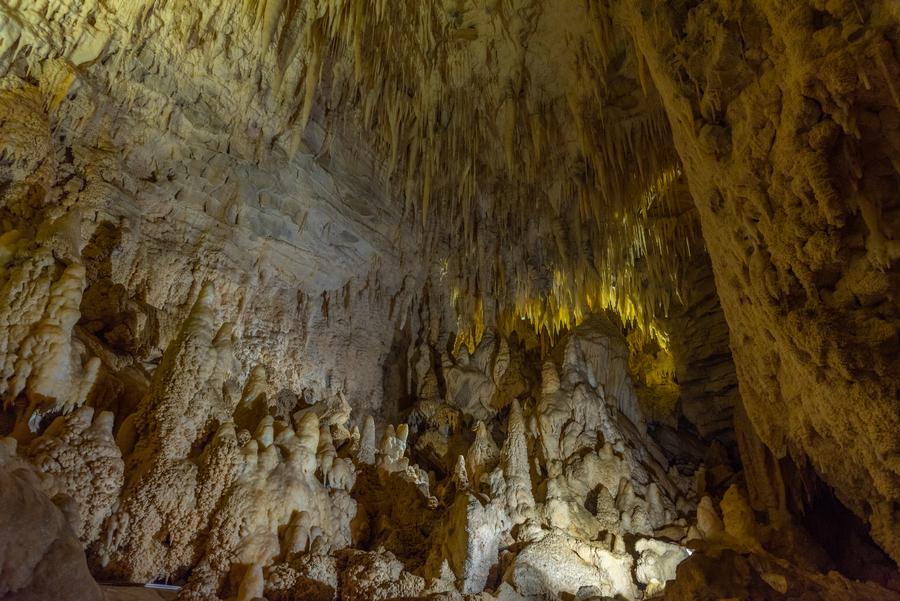
Conservation and responsible cave visits
A show cave is a managed natural environment, not a static display. Visitor numbers, lighting, airflow, humidity, carbon dioxide, water levels, and physical contact can affect both the limestone and glowworm habitat. Heavy rain can also raise water levels or make roads and walkways unsafe, leading to a changed departure or cancellation.
Discover Waitomo states that its conservation work includes fencing and planting in the catchment, pest-control partnerships with New Zealand’s Department of Conservation, reducing single-use plastics and waste, and visitor education. The clearest way visitors can help is simple:
- Stay on designated walkways and remain with the group.
- Do not touch cave formations, glowworm threads, or wildlife.
- Follow the guide’s rules for light, noise, phones, and photography.
- Report discomfort, mobility concerns, or safety issues before entering.
- Check weather and road conditions before driving into the district.
Black-water rafting and adventure tours
“Black-water rafting” at Waitomo usually means moving through an underground river in an inner tube rather than paddling a raft. The environment is dark, wet, cold, uneven, and physically more demanding than a standard walking tour. No prior caving experience is required for the main commercial products, but fitness, water confidence, and health requirements still apply.
Black Labyrinth
Black Labyrinth is the more approachable of the two principal adventure tours. It lasts about three hours and combines cave walking, tubing, glowworm viewing, and small waterfall jumps. The standard minimum weight is 45 kilograms, and the operator calls for a moderate level of fitness.
Black Abyss
Black Abyss lasts about five hours and adds a controlled abseil, a cave zip line, tubing, and underground waterfall climbs. It requires a good level of fitness and has the same 45-kilogram minimum weight. It is the better choice only for travelers comfortable with heights, water, darkness, tight passages, and sustained physical effort.
Both tours provide technical equipment such as helmets, lights, wetsuits, and boots. Bring swimwear, a towel, toiletries if wanted, and a full change of warm clothing. Basic swimming ability and water confidence are recommended. Travelers with heart, respiratory, back, neck, knee, ankle, or other relevant health conditions should review the official black-water rafting safety guidance and consult a clinician when appropriate before booking.
How to plan your Waitomo visit
Book ahead and arrive early
The main Glowworm Cave visitor center normally operates from 9:00 a.m. to 5:00 p.m., with several departures each day. A ticket is tied to a specific departure, and the operator states that late arrivals can forfeit their tickets. Plan to be at the correct check-in point at least 30 minutes early.
Do not rely on walk-up availability during weekends, school holidays, or the New Zealand summer. Combo tickets can make sense when you genuinely want two caves, but compare the schedule and transport requirements before buying. A cheaper bundle is not good value if it creates a rushed day or includes a cave that does not match your interests.
Getting to Waitomo
Waitomo is about 2.5 hours by car from Auckland, roughly one hour from Hamilton, and around two hours from Rotorua, depending on route, weather, and traffic. Self-driving is the simplest option for combining caves because Ruakuri and Aranui require transport beyond the main Glowworm Cave visitor center. Use live navigation rather than relying only on a printed journey time.
For a smoother road trip, download offline maps, keep fuel above a quarter tank, and save your booking confirmations before leaving reliable mobile coverage. Our broader travel planning tips cover document backups, packing, and navigation preparation.
What to wear and bring
- Closed shoes with reliable grip
- A warm layer; cave interiors stay cool and damp
- A compact camera or phone only where photography is allowed
- A contactless payment method, because the main visitor sites are cashless
- Swimwear, towel, toiletries, and dry clothes for black-water rafting
Photography rules
Photography rules are tour-specific. Aranui allows photos and video. Ruakuri permits photography in selected areas but prohibits tripods and extension sticks on regular tours. Do not assume photography is permitted during the classic cave or boat ride; confirm the current rule and follow the guide. Flash, bright screens, and stopping a group for a photo can affect both safety and the experience of other visitors.
Accessibility and mobility
The classic Waitomo Glowworm Cave is not wheelchair accessible and requires reasonable mobility on stairs and potentially slippery surfaces. Ruakuri Cave is the accessible alternative, but it is still a cave walk of more than one kilometer. Wheelchairs and pushchairs must be no more than 65 centimeters wide and 130 centimeters high, and visitors briefly pass beneath a low ceiling. Review the Ruakuri Cave access and risk guidance, then contact the operator before booking to discuss mobility, respiratory or heart conditions, or claustrophobia.
Weather and the best time to visit
The caves operate year-round, so the best date usually depends more on your wider New Zealand itinerary than on outdoor temperature. The underground environment stays cool and damp in every season. Summer and holiday periods can sell out earlier, while quieter months may offer more choice of departure times.
Rain does not automatically cancel a cave tour, but heavy rain can raise water levels and affect roads or walkways. Check the operator’s live status and local road conditions on the day of travel rather than assuming an underground attraction is weather-proof.
Visiting with children
The classic tour is the simplest choice for many families because it is short and includes the boat ride. Prepare younger children for darkness, quiet periods, and stairs. Ruakuri works better for pushchairs that meet the size limit, although the two-hour duration is longer. Aranui is a poor substitute when a child expects glowworms because the cave has none. Adventure tours have separate age, weight, fitness, and water-confidence rules that should be checked for every child or teenager.
A practical one-day Waitomo itinerary
- Morning: Arrive 30 minutes before a pre-booked classic Glowworm Cave tour. Starting early gives you more flexibility if traffic or weather slows the drive.
- Late morning: Use the visitor center, have a meal or snack, and allow enough transfer time for the next departure point.
- Midday or early afternoon: Add Ruakuri for a longer, more accessible geology-focused experience, or Aranui for formations and photography. Most visitors do not need all three caves in one day.
- Afternoon: Walk part of Ruakuri Bush Walk or drive to another nearby nature stop if weather and daylight allow.
- Alternative adventure day: Treat Black Labyrinth or Black Abyss as the main event. Do not stack a five-hour adventure tour with multiple cave tours unless the departure schedule leaves generous recovery and transfer time.
Nearby places worth adding
Waitomo is more useful as a full-day stop when you combine a cave tour with one nearby outdoor attraction. The operator’s Waitomo nature guide highlights several options:
- Ruakuri Bush Walk: A convenient short walk near the cave area with forest and limestone scenery.
- Mangapohue Natural Bridge: A short walk to a 17-metre-high limestone arch.
- Marokopa Falls: A waterfall stop that pairs well with the drive toward Mangapohue Natural Bridge.
- Otorohanga Kiwi House: A practical wildlife stop for travelers continuing north or south through the district.
Frequently asked questions
Is Waitomo Glowworm Cave worth visiting?
Yes. It is a strong choice for a first New Zealand glowworm experience because the 45-minute tour combines limestone chambers with a quiet boat ride through the Glowworm Grotto. Travelers wanting more time underground or better accessibility may prefer Ruakuri Cave.
How long is the Waitomo Glowworm Cave tour?
The classic tour lasts about 45 minutes. Allow at least 75 to 90 minutes on site because check-in is required 30 minutes before departure.
How much do Waitomo cave tours cost?
As of July 15, 2026, the classic Glowworm Cave and Aranui Cave each start at NZD$81 per adult, Ruakuri starts at NZD$116, Black Labyrinth starts at NZD$193, and Black Abyss starts at NZD$322. Prices, promotions, and family rates can change.
Do you need to book Waitomo Glowworm Caves in advance?
Yes. The operator describes pre-booking as essential. Book a timed departure and arrive at the correct check-in point 30 minutes early.
Can you take photos inside the Waitomo caves?
It depends on the tour. Aranui allows photography and video. Ruakuri permits photography in selected areas but restricts tripods and extension sticks. Confirm the current rule for the classic cave and boat ride, then follow the guide.
Is Waitomo Glowworm Cave wheelchair accessible?
No. The classic cave has stairs and is not wheelchair accessible. Ruakuri Cave is the accessible alternative, subject to mobility-device size limits and other cave conditions.
Can you visit Waitomo caves when it rains?
Many tours run in ordinary rain, but heavy rain can raise water levels or affect roads and walkways. Tours may be changed, rescheduled, or cancelled for safety, so check the live operating status before driving.
Which Waitomo cave is best for children?
The classic Glowworm Cave is usually the easiest first choice because it lasts 45 minutes and includes the boat ride. Ruakuri is better for a qualifying pushchair, while Aranui has formations but no glowworms. Check current child, age, weight, and safety rules before booking adventure tours.
Does Aranui Cave have glowworms?
No. Aranui is a dry cave without the water conditions glowworms need. Visit it for stalactites, stalagmites, color, and photography rather than a glowworm display.
How far is Waitomo from Auckland?
Allow about 2.5 hours by car in normal conditions. Traffic, roadworks, and weather can change the journey time, so check live navigation and leave a buffer before your timed tour.
Final verdict
Book the classic Waitomo Glowworm Cave tour if you want the signature boat ride and have less than two hours on site. Book Ruakuri if accessibility, geology, or selected photography matters more than the boat. Choose Aranui only when cave formations are the priority, and reserve black-water rafting for travelers who meet the physical requirements and want the adventure to anchor the day.
The most reliable plan is to choose one primary cave experience, arrive early, and leave enough time for a nearby walk or scenic stop. That creates a better day than trying to collect every tour on a tight schedule.