

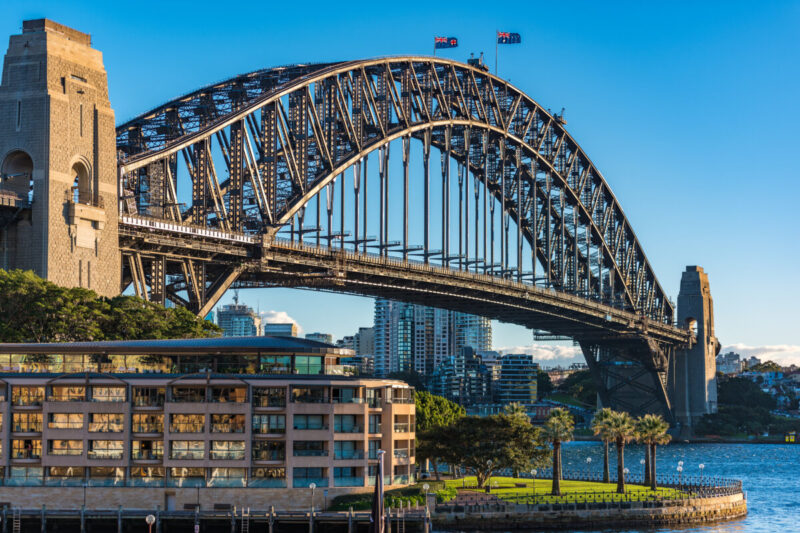
Sydney anchors Australia’s eastern coast with its iconic harbor embraced by two architectural masterpieces—the Opera House with its soaring white sail-like shells and the Harbor Bridge, whose steel arch frames the city skyline. Beyond these world-famous landmarks, Australia’s largest metropolis spreads across a complex topography of peninsulas, bays, and river estuaries, creating a city defined by its relationship with water. The historic district of The Rocks preserves sandstone buildings dating to the earliest European settlement in 1788, while the city’s coastal identity materializes through its thirty-plus beaches—from world-famous Bondi with its crescent of golden sand to the local atmosphere of Bronte and Coogee along the spectacular coastal walking path. Sydney’s diverse population, drawn from waves of immigration from Europe, Asia, and beyond, has created multicultural hubs in neighborhoods like Chinatown and Cabramatta, where authentic culinary experiences reflect the city’s global connections. The Royal Botanic Garden showcases both native Australian species and the colonial history of plant collection, while cultural institutions like the Art Gallery of New South Wales connect European traditions with Indigenous Australian perspectives. Despite its reputation for beach culture and outdoor living, Sydney maintains a sophisticated urban identity through districts like Surry Hills with its terrace houses converted to boutiques and restaurants, and Barangaroo, where contemporary architecture and Aboriginal heritage coexist along reclaimed harbor frontage. The annual Sydney Festival and Vivid light festival transform the city into a large-scale cultural venue, while the Sydney Gay and Lesbian Mardi Gras celebrates the city’s LGBTQ+ community and progressive outlook. Throughout its sprawling geographic spread from the Blue Mountains to the Pacific Ocean, Sydney balances its natural advantages of climate and setting with urban energy and cultural ambition.
The destination guide
Sydney

City in OceaniaUpdated
- Overall6/10
- Best forCouples, Adventure seekers, Luxury travelers
- PeakDec–Mar
- CurrencyAUD
Sydney puts the Opera House, Harbour Bridge, and Bondi Beach within a city that also has hidden bays, bushwalking trails, and a multicultural food scene shaped by the Pacific Rim.
Travel guides for Sydney
More guides featuring Sydney (9)
At a glance
- English
- Urban metropolis
- Harbor and Opera House
- Coastal beaches
- Blue Mountains nearby
How Sydney scores
Character
Editorial scores on a 10-point scale, weighed against destinations of the same kind.
Travel safety snapshot
SafePlace indicators use their source 100-point scale; higher is more favourable. Planning context, not a live travel advisory — check official government guidance before you go.
When to go
Best months to visit: February, March, April, May, September, October, November and December.
- January: 19.9 to 25.9 degrees Celsius, 47.1 millimetres of rain, best-time score 3 out of 5.
- February: 19.7 to 25.3 degrees Celsius, 21.7 millimetres of rain, best-time score 4 out of 5.
- March: 19.3 to 24.7 degrees Celsius, 25.6 millimetres of rain, best-time score 5 out of 5.
- April: 16.4 to 23.3 degrees Celsius, 1 millimetres of rain, best-time score 5 out of 5.
- May: 13.2 to 19.8 degrees Celsius, 3.3 millimetres of rain, best-time score 5 out of 5.
- June: 11.5 to 17.9 degrees Celsius, 15.7 millimetres of rain, best-time score 3 out of 5.
- July: 10 to 16.3 degrees Celsius, 1.1 millimetres of rain, best-time score 3 out of 5.
- August: 10.9 to 19.2 degrees Celsius, 6.7 millimetres of rain, best-time score 3 out of 5.
- September: 13 to 20.6 degrees Celsius, 7.1 millimetres of rain, best-time score 5 out of 5.
- October: 14.6 to 21.4 degrees Celsius, 48.6 millimetres of rain, best-time score 5 out of 5.
- November: 16.4 to 22.6 degrees Celsius, 33.7 millimetres of rain, best-time score 5 out of 5.
- December: 18.4 to 24.3 degrees Celsius, 14.1 millimetres of rain, best-time score 4 out of 5.
Month-by-month conditions and packing advice
- January
- Warm and pleasant, some rain January in Sydney: peak summer crowds or cooler winter weather make the balance weaker. Crowds: January marks Sydney's peak tourist season, with excellent weather conditions for a variety of outdoor activities such as beach visits, harbor cruises, and city tours. The city experiences moderate humidity levels, which are generally comfortable, though they can feel slightly muggy during midday. Hotel rates and crowd levels are typically high during this period, making it advisable to book accommodations and popular attractions in advance. Despite the warm temperatures, UV levels remain high, so visitors should apply sunscreen and wear protective clothing. Pack: Lightweight layers for temperature variation; Comfortable walking shoes for city exploration; Broad-brimmed hat and SPF 50+ sunscreen; Light cardigan for air-conditioned spaces; Modest clothing for cultural sites and mosques; Breathable cotton/linen fabrics
- February
- Warm and pleasant, mostly dry February in Sydney: summer-edge conditions are lively and beach-friendly with more demand. Crowds: February marks the peak tourist season in Sydney, with excellent weather conditions for a variety of activities such as beach outings, harbor cruises, and exploring the city's cultural landmarks. Hotel rates and crowd levels are at their highest, making it a popular time for travelers. Despite the warm temperatures, UV levels remain high, so visitors should apply sunscreen and wear protective clothing. Pack: Lightweight layers for temperature variation; Comfortable walking shoes for city exploration; Broad-brimmed hat and SPF 50+ sunscreen; Light cardigan for air-conditioned spaces; Modest clothing for cultural sites and mosques; Breathable cotton/linen fabrics
- March
- Warm and pleasant, some rain March in Sydney: harbor walks, beaches, ferries, neighborhoods, dining, and day trips align with mild spring or fall weather. Crowds: March marks the beginning of Sydney's peak tourist season, with excellent weather conditions for a variety of outdoor activities such as beach visits, harbor cruises, and cultural festivals. The city's attractions are bustling with visitors, leading to higher hotel rates and crowded public spaces. Despite the warm temperatures, UV levels remain high, so visitors should apply sunscreen and wear protective clothing. Pack: Lightweight layers for temperature variation; Comfortable walking shoes for city exploration; Broad-brimmed hat and SPF 50+ sunscreen; Light cardigan for air-conditioned spaces; Modest clothing for cultural sites and mosques; Breathable cotton/linen fabrics
- April
- Warm and pleasant, mostly dry April in Sydney: harbor walks, beaches, ferries, neighborhoods, dining, and day trips align with mild spring or fall weather. Crowds: April is peak tourist season in Sydney, with excellent weather conditions for a variety of activities including beach outings, harbor cruises, and exploring the city's cultural attractions. The tourist season sees higher hotel rates and increased crowd levels, but the pleasant weather and vibrant events make it a popular time to visit. Visitors should be prepared for higher UV levels due to the sunny conditions. Pack: Lightweight layers for temperature variation; Comfortable walking shoes for city exploration; Broad-brimmed hat and SPF 50+ sunscreen; Light cardigan for air-conditioned spaces; Modest clothing for cultural sites and mosques; Breathable cotton/linen fabrics
- May
- Warm and pleasant, mostly dry May in Sydney: harbor walks, beaches, ferries, neighborhoods, dining, and day trips align with mild spring or fall weather. Crowds: May marks the peak tourist season in Sydney, with excellent weather conditions for a variety of activities including beach outings, harbor cruises, and exploring the city's cultural landmarks. Hotel rates and crowd levels are at their highest, with high UV levels due to the sunny weather. Visitors are encouraged to stay hydrated and apply sunscreen regularly. Pack: Lightweight layers for temperature variation; Comfortable walking shoes for city exploration; Broad-brimmed hat and SPF 50+ sunscreen; Light cardigan for air-conditioned spaces; Modest clothing for cultural sites and mosques; Breathable cotton/linen fabrics
- June
- Cool weather, mostly dry June in Sydney: peak summer crowds or cooler winter weather make the balance weaker. Crowds: June marks Sydney's peak tourist season with excellent conditions for outdoor activities including beach visits, harbor cruises, and cultural festivals. Hotel rates and crowd levels are highest during this period. Despite cooler temperatures, UV levels remain high, so visitors should apply sunscreen and wear protective clothing. The city's cultural events, such as the Sydney Festival, coincide with this time, offering unique opportunities to experience local arts and traditions. Pack: Lightweight layers for temperature variation; Comfortable walking shoes for city exploration; Broad-brimmed hat and SPF 50+ sunscreen; Light cardigan for air-conditioned spaces; Modest clothing for cultural sites and mosques; Breathable cotton/linen fabrics
- July
- Cool weather, mostly dry July in Sydney: peak summer crowds or cooler winter weather make the balance weaker. Crowds: Peak tourist season with excellent conditions for all outdoor activities including harbor cruises, beach visits, cultural site exploration, and city walking tours. Hotel rates and crowd levels are highest during this period. UV levels remain high despite cooler temperatures. Pack: Lightweight layers for temperature variation; Comfortable walking shoes for city exploration; Broad-brimmed hat and SPF 50+ sunscreen; Light cardigan for air-conditioned spaces; Modest clothing for cultural sites and mosques; Breathable cotton/linen fabrics
- August
- Warm and pleasant, mostly dry August in Sydney: peak summer crowds or cooler winter weather make the balance weaker. Crowds: January marks Sydney's peak tourist season, with excellent weather conditions for a variety of activities such as beach visits, harbor cruises, and exploring cultural sites. Hotel rates and crowd levels are at their highest, with high UV levels due to the sunny weather. Visitors are encouraged to stay hydrated and apply sunscreen regularly. Pack: Lightweight layers for temperature variation; Comfortable walking shoes for city exploration; Broad-brimmed hat and SPF 50+ sunscreen; Light cardigan for air-conditioned spaces; Modest clothing for cultural sites and mosques; Breathable cotton/linen fabrics
- September
- Warm and pleasant, mostly dry September in Sydney: harbor walks, beaches, ferries, neighborhoods, dining, and day trips align with mild spring or fall weather. Crowds: January marks Sydney's peak tourist season, with excellent weather conditions for a variety of activities including beach outings, harbor cruises, and cultural tours. Hotel prices and crowd levels are at their highest, so early bookings are recommended. Despite the warm temperatures, UV levels remain high, necessitating the use of sunscreen and protective clothing. Pack: Lightweight layers for temperature variation; Comfortable walking shoes for city exploration; Broad-brimmed hat and SPF 50+ sunscreen; Light cardigan for air-conditioned spaces; Modest clothing for cultural sites and mosques; Breathable cotton/linen fabrics
- October
- Warm and pleasant, some rain October in Sydney: harbor walks, beaches, ferries, neighborhoods, dining, and day trips align with mild spring or fall weather. Crowds: January marks Sydney's peak tourist season, with excellent weather conditions for outdoor activities such as harbor cruises, beach visits, and cultural festivals. The city's iconic landmarks are accessible and enjoyable, though tourist crowds can be dense, especially in popular areas. Accommodation rates and dining prices tend to rise during this period, reflecting the high demand. Despite cooler temperatures, UV levels remain high, necessitating the use of sunscreen and protective clothing. Visitors are encouraged to plan their activities around the city's vibrant events and festivals, which often coincide with the peak tourist season. Pack: Lightweight layers for temperature variation; Comfortable walking shoes for city exploration; Broad-brimmed hat and SPF 50+ sunscreen; Light cardigan for air-conditioned spaces; Modest clothing for cultural sites and mosques; Breathable cotton/linen fabrics
- November
- Warm and pleasant, some rain November in Sydney: harbor walks, beaches, ferries, neighborhoods, dining, and day trips align with mild spring or fall weather. Crowds: January in Sydney marks the peak tourist season, with excellent weather conditions for a variety of activities. Visitors can enjoy beach activities, hiking in the Blue Mountains, and exploring the city's cultural landmarks. Hotel prices and crowd levels are at their highest, making early bookings advisable. Despite the occasional rain, the overall weather remains conducive to outdoor enjoyment, with temperatures comfortably warm. Pack: Lightweight layers for temperature variation; Waterproof jacket for rain protection; Comfortable walking shoes for city exploration; Sunscreen and sunglasses for sunny days; Light cardigan for air-conditioned spaces; Breathable cotton/linen fabrics
- December
- Warm and pleasant, mostly dry December in Sydney: summer-edge conditions are lively and beach-friendly with more demand. Crowds: January marks peak tourist season in Sydney, with excellent weather conditions for a variety of outdoor activities including beach visits, harbor cruises, and cultural tours. Hotel rates and crowd levels are at their highest, with accommodation prices reflecting the popularity of the season. Despite the warm temperatures, UV levels remain high, necessitating the use of sunscreen and protective clothing. Visitors are encouraged to plan activities during the cooler morning and early afternoon hours. Pack: Lightweight layers for temperature variation; Comfortable walking shoes for city exploration; Broad-brimmed hat and SPF 50+ sunscreen; Light cardigan for air-conditioned spaces; Modest clothing for cultural sites and mosques; Breathable cotton/linen fabrics
- December
- January
- February
- March
- May
- June
- July
- August
- September
Know before you go
Best time to visit
The best time to visit Sydney is during the spring (September to November) and autumn (March to May) when the weather is mild and enjoyable. Summer can be hot and crowded at the beaches, while winter is cooler but still offers plenty of activities and events.
Crowds
Sydney peaks December–February (Australian summer, Christmas–New Year) and during major events (NYE fireworks, Mardi Gras in Feb–Mar); quietest in June–August (winter) though tourism continues; overall central Harbour and Bondi areas can be very crowded in summer and at event times.
Getting there and around
Getting there
Sydney Kingsford Smith Airport (SYD) is 13km south of the CBD, connected by the Airport Link train (13 minutes to Central Station, A$18.70) or ride-share ($40-50).
Getting around
Sydney offers a comprehensive public transport system including trains, buses, ferries, and light rail. The Opal card is used for seamless travel across all modes of transport. Cycling and walking are also popular, especially around the city center and coastal areas.
Top experiences in Sydney
Bondi to Coogee Coastal Walk
Six-kilometer clifftop trail connecting Sydney’s most iconic beaches with ocean pools, Aboriginal rock carvings, and Bronte’s art-deco pavilion.
Taronga Zoo
Harbour-front zoo reached by ferry from Circular Quay — giraffes with the Opera House and Harbour Bridge as backdrop.
Editor-curated picks carried over from our original guide. Where a full place guide exists, the card links to it.

Worth booking ahead in Sydney
Hand-picked from the operators our guides already send readers to. Prices and availability are live on the partner site.
BrowseViator
Tours and tickets in Sydney on Viator (opens Viator in a new tab)
Viator's full list of bookable tours and tickets in Sydney.
BrowseGetYourGuide
Experiences in Sydney on GetYourGuide (opens GetYourGuide in a new tab)
Everything GetYourGuide sells in Sydney, with the cancellation terms on each listing.
Where to stayBooking.com
Stays in Sydney (opens Booking.com in a new tab)
Live rates and availability for Sydney on Booking.com; filter by neighbourhood once you know where your days start.
We earn a commission if you book through these links, at no extra cost to you. It is how we keep the guides free and independent.
Where to stay
Park Hyatt Sydney
1 Martin Place, Sydney, NSW 2000, Australia
Waterfront luxury hotel in The Rocks with rooms facing the Opera House — the most famous hotel view in the Southern Hemisphere.
QT Sydney
Design hotel in a Gothic Revival building on Market Street with a speakeasy bar (Gowings), theatrical interiors, and a central CBD location.
Ovolo Woolloomooloo
Wharf-side boutique hotel in a converted naval finger wharf with harbor views, a rooftop pool, and free minibar.
Editor-curated stays carried over from our original guide. Where we have reviewed the hotel, the card links to the review.
Tips from the field
Practical tips
- Currency: Australian Dollar (AUD). Cards/tap accepted everywhere.
- Getting There: Sydney Airport (SYD) connects via Airport Link train ( AUD, 13 minutes to Central).
- Transportation: Opal card for trains, ferries, buses, and light rail. Ferries are both practical and scenic (Circular Quay to Manly, .65). Walking excellent in the CBD and inner suburbs.
- Dining: Seafood at Sydney Fish Market. Multicultural dining: Thai (Newtown), Vietnamese (Marrickville), Lebanese (Bankstown). Café culture is strong — flat whites (-5). Restaurant meals -55 AUD.
- Free Attractions: Bondi to Coogee coastal walk, Royal Botanic Gardens, The Rocks walking, Barangaroo Reserve, Opera House exterior, harbour foreshore walks.
- Tipping: Not expected but 10% appreciated
- Electricity: 230V/50Hz, Type I plugs
Culture, customs and safety
Cultural heritage
Sydney represents a vibrant fusion of Aboriginal Gadigal heritage with colonial British architecture and contemporary multicultural influences. The Sydney Opera House stands as an architectural masterpiece and UNESCO World Heritage site symbolizing modern Australia. Aboriginal rock engravings throughout Sydney Harbour date back over 5,000 years, telling Dreamtime stories. Georgian and Victorian terrace houses in Paddington showcase 19th-century urban planning. The Royal Botanic Gardens preserve indigenous plant knowledge while Circular Quay maintains its role as a cultural meeting place.
Local customs & etiquette
Sydney-siders are known for their laid-back attitude and friendliness. When visiting, consider the following: Be polite and approachable when interacting with locals Respect the natural environment and wildlife Tip service staff, although not mandatory, is appreciated Participate in local events and embrace the outdoor lifestyle Understanding the local culture and appreciation for nature can enhance your experience.
Safety notes
Sydney is very safe for tourists, with a relaxed and welcoming atmosphere.
General Safety:
• Tourist areas (Circular Quay, Rocks, Bondi, Surry Hills, Darling Harbour) are safe
• Standard awareness in Kings Cross late at night
Beach Safety:
• Always swim between the red-and-yellow flags at patrolled beaches
• Rip currents are common and dangerous — if caught, swim parallel to shore
• Bluebottle jellyfish are seasonal
Sun:
• Australian UV is extreme — slip, slop, slap (shirt, sunscreen, hat)
• Apply SPF 50+ every 2 hours
Wildlife:
• Funnel-web spiders in suburban gardens — shake shoes before wearing
• Blue-ringed octopus at rock pools — don’t touch marine life
Emergency number: 000

