Texel Island, the largest of the West Frisian Islands forming a natural barrier between the North Sea and Dutch mainland, preserves an exceptional maritime landscape where sheep-dotted dikes, historic lighthouses, and expansive beach dunes create a distinctive North Sea island experience. This 23-kilometer-long, 9-kilometer-wide island, accessible via a 20-minute ferry from Den Helder, features a remarkably diverse ecosystem with seven villages scattered among landscapes ranging from dense forests and heathlands to sprawling beaches that stretch along its entire western coast, where the combination of firm sand and reliable winds creates ideal conditions for activities like blokarting (land sailing) and kitesurfing. Texel’s unique character emerges through agricultural traditions adapted to island conditions, including sheep farming that produces the distinctive Texelaar breed grazing on salt-enriched pastures, resulting in the island’s celebrated lamb dishes served in local restaurants alongside fresh-caught North Sea seafood, especially during the springtime “lamb days” festival. The island’s maritime heritage manifests through the Oudeschild harbor with its fleet of traditional fishing boats, the shipwreck and beachcombing museum featuring artifacts collected from centuries of maritime activity, and the historic lighthouse at the northern tip that has guided seafarers since 1864. Beyond human history, Texel boasts exceptional birdwatching opportunities at De Slufter nature reserve, where an ingenious 19th-century failed land reclamation project inadvertently created a salt marsh ecosystem where the North Sea flows into the island during high tides, attracting over 140 bird species including spoonbills, avocets, and rare migrants. Throughout its landscape, Texel balances tourism with environmental consciousness, promoting bicycle travel along its 140 kilometers of dedicated cycling paths connecting charming villages, artisanal cheese and beer producers, and natural areas including the island’s crown jewel, Nationaal Park Duinen van Texel, protecting its extensive dune systems and providing habitat for unique flora and fauna adapted to the challenging coastal conditions.
The destination guide
Texel Island
Island in Netherlands, EuropeUpdated
- Overall7/10
- Best forCouples
- PeakJul, Aug, Dec
- CurrencyEUR
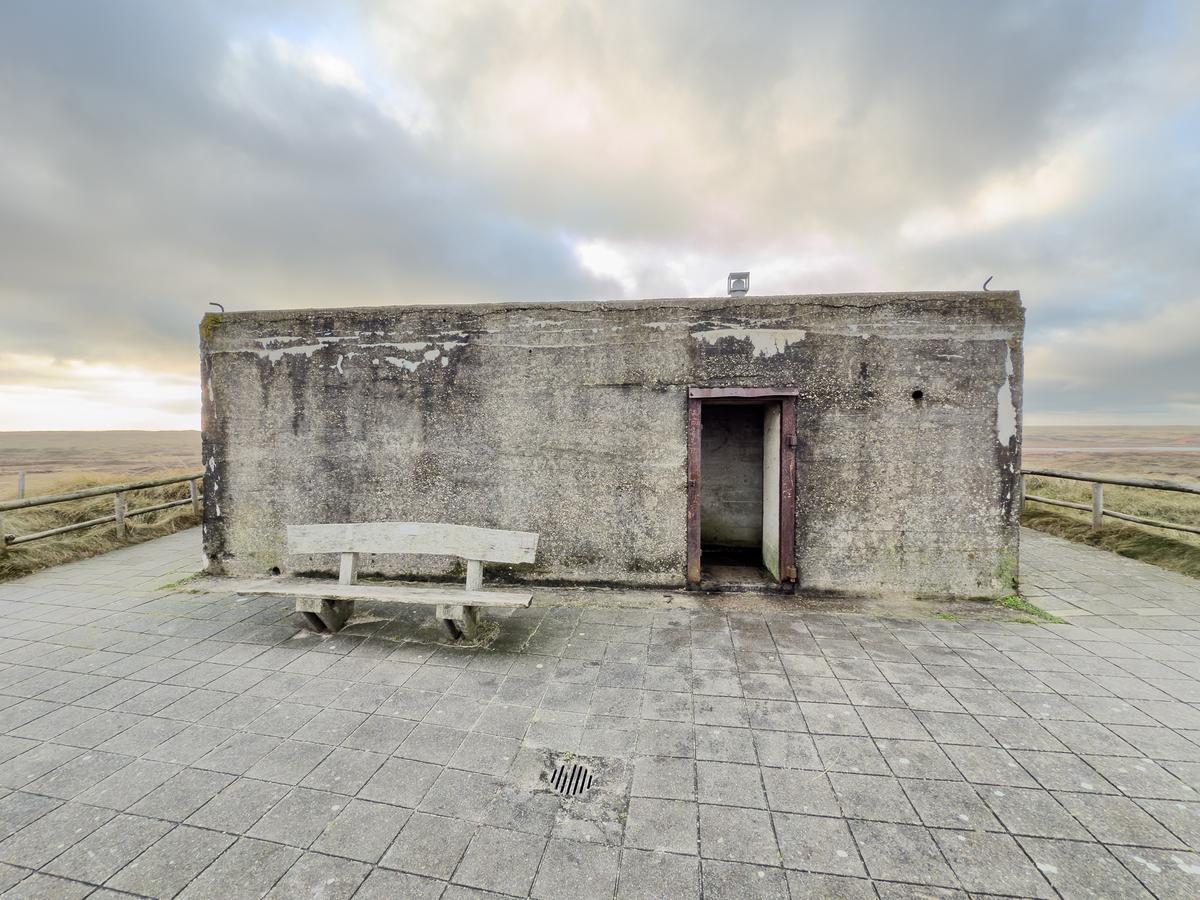
Texel’s western beaches run for 23km of firm sand — wide enough that blokarting at speed feels completely reasonable.
Travel guides for Texel Island
Things to do (1)
At a glance
- Dutch
- Wadden Sea island
- Sandy beaches
- Sheep pastures
- Lighthouse dunes
How Texel Island scores
Editorial scores on a 10-point scale, weighed against destinations of the same kind.
Travel safety snapshot
SafePlace indicators use their source 100-point scale; higher is more favourable. Planning context, not a live travel advisory — check official government guidance before you go.
When to go
Best months to visit: April, May, June, July, August, September and October.
- January: -3.3 to 4.4 degrees Celsius, 32.1 millimetres of rain, best-time score 2 out of 5.
- February: -1.7 to 7.7 degrees Celsius, 34.4 millimetres of rain, best-time score 2 out of 5.
- March: 0.7 to 11.2 degrees Celsius, 40.9 millimetres of rain, best-time score 3 out of 5.
- April: 4.7 to 15.4 degrees Celsius, 55.5 millimetres of rain, best-time score 4 out of 5.
- May: 9 to 18.6 degrees Celsius, 117.2 millimetres of rain, best-time score 5 out of 5.
- June: 14.4 to 24.5 degrees Celsius, 103.6 millimetres of rain, best-time score 5 out of 5.
- July: 15.6 to 25.7 degrees Celsius, 101.5 millimetres of rain, best-time score 5 out of 5.
- August: 15.5 to 25.4 degrees Celsius, 110.2 millimetres of rain, best-time score 5 out of 5.
- September: 11.4 to 20.6 degrees Celsius, 119.5 millimetres of rain, best-time score 5 out of 5.
- October: 6.7 to 15.9 degrees Celsius, 58.6 millimetres of rain, best-time score 4 out of 5.
- November: 1.6 to 8.8 degrees Celsius, 60.3 millimetres of rain, best-time score 3 out of 5.
- December: -2.2 to 4.8 degrees Celsius, 41.1 millimetres of rain, best-time score 3 out of 5.
Month-by-month conditions and packing advice
- January
- Cold, occasional rain January in Texel Island: deep winter is less balanced for a Texel-focused trip. Crowds: January in Texel Island is workable with normal seasonal planning; build in layers, weather checks, and a mix of indoor and outdoor activities. Pack: Pack warm layers, a coat, and comfortable shoes for cold mornings and evenings.
- February
- Cold, occasional rain February in Texel Island: deep winter is less balanced for a Texel-focused trip. Crowds: February in Texel Island is workable with normal seasonal planning; build in layers, weather checks, and a mix of indoor and outdoor activities. Pack: Pack warm layers, a coat, and comfortable shoes for cold mornings and evenings.
- March
- Cool to mild, occasional rain March in Texel Island: cooler, windier months shift the trip toward wildlife and short walks. Crowds: March in Texel Island is workable with normal seasonal planning; build in layers, weather checks, and a mix of indoor and outdoor activities. Pack: Pack warm layers, a coat, and comfortable shoes for cold mornings and evenings.
- April
- Cool to mild, occasional rain April in Texel Island: spring or autumn can be rewarding with layers and wind planning. Crowds: April in Texel Island is workable with normal seasonal planning; build in layers, weather checks, and a mix of indoor and outdoor activities. Pack: Pack layered clothing and comfortable walking shoes.
- May
- Cool to mild, some rain May in Texel Island: beaches, cycling, dunes, lambs, birdlife, villages, and island walks are most accessible. Crowds: May in Texel Island is workable with normal seasonal planning; build in layers, weather checks, and a mix of indoor and outdoor activities. Pack: Pack layered clothing and comfortable walking shoes. Add a rain jacket or compact umbrella.
- June
- Mild to warm, some rain June in Texel Island: beaches, cycling, dunes, lambs, birdlife, villages, and island walks are most accessible. Crowds: June in Texel Island is workable with normal seasonal planning; build in layers, weather checks, and a mix of indoor and outdoor activities. Pack: Pack light clothing, sun protection, and comfortable walking shoes. Add a rain jacket or compact umbrella.
- July
- Mild to warm, some rain July in Texel Island: beaches, cycling, dunes, lambs, birdlife, villages, and island walks are most accessible. Crowds: July in Texel Island is workable with normal seasonal planning; build in layers, weather checks, and a mix of indoor and outdoor activities. Pack: Pack light clothing, sun protection, and comfortable walking shoes. Add a rain jacket or compact umbrella.
- August
- Mild to warm, some rain August in Texel Island: beaches, cycling, dunes, lambs, birdlife, villages, and island walks are most accessible. Crowds: August in Texel Island is workable with normal seasonal planning; build in layers, weather checks, and a mix of indoor and outdoor activities. Pack: Pack light clothing, sun protection, and comfortable walking shoes. Add a rain jacket or compact umbrella.
- September
- Mild to warm, some rain September in Texel Island: beaches, cycling, dunes, lambs, birdlife, villages, and island walks are most accessible. Crowds: September in Texel Island is workable with normal seasonal planning; build in layers, weather checks, and a mix of indoor and outdoor activities. Pack: Pack layered clothing and comfortable walking shoes. Add a rain jacket or compact umbrella.
- October
- Cool to mild, occasional rain October in Texel Island: spring or autumn can be rewarding with layers and wind planning. Crowds: October in Texel Island is workable with normal seasonal planning; build in layers, weather checks, and a mix of indoor and outdoor activities. Pack: Pack layered clothing and comfortable walking shoes.
- November
- Cold, occasional rain November in Texel Island: cooler, windier months shift the trip toward wildlife and short walks. Crowds: November in Texel Island is workable with normal seasonal planning; build in layers, weather checks, and a mix of indoor and outdoor activities. Pack: Pack warm layers, a coat, and comfortable shoes for cold mornings and evenings.
- December
- Cold, occasional rain December in Texel Island: cooler, windier months shift the trip toward wildlife and short walks. Crowds: December in Texel Island is workable with normal seasonal planning; build in layers, weather checks, and a mix of indoor and outdoor activities. Pack: Pack warm layers, a coat, and comfortable shoes for cold mornings and evenings.
- July
- August
- December
- January
- February
- March
Know before you go
Best time to visit
Graz’s Mediterranean-influenced climate makes it warmer than much of Austria, with distinct seasonal character.
Spring (April-June)
Temperatures from 12-22°C (54-72°F). Gardens bloom, outdoor cafés reopen, and the Hauptplatz market shifts to spring produce. May features Design Month, celebrating Graz’s UNESCO City of Design status. An ideal time for Old Town exploration and vineyard day trips.
Summer (July-August)
Warm highs of 25-30°C (77-86°F). Outdoor festivals, Schlossberg evening events at the Kasemattenbühne, and the longest daylight hours for exploring. Peak season with higher prices. La Strada street theatre festival in August brings performance art to public spaces.
Autumn (September-October)
Cooling to 12-20°C (54-68°F). Wine harvest in the Styrian hills, pumpkin seed oil season, and Steirischer Herbst (Styrian Autumn) arts festival. Fewer tourists, excellent gastronomy, and golden light on the Old Town architecture.
Winter (December-March)
Cold (0-5°C / 32-41°F) with atmospheric Christmas markets across the Altstadt. The Advent market at Hauptplatz is among Austria’s best. Indoor attractions — the Armoury, Kunsthaus, and Eggenberg Palace — become the focus.
Season by season
Summer (June-Aug):
Weather: 18-22°C, sunny
Highlights: Beach
Best For: Family
Spring (April-May):
Weather: 10-15°C, windy
Highlights: Lambs
Best For: Cycling
Fall (Sept-Nov):
Weather: 10-15°C, storms
Highlights: Migration
Best For: Birds
Winter (Dec-Feb):
Weather: 0-5°C, cold
Highlights: Quiet
Best For: Walking
Crowds
Texel Island peaks in July-August when beaches and ferry services are busiest and Dutch holiday periods increase day-trippers; quietest in late autumn and winter (November-February) when visitor numbers drop and many outdoor services scale back.
Getting there and around
Getting there
ÖBB trains from Vienna reach Graz in 2 hours 36 minutes via the Koralmbahn high-speed line, with departures roughly every hour. From Salzburg, trains take approximately 4 hours. Graz Airport (GRZ) handles domestic and select European flights; bus line 630 and the S1 train connect to the city center. FlixBus serves Graz from Vienna, Munich, and other cities. By car, take the A2 motorway from Vienna (approximately 2 hours); a highway toll vignette is required for Austrian motorways.
Getting around
The compact Old Town is easily walkable — most attractions lie within 15 minutes on foot. Graz has 7 tram lines and 24 bus routes; the Altstadt Bim offers free tram travel between Hauptplatz and Jakominiplatz plus one stop in each direction. Single tickets cost €3.20; 24-hour tickets are €7. The GrazMobil app handles digital ticketing. The Schlossbergbahn funicular and Schlossberg elevator provide hilltop access. Cycling is popular, with extensive bike path networks and rental options. The S-Bahn connects to Graz Airport in about 20 minutes.
Top experiences in Texel Island
Texel Lighthouse (Vuurtoren Eierland)
Standing at the northernmost point of Texel near De Cocksdorp, this bright red 1864 lighthouse rises 35 meters above expansive sandy dunes. Visitors climb 153 steps for panoramic views of the North Sea and the Wadden Sea.
Ecomare Nature Museum & Seal Sanctuary
The oldest seal sanctuary in Europe, dedicated to rescuing sick or orphaned seals from the Wadden Sea and North Sea. Features an aquarium with harbor porpoises, interactive marine exhibits, and coastal dunes.
Dunes of Texel National Park (Nationaal Park Duinen van Texel)
Covering the entire western side of the island across 43 square kilometers, this national park preserves diverse landscapes of windswept dunes, heather moors, salt marshes, and pine forests with cycling and hiking paths.
De Slufter Nature Reserve
A unique open tidal inlet where the North Sea regularly breaches coastal dunes to flood the plains. The landscape blooms with purple sea lavender in late summer and attracts thousands of migratory waterfowl.
Den Burg Historic Village & Sheep Farms
Texel’s charming main market town, featuring a medieval circular street plan, local sheep cheese shops, craft textile boutiques, and the historic Texels Brewery brewing iconic Skuumkoppe beer.
Editor-curated picks carried over from our original guide. Where a full place guide exists, the card links to it.
Worth booking ahead in Texel Island
Hand-picked from the operators our guides already send readers to. Prices and availability are live on the partner site.
Timed ticketGetYourGuide
Van Gogh Museum timed-entry ticket (opens GetYourGuide in a new tab)
The museum sells timed slots online only, so book the hour first and plan the rest of the day around it.
Day tripViator
Giethoorn day trip with village boat tour (opens Viator in a new tab)
Coach out, guided boat through the village, and back the same day without working out the train-and-bus connection.
Where to stayBooking.com
Stays in Texel Island (opens Booking.com in a new tab)
Live rates and availability for Texel Island on Booking.com; filter by neighbourhood once you know where your days start.
We earn a commission if you book through these links, at no extra cost to you. It is how we keep the guides free and independent.
Where to stay
Boutique Hotel Texel
Postweg 134, 1795 JS De Cocksdorp, Texel, Netherlands
A tranquil countryside wellness hotel surrounded by flower bulb fields and nature reserves, featuring an indoor swimming pool and unique Woolness sheep-wool spa treatments.
Hotel Dom – Rooms & Suites
Bürgergasse 14, 8010 Graz, Austria
A boutique hotel in a converted medieval townhouse in the heart of the UNESCO-listed Old Town, steps from the Hauptplatz and the Schlossberg funicular. The 28 rooms and suites blend exposed stone walls and vaulted ceilings with contemporary furnishings. The courtyard garden offers a quiet retreat from the city, and the rooftop terrace provides views toward the Uhrturm. This is the intimate Old Town option that feels embedded in the historic fabric rather than imposed upon it.
Camp Silver Island Hideaway
Loodsmansduin, Texel, Netherlands
A luxury glamping experience with silver Airstream trailers. It is design-led, quiet, and unique. It offers a cool, quirky way to stay in nature without sacrificing comfort.
Editor-curated stays carried over from our original guide. Where we have reviewed the hotel, the card links to the review.
Tips from the field
Highlights
- Texel Lighthouse — Historic 1864 red lighthouse overlooking the meeting of the North and Wadden Seas
- Dunes of Texel National Park — 43 square kilometers of wild coastal dunes, heathlands, and pine trails
- Ecomare — Celebrated marine museum and seal rehabilitation sanctuary in the coastal dunes
- De Slufter Valley — Rare tidal inlet where sea tides flood plains blooming with purple sea lavender
- Texels Brewery — Sampling authentic local Skuumkoppe craft beer brewed with island barley
- Island Cycling Network — 140 kilometers of dedicated cycling paths across sandy dunes and sheep farms
Best activities
- Start at the Hauptplatz farmers' market, then climb (or take the funicular) to the Schlossberg for Uhrturm views. Walk down through the Old Town's narrow lanes to the Landeszeughaus for the world's largest historic armoury. Cross the Mur to the Kunsthaus for contemporary art, pausing at the Murinsel floating café.
- Spend a half-day at Eggenberg Palace exploring its symbolic architecture, planetarium frescoes, and peacock-populated gardens. Explore Graz's food scene through Styrian specialties — pumpkin seed oil, Brettljause platters, and Schilcher rosé wine. Visit the Lendviertel neighborhood for independent boutiques and coffee culture. Take a day trip to the Styrian wine roads through Südsteiermark for vineyard tours and Buschenschank wine tavern meals.
Local experiences
- Drizzle dark Styrian pumpkin seed oil on a salad at a Hauptplatz café and taste why locals consider it irreplaceable. Take the Schlossbergbahn funicular to the summit and watch night fall over the illuminated Kunsthaus below. Visit the Landeszeughaus and stand in a room with enough weapons to arm an army — the density is genuinely startling. Explore the Lendviertel neighborhood for independent coffee roasters, design shops, and the creative energy that earned Graz its UNESCO City of Design title. Drive to the Styrian wine roads through Südsteiermark for a Buschenschank lunch of cold platters and Welschriesling on a vineyard terrace.
Practical tips
- Schlossberg Access: Three options — 260 steps (free), funicular (included in day ticket), or rock elevator (free).
- Armoury: Allow at least 1 hour; guided tours provide historical context that self-guided visits miss.
- Eggenberg Palace: Take tram line 1 from Hauptplatz; allow 2-3 hours including gardens.
- Pumpkin Seed Oil: Buy genuine Styrian Kürbiskernöl from the Hauptplatz market — the dark green colour indicates authenticity.
- Free Tram: The Altstadt Bim provides free tram travel in the inner city between Jakominiplatz and Hauptplatz.
- Wine Roads: The Südsteiermark wine region is 1 hour south; a designated driver or organized tour is essential.
Photography tips
- The Uhrturm on the Schlossberg is Graz's defining shot — capture it from the Schlossbergplatz below or from the Mursteg bridge with the river in the foreground. The Kunsthaus is most photogenic after dark when the BIX media façade activates
- the reflection in the Mur River creates a signature composition. The Hauptplatz photographs best in early morning before the market fills. Eggenberg Palace's symmetrical gardens work well from the central axis. The arcaded courtyard of the Landhaus is a hidden architectural gem that photographs beautifully in sidelight.
Timing
- Peak Season (July-Aug):
- German tourists, busy
- Shoulder Season (May-June, Sept):
- Best nature
- Low Season (Nov-March):
- Peaceful, windy
Keeping it authentic
- Graz has avoided becoming a museum piece. Its 60,000+ university students (across four universities and four colleges) ensure that the UNESCO-listed Old Town functions as a living city rather than a preserved artifact — the Hauptplatz hosts a daily farmers' market, the bars on Prokopigasse serve students alongside tourists, and the local food scene reflects Styrian agricultural traditions rather than international tourist expectations. The tension between the medieval Altstadt and the deliberate provocation of the Kunsthaus is genuine, not staged — Graz earned its UNESCO City of Design designation through sustained creative investment, not architectural nostalgia.
Culture, customs and safety
Cultural heritage
Texel Island preserves Dutch maritime and agricultural traditions as the largest Wadden Island, maintaining distinct island culture through sheep farming, fishing, and nature conservation. Historic lighthouses guide North Sea navigation while traditional sheep breeds graze dike-protected polders. Maritime museum in Oudeschild tells whaling and VOC trading stories. Local beer brewery and sheep cheese production maintain food traditions. Bird migration sanctuary status balances tourism with nature protection. The island culture emphasizes self-sufficiency, environmental stewardship, and maritime heritage distinct from mainland Netherlands.
Local customs & etiquette
Greet with ‘Grüß Gott’ in shops and restaurants. The Styrian emphasis on local food and wine is cultural identity, not marketing — pumpkin seed oil (Kürbiskernöl) is used on everything from salads to vanilla ice cream, and asking for olive oil in a Styrian kitchen is a minor cultural misstep. Buschenschank designation means a wine tavern serves only its own wines and cold food; full restaurant service requires different licensing. The university culture means the city operates on younger rhythms than typical Austrian cities, with later dining and vibrant bar culture. Sunday closures apply to shops but not restaurants and cafés.
Safety notes
Graz is an exceptionally safe city. Violent crime is rare, and even petty crime rates are low. Standard urban awareness applies in crowded areas like the Hauptbahnhof and during festivals. The university population creates a relaxed, international atmosphere, and locals are generally welcoming and English-speaking. The Schlossberg steps and paths are well-maintained but can be slippery in wet conditions. Emergency services are reliable; dial 112 for emergencies.