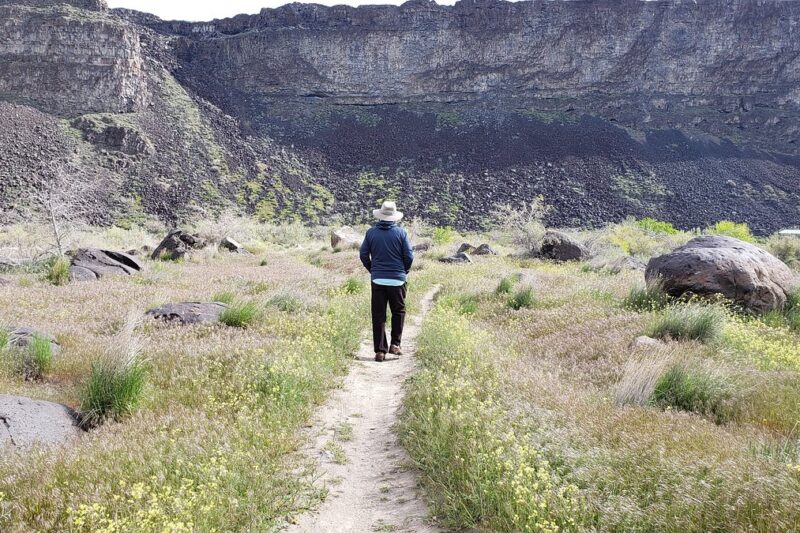
Idaho, known as the Gem State, is the 14th-largest state known for its gorgeous wilderness, big blue skies, state parks, sparkling lakes, and scenic mountain landscapes. It is an outdoor adventurer’s paradise that attracts thousands of backcountry skiers, mountain climbers, hikers who like adventure and outdoor recreation, and fearless kayakers. Keep reading this Idaho travel guide to learn more about this unique and beautiful state, Idaho tourism, and the places to visit in Idaho – whether you are traveling alone or with family and friends.
The destination guide
Idaho
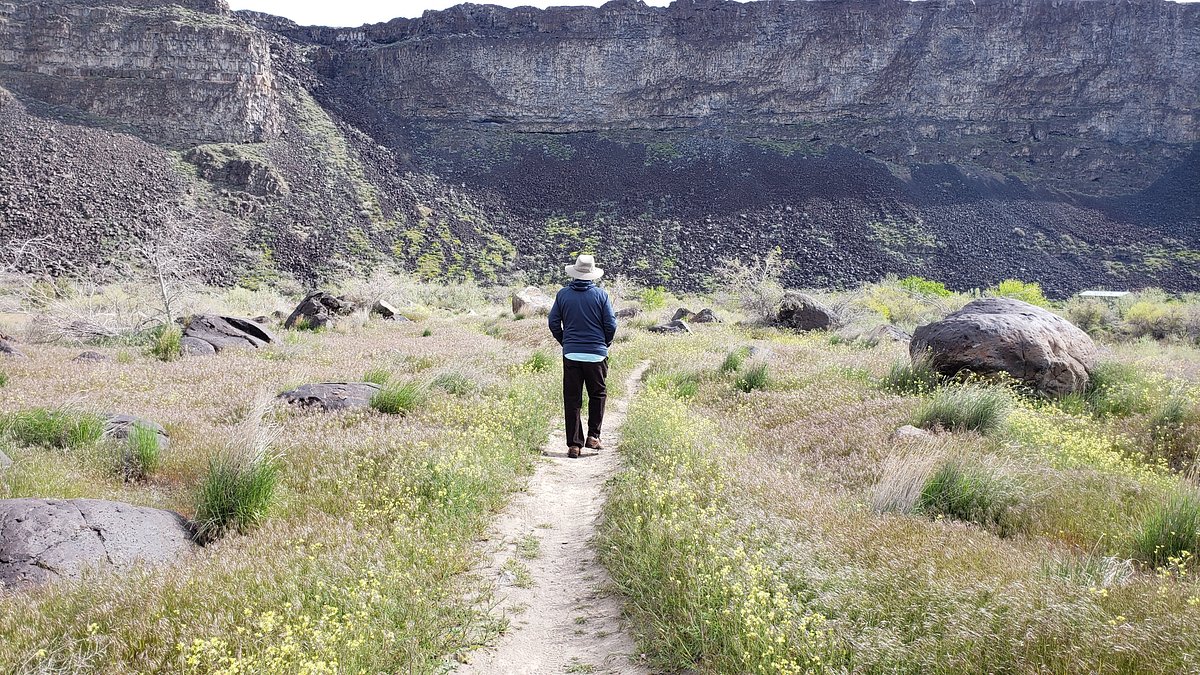
State in United States, North AmericaUpdated
- Overall8/10
- Best forAdventure seekers, Budget travelers
- PeakJan–Apr
- CurrencyUSD
Idaho’s backcountry skiing, whitewater kayaking, and mountain trails aren’t a secret — they’re just underrated. The crowds haven’t caught up yet.
Travel guides for Idaho
Things to do (4)
More guides featuring Idaho (16)
At a glance
Currency$ USDCode: USD
Time zoneMountain Time (MT) and Pacific Time (PT)
Languages
- English
Setting
- Mountain wilderness
- River canyons
- High desert
- Pine forests
Population2M2,001,619 residents
VisaDocuments: For domestic U.S. air travel, travelers age 18 and older must present a REAL ID-compliant driver's license or another TSA-accepted ID such as a valid passport
How Idaho scores
8/10OverallExcellent
Weather8/10
Value for money7/10
Food & cuisine4/10
Culture & arts6/10
Cultural experience8/10
Nature & outdoors7/10
Adventure7/10
Nightlife7/10
Shopping6/10
Family friendly5/10
Romance5/10
Editorial scores on a 10-point scale, weighed against destinations of the same kind.
Travel safety snapshot
Overall82/100High rating
Women travellers80/100
LGBTQ+ travellers75/100
Theft75/100
Medical care78/100
Physical harm80/100
Political freedom85/100
SafePlace indicators use their source 100-point scale; higher is more favourable. Planning context, not a live travel advisory — check official government guidance before you go.
When to go
Best months to visit: January, February, May, June, July, August, September, October, November and December.
- January: -13 to -4.1 degrees Celsius, 81.1 millimetres of rain, best-time score 5 out of 5.
- February: -12.8 to -4.1 degrees Celsius, 103.7 millimetres of rain, best-time score 5 out of 5.
- March: -10.7 to -0.6 degrees Celsius, 86.2 millimetres of rain, best-time score 3 out of 5.
- April: -7.9 to 3.1 degrees Celsius, 71.6 millimetres of rain, best-time score 3 out of 5.
- May: -3.4 to 8.1 degrees Celsius, 58.5 millimetres of rain, best-time score 4 out of 5.
- June: 0.4 to 14.2 degrees Celsius, 45 millimetres of rain, best-time score 5 out of 5.
- July: 6.1 to 21.3 degrees Celsius, 15.5 millimetres of rain, best-time score 5 out of 5.
- August: 5.9 to 20.5 degrees Celsius, 21.6 millimetres of rain, best-time score 5 out of 5.
- September: 1.7 to 15.4 degrees Celsius, 37 millimetres of rain, best-time score 5 out of 5.
- October: -5.1 to 6.6 degrees Celsius, 64.7 millimetres of rain, best-time score 5 out of 5.
- November: -10.4 to 0.2 degrees Celsius, 70.2 millimetres of rain, best-time score 4 out of 5.
- December: -12.8 to -3.7 degrees Celsius, 103 millimetres of rain, best-time score 5 out of 5.
Month-by-month conditions and packing advice
- January
- Very cold, some rain January in Idaho: winter snow trips, ski towns, hot springs, and scenic cold-weather escapes are the strongest fit. Crowds: January in Idaho is best for winter-ready travelers; outdoor plans need warm gear, shorter daylight expectations, and weather-aware transport planning. Pack: Pack insulated layers, warm footwear, gloves, and a serious winter coat. Add a rain jacket or compact umbrella.
- February
- Very cold, some rain February in Idaho: winter snow trips, ski towns, hot springs, and scenic cold-weather escapes are the strongest fit. Crowds: February in Idaho is best for winter-ready travelers; outdoor plans need warm gear, shorter daylight expectations, and weather-aware transport planning. Pack: Pack insulated layers, warm footwear, gloves, and a serious winter coat. Add a rain jacket or compact umbrella.
- March
- Very cold, some rain March in Idaho: spring thaw and variable mountain weather can narrow outdoor access. Crowds: March in Idaho is best for winter-ready travelers; outdoor plans need warm gear, shorter daylight expectations, and weather-aware transport planning. Pack: Pack insulated layers, warm footwear, gloves, and a serious winter coat. Add a rain jacket or compact umbrella.
- April
- Cold, some rain April in Idaho: spring thaw and variable mountain weather can narrow outdoor access. Crowds: April in Idaho is best for winter-ready travelers; outdoor plans need warm gear, shorter daylight expectations, and weather-aware transport planning. Pack: Pack insulated layers, warm footwear, gloves, and a serious winter coat. Add a rain jacket or compact umbrella.
- May
- Cold, occasional rain May in Idaho: season-edge timing can work with road, snowpack, and trail conditions checked closely. Crowds: May in Idaho is workable with normal seasonal planning; build in layers, weather checks, and a mix of indoor and outdoor activities. Pack: Pack warm layers, a coat, and comfortable shoes for cold mornings and evenings.
- June
- Cool to mild, occasional rain June in Idaho: rafting, lakes, mountain towns, waterfalls, hiking, and long daylight make summer travel especially strong. Crowds: June in Idaho is workable with normal seasonal planning; build in layers, weather checks, and a mix of indoor and outdoor activities. Pack: Pack warm layers, a coat, and comfortable shoes for cold mornings and evenings.
- July
- Mild to warm, mostly dry July in Idaho: rafting, lakes, mountain towns, waterfalls, hiking, and long daylight make summer travel especially strong. Crowds: July in Idaho is comfortable for sightseeing, neighborhoods, food stops, day trips, and outdoor time with limited weather friction. Pack: Pack layered clothing and comfortable walking shoes.
- August
- Mild to warm, mostly dry August in Idaho: rafting, lakes, mountain towns, waterfalls, hiking, and long daylight make summer travel especially strong. Crowds: August in Idaho is comfortable for sightseeing, neighborhoods, food stops, day trips, and outdoor time with limited weather friction. Pack: Pack layered clothing and comfortable walking shoes.
- September
- Cool to mild, occasional rain September in Idaho: warm days, cooler nights, harvest travel, open mountain routes, and fewer summer crowds make this a strong month. Crowds: September in Idaho is workable with normal seasonal planning; build in layers, weather checks, and a mix of indoor and outdoor activities. Pack: Pack warm layers, a coat, and comfortable shoes for cold mornings and evenings.
- October
- Cold, occasional rain October in Idaho: fall color, hot springs, scenic drives, and shoulder-season outdoor trips are strongest before winter closures expand. Crowds: October in Idaho is best for winter-ready travelers; outdoor plans need warm gear, shorter daylight expectations, and weather-aware transport planning. Pack: Pack insulated layers, warm footwear, gloves, and a serious winter coat.
- November
- Very cold, some rain November in Idaho: season-edge timing can work with road, snowpack, and trail conditions checked closely. Crowds: November in Idaho is best for winter-ready travelers; outdoor plans need warm gear, shorter daylight expectations, and weather-aware transport planning. Pack: Pack insulated layers, warm footwear, gloves, and a serious winter coat. Add a rain jacket or compact umbrella.
- December
- Very cold, some rain December in Idaho: winter snow trips, ski towns, hot springs, and scenic cold-weather escapes are the strongest fit. Crowds: December in Idaho is best for winter-ready travelers; outdoor plans need warm gear, shorter daylight expectations, and weather-aware transport planning. Pack: Pack insulated layers, warm footwear, gloves, and a serious winter coat. Add a rain jacket or compact umbrella.
Peak season
- March
- February
- January
- April
Off-peak
- September
- August
- July
- June
Know before you go
Best time to visit
June through September for sun-drenched outdoor adventures and hot springs. July-August are peak for river rafting and lake recreation. Winter for world-class skiing at Sun Valley.
Season by season
Summer (July-Sept):
Weather: 25-30°C, dry
Highlights: Lakes/Hiking
Best For: Outdoors
Winter (Dec-March):
Weather: Cold, snow
Highlights: Skiing
Best For: Sun Valley
Spring (April-June):
Weather: Mixed
Highlights: Waterfalls
Best For: Shoshone Falls
Crowds
Idaho sees summer peaks (June–August) for national parks and outdoor recreation, with heavy weekends at Sun Valley and Sawtooth; quietest in late fall and winter (November–February) outside ski areas—overall moderate with localized summer crowds and winter ski peaks.
Getting there and around
Getting there
Idaho is accessed primarily through Boise Airport (BOI), offering direct flights from major western cities and connecting flights nationwide. Regional airports include Idaho Falls (IDA), Spokane International (GEG) serving northern Idaho, and smaller airports in Sun Valley, Lewiston, and Pocatello. Interstate highways I-84 (east-west through Boise), I-90 (northern corridor), and I-15 (eastern edge) provide road access. US highways connect to Yellowstone and Grand Teton National Parks. Amtrak’s Empire Builder stops in Sandpoint serving the northern panhandle. Greyhound and regional bus lines connect major cities. Mountain passes can close in winter – check conditions on 511.idaho.gov.
Getting around
Idaho requires a car for most travel as public transportation is minimal. Boise’s Valley Regional Transit offers basic bus service with limited evening and weekend hours. Coeur d’Alene has CityLink buses, while other cities have minimal or no public transit. Rental cars are essential for exploring scenic byways, national forests, and accessing ski resorts. Uber and Lyft operate in Boise, Coeur d’Alene, and college towns but are unavailable in rural areas. Downtown Boise, McCall, and Sun Valley/Ketchum are walkable. Winter driving requires experience with snow and ice – carry chains November through March. Gas stations can be 50+ miles apart on rural routes. Many attractions are accessed via Forest Service roads requiring high-clearance vehicles.
Top experiences in Idaho
Sun Valley
A world-class ski destination. Bald Mountain is legendary. In summer, it is great for hiking and ice shows. The town of Ketchum is charming and upscale.
Craters of the Moon
A weird, volcanic landscape. Miles of black lava flows and cinder cones. Astronauts trained here. It feels like another planet.
Shoshone Falls
The ‘Niagara of the West’. It is actually higher than Niagara. Best seen in spring when the water flow is high. Located in Twin Falls.
Sawtooth National Recreation Area
The ‘American Alps’. Jagged peaks and alpine lakes. Redfish Lake is the jewel. Incredible backpacking, camping, and photography.
Coeur d'Alene Lake
A stunning mountain lake. Popular for boating, fishing, and eagle watching (in winter). The floating green at the golf course is iconic.
Editor-curated picks carried over from our original guide. Where a full place guide exists, the card links to it.
Worth booking ahead in Idaho
Hand-picked from the operators our guides already send readers to. Prices and availability are live on the partner site.
BrowseViator
Tours and tickets in Idaho on Viator (opens Viator in a new tab)
Viator's full list of bookable tours and tickets in Idaho.
BrowseGetYourGuide
Experiences in Idaho on GetYourGuide (opens GetYourGuide in a new tab)
Everything GetYourGuide sells in Idaho, with the cancellation terms on each listing.
Where to stayBooking.com
Stays in Idaho (opens Booking.com in a new tab)
Live rates and availability for Idaho on Booking.com; filter by neighbourhood once you know where your days start.
We earn a commission if you book through these links, at no extra cost to you. It is how we keep the guides free and independent.
Where to stay
Sun Valley Resort
1 Sun Valley Rd, Sun Valley, ID 83353, USA
America’s first destination ski resort. Ernest Hemingway loved it. It has a classic, old-money lodge feel. Excellent skiing and summer golfing.
The Coeur d'Alene Resort
115 S 2nd St, Coeur d'Alene, ID 83814, USA
A resort on the shores of Lake Coeur d’Alene. Famous for its floating golf green. It is the premier lakeside getaway in the Northwest.
Shore Lodge
501 W Lake St, McCall, ID 83638, USA
Located in McCall on Payette Lake. A historic lodge that is rustic yet luxurious. Popular for weddings and getting away from it all. The spa is excellent.
Editor-curated stays carried over from our original guide. Where we have reviewed the hotel, the card links to the review.
Tips from the field
Highlights
- Ski – Sun Valley
- Geology – Craters of the Moon
- Water – Shoshone Falls
- Lake – Coeur d'Alene
- Mountains – Sawtooths
- Potato – Museum (Idaho!)
- Outdoor – Rafting
- Vibe – Rugged West
Best activities
- Ski Baldy in Sun Valley. Explore the caves at Craters of the Moon. Boat on Coeur d'Alene Lake. Camp at Redfish Lake. See Shoshone Falls. Raft the Salmon River. Eat an Idaho potato. Stargaze in the Dark Sky Reserve.
Photography tips
- Golden Hour: Sunset at Redfish Lake (Sawtooths reflecting). Sunrise at Shoshone Falls.
- Iconic Shots:
- The reflection of the Sawtooth mountains in Redfish Lake.
- The floating green at Coeur d'Alene.
- Shoshone Falls at full flow.
- The lonely road through Craters of the Moon.
- Sun Valley Barn.
- Technique: Use a polarizer for the high-altitude lakes. Bring a tripod for the dark skies (Central Idaho Dark Sky Reserve).
Timing
- Peak Season (July-Aug, Jan-Feb):
- Busy on lakes/slopes
- Shoulder Season (June, Sept):
- Best for hiking
- Low Season (Nov, April):
- Mud season
Keeping it authentic
- Idaho is the 'Gem State'. It is rugged and wild. People love the outdoors. Yes, the potatoes are a thing, but the mountains are the real secret. It is less discovered than Colorado.
Culture, customs and safety
Cultural heritage
Idaho’s cultural and historical heritage is shaped by its Indigenous roots, frontier legacy, and striking natural landscapes. The state is home to several Native American tribes, including the Nez Perce, whose ancient traditions and oral histories remain central to the region’s identity; the Nez Perce National Historical Park preserves sacred sites and artifacts. Idaho’s settlement history is marked by pioneer trails, mining booms, and railroad expansion, which left a distinctive imprint on its architecture and ghost towns. Agricultural traditions—especially potato farming—continue to influence local identity and economy. While Idaho has no UNESCO World Heritage Sites, its Craters of the Moon National Monument evokes global geological interest as a rare basaltic landscape shaped by ancient volcanic forces.
Local customs & etiquette
Idaho culture values self-reliance, outdoor recreation, and conservative values. The state motto “Esto Perpetua” (Let it be perpetual) reflects pride in natural beauty and lifestyle. Outdoor activities dominate social life – hiking, fishing, hunting, skiing, and camping are conversation starters. Gun ownership is common and hunting season is culturally significant. Potatoes are the state’s identity though locals tire of jokes. Craft beer culture thrives in Boise. Ranch and Western wear is common outside cities. LDS (Mormon) influence is strong, particularly in eastern Idaho. Tipping standard is 15-18%. Business culture is casual except in Boise’s downtown. Respect private property rights – always ask permission before accessing land. Environmental stewardship matters despite political differences. Small-town values emphasize knowing neighbors and community support.