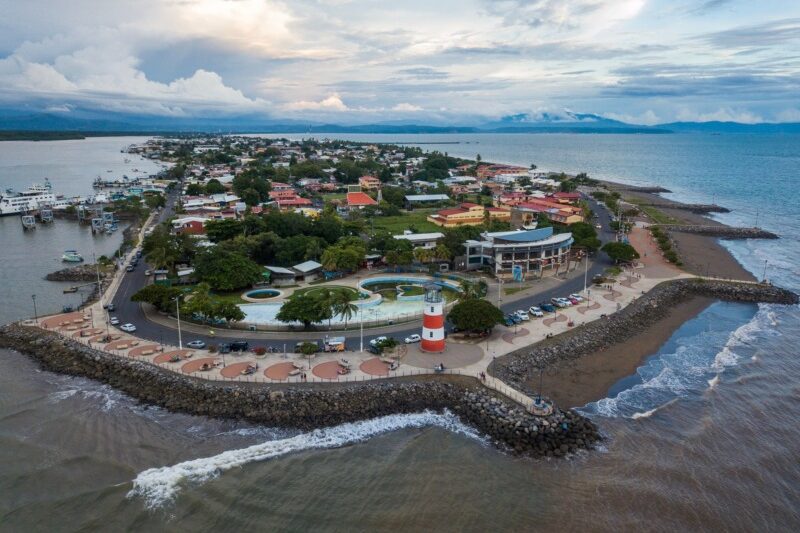
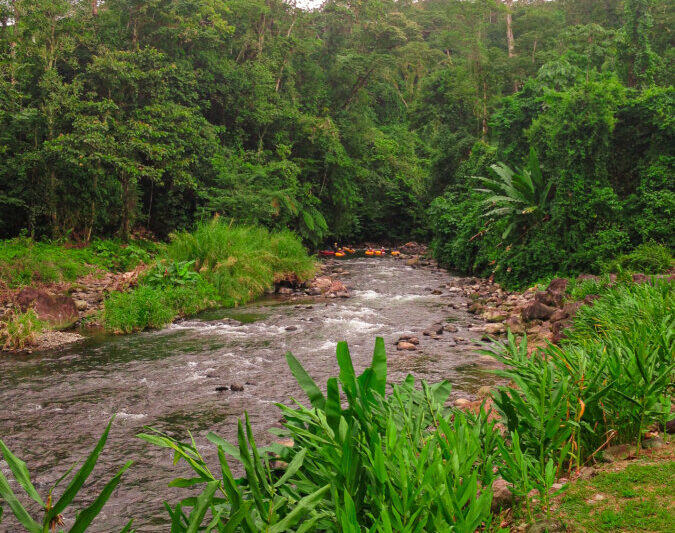
Quepos serves as the gateway to Costa Rica’s renowned Manuel Antonio National Park, blending natural splendor with authentic coastal town character. This former banana port on the Central Pacific coast has evolved into a significant ecotourism destination while maintaining its working-class Costa Rican identity. The compact town center features a grid of streets lined with local restaurants serving fresh seafood and traditional Costa Rican cuisine, family-owned shops, and markets where farmers sell tropical fruits and artisanal products. Unlike more developed tourist areas, Quepos offers genuine cultural immersion as visitors mingle with locals in the central park or at the bustling marina where fishing boats return with the day’s catch. The surrounding area showcases Costa Rica’s incredible biodiversity, with rainforest-covered mountains descending to the Pacific, providing habitat for monkeys, sloths, iguanas, and hundreds of bird species that occasionally appear even within town. Adventure opportunities abound, from sportfishing and mangrove kayaking to canopy tours and waterfall hikes. Just a short distance away, Manuel Antonio’s pristine beaches and wildlife-rich forests complement Quepos’ authentic charm, creating an ideal base for exploring this ecologically significant region without sacrificing connection to local culture.
The destination guide
Quepos

National / State Park in Costa Rica, North AmericaUpdated
- Overall8/10
- Best forCouples, Adventure seekers
- PeakDec–Mar
- CurrencyCRC
Quepos is still a working fishing port — and that’s exactly why it works better than the resorts up the coast.
Travel guides for Quepos
More guides featuring Quepos (2)
At a glance
- Spanish
- Pacific coast
- Tropical rainforest
- Mountain terrain
- National park
How Quepos scores
Editorial scores on a 10-point scale, weighed against destinations of the same kind.
Travel safety snapshot
SafePlace indicators use their source 100-point scale; higher is more favourable. Planning context, not a live travel advisory — check official government guidance before you go.
When to go
Best months to visit: January, February, March, April, May, June, July, August, November and December.
- January: 24.6 to 29.3 degrees Celsius, 46.4 millimetres of rain, best-time score 5 out of 5.
- February: 24.9 to 29.9 degrees Celsius, 32.9 millimetres of rain, best-time score 5 out of 5.
- March: 25.6 to 30.3 degrees Celsius, 48.3 millimetres of rain, best-time score 5 out of 5.
- April: 26.1 to 30.3 degrees Celsius, 101.4 millimetres of rain, best-time score 5 out of 5.
- May: 26.3 to 29.3 degrees Celsius, 208.9 millimetres of rain, best-time score 4 out of 5.
- June: 25.4 to 28.4 degrees Celsius, 404.7 millimetres of rain, best-time score 4 out of 5.
- July: 25.3 to 28.8 degrees Celsius, 285.9 millimetres of rain, best-time score 4 out of 5.
- August: 24.9 to 28.3 degrees Celsius, 385.6 millimetres of rain, best-time score 4 out of 5.
- September: 25.4 to 28.8 degrees Celsius, 215.7 millimetres of rain, best-time score 3 out of 5.
- October: 25.1 to 28.3 degrees Celsius, 203.8 millimetres of rain, best-time score 3 out of 5.
- November: 25.1 to 28.1 degrees Celsius, 293.5 millimetres of rain, best-time score 4 out of 5.
- December: 24.6 to 28.7 degrees Celsius, 158.3 millimetres of rain, best-time score 5 out of 5.
Month-by-month conditions and packing advice
- January
- Hot and sunny, some rain January in Quepos: dry-season beaches, Manuel Antonio access, wildlife, boat trips, fishing, and rainforest trails are most reliable. Crowds: January marks the peak of Costa Rica’s dry season, making it one of the best times to visit Quepos. The favorable weather conditions attract many tourists, leading to higher accommodation prices and busier national parks, especially Manuel Antonio. The warm, sunny climate is perfect for beach activities, wildlife spotting, and jungle hikes. However, popular areas may feel crowded, so booking tours and accommodations in advance is recommended. Occasional rain showers are brief and seldom disrupt plans, offering a cool respite from the heat. Pack: Lightweight, breathable clothing for tropical heat; Comfortable sandals or water-friendly shoes; Wide-brimmed hat and sunglasses for sun protection; High-SPF sunscreen to guard against strong UV rays; Light rain jacket or poncho for sudden showers; Insect repellent for jungle excursions
- February
- Hot and sunny, some rain February in Quepos: dry-season beaches, Manuel Antonio access, wildlife, boat trips, fishing, and rainforest trails are most reliable. Crowds: February marks the dry season in Quepos, a peak time for tourism. The warm, sunny weather is ideal for beach lounging, snorkeling, and exploring Manuel Antonio’s trails. Expect moderate crowds, especially around popular coastal spots and national parks. Accommodation prices are higher due to demand, so early booking is recommended. While occasional showers occur, they’re brief and rarely disrupt outdoor plans. This is the perfect month for adventure activities like zip-lining and kayaking under clear skies. Pack: Lightweight, breathable clothing for hot weather; Comfortable walking sandals or water-resistant shoes; High-SPF sunscreen and sunglasses; Wide-brimmed hat for sun protection; Reusable water bottle to stay hydrated; Light rain jacket for occasional showers
- March
- Hot and sunny, some rain March in Quepos: dry-season beaches, Manuel Antonio access, wildlife, boat trips, fishing, and rainforest trails are most reliable. Crowds: March falls within Quepos's dry season, making it a peak period for tourism. The combination of hot, sunny weather and limited rainfall creates perfect conditions for outdoor adventures such as beach excursions, hiking, and wildlife tours. Expect bustling activity in popular spots and higher accommodation prices due to the influx of travelers. Despite occasional showers, most activities remain unaffected. Booking accommodations and tours in advance is highly recommended to secure the best options during this busy season. Pack: Breathable, lightweight clothing for hot weather; Comfortable sandals or walking shoes for coastal and rainforest exploration; High SPF sunscreen to protect against strong tropical sun; Reusable water bottle to stay hydrated in the heat; Rain jacket or poncho for brief tropical showers; Insect repellent to guard against mosquitos in humid areas
- April
- Hot and sunny, some rain April in Quepos: dry-season beaches, Manuel Antonio access, wildlife, boat trips, fishing, and rainforest trails are most reliable. Crowds: April represents the shoulder season in Quepos, offering a balance between sunny beach days and occasional tropical showers. While mornings are typically clear—ideal for outdoor adventures like snorkeling, wildlife tours, and hiking—afternoon showers can briefly disrupt plans. Visitor numbers begin to taper off after the Easter holidays, leading to more affordable accommodations and fewer crowds. This period is great for travelers seeking both natural beauty and budget-friendly options, but flexibility with outdoor activities is recommended due to unpredictable rain. Pack: Light, breathable clothing for hot, humid conditions; Waterproof jacket or poncho for sudden rain showers; Quick-dry shorts and T-shirts for outdoor activities; Comfortable hiking sandals with good grip; High SPF sunscreen and insect repellent; Reusable water bottle to stay hydrated in the heat
- May
- Hot and sunny, heavy rain May in Quepos: green-season timing can be lush and wildlife-rich with rain planned into the day. Crowds: May marks the beginning of the green season in Quepos, characterized by heavy rains and fewer tourists. While the weather can be unpredictable, mornings often remain clear, perfect for early activities like wildlife tours in Manuel Antonio National Park or fishing expeditions. Afternoon showers can limit outdoor excursions, but they also bring vibrant sunsets and cooler evenings. Expect reduced accommodation prices and less crowded attractions. Flexible planning is key, with indoor options or covered tours offering great alternatives during sudden rain showers. Pack: Light, quick-dry clothing for humid conditions; Waterproof jacket or poncho for sudden downpours; Sturdy, waterproof hiking shoes for muddy trails; Insect repellent for humid, tropical environments; Sunhat and high SPF sunscreen for sunny mornings; Dry bags to protect electronics and valuables from rain
- June
- Hot and sunny, heavy rain June in Quepos: green-season timing can be lush and wildlife-rich with rain planned into the day. Crowds: June falls within Quepos' rainy or 'green' season, offering a unique, less-crowded experience. While outdoor activities like wildlife tours in Manuel Antonio National Park and river rafting remain feasible, travelers should plan around afternoon downpours. The heavy rains rejuvenate the landscape, making it ideal for nature photography and wildlife spotting. Lower tourist numbers often lead to more affordable accommodations and tour prices, though some remote trails may be muddy or temporarily inaccessible. Pack flexible plans to adapt to shifting weather conditions. Pack: Waterproof rain jacket with hood; Quick-dry clothing and breathable fabrics; Sturdy, waterproof hiking shoes; Insect repellent for humid conditions; Lightweight backpack with rain cover; Reusable water bottle to stay hydrated
- July
- Hot and sunny, heavy rain July in Quepos: green-season timing can be lush and wildlife-rich with rain planned into the day. Crowds: July falls within Quepos' green season, characterized by heavy rainfall and fewer tourists. While beach activities and rainforest hikes are still possible, it's best to plan excursions for early in the day to avoid afternoon showers. The region’s lush landscapes are at their most vibrant, offering spectacular wildlife viewing and fewer crowds at popular sites like Manuel Antonio National Park. Accommodations and tours often come with discounted rates, making it a budget-friendly time to visit. However, some remote trails might be muddy or inaccessible due to flooding. Pack: Lightweight, quick-drying clothing for humid conditions; Waterproof jacket or poncho for sudden downpours; Sturdy, waterproof hiking shoes for slippery trails; Insect repellent for rainforest excursions; Wide-brimmed hat and sunglasses for sunny mornings; Dry bags to protect electronics and valuables from rain
- August
- Hot and sunny, heavy rain August in Quepos: green-season timing can be lush and wildlife-rich with rain planned into the day. Crowds: Travelers visiting Quepos in August will encounter the rainy season, which significantly impacts outdoor activities. While mornings are often clearer, afternoons bring heavy rain, affecting hiking and beach plans. However, this period offers fewer crowds and more affordable accommodations, making it ideal for budget-conscious travelers. The lush scenery is at its peak, perfect for wildlife spotting in Manuel Antonio National Park. Some water-based activities like white-water rafting are enhanced by the swollen rivers, but beach conditions can be unpredictable. Travelers should plan activities early in the day and be flexible with their itineraries. Pack: Lightweight, quick-dry clothing for humid conditions; Waterproof rain jacket or poncho; Sturdy, waterproof hiking shoes; Insect repellent for rainforest excursions; Dry bags to protect electronics and valuables; Sunhat and high SPF sunscreen for sunny intervals
- September
- Hot and sunny, heavy rain September in Quepos: heavier rains can disrupt roads, trails, beaches, and boat plans. Crowds: September falls within the low tourist season in Quepos due to heavy rain and high humidity. While beach days may be limited, this period offers quieter attractions and more affordable accommodations. Wildlife viewing in Manuel Antonio National Park can be rewarding, as animals are more active after rain showers. Roads can be muddy and slippery, affecting accessibility to some areas. Travelers should plan activities for early mornings and remain flexible with schedules. Booking last-minute deals is possible, but be prepared for sudden weather changes. Pack: Lightweight, quick-dry clothing for humid conditions; Waterproof jacket or poncho for sudden downpours; Sturdy waterproof footwear for muddy trails; Insect repellent for rainforest areas; Dry bags to protect electronics from moisture; Wide-brimmed hat for sun protection during clear mornings
- October
- Hot and sunny, heavy rain October in Quepos: heavier rains can disrupt roads, trails, beaches, and boat plans. Crowds: Traveling to Quepos in October means navigating through the wet season, with frequent heavy rains and high humidity. While some outdoor activities may be limited during storms, this period offers fewer tourists and lower accommodation prices. It's an excellent time for rainforest hikes, wildlife tours, and visiting waterfalls, as the landscape is at its most verdant. Be prepared for occasional delays in transportation due to rain, but enjoy the tranquility and authentic local experiences that come with the off-peak season. Pack: Lightweight, quick-drying clothing for humid conditions; Waterproof rain jacket or poncho; Sturdy, waterproof hiking shoes; Insect repellent for jungle excursions; Dry bags to protect electronics and valuables; Wide-brimmed hat and sunscreen for sunny intervals
- November
- Hot and sunny, heavy rain November in Quepos: green-season timing can be lush and wildlife-rich with rain planned into the day. Crowds: November marks the tail end of Quepos' wet season, which means fewer tourists and lower accommodation prices. The heavy rain can disrupt outdoor plans but also offers a more serene, less crowded experience at popular sites like Manuel Antonio. Roads might be muddy or slippery, affecting accessibility to certain remote areas. However, wildlife sightings are abundant as animals are more active in the cooler, rain-refreshed environment. Early morning excursions are recommended to maximize dry conditions before afternoon showers. Flexible itineraries are key for spontaneous weather shifts. Pack: Lightweight, quick-drying clothing; Waterproof jacket or poncho; Sturdy, waterproof hiking shoes; Insect repellent for humid conditions; Dry bags for electronics and valuables; Wide-brimmed hat for sun protection during clear spells
- December
- Hot and sunny, heavy rain December in Quepos: dry-season beaches, Manuel Antonio access, wildlife, boat trips, fishing, and rainforest trails are most reliable. Crowds: December is a popular time to visit Quepos as it aligns with the beginning of the dry season, drawing tourists eager for sunny beach days and rainforest adventures. Expect bustling crowds, especially around the holidays, with spikes in accommodation prices. The weather supports activities like wildlife tours, canopy excursions, and surfing, though occasional downpours might briefly interrupt outdoor plans. Booking accommodations and tours in advance is highly recommended during this peak season. Pack: Light, quick-drying clothing for humid conditions; Waterproof jacket or poncho for sudden rain showers; Sturdy hiking sandals or water-resistant shoes; High-SPF sunscreen and insect repellent; Wide-brimmed hat for sun protection; Reusable water bottle to stay hydrated
- December
- January
- February
- March
- September
- October
- May
- June
Know before you go
Best time to visit
December through April for dry season and comfortable tropical weather. July-August bring whale and dolphin watching offshore. Green season (May-November) has lower prices and fewer tourists.
Season by season
Dry Season (Dec-April):
Weather: 30°C, sunny
Highlights: Beach/NP
Best For: Everything
Green Season (May-Nov):
Weather: Afternoon showers
Highlights: Whales (Aug-Oct)
Best For: Budget/Surfing
Crowds
Quepos (Costa Rica) is busiest December–April and during sportfishing peak (Nov–Apr) with strong inflows to Manuel Antonio nearby; quietest May–October (green season) with reduced tourist numbers—overall moderately busy in dry season, much quieter in rainy months.
Getting there and around
Getting there
Fly into Juan Santamaría International Airport (SJO) in San José, then take a domestic flight to Quepos’s La Managua Airport or drive 3.5 hours on Highway 27 and the Costanera Sur. Shared shuttles are available.
Top experiences in Quepos
Manuel Antonio National Park
The crown jewel of the Central Pacific coast. Jungle meets beach. Three-toed sloths hang in the trees. White-faced capuchin monkeys steal your snacks. Pristine beaches inside the park (Playa Manuel Antonio) with calm, swimmable water.
Marina Pez Vela
A world-class marina and sportfishing hub. Restaurants, shops, and charter boats line the docks. Billfish (sailfish, marlin) are the catch. Sunset drinks at the marina are a Quepos ritual.
Playa Espadilla Norte
A wide public beach just outside the national park entrance. Surfable waves, vendors, umbrella rentals, and parasailing. The local’s beach. Walking distance to restaurants.
Rainmaker Conservation Project
A private rainforest reserve with canopy bridges, waterfalls, and hiking trails. Less crowded than the national park. A quieter, more immersive jungle experience.
Parque Nahomi
A waterfront park near the marina with a sheltered cove for swimming, paddleboarding, and sunset watching. Family-friendly with picnic areas.
Editor-curated picks carried over from our original guide. Where a full place guide exists, the card links to it.
Worth booking ahead in Quepos
Hand-picked from the operators our guides already send readers to. Prices and availability are live on the partner site.
BrowseViator
Tours and tickets in Quepos on Viator (opens Viator in a new tab)
Viator's full list of bookable tours and tickets in Quepos.
BrowseGetYourGuide
Experiences in Quepos on GetYourGuide (opens GetYourGuide in a new tab)
Everything GetYourGuide sells in Quepos, with the cancellation terms on each listing.
Where to stayBooking.com
Stays in Quepos (opens Booking.com in a new tab)
Live rates and availability for Quepos on Booking.com; filter by neighbourhood once you know where your days start.
We earn a commission if you book through these links, at no extra cost to you. It is how we keep the guides free and independent.
Where to stay
Si Como No Resort & Wildlife Refuge
Quepos – Manuel Antonio Road, Quepos, Puntarenas, Costa Rica
An eco-luxury resort set in the rainforest between Quepos and Manuel Antonio National Park. It has its own wildlife refuge (butterflies, frogs), a cinema room, and two pools with waterslides. Green Globe certified.
Marina Pez Vela Hotel
Marina Pez Vela, Quepos, Puntarenas, Costa Rica
A boutique hotel overlooking the Quepos marina. Rooftop pool with views of sportfishing boats and the Pacific. Modern and convenient. Great base for fishing charters and tours.
El Faro Beach Hotel
Playa Espadilla, Quepos, Puntarenas, Costa Rica
A beachfront boutique hotel with direct Pacific access. Ocean views from every room. Small, personal, and steps from the sand. Ideal for surfers and beach lovers.
Editor-curated stays carried over from our original guide. Where we have reviewed the hotel, the card links to the review.
Tips from the field
Highlights
- Park – Manuel Antonio
- Beach – Espadilla
- Fishing – Marina Pez Vela
- Wildlife – Sloths/Monkeys
- Jungle – Rainmaker
- Adventure – Kayaking
- Food – Fresh ceviche
- Vibe – Pura Vida
Best activities
- Explore Manuel Antonio National Park with a guide. Go sportfishing for sailfish. Surf at Playa Espadilla Norte. Hike the Rainmaker canopy bridges. Kayak through the mangroves. Watch whales in Aug-Oct. Eat fresh ceviche at the marina.
Photography tips
- Golden Hour: Sunset from Playa Espadilla Norte. Morning light in the national park (monkeys are most active).
- Iconic Shots:
- A sloth in a Cecropia tree.
- White-faced capuchins on the beach.
- The tombolo (sandbar) at Manuel Antonio.
- A sailfish leaping (from a charter).
- Aerial of the coastline.
- Technique: A telephoto (at least 200mm) is essential for the wildlife in the park. Be patient — the animals move on their schedule.
Timing
- Peak Season (Dec-April):
- Dry, ideal beach weather
- Green Season (May-Nov):
- Quieter, greener, cheaper
- Whale Season (Aug-Oct):
- Humpback whales arrive
Keeping it authentic
- Quepos was a banana port town — its roots are working class, not resort. The juxtaposition with the natural splendor of Manuel Antonio gives it authenticity. Locals still fish and farm. The weekly farmers market (Feria del Agricultor, Fridays) is genuine.
Culture, customs and safety
Cultural heritage
Quepos evolved from indigenous Quepo territory through banana plantation history to become Costa Rica Pacific coast cultural gateway. The town preserves plantation-era wooden houses and the historic banana dock reflecting United Fruit Company influence. Local culture blends Tico traditions with coastal fishing heritage and growing eco-tourism focus. Traditional sodas serve gallo pinto and fresh seafood while maintaining Costa Rican hospitality. The nearby Manuel Antonio area demonstrates successful balance between development and environmental conservation, reflecting national values of sustainability.