
Hong Kong
Hong Kong stacks skyscrapers on harbor slopes, dim sum carts in basement restaurants, and night markets on neon streets — a vertical city that never fully sleeps.
Food tour reviews and self-guided tasting routes — vetted operators, must-try dishes, and neighborhood-by-neighborhood eating itineraries built from real meals on real trips.
Hong Kong stacks skyscrapers on harbor slopes, dim sum carts in basement restaurants, and night markets on neon streets — a vertical city that never fully sleeps.
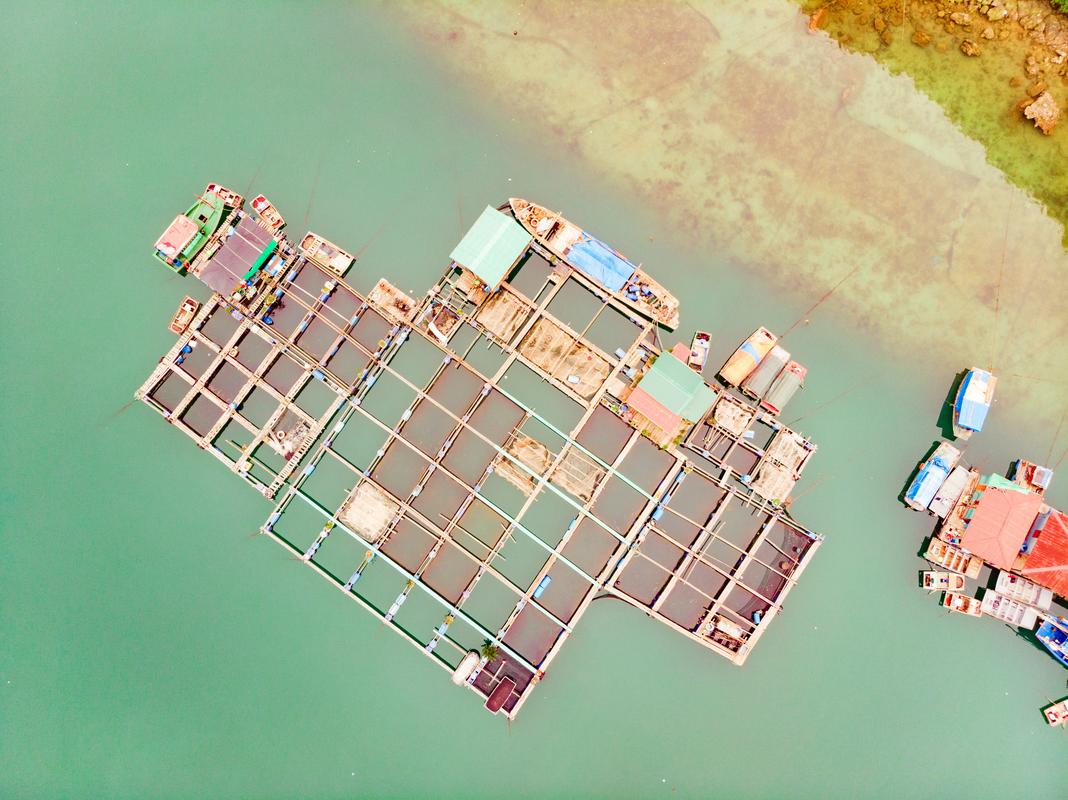
Ho Chi Minh City is Saigon’s newer name but the old energy remains — motorbike rivers, war history museums, banh mi for under a dollar, and a skyline growing fast.
Hanoi’s Old Quarter has 36 streets each named for its original trade — a Vietnamese capital where the motorbike traffic, phở, and thousand-year-old temples never stop.

Columbus is Ohio’s capital with the Short North arts district, a food scene that keeps earning national attention, and a college-town energy that never quite fades.

Cincinnati straddles the Ohio River with a craft beer revival, an art museum in a repurposed train station, and chili on spaghetti that locals will fight to defend.

Charleston has pastel row houses, shrimp and grits perfected to an art form, and a harbor history that shaped the country. The Southern charm isn’t an act.

Carcassonne’s medieval citadel has double walls, 52 towers, and looks exactly like a castle from a history book — because it essentially is one.


Bruges is a medieval time capsule with canals, chocolate shops on every corner, and a Belfry tower that rewards the 366-step climb with rooftop views of Flanders.

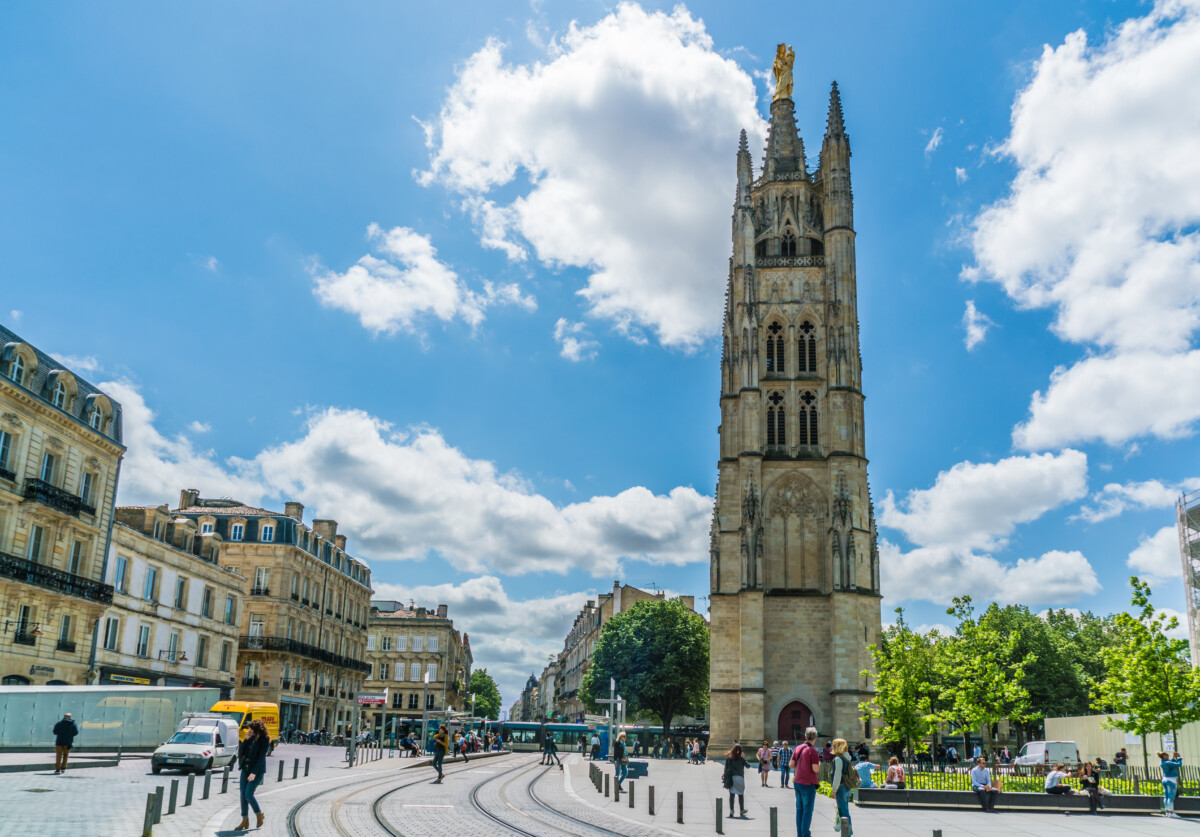
Bordeaux aged its riverfront the way it ages its wine — from industrial port to UNESCO World Heritage site. The Cité du Vin alone justifies the train from Paris.

Bari’s old town has grandmothers making orecchiette pasta in doorways — a southern Italian port city where Puglia’s food culture starts before you even sit down.

Atlanta runs on hip-hop, Southern hospitality, and a civil rights history you can trace from MLK’s birth home to the Center for Civil and Human Rights downtown.

Arezzo is the Tuscan town from Life is Beautiful — an antique market on the piazza, Piero della Francesca frescoes, and none of Florence’s crowds.
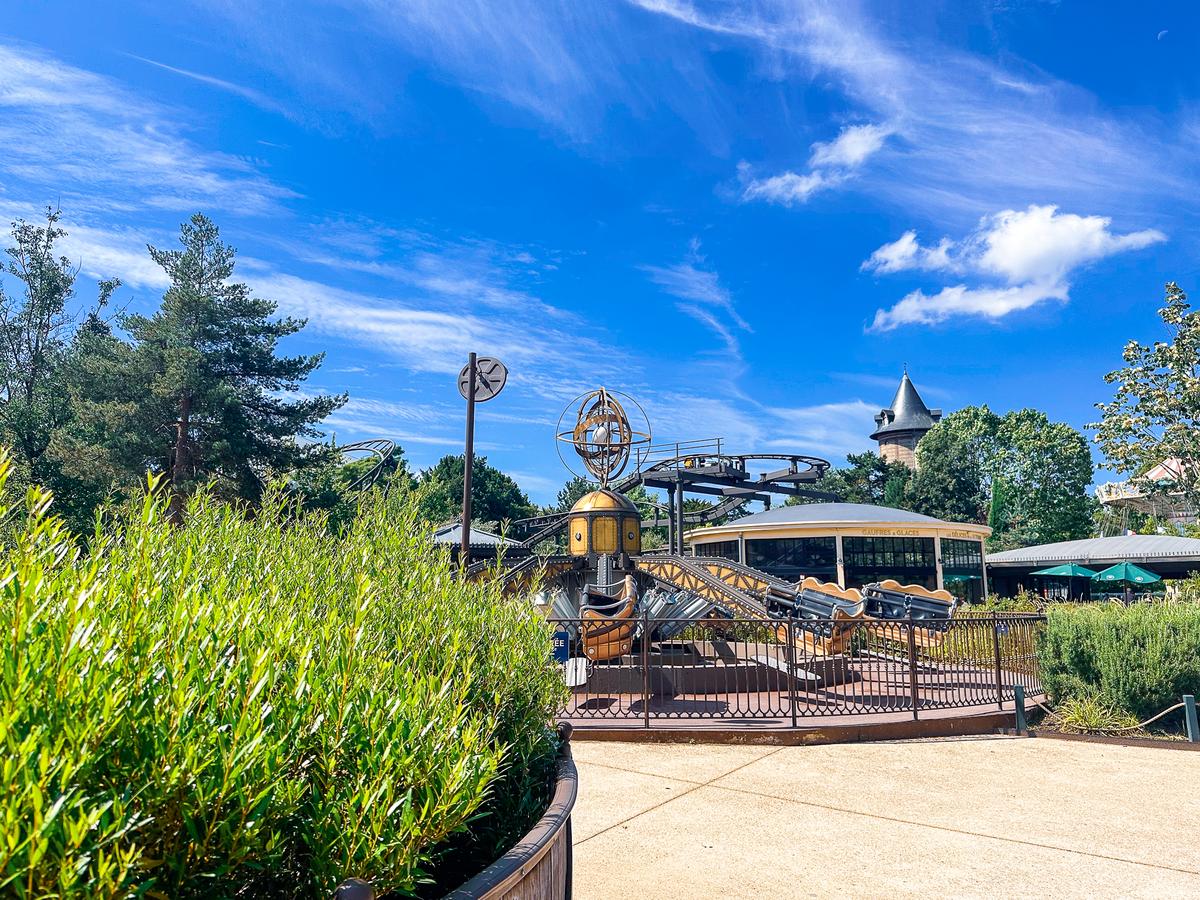
Lima is Latin America’s culinary capital with three restaurants in the World’s 50 Best — the ceviche alone is worth the flight to Peru.

Bangkok runs on street food, temples, and controlled chaos — the Grand Palace and a $1 pad thai can happen in the same hour, and that’s the whole point.
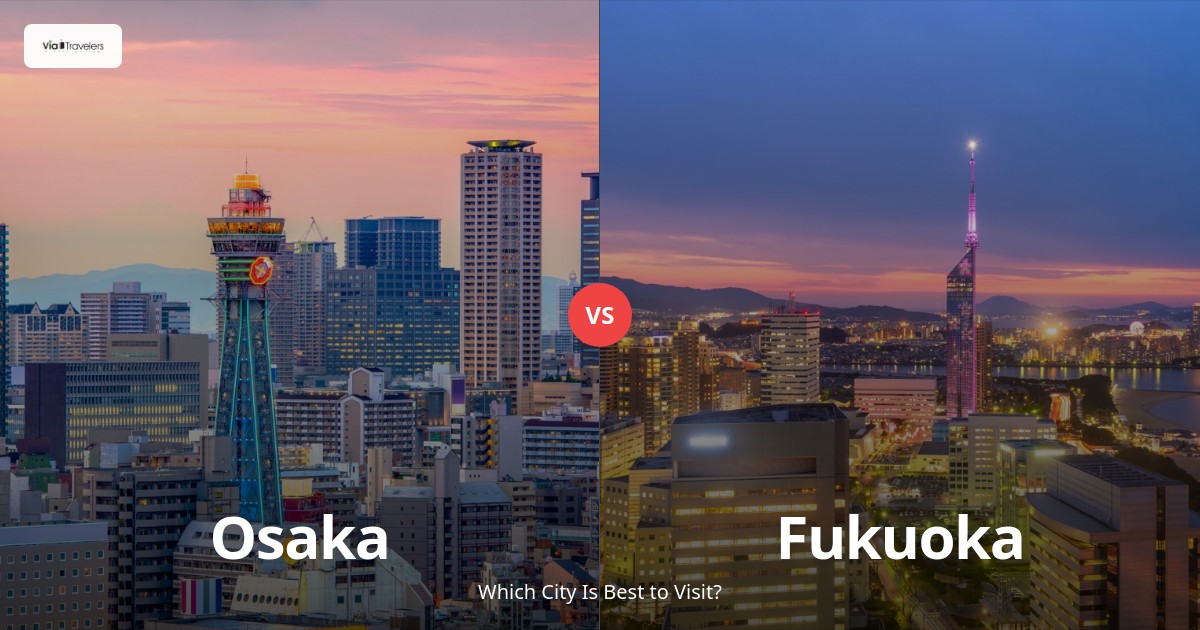
Fukuoka is Japan’s ramen capital — street-side yatai stalls line the river at night, and the tonkotsu broth alone is reason enough to fly to Kyushu.

Halifax wraps around one of the world’s great natural harbors — a maritime city with Titanic history, fresh lobster, and a waterfront boardwalk that earns its reputation.

Granada has the Alhambra — a Moorish palace complex that takes half a day and still leaves you wishing you’d booked more time. The tapas are free, too.
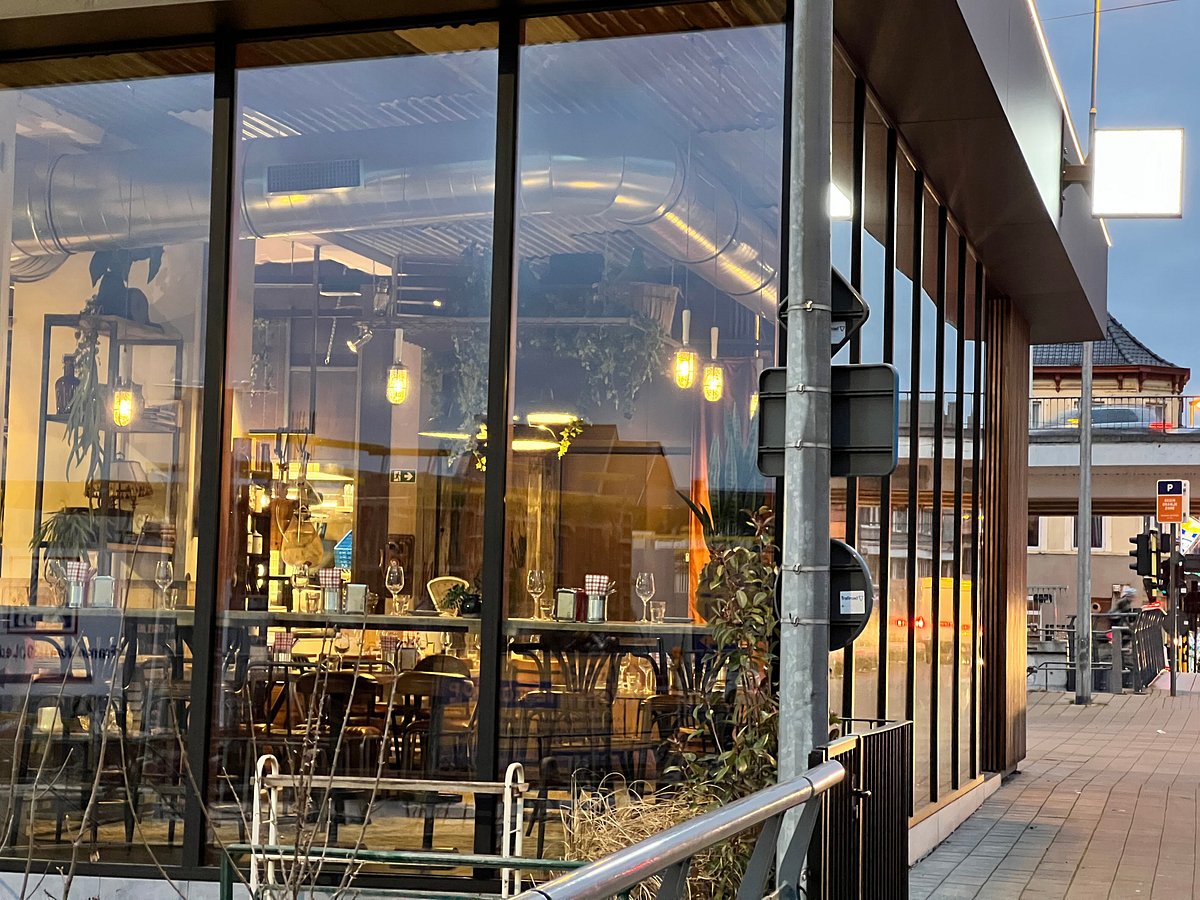
Ghent has medieval towers, a canal system that rivals Bruges, and a student population that keeps the city younger and cheaper than its Belgian neighbors.
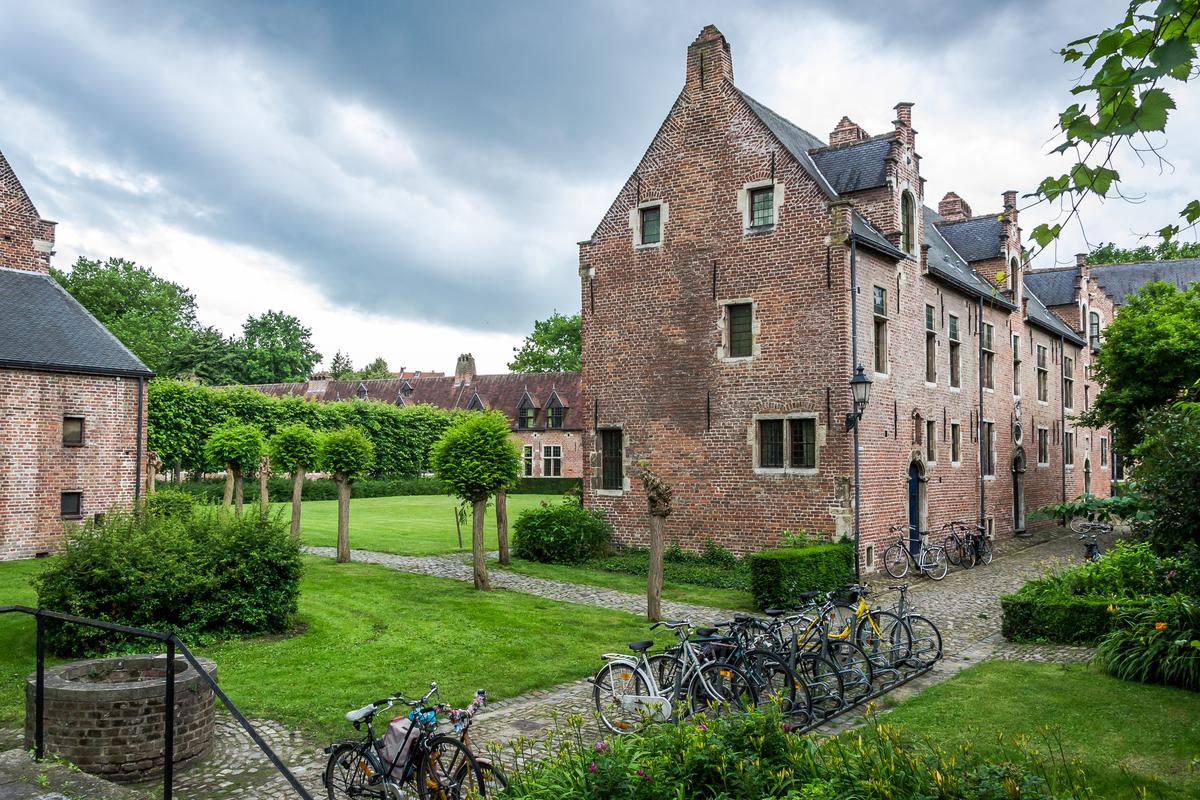
Leuven brews Stella Artois, hosts Europe’s oldest Catholic university, and wraps a Gothic town hall in a Belgian city you can walk end to end in 20 minutes.

Detroit is rewriting its own story — the Motor City now runs on murals, Motown heritage, a rebuilt riverfront, and a resilience you can feel in every neighborhood.

Naples, a foodie’s dream city, captivates visitors with its intoxicating blend of chaos and charm, where ancient history meets modernity.