

World’s most extensive UNESCO World Heritage urban environment—”the elegant” Bordeaux featuring 350+ historic monuments (second-highest concentration in France after Paris) showcasing 18th-century Age of Enlightenment architecture along Garonne River’s “Port of the Moon” designation. Wine capital producing 900 million bottles annually across 120,000 hectares of world’s largest fine-wine vineyards spanning 65 appellations, from modest vine huts to prestigious châteaux like Margaux’s neo-Palladian crown jewel across 262 hectares. La Cité du Vin’s majestic eight-story curves and sparkling reflections creating total wine heritage experience on 8 levels between museum and theme park, while Miroir d’Eau—Europe’s largest reflecting pool—gracefully juxtaposes Place de la Bourse’s elegant symmetry. Garonne River’s 1822 Pont de Pierre connecting both banks where 18th-century Europe’s premier port legacy continues through vibrant quay markets, cultural events, and restored waterfront excellence. Lonely Planet’s 2017 world’s top city recognition celebrating 200+ kilometers of bike paths, romantic gardens, sustainability, gastronomy, and quality of life across this “Pearl of Aquitaine’ where wine heritage meets contemporary urban sophistication beneath stunning riverfront architecture.
The destination guide
Bordeaux
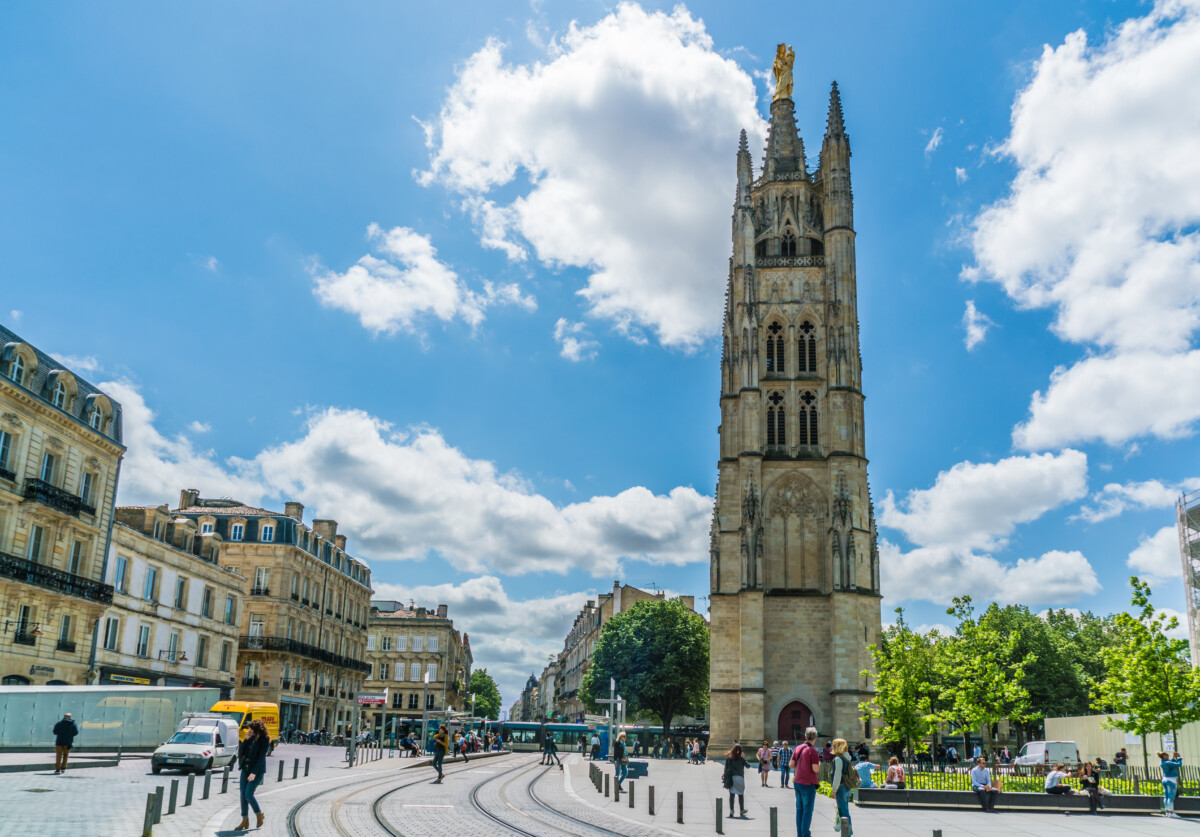
Bordeaux aged its riverfront the way it ages its wine — from industrial port to UNESCO World Heritage site. The Cité du Vin alone justifies the train from Paris.
Travel guides for Bordeaux
Things to do (1)
More guides featuring Bordeaux (3)
At a glance
- French
- Atlantic coast
- Wine region
- Garonne River
- Vineyard estates
- Wine tourism
- Historical architecture
- UNESCO World Heritage sites
- French gastronomy
How Bordeaux scores
Character
Editorial scores on a 10-point scale, weighed against destinations of the same kind.
Travel safety snapshot
SafePlace indicators use their source 100-point scale; higher is more favourable. Planning context, not a live travel advisory — check official government guidance before you go.
When to go
Best months to visit: March, April, May, June, July, September, October and November.
- January: 3.2 to 8.9 degrees Celsius, 10.6 millimetres of rain, best-time score 3 out of 5.
- February: 4 to 11.7 degrees Celsius, 8.1 millimetres of rain, best-time score 3 out of 5.
- March: 6.3 to 15.9 degrees Celsius, 11.9 millimetres of rain, best-time score 4 out of 5.
- April: 8.1 to 18.3 degrees Celsius, 13.8 millimetres of rain, best-time score 5 out of 5.
- May: 9.8 to 18.6 degrees Celsius, 33.3 millimetres of rain, best-time score 5 out of 5.
- June: 14.6 to 23.8 degrees Celsius, 23.3 millimetres of rain, best-time score 5 out of 5.
- July: 16.1 to 27.8 degrees Celsius, 1.9 millimetres of rain, best-time score 4 out of 5.
- August: 16.7 to 28 degrees Celsius, 5.9 millimetres of rain, best-time score 3 out of 5.
- September: 13.4 to 25.2 degrees Celsius, 13.8 millimetres of rain, best-time score 5 out of 5.
- October: 9.9 to 19.1 degrees Celsius, 23.5 millimetres of rain, best-time score 5 out of 5.
- November: 7.8 to 14.1 degrees Celsius, 16 millimetres of rain, best-time score 4 out of 5.
- December: 4.7 to 10.2 degrees Celsius, 21.7 millimetres of rain, best-time score 3 out of 5.
Month-by-month conditions and packing advice
- January
- Cool weather, mostly dry January in Bordeaux: museums and dining help, but winter quiet or peak heat reduce the all-around balance. Crowds: January is Bordeaux’s low tourist season, meaning fewer crowds at landmarks like Place de la Bourse and the Cité du Vin. Accommodation rates are more favorable, and popular wine tours can often be booked at short notice. The cool, dry weather is ideal for urban exploration, museum visits, and cozy gastronomic experiences, though less suited for extended outdoor dining or countryside cycling. Daylight hours are shorter, so planning activities to make the most of mid-day warmth is wise. While vineyards are dormant, cellar tastings remain a highlight, offering immersive wine experiences without the summer rush. Expect a calm, unhurried pace that lends itself to deeper cultural immersion. Pack: Warm wool coat for daytime and evening chill; Water-resistant walking shoes for cobblestone streets; Layered clothing for fluctuating indoor and outdoor temps; Compact umbrella for occasional light rain; Scarf and gloves for morning and evening walks; Smart casual attire for winery visits and fine dining
- February
- Cool weather, mostly dry February in Bordeaux: museums and dining help, but winter quiet or peak heat reduce the all-around balance. Crowds: February represents the off-peak travel season in Bordeaux, resulting in quieter streets, lower accommodation prices, and easier access to cultural sites. Cool, mostly dry conditions make it an ideal month for museum visits, wine tastings, and leisurely walks along the Garonne River without contending with large crowds. While outdoor café culture is subdued, indoor gastronomy thrives, with hearty southwestern French cuisine pairing perfectly with the cool weather. Limited daylight hours mean planning activities earlier in the day is wise. Travelers benefit from a more authentic, local rhythm of life, making this a rewarding time for those who value cultural depth over warm-weather recreation. Pack: Warm layered clothing for fluctuating temperatures; Comfortable waterproof walking shoes; Medium-weight coat for cooler evenings; Compact umbrella for occasional drizzle; Scarf and gloves for morning chill; Smart-casual attire for wine tastings and restaurants
- March
- Cool weather, mostly dry March in Bordeaux: the city and vineyards remain rewarding, though heat or cooler rain needs planning. Crowds: March offers a shoulder-season experience in Bordeaux, striking a balance between pleasant exploration and manageable crowd levels. This is not peak tourist season, so accommodation prices remain moderate and availability is good. The cool, mostly dry weather supports a range of activities, from exploring the UNESCO-listed old town to venturing into the Médoc wine region for cellar tours and tastings. While vineyards are still in their dormant phase, many estates welcome visitors year-round, and city museums provide rich cultural diversions. Outdoor seating at cafés is increasingly comfortable as the month progresses, though evenings still require an extra layer. It’s a great month for travelers seeking authentic encounters without the summer rush, with the added bonus of early spring events and markets beginning to emerge. Pack: Medium-weight jacket for cool mornings and evenings; Comfortable walking shoes for cobblestone streets; Scarf for added warmth during breezy days; Compact umbrella for occasional showers; Layered clothing for temperature shifts; Smart casual attire for winery visits and fine dining
- April
- Cool weather, mostly dry April in Bordeaux: wine touring, riverfront walks, markets, cycling, and harvest-season atmosphere are strongest in mild shoulder weather. Crowds: April marks the start of Bordeaux’s shoulder season, offering a sweet spot between winter quiet and summer crowds. The cool but pleasant weather is ideal for wine tours, cycling through vineyard routes, and exploring UNESCO-listed architecture without the peak-season congestion. Accommodation rates are moderate, and restaurant reservations are generally easy to secure. Outdoor festivals and local markets start to pick up momentum, giving visitors authentic cultural experiences without the pressures of high tourism. Occasional light rain may require a flexible itinerary, but it rarely disrupts travel plans. Booking wine tastings in advance is advisable as popular estates begin to see increased demand during spring weekends. Pack: Light sweater or cardigan for cool mornings and evenings; Comfortable walking shoes for cobblestone streets; Compact umbrella or light rain jacket; Layerable clothing for fluctuating daytime temperatures; Scarf for added warmth during breezy conditions; Smart-casual attire for winery visits and fine dining
- May
- Cool weather, some rain May in Bordeaux: wine touring, riverfront walks, markets, cycling, and harvest-season atmosphere are strongest in mild shoulder weather. Crowds: May offers a sweet spot before the height of summer tourism, combining comfortable temperatures with manageable crowd levels. This shoulder season means accommodation prices are often more favorable than in peak summer, yet most attractions and vineyards are fully open. The weather supports a wide range of activities—wine tours, outdoor markets, river cruises, and leisurely café afternoons—without the intense heat or high humidity of July and August. Rain is possible but usually light and short-lived, so it rarely hampers sightseeing. For travelers seeking both cultural depth and relaxed pacing, May is one of the best months to visit Bordeaux. Advance booking is recommended for popular wine estates and weekend dining spots. Pack: Light waterproof jacket for occasional showers; Layered clothing to adjust to cool mornings and warmer afternoons; Comfortable walking shoes for cobblestone streets; Compact umbrella for unpredictable rain; Smart-casual attire for vineyard tours and dining; Light scarf for evening breezes
- June
- Warm and pleasant, mostly dry June in Bordeaux: wine touring, riverfront walks, markets, cycling, and harvest-season atmosphere are strongest in mild shoulder weather. Crowds: June is one of the best months to visit Bordeaux, positioned at the start of the high tourist season but before the peak summer crowds of July and August. Weather conditions are nearly perfect for wine tours, outdoor dining, and exploring UNESCO-listed districts. Accommodation rates begin to climb, though bargains can still be found with early booking. Vineyards are vibrant with early growth, offering scenic landscapes for cycling or driving routes. Warm evenings encourage alfresco dinners and late-night strolls, while moderate humidity ensures comfort. Light showers may occur, but they tend to be short-lived, adding freshness to the air without hindering activities. Pack: Lightweight breathable clothing for daytime warmth; Comfortable walking shoes for urban and vineyard exploration; Light jacket or sweater for cooler evenings; Compact travel umbrella for occasional showers; Sunhat and SPF 30+ sunscreen for midday outings; Smart-casual attire for wine tastings and fine dining
- July
- Warm and pleasant, mostly dry July in Bordeaux: the city and vineyards remain rewarding, though heat or cooler rain needs planning. Crowds: July marks peak tourist season in Bordeaux, with warm, dry weather drawing visitors for wine tastings, river cruises, and festivals such as Bordeaux Fête le Vin when held in summer years. Accommodation rates and demand reach their highest, so early booking is essential. The long daylight hours enhance sightseeing potential, but popular attractions like Place de la Bourse and Cité du Vin can become crowded during midday. Outdoor terraces, evening concerts, and vineyard visits thrive under these conditions, while beach excursions to Arcachon Bay are at their most appealing. Travelers should plan for busy transport routes and secure reservations for guided tours well in advance to fully enjoy the season’s offerings. Pack: Lightweight breathable clothing for warm afternoons; Comfortable walking sandals or shoes for cobblestone streets; Wide-brimmed hat and high-SPF sunscreen; Reusable water bottle to stay hydrated; Light jacket or shawl for cooler evenings; Smart-casual attire for winery visits and fine dining
- August
- Warm and pleasant, mostly dry August in Bordeaux: museums and dining help, but winter quiet or peak heat reduce the all-around balance. Crowds: August is peak tourist season in Bordeaux, combining warm, dry weather with the city’s busiest cultural calendar. Expect high accommodation rates, crowded terraces, and popular attractions at full capacity, especially during weekends and festival dates. It’s an excellent time for outdoor dining, cycling along the river, and touring vineyards before the harvest begins. The heat may limit midday walking tours, so plan major sightseeing for mornings and evenings. Booking wine tours, top restaurants, and centrally located hotels well in advance is essential. Despite the bustle, August offers postcard-perfect conditions for photography, with clear skies and golden evening light enhancing the city’s architectural charm. Pack: Lightweight breathable clothing for hot afternoons; Comfortable sandals or walking shoes for cobblestone streets; Wide-brimmed hat and high-SPF sunscreen; Reusable water bottle to stay hydrated; Light jacket or wrap for cooler evenings; Smart-casual attire for winery visits and upscale dining
- September
- Warm and pleasant, mostly dry September in Bordeaux: wine touring, riverfront walks, markets, cycling, and harvest-season atmosphere are strongest in mild shoulder weather. Crowds: September offers one of the most rewarding times to visit Bordeaux, balancing summer warmth with the beginnings of autumn’s cultural vibrancy. It falls just after the peak tourist rush, so while the city still hums with energy, crowds are more manageable, and accommodation rates begin to ease. Outdoor dining, wine tours, and cycling through the vineyards are at their prime, with weather stable enough for full-day excursions. The grape harvest season means some winery visits may require advance booking, as estates are busy with production. Overall, the mild climate and rich seasonal atmosphere make it an ideal month for those seeking both comfort and authenticity without the high-season congestion. Pack: Lightweight breathable clothing for warm afternoons; A light jacket or sweater for cooler evenings; Comfortable walking shoes for cobblestone streets; Sunglasses and SPF 30+ sunscreen for midday sun; Smart-casual attire for vineyard and wine bar visits; Compact umbrella for occasional light showers
- October
- Cool weather, mostly dry October in Bordeaux: wine touring, riverfront walks, markets, cycling, and harvest-season atmosphere are strongest in mild shoulder weather. Crowds: October in Bordeaux marks the shoulder season, where the summer crowds have thinned but the city remains lively with harvest festivals and cultural events. The weather is ideal for wine tourism, cycling through vineyards, and leisurely city walks without the high heat of summer or the chill of winter. Accommodation prices are more moderate than peak summer, though booking ahead is wise during harvest weekends. Outdoor activities such as river cruises and market visits are particularly enjoyable, while the cooler evenings make indoor cultural attractions—museums, galleries, and wine cellars—especially inviting. Visitors benefit from fewer lines at popular sites and a more relaxed local atmosphere. Pack: Light jacket or trench coat for cool mornings and evenings; Comfortable walking shoes for cobblestone streets; Layered clothing for variable daytime temperatures; Scarf for added warmth and style; Smart-casual outfit for wine tastings and dining; Compact umbrella for unexpected showers
- November
- Cool weather, mostly dry November in Bordeaux: the city and vineyards remain rewarding, though heat or cooler rain needs planning. Crowds: November is a shoulder-season month in Bordeaux, ideal for travelers seeking a slower pace and lower accommodation rates. While it’s too cool for vineyard picnics or river cruises in shirt sleeves, it’s perfect for wine cellar tours, gastronomic experiences, and architectural exploration without peak-season congestion. Tourist numbers are modest, and attractions operate on regular schedules, though some outdoor events wind down. Prices for hotels and flights often drop compared to summer highs, offering excellent value for those comfortable with cooler temperatures. Layered clothing ensures comfort during fluctuating daytime and evening temperatures, and advance booking is recommended only for special exhibitions or popular dining spots. Pack: Warm layered clothing for fluctuating autumn temperatures; Water-resistant jacket for light rain and mist; Comfortable closed-toe walking shoes; Scarf and gloves for chilly mornings and evenings; Smart casual attire for winery visits and fine dining; Compact umbrella for unexpected showers
- December
- Cool weather, mostly dry December in Bordeaux: museums and dining help, but winter quiet or peak heat reduce the all-around balance. Crowds: December is low tourist season in Bordeaux, meaning fewer crowds at museums, markets, and UNESCO-listed sites like Place de la Bourse. Accommodation prices tend to be more favorable compared to spring and summer, though festive events and Christmas markets can draw modest weekend visitors. Cool, mostly dry weather is comfortable for urban exploration, though shorter daylight hours mean planning outdoor activities earlier in the day. The city’s winter atmosphere pairs well with indoor cultural experiences—wine tastings, art exhibitions, and gastronomy-focused tours—making it an excellent time for travelers seeking depth over pace. Advance bookings are only necessary for special holiday events or top restaurants. Pack: Warm wool coat for cool daytime temperatures; Layered sweaters for fluctuating indoor/outdoor comfort; Water-resistant walking shoes for damp streets; Compact umbrella for occasional showers; Scarf, hat, and gloves for early morning or evening chill; Smart casual attire for wine tastings and fine dining
- July
- August
- May
- June
- September
- January
- February
- November
- December
- March
- April
Know before you go
Best time to visit
The best time to visit Bordeaux is during the spring (April to June) and fall (September to November) when the weather is pleasant and the vineyards are particularly beautiful. Summer can be warm, attracting many tourists, while winter is quieter but offers unique seasonal events.
Getting there and around
Getting there
Bordeaux is accessible via Bordeaux Airport and France’s TGV high-speed rail network. The city connects to Paris and major French cities via train and highway networks.
Getting around
Bordeaux offers excellent public transportation including trams and buses. The city center is very walkable with most attractions accessible on foot.

Worth booking ahead in Bordeaux
Hand-picked from the operators our guides already send readers to. Prices and availability are live on the partner site.
Day tripGetYourGuide
Versailles Palace guided tour with coach transfer (opens GetYourGuide in a new tab)
Guided palace visit with the coach transfer handled, so you skip the RER connection and the ticket-office line.
Where to stayBooking.com
Stays in Bordeaux (opens Booking.com in a new tab)
Live rates and availability for Bordeaux on Booking.com; filter by neighbourhood once you know where your days start.
We earn a commission if you book through these links, at no extra cost to you. It is how we keep the guides free and independent.
Tips from the field
Highlights
- Place de la Bourse and Miroir d'eau
- La Cité du Vin
- Saint-André Cathedral
- Monument aux Girondins
- Jardin Public
Best activities
- Wine tasting at La Cité du Vin
- Strolling through the UNESCO-listed historic center
- Visiting the Miroir d'eau (Water Mirror) at Place de la Bourse
- Exploring the Jardin Public
Practical tips
- Use public transportation or walk to explore the compact city center
- Book wine tours and tastings in advance, especially during peak season
- Visit La Cité du Vin early to avoid crowds
Keeping it authentic
- Explore the historic Jardin Public, created in 1746 as France's first public garden
- Visit the Grosse Cloche, a well-preserved medieval structure
Culture, customs and safety
Cultural heritage
Bordeaux preserves 2,000 years of wine culture within its UNESCO-protected 18th-century architecture, earning the nickname “Little Paris.” The Port of the Moon’s crescent shape gave the city its name and fortune through wine trade monopolies dating to Eleanor of Aquitaine. Place de la Bourse’s water mirror, the world’s largest, reflects classical facades while children play in scheduled mists. Wine négociants in Chartrons district maintain wood-paneled offices where handshake deals still determine futures prices. The city’s “Golden Triangle” preserves grand hôtels particuliers built by wine merchants, while Darwin Ecosystème transforms military barracks into sustainable cultural space, bridging historical preservation with contemporary innovation.
Local customs & etiquette
In Bordeaux, greet with ‘Bonjour’ and always say ‘please’ (s’il vous plaît) and ‘thank you’ (merci). Wine culture is central – learn basic wine tasting etiquette. Dining is leisurely and appearance matters.

